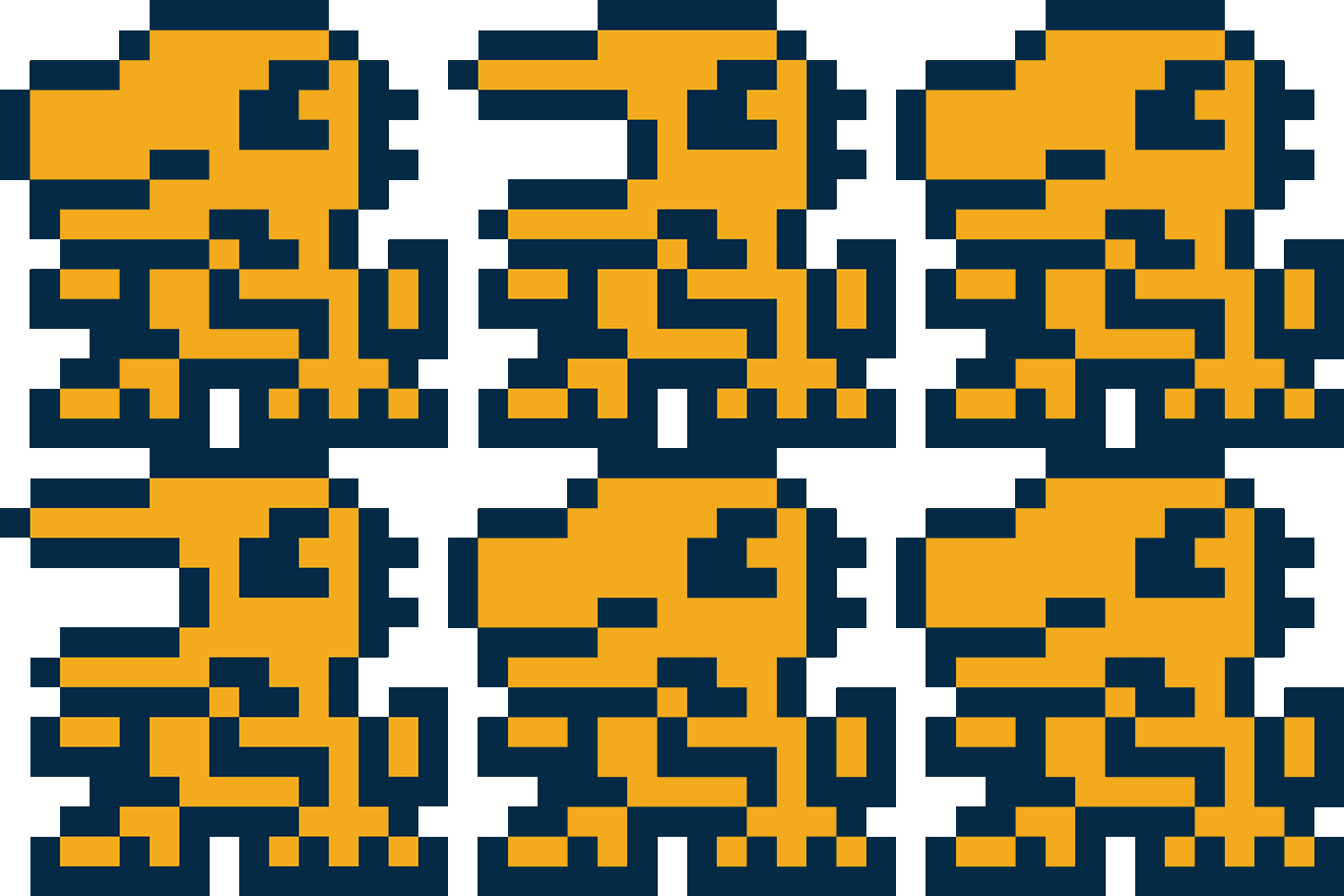
Nomingia
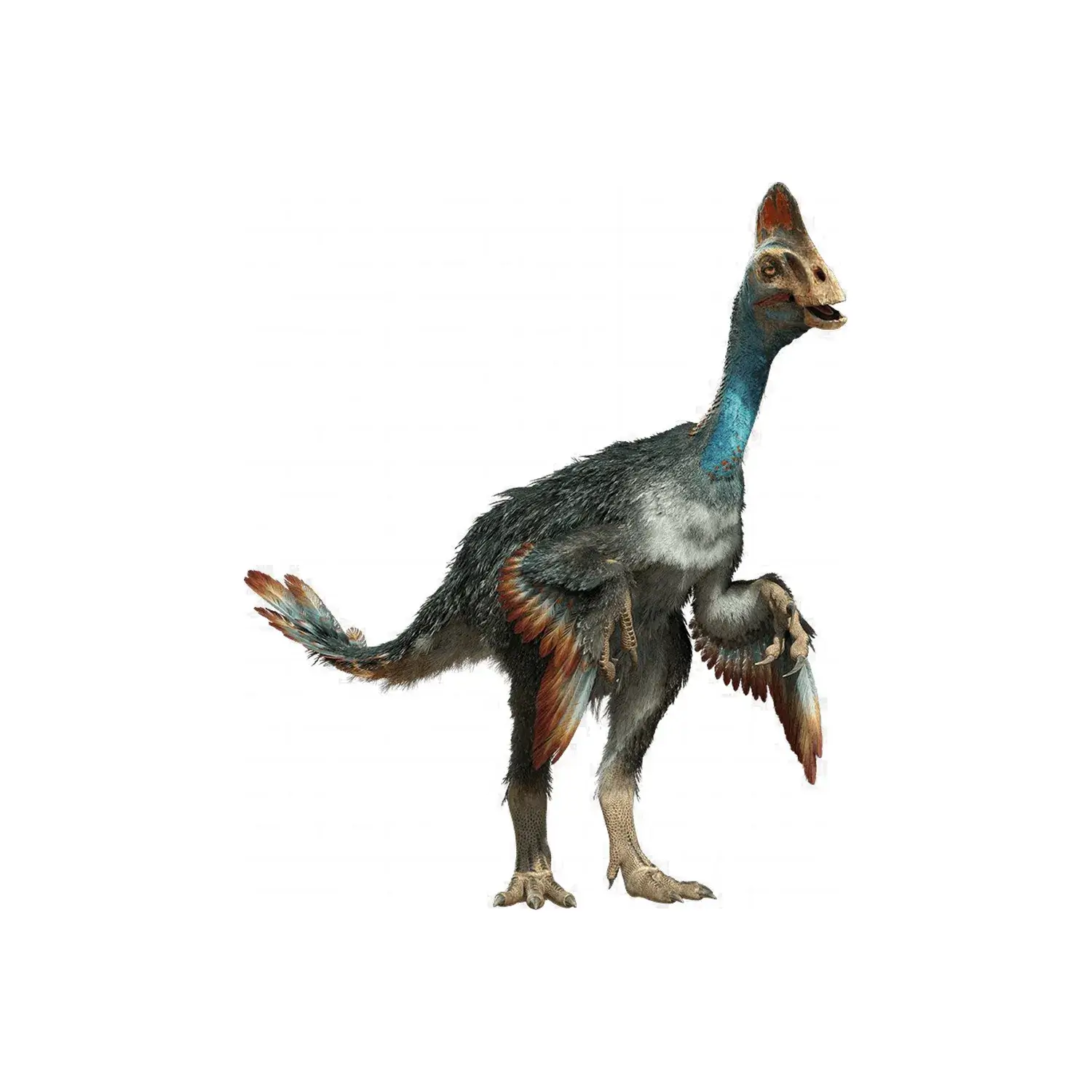
Name Origin
One from Nomingiin (a location in the Gobi Desert)
Family
Oviraptoridae
Classification
Diapsida, Saurischia, Theropoda
Habitat (Discovery Location)
Mongolia
Period
Late Cretaceous
Length
Approximately 1.7 meters
Weight
Approximately 20 kg
Diet
Approximately 20 kg
You might also like... 
-
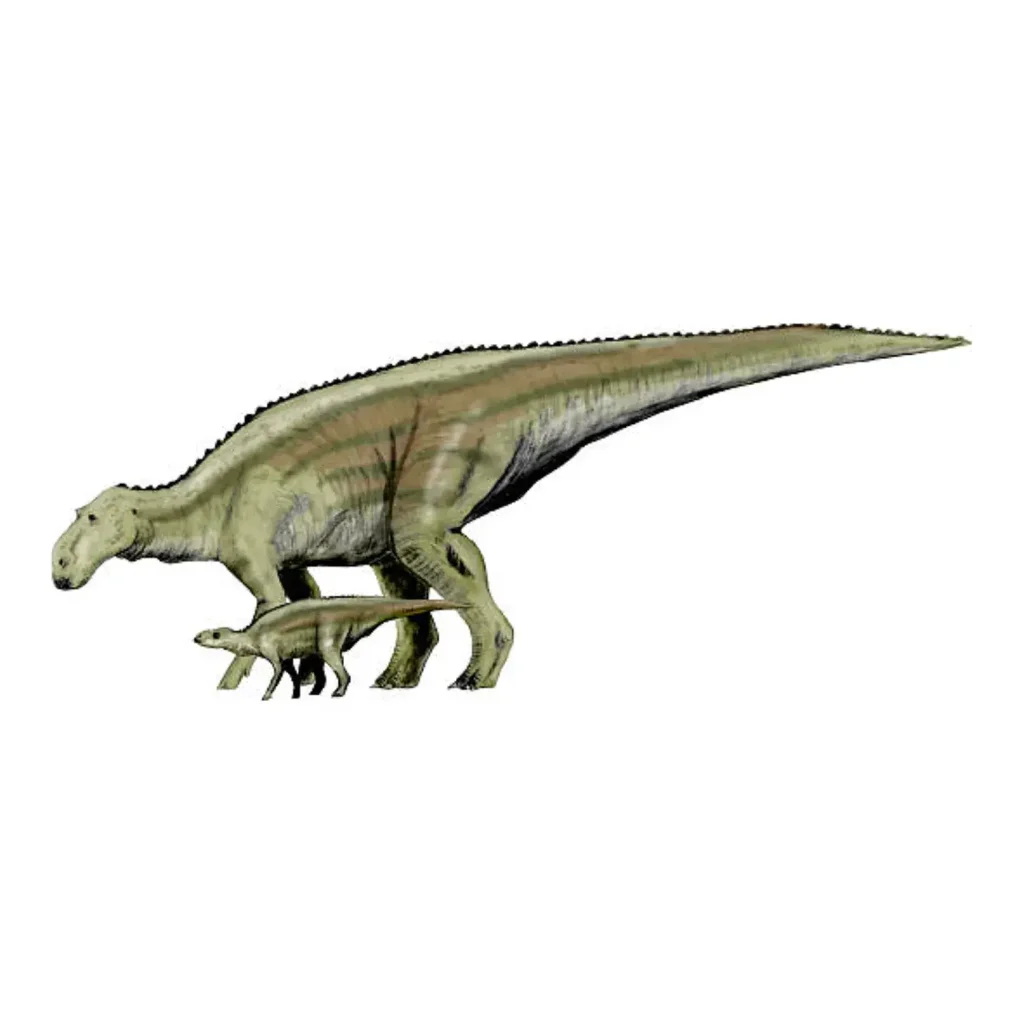
 Maiasaura
- Classification
- Ornithopoda
- Characteristics
- Herbivorous
- Era
- Cretaceous period
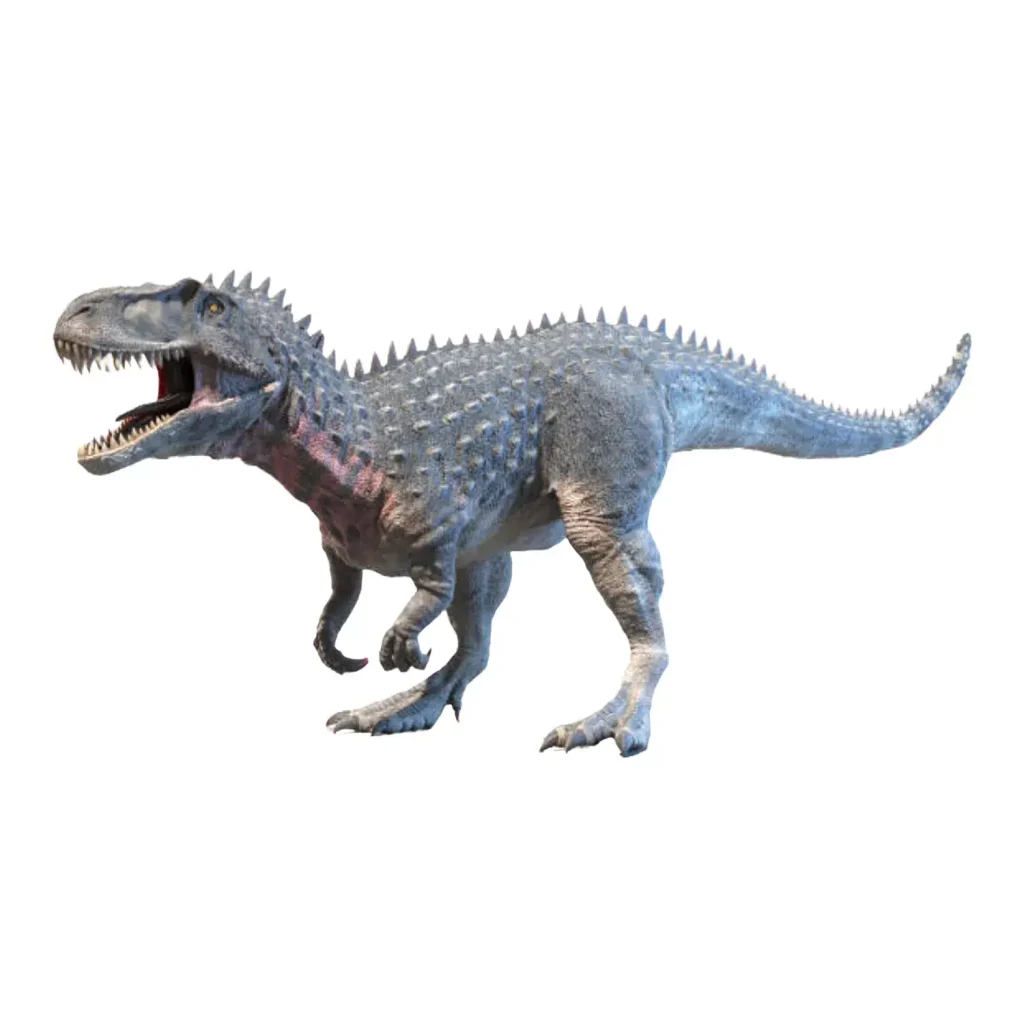
- Torvosaurus
- Classification
- Theropods
- Characteristics
- Carnivorous
- Era
- Jurassic period
-
 Tazoudasaurus
- Classification
- Sauropods
- Characteristics
- Herbivorous
- Era
- Jurassic period
- Anchisaurus
- Classification
- Sauropods
- Characteristics
- Herbivorous
- Era
- Jurassic period
-
Sponsored Links
-
Sponsored Links


![[Latest Research] What Was the Function of Spinosaurus's Giant "Sail"? Exploring the Mysteries of Thermoregulation and Underwater Locomotion](https://dinosaurmuseum.jp/wp/wp-content/uploads/eyecatch_spinosaurus-sail-function_en-1024x512.webp)
![[Latest Discovery] A Third Type of Skin, Neither Scales Nor Feathers? Meet "Haolong dongi," a New Dinosaur Species Covered Entirely in Spikes](https://dinosaurmuseum.jp/wp/wp-content/uploads/eyecatch_dinosaur-spiky-skin-discovery_en-1024x512.webp)
Description
Late Cretaceous Mongolia.
In the final age of the dinosaur era known as the “Maastrichtian,” lived a dinosaur possessing extremely important characteristics in evolutionary history.
Its name is “Nomingia.”
Belonging to the Oviraptoridae family, this dinosaur surprised the paleontological world by possessing a bone previously thought to be a feature “unique to modern birds.”
“One from Nomingiin”: Name Origin and Basic Specs
Name Origin
The scientific name Nomingia is derived from “Nomingiin” in the Gobi Desert where the fossil was discovered, meaning “One from Nomingiin.”
Size and Classification
It is a small dinosaur, approximately 1.7 meters long and weighing about 20 kg.
It is classified within the Oviraptoridae family and is believed to have been omnivorous.
Not Just a Bird Trait! Discovery of the “Pygostyle”
Nomingia’s greatest feature and the most significant discovery lay in its “tail.”
Evidence Connecting Evolution
A “pygostyle”—fused vertebrae at the tip of the tail—was confirmed from the fossil.
Until then, the pygostyle was thought to be a unique characteristic possessed only by modern birds.
However, the discovery of Nomingia proved that this trait had already been acquired at the dinosaur stage.
This became definitive evidence reaffirming the extremely strong evolutionary link between small theropods and birds.
Why Have It If Not Flying? The Role of “Display Feathers”
In birds, the pygostyle plays a crucial role in supporting tail feathers used to control deceleration and landing during flight.
However, Nomingia did not possess the ability to fly.
Why, then, did they have a bone to support magnificent tail feathers?
Courtship and Display
It is now believed to have served a role similar to that of its close relative Caudipteryx or the modern peacock.
It was used as “decoration” to support developed tail feathers, which were spread during the breeding season to appeal to the opposite sex (courtship) or to show off and make themselves appear larger.
The Last Oviraptorosaur: What the Headless Fossil Tells Us
The discovered fossils consist of vertebrae, the pelvis, and parts of the legs; unfortunately, the skull has not been found.
However, based on bone structure and studies of close relatives, it is considered almost certain that it was covered in feathers in life.
Living at the very end of the Cretaceous, Nomingia is a vital piece filling the puzzle of evolution leading to birds.
As the last lineage of the Oviraptorosaurs, it likely spread its beautiful display feathers across the Mongolian lands.