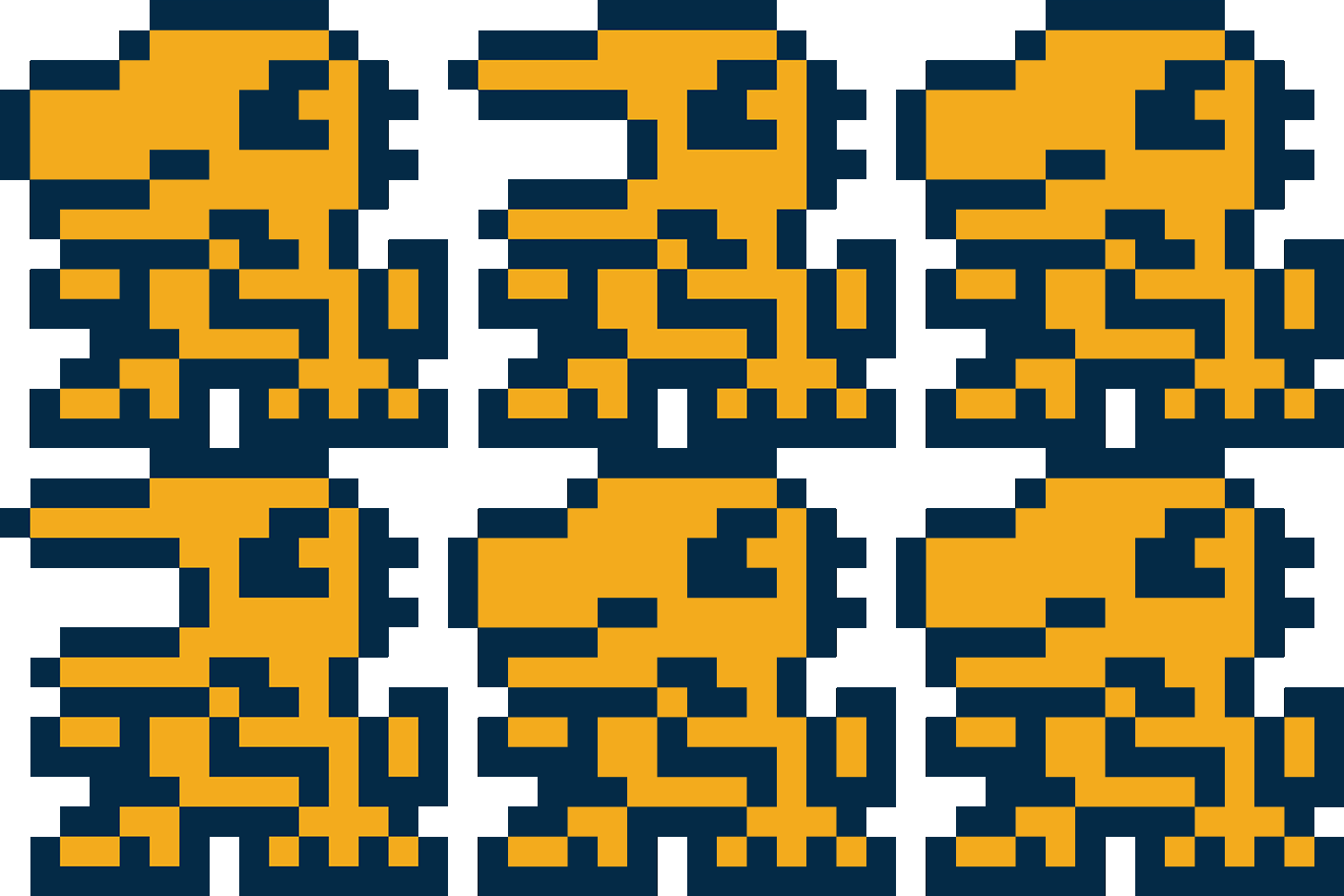
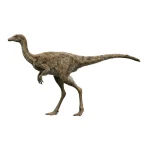
Sinornithomimus

Name Origin
Chinese Ornithomimus (Ostrich Mimic)
Family
Ornithomimidae
Classification
Diapsida, Saurischia, Theropoda
Habitat (Discovery Location)
China, Mongolia
Period
Approximately 90 million years ago (Late Cretaceous)
Length
Approximately 2 meters
Diet
Omnivore
You might also like... 
-
 Heterodontosaurus
- Classification
- Ornithopoda
- Characteristics
- Herbivorous
- Era
- Jurassic period
- Irritator
- Classification
- Theropods
- Characteristics
- Carnivorous
- Era
- Cretaceous period
- Wuerhosaurus
- Classification
- Thyreophora
- Characteristics
- Herbivorous
- Era
- Cretaceous period
- Ornitholestes
- Classification
- Theropods
- Characteristics
- Carnivorous
- Era
- Jurassic period
-
Sponsored Links
-
Sponsored Links

![[Latest Research] What Was the Function of Spinosaurus's Giant "Sail"? Exploring the Mysteries of Thermoregulation and Underwater Locomotion](https://dinosaurmuseum.jp/wp/wp-content/uploads/eyecatch_spinosaurus-sail-function_en-1024x512.webp)
![[Latest Discovery] A Third Type of Skin, Neither Scales Nor Feathers? Meet "Haolong dongi," a New Dinosaur Species Covered Entirely in Spikes](https://dinosaurmuseum.jp/wp/wp-content/uploads/eyecatch_dinosaur-spiky-skin-discovery_en-1024x512.webp)
Description
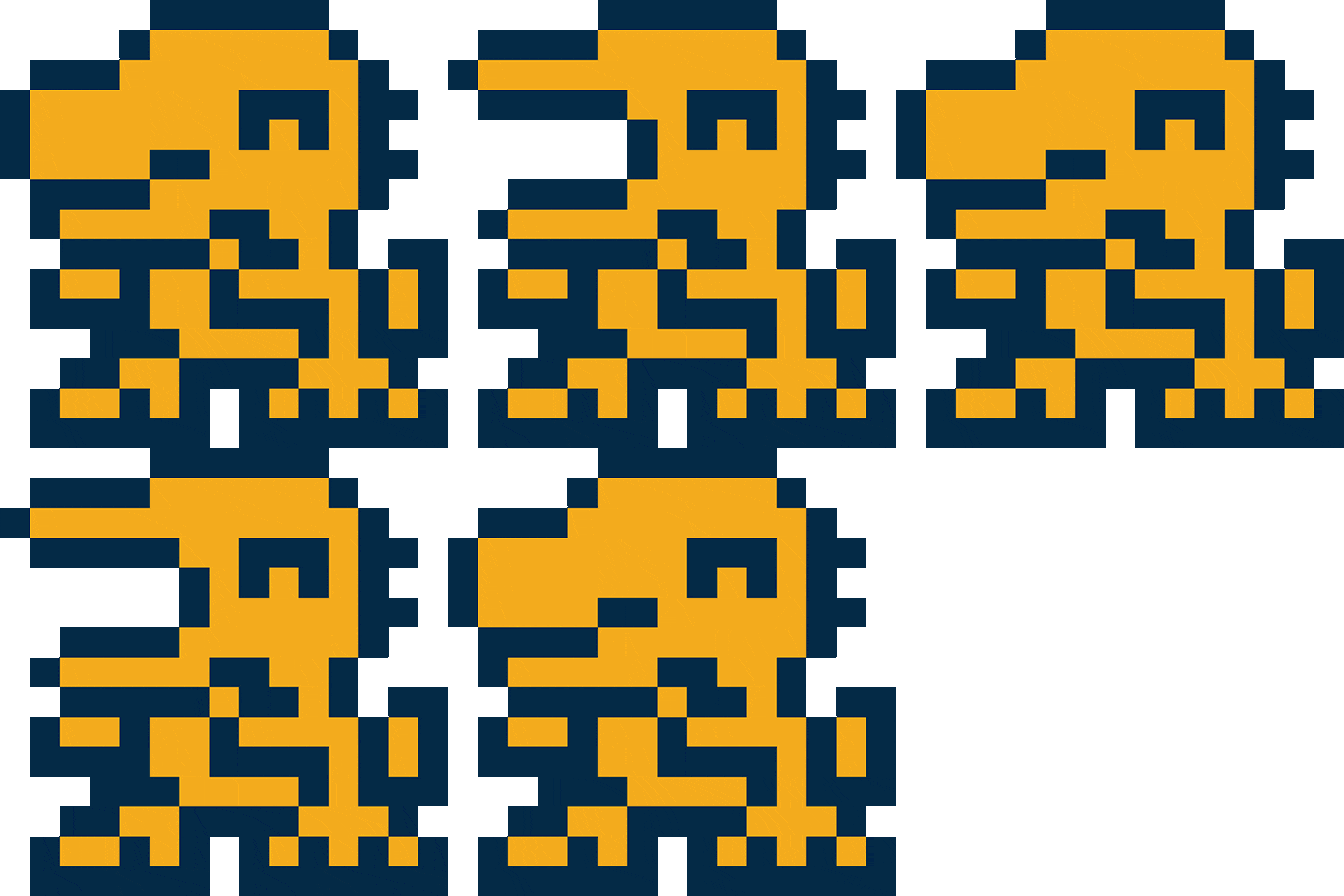
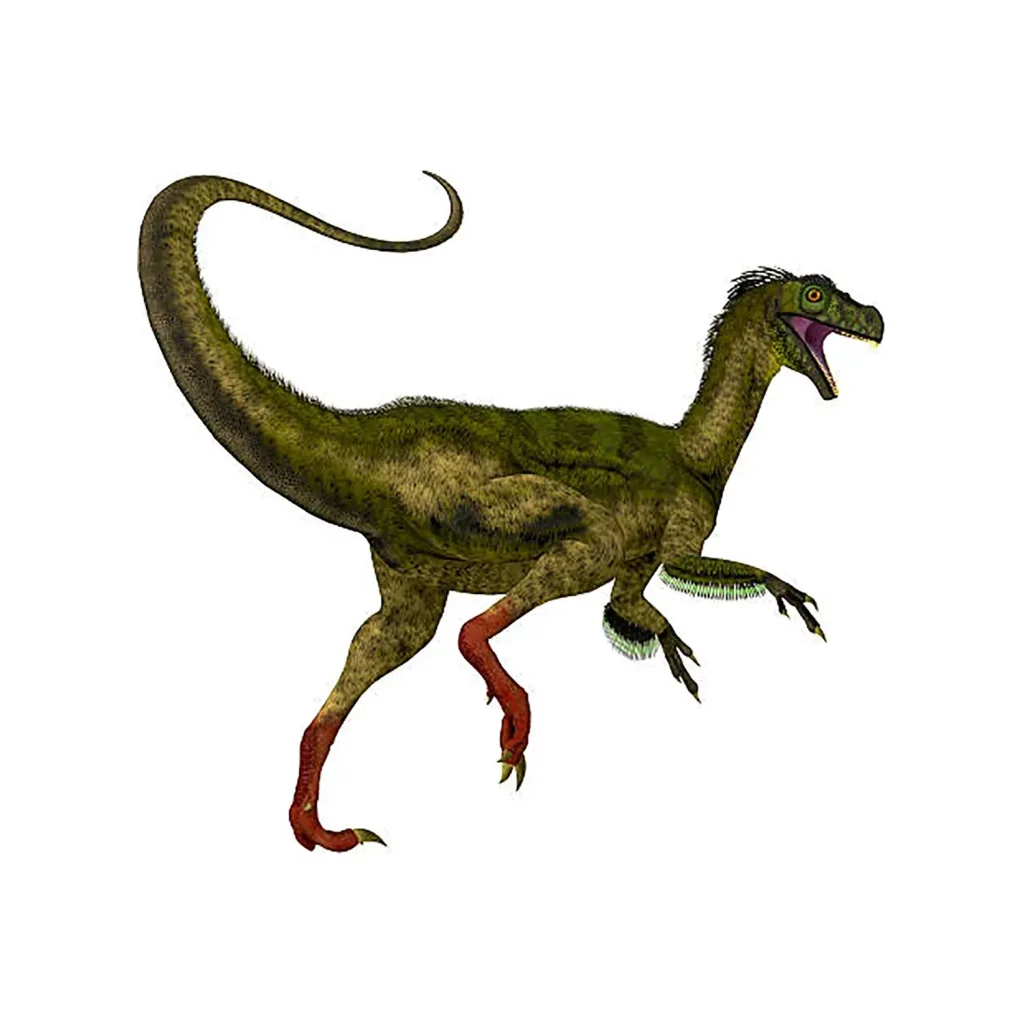
Fossils of a small dinosaur resembling an ostrich were discovered in Late Cretaceous strata in the Inner Mongolia Autonomous Region of China.
This dinosaur, called “Sinornithomimus,” is a type of ornithomimosaur measuring about 2 meters in length.
Believed to have been covered in feathers, they are known not only for their ecology but also for the unique “story of discovery” born from pure coincidence.
A Major Discovery Sparked by a Paperweight! The Achievement of a Japanese Researcher
The most famous aspect of Sinornithomimus research history is the discovery story, which unfolds almost like a movie.
It was truly a product of serendipity.
The Identity of a Stone Taken Home as a Souvenir
In 1997, a student studying crocodiles at the time (now Hokkaido University Professor Yoshitsugu Kobayashi) was participating in the excavation as an extra hand.
He was using a stone he intended to take home as a souvenir as a paperweight on his desk.
However, when he happened to look closely at the stone, he noticed “traces of ribs” on it.
This was the moment of discovery of the “gastroliths” (stomach stones) packed in the stomach area of a Sinornithomimus.
Proof Published in the Scientific Journal “Nature”
At the time, the existence of “theropods with gastroliths” had not been proven, but this discovery revealed that they swallowed stones to aid digestion.
Since the characteristics of the gastroliths resembled those of herbivorous birds, it confirmed that they ate plants (or were strongly herbivorous omnivores). This achievement was significant enough to be introduced in the global scientific journal Nature.
A “Dinosaur Nursery” Left Behind by a Muddy Tragedy
Another major feature of Sinornithomimus lies in the condition in which the fossils are found.
In excavations in 1997 and 2001, over 10 individuals were found buried in extremely high density, as if their feet had been caught in a mud trap.
Group Life of Only Children
What is mysterious is that the fossils found there were only of juveniles and young individuals.
No fossils of adults have been found.
This suggests that the adults either managed to escape the disaster or lived apart from the children from the start.
It is speculated that Sinornithomimus formed herds consisting solely of young ones, similar to the “crèche” (collective childcare) seen in modern penguins.
Fossils as Valuable Time Capsules
Sinornithomimus is considered close to the primitive Archaeornithomimus.
The tragic end met by these young dinosaurs in the mud became a valuable time capsule, conveying their diet and social behavior to us across tens of millions of years.
The truth hidden inside a paperweight teaches us about the “lost daily life” of how dinosaurs ate and how they grew up.