
Staurikosaurus
Name Origin
Lizard of the Southern Cross
Family
Staurikosauridae
Classification
Diapsida, Saurischia, Theropoda
Habitat (Discovery Location)
Brazil
Period
Approximately 225 million years ago (Middle Triassic)
Length
Approximately 2 meters
Weight
Approximately 15–20 kg
Diet
Carnivore (Meat-eater)
You might also like... 

-
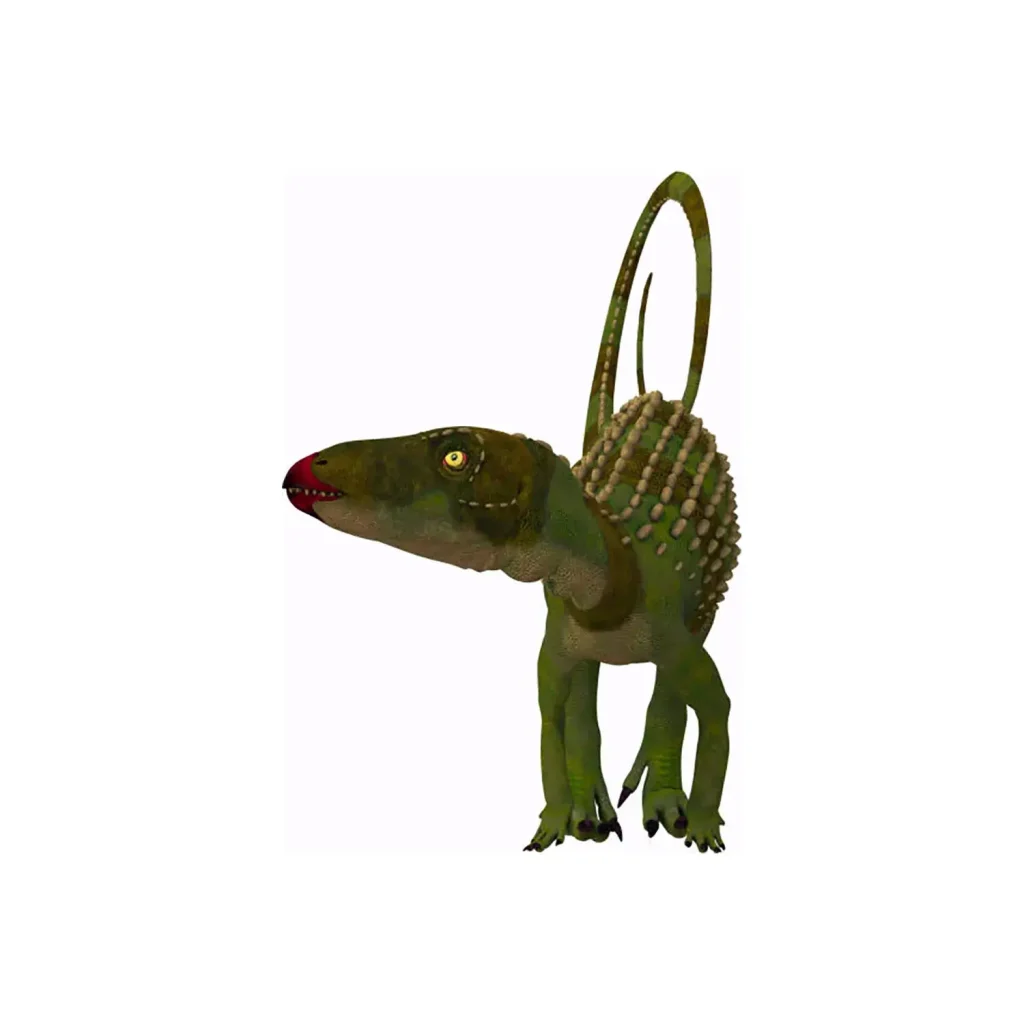
 Scutellosaurus
- Classification
- Thyreophora
- Characteristics
- Herbivorous
- Era
- Jurassic period
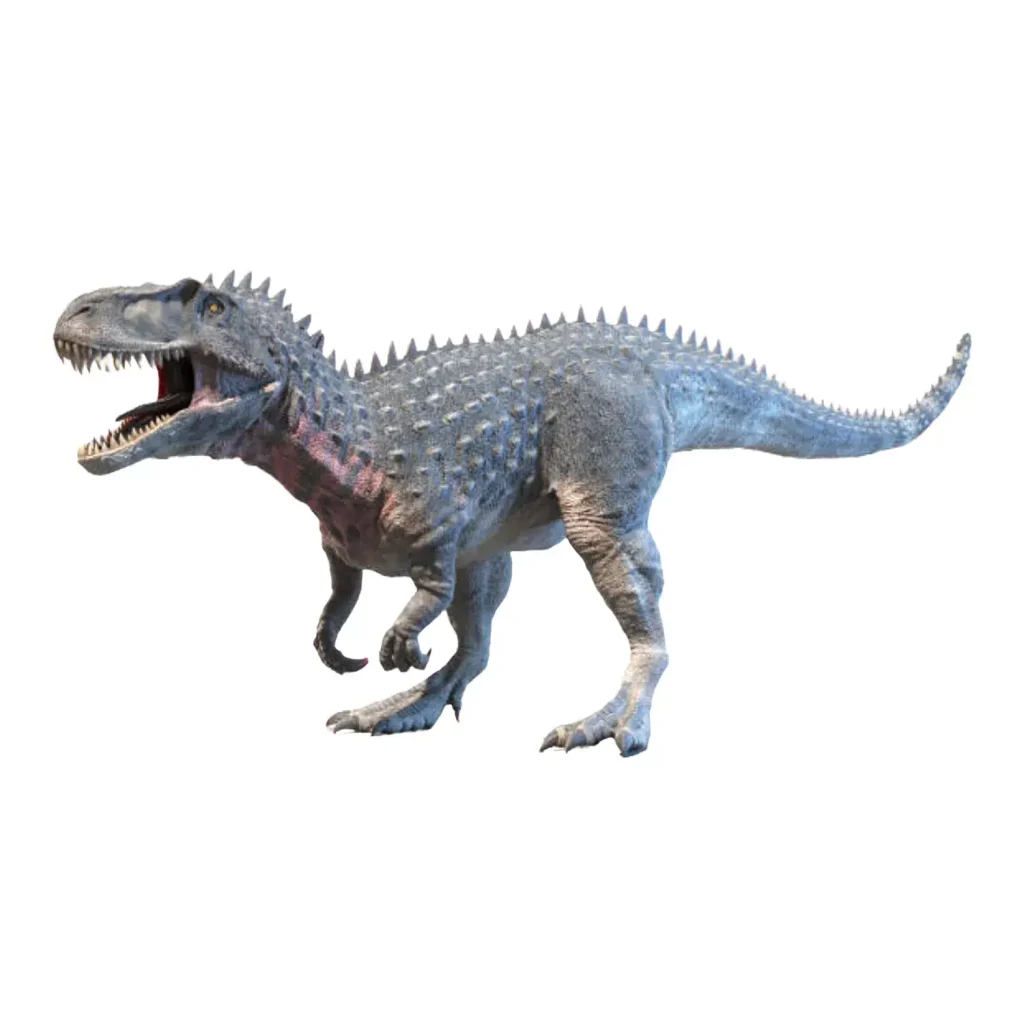
- Torvosaurus
- Classification
- Theropods
- Characteristics
- Carnivorous
- Era
- Jurassic period
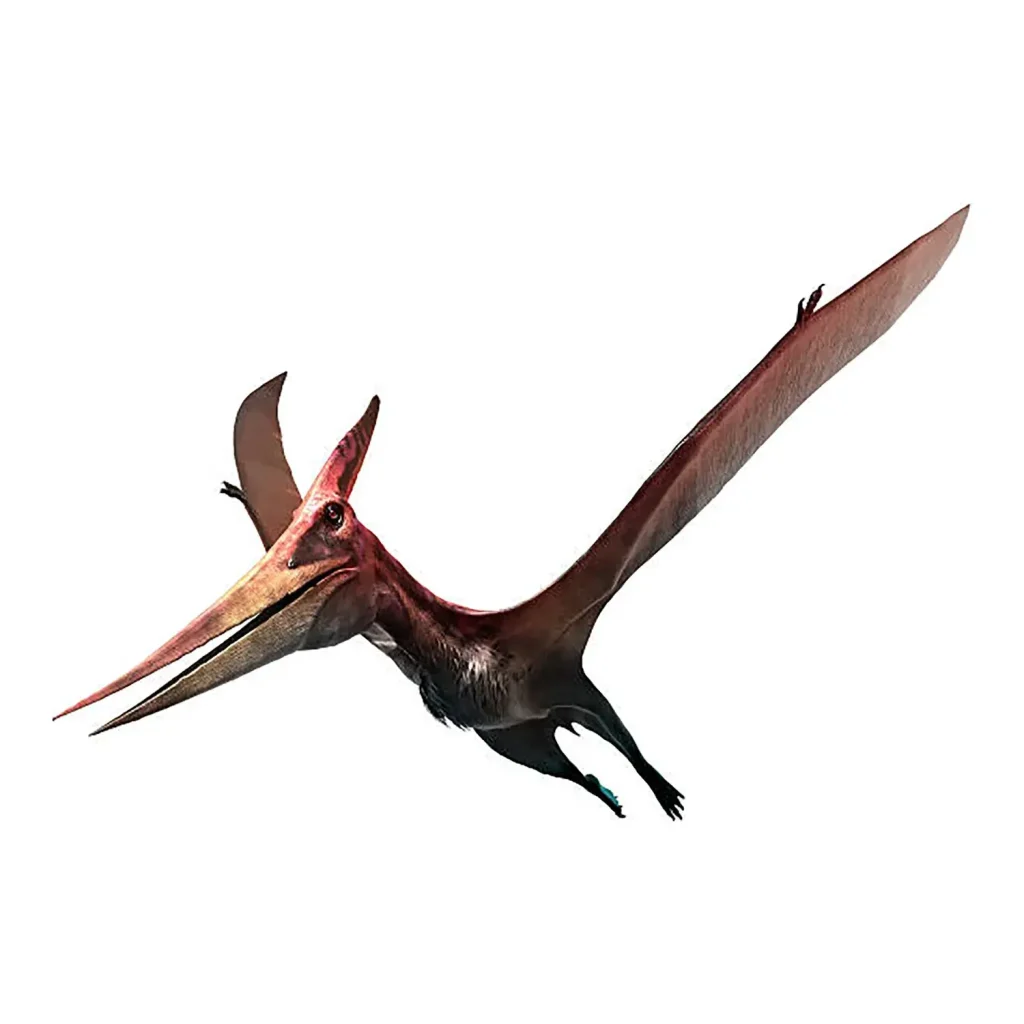
- Pteranodon
- Classification
- Flying reptiles
- Characteristics
- Carnivorous
- Era
- Cretaceous period
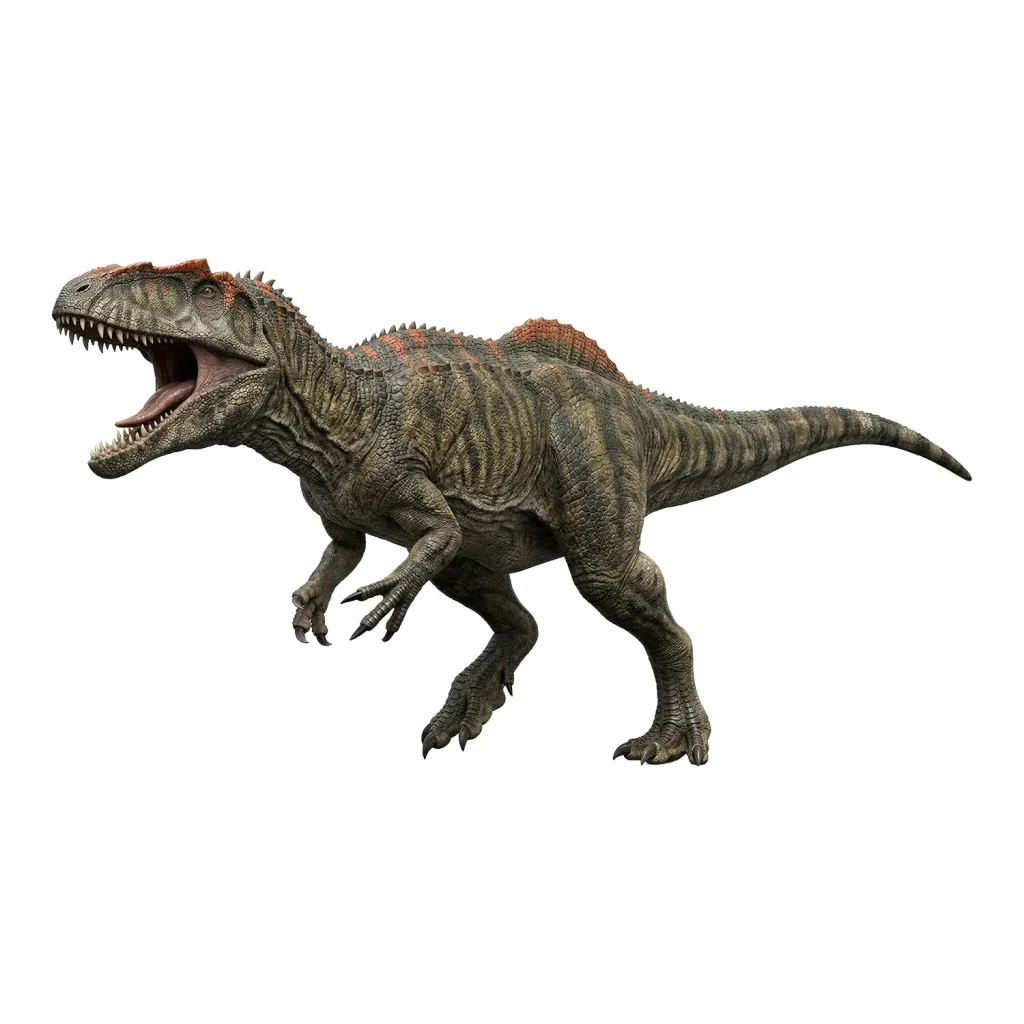
- Giganotosaurus
- Classification
- Theropods
- Characteristics
- Carnivorous
- Era
- Cretaceous period
-
Sponsored Links
-
Sponsored Links






![[Latest Research] What Was the Function of Spinosaurus's Giant "Sail"? Exploring the Mysteries of Thermoregulation and Underwater Locomotion](https://dinosaurmuseum.jp/wp/wp-content/uploads/eyecatch_spinosaurus-sail-function_en-1024x512.webp)
![[Latest Discovery] A Third Type of Skin, Neither Scales Nor Feathers? Meet "Haolong dongi," a New Dinosaur Species Covered Entirely in Spikes](https://dinosaurmuseum.jp/wp/wp-content/uploads/eyecatch_dinosaur-spiky-skin-discovery_en-1024x512.webp)
Description
The Southern Cross is an iconic constellation shining in the night sky of Brazil.
From the strata of the Mesozoic Triassic period (approximately 225 million years ago), which marks the dawn of the dinosaur era, a dinosaur bearing a name derived from this beautiful constellation has been discovered.
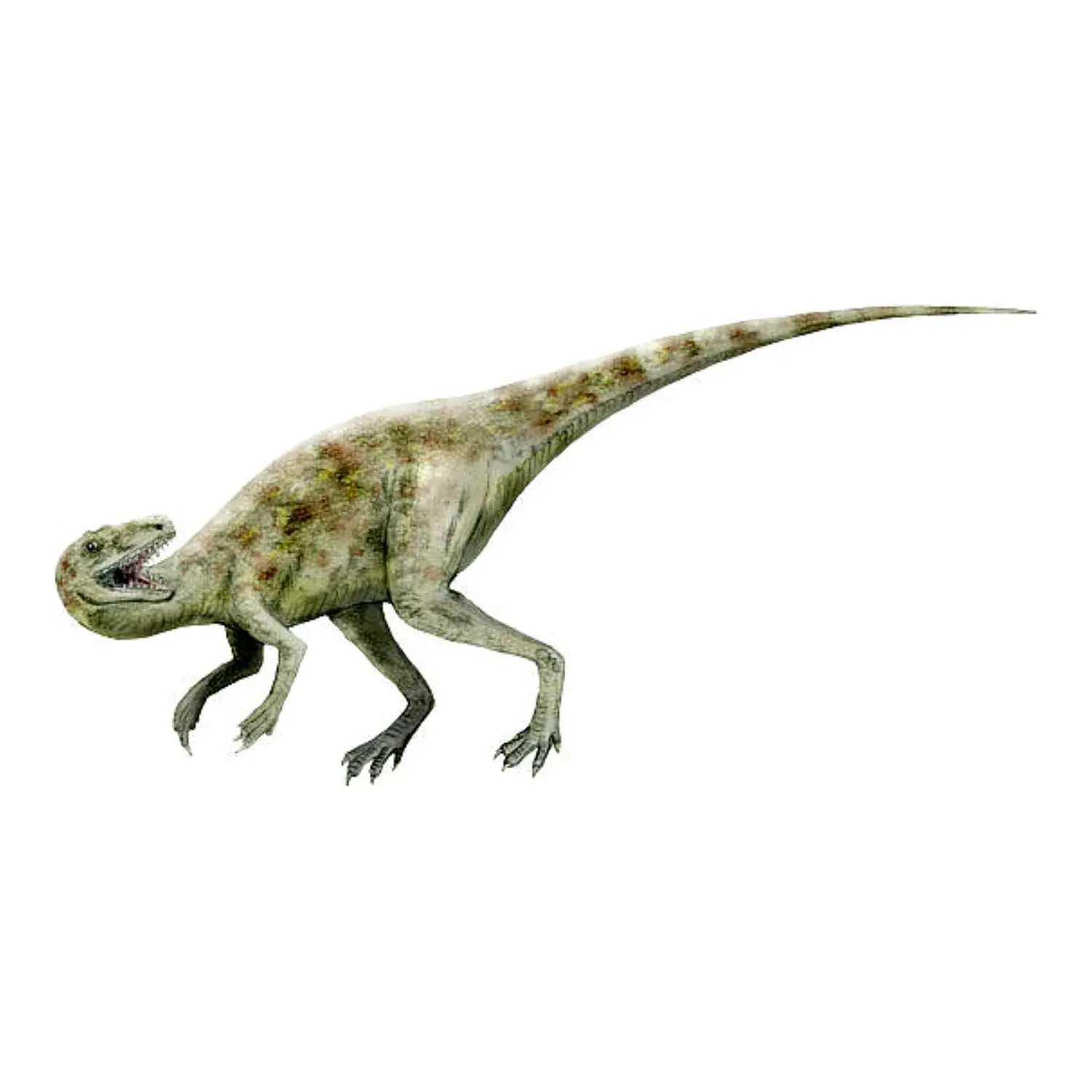
“Staurikosaurus” is a small carnivorous dinosaur counted as one of the “earliest dinosaurs” alongside Eoraptor and Herrerasaurus.
Unlike giant theropods of later eras such as Tyrannosaurus, they possessed very primitive and unique physical characteristics.
“Lizard of the Southern Cross”: Origin of the Name
The scientific name Staurikosaurus means “Lizard of the Southern Cross” in Greek.
Of course, they couldn’t harness the power of the stars.
This name was given to commemorate the discovery, named after the “Southern Cross,” a symbol of the Southern Hemisphere visible from Brazil where the fossil was found.
This dinosaur with such a stylish name is known as an important existence representing the dawn of the dinosaur age.
Slender Body and “Long Tail”: A Balancing Strategy
Surprisingly One of the “Largest” Hunters
Its body length was just under 2 meters, with an estimated weight of about 15–20 kg.
Although small compared to later giant dinosaurs, in the Triassic period when dinosaurs had just emerged, it was still one of the largest carnivores.
The Reason for the Long Tail
A physical characteristic worth noting is its “long tail,” which was rare for theropods of that time.
When first discovered, it was even mistaken for a long-necked herbivorous dinosaur (sauropodomorph).
Why did they need such a long tail?
Carnivorous dinosaurs of that time generally had sturdy bodies and supported themselves with thick, short tails.
However, Staurikosaurus had a very slender and lightweight body.
If they had possessed a thick tail, their center of gravity would have been thrown off, causing them to fall backward and become unable to move.
They dared to go against the trend, evolving a “thin and long tail” to support their light bodies and move quickly.
Athletic Abilities of a Primitive Hunter
Establishing Bipedalism
The forelimbs were only about half the length of the hind limbs, establishing a solid bipedal style.
Because they possessed the “legs extending straight down” characteristic of dinosaurs, they had far more efficient athletic abilities compared to reptiles like the ancestors of crocodiles from the same era.
Speed and the Secret of the Pelvis
Regarding athletic ability, there are conflicting theories: one suggests “its legs were long and it was fast,” while another suggests “it wasn’t that agile.”
Although the hind limbs were shaped suitably for running, the structure of the pelvis (pubis) was small and undeveloped, so they might not have possessed the refined agility of later raptors.
Nevertheless, it was undoubtedly an excellent hunter for its time, using its long legs to chase down prey.
Evolutionary Missing Link: A Group That Forged Its Own Path
Resembling Herbivorous Dinosaurs?
Parts of its skeleton show similarities to prosauropods (early herbivorous dinosaurs).
This does not mean they were herbivores; rather, because not much time had passed since they branched off from the “first dinosaur (common ancestor),” this is considered a “vestige” where ancestral features remained strongly.
Evolutionary Dead End
Taxonomically, it is considered close to Herrerasaurus, but due to its uniqueness, the opinion to classify it as “Staurikosauridae” is also strong.
They are one of the groups that achieved unique evolution at an early stage but entered an “evolutionary dead end,” perishing without leaving descendants.
Being an early member does not necessarily mean they became the direct ancestors of the star dinosaurs of later ages.