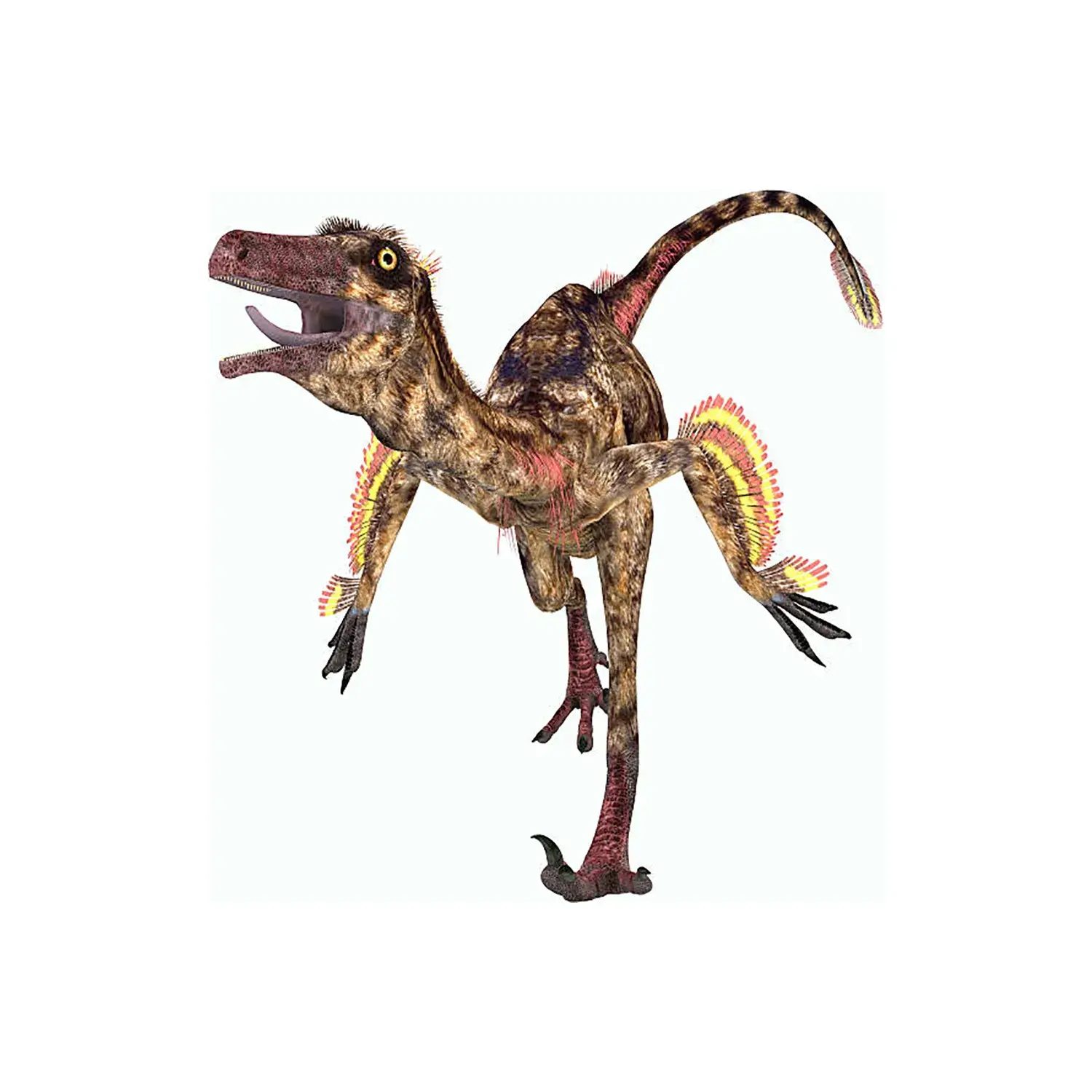
Troodon
Name Origin
Wounding Tooth
Family
Troodontidae
Classification
Diapsida, Saurischia, Theropoda
Habitat (Discovery Location)
United States, Canada
Period
Approximately 80–72 million years ago (Late Cretaceous)
Length
Approximately 2 meters
Weight
Approximately 50 kg
Diet
Carnivore (Meat-eater)
You might also like... 

-
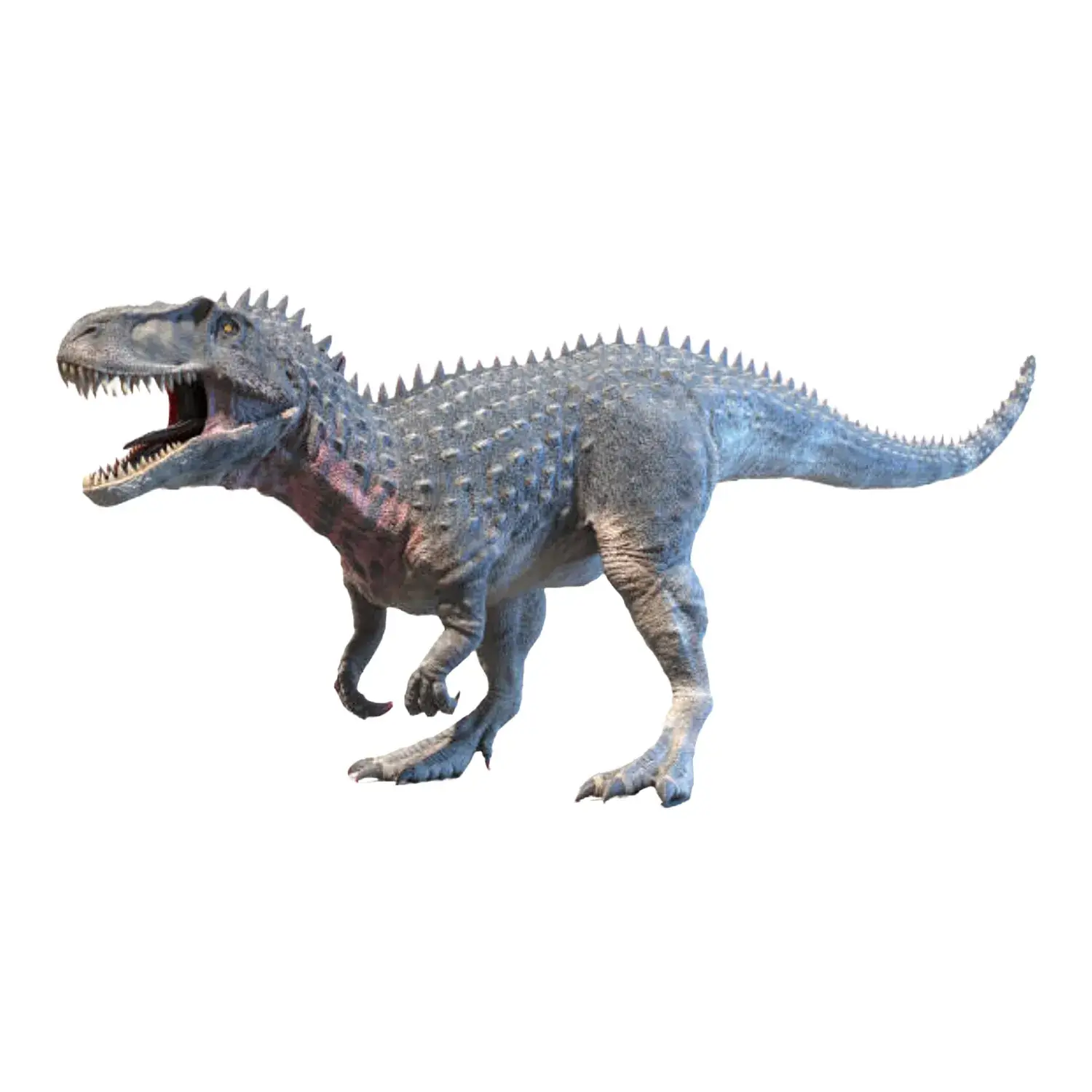
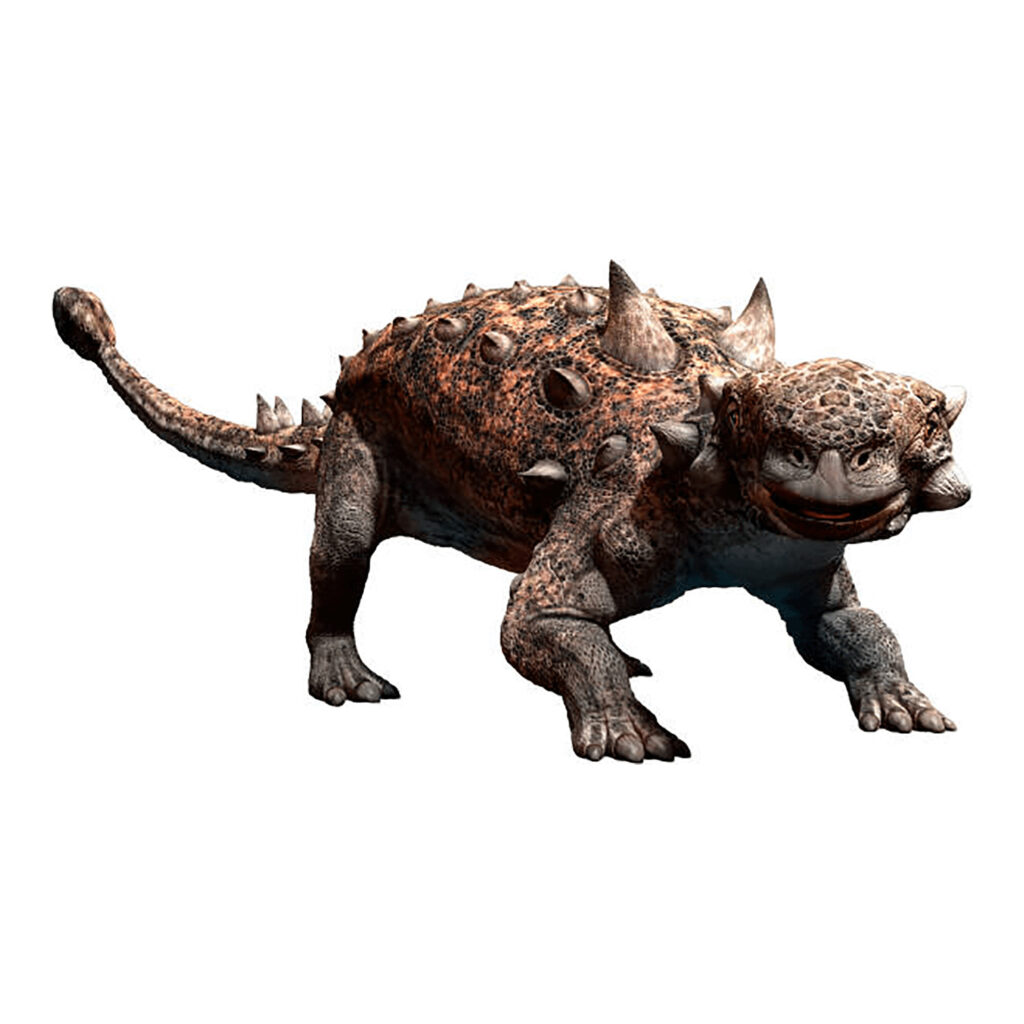
 Euoplocephalus
- Classification
- Thyreophora
- Characteristics
- Herbivorous
- Era
- Cretaceous period
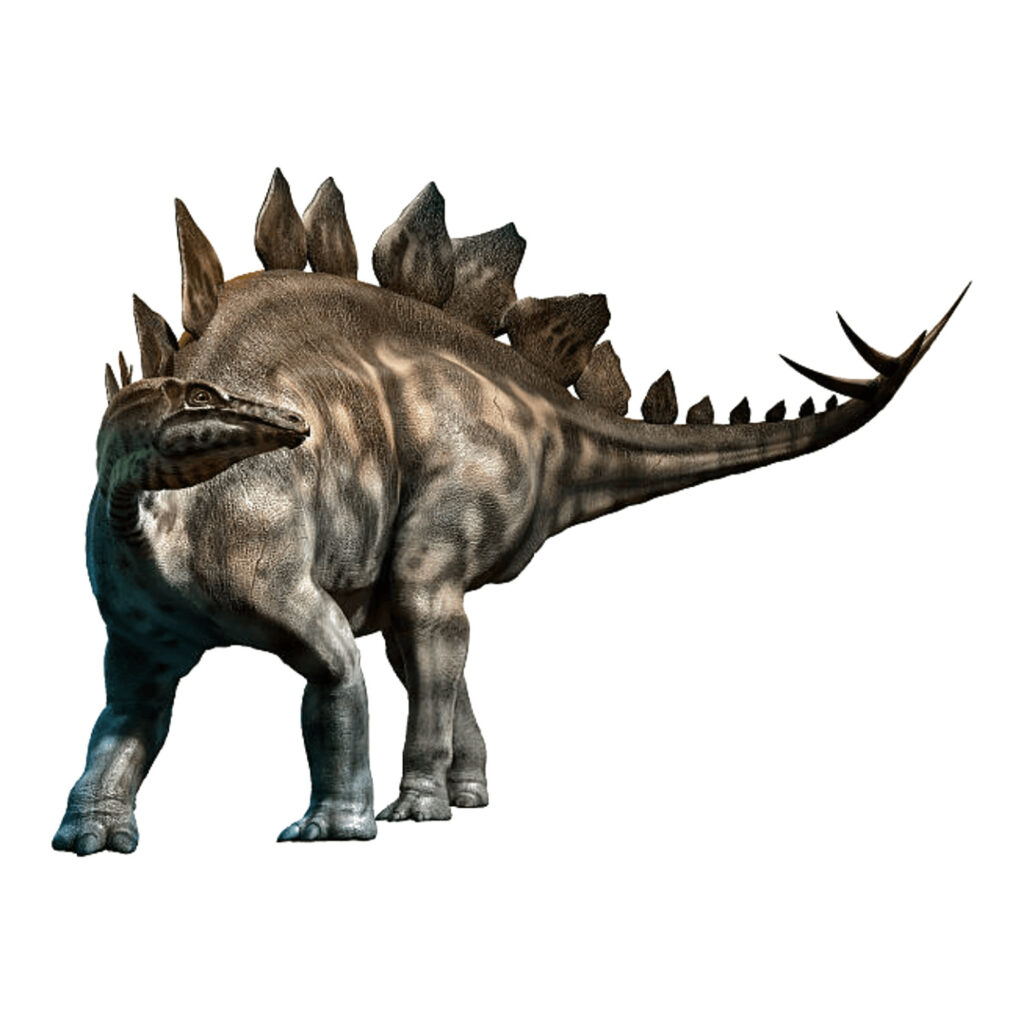
- Stegosaurus
- Classification
- Thyreophora
- Characteristics
- Herbivorous
- Era
- Jurassic period
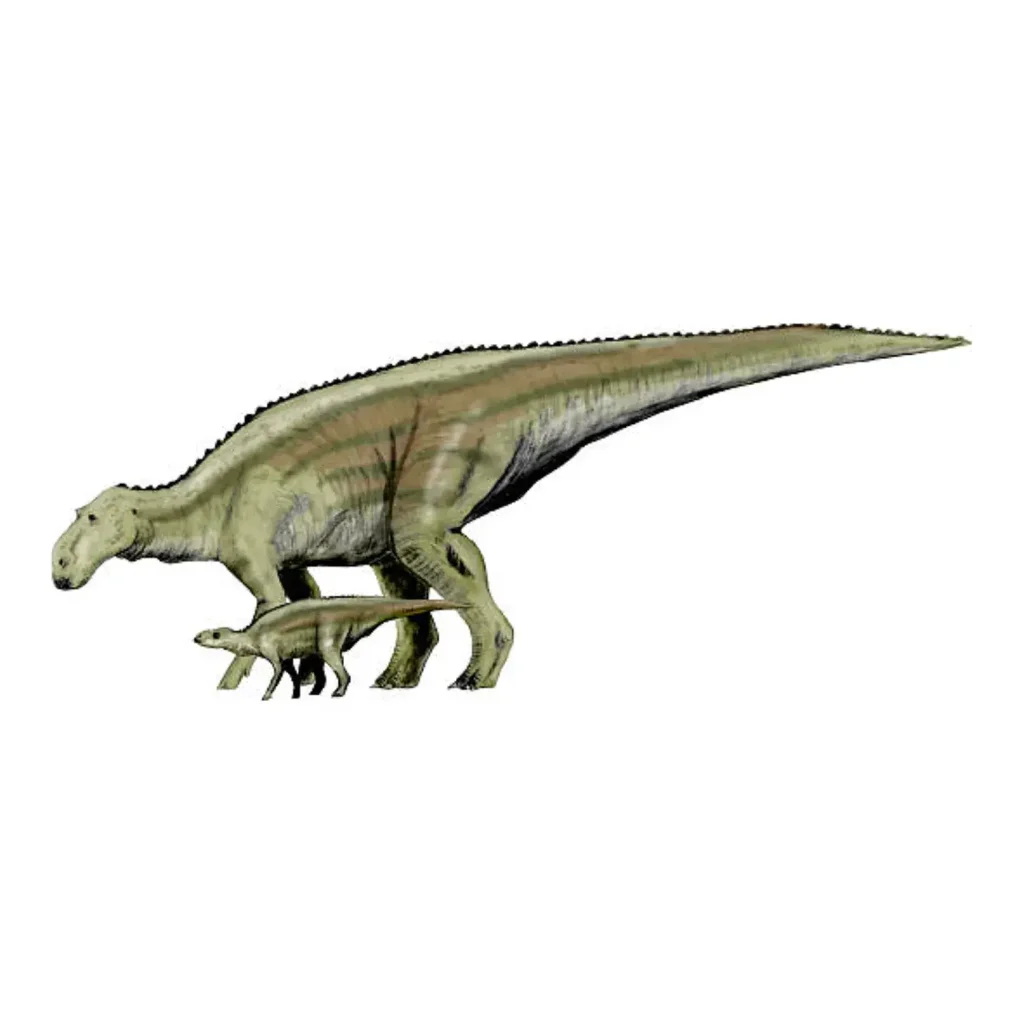
- Maiasaura
- Classification
- Ornithopoda
- Characteristics
- Herbivorous
- Era
- Cretaceous period
-
 Elaphrosaurus
- Classification
- Theropods
- Characteristics
- Carnivorous
- Era
- Jurassic period
-
Sponsored Links
-
Sponsored Links




Description
“Troodon” has long reigned as the answer to the question, “Which was the smartest dinosaur?”
Familiar from movies and illustrated encyclopedias, this dinosaur has held a special place in the world of paleontology, known also as the model for the “Dinosauroid” (dinosaur-human)—a hypothetical future form possessing human-like intelligence.
However, are you aware that this dinosaur’s name is currently on the verge of academic “extinction”?
We explain the “truth about the name” revealed by the latest research, the strange history of classification that began with a single tooth, and the incredible intelligence of Troodon, once hailed as the “Genius of the Cretaceous.”
The Genius Dinosaur with “Wounding Teeth”: Brain and Ecology
Largest Encephalization Quotient
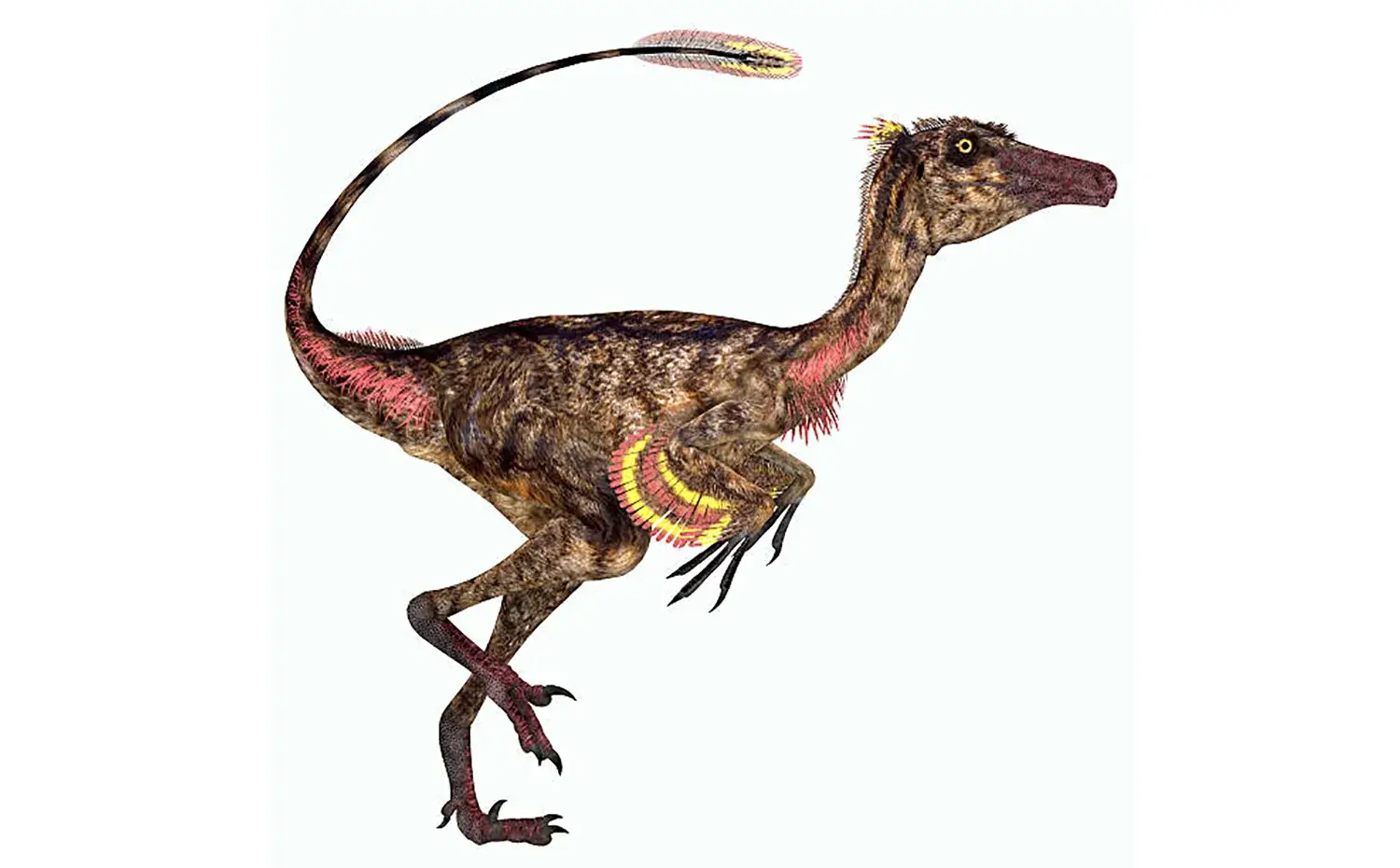
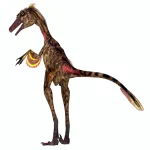
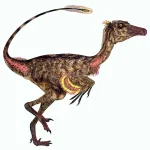
The scientific name Troodon means “wounding tooth” in Greek.
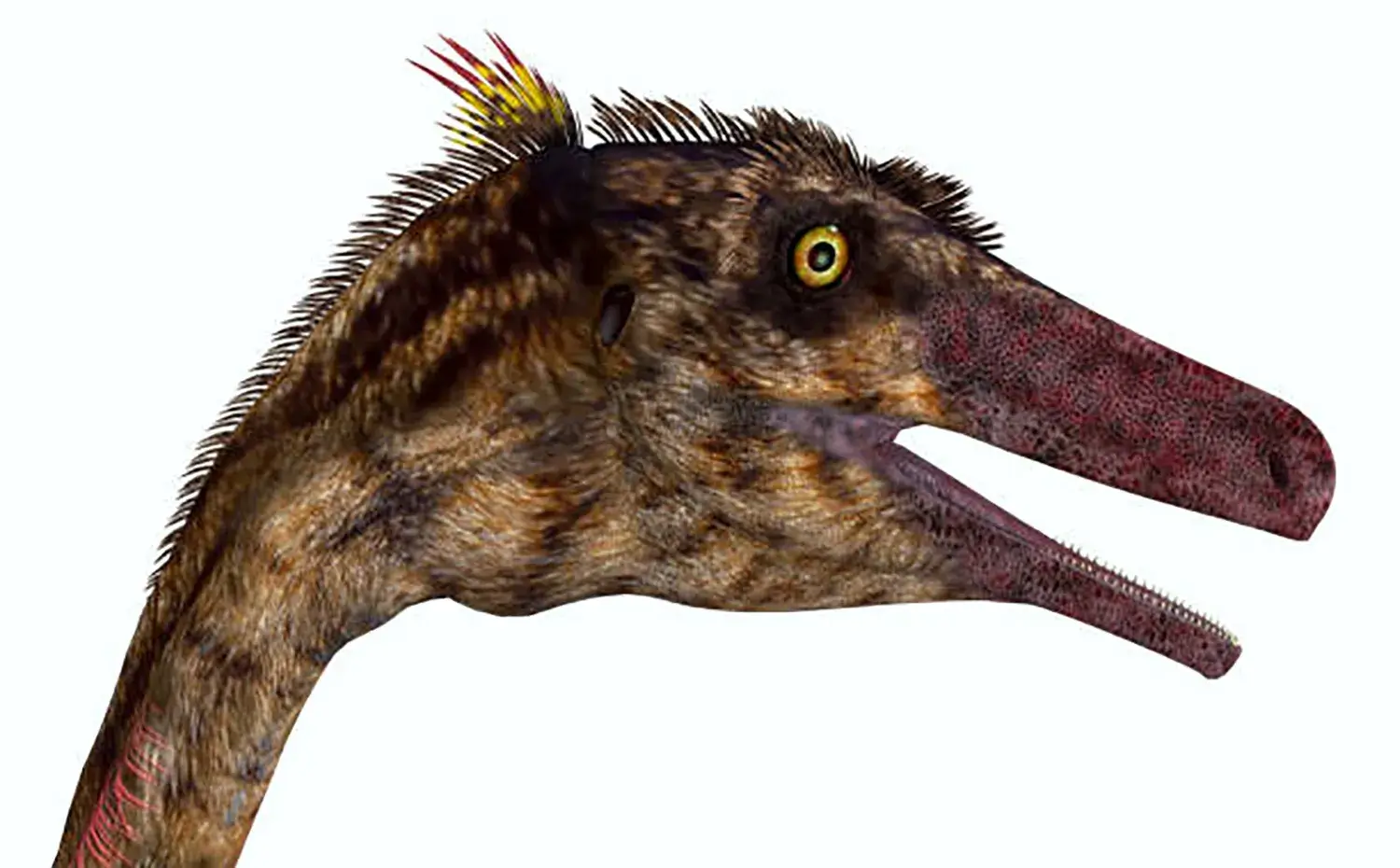
This name comes from its sharp, saw-like teeth.
However, it was their “brains,” not their teeth, that made them famous.
The ratio of brain size to body size (encephalization quotient) was among the highest of the dinosaurs of that time, suggesting they possessed extremely high intelligence.
Nocturnal Hunter
Their sensory organs were also highly developed.
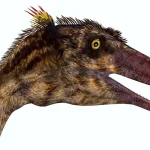
Their large eyes, positioned on the front of their face, allowed for stereoscopic vision. This suggests they were nocturnal hunters capable of spotting prey even in the dark with excellent vision and hearing.
The large eyes allowed it to see objects stereoscopically
There is even a possibility that they sometimes used tools and engaged in intelligent hunting.
Bird-like Appearance and Omnivore Theory
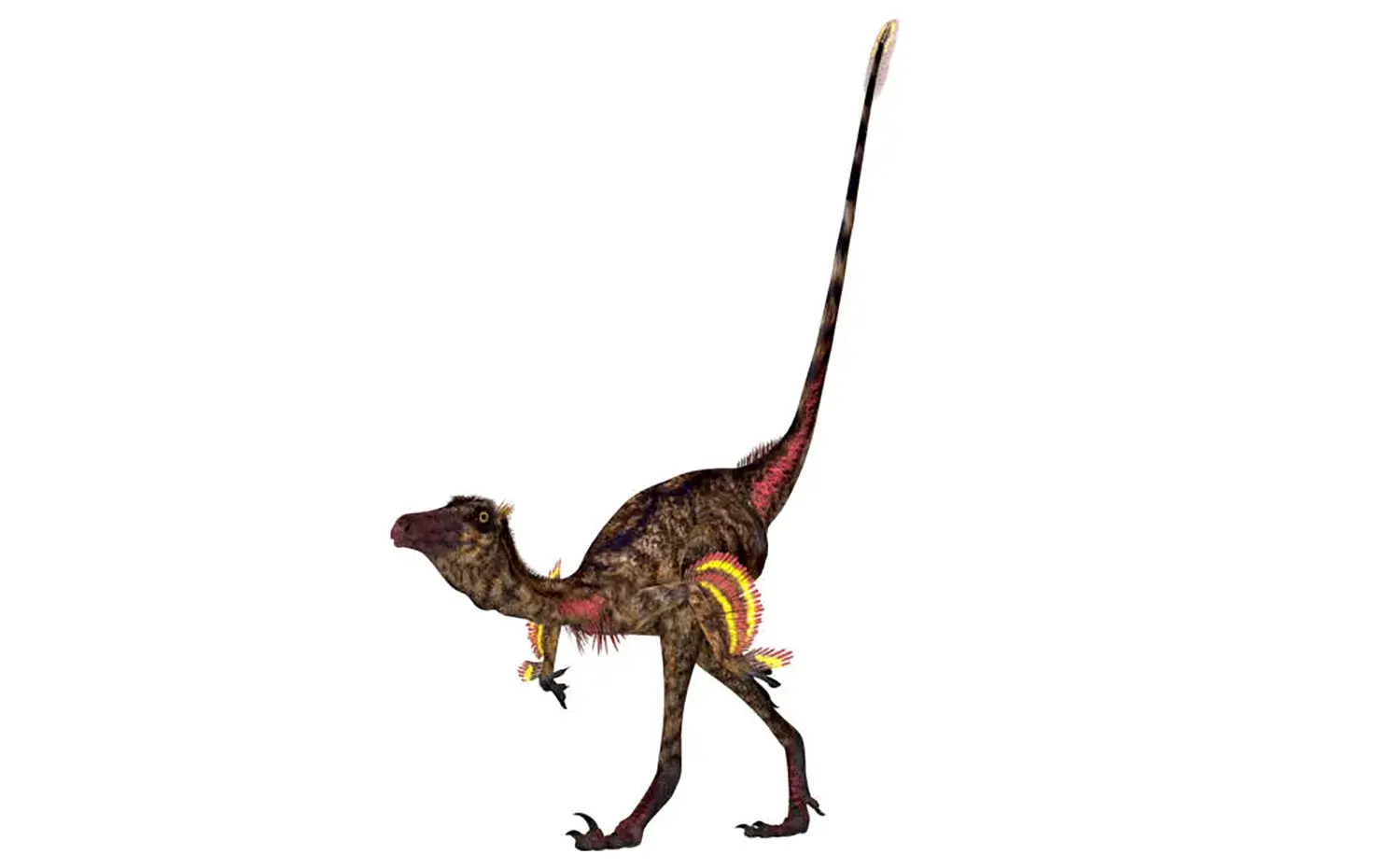
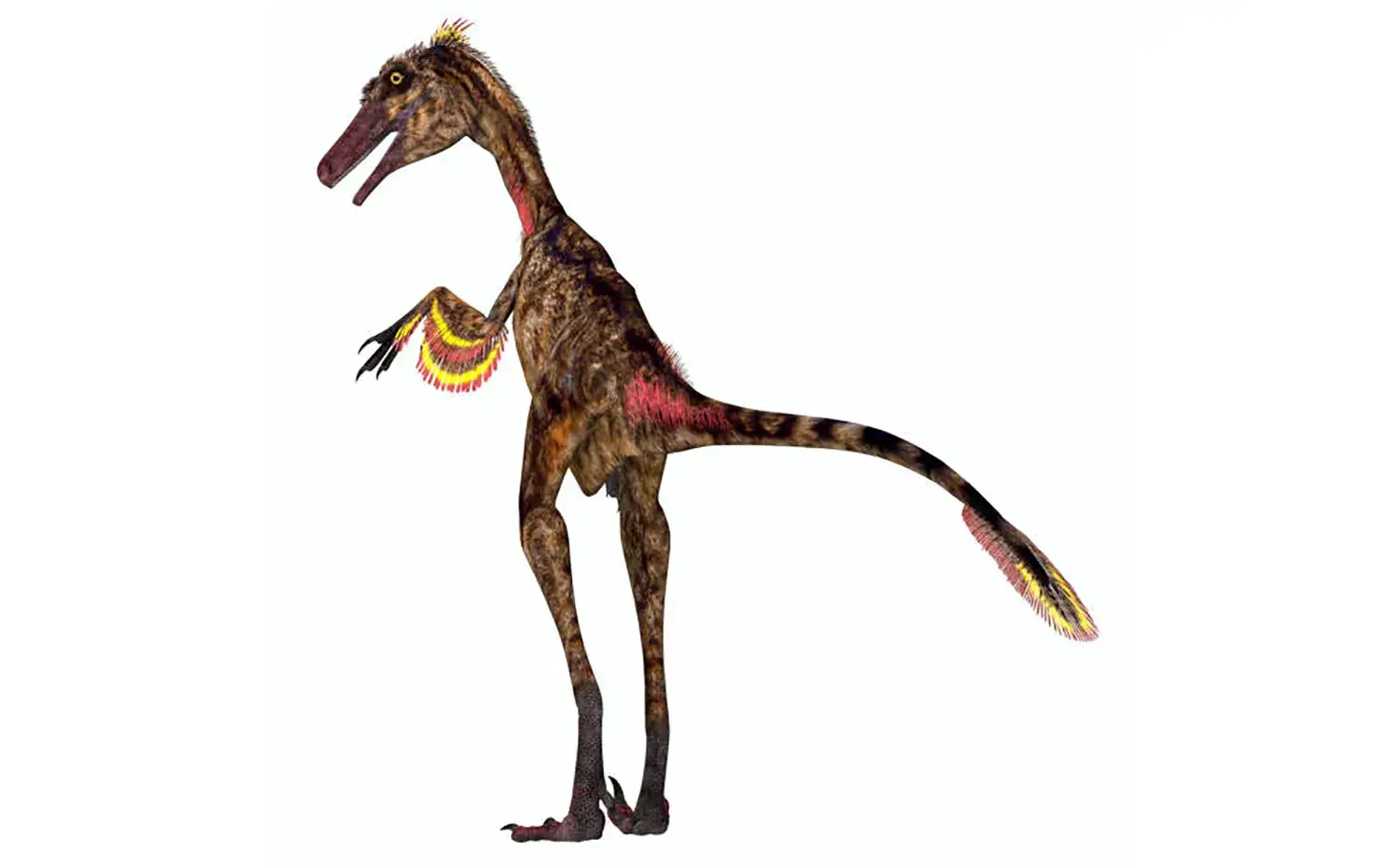
It was a small theropod, approximately 2 meters long and weighing 50 kg, and is currently reconstructed as being covered in feathers.
While traditionally considered strictly carnivorous, a new theory suggests they were “omnivorous,” eating plants when prey was scarce, as the shape of their teeth resembles that of herbivorous dinosaurs.
The Phantom “Dinosauroid”
Essential to any discussion of Troodon’s intelligence is the thought experiment of the “Dinosauroid” (dinosaur-human) proposed by Dr. Dale Russell in 1982.
“What if dinosaurs hadn’t gone extinct and the large-brained Troodon continued to evolve?” The answer to this question was the “Dinosauroid,” an intelligent life form that walked upright on two legs, lost its tail, and possessed a human-like appearance.
This shocking visual had a significant impact on the sci-fi and occult worlds, becoming an episode that symbolizes the special nature of Troodon.
The Labyrinth of Taxonomy and the “Death of Troodon”
We have introduced the appeal of Troodon so far, but the name “Troodon” is actually disappearing from modern paleontology.
It All Started from a Single Tooth
When it was named in 1856, the specimen used as the basis was just a “single tooth.”
Later, various skeletons were lumped together as “Troodon” simply because their teeth looked similar.
The image of the “smart dinosaur Troodon” was actually based on the full skeleton of a different dinosaur called “Stenonychosaurus” that had been merged into this classification.
Collapse and Split: Becoming a Nomen Dubium
A definitive re-examination was conducted in 2017.
A new species, “Latenivenatrix,” was found among fossils previously identified as Troodon, and at the same time, “Stenonychosaurus” was reinstated as a distinct species.
As a result, the original “tooth fossil” was concluded to be a “nomen dubium” (dubious name/invalid) because it could not identify the species.
In other words, the shocking fact that “the dinosaur named Troodon does not exist (is academically invalid)” was confirmed.
Currently, when referring to what was once called Troodon, it is accurate to use “Stenonychosaurus,” “Latenivenatrix,” or simply “a species of Troodontidae.”