Tuojiangosaurus
Name Origin
Lizard of the Tuo River
Family
Stegosauridae
Classification
Diapsida, Ornithischia, Thyreophora
Habitat (Discovery Location)
China
Period
Approximately 160 million years ago (Late Jurassic)
Length
Approximately 7 meters
Weight
Approximately 1.5–4 tons
Diet
Herbivore
You might also like... 
-
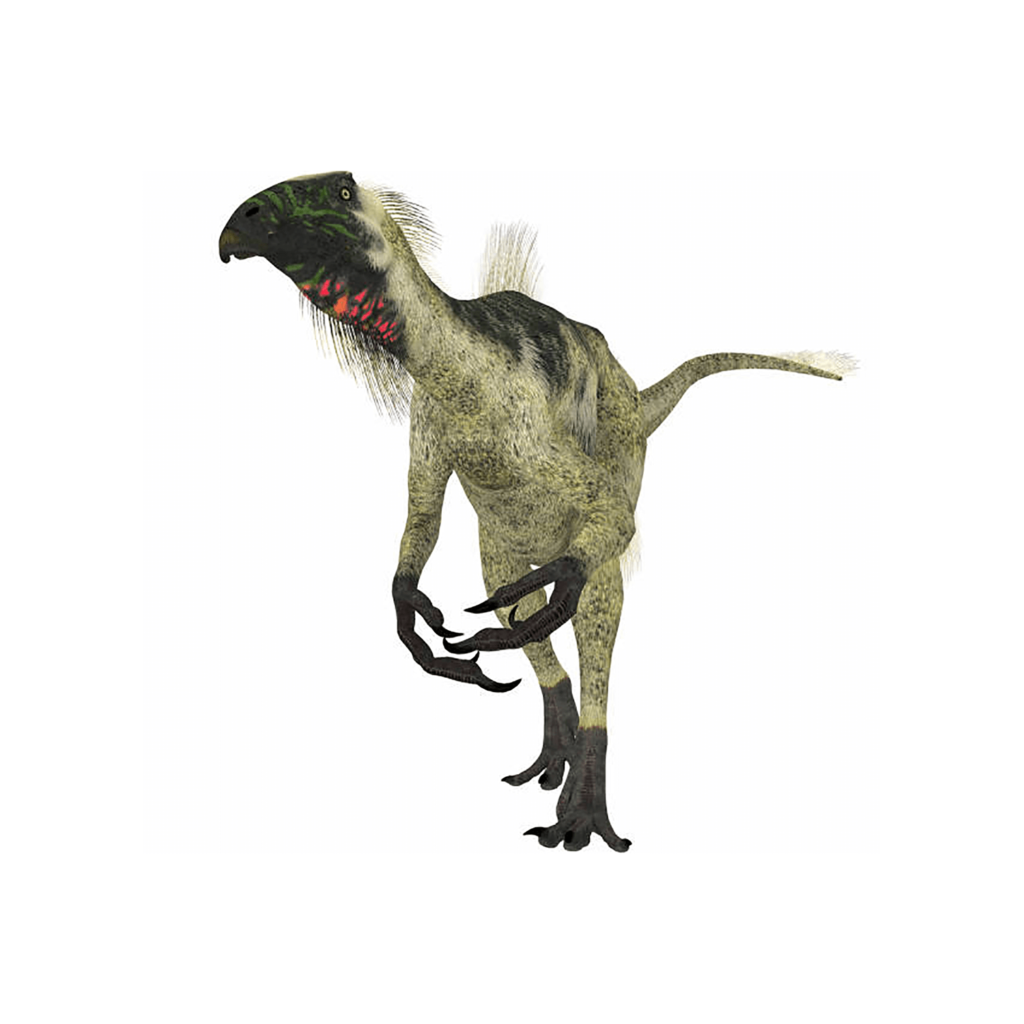
 Beipiaosaurus
- Classification
- Theropods
- Characteristics
- Herbivorous
- Feathered
- Era
- Cretaceous period
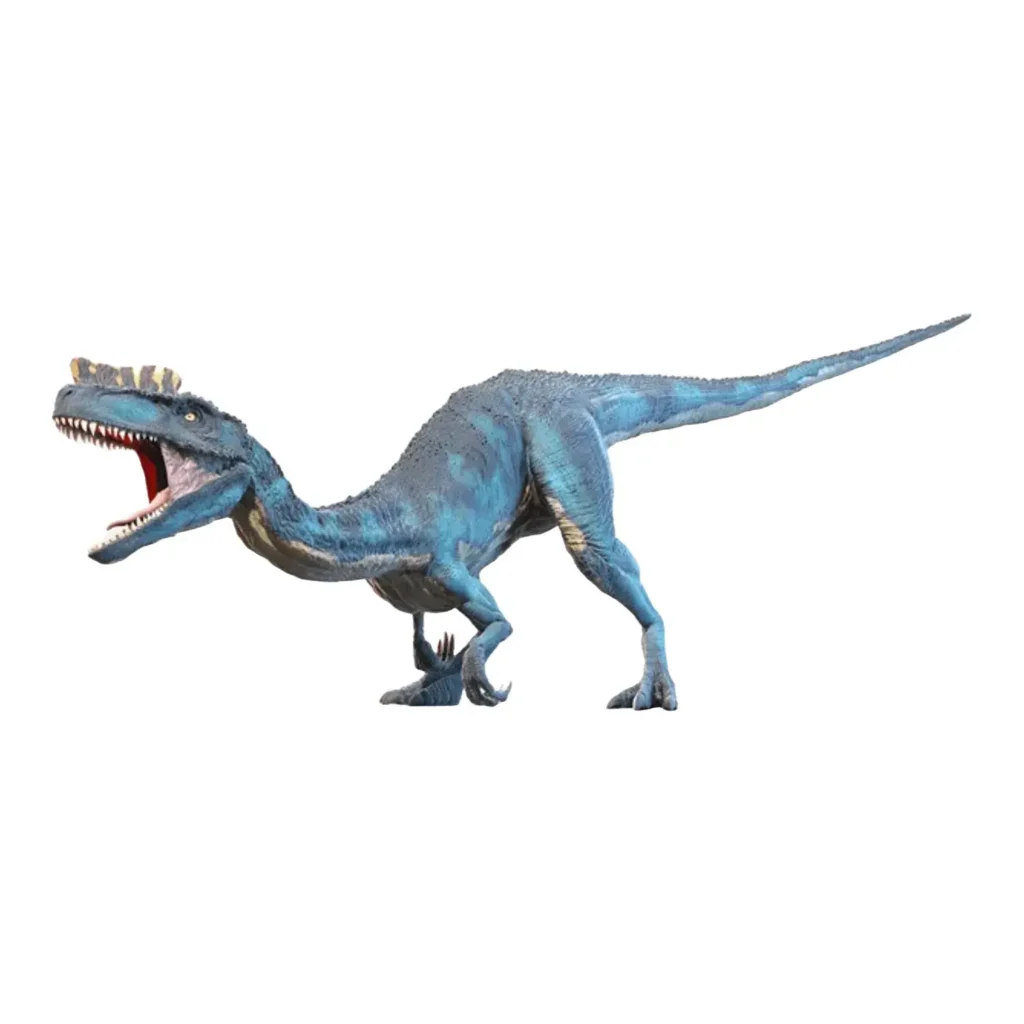
- Proceratosaurus
- Classification
- Theropods
- Characteristics
- Carnivorous
- Era
- Jurassic period
- Velociraptor
- Classification
- Theropods
- Characteristics
- Carnivorous
- Era
- Cretaceous period
- Troodon
- Classification
- Theropods
- Characteristics
- Carnivorous
- Era
- Cretaceous period
-
Sponsored Links
-
Sponsored Links


![[Latest Research] What Was the Function of Spinosaurus's Giant "Sail"? Exploring the Mysteries of Thermoregulation and Underwater Locomotion](https://dinosaurmuseum.jp/wp/wp-content/uploads/eyecatch_spinosaurus-sail-function_en-1024x512.webp)
![[Latest Discovery] A Third Type of Skin, Neither Scales Nor Feathers? Meet "Haolong dongi," a New Dinosaur Species Covered Entirely in Spikes](https://dinosaurmuseum.jp/wp/wp-content/uploads/eyecatch_dinosaur-spiky-skin-discovery_en-1024x512.webp)
Description
The Late Jurassic period of the dinosaur era.
In the region corresponding to present-day Sichuan Province, China, “Stegosaurs” (Stegosaurus family) with plates lined up on their backs roamed the land.
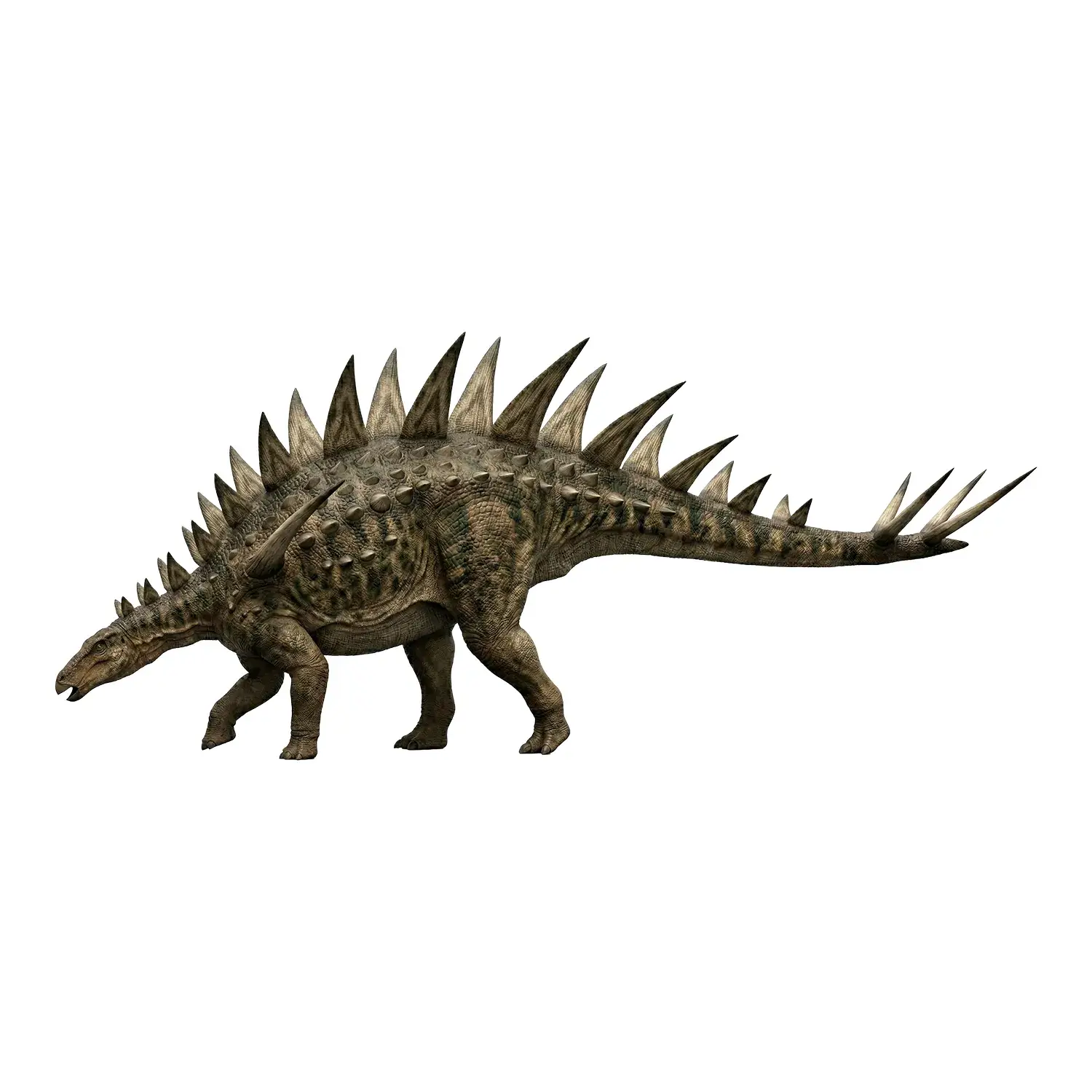
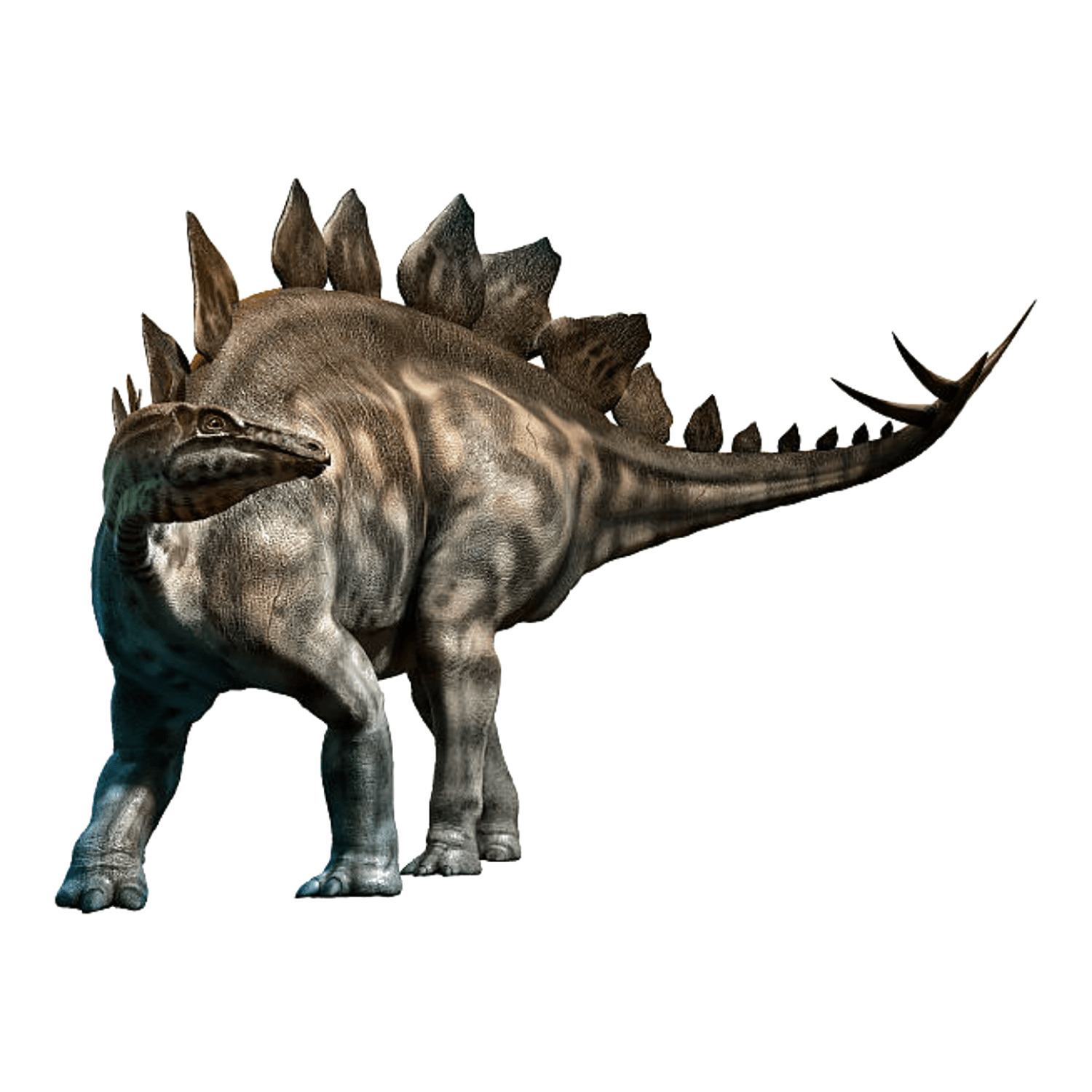
Among them, “Tuojiangosaurus” possessed a physique comparable to the North American Stegosaurus, along with its own unique heavy armor.
Described in 1977, this dinosaur is a representative figure of Asian stegosaurs and had undergone a unique evolution distinct from Stegosaurus.
Difference from Stegosaurus: Sharp “Triangular” Bone Plates
Tuojiangosaurus was approximately 7 meters long and weighed 1.5 to 4 tons.
It is a large stegosaur boasting a physique almost equivalent to the North American Stegosaurus.
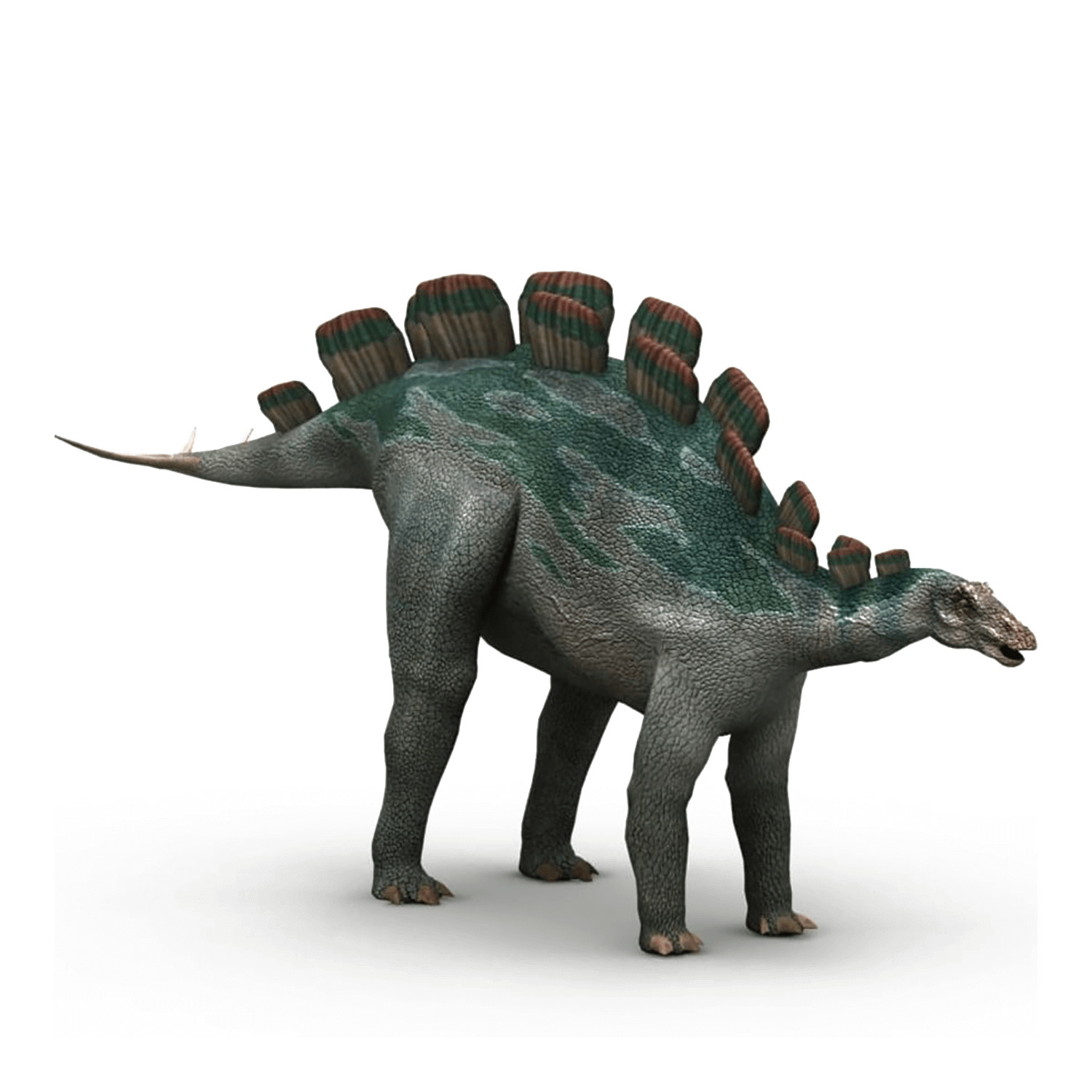
At a glance, they look very similar, but there is a decisive difference in the shape of the “bone plates” lining their backs.
Stegosaurus
Large, wide “pentagonal” plates arranged in an alternating pattern.
Tuojiangosaurus
Low, “narrow triangular” plates with sharp tips arranged in rows.
These bone plates were arranged regularly in two rows, with about 15 to 17 pairs (30 to 34 plates) symmetrically from the neck to the tail.
More numerous than those of Stegosaurus, they likely gave the dinosaur a generally spikier impression.
The Biggest Feature! Massive “Spikes” Protruding from the Shoulders
What characterizes Tuojiangosaurus most is not the plates on its back or the spikes on its tail, but the “massive spikes on its shoulders.”
Armament That Overturned Conventional Wisdom
At the time of its discovery, the common knowledge about stegosaurs was “plates on the back, spikes on the tail.”
However, they had long, pointed, horn-like bone plates (spikes) protruding backward from above their shoulder blades.
This is a characteristic seen in dinosaurs like the African Kentrosaurus, and it is speculated to have served the following roles:
Defensive Weapon Theory
Served as a weapon to protect blind spots when enemies circled around to the side.
Display Theory
Decoration for identifying fellow members or appealing to the opposite sex.
This shoulder armament proves that they were not merely copies of Stegosaurus, but powerful herbivorous dinosaurs that had evolved uniquely.
The Tail Weapon and Natural Enemies: Showdown with Yangchuanosaurus
At the tip of the tail, there were four sharp spikes, a defensive weapon common to stegosaurs known as the “thagomizer.”
In the case of Tuojiangosaurus, these two pairs of spikes protruded horizontally.
Existence of Natural Enemies
In China during the era they lived, large carnivorous dinosaurs like “Yangchuanosaurus,” reaching 8 to 11 meters in length, also resided.
It is believed that when attacked, they protected themselves by violently swinging their tails with strong muscles and striking with their spikes.
Even seemingly peaceful herbivorous dinosaurs sometimes engaged in life-or-death struggles.
Ecology and Evolution: The Asian Origin Theory of Stegosaurs
Growth and Diet
Because they walked on four legs and held their heads low, they ate ferns and cycads near the ground.
Interestingly, it is speculated that babies just hatched from eggs did not have the characteristic spikes or bone plates, and that the armor formed as they grew.
Is Asia the Homeland of Stegosaurs?
The discovery of Tuojiangosaurus is extremely important in the evolutionary history of stegosaurs.
Many other primitive stegosaurs have been found in China, and it is now considered highly likely that “stegosaurs originated in Asia and then spread throughout the world.”
This fossil found in the Sichuan Basin serves as a monumental proof that Asia is the homeland of stegosaurs.