
Yangchuanosaurus
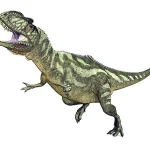
Name Origin
Lizard of Yangchuan (Named after Yangchuan, China)
Family
Metriacanthosauridae
Classification
Diapsida, Saurischia, Theropoda
Habitat (Discovery Location)
China
Period
Approximately 168.3–163.5 million years ago (Middle Jurassic)
Length
Approximately 8–10 meters
Weight
Approximately 1–3 tons
Diet
Carnivore (Meat-eater)
You might also like... 

-
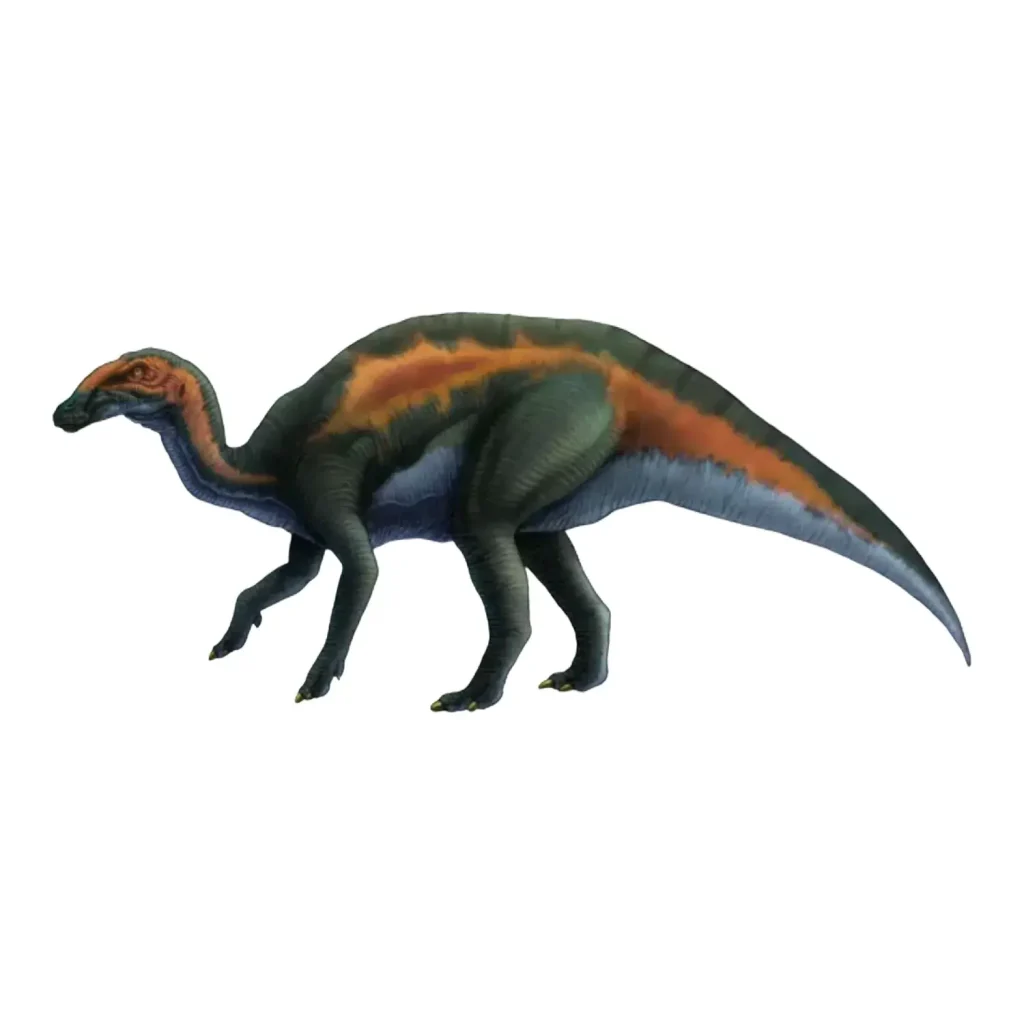
 Hadrosaurus
- Classification
- Ornithopoda
- Characteristics
- Herbivorous
- Era
- Cretaceous period
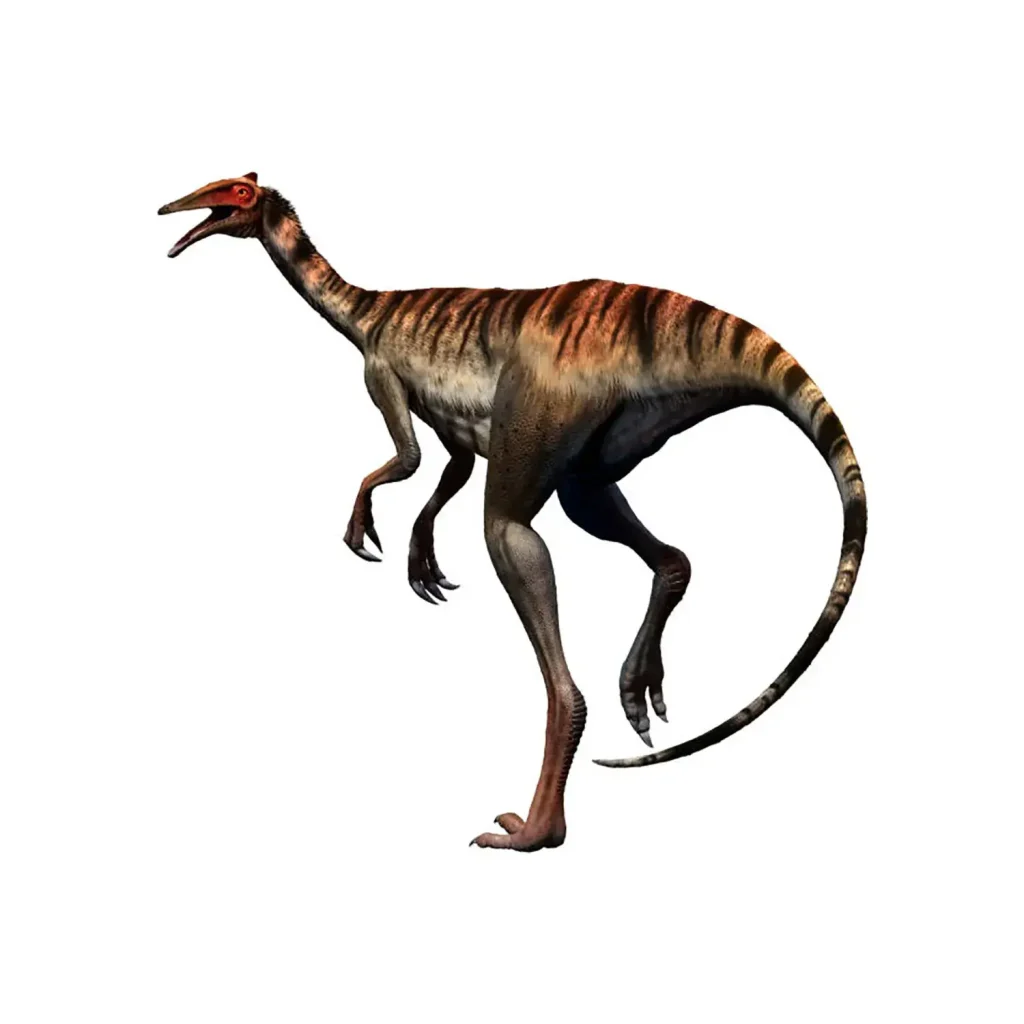
- Pelecanimimus
- Classification
- Theropods
- Characteristics
- Carnivorous
- Era
- Cretaceous period
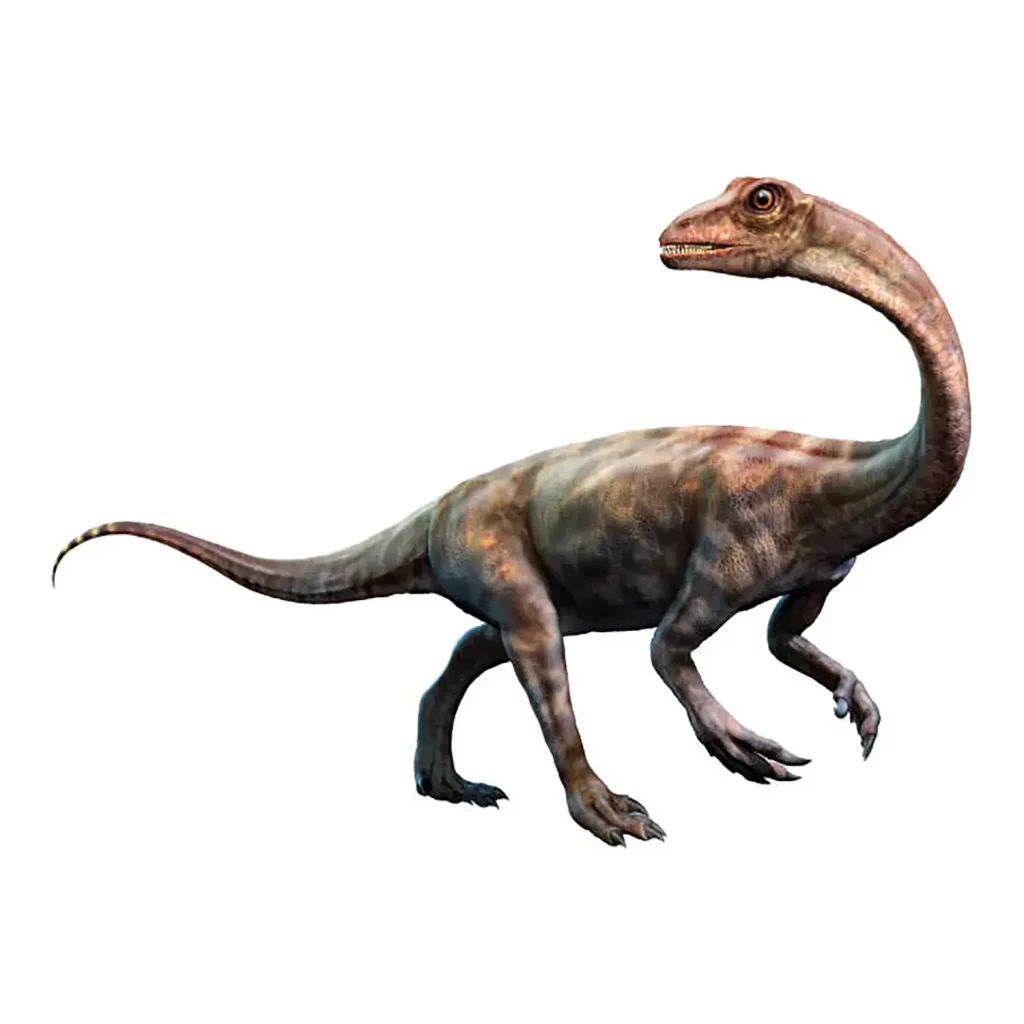
- Anchisaurus
- Classification
- Sauropods
- Characteristics
- Herbivorous
- Era
- Jurassic period
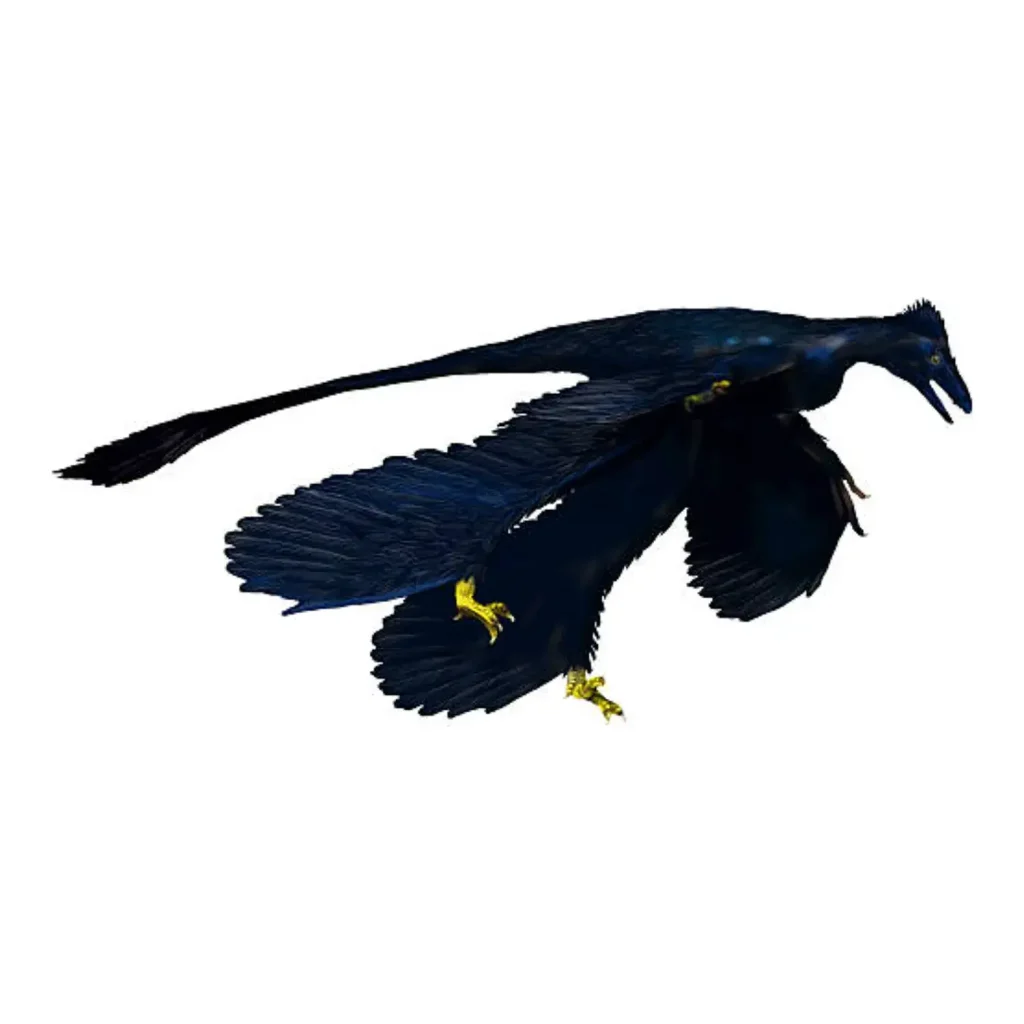
- Microraptor
- Classification
- Theropods
- Characteristics
- Carnivorous
- Feathered
- Era
- Cretaceous period
-
Sponsored Links
-
Sponsored Links











Description
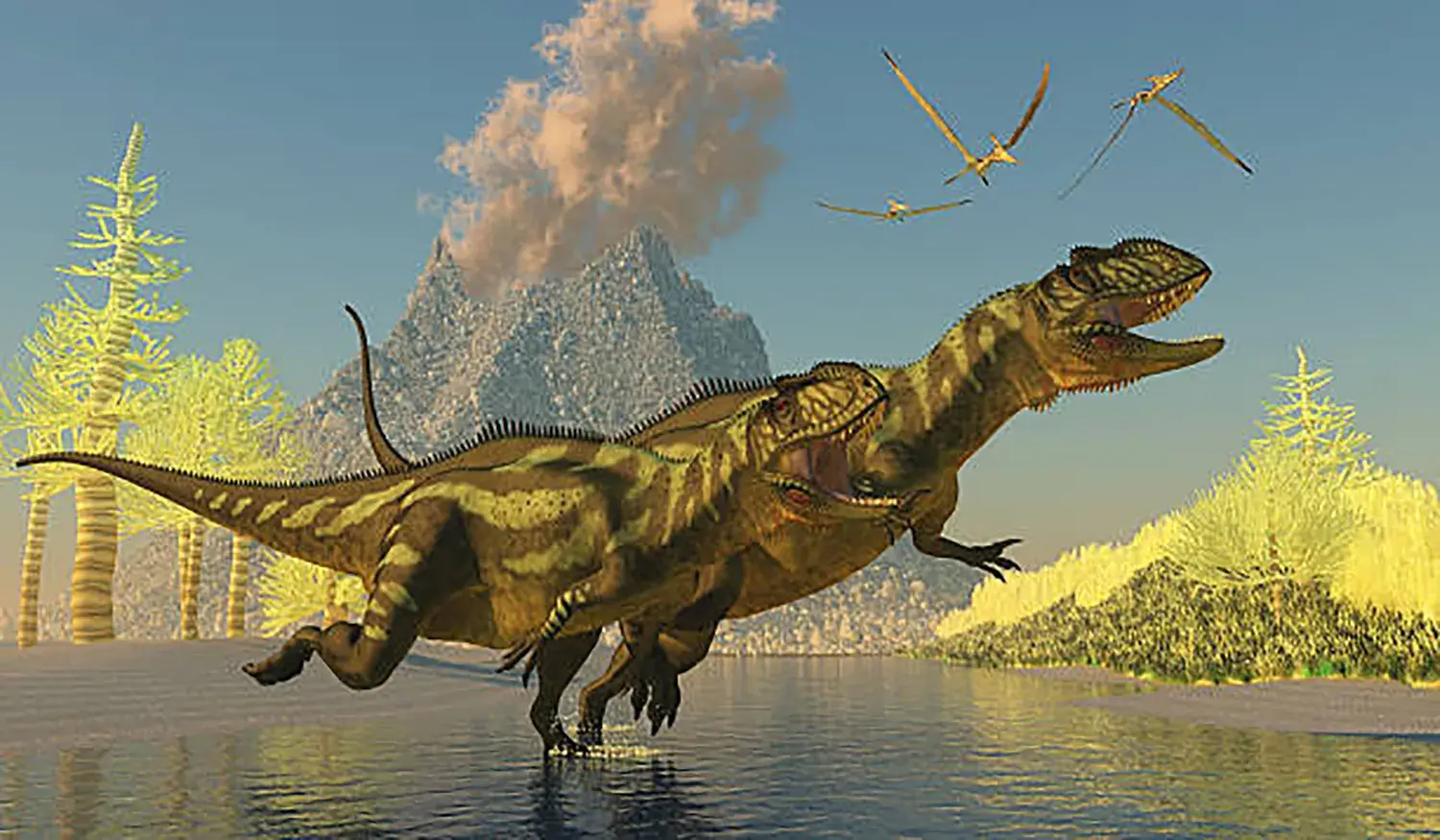
While Tyrannosaurus and Allosaurus of North America are famous, an apex predator rivaling them also reigned over the Asian continent during the Jurassic period.
It is “Yangchuanosaurus.”
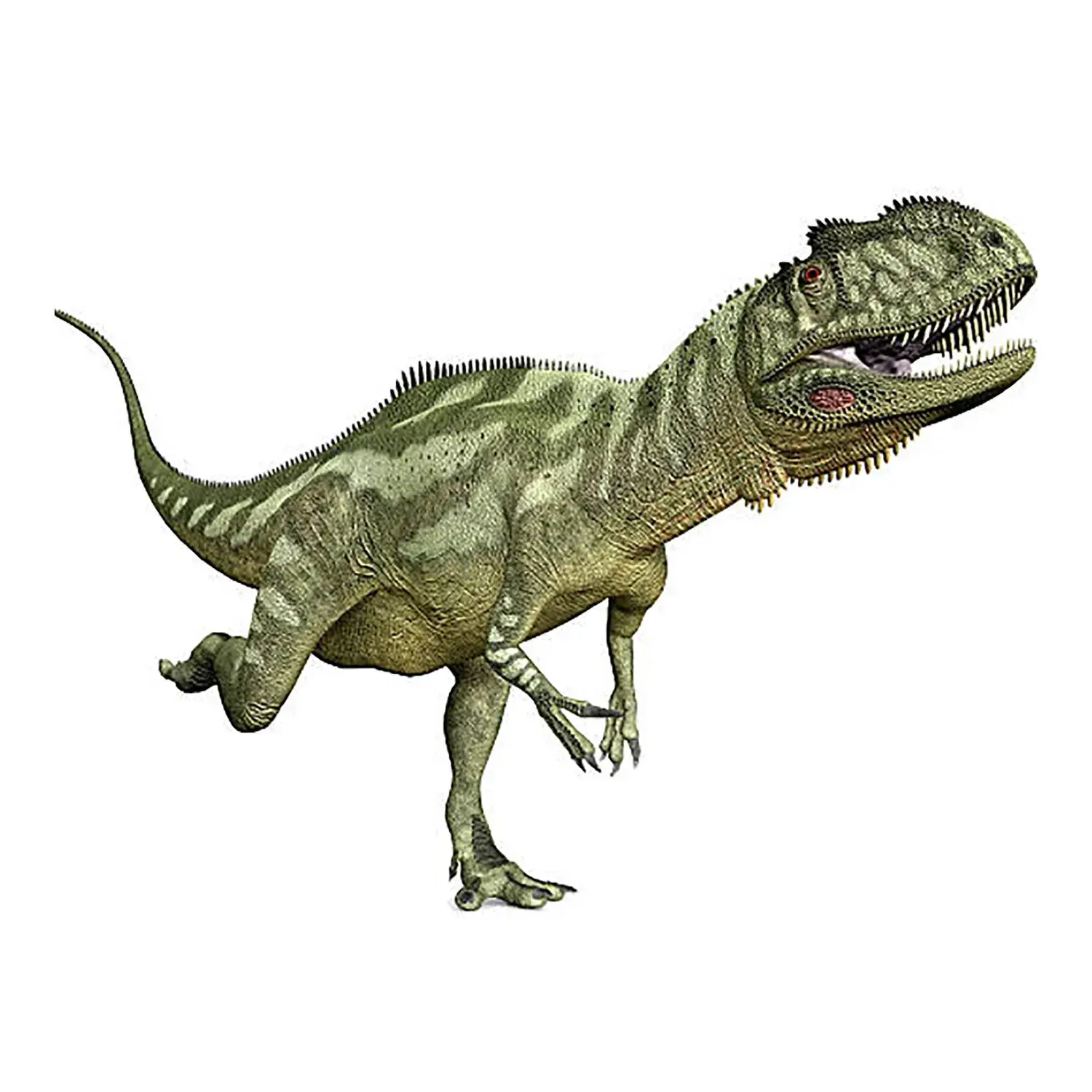
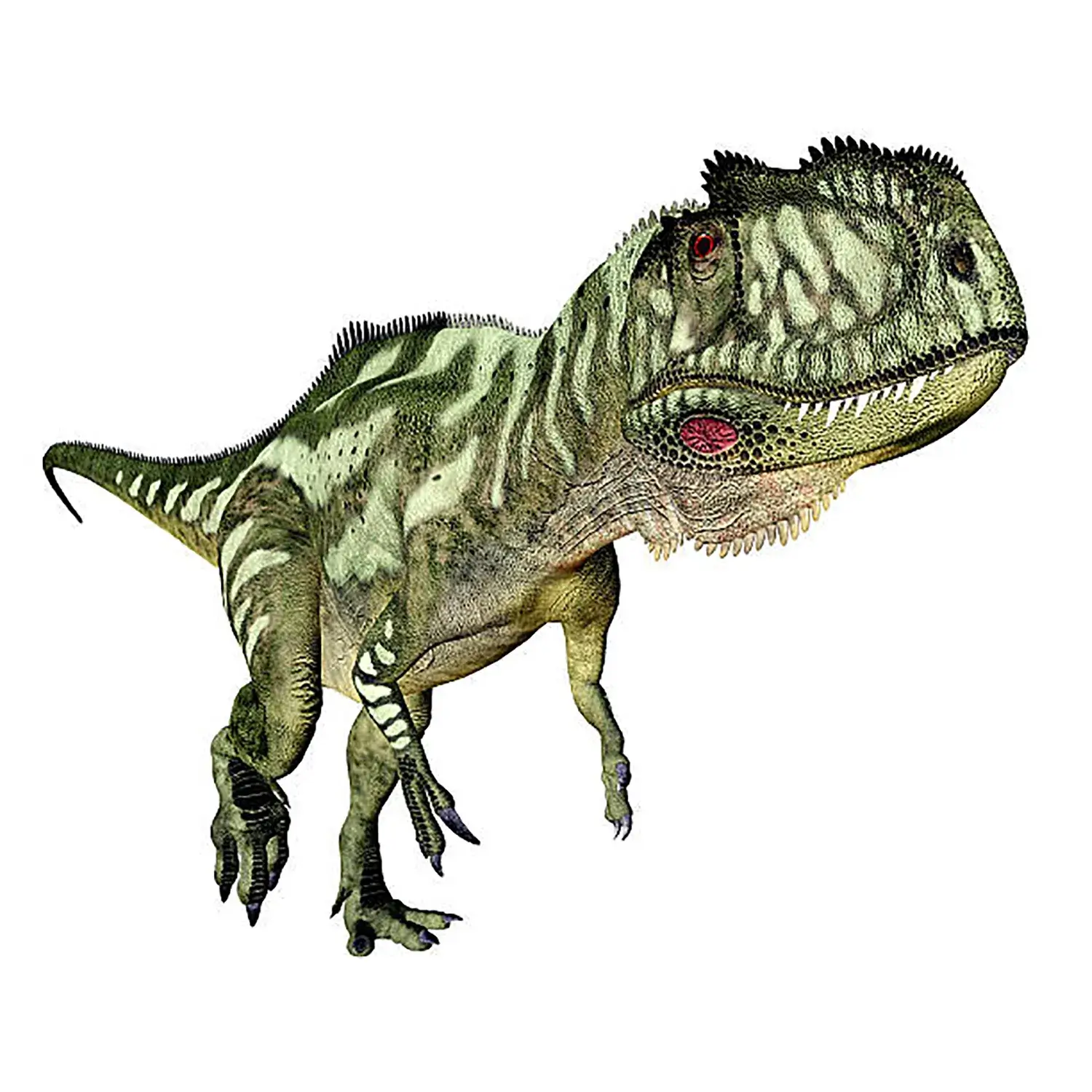
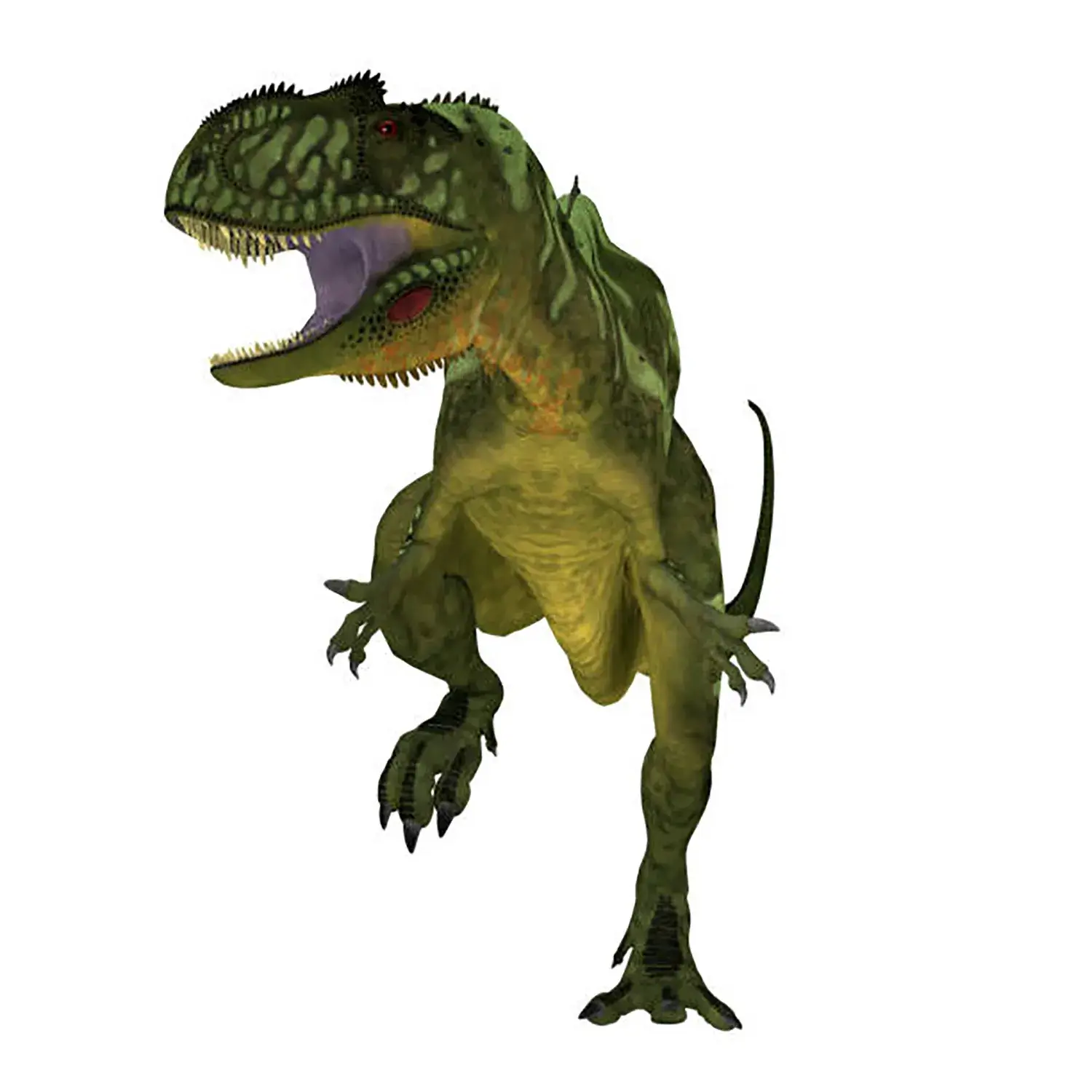
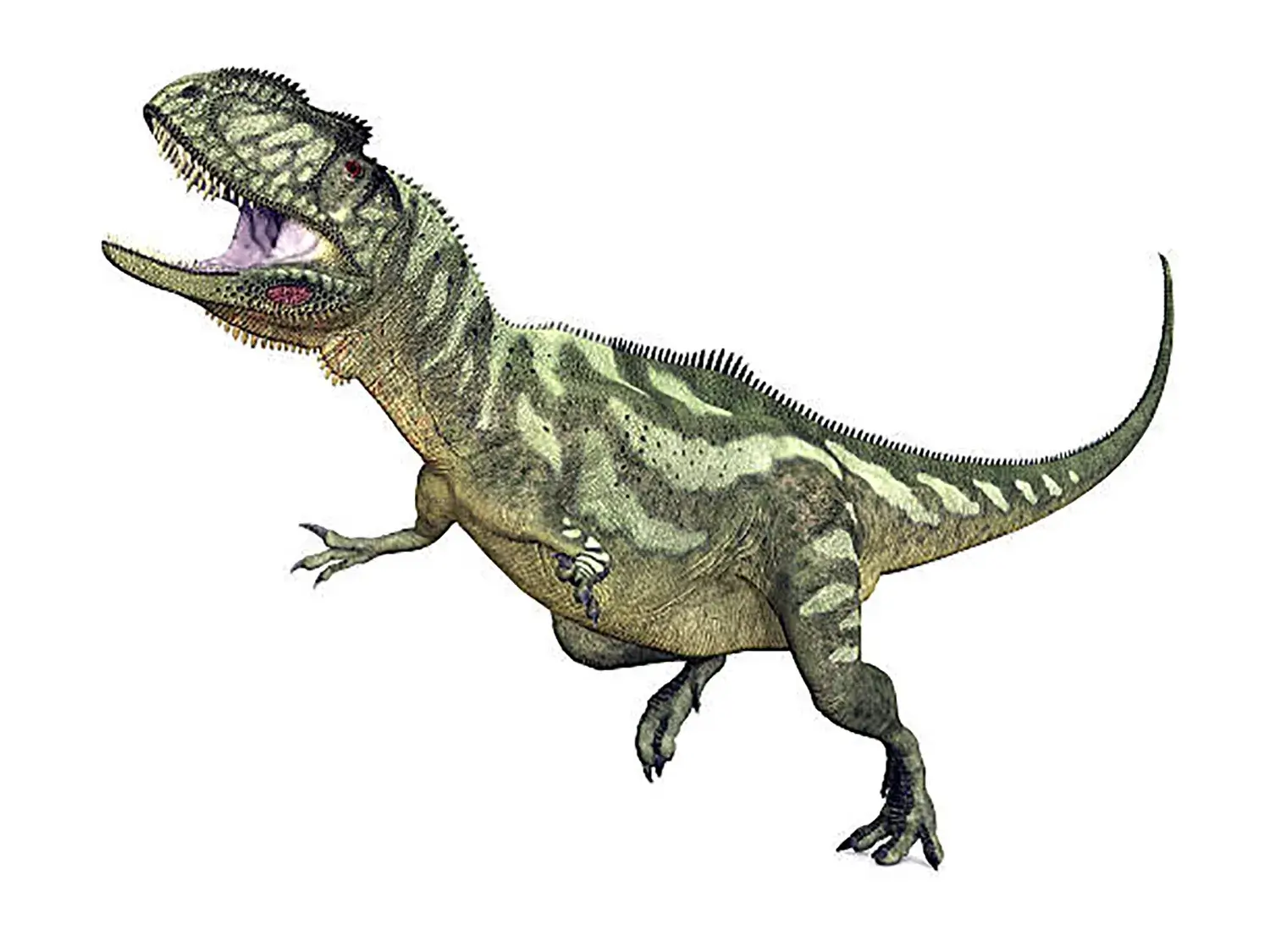
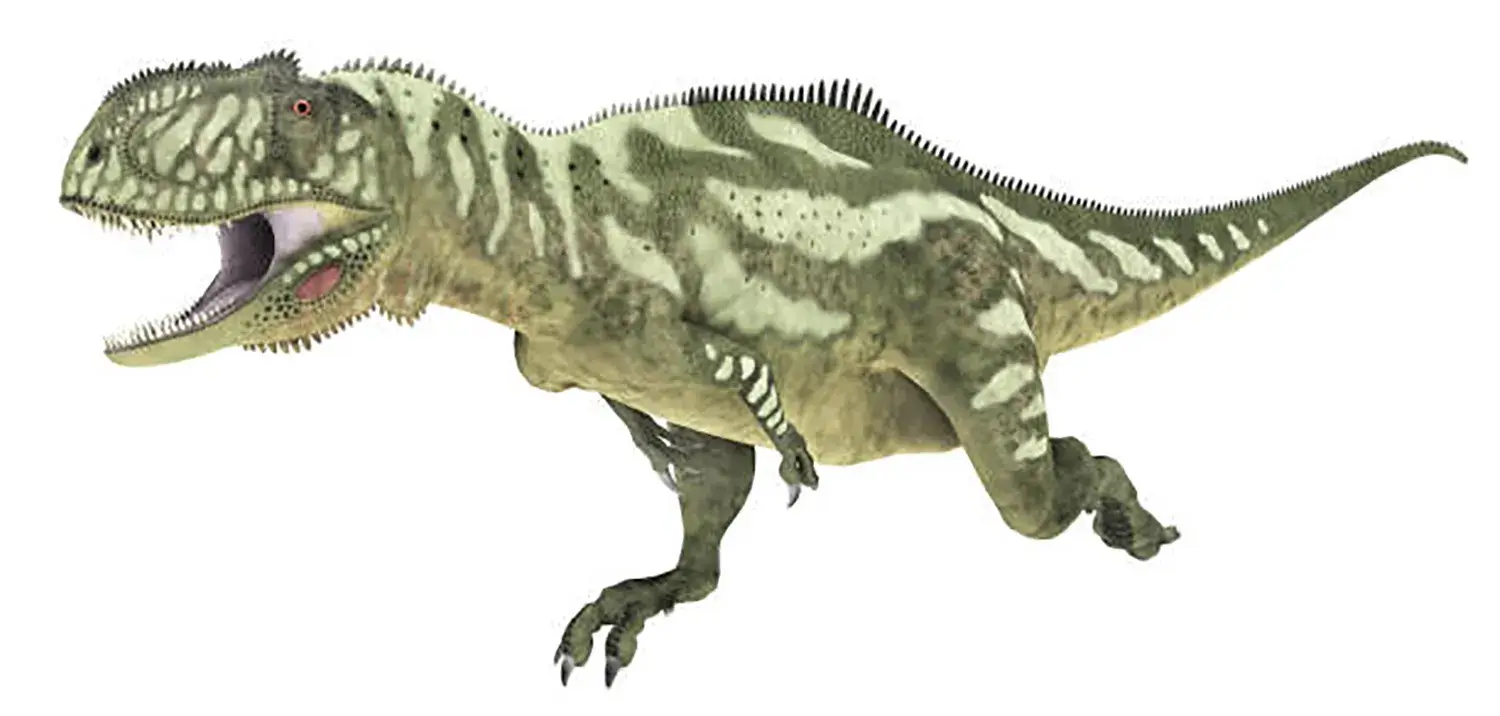
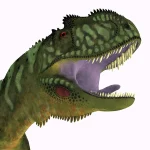
Discovered in Sichuan Province, China, this large theropod possessed an appearance similar to Allosaurus and a massive head measuring up to 1 meter in length.
Discovery at a Dam Construction Site! A Representative Specimen of China
The discovery of Yangchuanosaurus is deeply connected to infrastructure development in China.
Lizard of “Yangchuan”
Its scientific name is derived from “Yangchuan District” in Sichuan Province, where it was found, meaning “Lizard of Yangchuan.”
Around 1976, during the construction of the Shangyou Dam, workers discovered giant bones in the soil.
When experts investigated, it turned out to be a nearly complete skeleton, including the skull.
A Well-Researched Carnivorous Dinosaur
It was announced as a new genus and species the following year, in 1978, and well-preserved fossils continued to be discovered after that.
Because nearly complete figures can be reconstructed by supplementing incomplete parts, it occupies a significant position as one of the most thoroughly researched carnivorous dinosaurs in China.
The Lightweight “1-Meter Head” and Crest
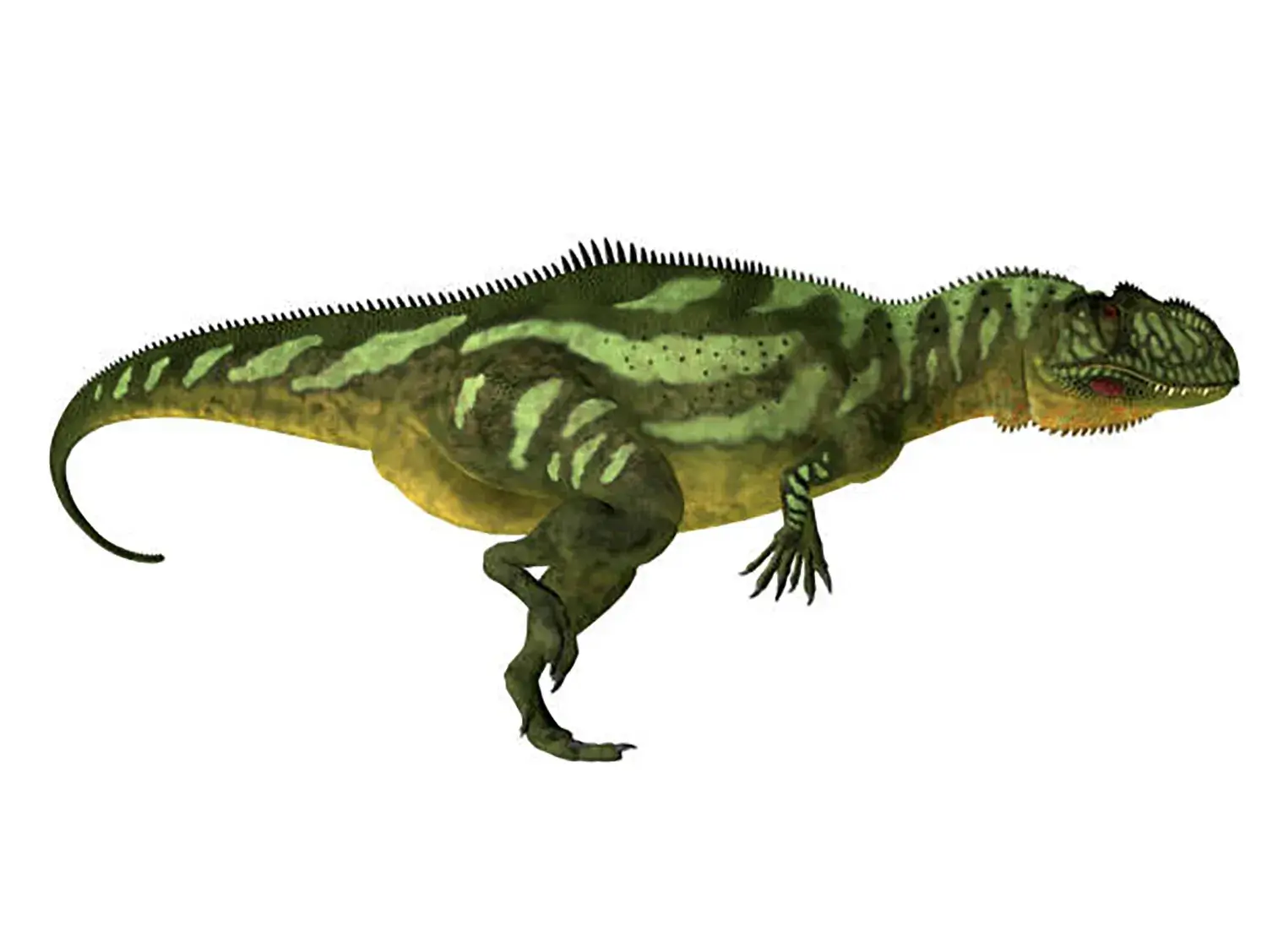
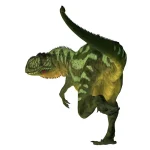
Its giant body, measuring about 8 to 10 meters in total length (with the largest species exceeding 10 meters), was packed with functional beauty as a hunter.
Huge but Light Skull
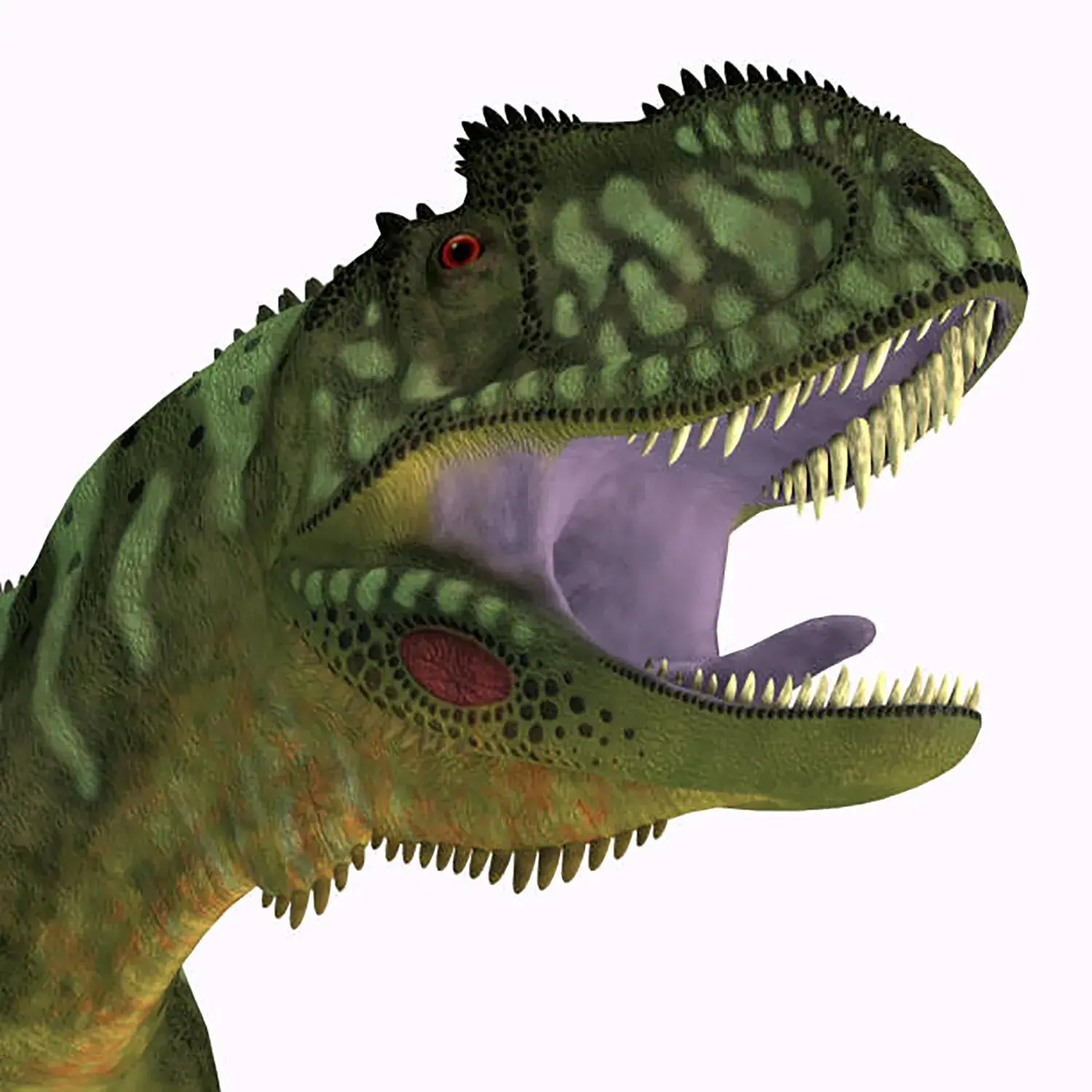
Its greatest feature is a head measuring up to 1 meter in length.
Its greatest feature is a head measuring up to 1 meter
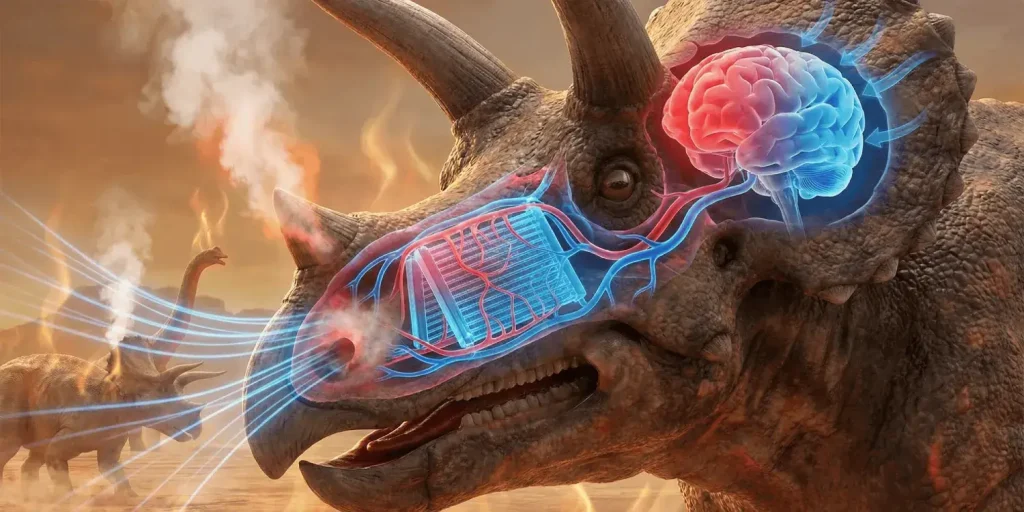
However, the skull had large “hollows (openings)” and was surprisingly lightweight.
This structure also helped improve its sense of smell and respiratory functions, proving that it was an excellent hunter with sharp senses.
Facial Ornamentation
Its facial features resembled Allosaurus, with “two low crests” along the nose bridge and small horns in front of the eyes.
These rugged decorations are believed to have been displays for identifying fellow species members or appealing to the opposite sex.
Fins on the Back? Muscles Like a Sprinter
Muscular Legs
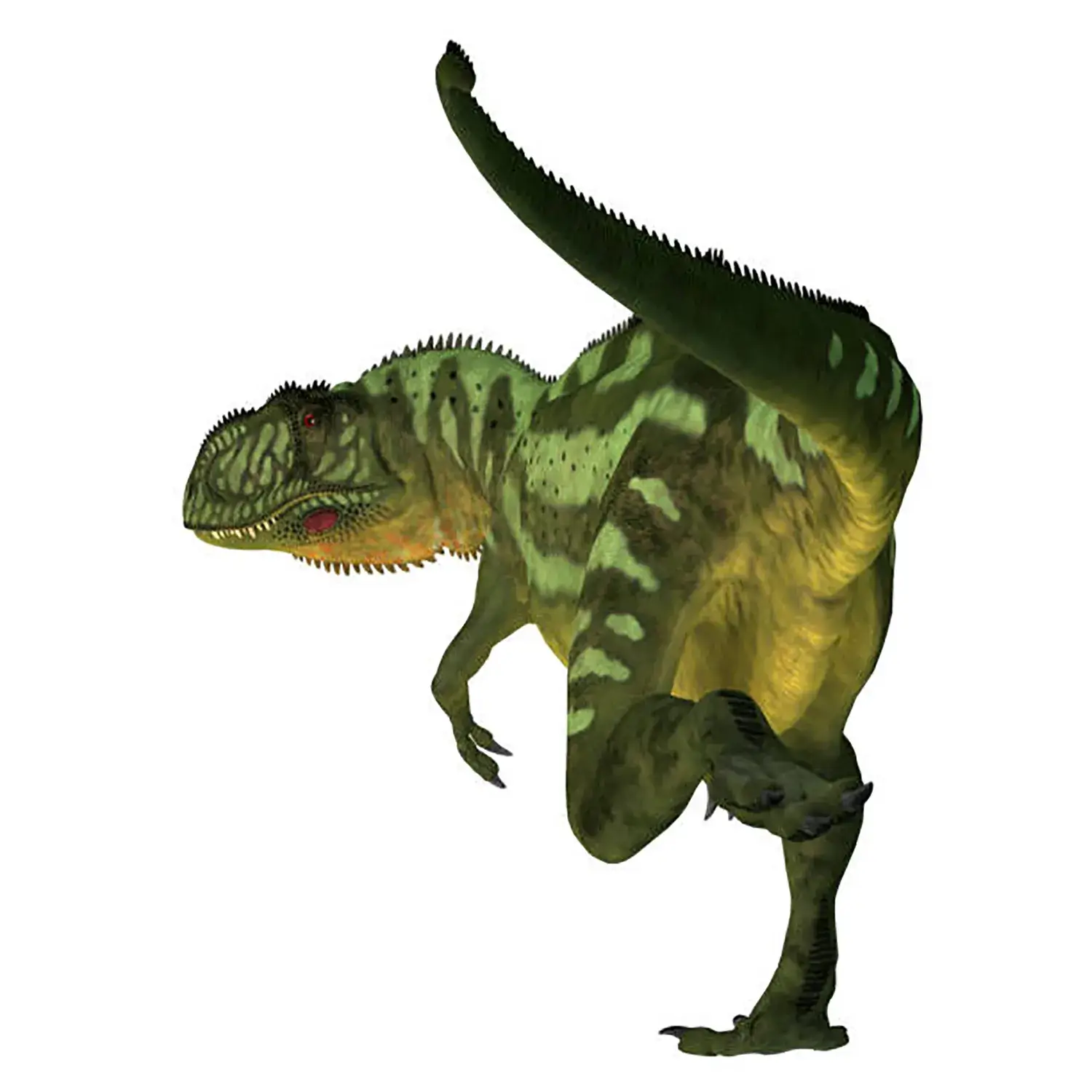
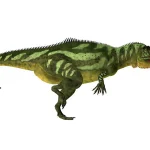
In addition to its center of gravity being optimized by the lightweight skull, its legs were equipped with powerful muscles.
Its legs were equipped with powerful muscles
It is surmised that it possessed physical abilities like a “sprinter”—far from sluggish—kicking the ground with powerful hind legs while balancing with a long tail.
Ridge on the Back
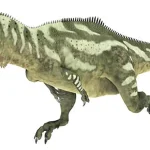
A point that differs from Allosaurus is that the projections (neural spines) on its backbone were highly developed.
This may have created a “muscular ridge (or fin-like shape)” running from the back to the base of the tail.
It had a “muscular ridge” running from its back to the base of its tail
This might have played a role in supporting strong back muscles or functioned in thermoregulation.
Ruler of the “Dinosaur Paradise”
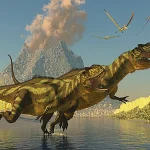
Sichuan Province (Dashanpu Formation) during the Jurassic, where they lived, was a “dinosaur paradise” inhabited by a wide variety of dinosaurs.
Battles with Giant Prey
The same region was home to long-necked sauropodomorphs like Mamenchisaurus and stegosaurs like Tuojiangosaurus.
Yangchuanosaurus possessed larger and more powerful teeth than its close relatives (such as Sinraptor) and used its flexible neck to prey on these large herbivorous dinosaurs.
Aspect as a Scavenger
Of course, they were not always hunting.
They had a flexible diet, eating juveniles, weakened individuals, and dead meat (carrion) if the opportunity arose, which solidified their position as the strongest predators in Asia.