
Styracosaurus
Name Origin
Spiked Lizard
Family
Ceratopsidae
Classification
Diapsida, Ornithischia, Marginocephalia
Habitat (Discovery Location)
United States, Canada
Period
Approximately 80–66 million years ago (Late Cretaceous)
Length
Approximately 5.5–7 meters
Weight
Approximately 2–3 tons
Diet
Herbivore
You might also like... 

-
 Microceratus
- Classification
- Marginocephalia
- Characteristics
- Herbivorous
- Era
- Cretaceous period
-
 Teratophoneus
- Classification
- Theropods
- Characteristics
- Carnivorous
- Era
- Cretaceous period
- Mosasaurus
- Classification
- Marine reptiles
- Characteristics
- Carnivorous
- Era
- Cretaceous period
- Dilophosaurus
- Classification
- Theropods
- Characteristics
- Carnivorous
- Era
- Jurassic period
-
Sponsored Links
-
Sponsored Links









Description
Towards the end of the dinosaur era, the North American continent of the Late Cretaceous was a golden age for a diverse array of “ceratopsians” (horned dinosaurs).
Among the many horned dinosaurs, including the famous Triceratops, there was one dinosaur with an exceptionally striking visual impact.
“Styracosaurus.”
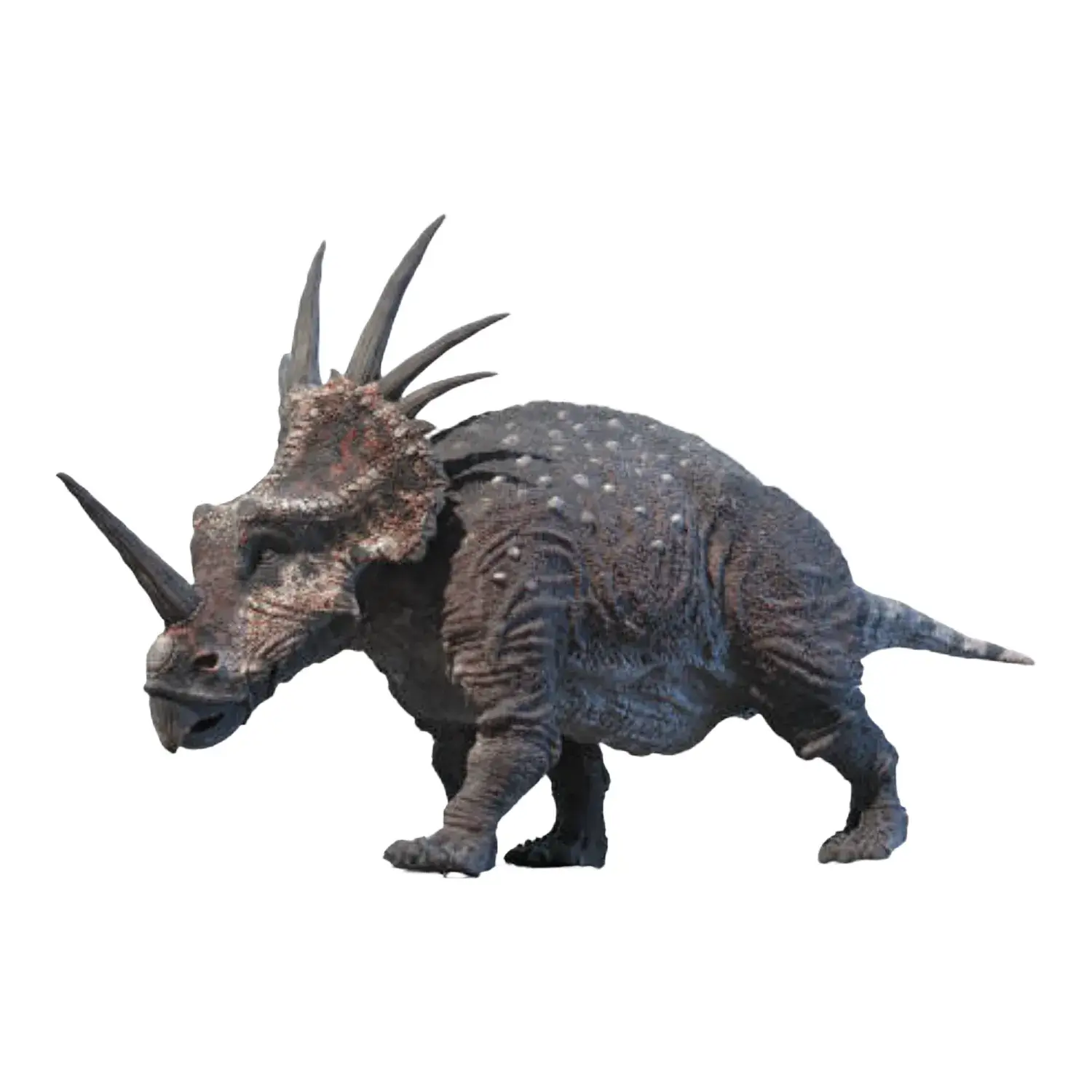
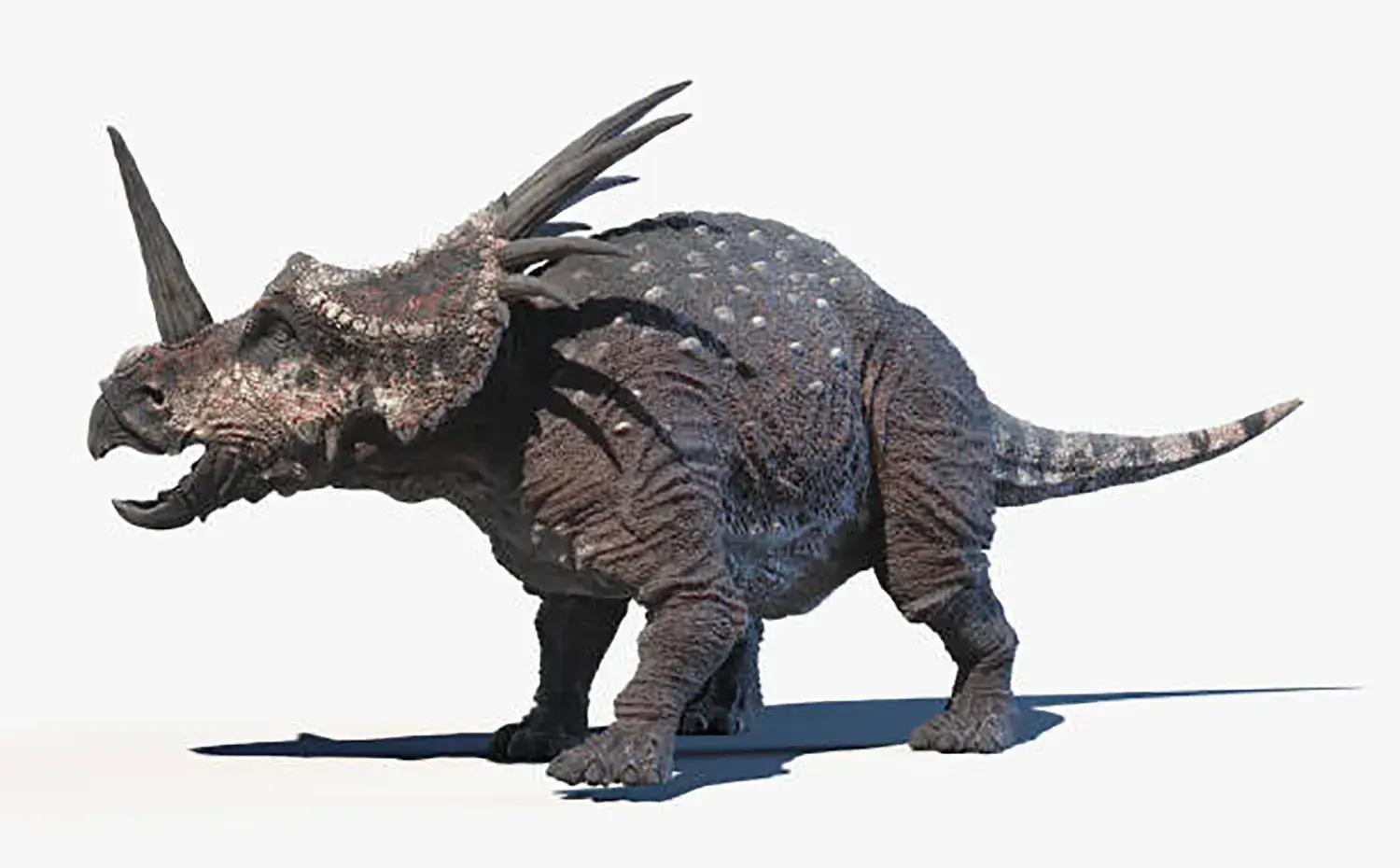
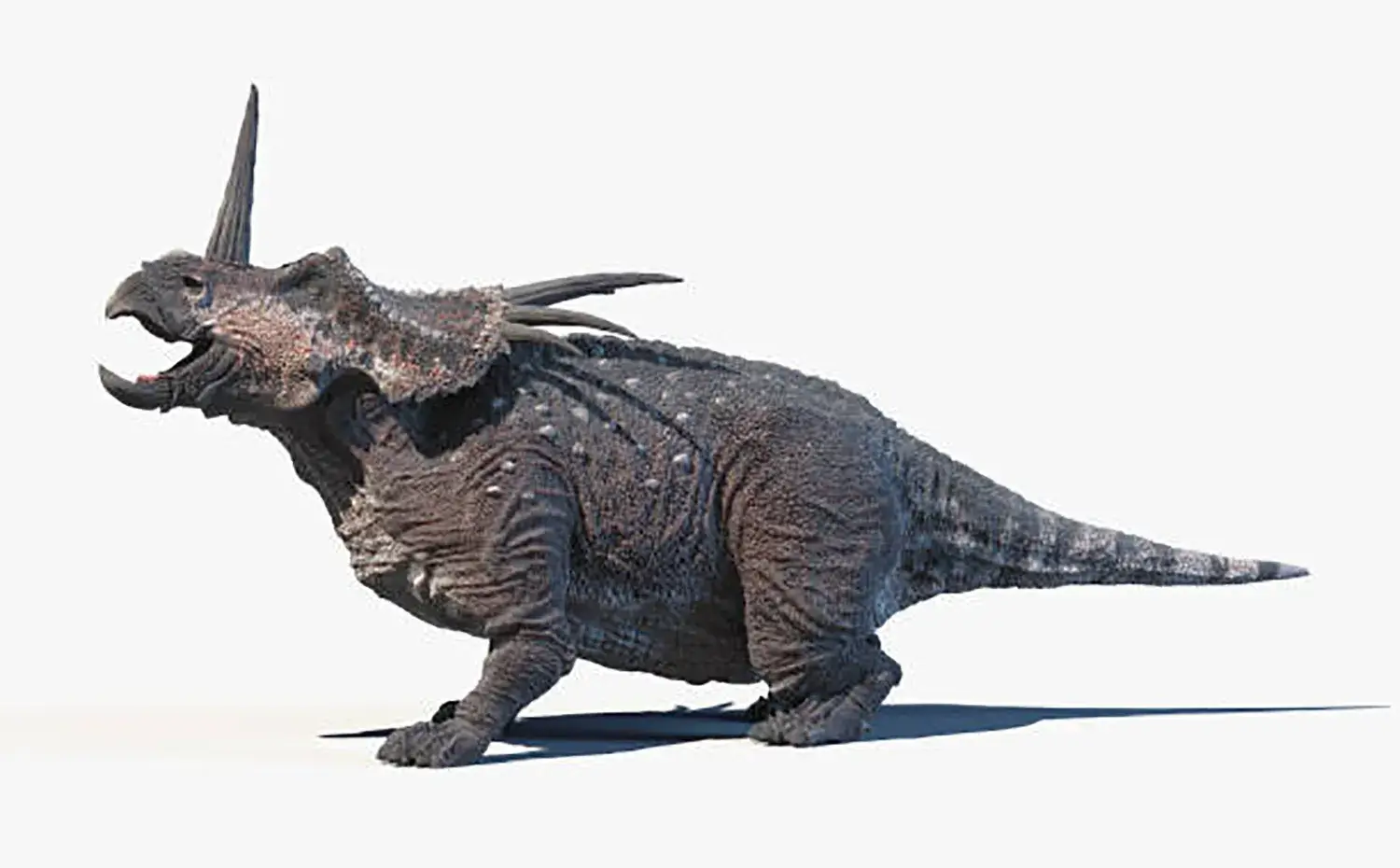
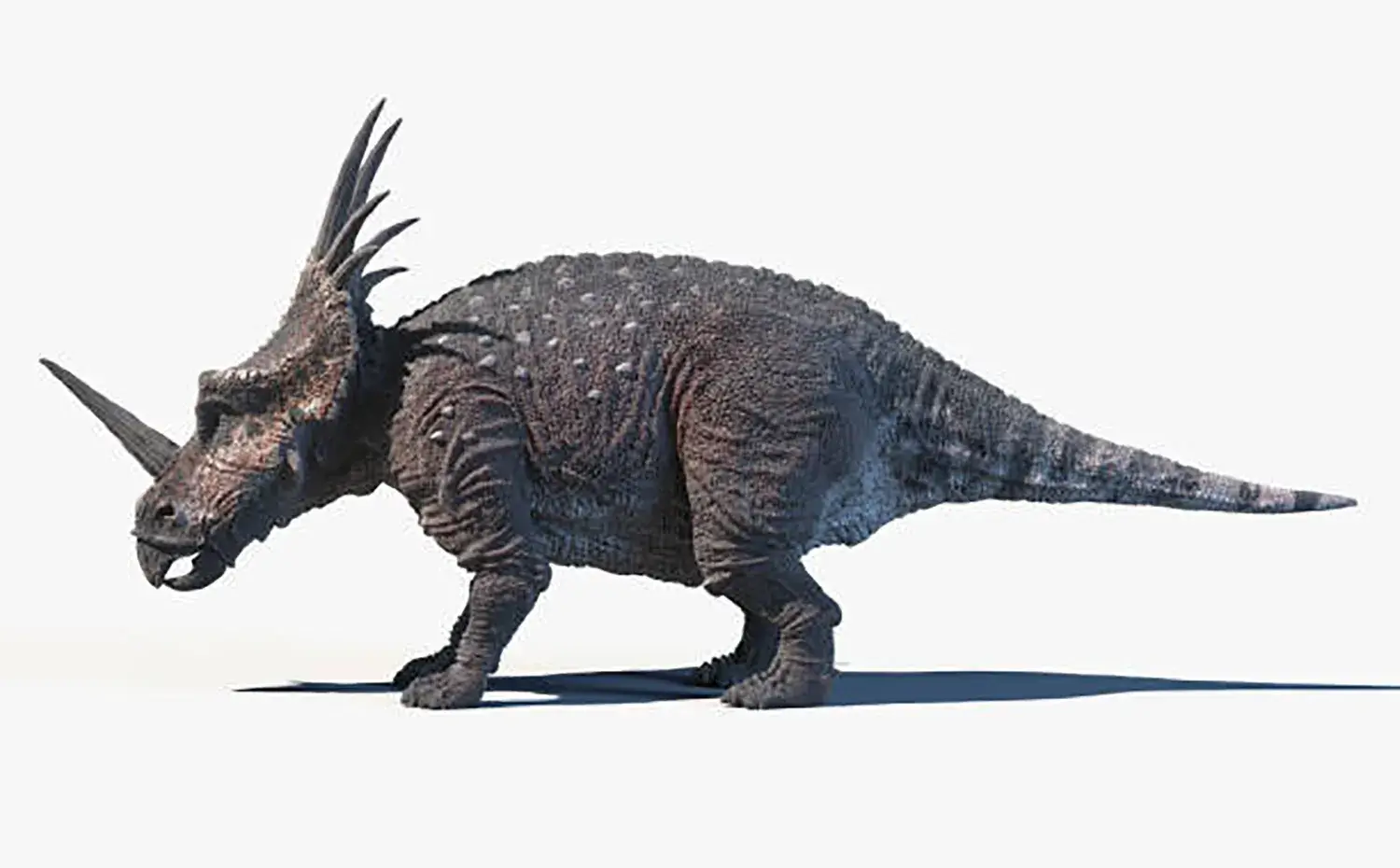
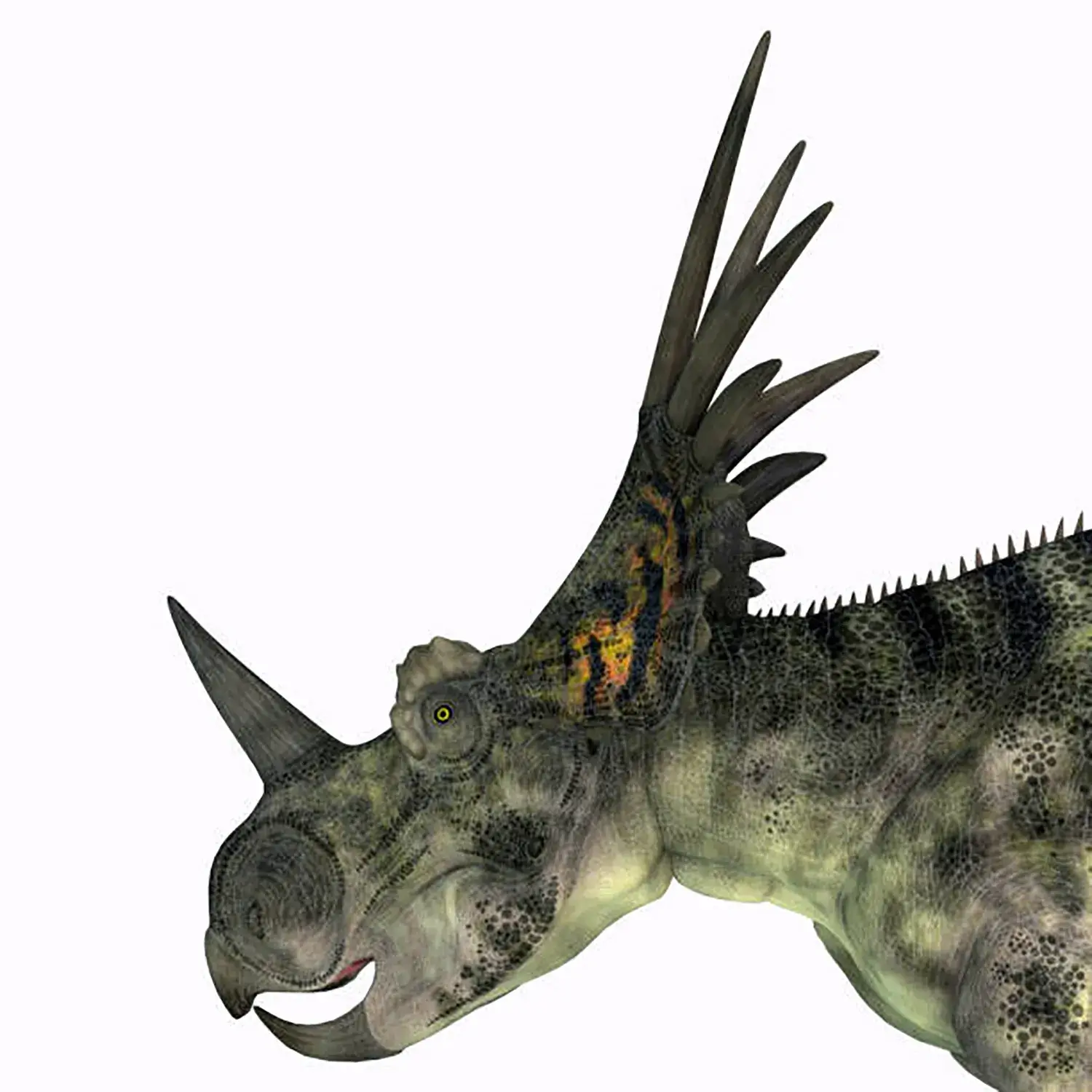
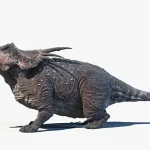
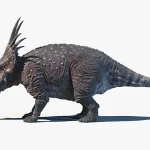
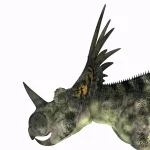
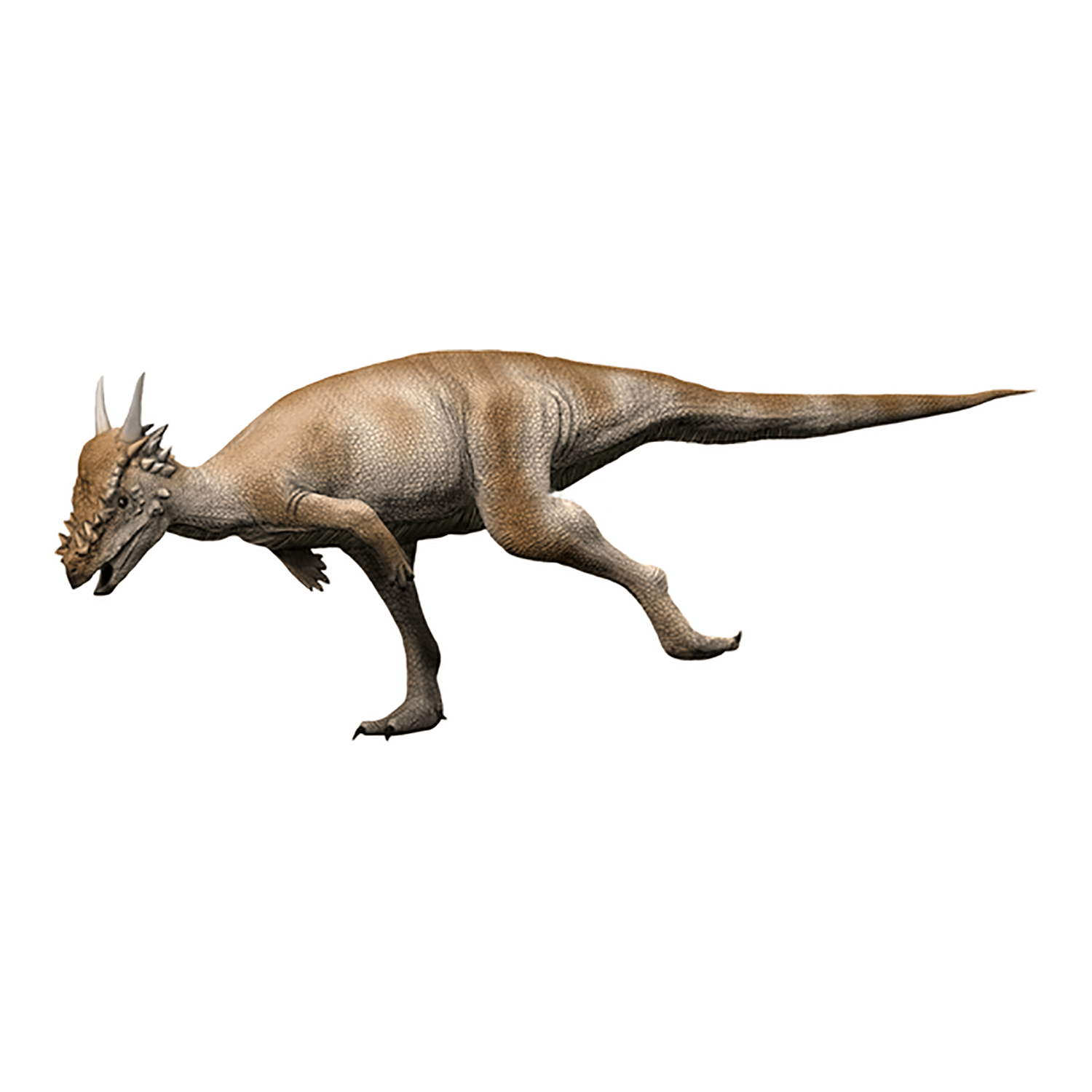
True to its name, which means “Spiked Lizard,” it possessed a massive single horn on its nose and sharp spikes protruding from the frill at the back of its head like a crown.
Characteristics of the “Spiked Lizard”: Differences from Triceratops
Styracosaurus is a representative dinosaur of the “Centrosaurinae” subfamily among ceratopsians.
It possesses unique characteristics distinct from Triceratops (Chasmosaurinae subfamily).
The Ultimate Single Horn Towering Over the Nose
Its most distinctive feature is the massive horn towering over its nose.
Its most distinctive feature is the massive horn towering over its nose.
Reaching approximately 60 cm in length and 15 cm in thickness, this is among the largest in its group.
Surpassing even the horns of modern rhinos, this single horn was a deadly spear capable of piercing the bodies of carnivorous dinosaurs.
Crown of Spikes (Frill)
Another feature is the decorative collar (frill) at the back of its head.
From the edge of the frill, “six long, sharp horns (spikes)” protrude, with numerous shorter spikes lining the area below them.
It looks almost as if it is wearing a crown made of spikes.
On the other hand, it had almost no “horns above the eyes” like Triceratops, leaving the area around its eyes smooth.
Size Scale
It was approximately 5.5 to 7 meters in total length and weighed about 2 to 3 tons.
Larger than a modern white rhinoceros, it was about half the size of Triceratops (medium-sized).
Decoration or Weapon? “Fierce Battles” and Herds Revealed by Fossils
Display and Intimidation
The flashy horns and frill are thought to have functioned as markers to identify kin or as appeal points (display) to the opposite sex (females).
Also, against carnivorous dinosaurs, they were effective as an “intimidation shield” to make the body appear larger by lowering the head and raising the frill.
Scarred Skulls
However, the horns were not merely decorations.
Discovered skull fossils bear raw scars such as healed fractures and holes.
This is evidence that they routinely engaged in fierce combat among their own species over territory and females.
“Herds of Hundreds” Told by Bone Beds
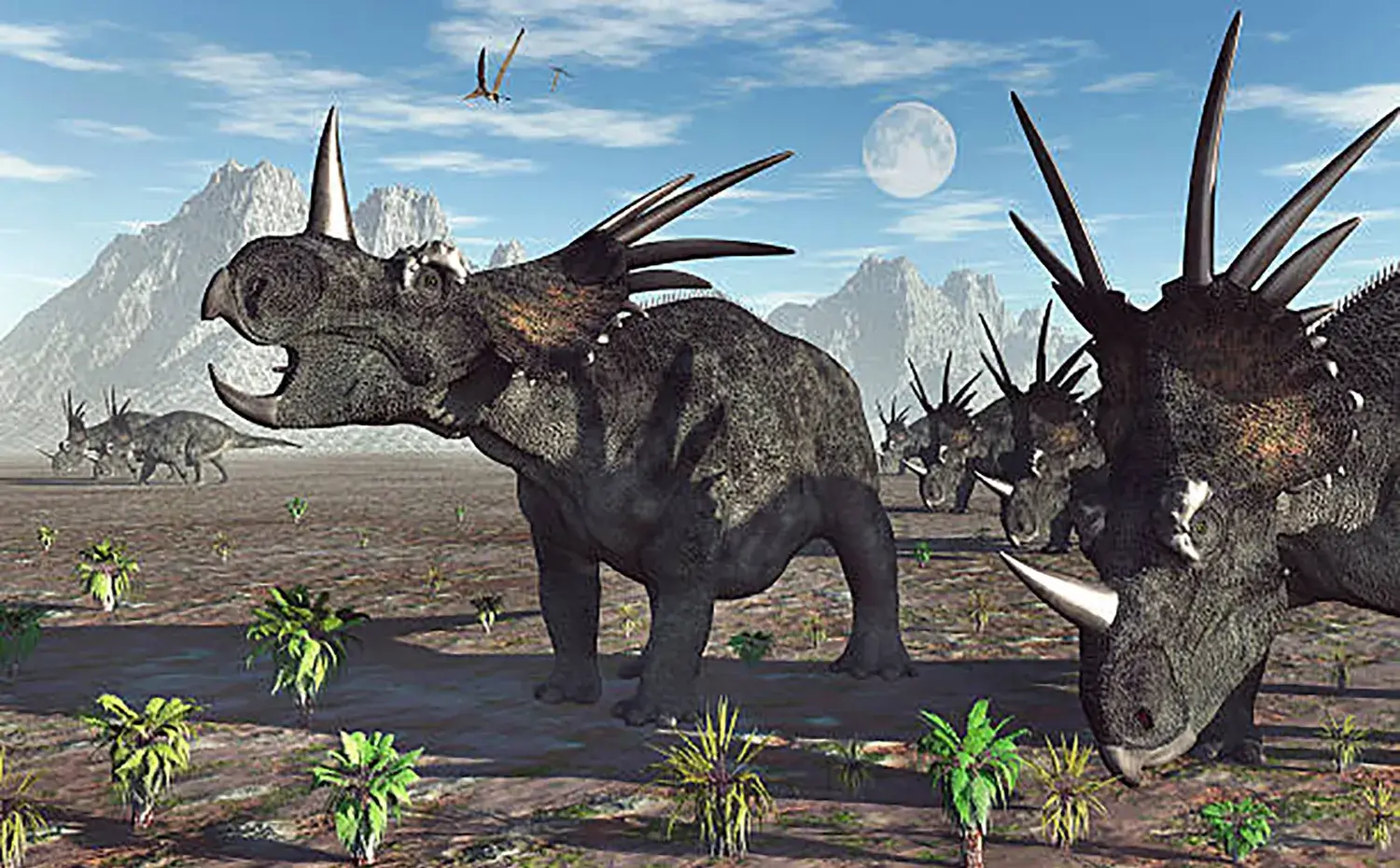
In Dinosaur Provincial Park in Canada, “bone beds” containing the dense fossils of hundreds of individuals have been found.
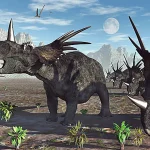
These are traces of entire herds perishing in disasters such as floods, indicating that they lived in large herds like wildebeests or bison.
They lived in herds
A Moment of Evolution? The True Identity of “Rubeosaurus”
Recent research has revealed surprising facts regarding the evolution of Styracosaurus.
Relationship with Rubeosaurus
There used to be a ceratopsian classified as a separate genus called “Rubeosaurus.”
However, a 2020 study suggested a high possibility that this is actually an “evolved form of Styracosaurus.”
Since Styracosaurus is found in older strata and individuals with changed characteristics (Rubeosaurus) are found in newer strata, this is considered a valuable record of “anagenesis” (single lineage evolution), where a species changes over time.
*The former theories that it was the same species as “Centrosaurus or Monoclonius (sexual dimorphism theory)” are now denied due to discrepancies in dating and other factors.