
Caudipteryx






Name Origin
Tail Feather
Family
Caudipteridae
Classification
Diapsida, Saurischia, Theropoda
Habitat (Discovery Location)
China
Period
Approximately 144–99 million years ago (Early Cretaceous)
Length
Approximately 1 meter
Weight
Approximately 2.5–9 kilograms
Diet
Omnivore (eats both)
You might also like... 

-
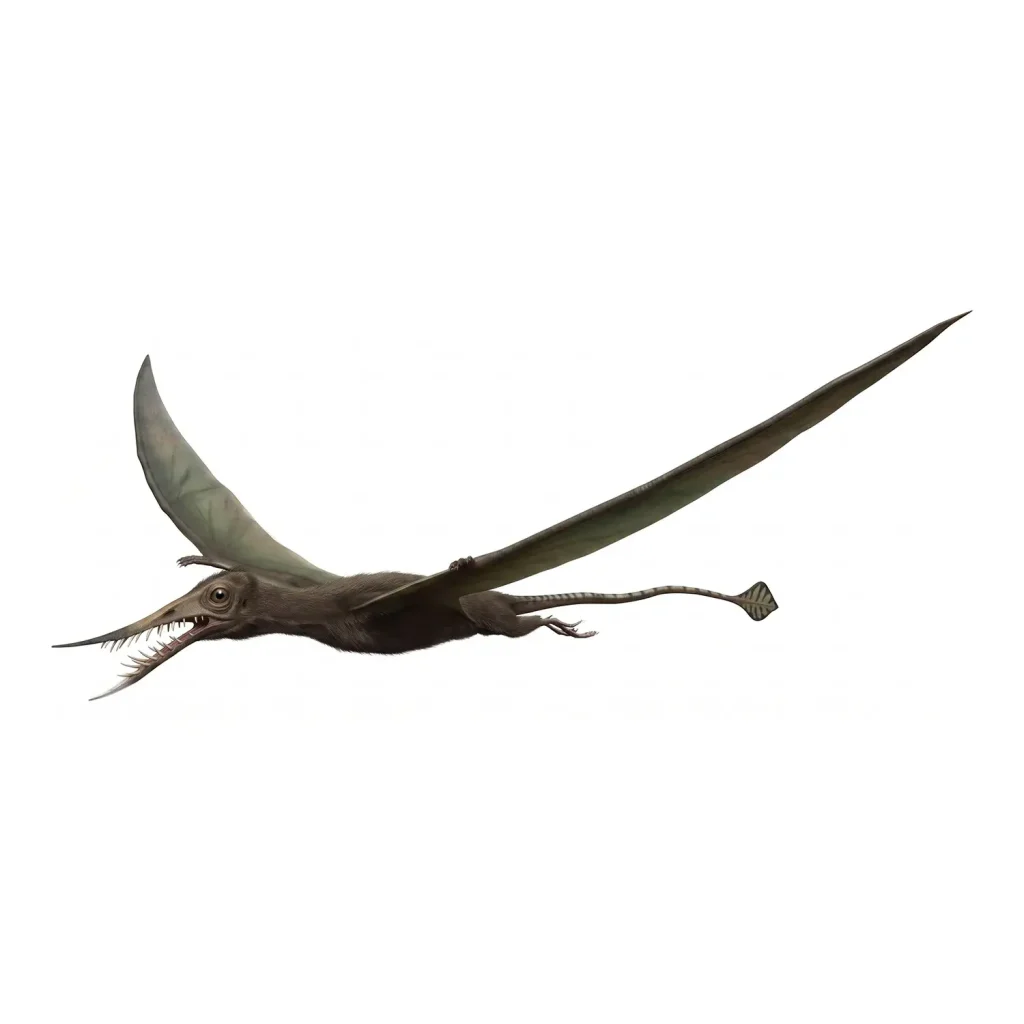
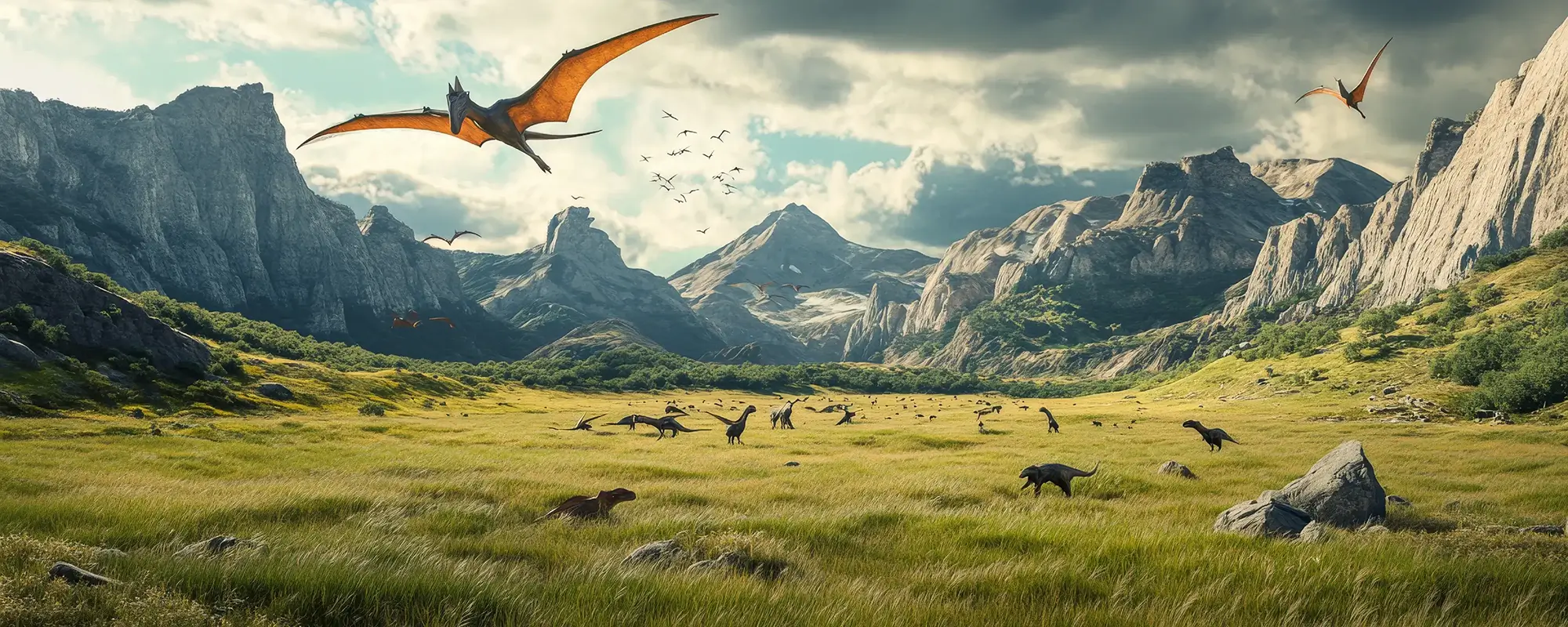
 Rhamphorhynchus
- Classification
- Flying reptiles
- Characteristics
- Carnivorous
- Era
- Jurassic period
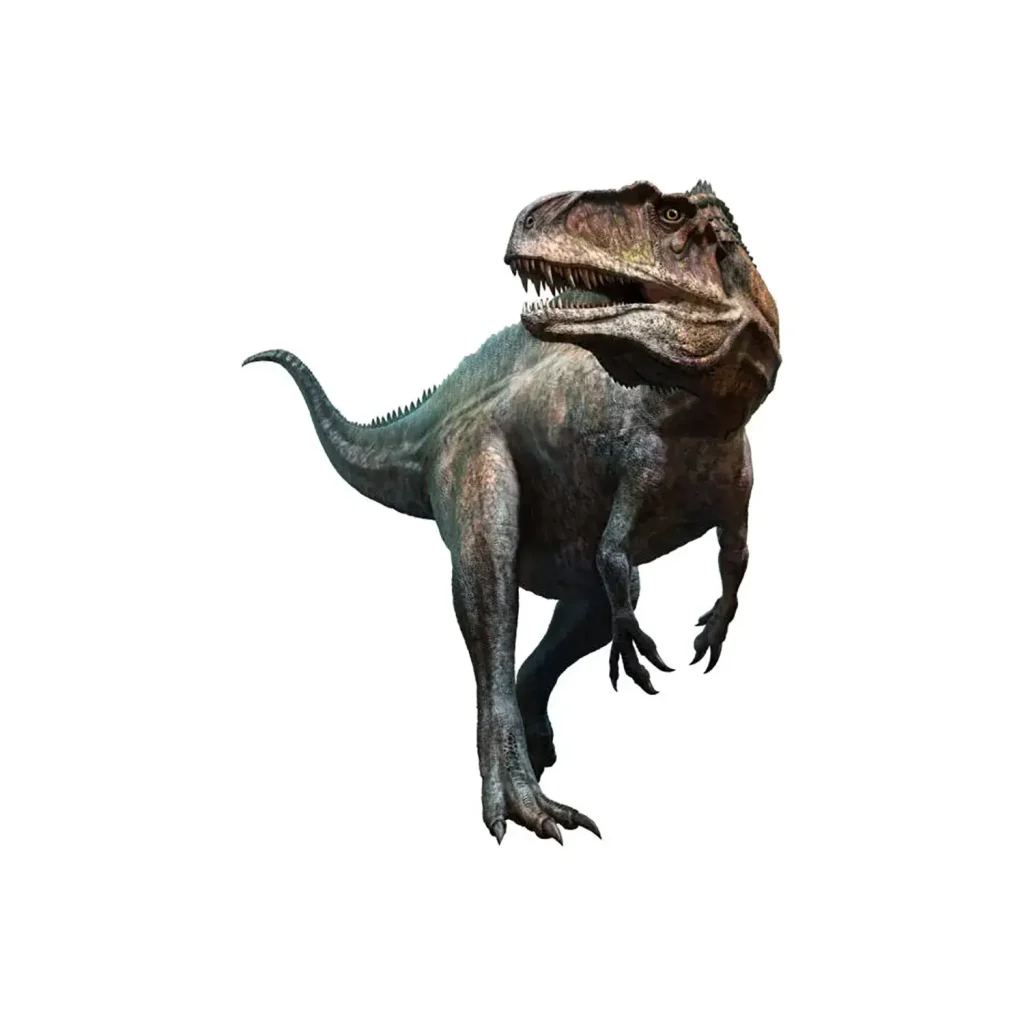
- Acrocanthosaurus
- Classification
- Theropods
- Characteristics
- Carnivorous
- Era
- Cretaceous period
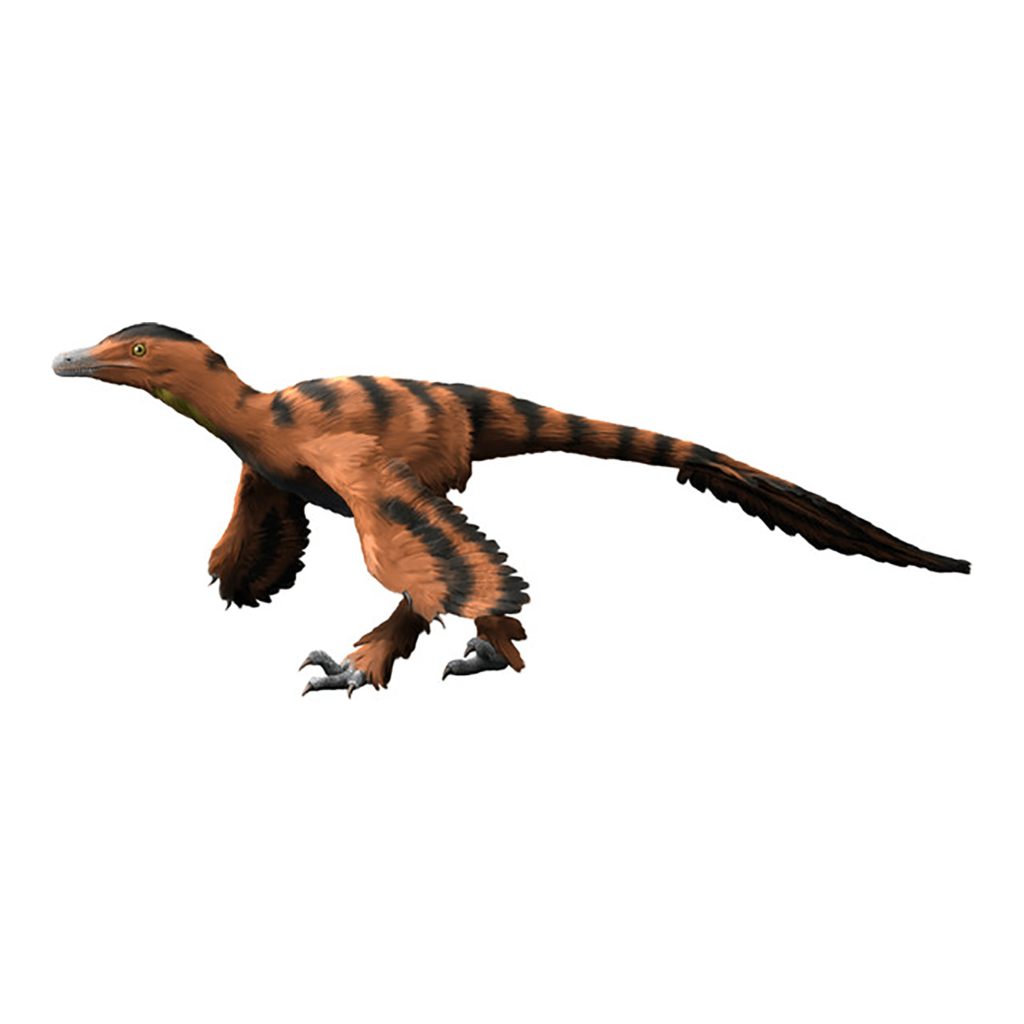
- Sinornithosaurus
- Classification
- Theropods
- Characteristics
- Carnivorous
- Feathered
- Era
- Cretaceous period
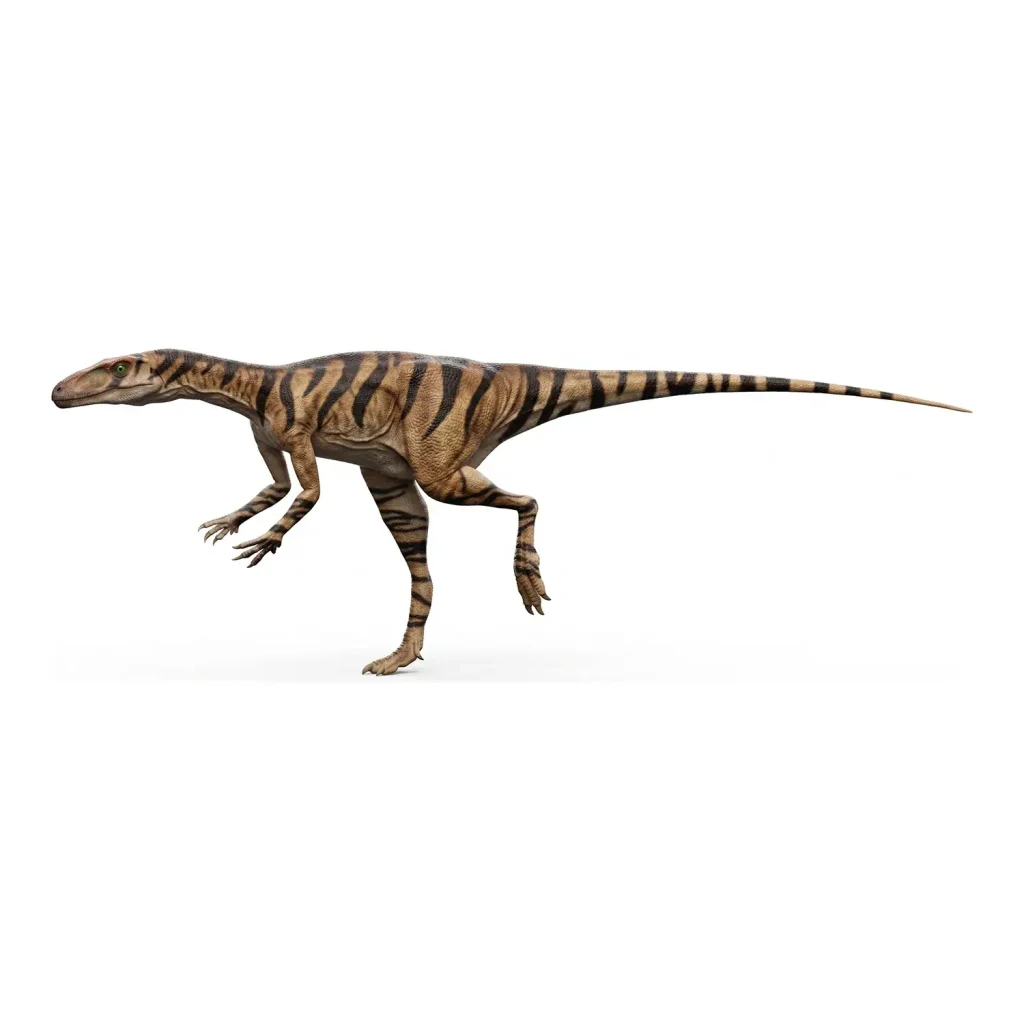
- Alwalkeria
- Classification
- Theropods
- Characteristics
- Carnivorous
- Herbivorous
- Omnivorous
- Era
- Triassic period
-
Sponsored Links
-
Sponsored Links









![[Latest Research] What Was the Function of Spinosaurus's Giant "Sail"? Exploring the Mysteries of Thermoregulation and Underwater Locomotion](https://dinosaurmuseum.jp/wp/wp-content/uploads/eyecatch_spinosaurus-sail-function_en-1024x512.webp)
![[Latest Discovery] A Third Type of Skin, Neither Scales Nor Feathers? Meet "Haolong dongi," a New Dinosaur Species Covered Entirely in Spikes](https://dinosaurmuseum.jp/wp/wp-content/uploads/eyecatch_dinosaur-spiky-skin-discovery_en-1024x512.webp)


Description
Dinosaurs and birds.
In the late 20th century, definitive evidence connecting these two groups—once thought to be completely distinct creatures—was discovered in China.
The name of that dinosaur is “Caudipteryx”.
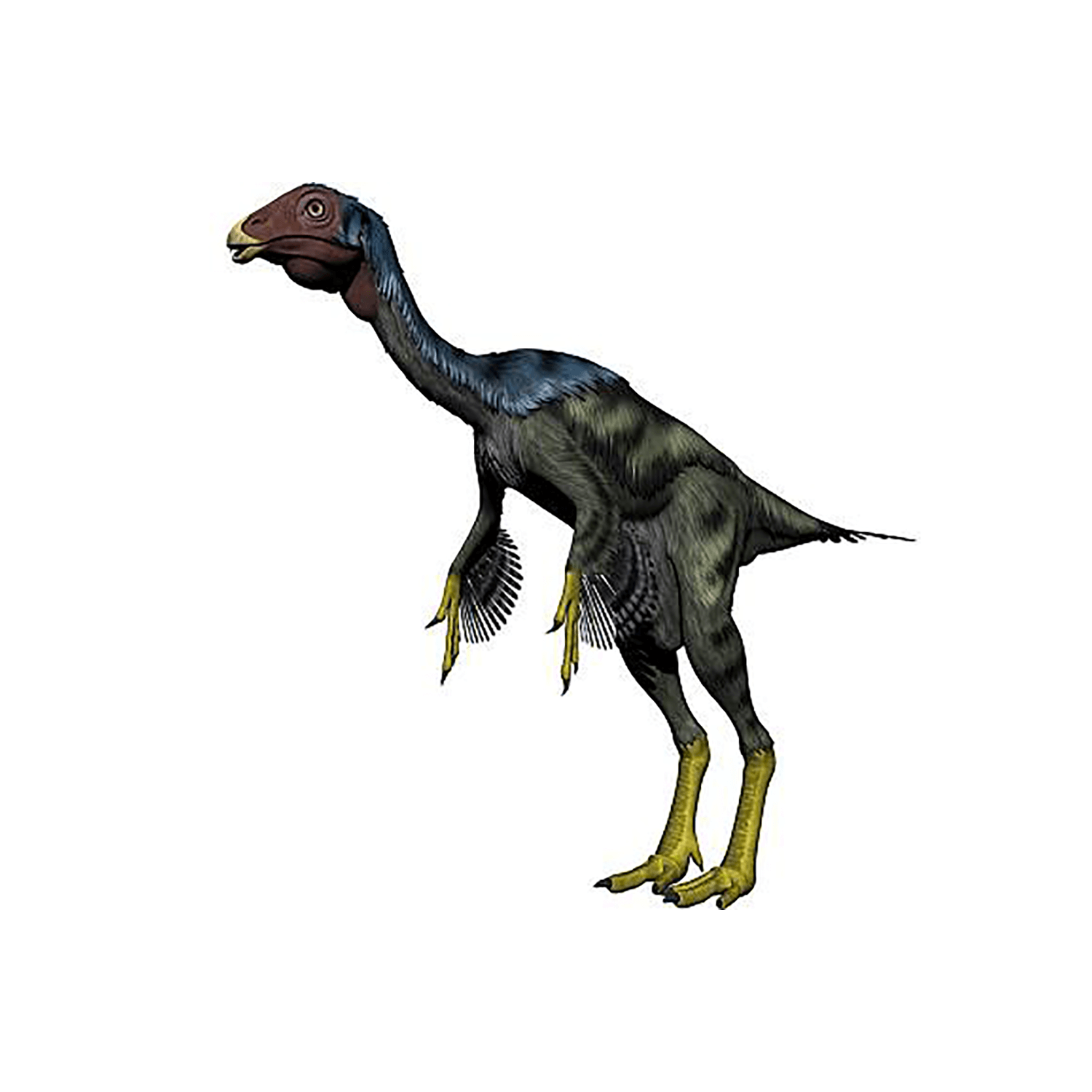
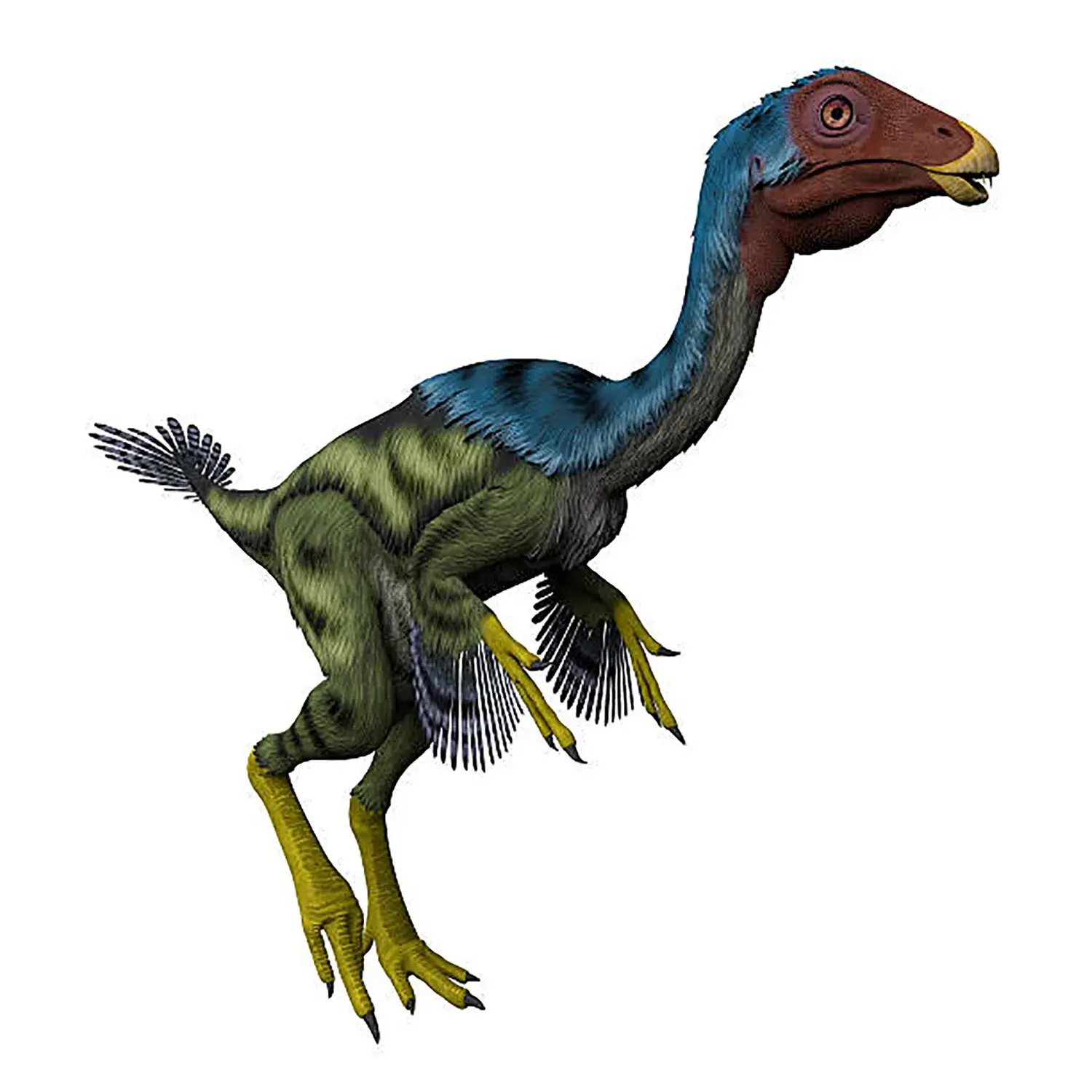
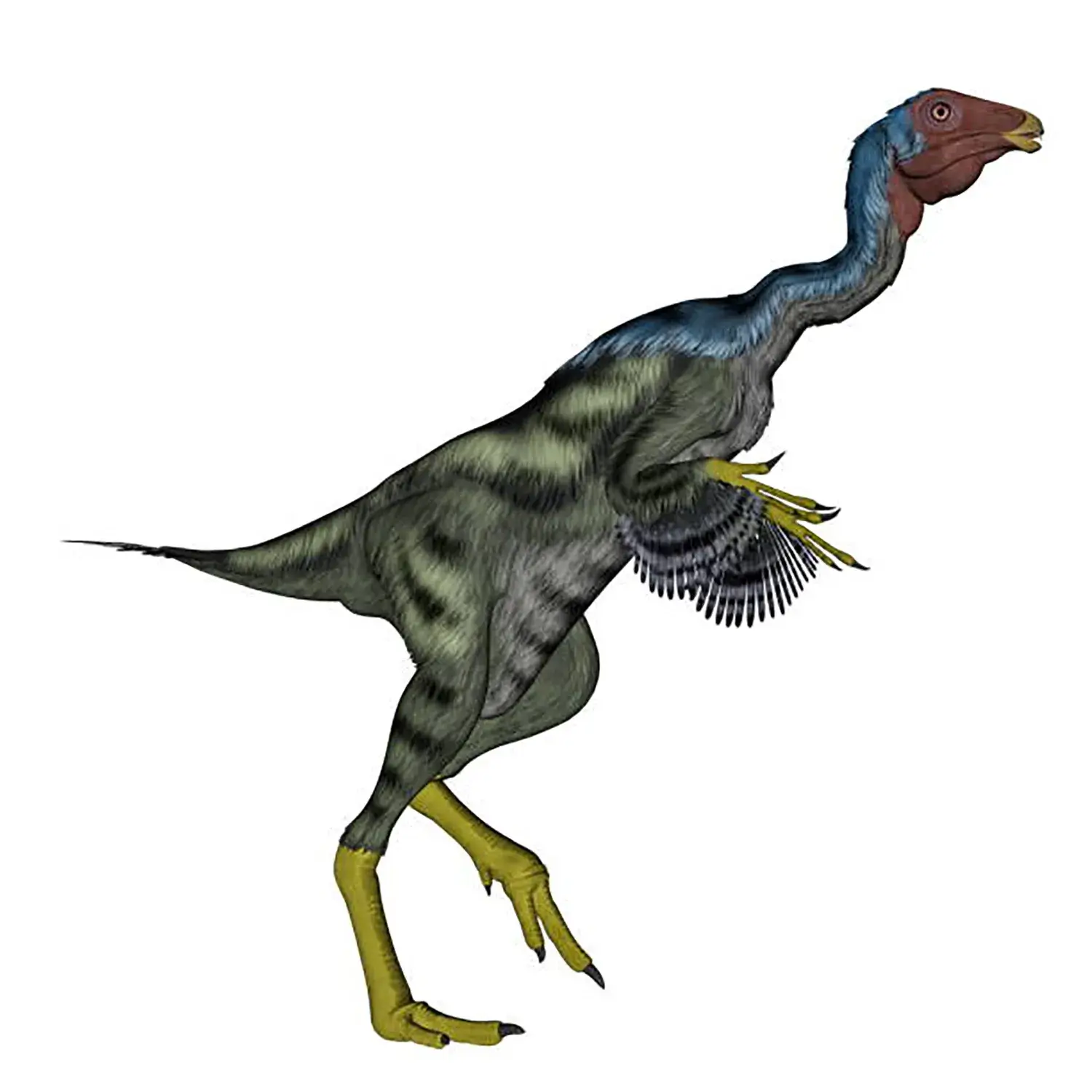
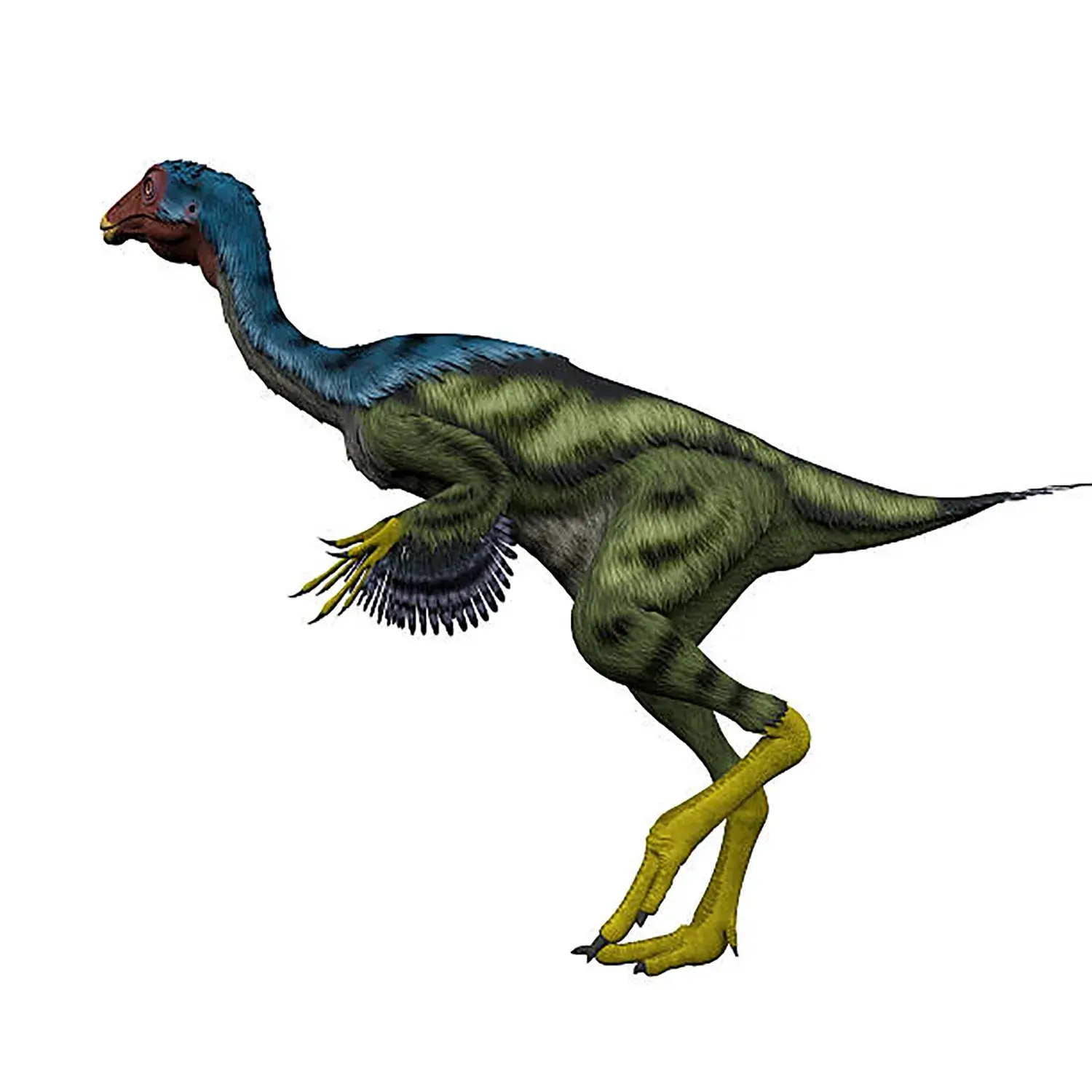
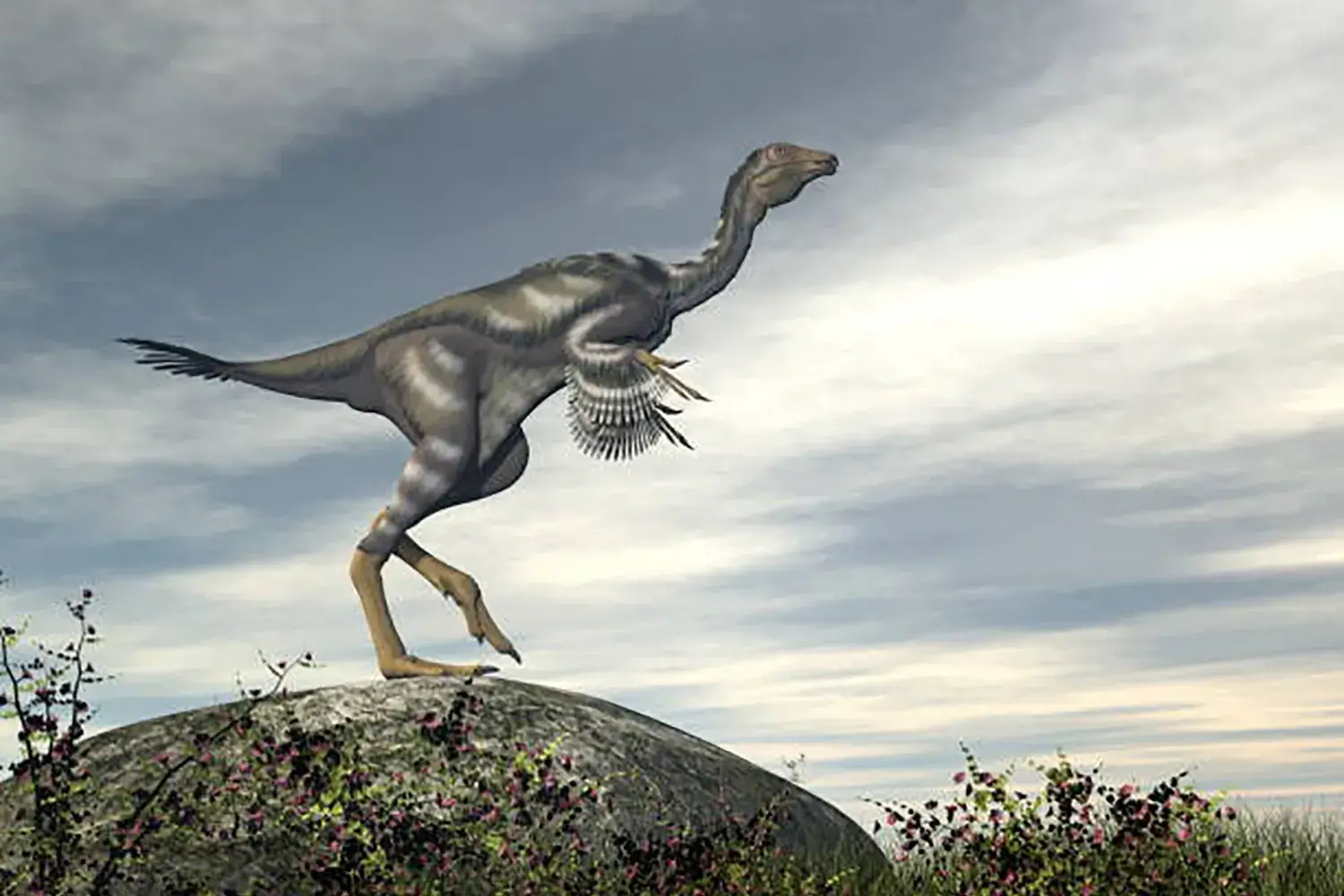
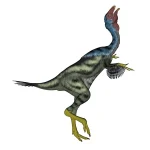
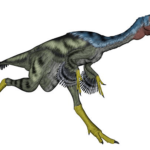
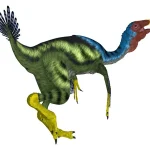
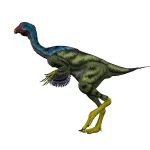
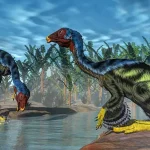
True to its name, which means “tail feather” in Latin, this creature possesses magnificent tail feathers and has continued to shock the world of paleontology since its discovery in 1998.
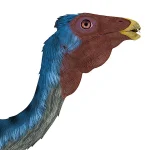
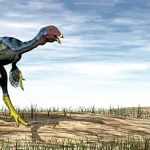
A bipedal theropod possessing feathers and a mix of a beak and teeth, it stands on the borderline between “dinosaur” and “bird.”
The Shock of 1998: A “Missing Link” Supporting Evolutionary Theory
Discovery in the Jehol Biota, China
The story begins in 1998 in the “Jehol Biota” of Liaoning Province, China, famous for its exceptionally well-preserved fossils.
Buried in volcanic ash and miraculously preserved, the fossils of Caudipteryx retained not only the skeleton but also “clear traces of feathers.”
At the time, definitive proof was sought for the theory that “birds evolved from dinosaurs.”
The appearance of Caudipteryx served as “living proof” (a missing link) strongly supporting the hypothesis that “birds evolved from feathered theropods,” delivering an impact significant enough to rewrite textbooks.
The Misconception of the “Flightless Bird”
However, because its appearance was so bird-like (1 meter length, wing-like feathers, short tail), a misconception initially arose: “Could it be a bird that lost the ability to fly after evolving (a flightless bird)?”
Because of its “complete” appearance, Caudipteryx found itself at the center of a controversy regarding its identity.
Dinosaur? Or Bird? The Great Debate
Fluctuating Classification and the Existence of the “Furcula”
One basis for the debate was the development of the “furcula” (wishbone), which connects the muscles used for flight in modern birds.
Possessing this meant they were positioned extremely close to birds.
The Keys to the Conclusion: “Teeth” and “Skeleton”
However, detailed research settled the controversy.
Presence of Teeth
There were clear “small teeth” deep inside its beak-like mouth, retaining reptilian characteristics.
There were “small teeth” deep inside its beak-like mouth
Skeletal Structure
It was determined that the arm proportions and pelvic structure were closer to theropod dinosaurs like “Oviraptor” than to birds.
Today, the established theory is that Caudipteryx is “a feathered oviraptorosaurian theropod dinosaur, distinct from the lineage that evolved into birds.”
Flightless Wings and the Role of Feathers: The “Color” Revealed by Latest Research
Wings as Parachutes
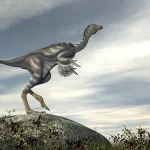
The feathers on its forelimbs were about 20 cm long, but they lacked the “asymmetrical” shape needed to generate lift for flight, and its arms were too short.
However, they were not useless.
It is believed they played a role in increasing air resistance when jumping from trees, softening the impact of falls like a parachute.
Courtship Displays and “Iridescent” Feathers
In addition to insulation, it is highly likely the feathers were used for displays (courtship behavior), spreading the tail feathers to appeal to the opposite sex.
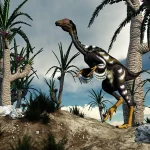
Furthermore, a 2019 analysis of pigment cells (melanosomes) suggested that while their feathers were black-based, they may have possessed an “iridescent” sheen.
It was suggested that the feathers might have had an “iridescent” sheen
In the forests of the Cretaceous, they may have performed courtship dances with feathers shimmering in rainbow colors, much like crows or jewel beetles.
A Small Beast? “Omnivorous Diet” Revealed by Gastroliths
Swift Runner
The skeleton was lightweight, and it possessed developed legs like a bird.
The skeleton was lightweight, and it possessed developed legs like a bird.
Instead of flying with wings, they were “swift runners” that dashed across the land using powerful leg strength.
Gastroliths and Dietary Changes
Initially, it was thought to be carnivorous due to its sharp teeth, but a large number of “gastroliths” (small stones that aid digestion) were discovered inside its stomach.
This is evidence that it ate hard-to-digest plants.
It is highly likely that it was an “omnivore” adapted to its environment, preying on insects and lizards with its sharp teeth while also eating nuts and leaves using the gastroliths.