
Gargoyleosaurus


Name Origin
Gargoyle Lizard
Family
Nodosauridae
Classification
Diapsida, Ornithischia, Thyreophora
Habitat (Discovery Location)
United States
Period
Approximately 161.2–145.5 million years ago (Late Jurassic)
Length
Approximately 3–4 meters
Weight
Approximately 1 ton
Diet
Herbivore (Plant-eater)
You might also like... 

-
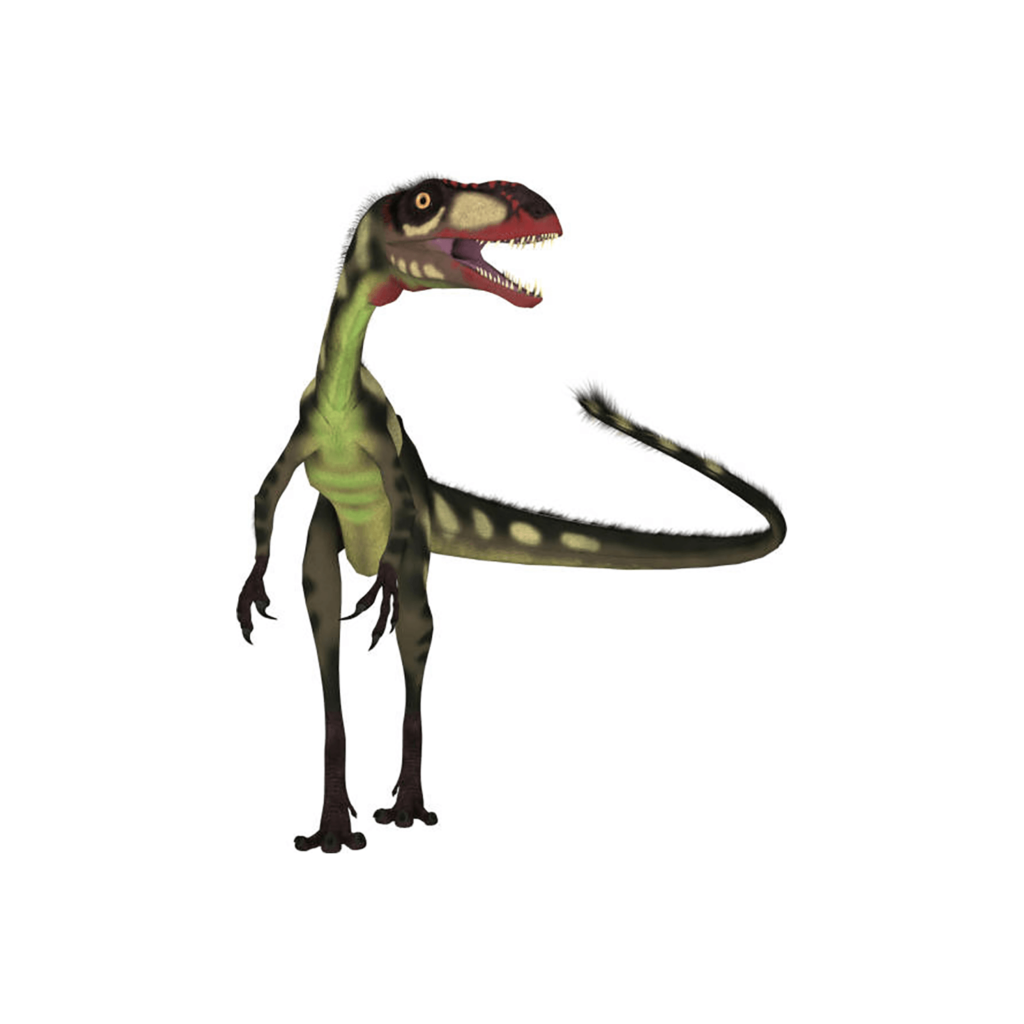
 Dilong
- Classification
- Theropods
- Characteristics
- Carnivorous
- Feathered
- Era
- Cretaceous period
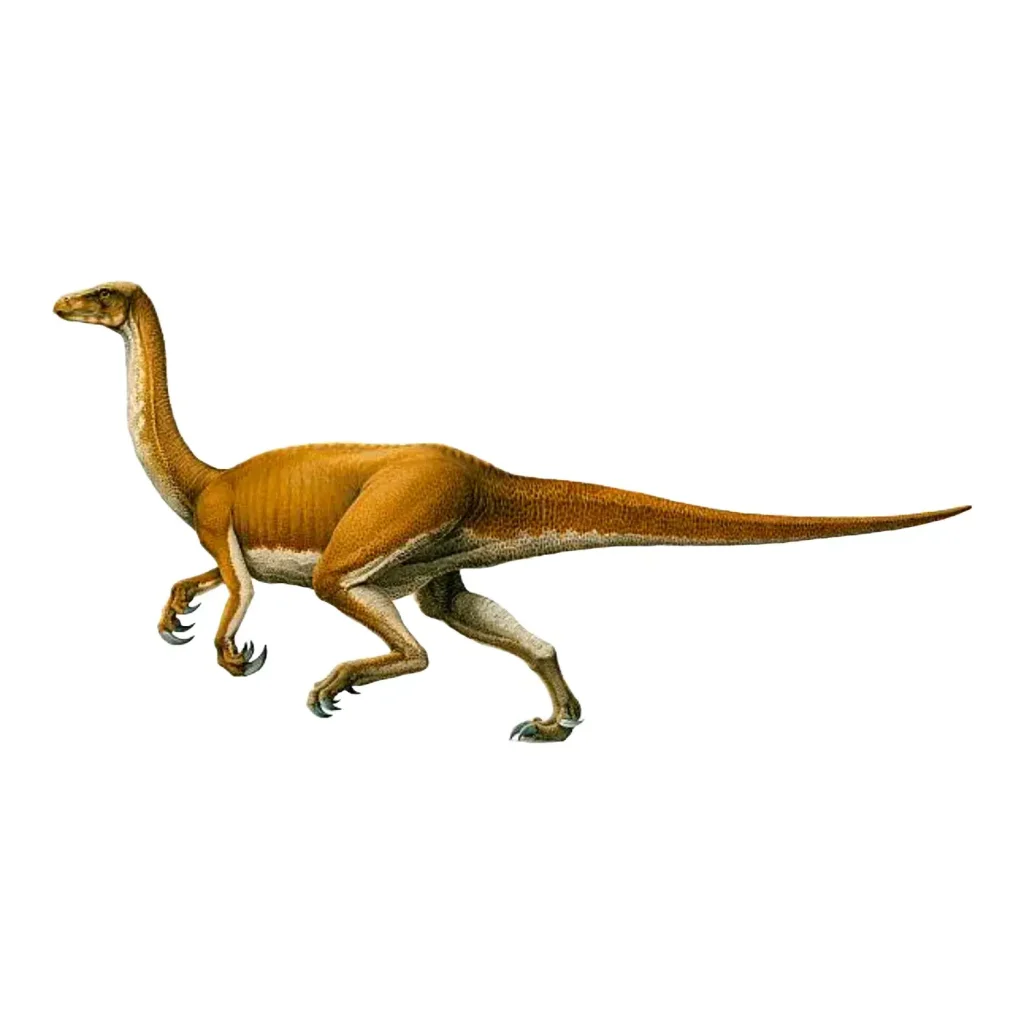
- Segnosaurus
- Classification
- Theropods
- Characteristics
- Herbivorous
- Era
- Cretaceous period
- Eocursor
- Classification
- Ornithopoda
- Characteristics
- Herbivorous
- Era
- Triassic period
- Liaoningosaurus
- Classification
- Thyreophora
- Characteristics
- Carnivorous
- Era
- Cretaceous period
-
Sponsored Links
-
Sponsored Links









![[Latest Research] What Was the Function of Spinosaurus's Giant "Sail"? Exploring the Mysteries of Thermoregulation and Underwater Locomotion](https://dinosaurmuseum.jp/wp/wp-content/uploads/eyecatch_spinosaurus-sail-function_en-1024x512.webp)
![[Latest Discovery] A Third Type of Skin, Neither Scales Nor Feathers? Meet "Haolong dongi," a New Dinosaur Species Covered Entirely in Spikes](https://dinosaurmuseum.jp/wp/wp-content/uploads/eyecatch_dinosaur-spiky-skin-discovery_en-1024x512.webp)




Description
Dinosaur names have various origins, but one that leaves an unforgettable impact once heard, ringing with the air of medieval gothic horror, is “Gargoyleosaurus.”
Bearing the name of a “church monster,” this dinosaur holds a vital key to unraveling the evolution of ankylosaurs (armored dinosaurs).
While ankylosaurs generally flourished during the Late Cretaceous—the very end of the dinosaur era—this species lived long before that, in the Jurassic period.
Its Name Means “Gargoyle Lizard”: Derived from Stone Statues Protecting Churches
If hearing the name Gargoyleosaurus brings medieval European Gothic architecture to mind, you have keen instincts.
This scientific name literally means “Gargoyle Lizard.”
What is a Gargoyle?
Rainspouts (stone statues) shaped like devils or monsters that adorn the roofs of old European churches and cathedrals.
Why was an ancient creature given such a name?
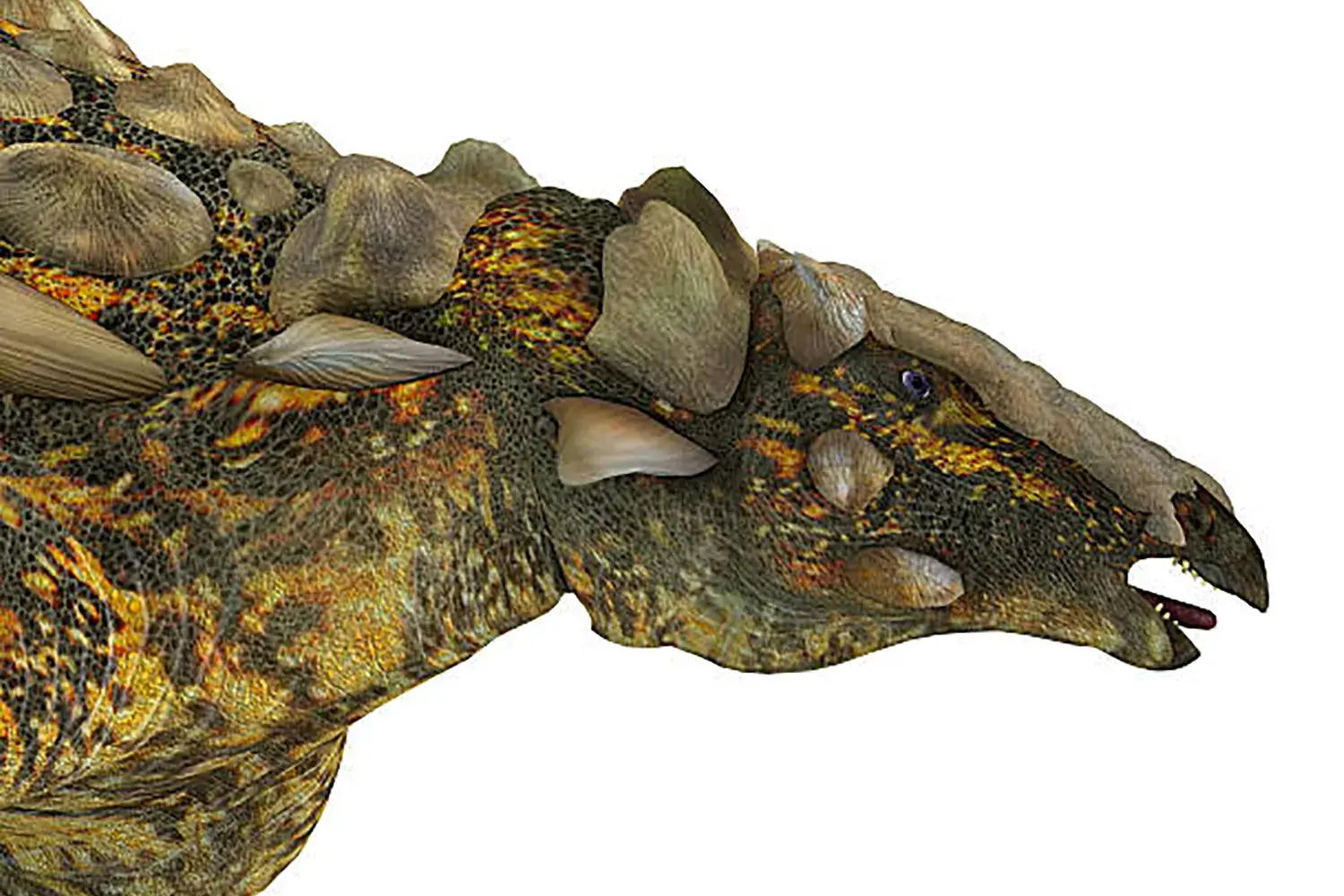
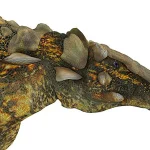
The reason lies in the shape of the discovered skull.
Its unique, rugged shape and atmosphere were reminiscent of the gargoyle statues looking down on the world from church roofs.
Its appearance, revived from ancient strata, evokes a sense of romance, as if a stone monster has come to life.
Overturning Ankylosaur Conventions? A Rare Species from the “Jurassic”
When people hear “armored dinosaurs” (Ankylosauria), many imagine the club-tailed Ankylosaurus that thrived in the Cretaceous.
Indeed, finding them in Jurassic strata is extremely rare.
However, Gargoyleosaurus lived in the “Late Jurassic (approx. 161.2–145.5 million years ago),” much older than the Cretaceous.
Currently, only “two species” of Jurassic ankylosaurs have been found globally, making this a precious specimen.
Belonging to the “Nodosauridae,” the pioneers of armored dinosaurs, their existence provides important clues for understanding how heavy armored dinosaurs originated and evolved.
Miraculous Fossil Discovery: From Skull to Lower Body
Usually, ankylosaur fossils are found in fragmentary states, such as “only ribs or parts of armor,” frustrating researchers.
However, Gargoyleosaurus is very fortunate in terms of specimen quantity.
To date, parts ranging from its distinctive skull to its neck, and even partial lower body bones, have been discovered.
Thanks to these abundant fossils, we can reconstruct the appearance of this “earliest armored dinosaur” in detail.
Primitive Characteristics: “Teeth” Remaining in the Beak
Gargoyleosaurus retains “primitive features” not seen in armored dinosaurs that evolved in later eras.
The most prominent example is the “mouth.”
Their mouth width was somewhat narrower than other species, and they possessed an elongated beak.
Surprisingly, “teeth” still remained in that beak section.
Evolved Ankylosaurs
Teeth in the beak have atrophied and disappeared.
Gargoyleosaurus
Seven teeth grew on each side of the upper and lower beak tips, amounting to a considerable total number of teeth.
Seven teeth grew on each side of the upper and lower beaks.
This is decisive evidence that they were in a transitional period of evolution, making it a point of great academic interest.
Ironclad Yet Lightweight? “Hollow Armor” and Defense System
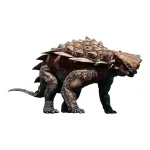
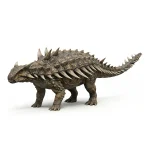
The total length of Gargoyleosaurus was about 3–4 meters.
While small for a dinosaur, its defensive power should not be underestimated.
Spikes Covering the Body and a Shield on the Hips
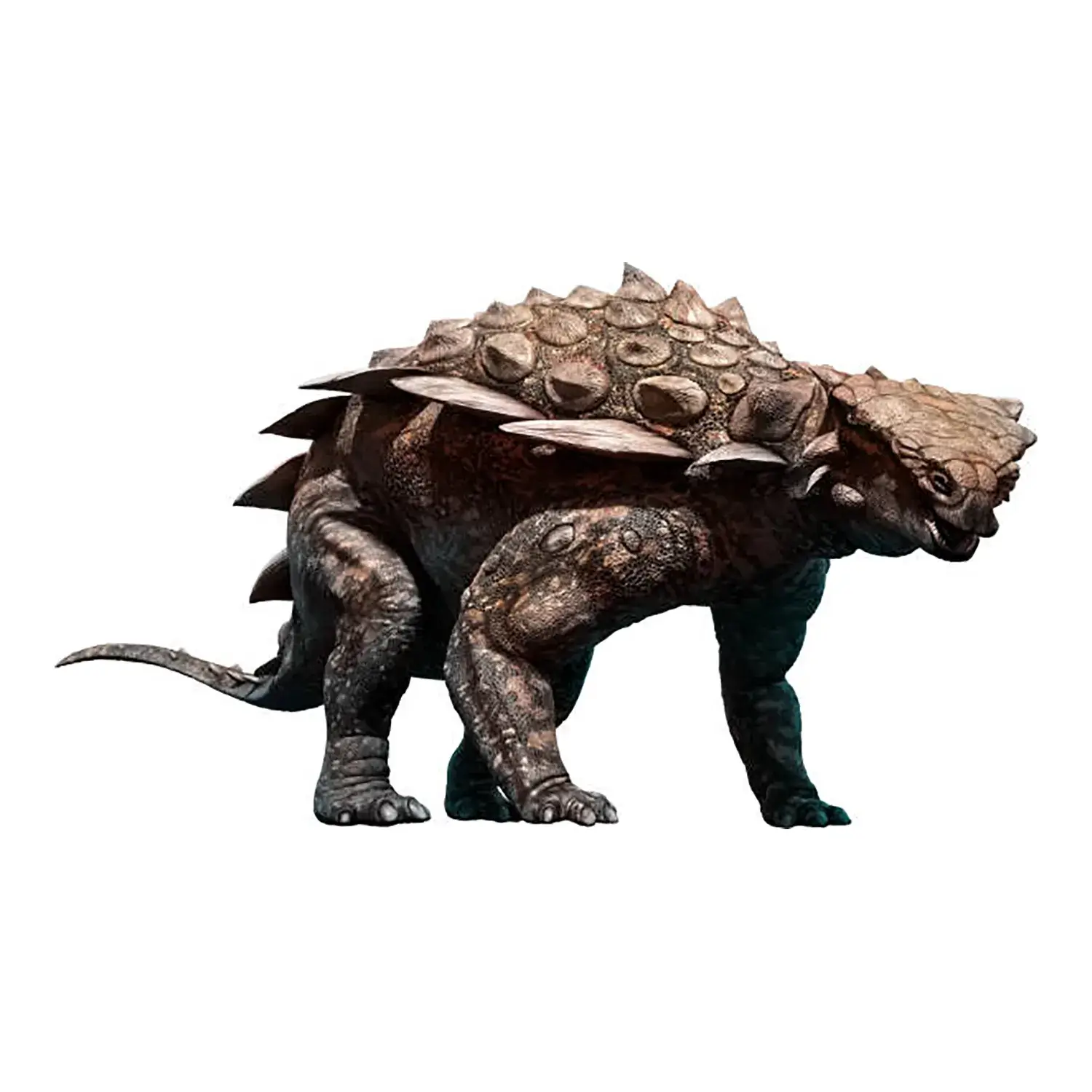
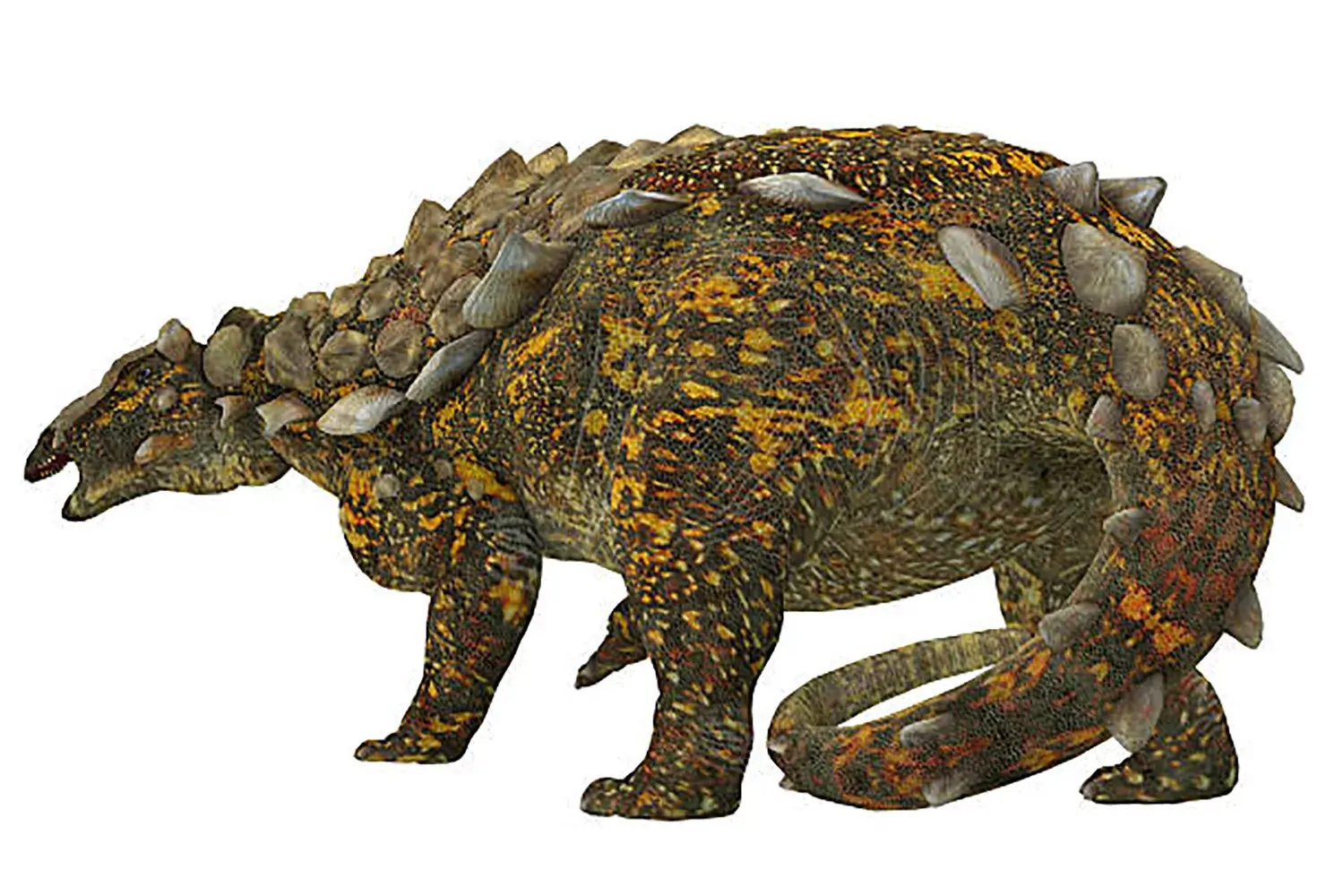
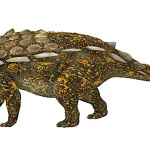
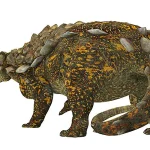
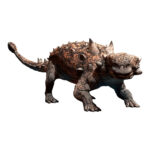
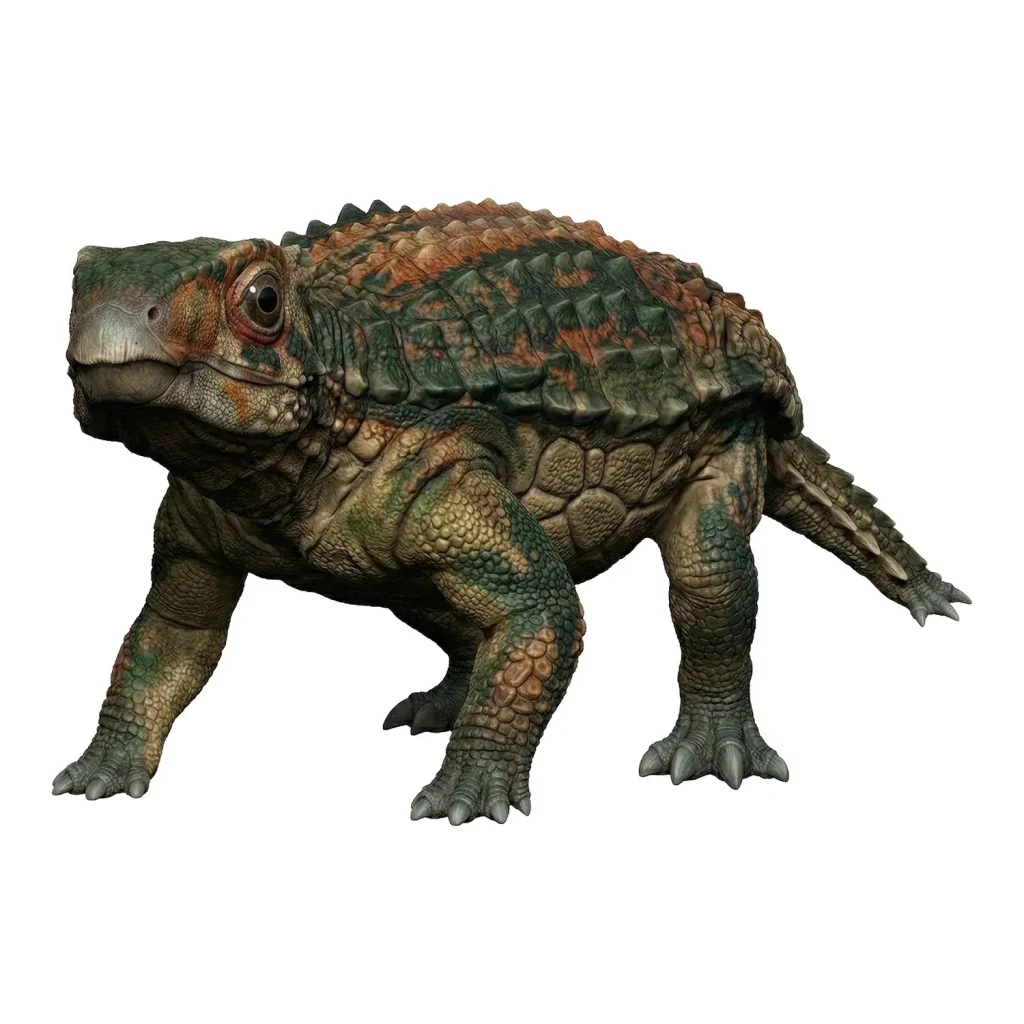
It was clad in bony armor from head to tail, featuring symmetrical spikes on the neck and thick, sharp spikes lining its sides.
It was clad in bony armor from head to tail.
Worthy of special mention is the armor around the hips.
Small granular bones were densely packed and fused, covering the hips like “one large shield.”
Its heavily armed appearance resembled a giant version of the modern “thorny devil,” truly making it a walking fortress.
The Secret of its Unexpected “Lightness”
However, their armor held a secret unimaginable from the outside.
The bony plates and spikes covering the body were hollowed out inside, making them “lighter” than they looked.
This is a feature distinct from many other ankylosaurs.
By securing agility with this “hollow armor,” they may have maintained the mobility necessary for a small dinosaur.
It is believed that thanks to this ironclad yet functional defense, the carnivorous dinosaurs of the time could not easily lay a hand on them.