
Saltasaurus
Name Origin
Lizard from Salta
Family
Saltasauridae
Classification
Diapsida, Saurischia, Sauropodomorpha
Habitat (Discovery Location)
Argentina
Period
Approximately 80–66 million years ago (Late Cretaceous)
Length
Approximately 8–13 meters
Weight
Approximately 2.5–10 tons
Diet
Herbivore
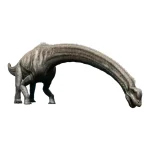
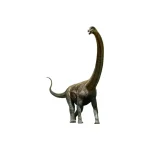
You might also like... 

-
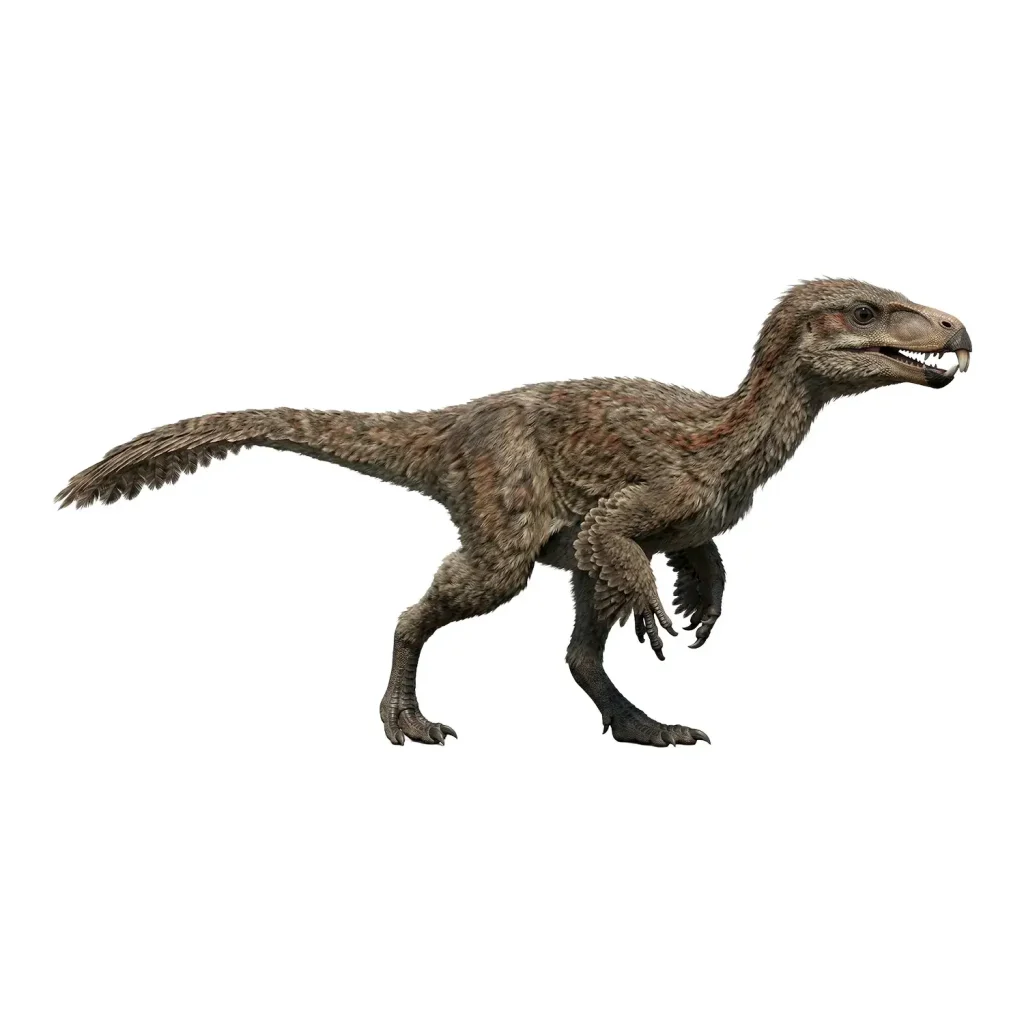
 Incisivosaurus
- Classification
- Theropods
- Characteristics
- Herbivorous
- Feathered
- Era
- Cretaceous period
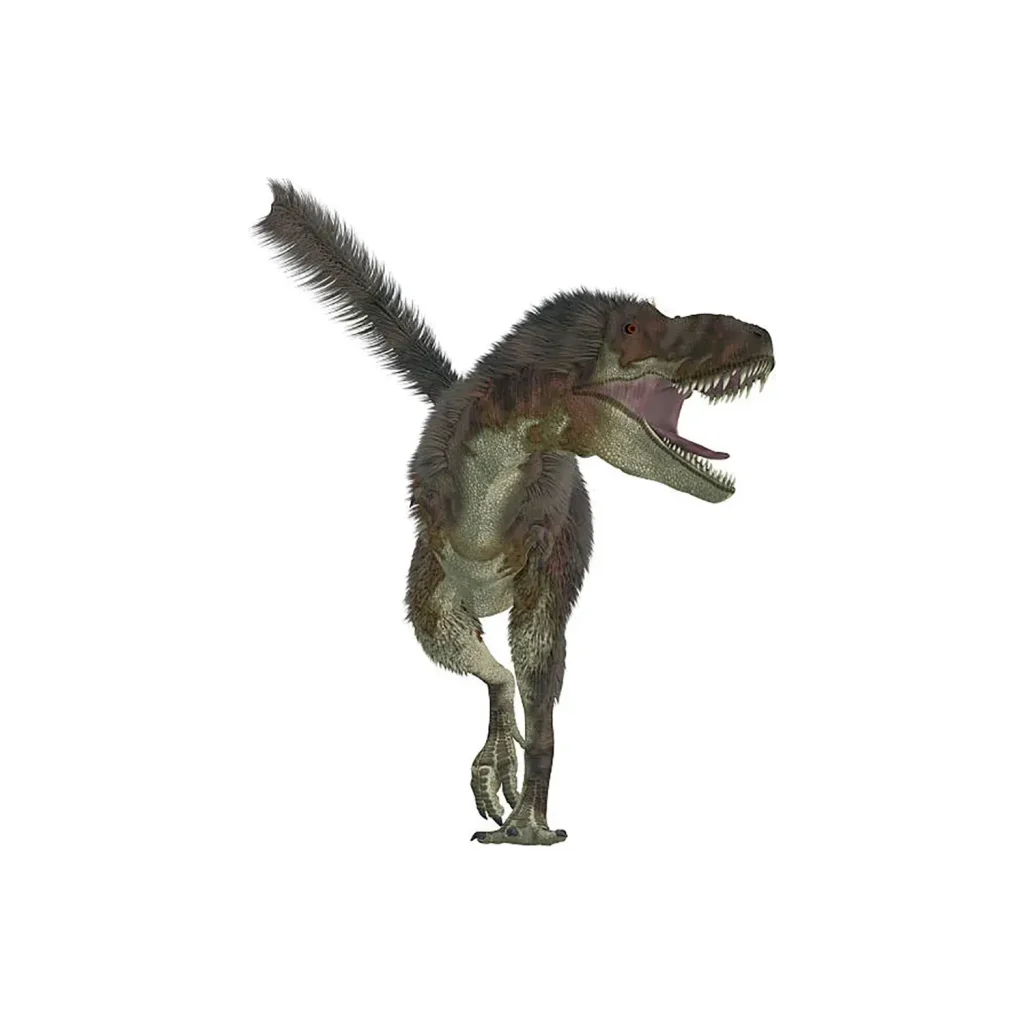
- Daspletosaurus
- Classification
- Theropods
- Characteristics
- Carnivorous
- Era
- Cretaceous period
- Liaoningosaurus
- Classification
- Thyreophora
- Characteristics
- Carnivorous
- Era
- Cretaceous period
- Dubreuillosaurus
- Classification
- Theropods
- Characteristics
- Carnivorous
- Era
- Jurassic period
-
Sponsored Links
-
Sponsored Links









![[Latest Research] What Was the Function of Spinosaurus's Giant "Sail"? Exploring the Mysteries of Thermoregulation and Underwater Locomotion](https://dinosaurmuseum.jp/wp/wp-content/uploads/eyecatch_spinosaurus-sail-function_en-1024x512.webp)
![[Latest Discovery] A Third Type of Skin, Neither Scales Nor Feathers? Meet "Haolong dongi," a New Dinosaur Species Covered Entirely in Spikes](https://dinosaurmuseum.jp/wp/wp-content/uploads/eyecatch_dinosaur-spiky-skin-discovery_en-1024x512.webp)


Description
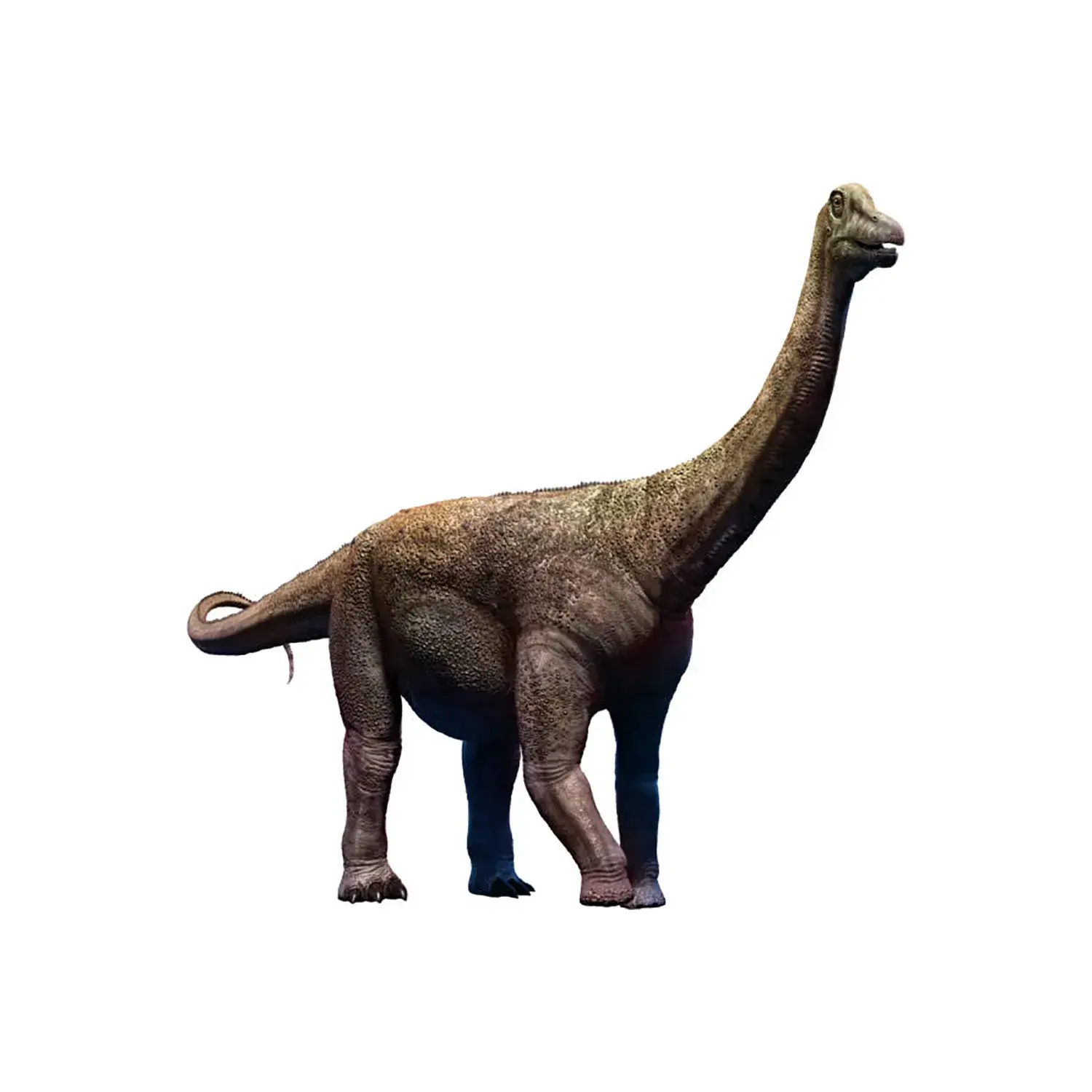
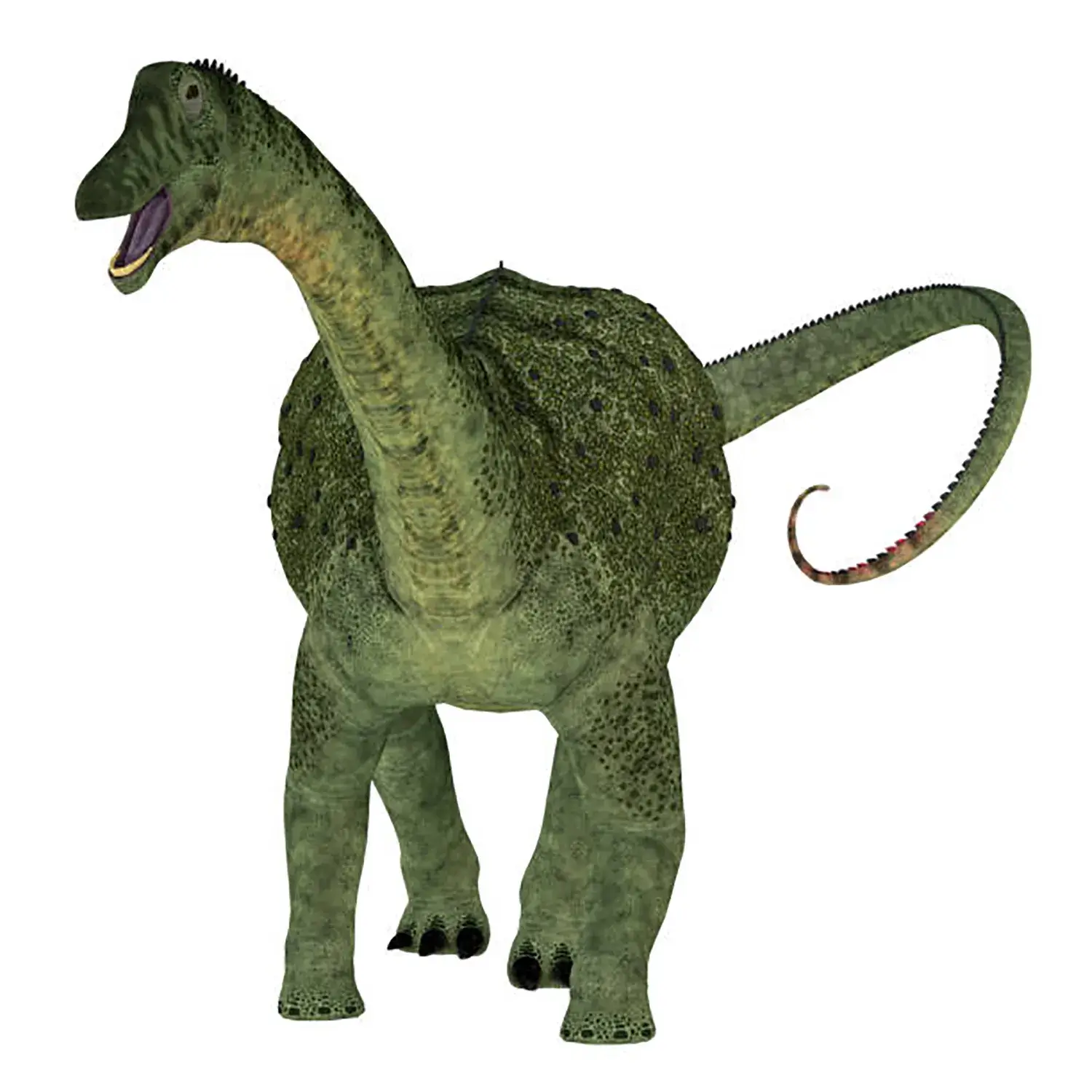
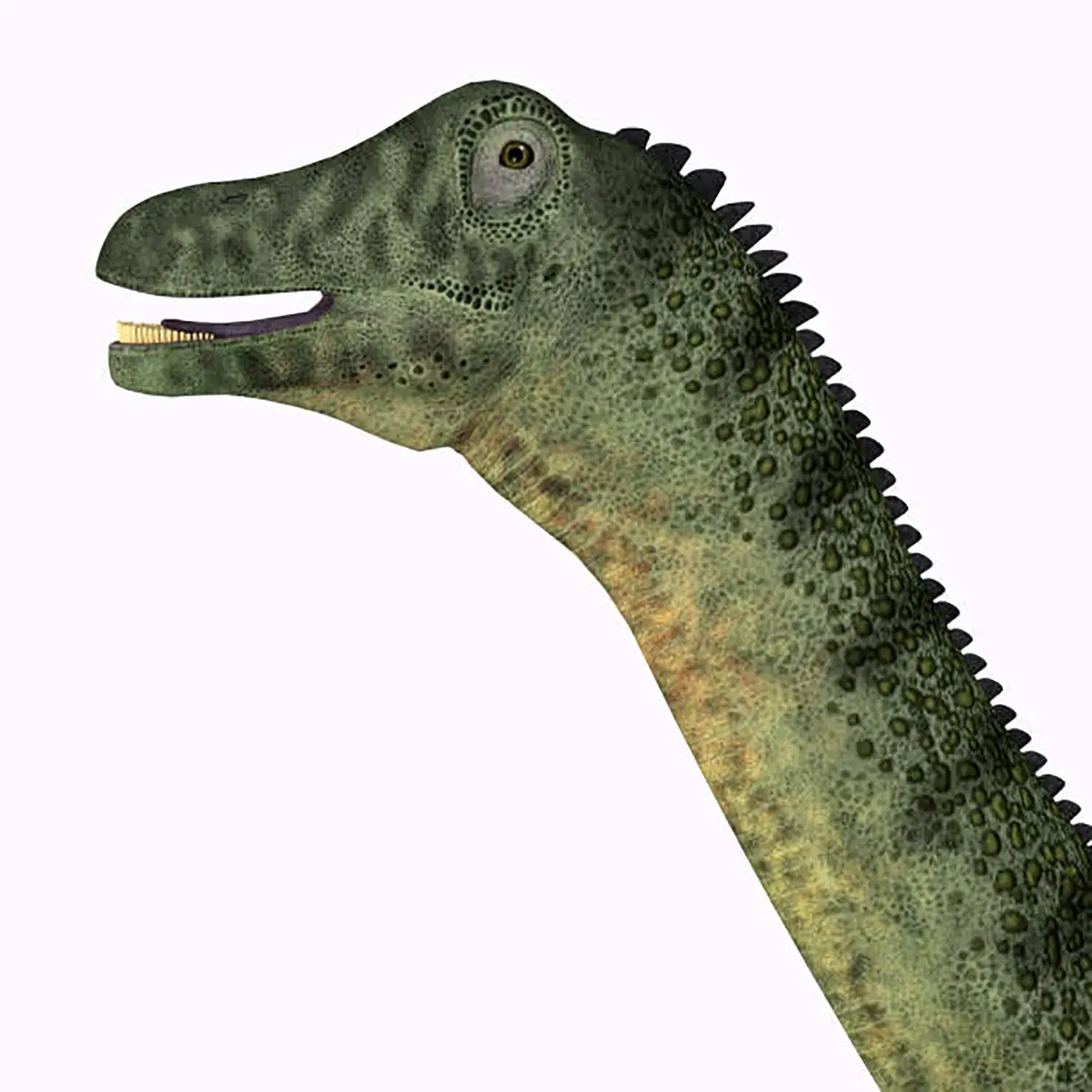
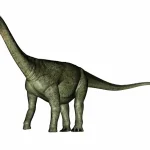
“Saltasaurus,” discovered in Argentina, South America, is the dinosaur that fundamentally overturned the image of sauropods as huge but defenseless creatures.
Living during the Late Cretaceous (approximately 80 to 66 million years ago), their formal description in 1980 sent shockwaves through the field of paleontology.
This is because they were the first sauropods proven to have “worn armor on their backs.”
The Revolution Caused by the “Lizard from Salta”: The Discovery of Armor
Possessing a scientific name meaning “Lizard from Salta,” this dinosaur changed the conventional wisdom regarding sauropods.
The specific name “loricatus” means “protected by small armored plates.”
The Misconception Until 1980
Until then, it was thought that sauropods “had no means of protection other than growing to massive sizes.”
While armor (osteoderms) was sometimes found near sauropod fossils, researchers interpreted these as belonging to “ankylosaurids that had died nearby.”
However, excavations in the 1970s revealed armor bones found together with Saltasaurus skeletons that unmistakably belonged to the same individuals.
This proved the fact that “sauropods had also evolved armor,” overturning established theories.
Flexible Yet Strong “Granular” Armor
Covering their backs was not a monolithic plate, but armor with a flexible structure.
Base
Countless small bony granules (nodules) embedded in the skin.
Reinforcement Parts
Shield-like bony plates and spikes up to 20 cm in diameter scattered among them.
It is believed that this structure enhanced defense without hindering movement, proving sufficiently effective in protecting against attacks from carnivorous dinosaurs.
A Small Giant and the “Wide-Gauge” Walk
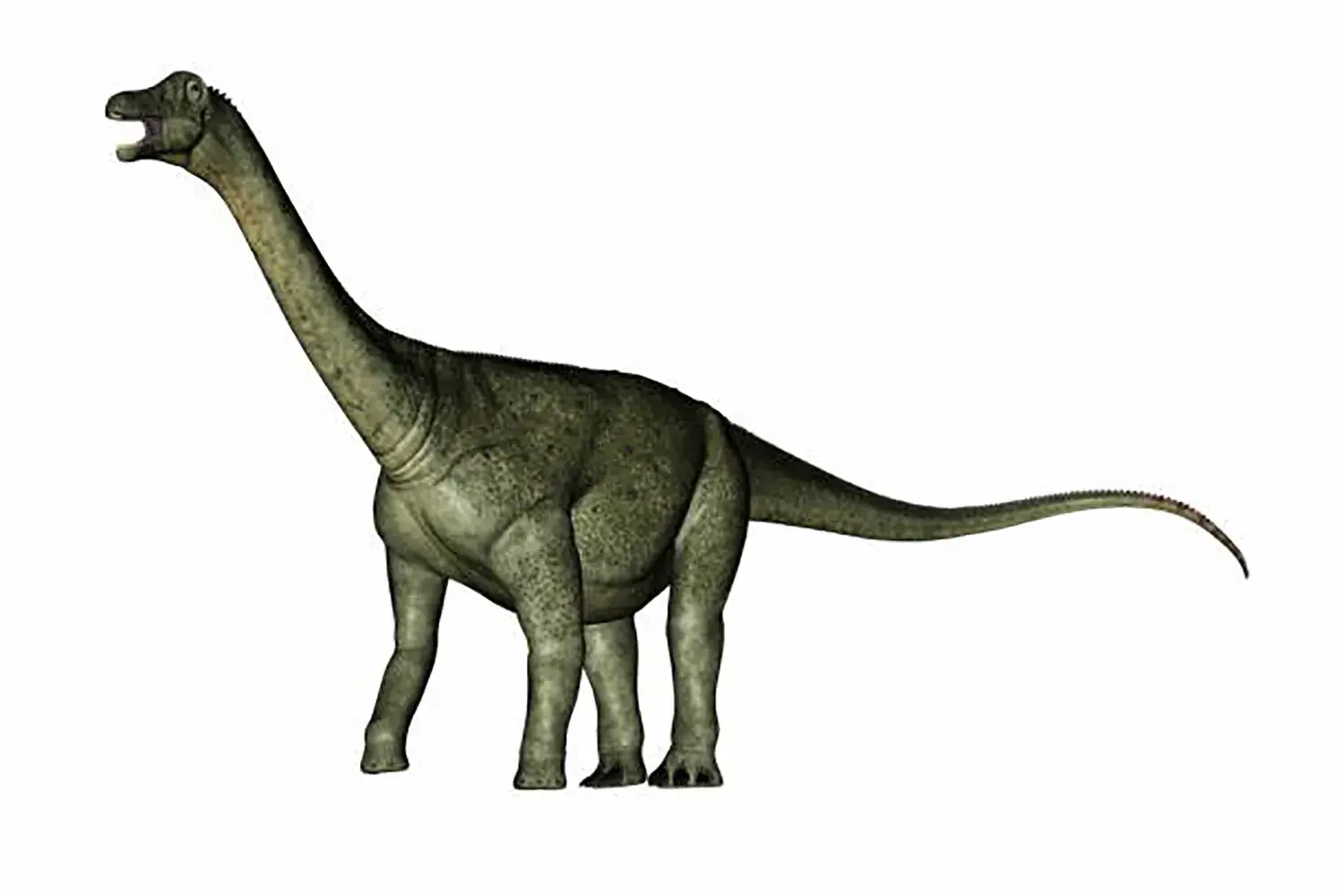
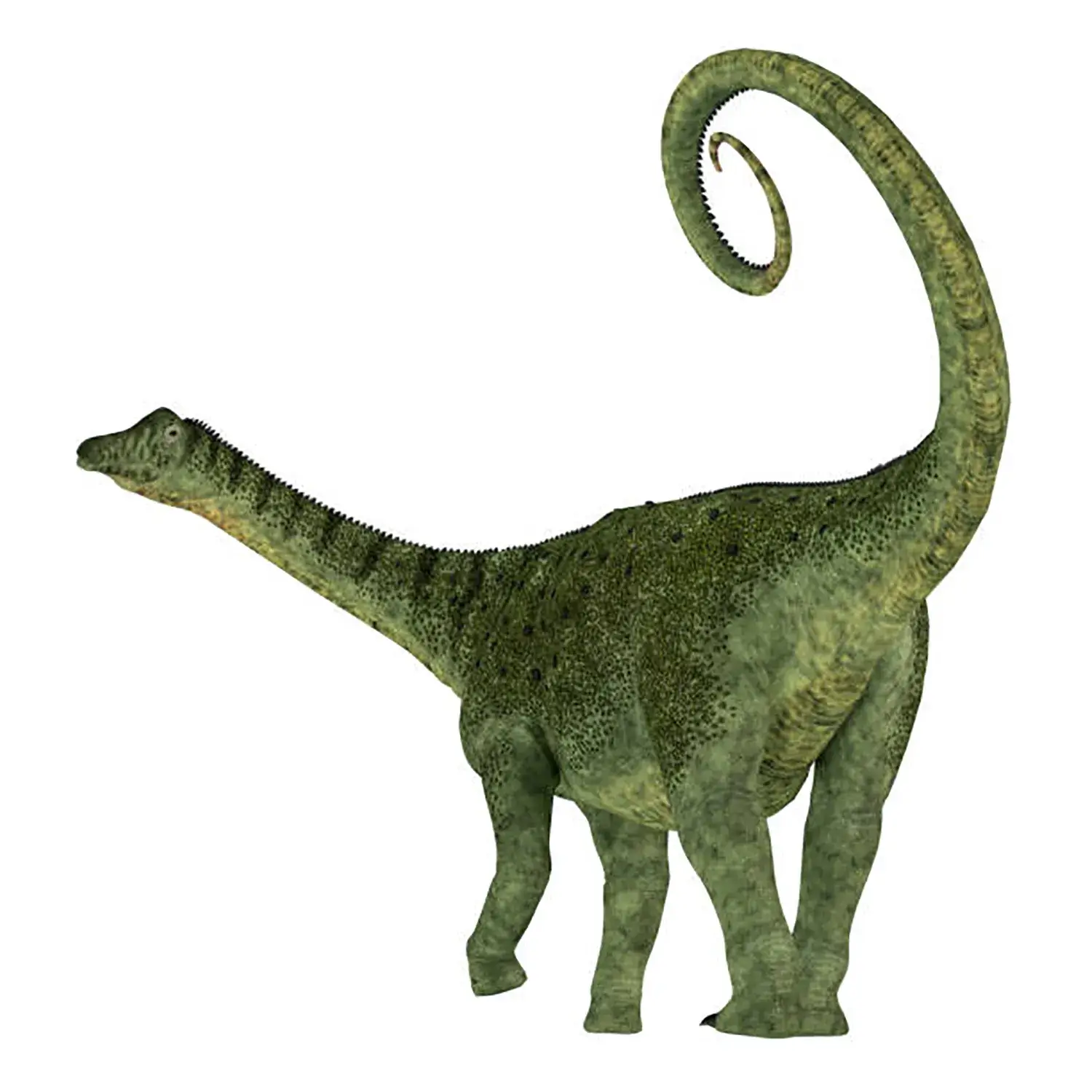
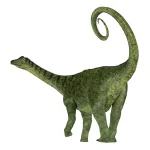
Although Saltasaurus belongs to the “Titanosaurs,” it falls into the relatively “small” category among sauropods, with a length of 8 to 13 meters and a weight of 2.5 to 10 tons.
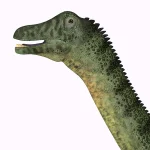
It had a stocky build with a relatively short neck and limbs.
It had a stocky build with a relatively short neck and limbs.
The “Wide-Gauge” Walk
Their walking style had a distinct characteristic.
They walked in a sturdy posture called a “wide-gauge” trackway, with their legs set wide apart.
They walked in a sturdy posture called a “wide-gauge” trackway, with their legs set wide apart.
This posture, which kept their center of gravity low, is thought to have been advantageous for supporting the heavy armor on their backs and increasing stability during defense.
The Role of Armor: Defense or Storage?
The primary role of the armor was defense against natural enemies like Carnotaurus.
On the other hand, a theory has recently been proposed suggesting it was a “mineral reservoir.”
It is possible they stored calcium and other minerals in the bony plates and reabsorbed them into their bodies during harsh conditions such as dry seasons.
Auca Mahuevo: A “Family” Story Told by a Collective Nesting Site
The discovery in 1997 of a massive nesting site in Argentina named “Auca Mahuevo” (meaning “more eggs”) was a crucial find that revealed the social nature of Saltasaurus.
Mass Egg-Laying and Rapid Growth
Analysis of the fossils has revealed details of their reproductive behavior.
Mass Spawning
Like modern sea turtles or seabirds, they gathered in herds at the same location every year to lay eggs.
Eggs and Nests
They dug holes with their hind legs, laid 15 to 40 eggs (11–13 cm in diameter) at a time, and kept them warm with sand and vegetation.
Hatchlings (30–40 cm long) already had skin scales, but their armor was undeveloped.
It is believed they grew rapidly while being protected within the herd, becoming adults at around 12 to 15 years old.
The Ecosystem of South America in the Late Cretaceous
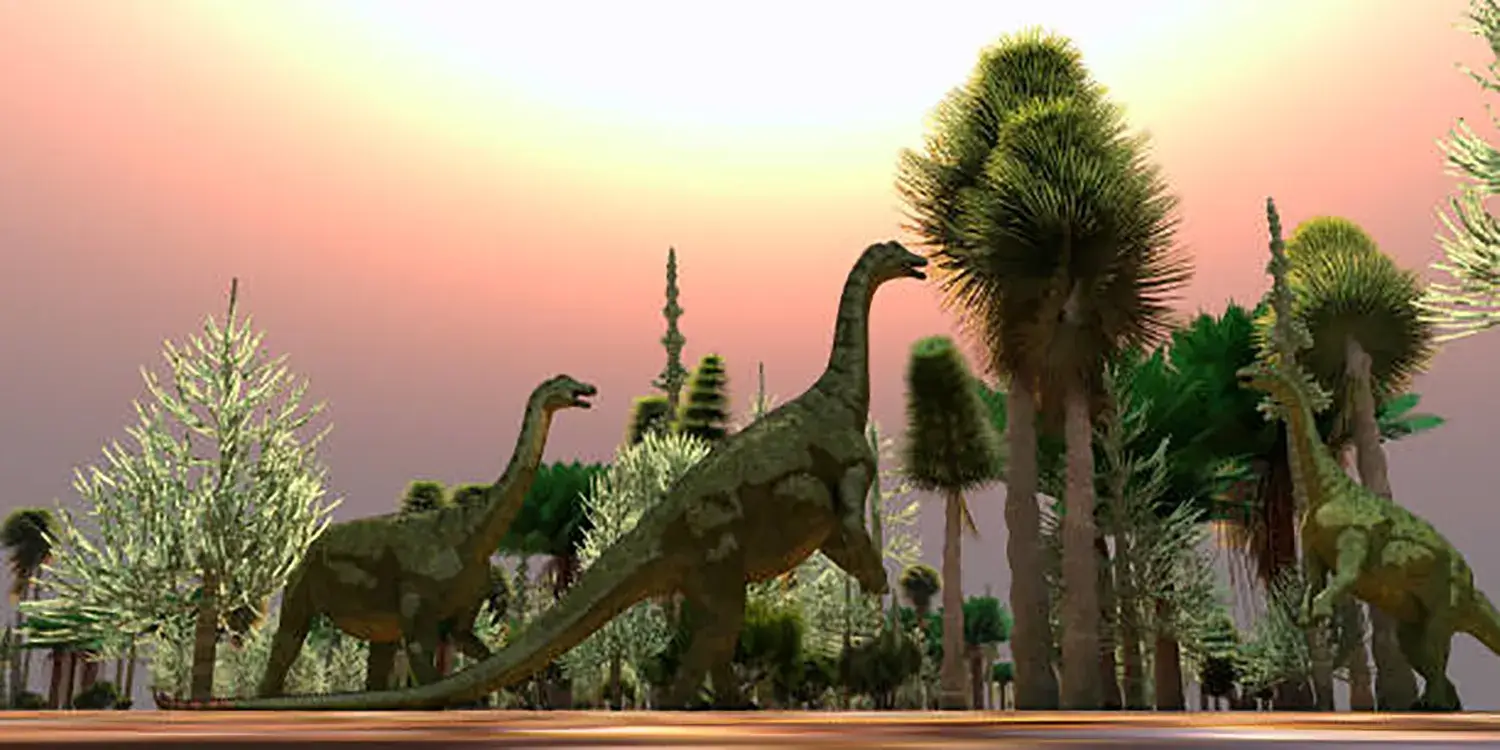
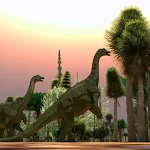
The South American continent at that time was a treasure trove of dinosaurs that had undergone unique evolution.
The environment in which Saltasaurus lived was teeming with ferocious carnivorous dinosaurs such as Carnotaurus and Aucasaurus of the Abelisauridae family.
By evolving smaller bodies, adopting a sturdy stance, and wearing armor on their backs, they acquired a new way of life to counter these predators.
Although there are debates regarding its classification in relation to close relatives like Neuquensaurus, Saltasaurus remains an important dinosaur representing the titanosaurs of South America.