
Tylosaurus
Name Origin
Knob Lizard
Family
Mosasauridae
Classification
Diapsida, Lepidosauria, Squamata
Habitat (Discovery Location)
United States, New Zealand, Japan
Period
85–68 million years ago (Late Cretaceous)
Length
Approximately 15 meters
Weight
Approximately 10 tons
Diet
Piscivore (Fish-eater)
You might also like... 

-
 Therizinosaurus
- Classification
- Theropods
- Characteristics
- Herbivorous
- Era
- Cretaceous period
- Kronosaurus
- Classification
- Marine reptiles
- Characteristics
- Carnivorous
- Era
- Cretaceous period
- Caihong
- Classification
- Theropods
- Characteristics
- Carnivorous
- Feathered
- Era
- Jurassic period
- Shonisaurus
- Classification
- Marine reptiles
- Characteristics
- Carnivorous
- Era
- Triassic period
-
Sponsored Links
-
Sponsored Links









![[Latest Research] What Was the Function of Spinosaurus's Giant "Sail"? Exploring the Mysteries of Thermoregulation and Underwater Locomotion](https://dinosaurmuseum.jp/wp/wp-content/uploads/eyecatch_spinosaurus-sail-function_en-1024x512.webp)
![[Latest Discovery] A Third Type of Skin, Neither Scales Nor Feathers? Meet "Haolong dongi," a New Dinosaur Species Covered Entirely in Spikes](https://dinosaurmuseum.jp/wp/wp-content/uploads/eyecatch_dinosaur-spiky-skin-discovery_en-1024x512.webp)


Description
During the Late Cretaceous, when dinosaurs dominated the land.
The oceans were also a battleground where massive and ferocious predators vied for supremacy.
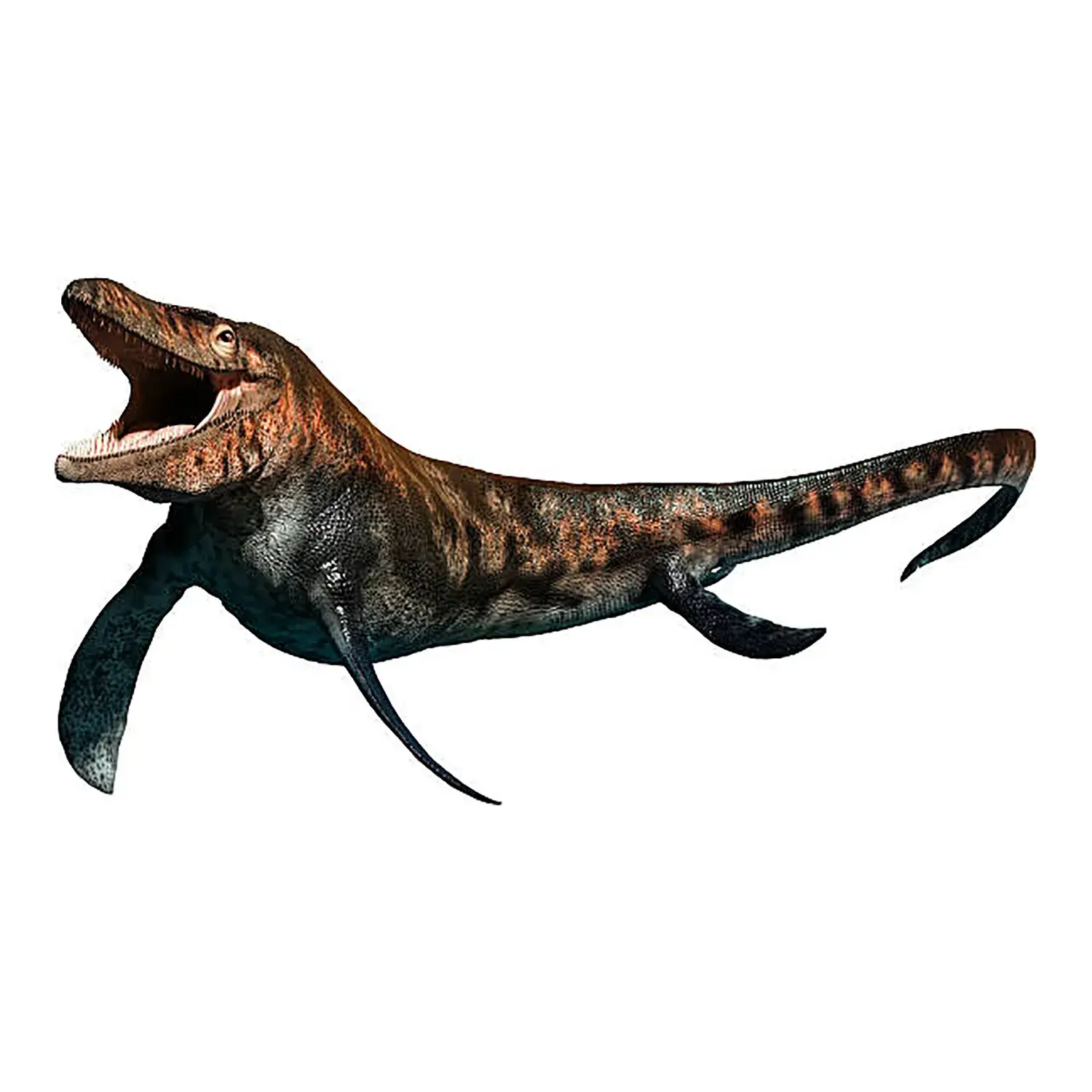
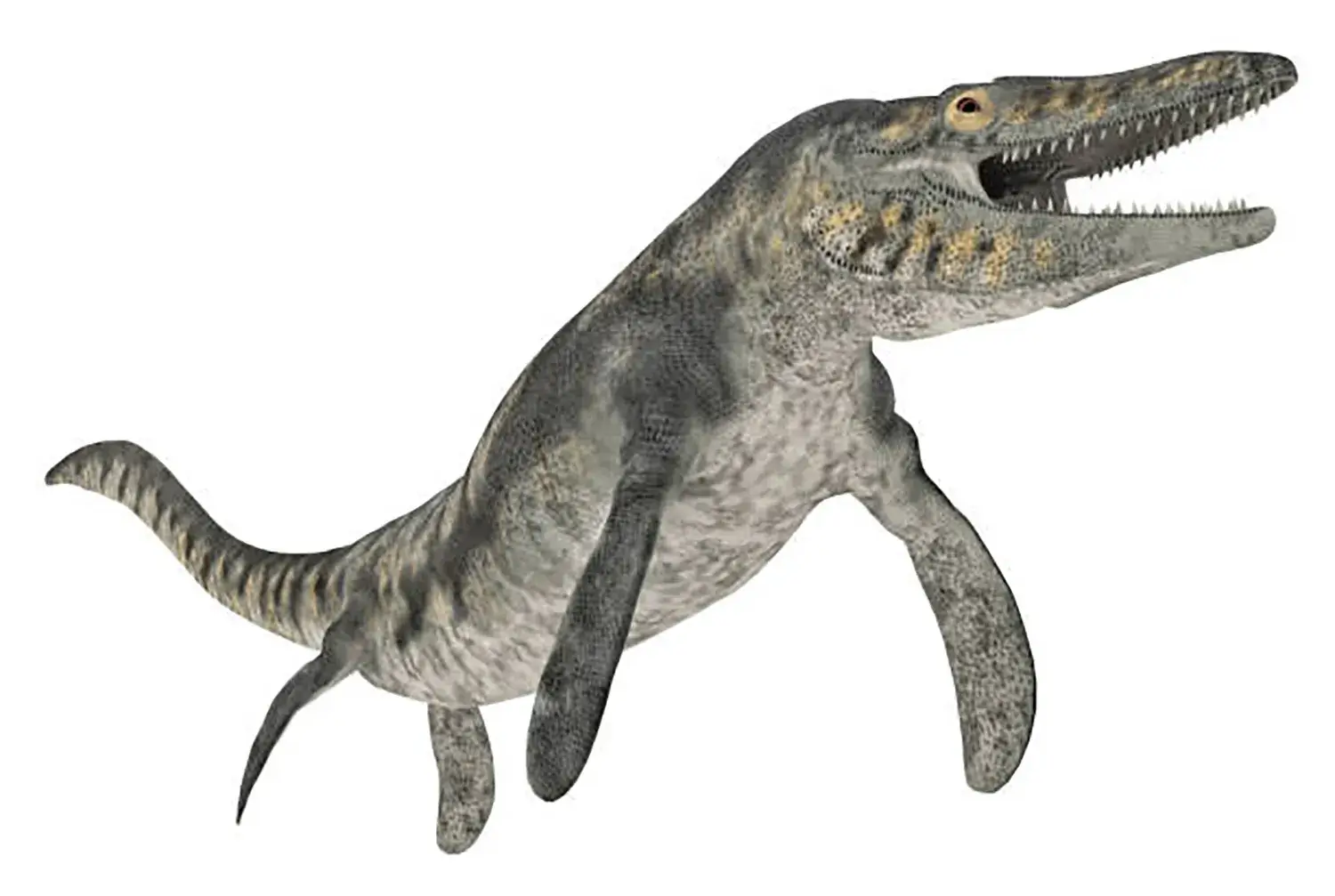
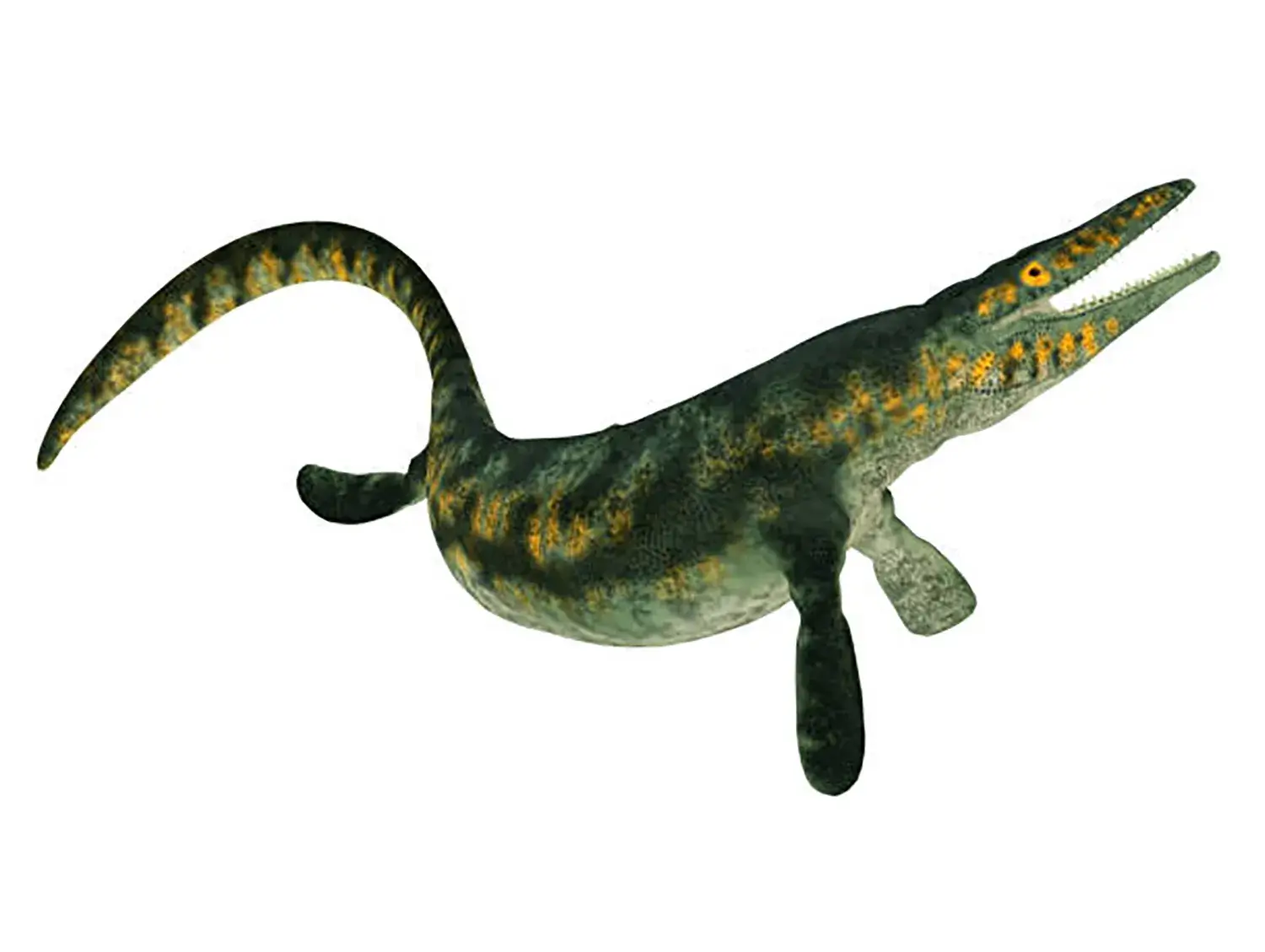
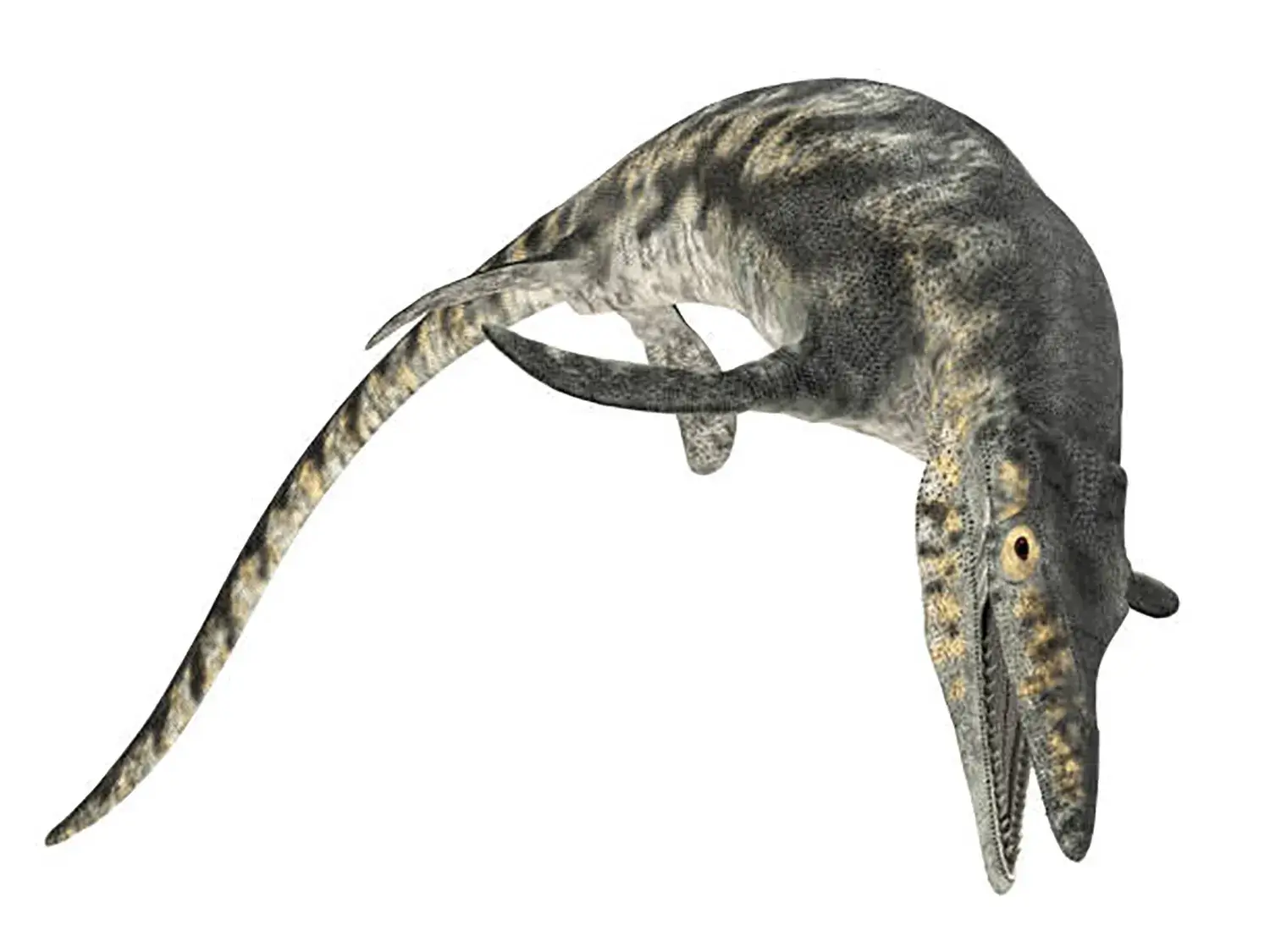
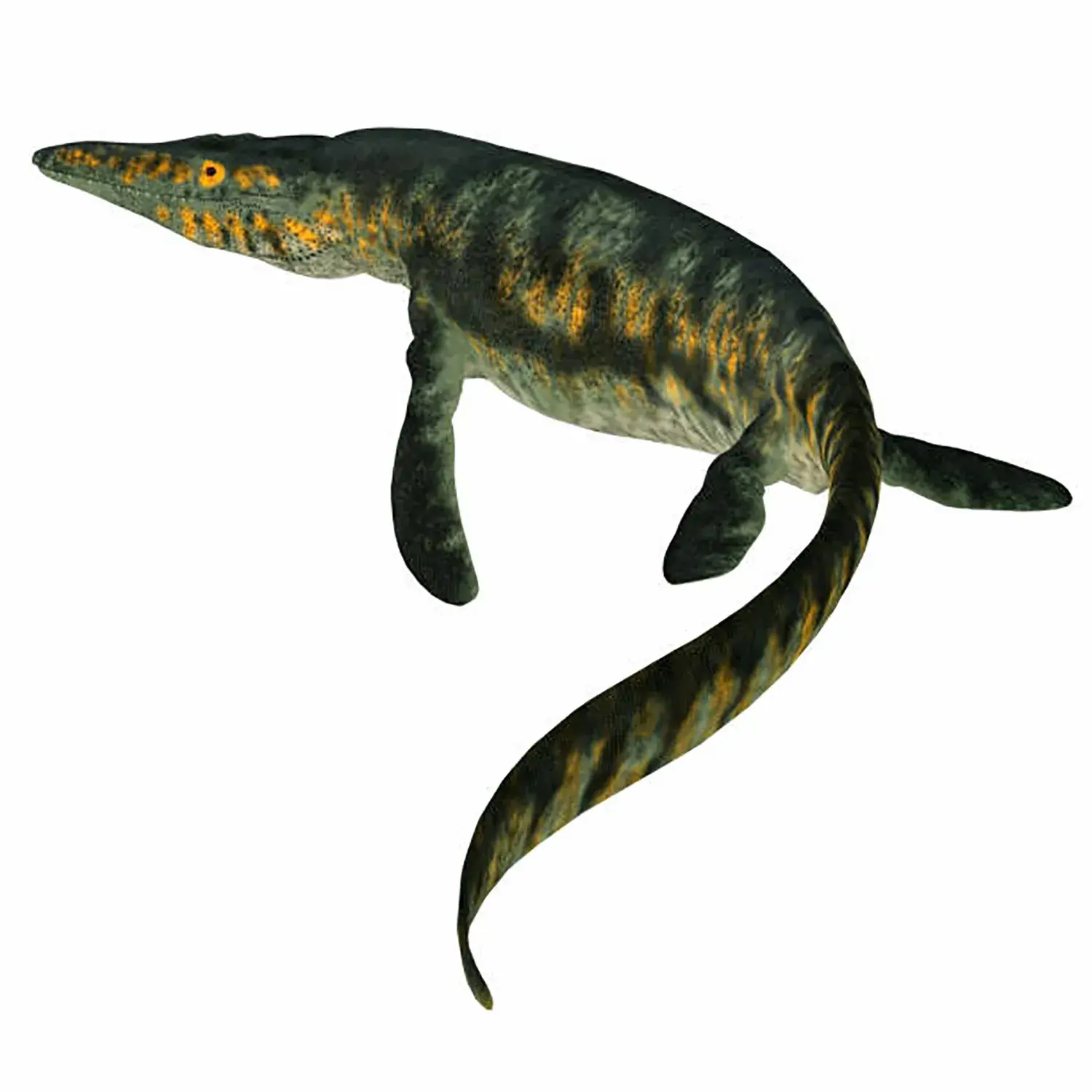
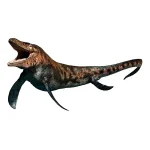
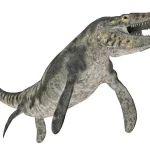
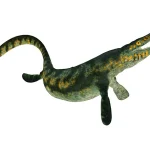
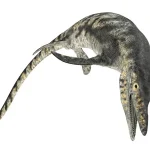
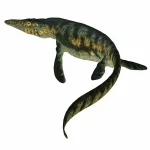
Reigning at the apex was the giant marine reptile known as “Tylosaurus,” reaching a maximum total length of 15 meters.
They were not dinosaurs but “squamates” (Mosasauridae), closer to lizards and snakes; however, their power was no less than that of the terrestrial Tyrannosaurus.
Possessing a hard snout like a warship, this “assassin of the sea” swallowed any prey that caught its eye.
We explain the astonishing abilities of Tylosaurus, which boasted a massive body comparable to a sperm whale, its insatiable appetite for everything from sharks to dinosaurs, and the peculiar history surrounding its discovery.
A Body the Size of a Sperm Whale and a “Knob” Snout
Origin of the Name: “Knob Lizard”
The scientific name Tylosaurus is derived from the ancient Greek word “Tylos,” meaning “knob” or “swollen,” translating to “Knob Lizard.”
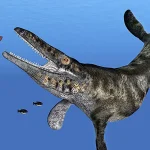
This peculiar name refers to the tip of their upper jaw, which was cylindrical and protruded like a very hard, bony “knob.”
Was the Snout a Weapon or a Sensor?
This hard snout is thought to have had mainly two roles.
Weapon as a Ram
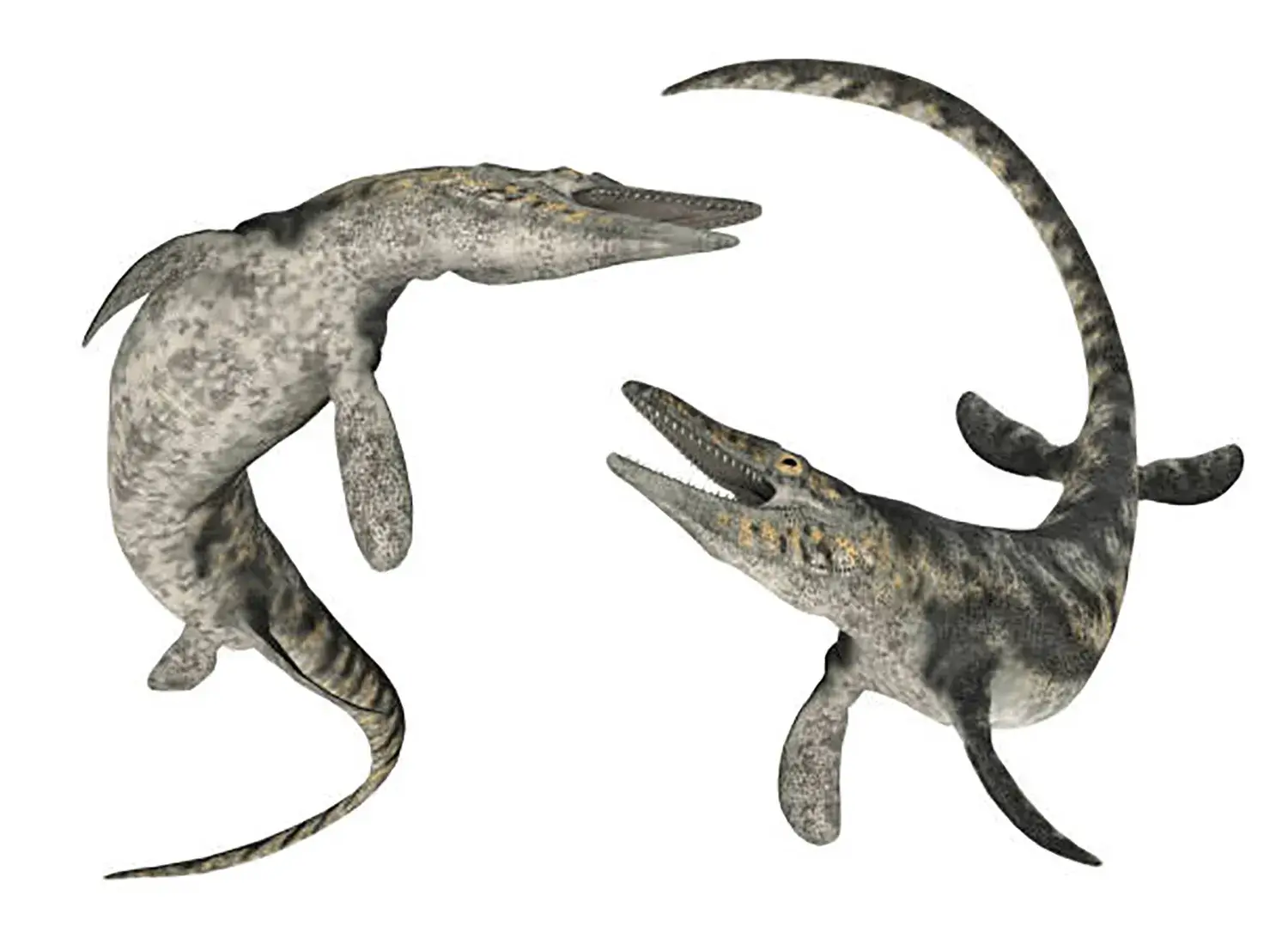
The theory that, like the ram of a warship, they performed powerful body slams against prey or rivals.
Damage to the snout has been confirmed in fossils.
Sensor Protection
Recent CT scans revealed that many sensory nerves passed through the snout.
The hard bone might have been a case to protect delicate sensors.
The Streamlined Ruler of the Sea
Maximum total length was approximately 15 meters.
While similar in size to the modern sperm whale, it is speculated that its weight was far lighter than a whale due to its streamlined reptilian physique.
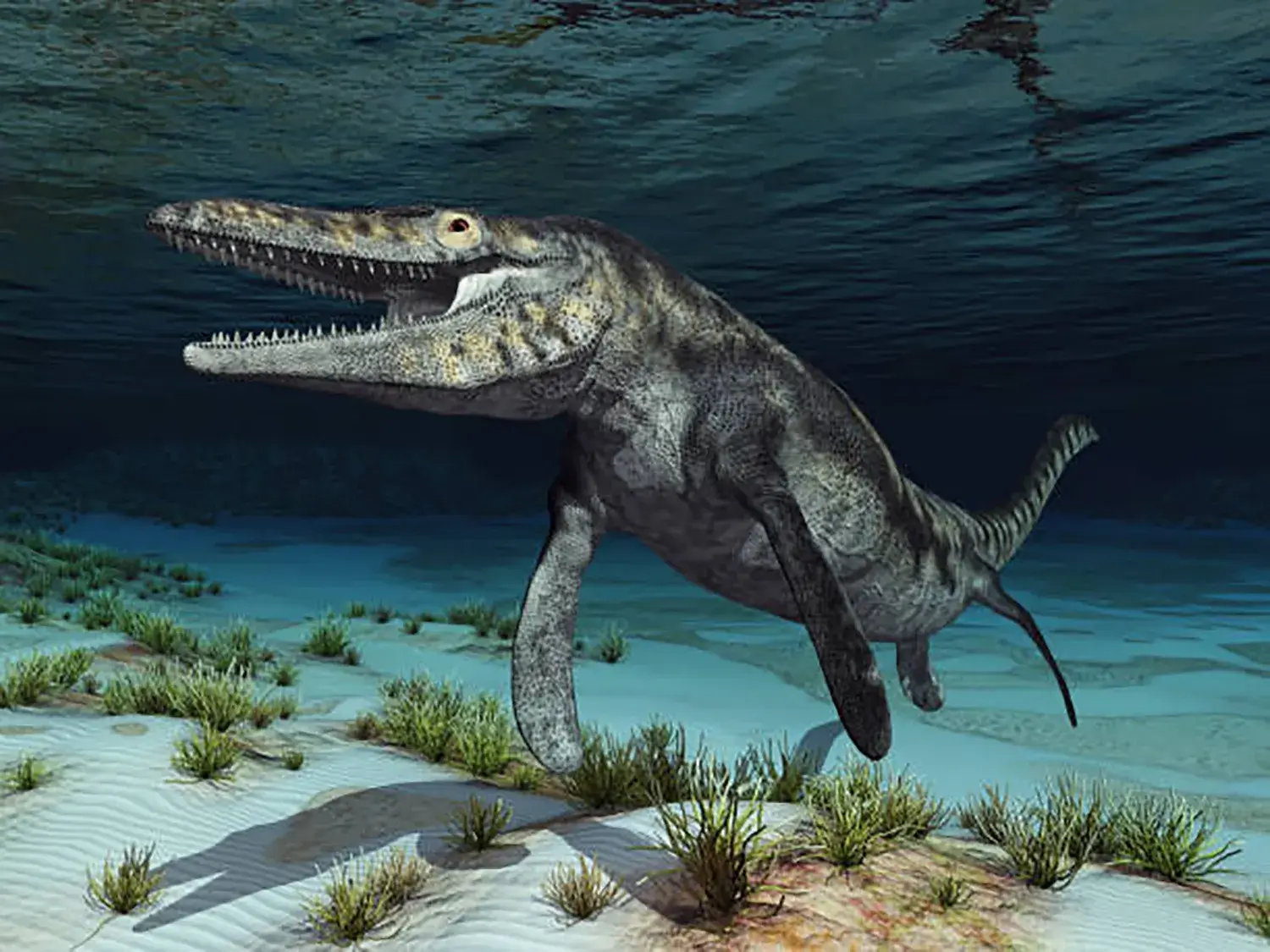
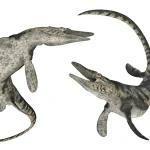
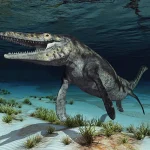
It featured a long, crocodile-like head and a very short neck.
Its head was long like a crocodile’s, and its neck was characterized by being very short.
Fully adapted to the sea, they were “ovoviviparous,” giving birth to young in the water without coming onto land like sea turtles.
The Menu Was “Everything in Sight”! An Astonishing Predatory Style
In the seas of the Late Cretaceous, Tylosaurus was one of the largest predators.
“Swallowing Whole” Like a Snake
Its jaw structure resembled that of a snake, allowing it to open its mouth wide as if unhinging its joints.
Sharp teeth also lined the roof of its mouth (palate), ensuring that once prey was caught, it could not escape.
Fossilized stomach contents reveal that they did not chew their prey but “swallowed it whole” in one go, just like a snake.
Sharks and Seabirds Discovered in the Stomach
The “last suppers” found inside their stomachs represent the ecosystem of that time itself.
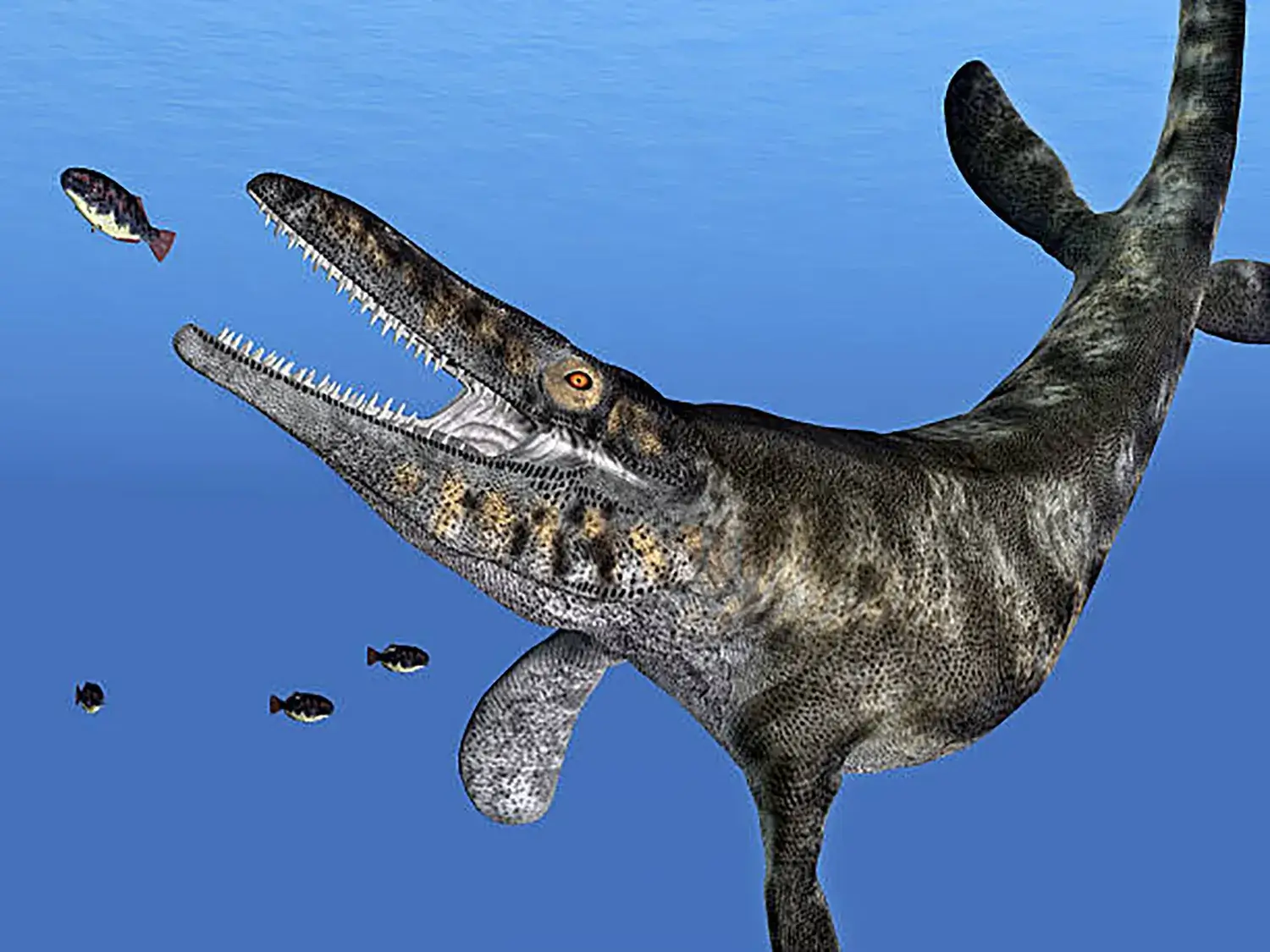
Fish, sharks, large turtles, ammonites, plesiosaurs, small mosasaurs, and even the flightless seabird “Hesperornis” have been found.
They were voracious hunters that did not pick and choose, attacking anything moving that entered their field of vision.
Did They Eat Dinosaurs Too?
Evidence has also been found that Tylosaurus ate terrestrial dinosaurs.
A bone of a plant-eating hadrosaur found off the coast of Alaska had holes matching the teeth of a Tylosaurus.
This is believed to be a trace of scavenging a carcass washed away by a flood.
Like sharks, they did not miss out on a feast drifting in the sea.
A History of Naming Tossed About by the Bone Wars
Before the name Tylosaurus was decided, there was a complex renaming drama influenced by the intense “Bone Wars” between 19th-century American paleontologists Cope and Marsh.
After Two “Name Clashes”
Since its discovery in 1868, it traced the following transition:
In 1872, it finally settled on the current “Tylosaurus.”
After about two centuries, we have come to correctly recognize the form of this “King of the Sea.”