Torvosaurus
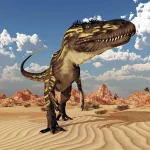
Name Origin
Savage Lizard
Family
Megalosauridae
Classification
Diapsida, Saurischia, Theropoda
Habitat (Discovery Location)
United States, Portugal
Period
Approximately 153–148 million years ago (Late Jurassic)
Length
Approximately 8–10 meters
Weight
Approximately 3–5 tons
Diet
Carnivore (Meat-eater)
You might also like... 

-
 Herrerasaurus
- Classification
- Saurischia
- Characteristics
- Carnivorous
- Era
- Triassic period
- Struthiomimus
- Classification
- Theropods
- Characteristics
- Herbivorous
- Omnivorous
- Feathered
- Era
- Cretaceous period
- Euhelopus
- Classification
- Sauropods
- Characteristics
- Herbivorous
- Era
- Cretaceous period
- Erketu
- Classification
- Sauropods
- Characteristics
- Herbivorous
- Era
- Cretaceous period
-
Sponsored Links
-
Sponsored Links


![[Latest Research] What Was the Function of Spinosaurus's Giant "Sail"? Exploring the Mysteries of Thermoregulation and Underwater Locomotion](https://dinosaurmuseum.jp/wp/wp-content/uploads/eyecatch_spinosaurus-sail-function_en-1024x512.webp)
![[Latest Discovery] A Third Type of Skin, Neither Scales Nor Feathers? Meet "Haolong dongi," a New Dinosaur Species Covered Entirely in Spikes](https://dinosaurmuseum.jp/wp/wp-content/uploads/eyecatch_dinosaur-spiky-skin-discovery_en-1024x512.webp)

Description
The North American continent during the Late Jurassic period.
In the golden age of dinosaurs, the famous Allosaurus was not the only one reigning at the top of the food chain.
There existed “another king” with a massive body and destructive power that rivaled, or perhaps even surpassed, them.
Its name is “Torvosaurus.”
The scientific name means “Savage Lizard.”
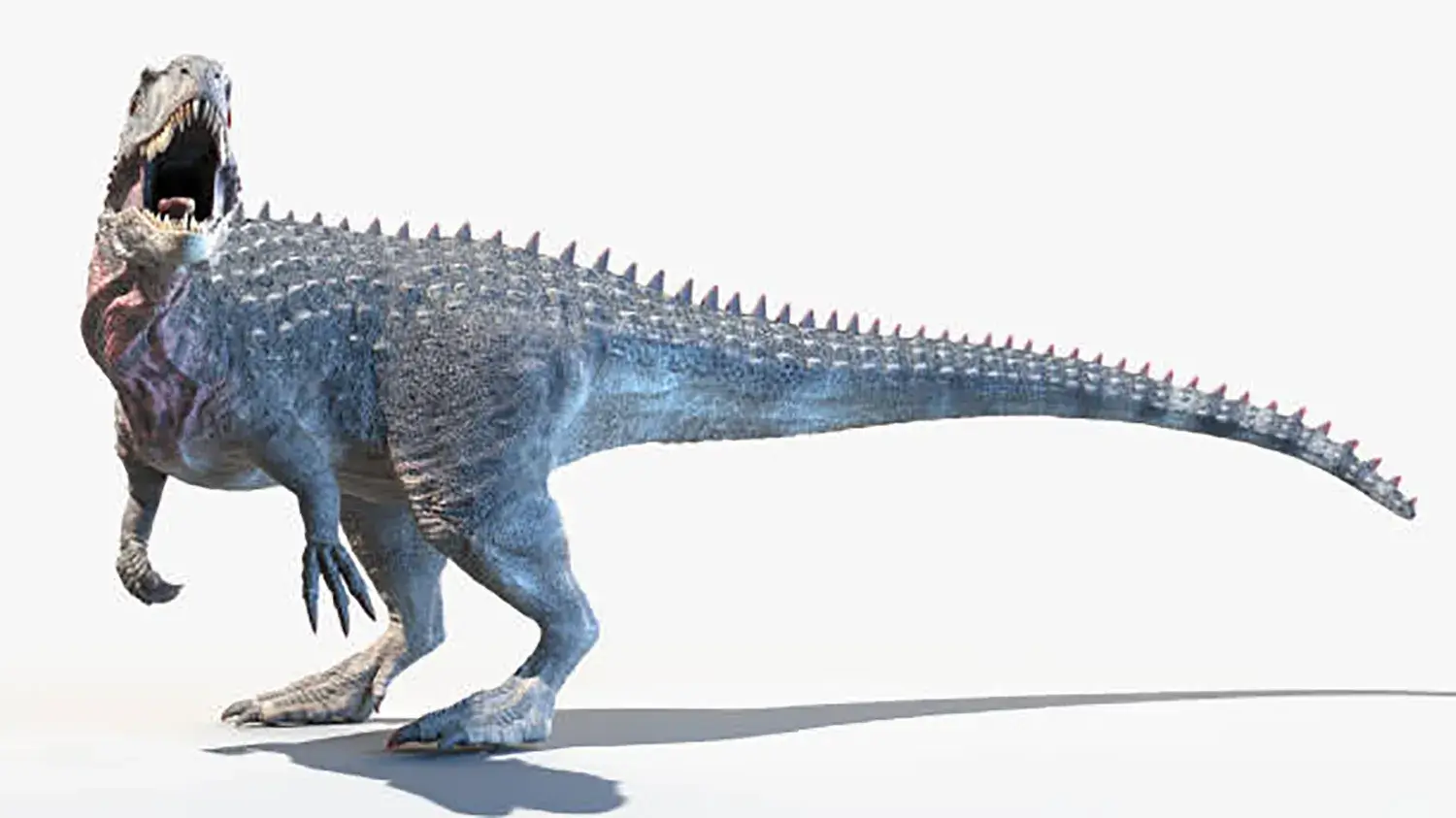
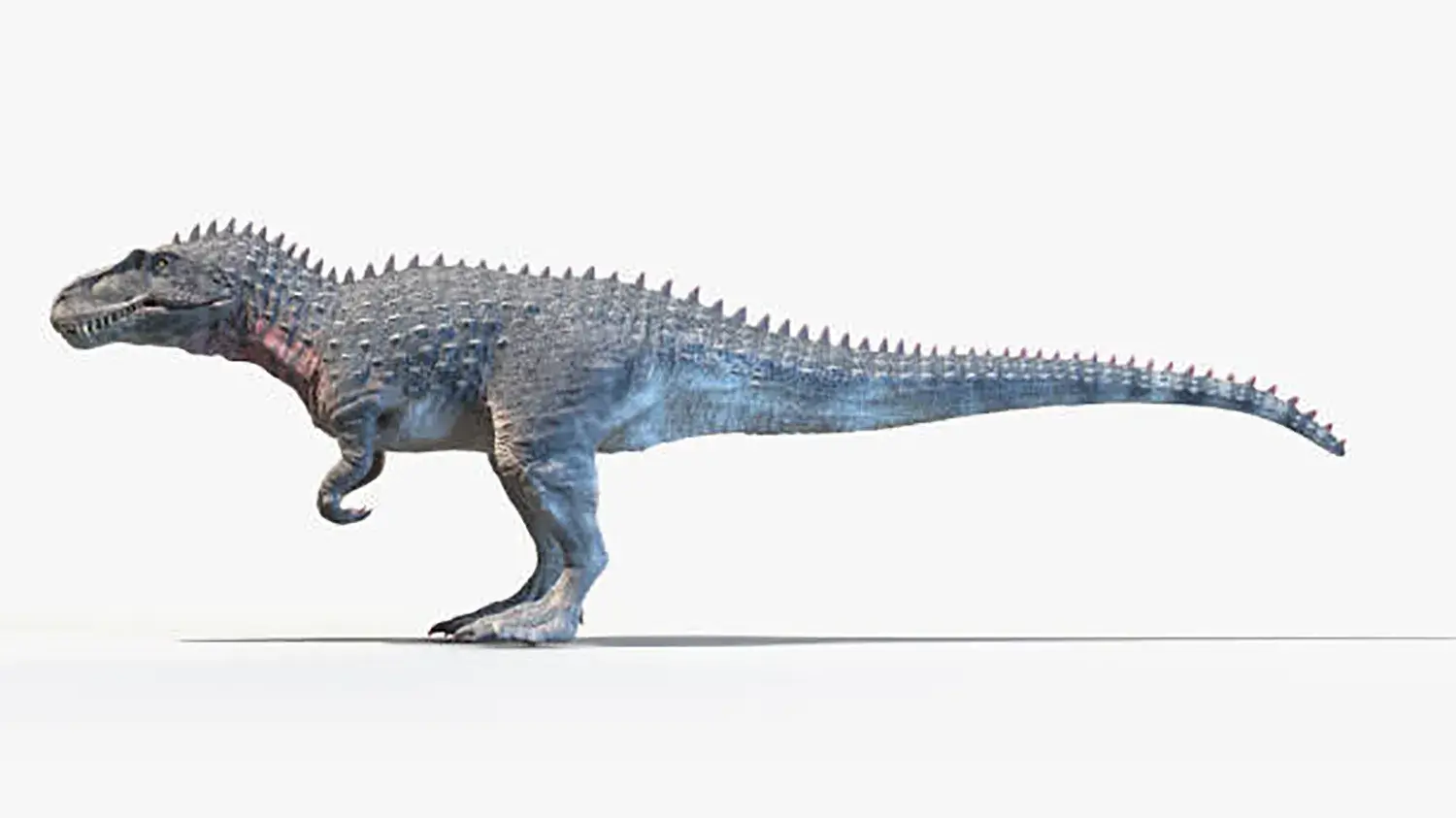
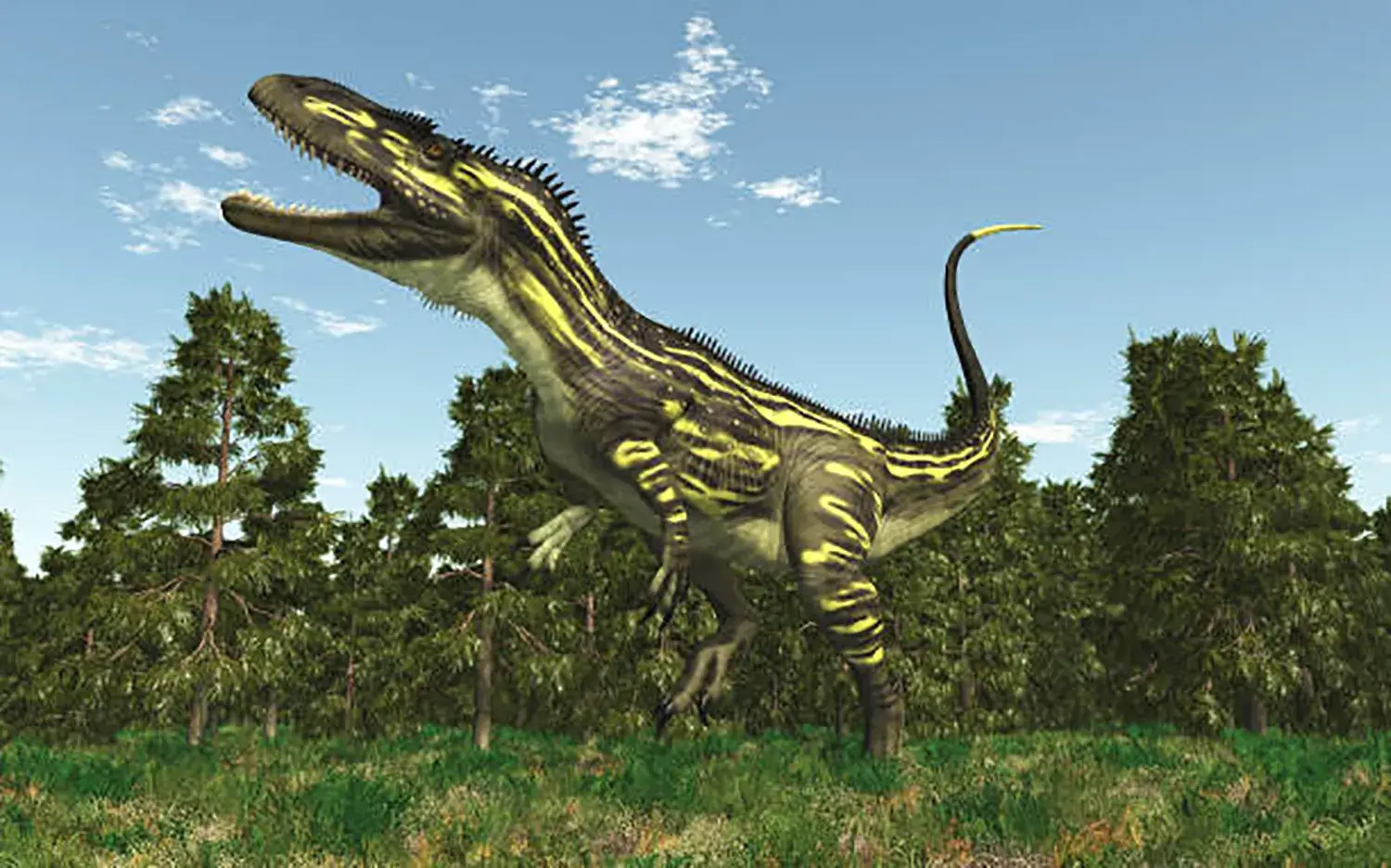
We explain this giant carnivorous dinosaur that shook the Jurassic world with its huge skull and long fangs, comparing it with its rival Allosaurus and discussing its “true strength” revealed by the latest research.
“Savage Lizard”: Origin of the Name and History of Discovery
Discovery Starting from a Massive Claw
The discovery of Torvosaurus began with a single massive “thumb claw” found in Colorado, USA, in 1971.
Following extensive excavation surveys, it was described as a new species in 1979 and named “Torvosaurus tanneri,” combining the Latin words for “Savage” (Torvus) and “Lizard” (Saurus).
A New Species Dedicated to Dinotopia
In the 2000s, fossils were also discovered in Portugal, leading to the naming of a new species, “Torvosaurus gurneyi.”
This specific name was dedicated to James Gurney, the author of the picture book series Dinotopia, in which humans and dinosaurs coexist.
Surpassing Allosaurus? One of the Greatest “Powers” of the Jurassic
Overwhelming Size
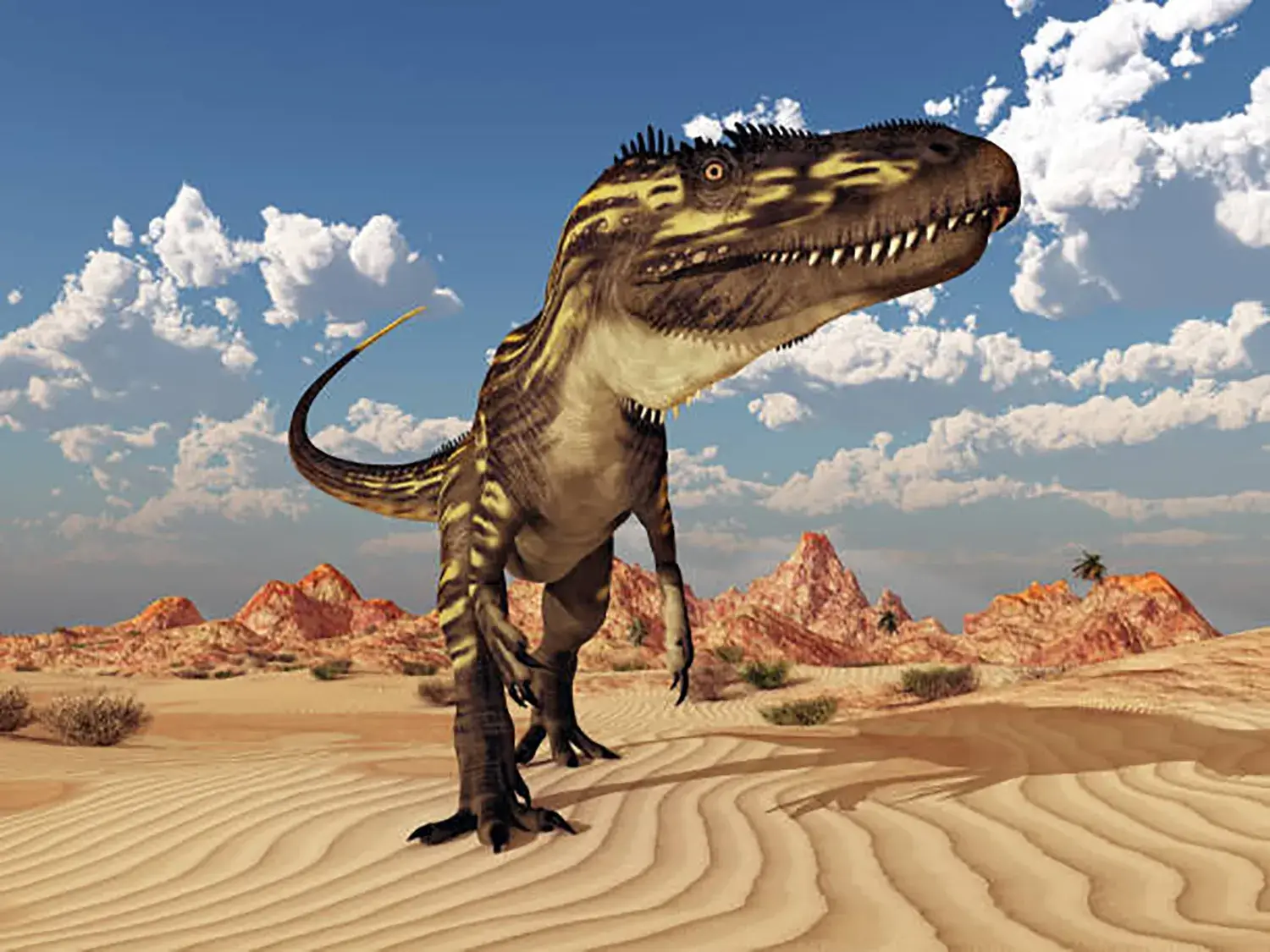
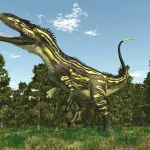
Estimated to be 8 to 10 meters long and weighing 3 to 5 tons, it was one of the largest theropods of its time.
If specimens like “Edmarka,” which were once considered separate species, are indeed the same species, some Torvosaurus individuals may have boasted a size comparable to the later Tyrannosaurus.
“Jaws” and “Fangs” Specialized for Destruction
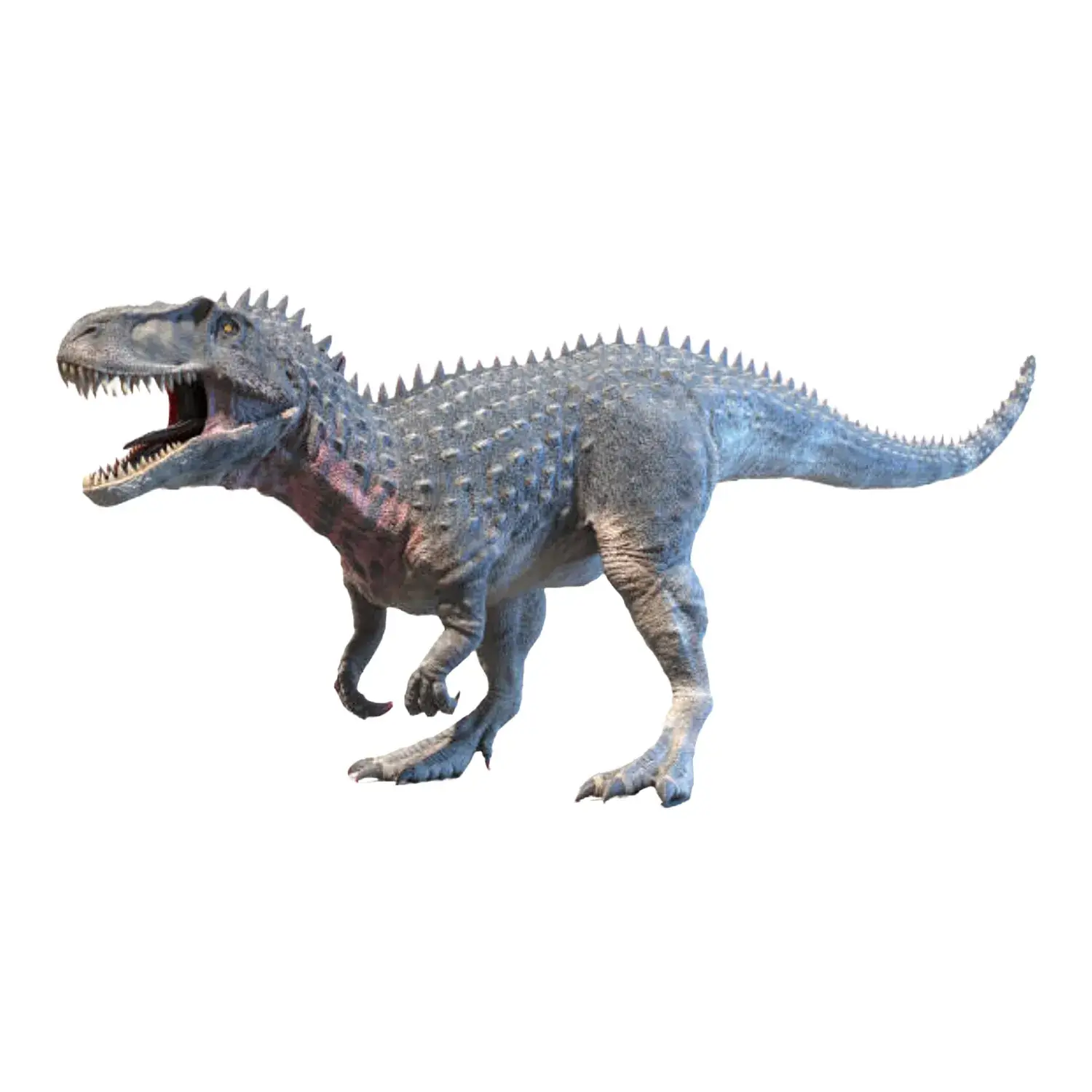
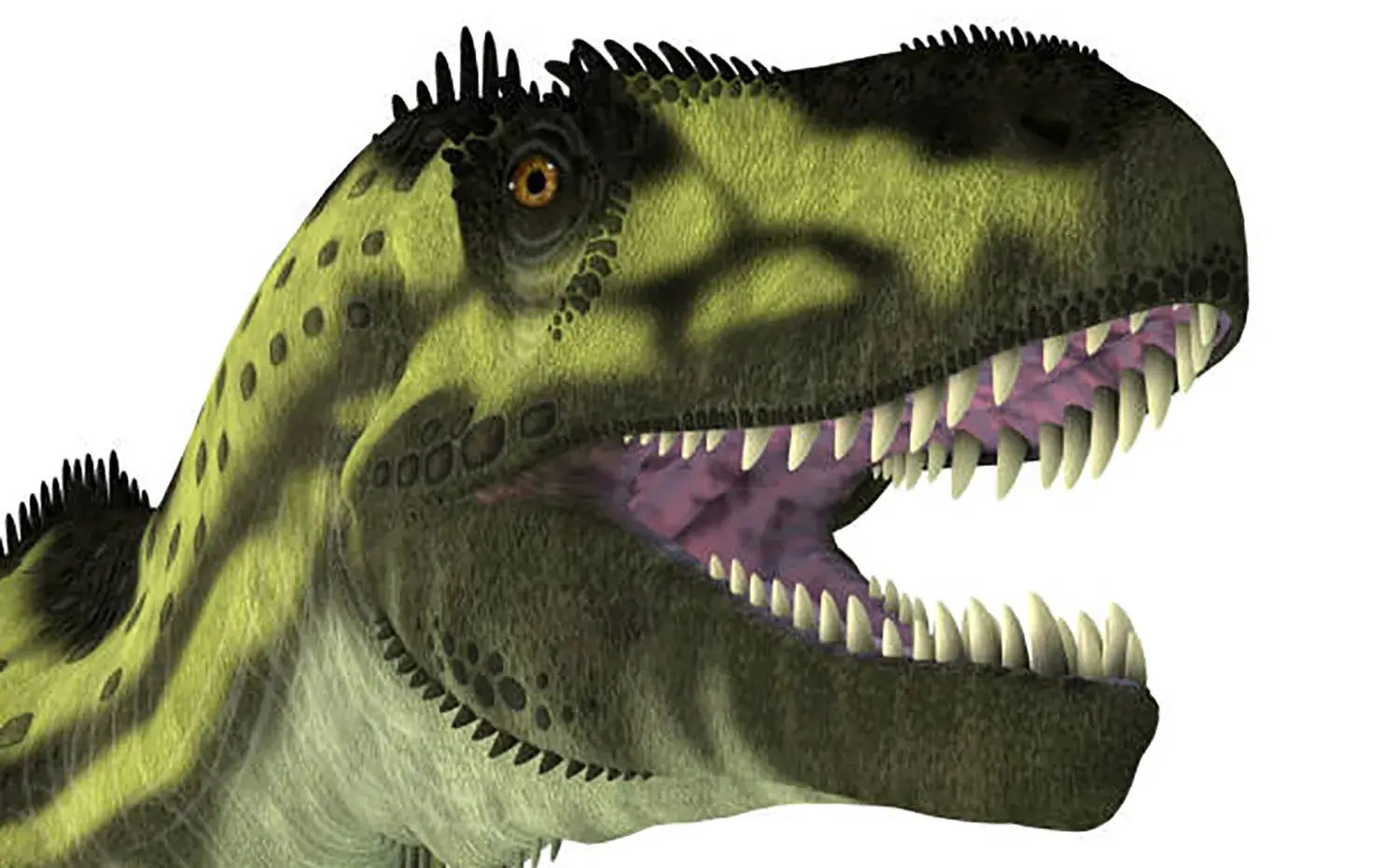
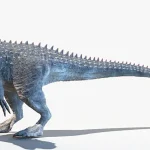
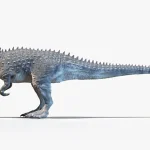
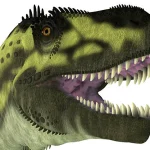
Its most distinctive feature was its massive head, reaching about 1.2 meters in length, and its ferocious teeth.
Massive head reaching about 1.2m in length and ferocious teeth
Its mouth was lined with sharp teeth about three times longer than those of the contemporaneous Allosaurus.
While Allosaurus sliced through flesh, the teeth of Torvosaurus possessed destructive power like “stakes” capable of crushing prey, bones and all.
Muscular Upper Arms
The upper arms of its forelimbs were extremely muscular, and the first finger (thumb) bore a massive hook-like claw.
This was a powerful weapon used to hold down and tear apart prey.
Allosaurus of “Technique” vs. Torvosaurus of “Power”
In Late Jurassic North America, two titans, Allosaurus and Torvosaurus, coexisted.
How did they share their habitat?
Differences in Hunting Styles
The decisive difference between the two lay in their “tactics.”
Allosaurus (Hunter of Technique)
Fast-footed, using long arms and claws to grapple with prey and slice them. They moved around a wide area.
Torvosaurus (Hunter of Power)
Slower-footed, but used their massive, solid bodies and overwhelming jaw power to deliver fatal blows (“one-hit kills”).
Possibility of Direct Confrontation
It is believed that Torvosaurus targeted slow-moving sauropodomorphs, hard prey like turtles, or carrion.
Although they basically occupied different niches, there are instances where Torvosaurus bite marks have been found on Allosaurus fossils. At times, acting as a “shadow ruler,” they may have intimidated and overwhelmed Allosaurus over prey.
A Primitive but Powerful Lineage: Megalosauridae
Lineage of Heavy Tanks
Taxonomically, they do not belong to the Allosaurs, but to the more primitive “Megalosauridae” (Spinosauroidea).
They were like “heavy tanks” that evolved independently during the Jurassic.
Discovery of Eggs
Fossilized eggs have also been discovered in Portugal, revealing that they were oviparous animals that laid eggs with a single-layered shell structure.
Whether they guarded their eggs like modern crocodiles or raised their young like birds awaits future research.