
Metriorhynchus
Name Origin
Moderate Snout
Family
Metriorhynchidae
Classification
Diapsida, Crocodylomorpha, Mesoeucrocodylia, Archosauromorpha
Habitat (Discovery Location)
United Kingdom, France, Chile
Period
Approximately 157–154 million years ago (Middle–Late Jurassic)
Length
Approximately 3 meters
Weight
Approximately 300 kg
Diet
Piscivore (Fish-eater)
You might also like... 

-
 Microceratus
- Classification
- Marginocephalia
- Characteristics
- Herbivorous
- Era
- Cretaceous period
- Struthiomimus
- Classification
- Theropods
- Characteristics
- Herbivorous
- Omnivorous
- Feathered
- Era
- Cretaceous period
- Muttaburrasaurus
- Classification
- Ornithopoda
- Characteristics
- Herbivorous
- Era
- Cretaceous period
- Coelophysis
- Classification
- Theropods
- Characteristics
- Carnivorous
- Era
- Triassic period
- Jurassic period
-
Sponsored Links
-
Sponsored Links






![[Latest Research] What Was the Function of Spinosaurus's Giant "Sail"? Exploring the Mysteries of Thermoregulation and Underwater Locomotion](https://dinosaurmuseum.jp/wp/wp-content/uploads/eyecatch_spinosaurus-sail-function_en-1024x512.webp)
![[Latest Discovery] A Third Type of Skin, Neither Scales Nor Feathers? Meet "Haolong dongi," a New Dinosaur Species Covered Entirely in Spikes](https://dinosaurmuseum.jp/wp/wp-content/uploads/eyecatch_dinosaur-spiky-skin-discovery_en-1024x512.webp)

Description
During the Jurassic period, when dinosaurs ruled the land, one crocodile ventured into the marine world and adapted to a completely aquatic life.
It is “Metriorhynchus.”
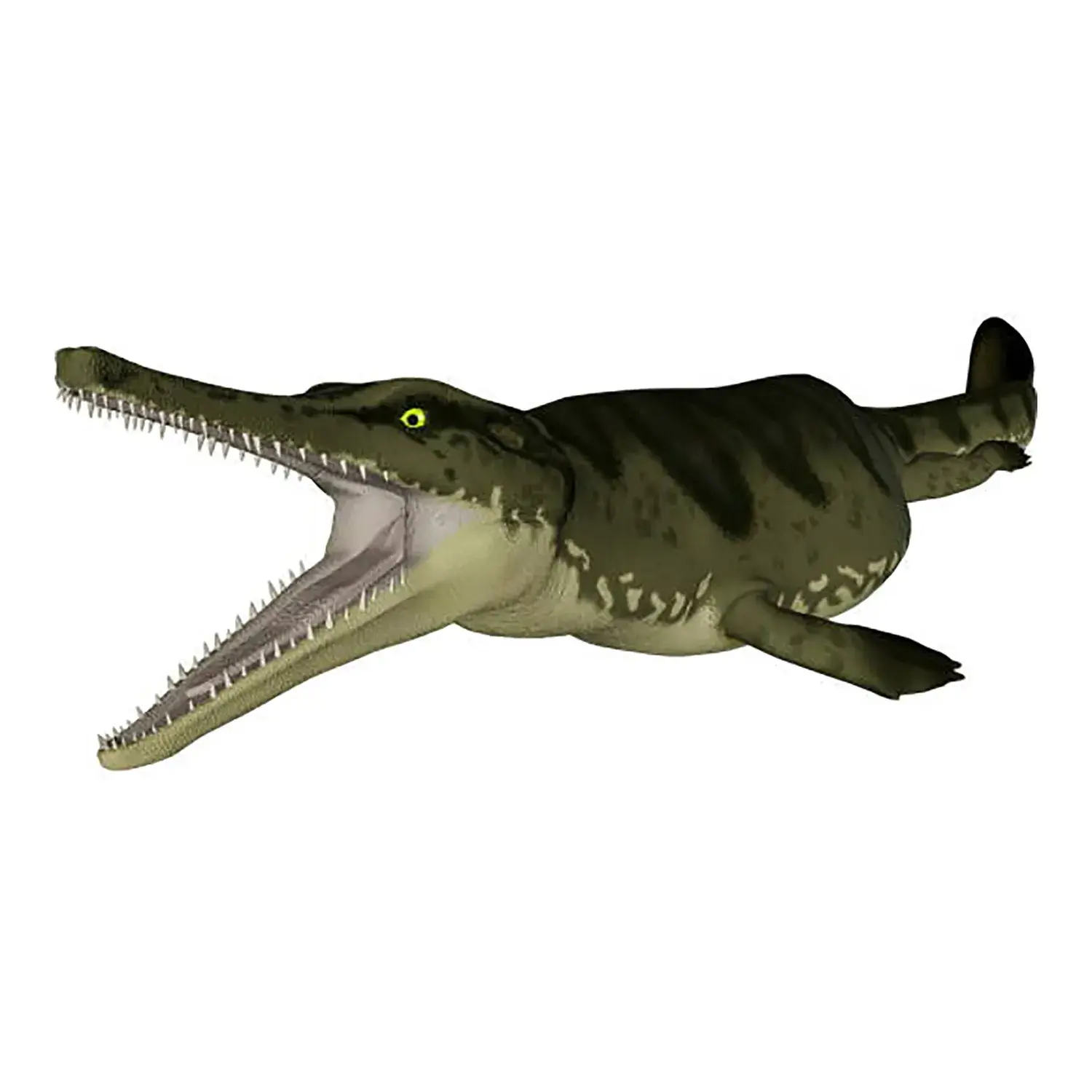
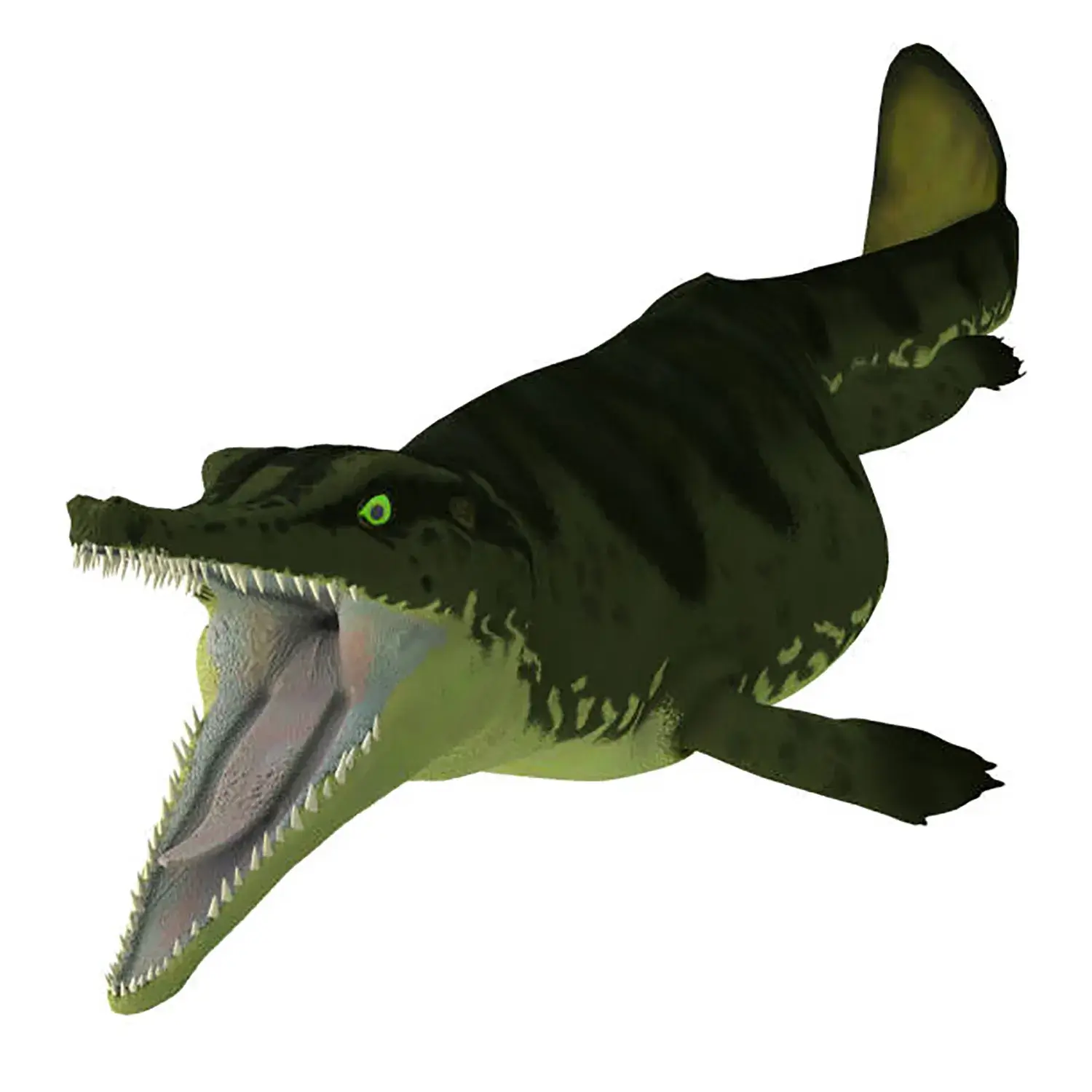
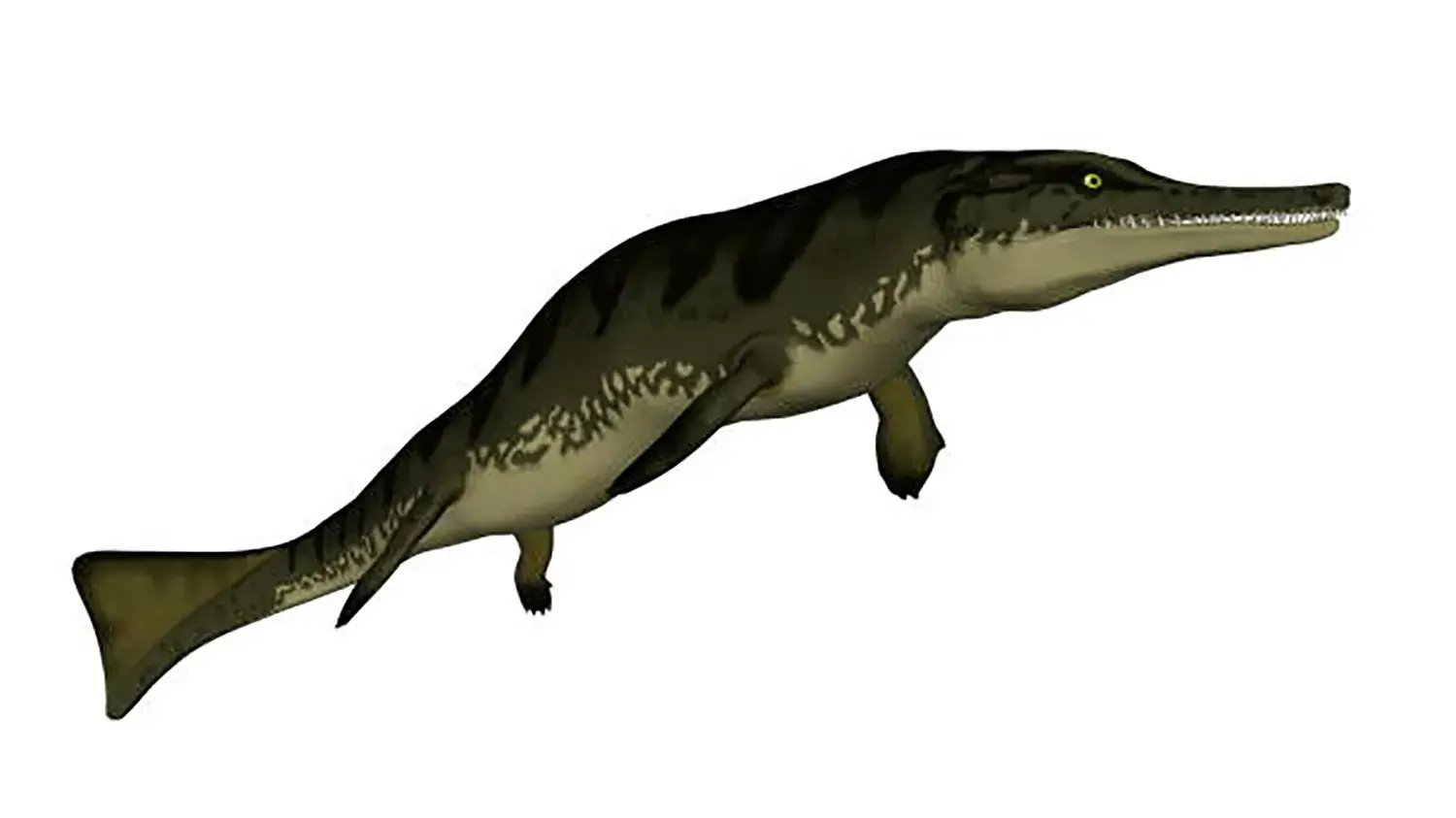
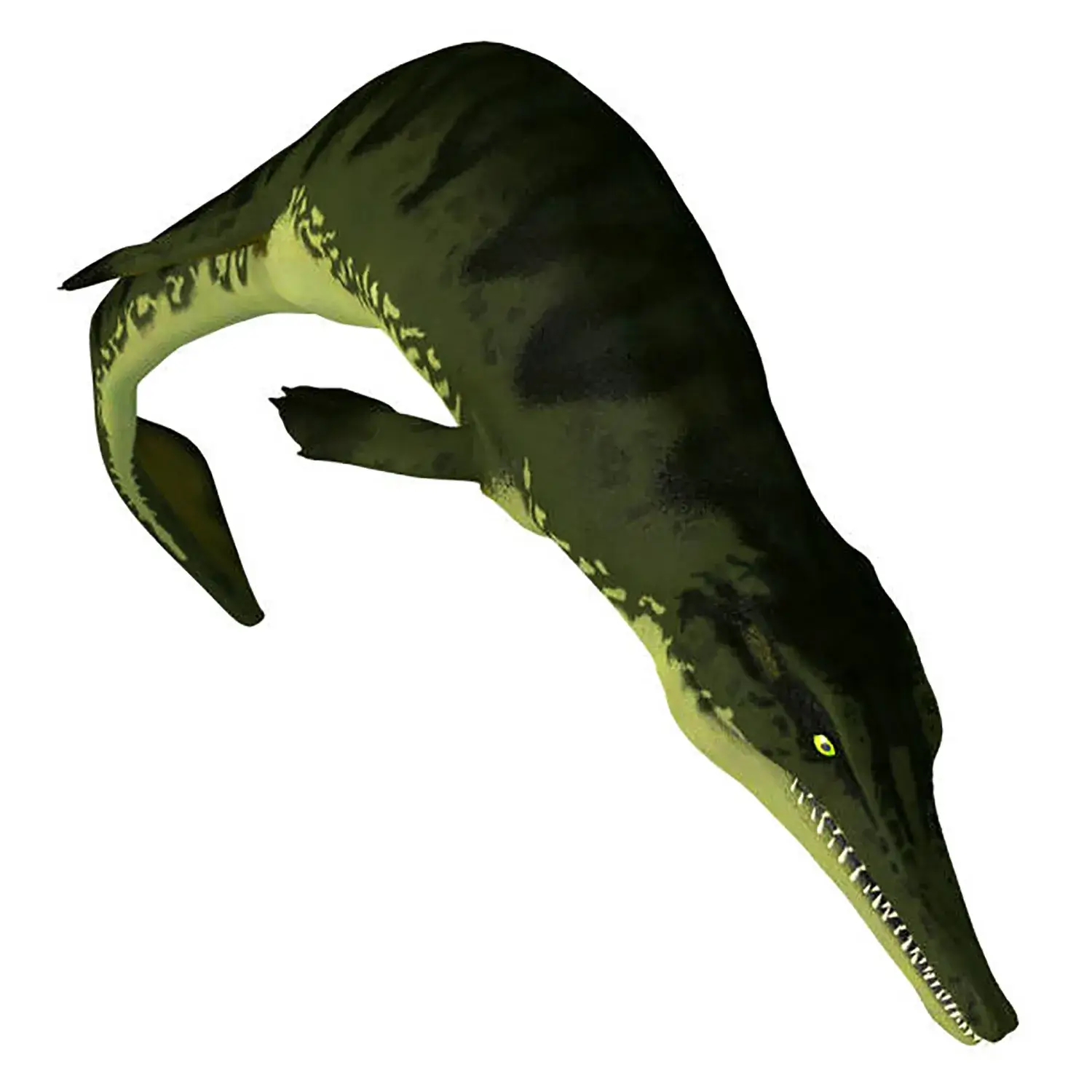
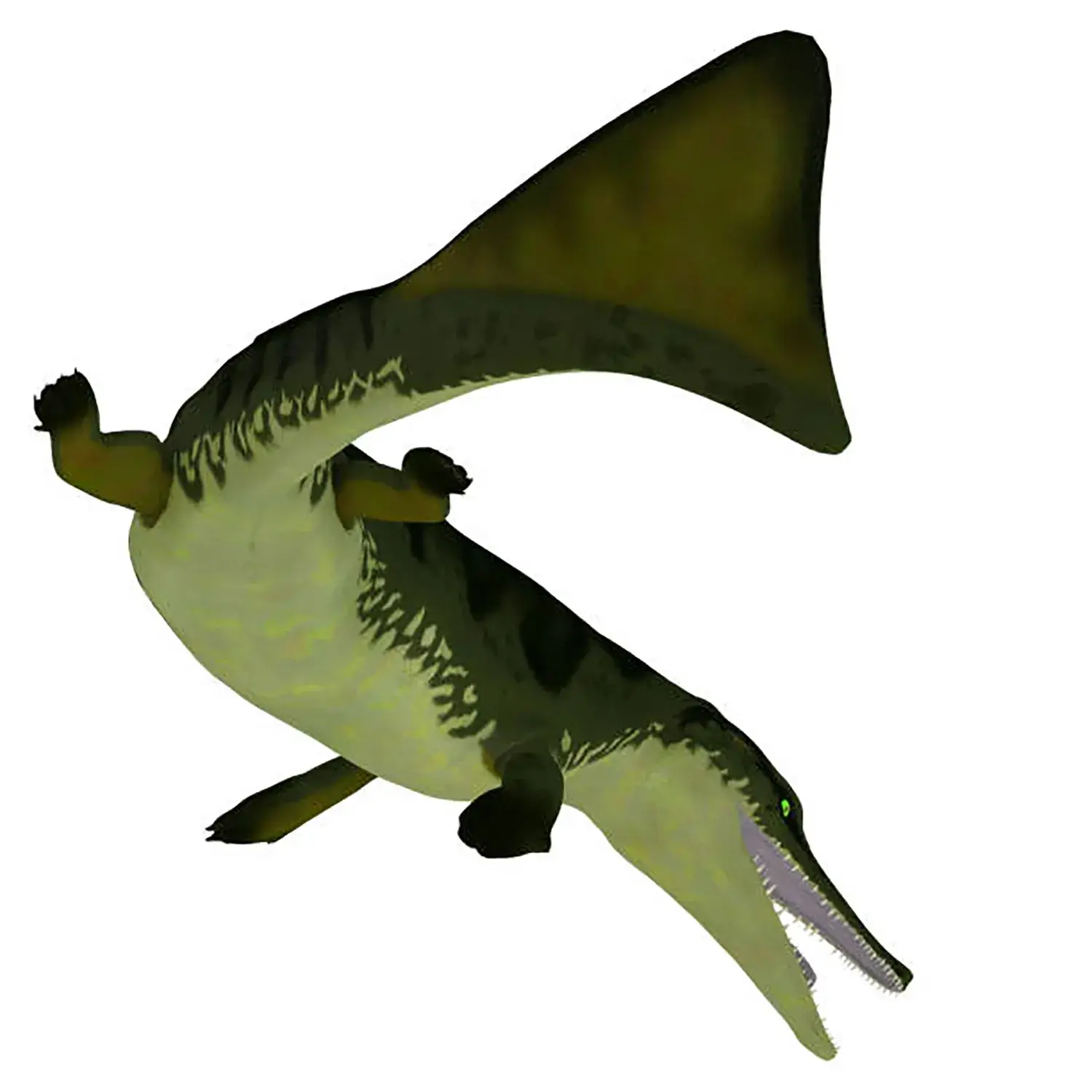
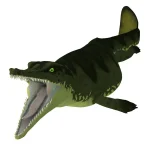
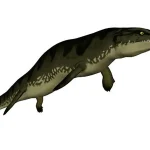
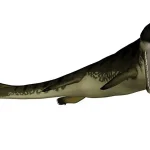
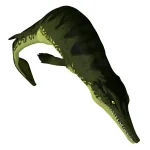
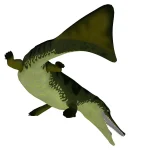
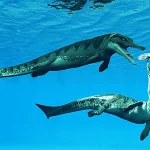
Unlike the rugged appearance of modern crocodiles, they possessed streamlined bodies resembling dolphins or fish, and are often referred to as “the only archosaurs to fully adapt to aquatic life.”
Streamlined Body and a “Moderate Snout”
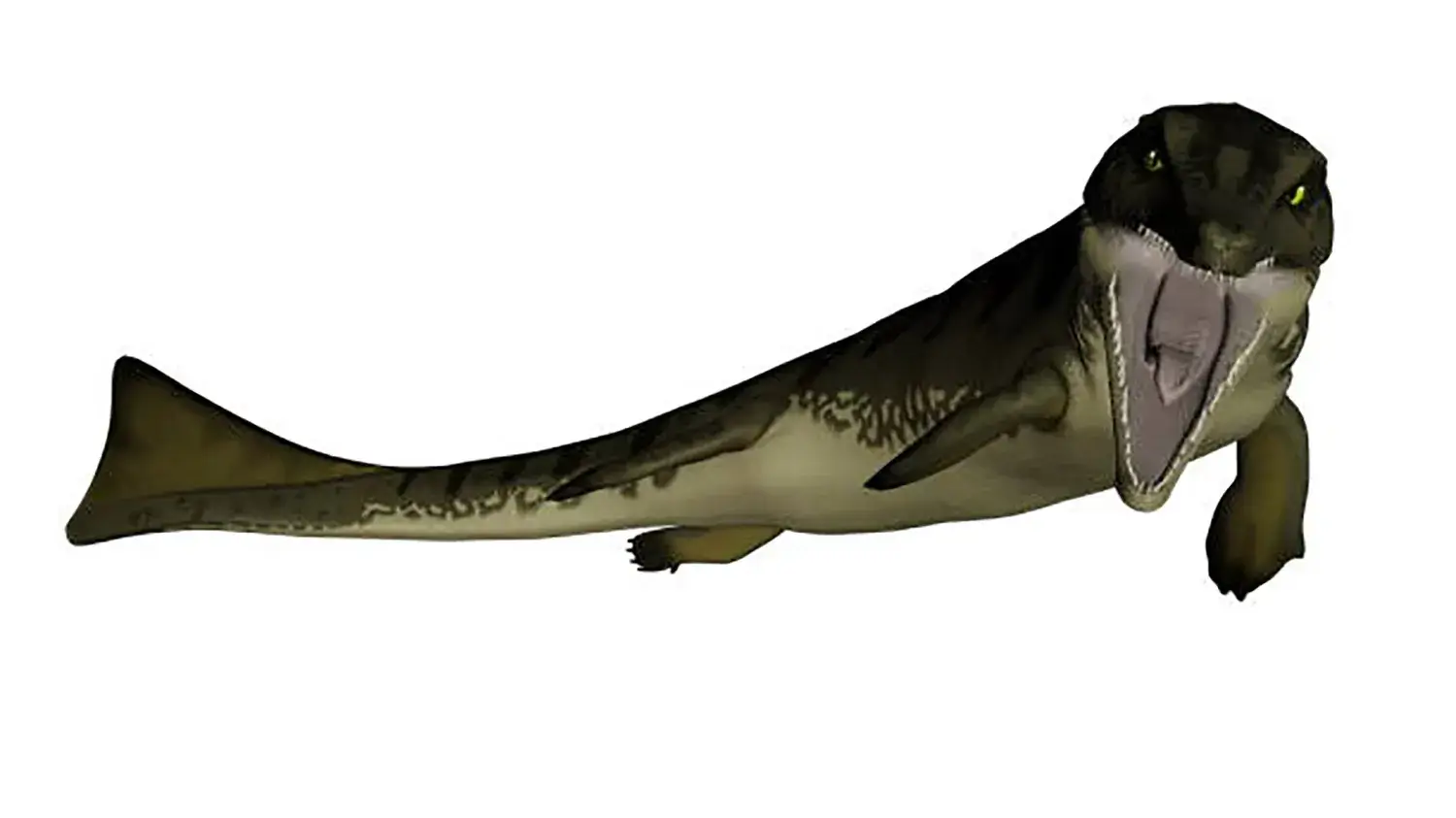
The greatest characteristic of Metriorhynchus is its appearance, specialized for aquatic life and far removed from terrestrial crocodiles.
Transformation into a Fish-like Form
The heavy armor and scales seen in terrestrial crocodiles disappeared, and their bodies became smooth to reduce water resistance.
The heavy armor and scales disappeared, and the body became smooth to reduce water resistance.
Their limbs changed dramatically from legs for walking into “fins (paddles)” for paddling water, with the hind flippers being much more developed than the front ones.
Furthermore, the tip of the long tail bent downward, supporting a membrane of skin that formed a fish-like “vertical tail fin.”
Origin of the Name and Skull
The scientific name means “moderate snout” in Ancient Greek.
This is derived from the fact that its snout was neither extremely long nor extremely short compared to related species.
Additionally, the skull was built to be very lightweight, which is believed to be an adaptation for buoyancy control and quick movements underwater.
Hunting in the Jurassic Seas and Weaknesses
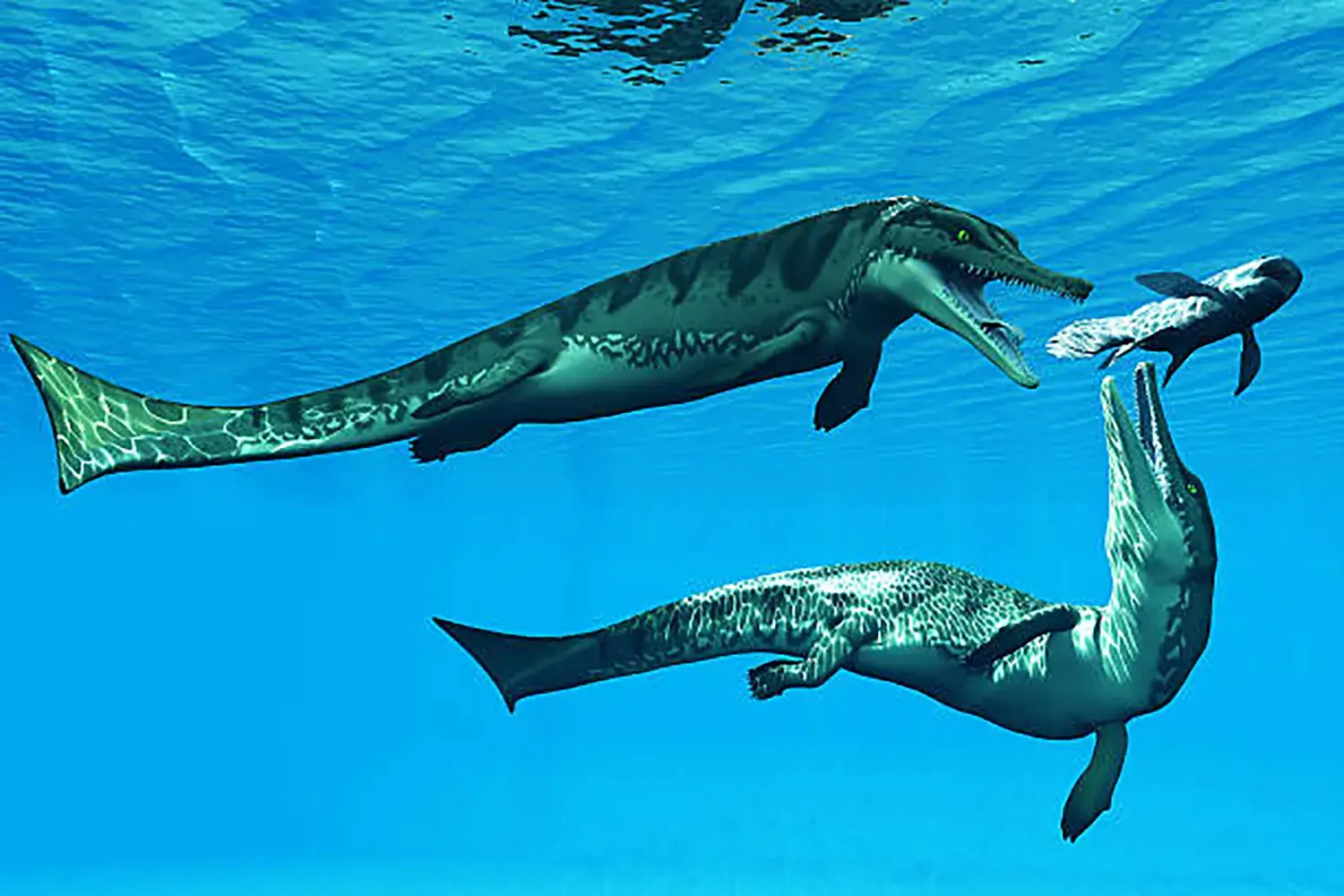
Metriorhynchus was an excellent hunter in the seas of that time.
Diverse Diet
It caught fast-moving fish with the sharp teeth lining its long, narrow mouth.
It also used the characteristic jaw strength of crocodiles to crush ammonites shell and all, or to attack other marine reptiles.
It has also been suggested that they may have jumped to catch pterosaurs flying near the sea surface.
Predation Risks
On the other hand, they also had weaknesses.
Lung Breathing
They needed to surface frequently.
Size
With a total length of about 3 meters, it was small compared to the giant plesiosaurs of the same era.
It is surmised that their swimming speed was not that fast, so escaping from large predators would have been difficult. However, given their wide habitat range, they likely had some kind of survival strategy.
The Biggest Mystery: “Eggs” or “Babies”?
The most debated topic regarding Metriorhynchus is its “reproduction method.”
Archosaurs (dinosaurs, crocodiles, birds) are fundamentally creatures that “lay eggs on land,” but what about these animals that had completely adapted to the sea?
Theory 1: Sea Turtle Style (Oviparity)
It was once thought that they came ashore onto sandy beaches only to lay eggs, like modern sea turtles.
Theory 2: The Amazing “Viviparity” Theory (Dominant)
In recent studies, the view that “it was difficult to support the body and walk on land” has strengthened due to the structure of the hip bones and fin-like limbs.
If they could not come ashore, it means they had acquired “viviparity,” giving birth to live young directly in the sea.
While viviparity in archosaurs is an evolutionary hurdle so high it is considered a “miracle,” it is garnering attention as evidence that they had achieved complete aquatic adaptation.