
Barosaurus
Name Origin
Heavy Lizard
Family
Diplodocidae
Classification
Diapsida, Saurischia, Sauropodomorpha
Habitat (Discovery Location)
United States
Period
Approximately 155–145 million years ago (Late Jurassic)
Length
Approximately 23–27 meters
Weight
Approximately 20 tons
Diet
Herbivore
You might also like... 

-
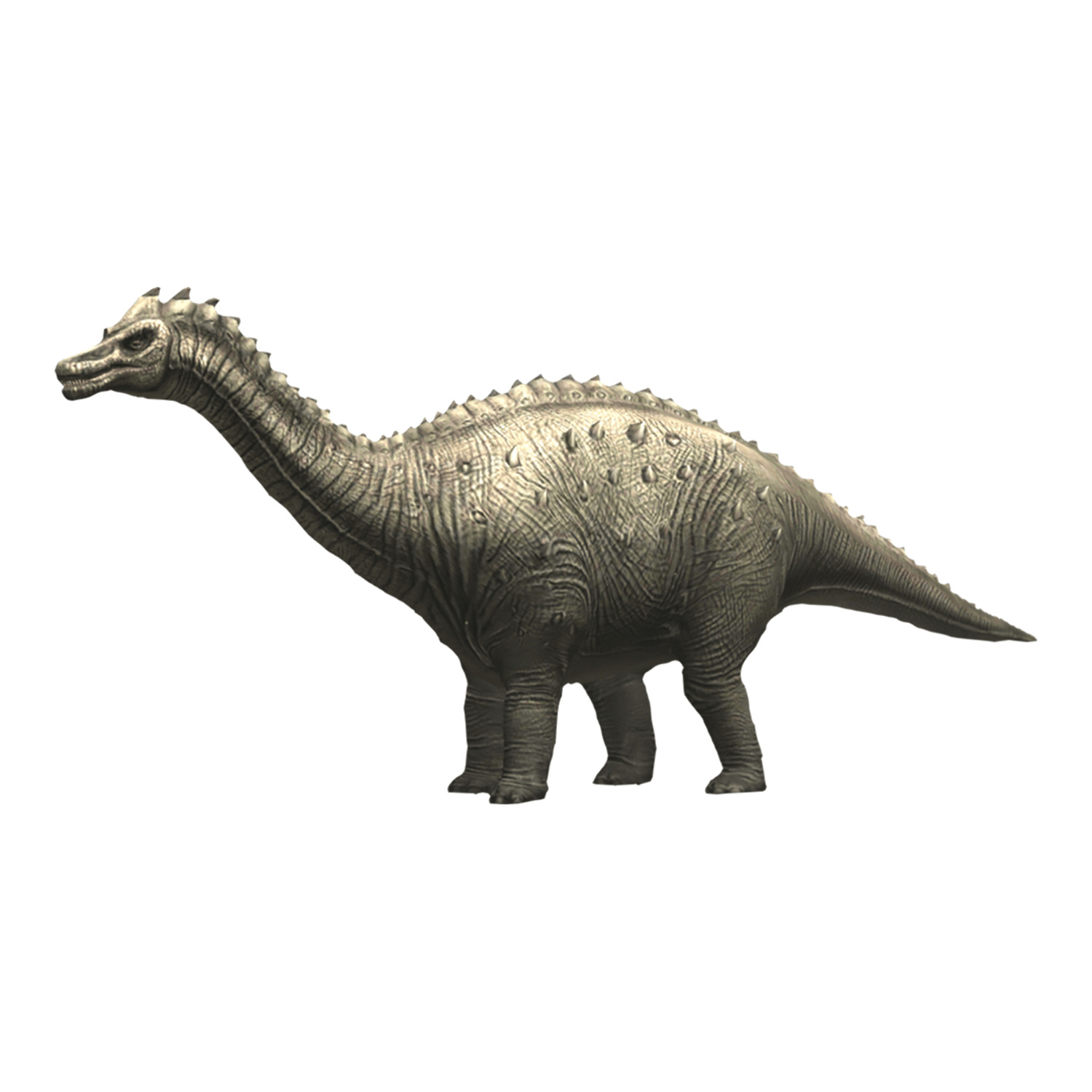
 Tuojiangosaurus
- Classification
- Thyreophora
- Characteristics
- Herbivorous
- Era
- Jurassic period
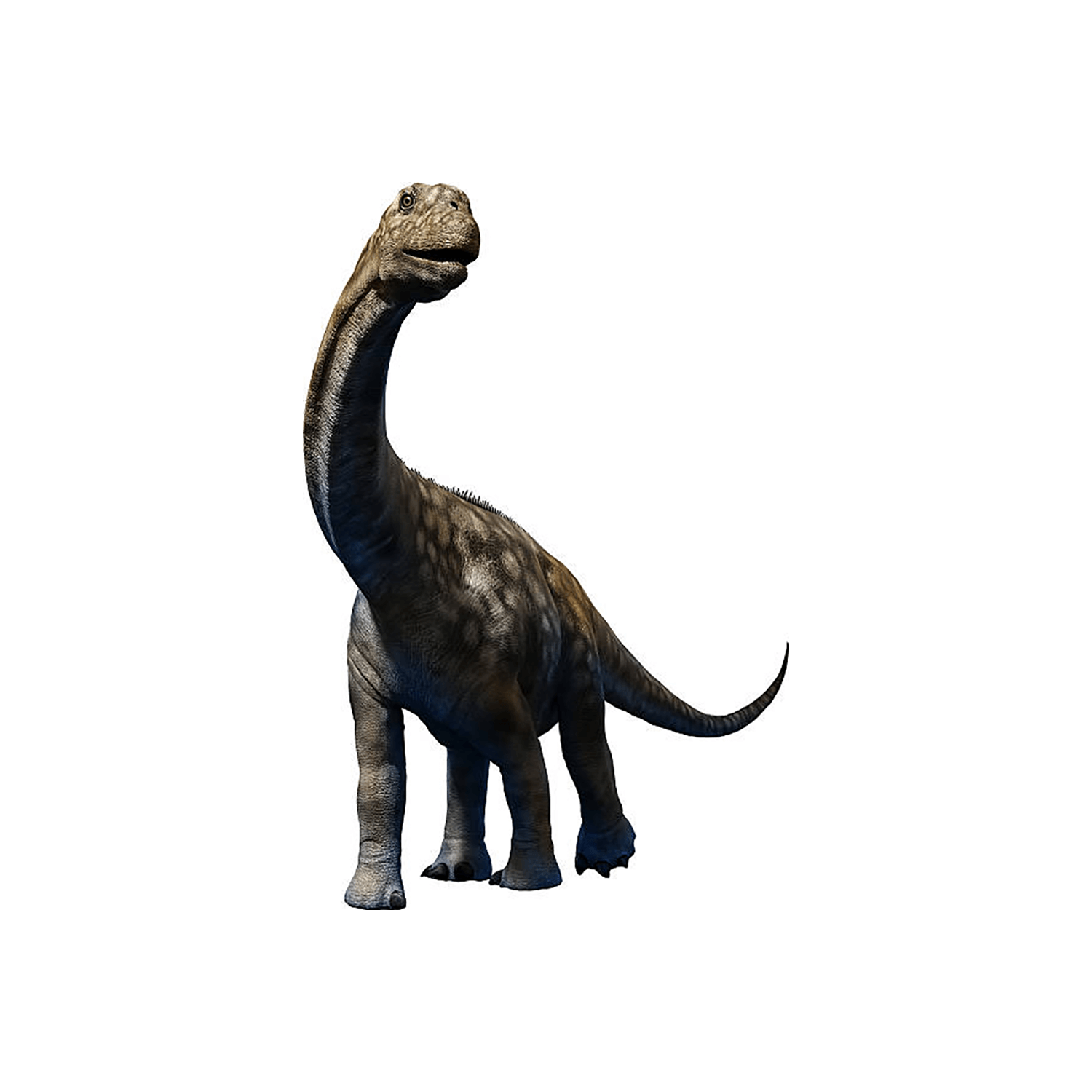
- Hylaeosaurus
- Classification
- Thyreophora
- Characteristics
- Herbivorous
- Era
- Cretaceous period
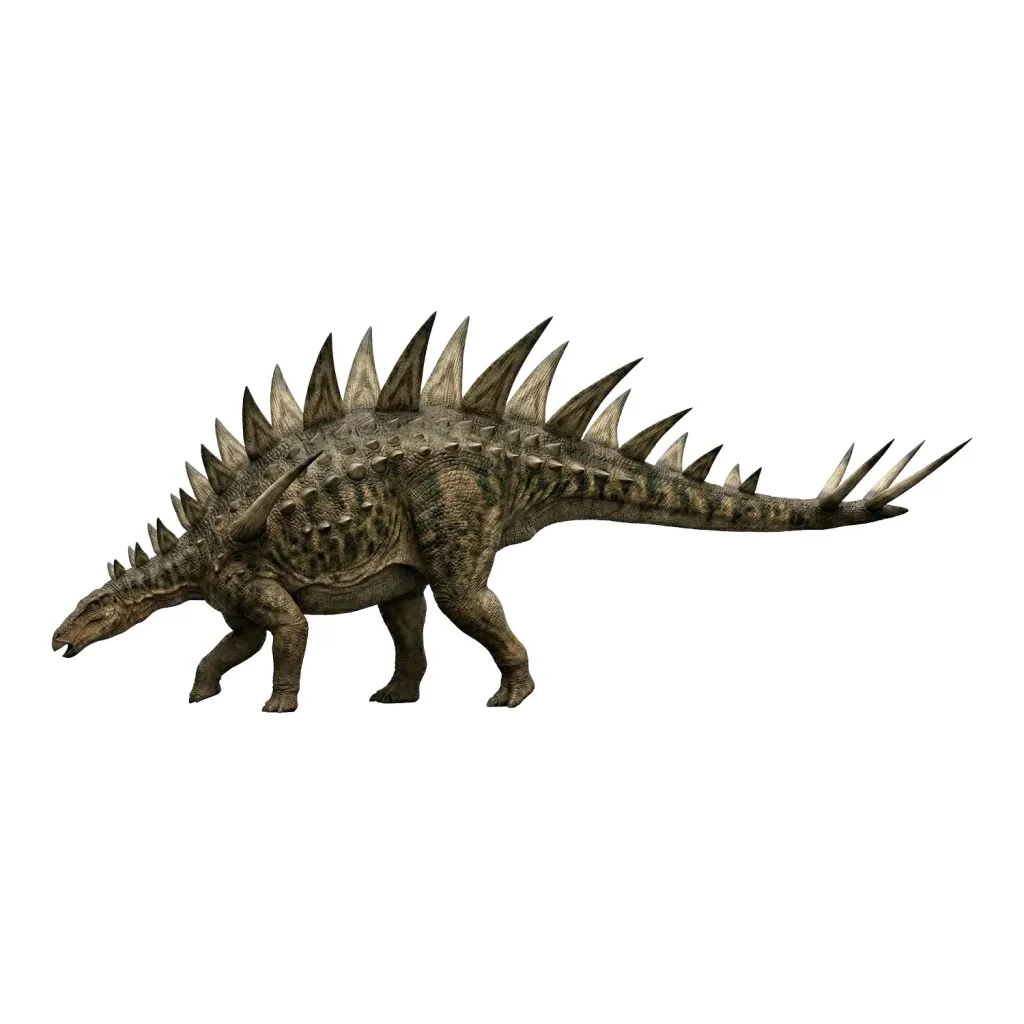
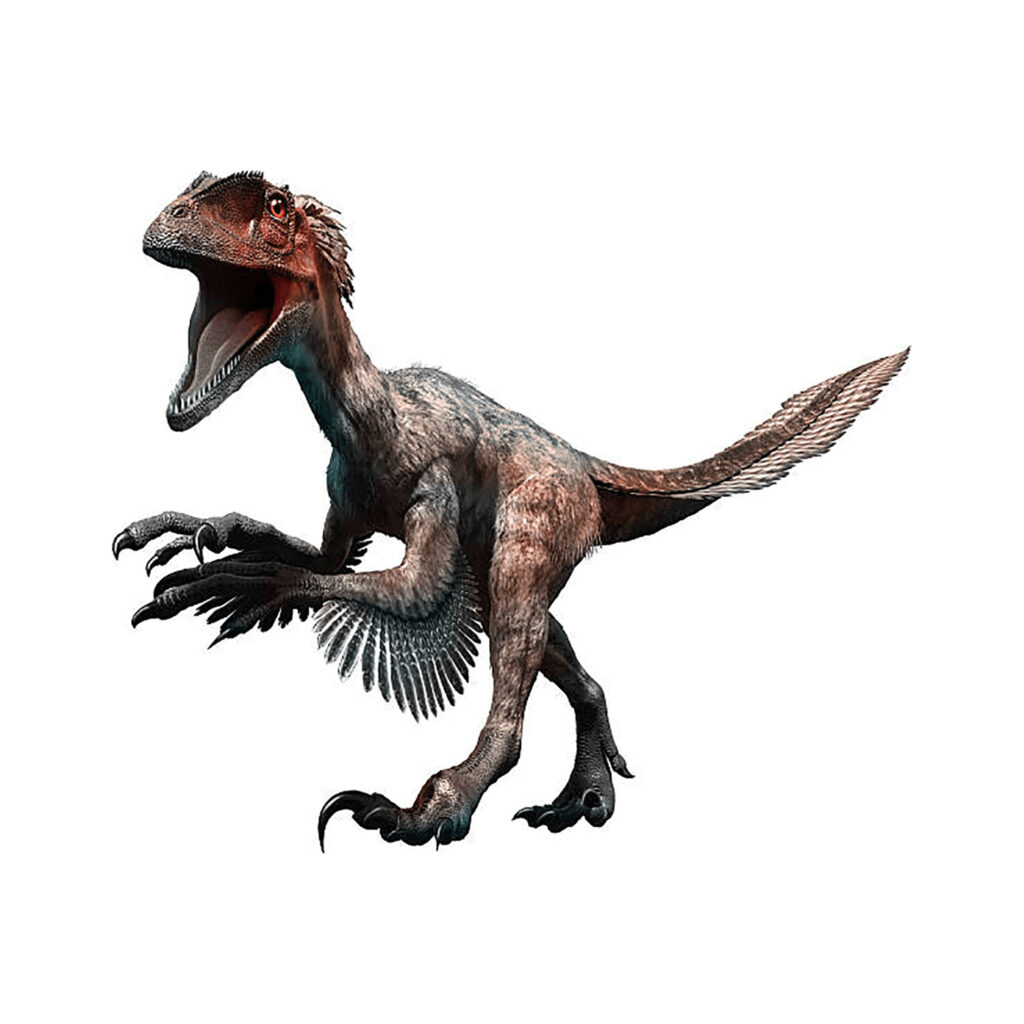
- Deinonychus
- Classification
- Theropods
- Characteristics
- Carnivorous
- Feathered
- Era
- Cretaceous period
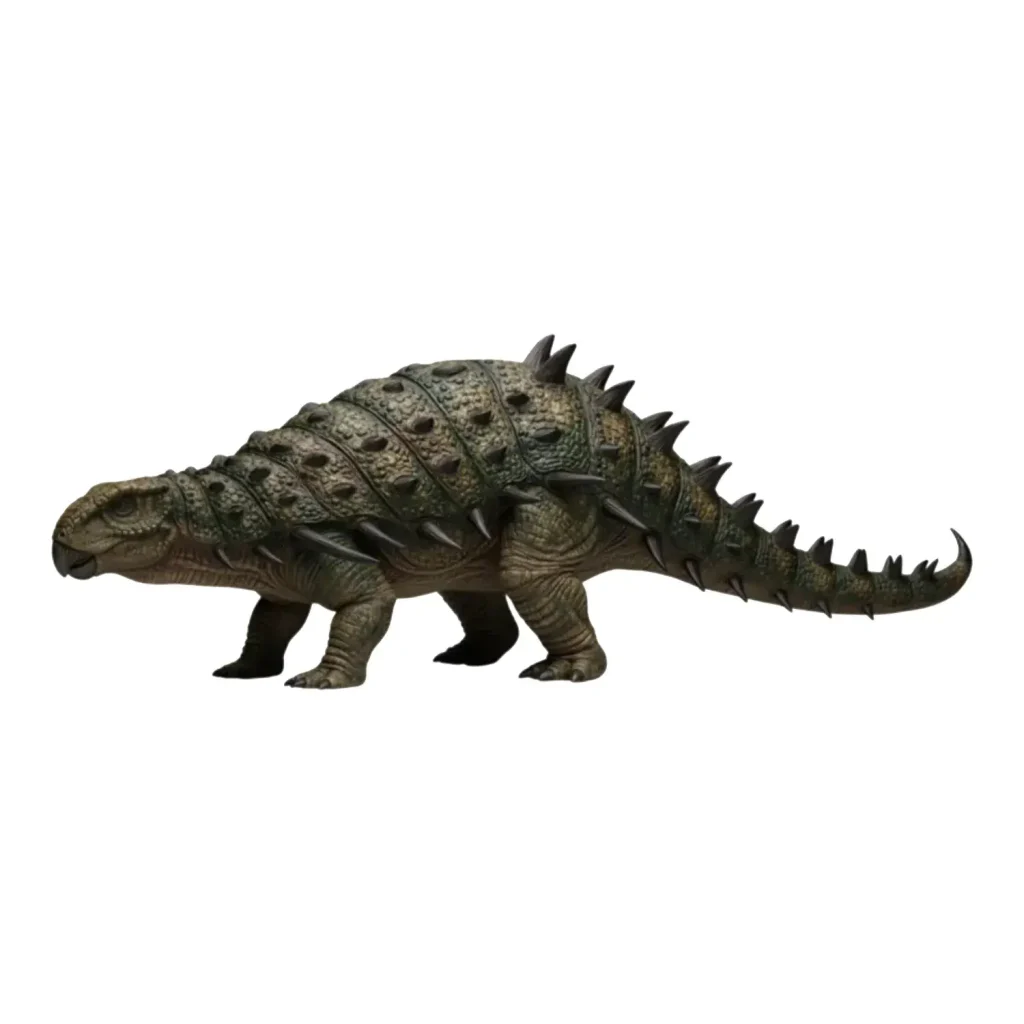
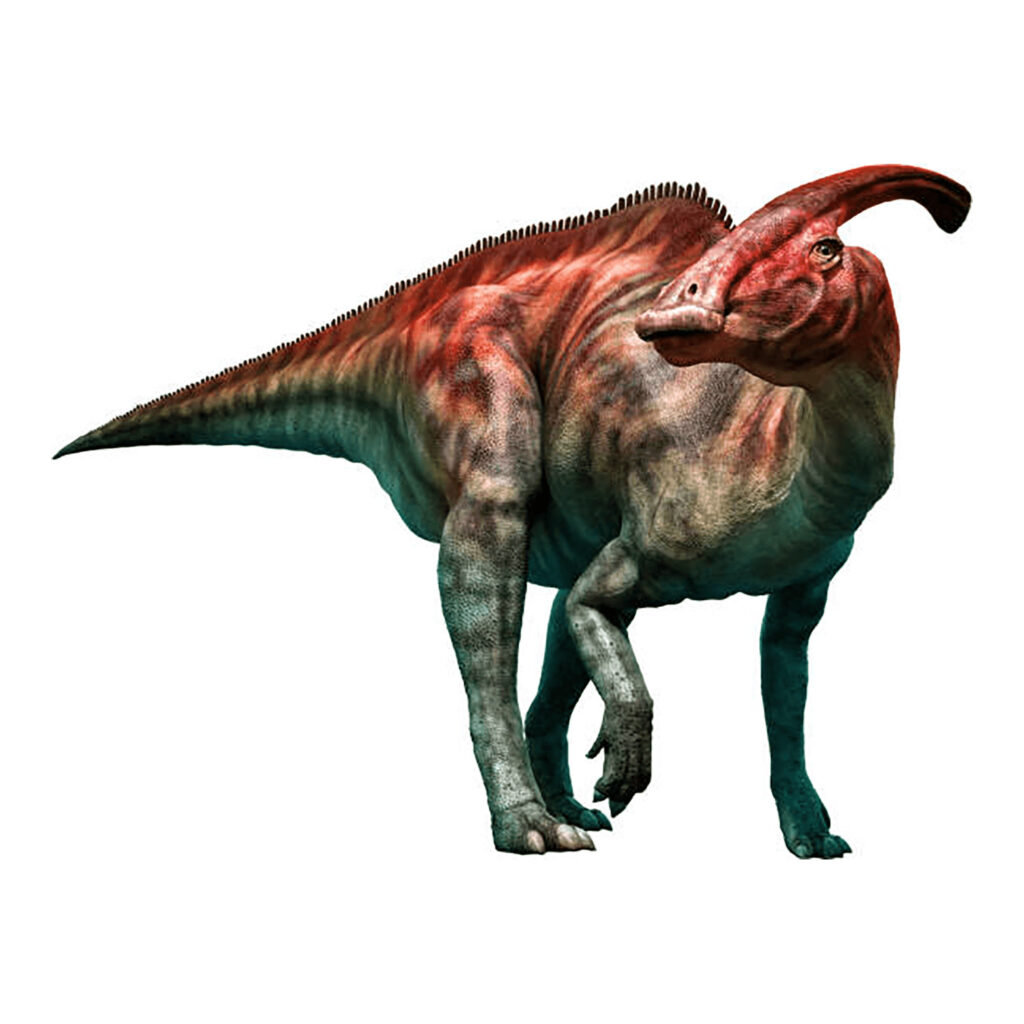
- Parasaurolophus
- Classification
- Ornithopoda
- Characteristics
- Herbivorous
- Era
- Cretaceous period
-
Sponsored Links
-
Sponsored Links









![[Latest Research] What Was the Function of Spinosaurus's Giant "Sail"? Exploring the Mysteries of Thermoregulation and Underwater Locomotion](https://dinosaurmuseum.jp/wp/wp-content/uploads/eyecatch_spinosaurus-sail-function_en-1024x512.webp)
![[Latest Discovery] A Third Type of Skin, Neither Scales Nor Feathers? Meet "Haolong dongi," a New Dinosaur Species Covered Entirely in Spikes](https://dinosaurmuseum.jp/wp/wp-content/uploads/eyecatch_dinosaur-spiky-skin-discovery_en-1024x512.webp)
Description
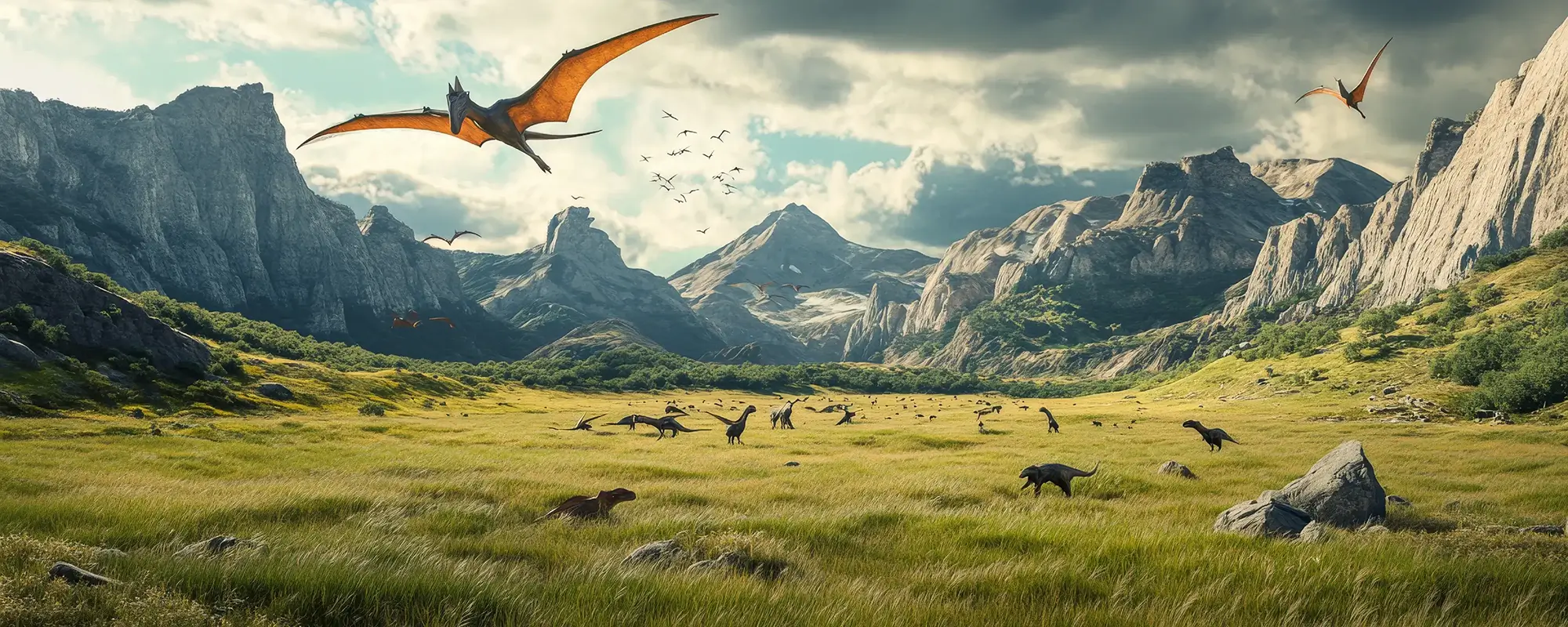
The North American continent during the Late Jurassic period, the zenith of the age of dinosaurs.
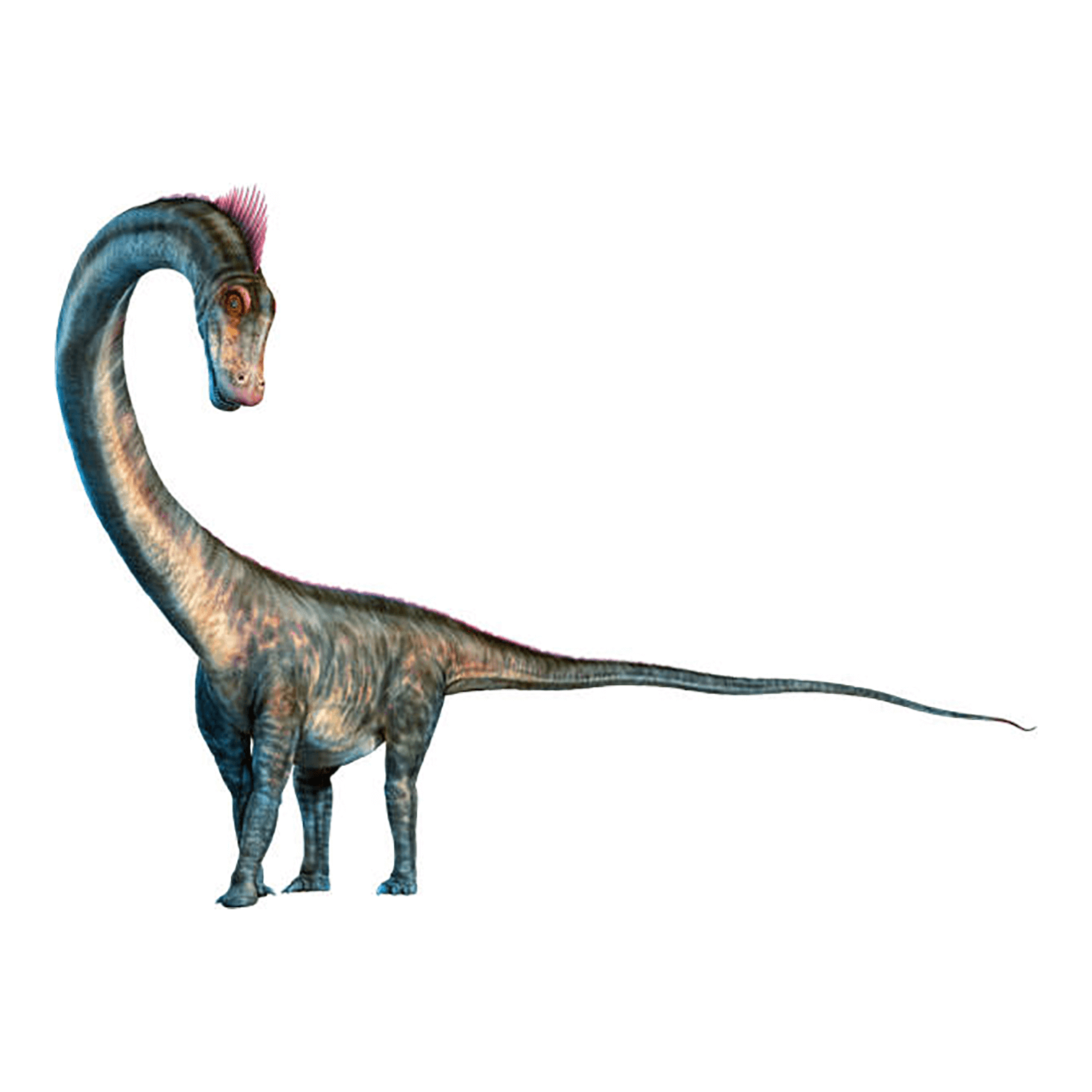
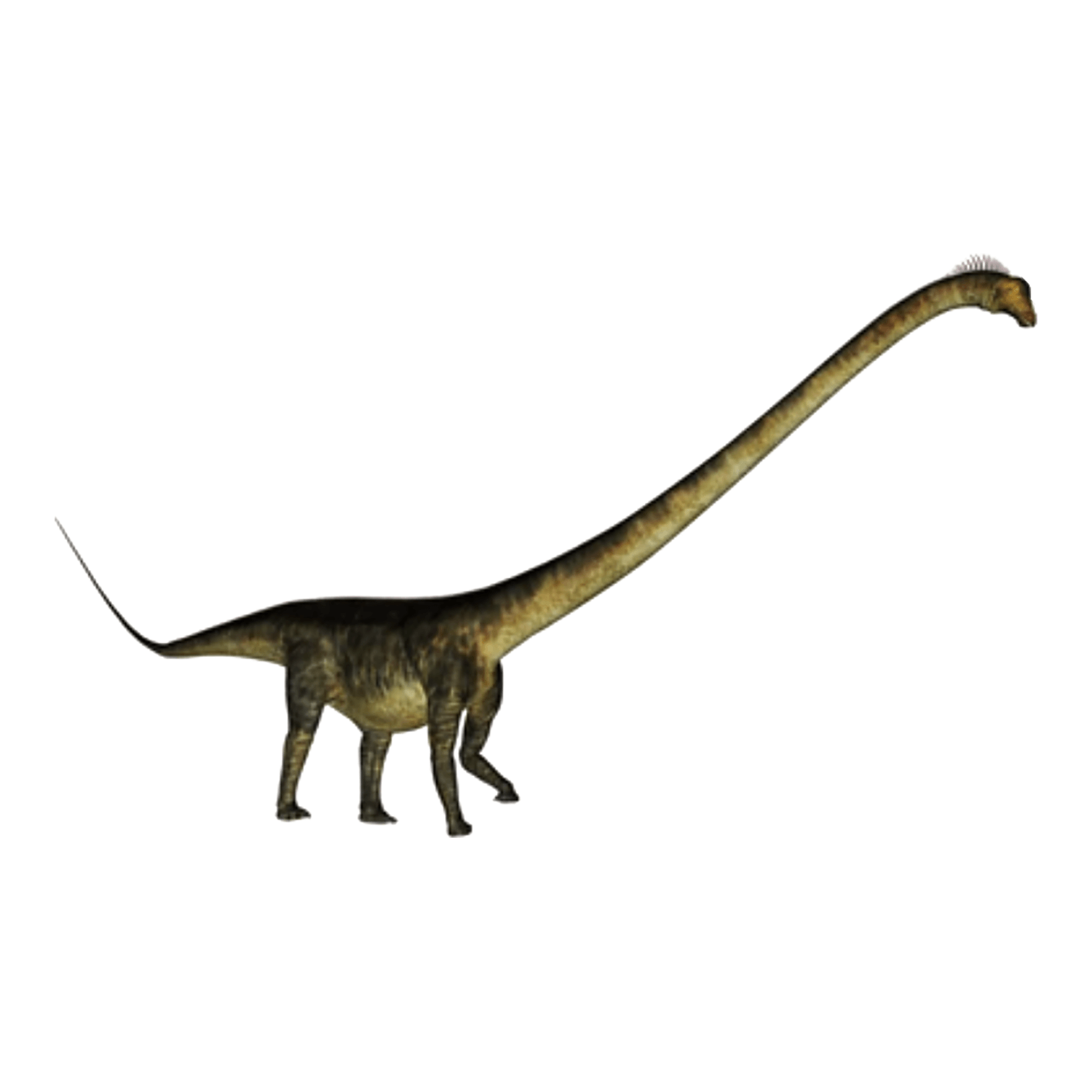
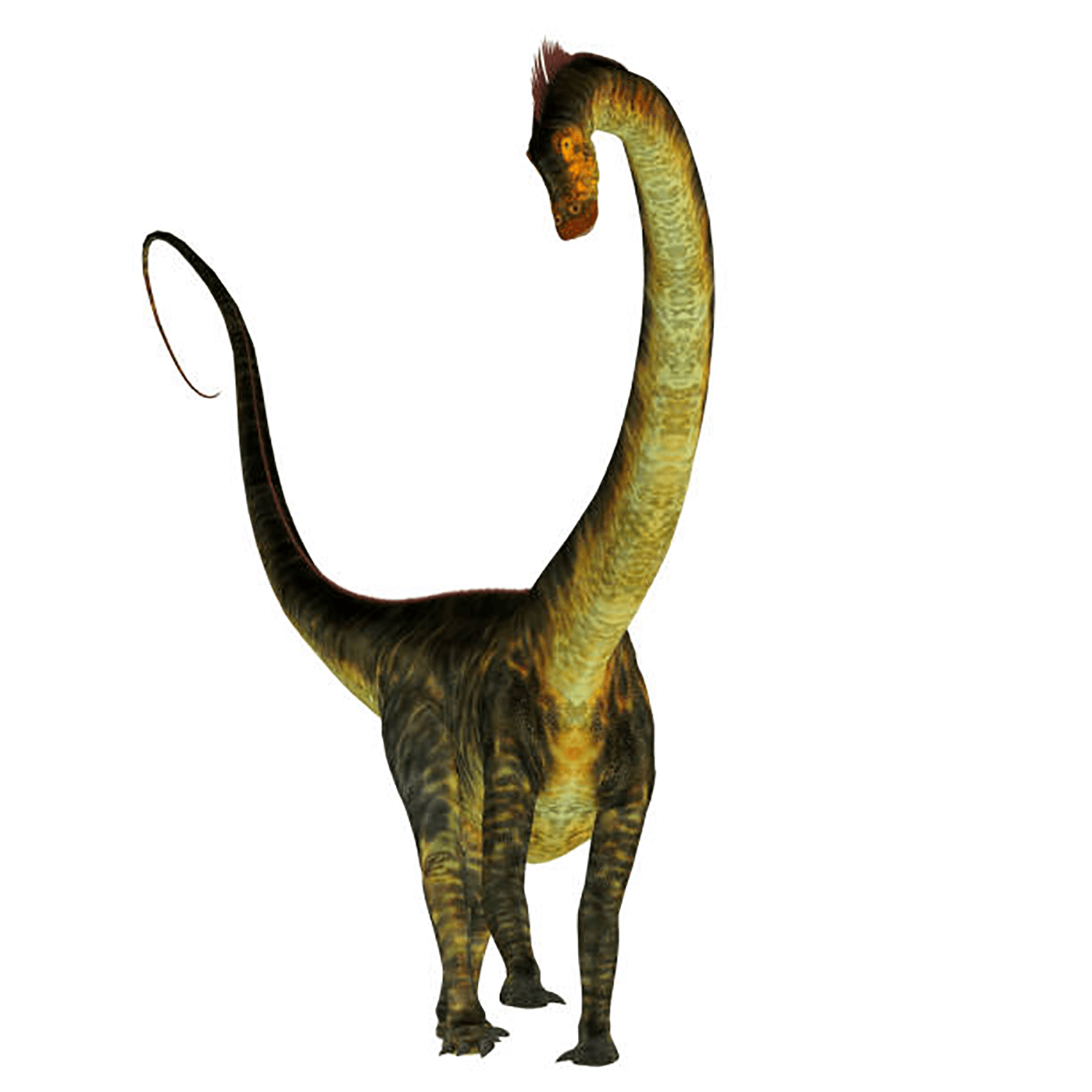
Amidst giant sauropodomorphs exceeding 20 meters in length roaming the land, there was one dinosaur that stood out with an exceptionally distinct “neck length.”
Its name is “Barosaurus.”
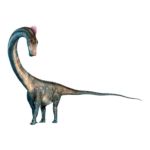
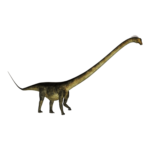
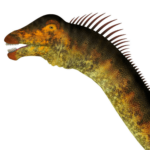
Its scientific name means “Heavy Lizard,” but recent research has revealed a figure that, contrary to its name, was slender and lightweight.
The Paradox of the Name “Heavy Lizard”: Was It Actually Light?
Barosaurus was described in 1890 by the renowned paleontologist Othniel C. Marsh.
Fossils have been discovered in places such as South Dakota and Utah in the United States.
The Gap Between Name and Weight
The scientific name is derived from the Greek for “Heavy Lizard,” yet its actual estimated weight is approximately 20 tons (about the weight of three elephants).
For a giant dinosaur reaching a total length of 23–27 meters, this weight falls into a considerably light category.
A Skeleton Built for Lightness
The reason for this lightness lies in their skeletal structure, which contained many hollows and was designed to be lightweight.
Compared to Apatosaurus (a heavyweight) of the same Diplodocidae family, Barosaurus had a much more slender torso and legs; perhaps the name would have been more fitting for its relative.
Differences from Diplodocus and the Amazing “Neck”
Barosaurus is a close relative that strongly resembles the famous Diplodocus, but there are clear differences in their proportions.
Length of Neck and Tail
Diplodocus
A long neck and an extremely long tail.
Barosaurus
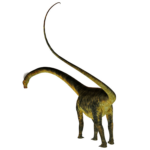
A neck even longer than that of Diplodocus, but conversely, a slightly shorter tail.
Neck Bones Reaching 1 Meter
The bones (cervical vertebrae) that make up its most distinctive feature, the “neck,” were individually very long, with some reaching up to 1 meter in length.
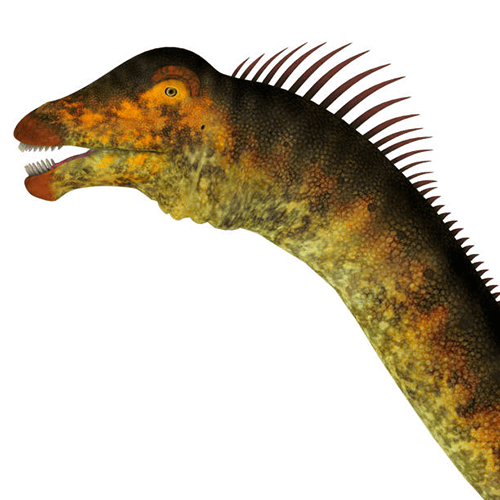
In contrast to this long neck, the head was very small relative to the body, and the mouth was lined with weak, comb-like teeth.
The head was small relative to the body, and the mouth was lined with comb-like teeth.
It is believed that they stripped soft vegetation, swallowed it whole, and digested it by grinding it down with gastroliths (stomach stones).
Could It Stand Up? Museum Exhibits and Controversy
Essential to any discussion of Barosaurus is the debate: “Could it stand on its hind legs?”
This debate was sparked by a famous reconstructed skeleton exhibit at the American Museum of Natural History in New York.
The Museum’s Dramatic Exhibit
In this exhibit, a Barosaurus is depicted rearing up on its hind legs to threaten an Allosaurus in order to protect its young.
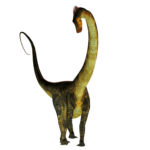
This is based on the theory that its short forelimbs might have made this center-of-gravity balance possible, and that rearing up would have allowed it to eat leaves from trees up to 15 meters high.
Scientific Doubts: The Blood Pressure Issue
On the other hand, many current studies express negative opinions regarding this “rearing up theory.”
Blood Pressure Issues
If a body over 20 meters long held its neck vertically, the strain on the heart to pump blood to the brain would be too great.
Joint Structure
There is a high possibility that the structure simply did not allow for the neck to be lifted high in the first place.
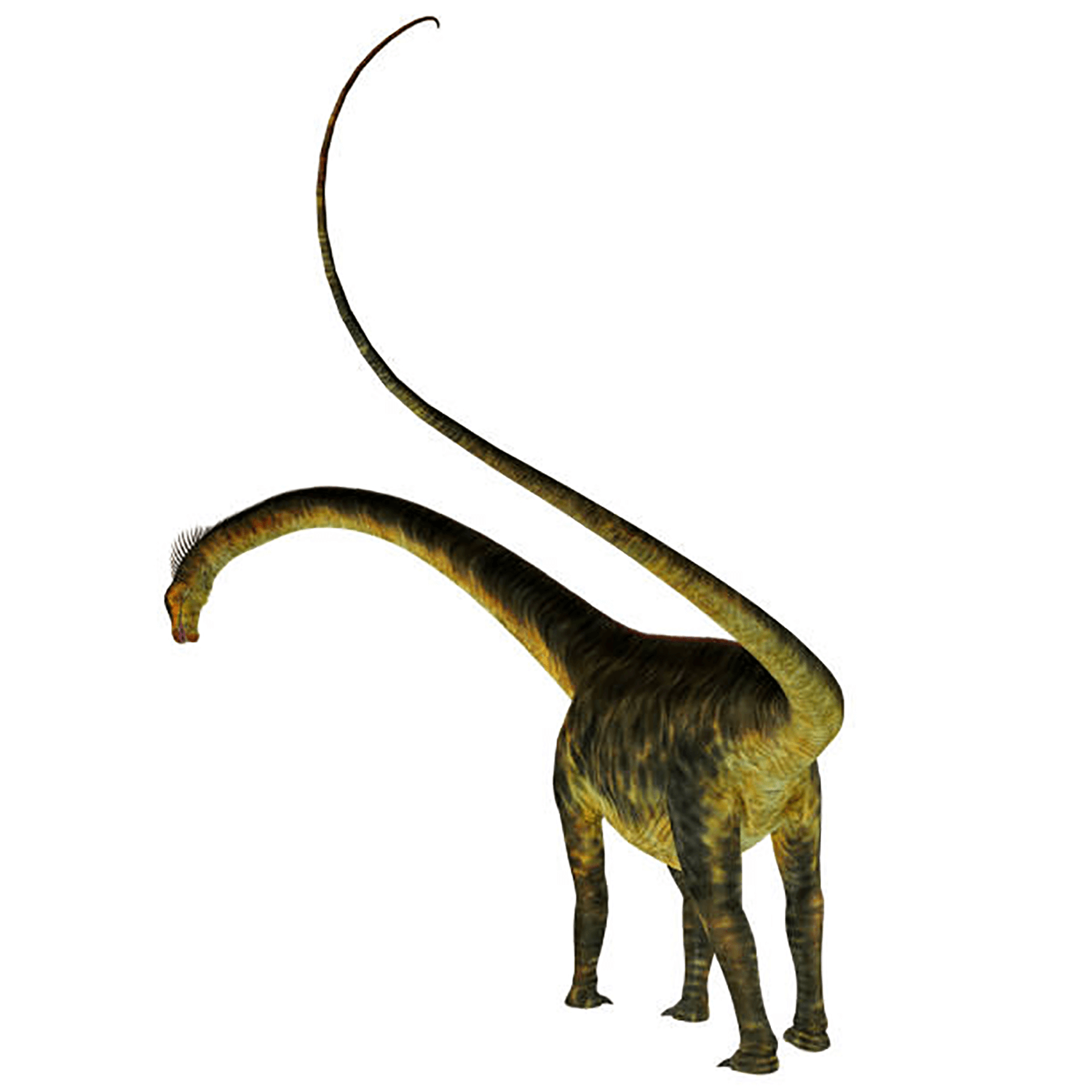
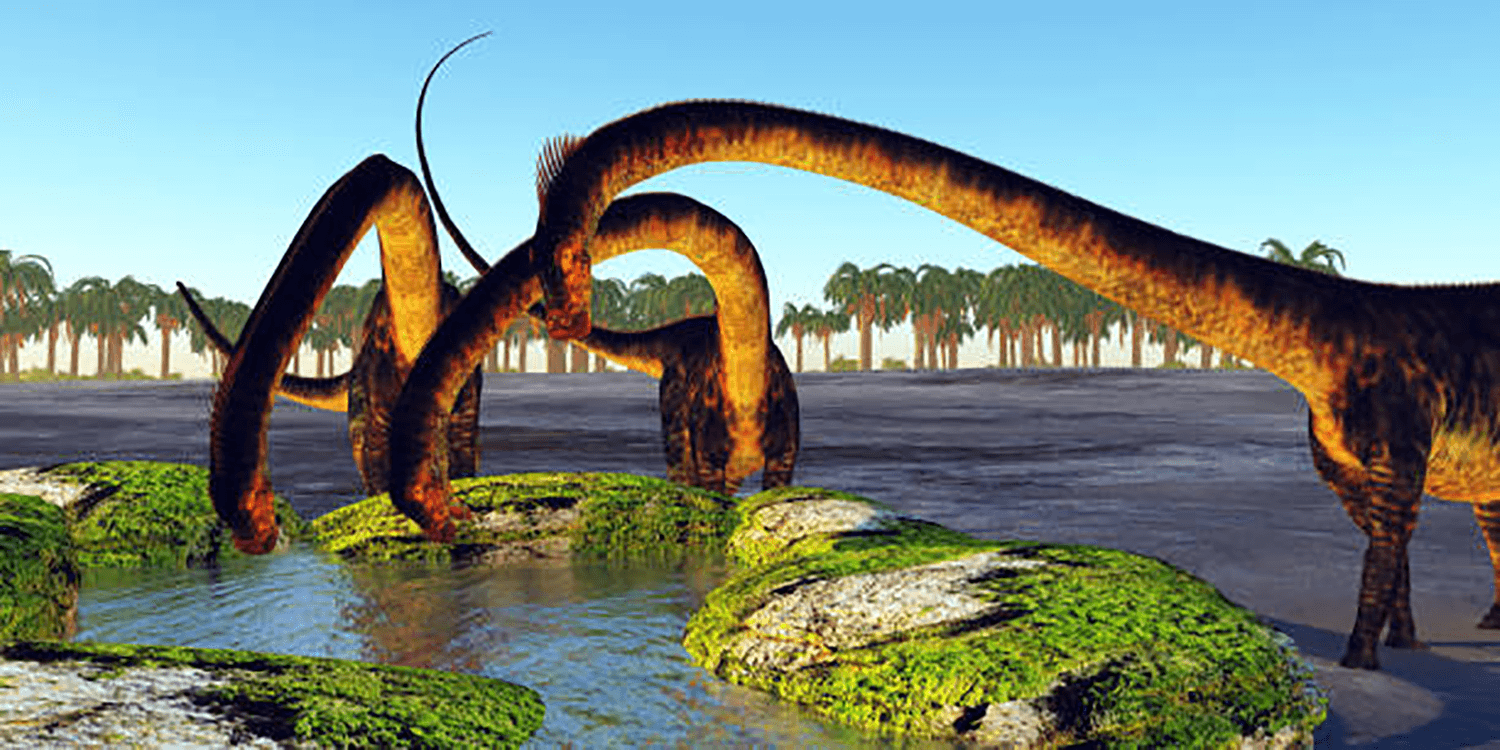
Therefore, the theory that they actually kept their necks horizontal to the ground and ate low-lying vegetation is also a strong one.
Rarity and Ecology: Herds and Parenting
A Rare Dinosaur Unique to North America
Compared to Diplodocus and others, fewer fossils have been discovered, making it a relatively rare dinosaur.
Fossils once found in Africa that were thought to be the same species have now been reclassified as a separate species called “Tornieria,” so Barosaurus is considered a species unique to North America.
Did They Not Raise Their Young?
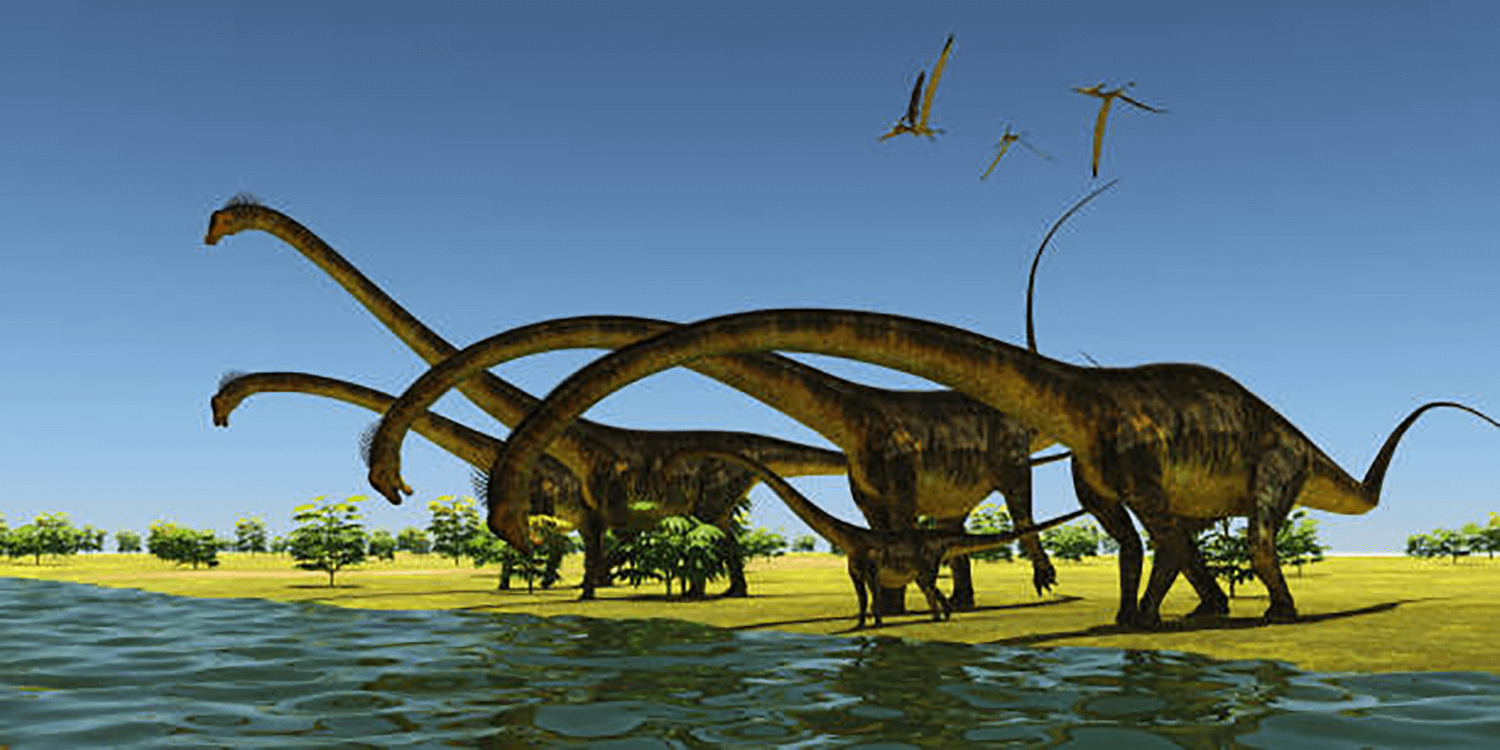
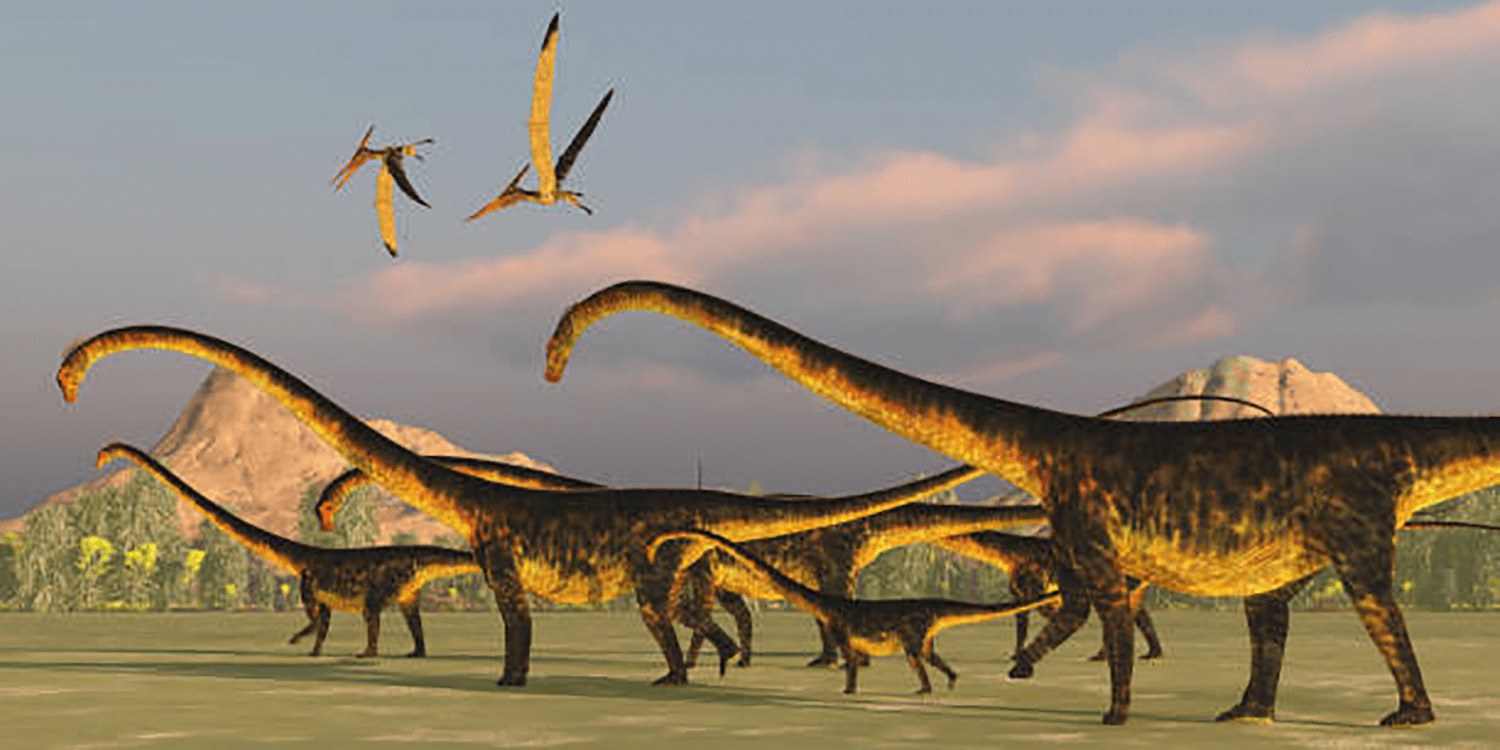
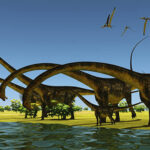
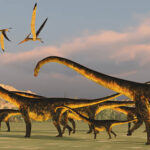
While they formed herds to protect themselves from natural enemies like Allosaurus, fossil evidence suggests that they may not have engaged in “child-rearing” (parents looking after their offspring).
The hatchlings likely had to survive on their own, and only those lucky enough to survive could grow into those massive adults.