Citipati
Name Origin
Lord of the Funeral Pyre
Family
Oviraptoridae
Classification
Diapsida, Saurischia, Theropoda
Habitat (Discovery Location)
Mongolia
Period
Approximately 83–70 million years ago (Late Cretaceous)
Length
Approximately 3 meters
Weight
Approximately 25–36 kg
Diet
Omnivore
You might also like... 

-
 Dryosaurus
- Classification
- Ornithopoda
- Characteristics
- Herbivorous
- Era
- Jurassic period
-
 Fabrosaurus
- Classification
- Ornithischia
- Characteristics
- Herbivorous
- Era
- Jurassic period
- Giganotosaurus
- Classification
- Theropods
- Characteristics
- Carnivorous
- Era
- Cretaceous period
- Alamosaurus
- Classification
- Sauropods
- Characteristics
- Herbivorous
- Era
- Cretaceous period
-
Sponsored Links
-
Sponsored Links











Description
A certain theropod dinosaur was discovered in the Djadokhta Formation of the Gobi Desert in Mongolia.
Possessing a terrifying name that means “Lord of the Funeral Pyre” in Sanskrit, its fossils convey a “deep affection” that links them to modern birds.
The dinosaur’s name is “Citipati.”
We will explain the true nature of Citipati, which was once known worldwide as “Oviraptor,” its surprising ecology of protecting its eggs by spreading its wings, and the mystery of “another dinosaur” found inside its nest.
Was the Real Identity of “Oviraptor” Actually Citipati?
Even if the name Citipati doesn’t ring a bell, you may have seen “a reconstruction of Oviraptor brooding eggs on a nest.”
In fact, the model for that famous reconstruction is actually Citipati.
Discovery and Misunderstanding in the 1990s
In the 1990s, fossils of an oviraptorosaur in a posture covering a nest were discovered in Mongolia.
Fossils of babies were also found inside the eggs, making it famous as a “gentle dinosaur that broods its eggs.”
At the time, this fossil was thought to be a “species of Oviraptor” and was widely introduced as such.
Reclassification in 2001
However, detailed research in 2001 gave this dinosaur the new scientific name “Citipati osmolskae.”
This revealed the following facts:
Many of the famous specimens once thought to be Oviraptor are now reclassified as Citipati.
The Name “Lord of the Funeral Pyre” and a Bird-like Appearance
Origin of the Name
The scientific name Citipati means “Lord of the Funeral Pyre” in Sanskrit.
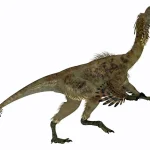
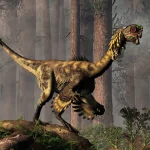
Although it is a somewhat terrifying name, its appearance was very bird-like.
Features of the Beak and Crest
Belonging to the oviraptorosaurs, Citipati was one of the largest dinosaurs in the group until the discovery of Gigantoraptor.
Feathers
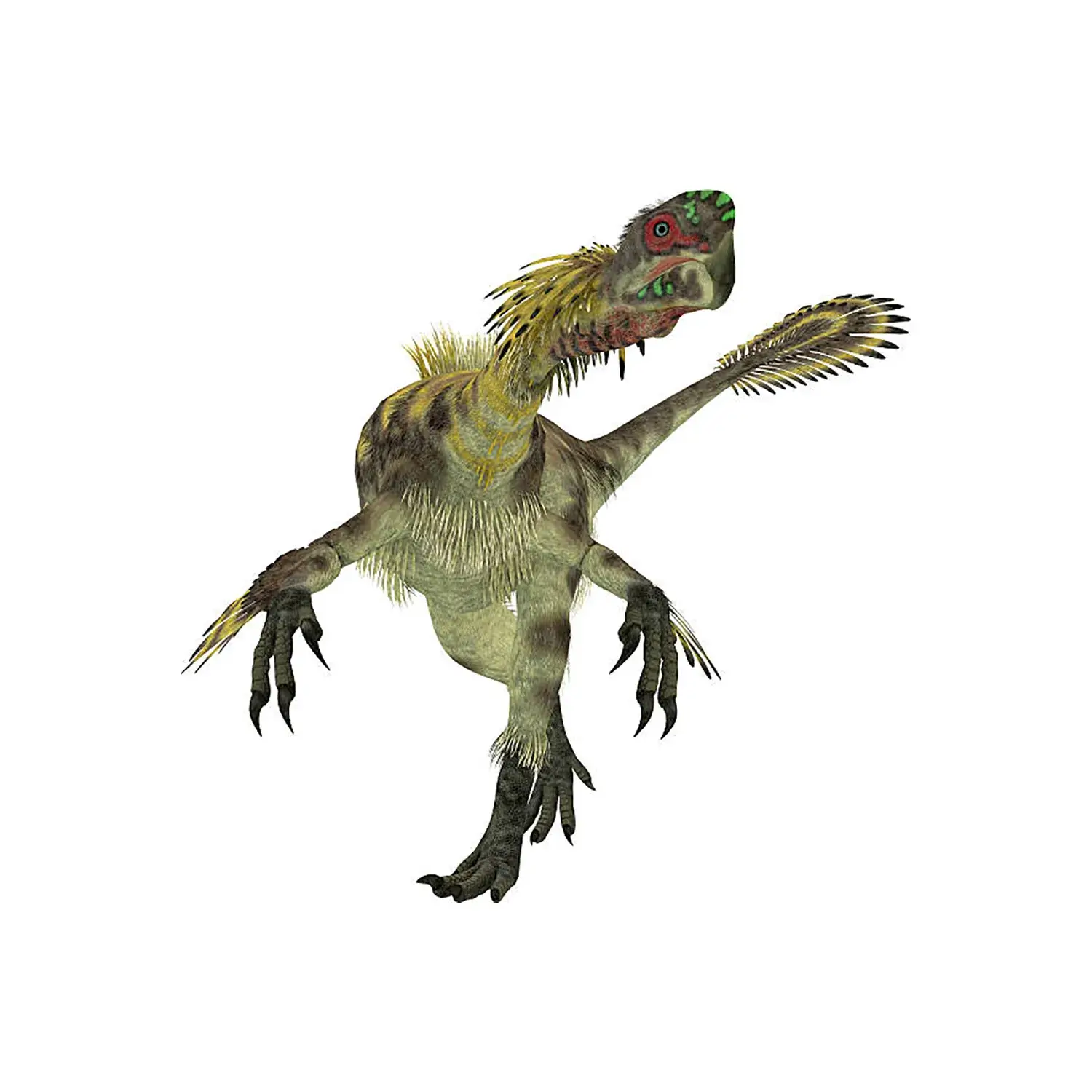
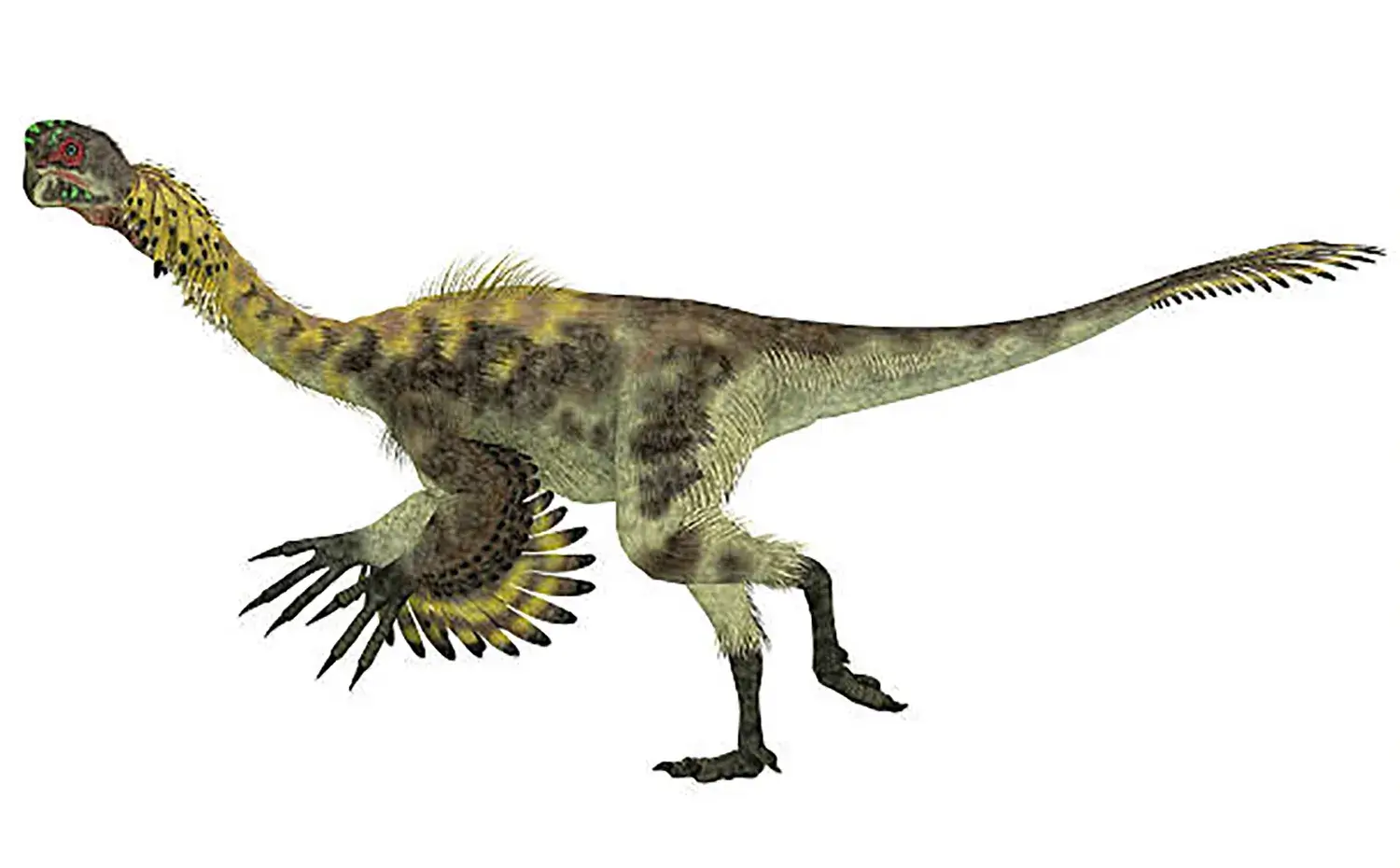
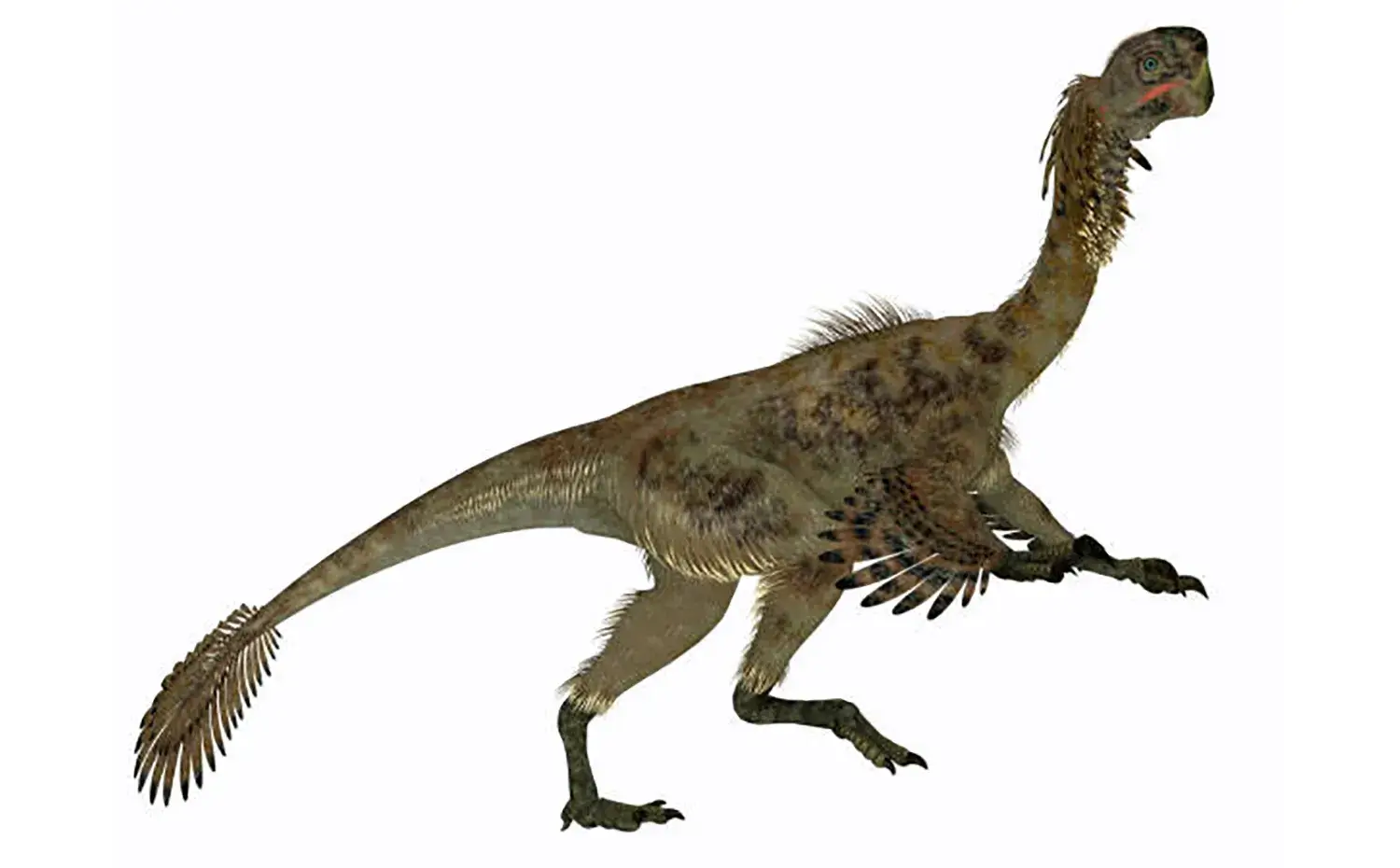
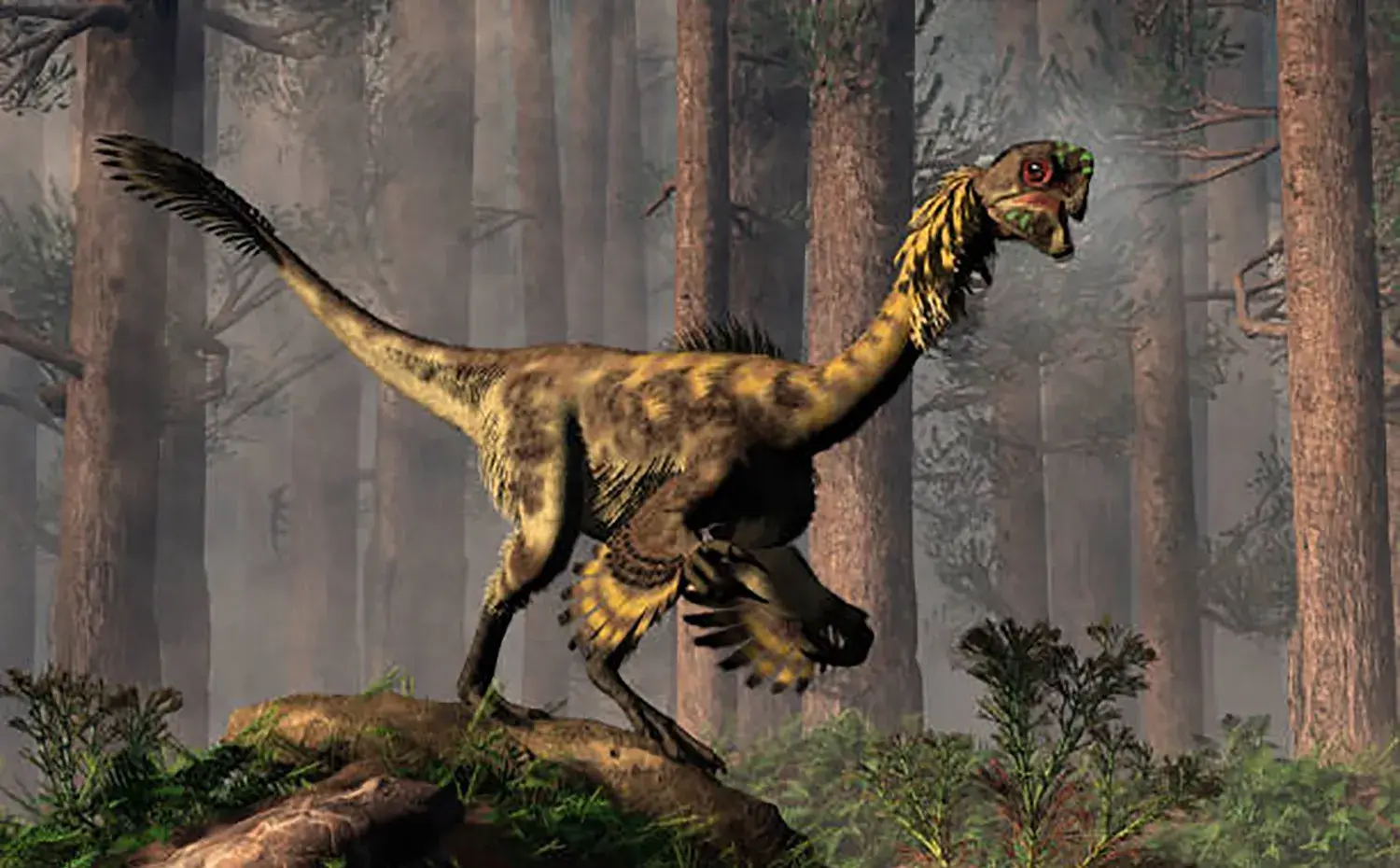
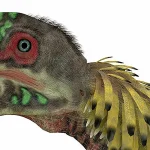
The body was covered in short, fibrous, primitive feathers that maintained body temperature.
Crest
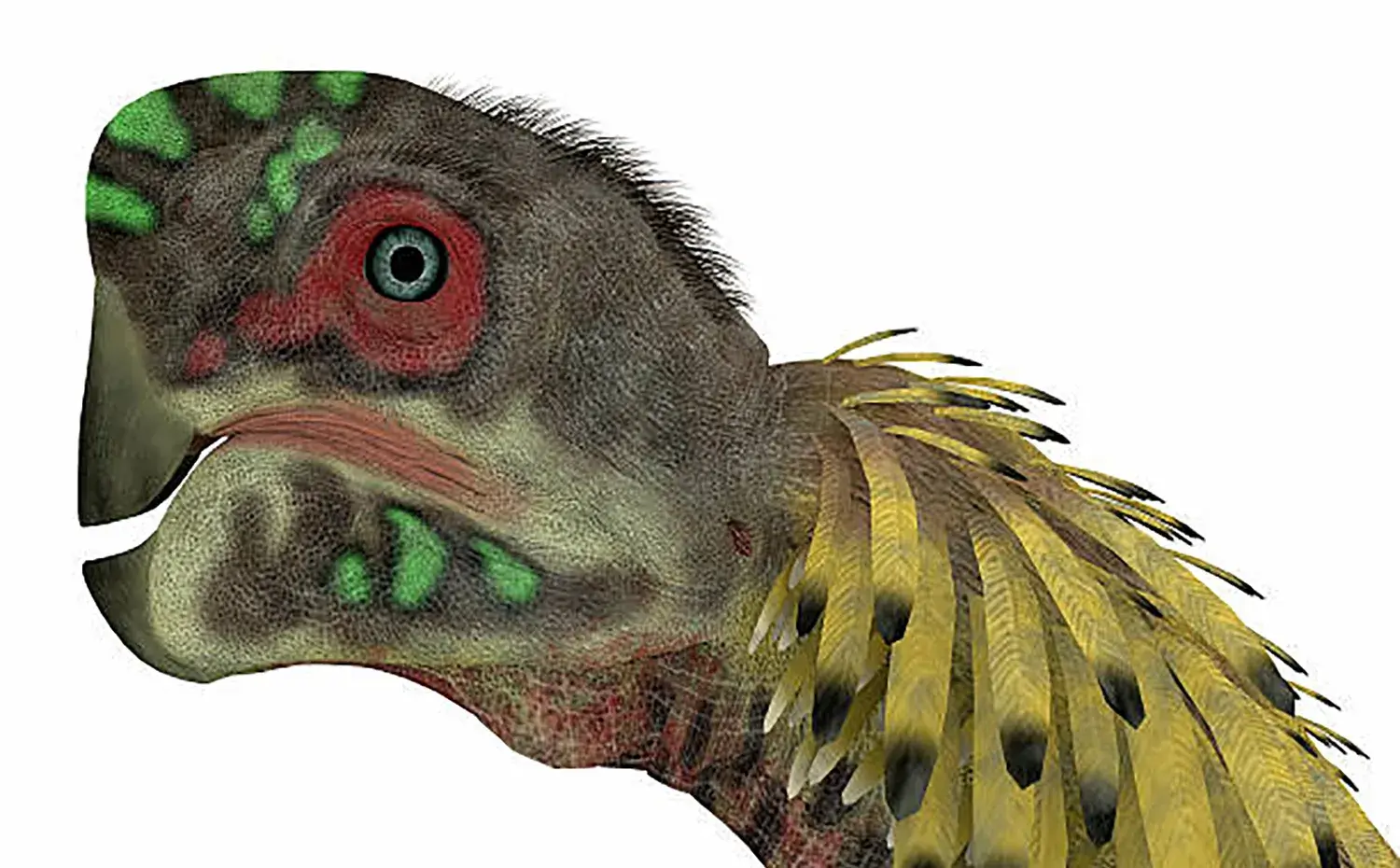
The head had a crest similar to that of a hornbill or cassowary, and it is speculated that it was brightly colored in living individuals and used for display.
Beak
It had no teeth but possessed a sturdy, short beak.
It possessed a sturdy, short beak
“Brooding” Revealed by Fossils: Evidence of Evolution into Birds
Citipati’s greatest characteristic is its “brooding style.”
Fossils have been found sitting on top of their nests with their forelimbs and hindlimbs folded.
Wrapping Eggs with Wings
Of particular note is the “posture covering eggs with spread forelimbs.”
This suggests that they spread the long flight feathers on their arms to wrap around the eggs, protecting them from the elements and keeping them warm.
The behavior of spreading wings to warm eggs is a characteristic seen only in modern birds, serving as strong evidence that Citipati had behavioral patterns very close to birds.
*The eggs were large, with a major axis of about 18 cm.
Additionally, oviraptorosaur eggshell fossils have also been found in Tamba City, Hyogo Prefecture, Japan, indicating that this group was distributed over a wide area.
The Mystery of Diet and “Foreign Objects” in the Nest
Egg Thief? Or Omnivore?
There is no clear conclusion regarding Citipati’s diet.
Although they belong to a group named “egg thieves” (Oviraptoridae), there is no evidence that they regularly ate eggs.
They may have used their powerful beaks to crack eggs, or they may have been omnivores eating plants and small animals.
A Stranger’s Baby in the Nest…
Mysteriously, fossils of two “theropod babies that are not Citipati” were found in a Citipati nest in Mongolia.
There are two theories for this:
Food Theory
The parents brought them back as food to feed their own children.
Brood Parasitism Theory
Like a cuckoo, another dinosaur laid its eggs in the Citipati nest.
Contrary to the name “Lord of the Funeral Pyre,” Citipati gently embraced its eggs with wing-like arms, trying to sustain life in the harsh desert environment.
Its fossils tell the story of the evolution from dinosaurs to birds and the affection of ancient parents.