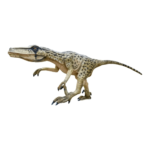
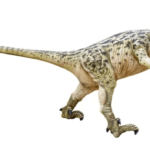
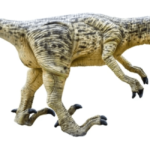
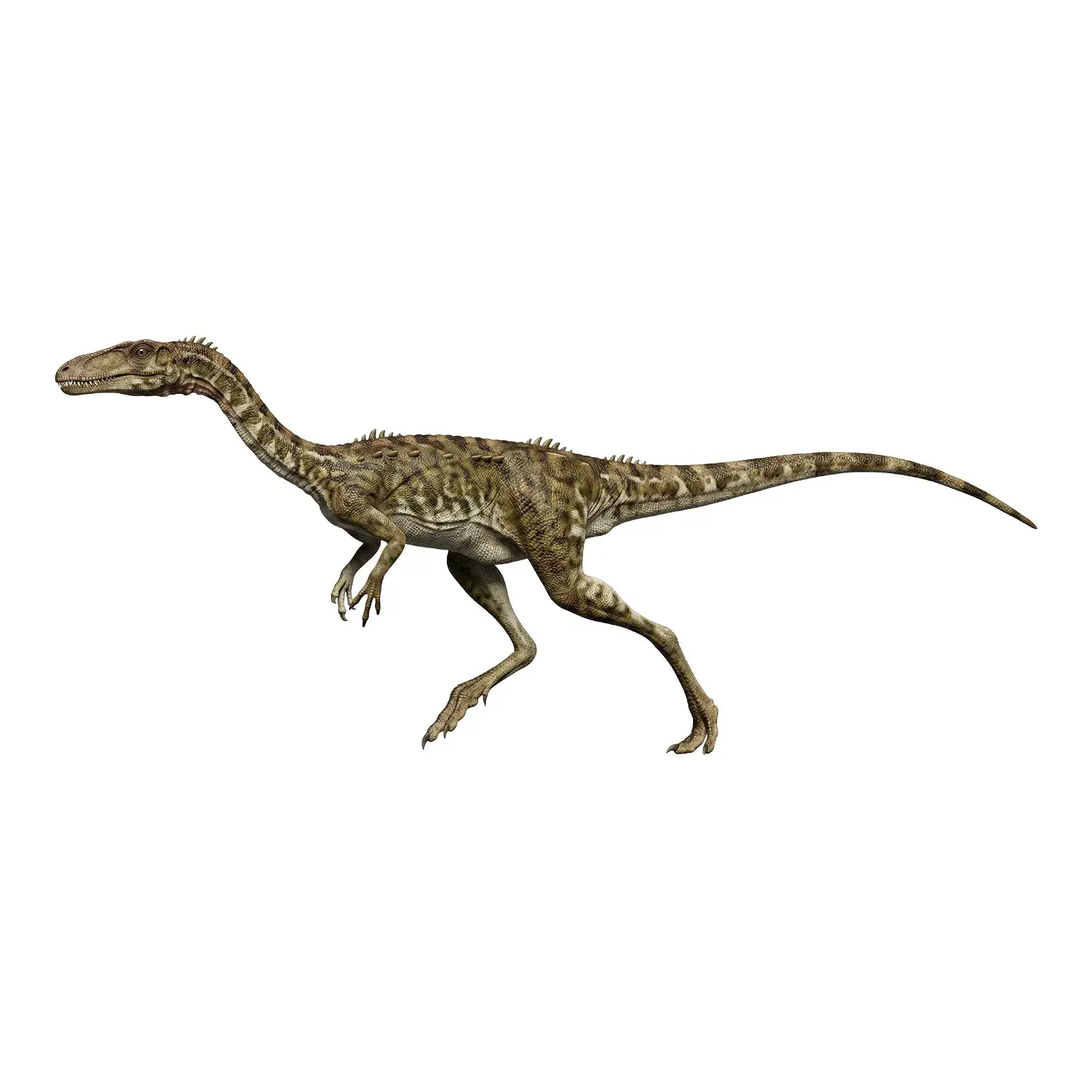
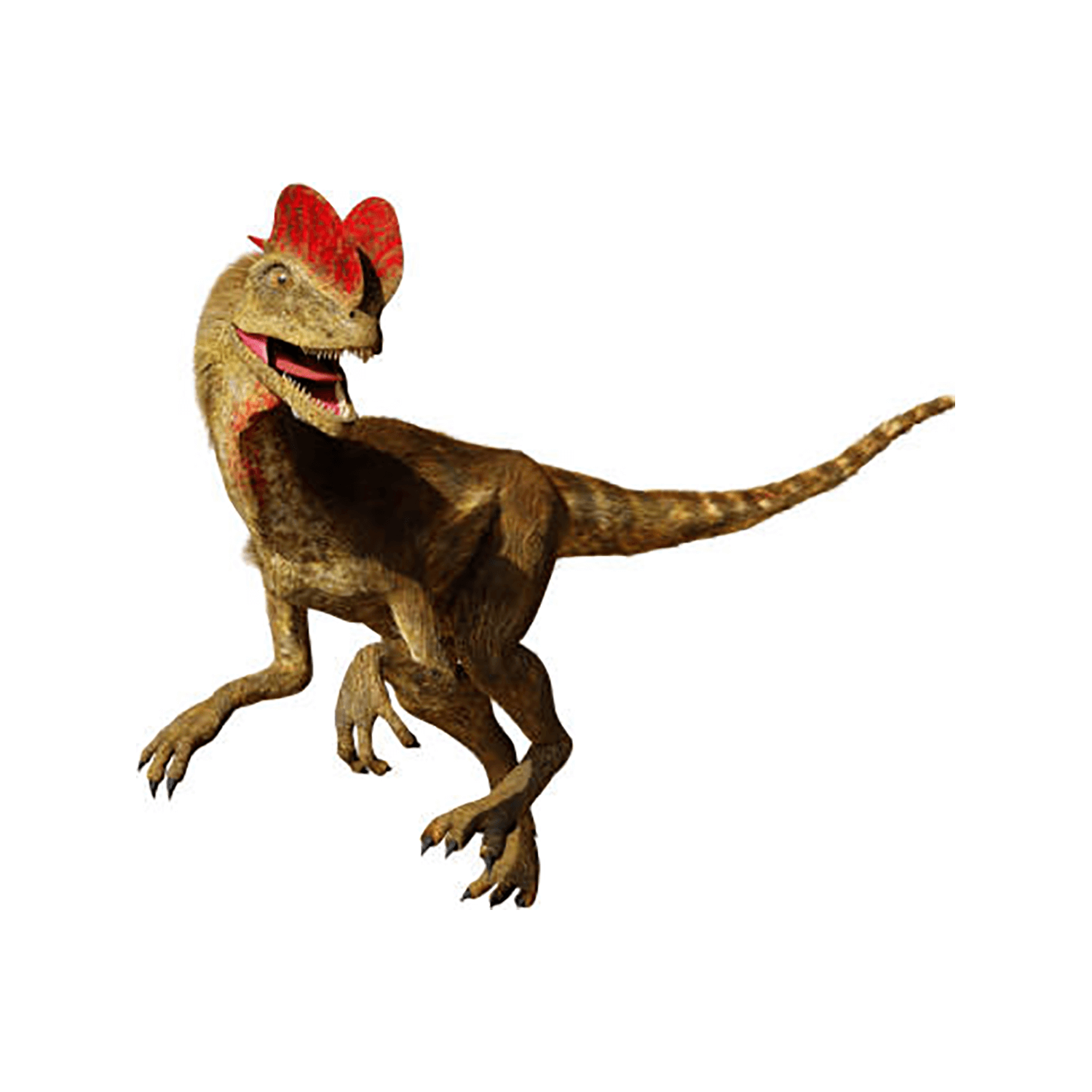
Dromaeosaurus
Name Origin
Running Lizard
Family
Dromaeosauridae
Classification
Diapsida, Saurischia, Theropoda
Habitat (Discovery Location)
United States, Canada
Period
Approximately 76.5–74.8 million years ago (Late Cretaceous)
Length
Approximately 2 meters
Weight
Approximately 15 kg
Diet
Carnivore (Meat-eater)
You might also like... 

-
 Pliosaurus
- Classification
- Marine reptiles
- Characteristics
- Carnivorous
- Era
- Jurassic period
- Ajancingenia
- Classification
- Theropods
- Characteristics
- Carnivorous
- Herbivorous
- Omnivorous
- Era
- Cretaceous period
- Anchisaurus
- Classification
- Sauropods
- Characteristics
- Herbivorous
- Era
- Jurassic period
- Parasaurolophus
- Classification
- Ornithopoda
- Characteristics
- Herbivorous
- Era
- Cretaceous period
-
Sponsored Links
-
Sponsored Links



![[Latest Research] What Was the Function of Spinosaurus's Giant "Sail"? Exploring the Mysteries of Thermoregulation and Underwater Locomotion](https://dinosaurmuseum.jp/wp/wp-content/uploads/eyecatch_spinosaurus-sail-function_en-1024x512.webp)
![[Latest Discovery] A Third Type of Skin, Neither Scales Nor Feathers? Meet "Haolong dongi," a New Dinosaur Species Covered Entirely in Spikes](https://dinosaurmuseum.jp/wp/wp-content/uploads/eyecatch_dinosaur-spiky-skin-discovery_en-1024x512.webp)
Description
The “Raptors” (Dromaeosauridae) became famous through the movie Jurassic Park.
While agile movements and sharp claws are their trademarks, the dinosaur that served as the original namesake for this family possessed a ferocious and unique trait not found in other raptors.
That is “astonishing jaw power capable of crushing even bone.”
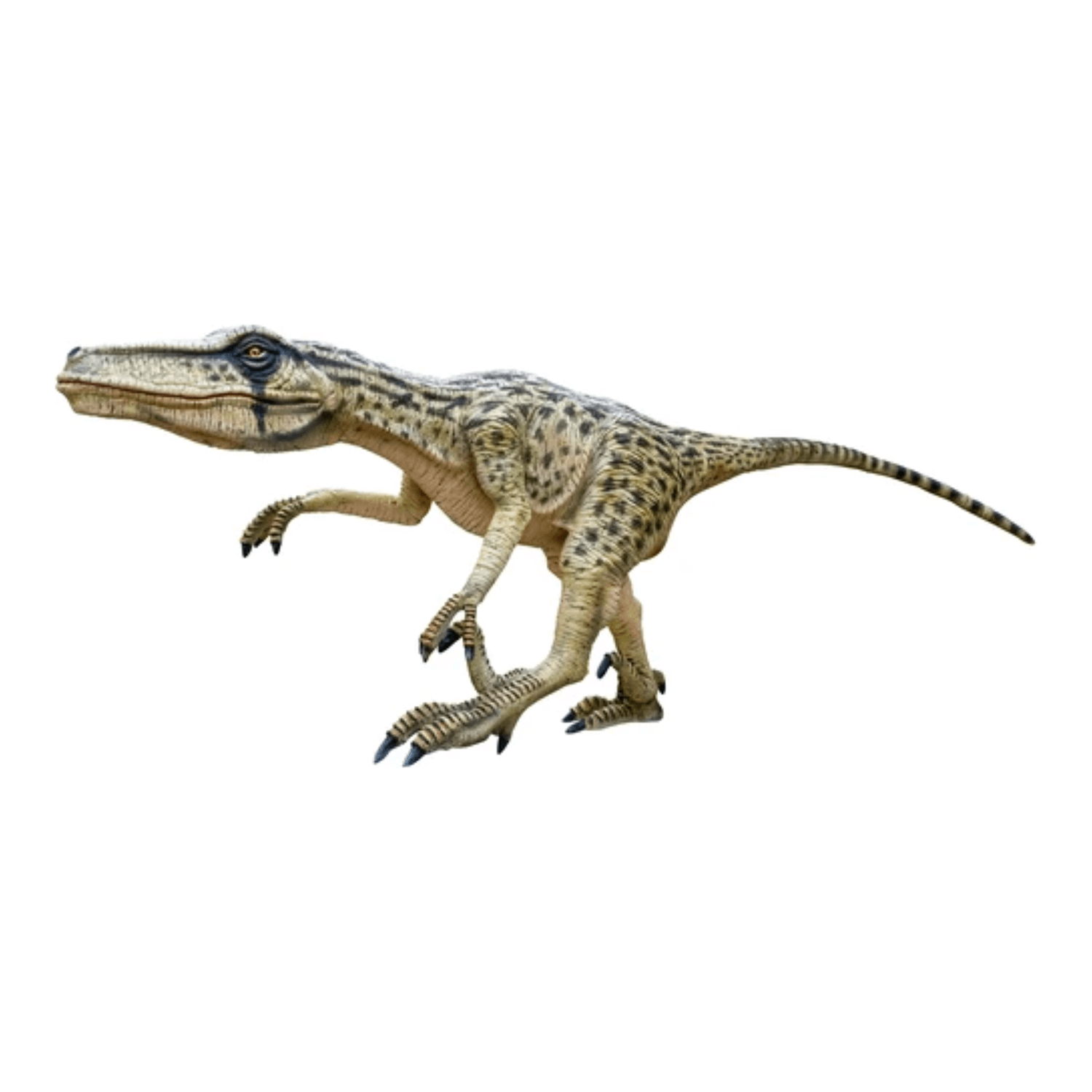
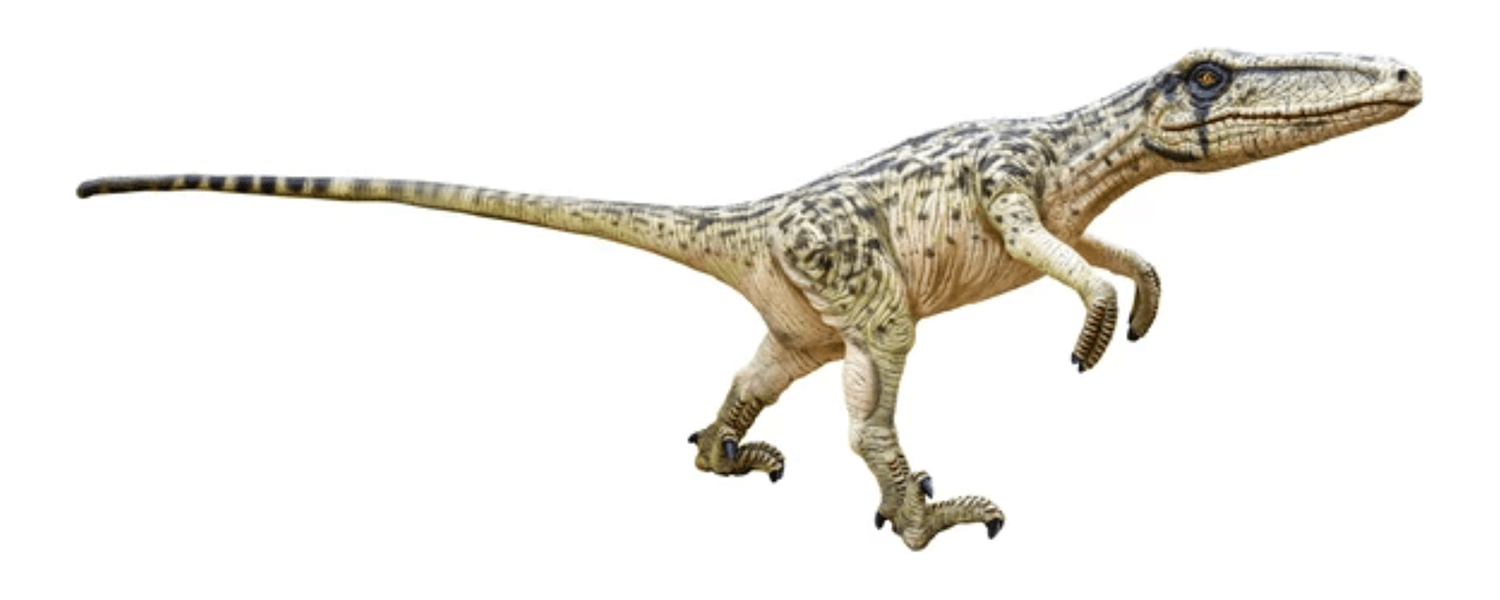
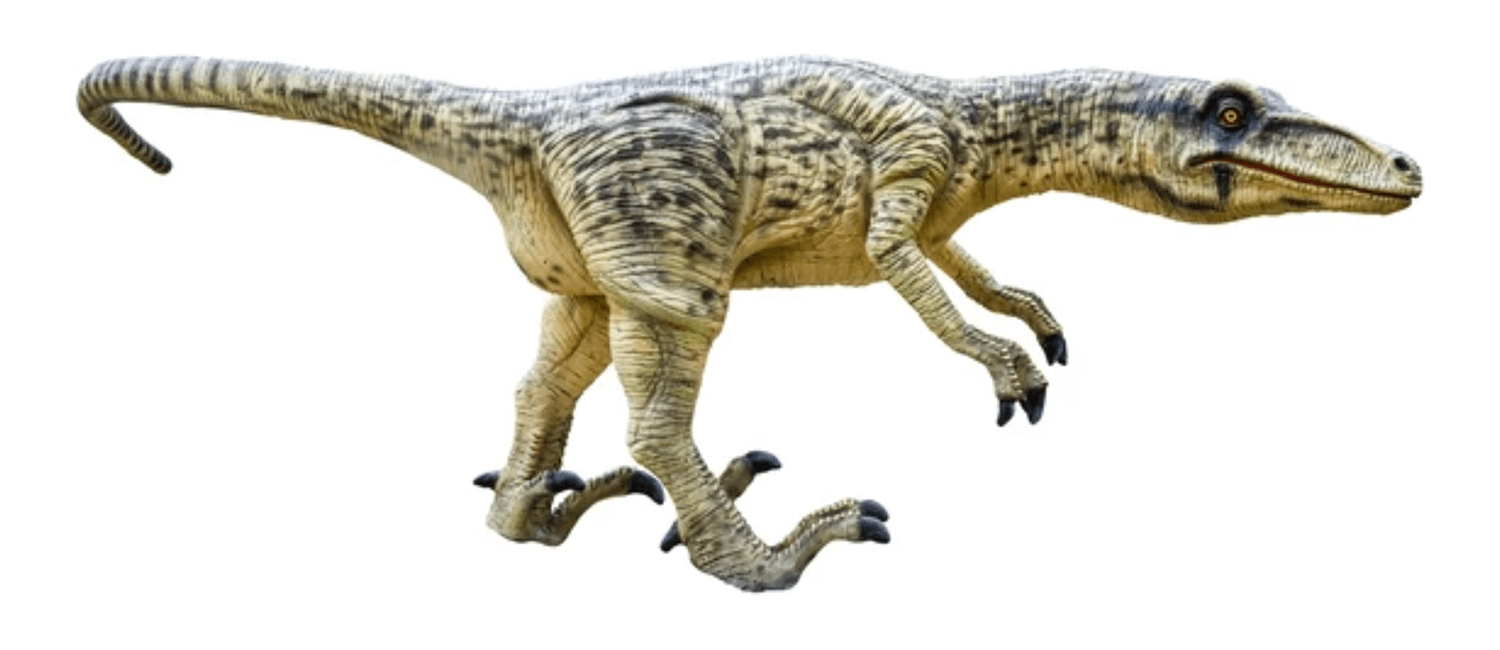
We introduce “Dromaeosaurus,” a maverick hunter related to Velociraptor and Deinonychus, but specialized in “crushing” rather than slashing.
“Running Lizard of Alberta”: Discovery and Naming
Dromaeosaurus lived on the North American continent during the Late Cretaceous period (approximately 76 million years ago).
It was discovered in 1914 in Alberta, Canada—a holy ground for dinosaur fossils—by the legendary paleontologist Barnum Brown.
The Progenitor of the Family
In 1922, it was named “Dromaeosaurus albertensis,” meaning “Running Lizard of Alberta.”
This was a monumental moment that set the standard for the vast group “Dromaeosauridae,” which would later include Velociraptor.
*Currently, the only scientifically valid species is the initial type species “Dromaeosaurus albertensis.”
Relying on “Jaws” More Than Claws? The Power Fighter of the Raptor World
What decisively separates the small theropod Dromaeosaurus (approx. 2m long) from other raptors is its “skull” and “jaws.”
Bite Force Three Times That of Velociraptor
While Velociraptor possessed a slender skull, Dromaeosaurus had a short, sturdy skull.
According to a 2005 study, its biting power (bite force) is estimated to have been nearly three times that of Velociraptor.
This is an astounding figure for a dinosaur of this size.
“Crushing” Instead of “Slashing”
Its teeth were also thick, with a large, coarse shape.
While many raptors used their foot claws to slash and weaken prey, it is highly likely that they employed a powerful hunting style of “biting into prey with powerful jaws and crushing them, bones and all, to kill them.”
Cretaceous Wolf or Hyena?
Due to this powerful jaw and high intelligence, there are two leading theories about their ecology.
The “Cretaceous Wolf” Theory
Because of their large brain volume and excellent vision and sense of smell, they are often described as “Cretaceous wolves” with high intelligence.
While fiction depicts them hunting in packs, no decisive evidence of organized “packs” has been found in the fossil record.
The “Bone-Crushing Hyena” Theory
Based on the fact that fossilized teeth are heavily worn, there is a theory that they were also adapted to “scavenging” (eating carrion).
Like modern hyenas, they may have crushed the bones of carcasses left by other carnivorous dinosaurs to ingest nutrients such as bone marrow.