Giraffatitan
Name Origin
Giant Giraffe
Family
Brachiosauridae
Classification
Diapsida, Saurischia, Sauropodomorpha
Habitat (Discovery Location)
Tanzania
Period
Approximately 150 to 145 million years ago (Late Jurassic)
Length
Approximately 22 meters
Weight
Approximately 23 to 40 tons
Diet
Herbivore (Plant-eater)
You might also like... 

-
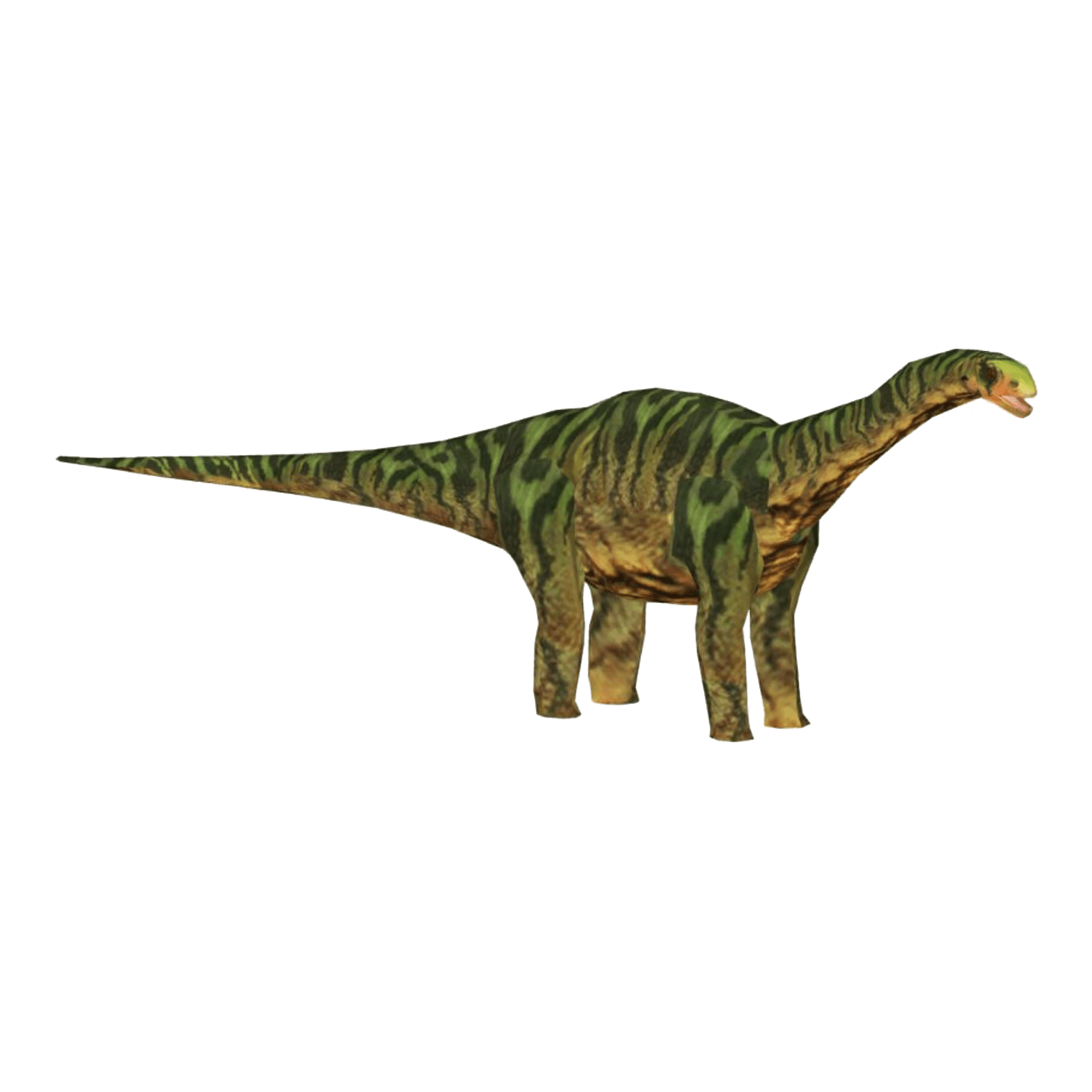
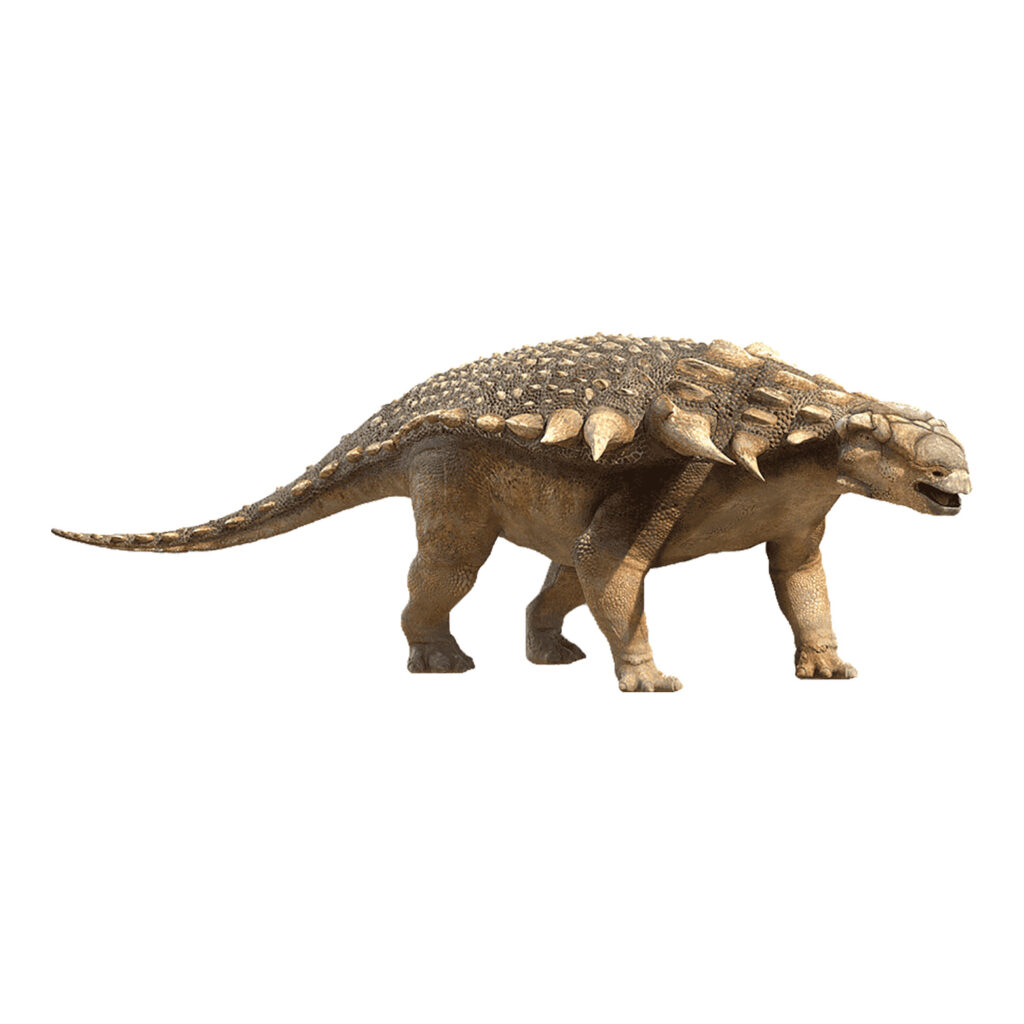
 Edmontonia
- Classification
- Thyreophora
- Characteristics
- Herbivorous
- Era
- Cretaceous period
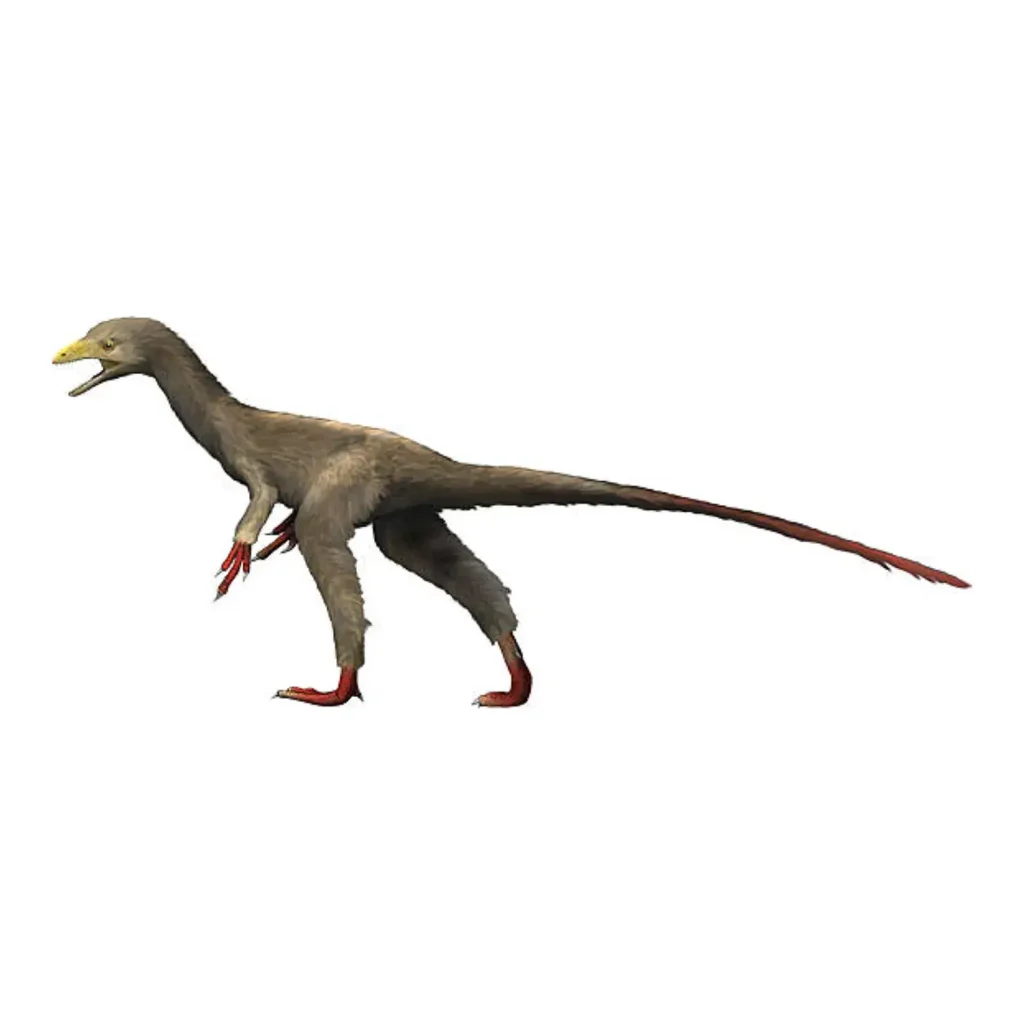
- Sinocalliopteryx
- Classification
- Theropods
- Characteristics
- Carnivorous
- Feathered
- Era
- Cretaceous period
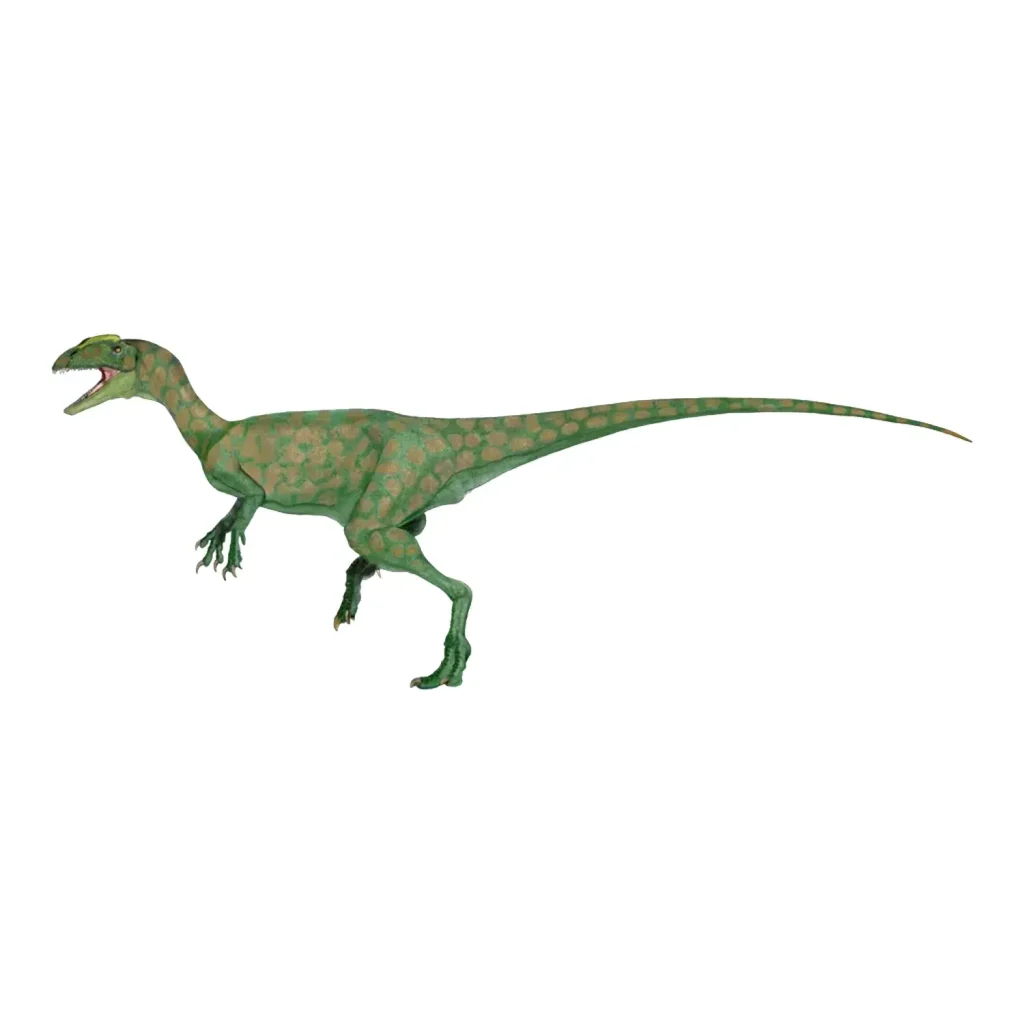
- Liliensternus
- Classification
- Theropods
- Characteristics
- Carnivorous
- Era
- Triassic period
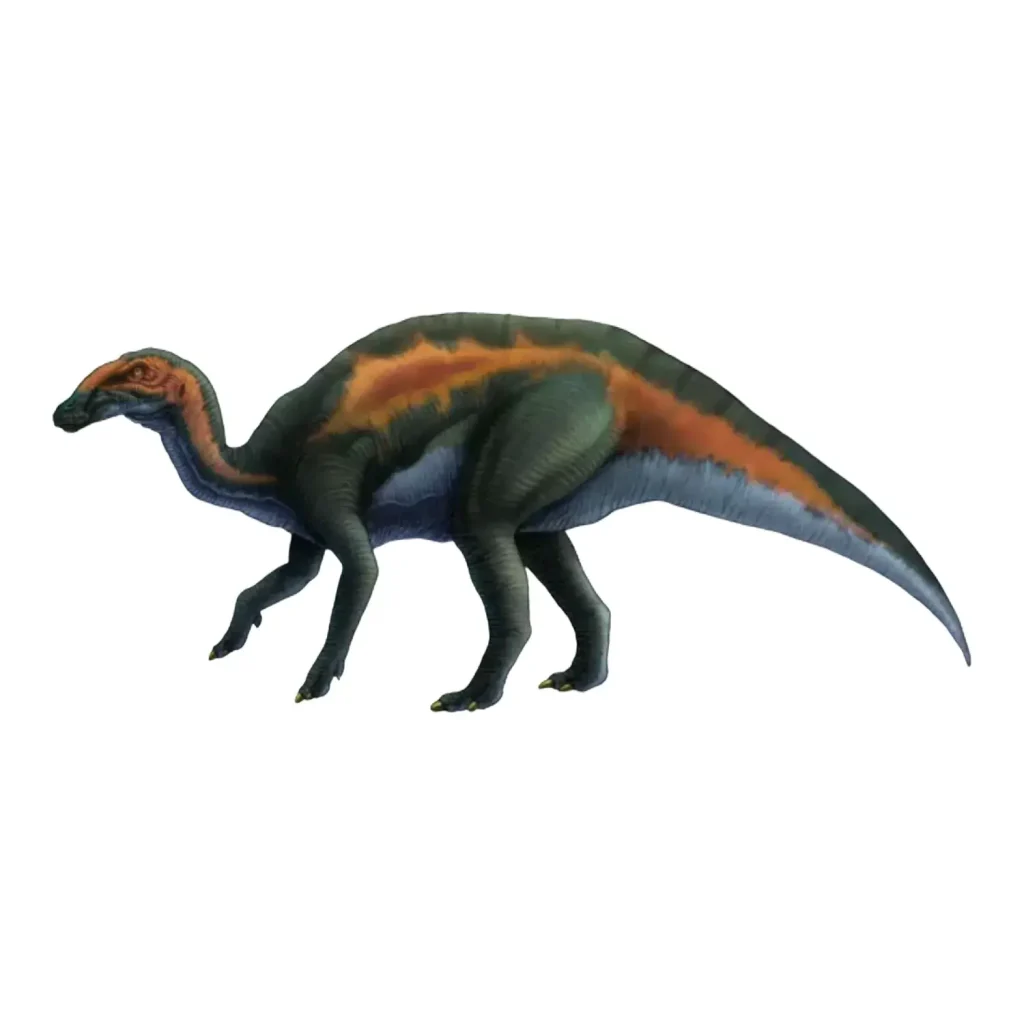
- Hadrosaurus
- Classification
- Ornithopoda
- Characteristics
- Herbivorous
- Era
- Cretaceous period
-
Sponsored Links
-
Sponsored Links



![[Latest Research] What Was the Function of Spinosaurus's Giant "Sail"? Exploring the Mysteries of Thermoregulation and Underwater Locomotion](https://dinosaurmuseum.jp/wp/wp-content/uploads/eyecatch_spinosaurus-sail-function_en-1024x512.webp)
![[Latest Discovery] A Third Type of Skin, Neither Scales Nor Feathers? Meet "Haolong dongi," a New Dinosaur Species Covered Entirely in Spikes](https://dinosaurmuseum.jp/wp/wp-content/uploads/eyecatch_dinosaur-spiky-skin-discovery_en-1024x512.webp)
Description
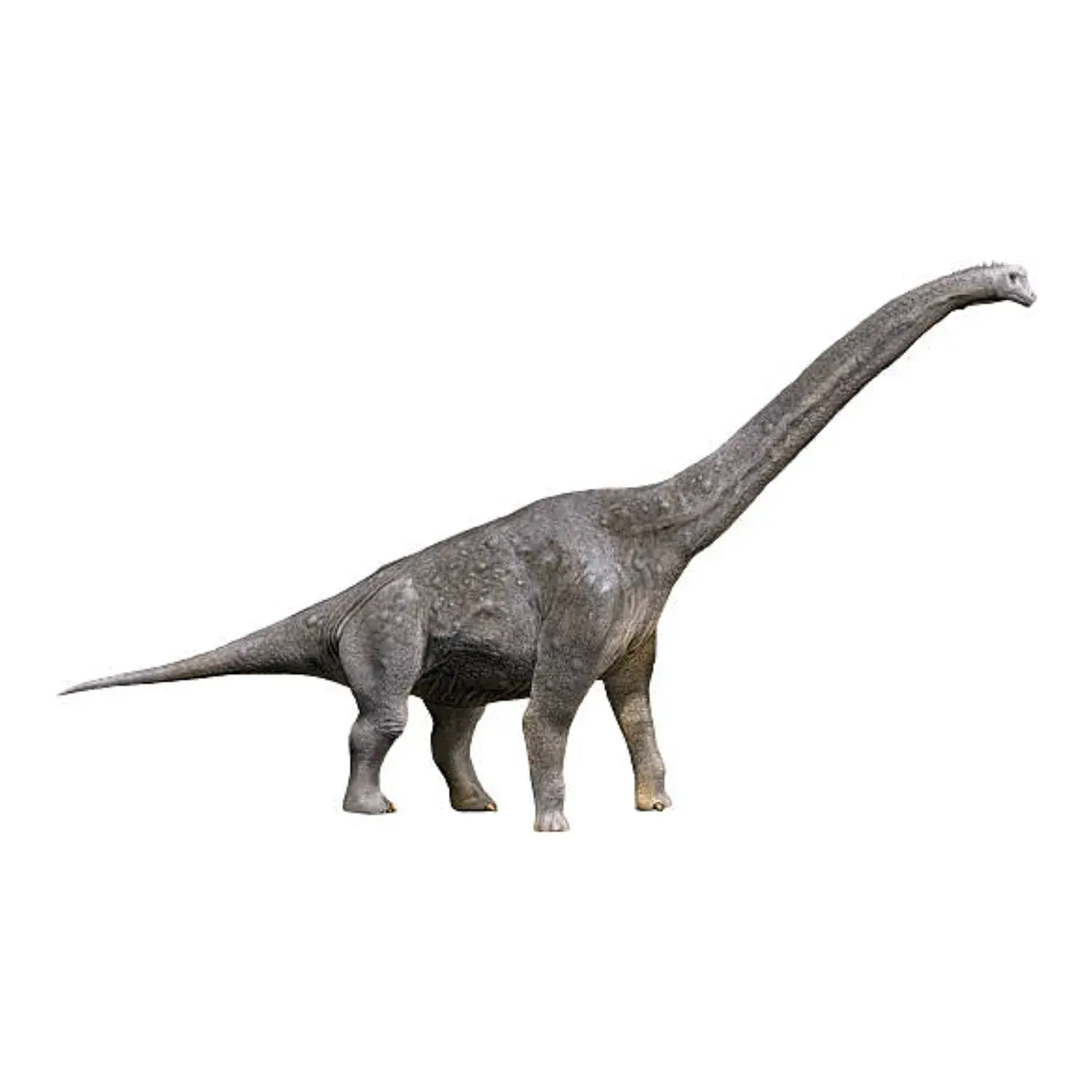
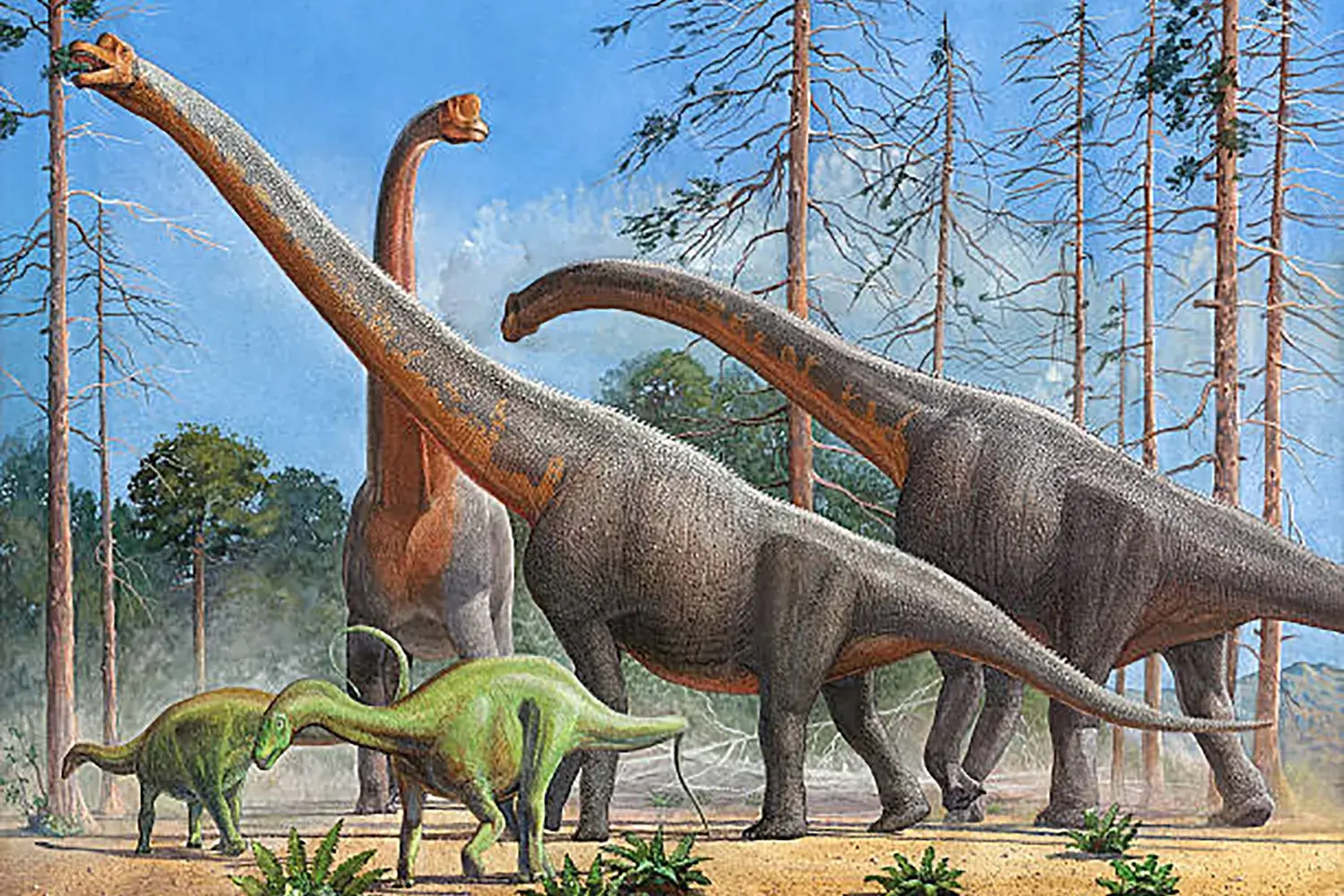
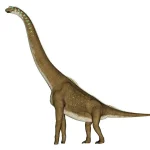
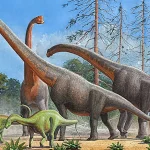
During the Late Jurassic of the Mesozoic Era, a dinosaur with a towering, massive body roamed the lands of present-day Tanzania, Africa (on the supercontinent Gondwana).
Its name is “Giraffatitan.”
The scientific name of this dinosaur translates to “giant giraffe” in Latin.
In fact, this dinosaur is a sauropodomorph with a bizarre fate: for a long time, it was confused with the incredibly famous dinosaur “Brachiosaurus.”
The True Identity of the “Brachiosaurus” Everyone Knows
Fossils of Giraffatitan were first discovered in 1906 in the Tendaguru Formation in Tanzania.
This discovery would create a long-lasting confusion within the paleontological community.
A Mirror-Image “Look-Alike”
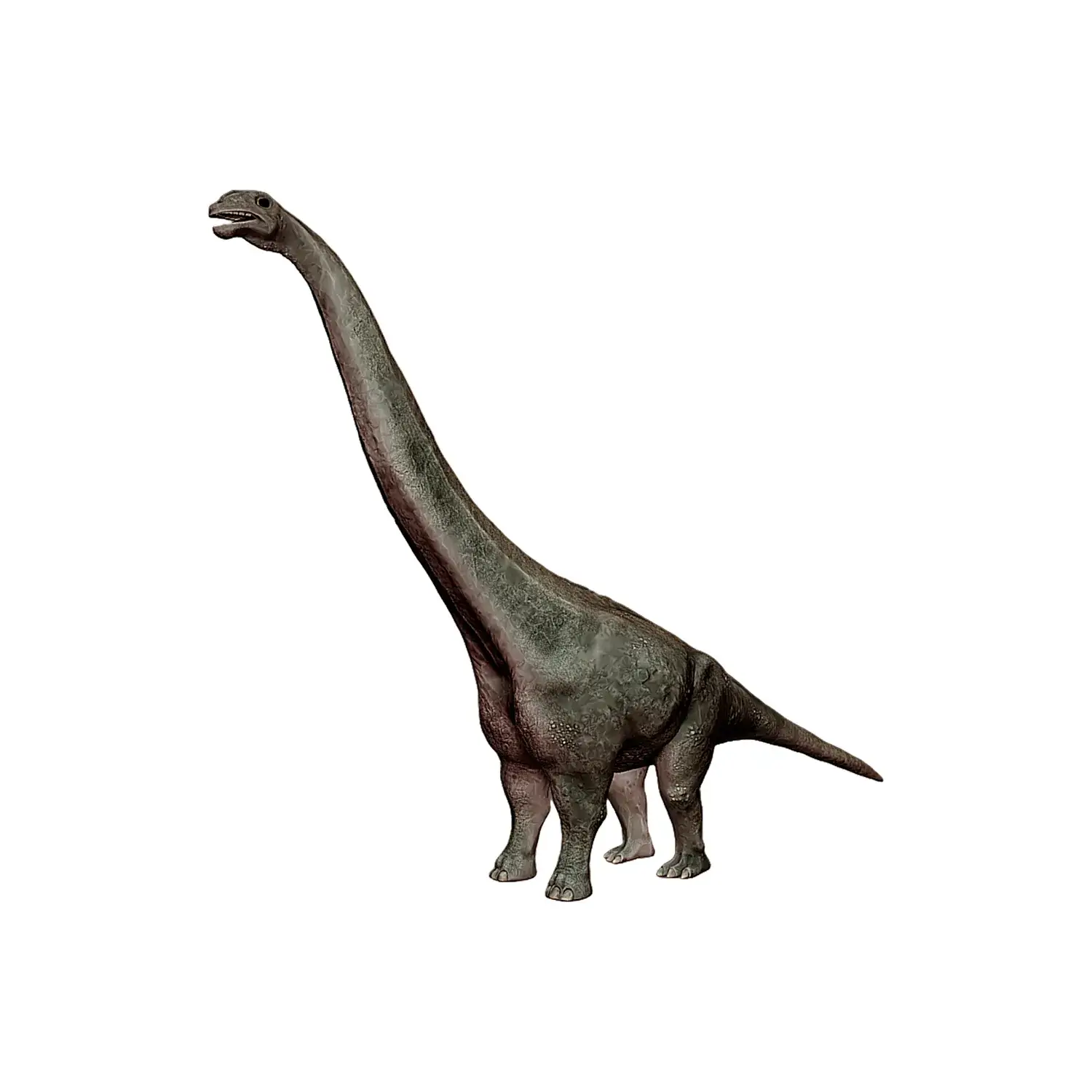
The appearance of the discovered fossils, with their “extremely long forelimbs and neck,” looked exactly like a mirror image of the “Brachiosaurus altithorax” discovered in America.
Therefore, at the time, it was determined to be a dinosaur of the same group, and was named “Brachiosaurus brancai” in honor of Professor Wilhelm von Branca, who led the excavation.
Actually, many of the reconstructions and full skeletal mounts of Brachiosaurus that were once popular in encyclopedias and museums were based on the fossils of the Brancai species (= Giraffatitan) discovered in Africa.
Breaking Away from Brachiosaurus! What Was the Decisive Difference?
For many years they were considered the same dinosaur, but with the advancement of subsequent research, it became clear that there are distinct differences between the two.
The “Large Hole” in the Skull Was the Deciding Factor
The decisive difference was seen in the skull.
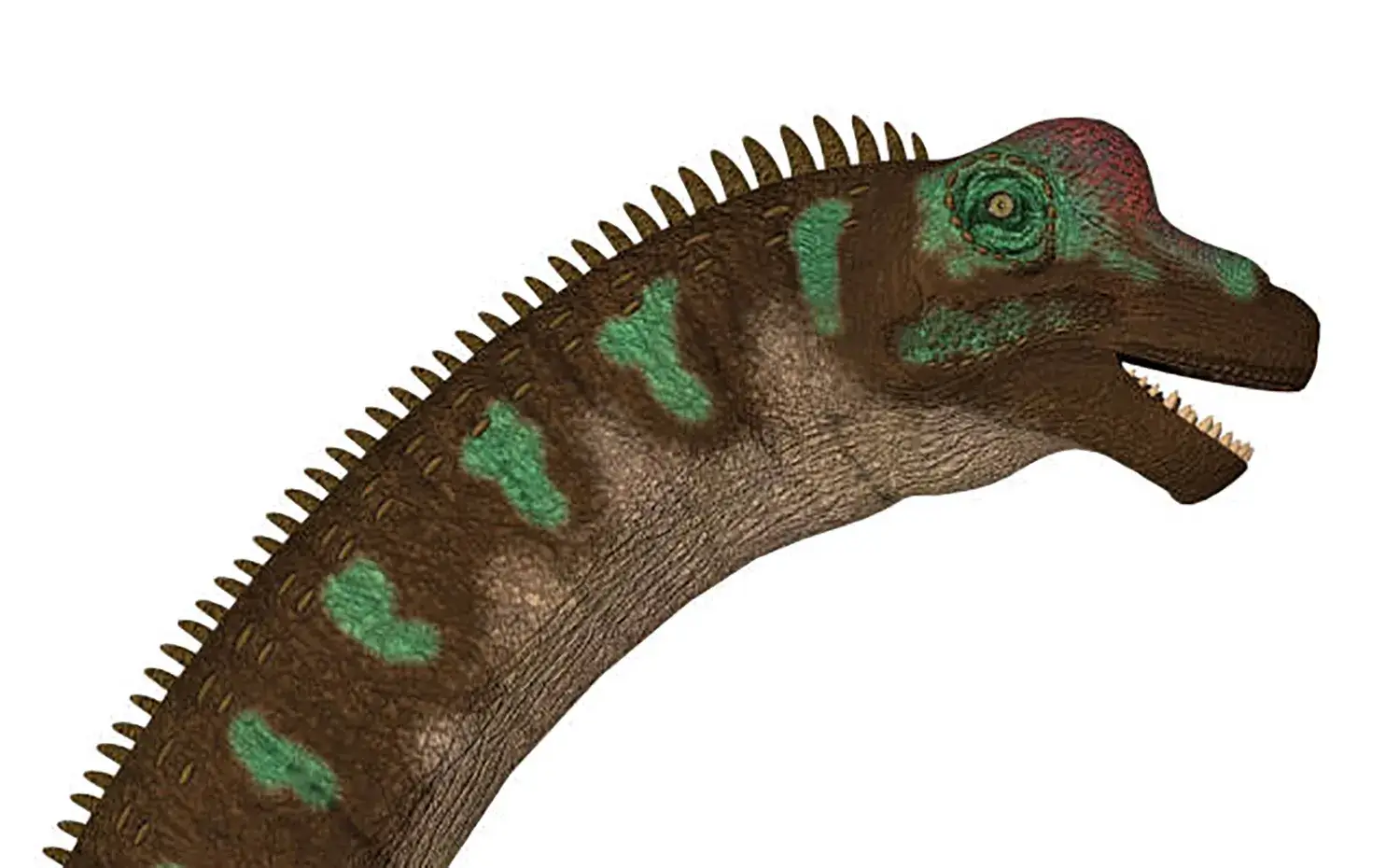
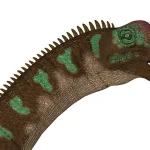
Characteristics were confirmed, such as the large hole at the top of Giraffatitan’s head (the nasal opening present in many sauropodomorphs) being larger than that of the American Brachiosaurus.
Due to these differences, they are now treated as separate genera, and the species discovered in Tanzania was officially renamed and gained its independence as “Giraffatitan brancai.”
Named “Giant Giraffe”! One of Africa’s Largest Physiques
Belonging to the Brachiosauridae family of the clade Macronaria, many well-preserved bones of Giraffatitan have been found, revealing its full picture in detail.
Total Length and Physique
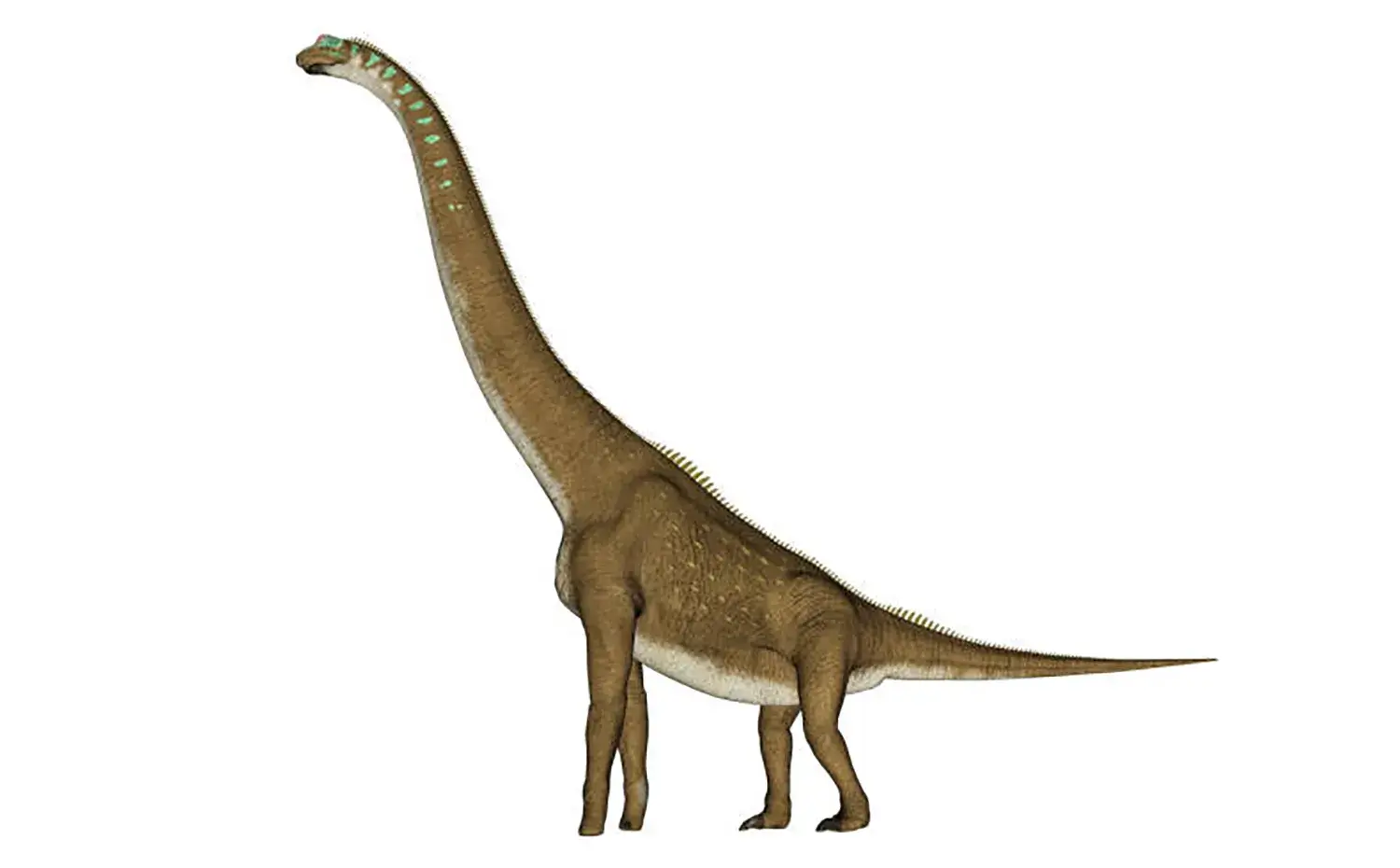
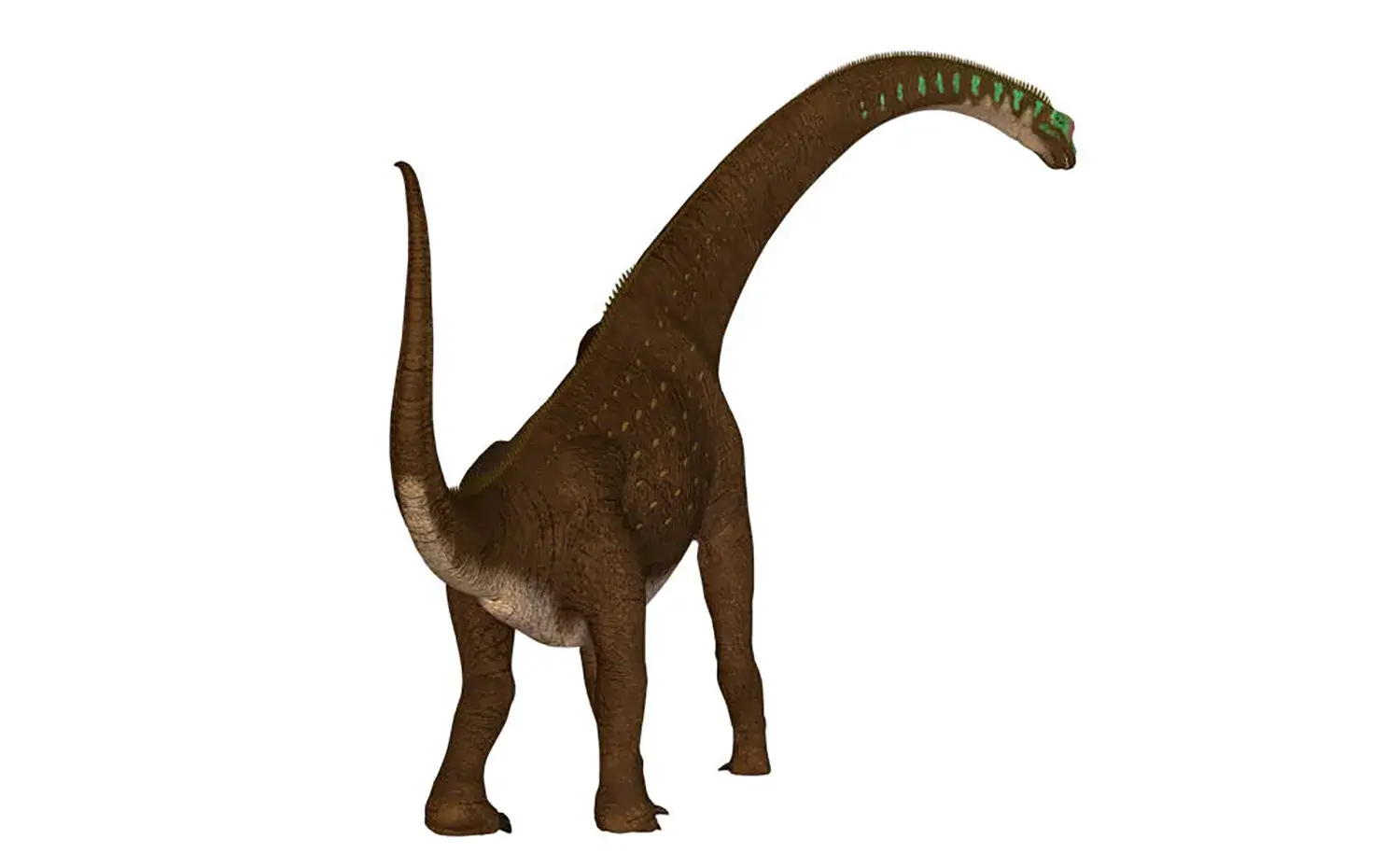
Its total length was about 22 meters.
Until the discovery of a dinosaur named Paralititan later on, it was considered the largest dinosaur in Africa.
A Giraffe-like Silhouette
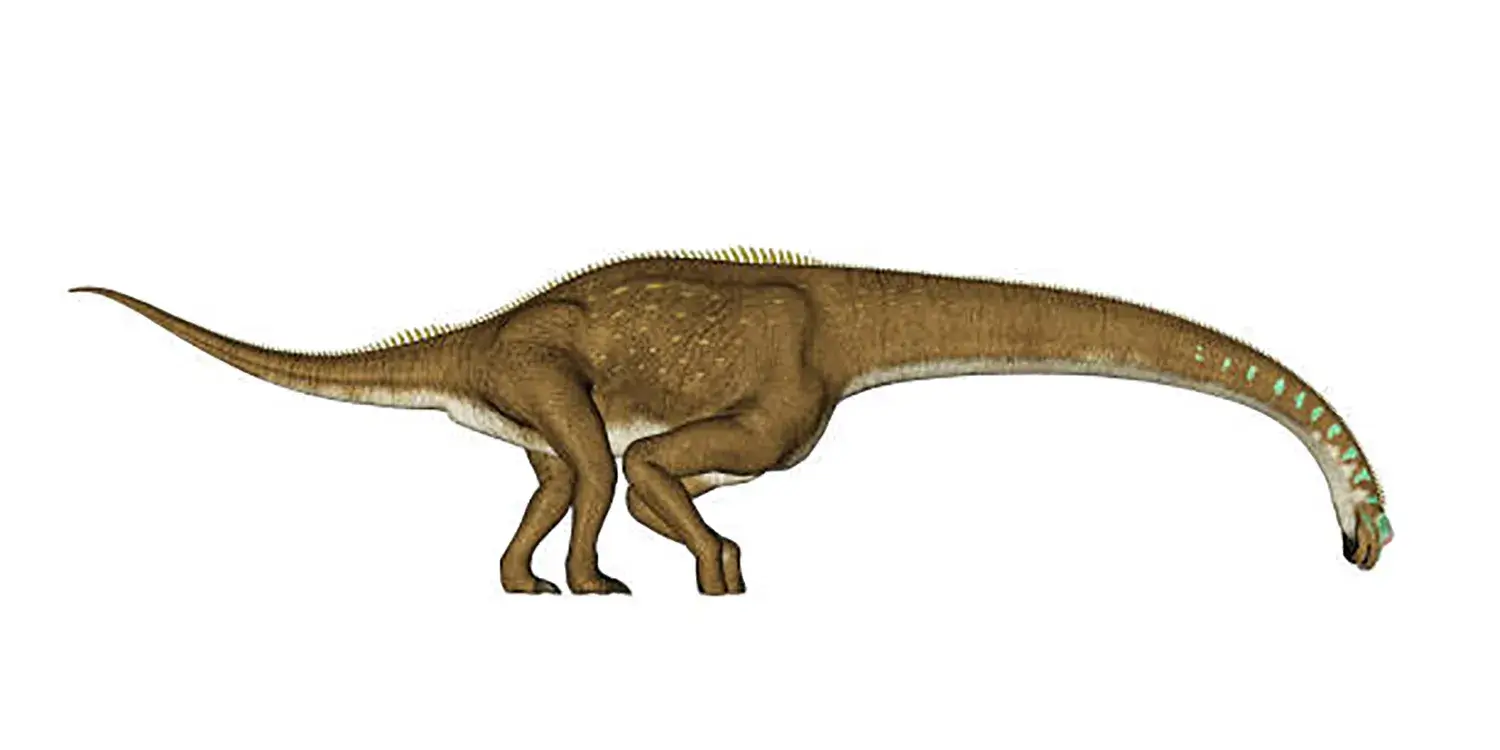
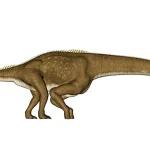
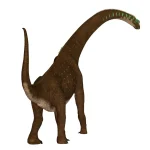
Its forelimbs were longer than its hind limbs, giving it a back line that sloped downwards from shoulder to hip, along with an extremely long neck.
Its forelimbs were longer than its hind limbs, giving it a back line that sloped downwards from shoulder to hip, along with an extremely long neck.
This body shape is the origin of the scientific name “giant giraffe.”
Teeth for Eating Plants
Flat, spatula-shaped teeth grew in its mouth, making it suited to firmly bite off the hard conifer leaves of the time.
Flat, spatula-shaped teeth grew in its mouth
Fossils Proving the Shape of the “Jurassic Continents”
The existence of Giraffatitan provides important clues not only about the appearance of giant dinosaurs but also about understanding the global environment of the time.
During the Late Jurassic, the African continent was part of the giant “Gondwana supercontinent.”
Interestingly, very similar dinosaurs of the Brachiosauridae family have been confirmed in various parts of the world now widely separated by oceans.
The fact that identical-looking dinosaurs lived in far-flung locations serves as strong evidence supporting the possibility that the continents were not separated but connected by land during the Jurassic period.
Summary
Although Giraffatitan was hidden in the shadow of the great name “Brachiosaurus” for many years, its magnificent fossils have become an important foundation for sauropodomorph research.
Having parted ways with its American relative and become independent as the “giant giraffe,” they are undisputedly one of the main stars boasted by the Jurassic African continent.