
Hylaeosaurus
Name Origin
Forest Lizard
Classification
Diapsida, Ornithischia, Thyreophora
Habitat (Discovery Location)
United Kingdom
Period
Approximately 140 million years ago (Early Cretaceous)
Length
Approximately 4 to 6 meters
Weight
Approximately 2 tons
Diet
Herbivore (Plant-eater)
You might also like... 

-
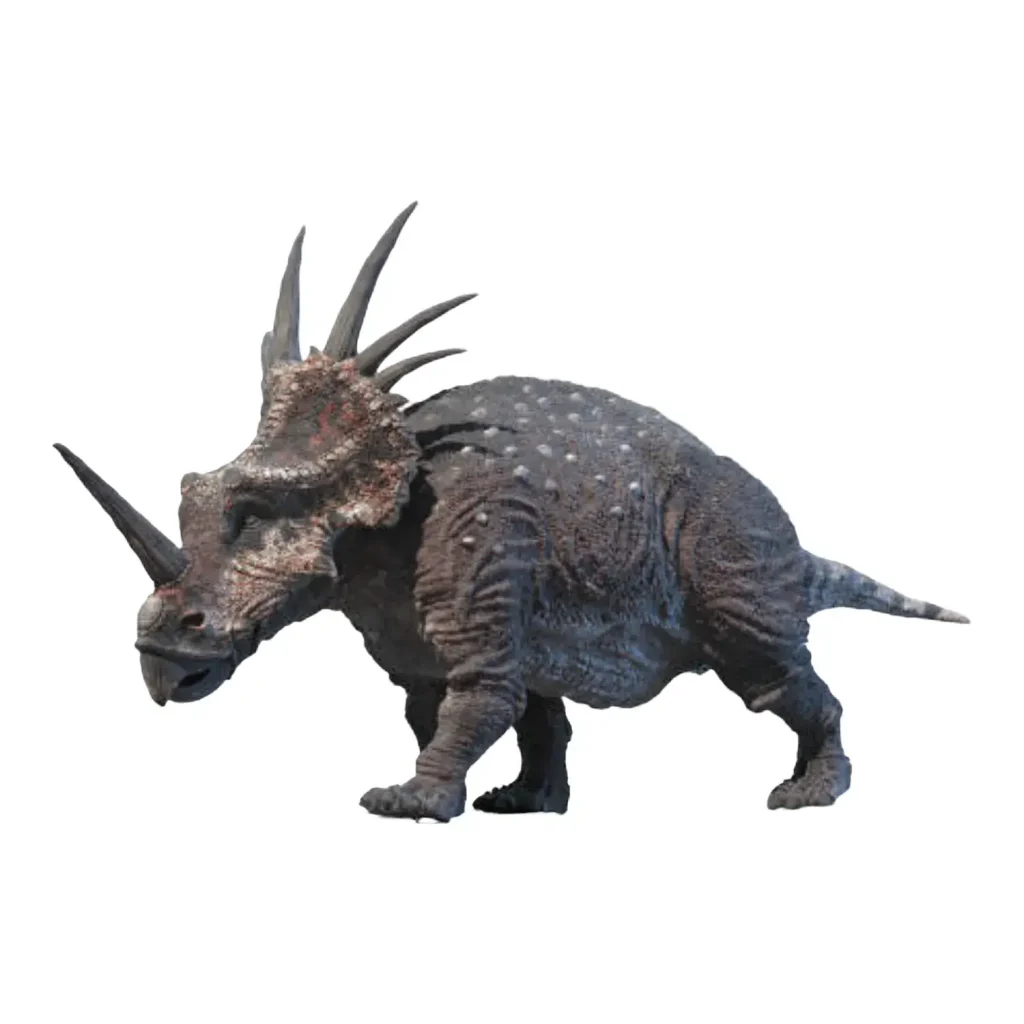
 Styracosaurus
- Classification
- Marginocephalia
- Characteristics
- Herbivorous
- Era
- Cretaceous period
- Citipati
- Classification
- Theropods
- Characteristics
- Omnivorous
- Era
- Cretaceous period
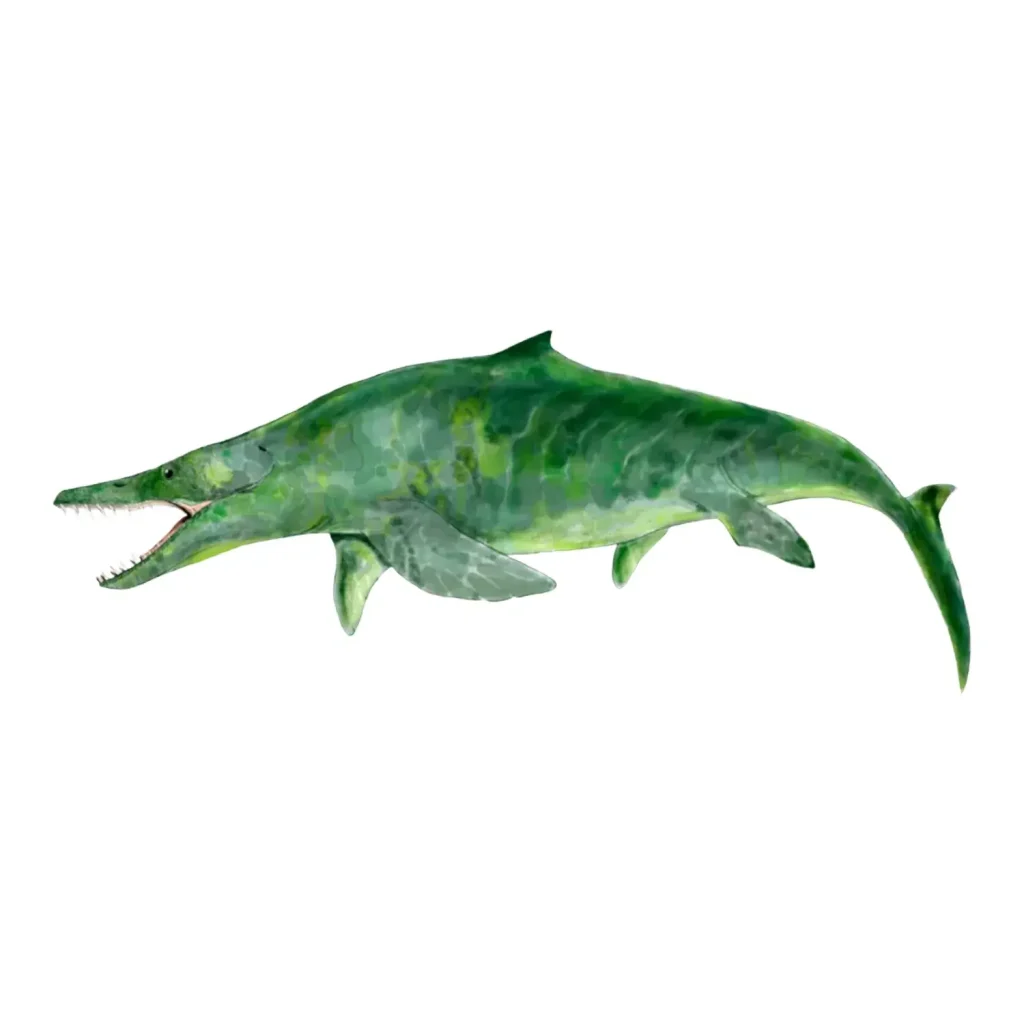
- Megapterygius
- Classification
- Marine reptiles
- Characteristics
- Carnivorous
- Era
- Cretaceous period
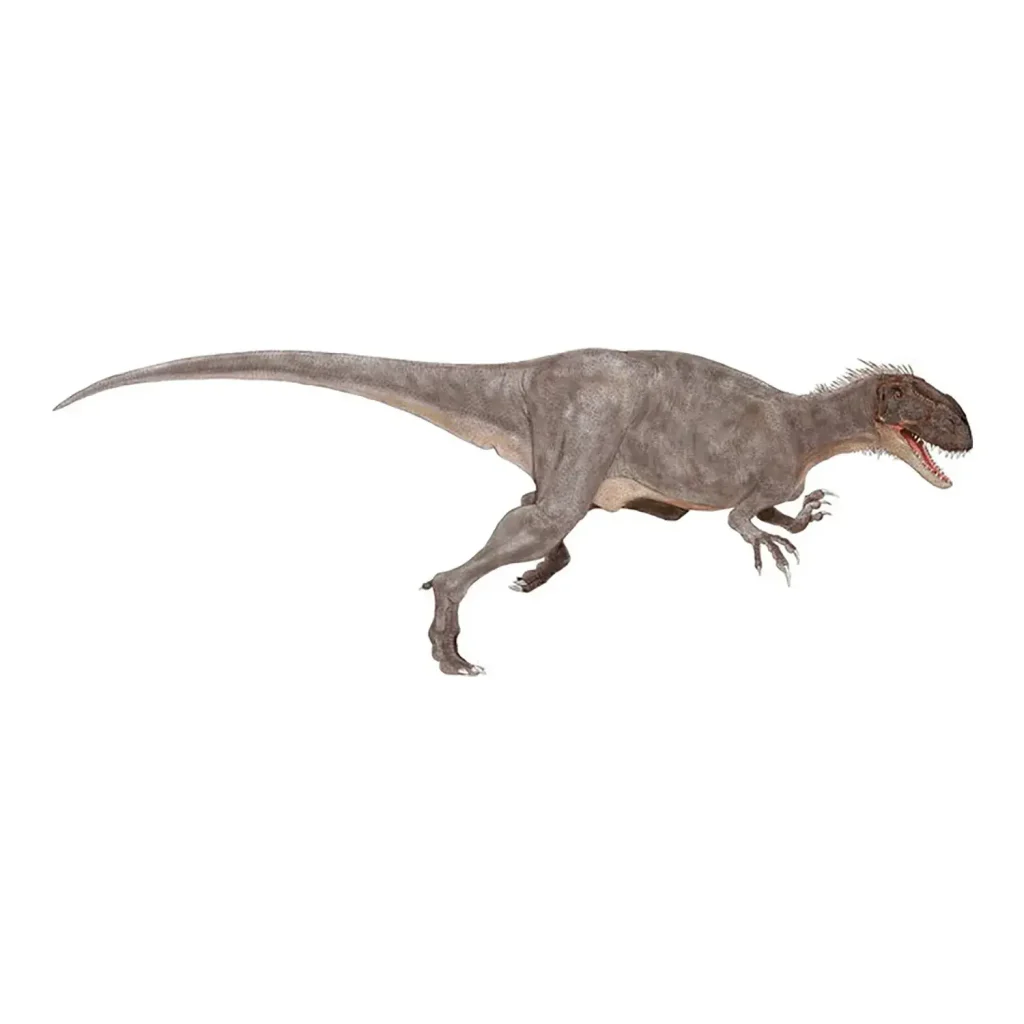
- Afrovenator
- Classification
- Theropods
- Characteristics
- Carnivorous
- Era
- Jurassic period
-
Sponsored Links
-
Sponsored Links










![[Latest Research] What Was the Function of Spinosaurus's Giant "Sail"? Exploring the Mysteries of Thermoregulation and Underwater Locomotion](https://dinosaurmuseum.jp/wp/wp-content/uploads/eyecatch_spinosaurus-sail-function_en-1024x512.webp)
![[Latest Discovery] A Third Type of Skin, Neither Scales Nor Feathers? Meet "Haolong dongi," a New Dinosaur Species Covered Entirely in Spikes](https://dinosaurmuseum.jp/wp/wp-content/uploads/eyecatch_dinosaur-spiky-skin-discovery_en-1024x512.webp)

Description
When you open a dinosaur field guide, popular stars like Tyrannosaurus and Triceratops stand out, but do you know the “third dinosaur” that is absolutely essential when talking about the history of dinosaur research?
Its name is “Hylaeosaurus.”
Living in England during the Early Cretaceous (approximately 140 million years ago), this armored dinosaur is a historic existence, having been the third in the world to be given a name, following Megalosaurus and Iguanodon.
The “Third Dinosaur” Etched in History and Mantell
The greatest feature of Hylaeosaurus lies not in its biological ecology, but in the history of its discovery and research.
Naming by Gideon Mantell
This dinosaur was discovered and named by Gideon Mantell, who is also famous as the discoverer of Iguanodon.
The scientific name means “Forest Lizard.”
It is recorded as the third dinosaur in the world to be given a scientific name, following Megalosaurus and Iguanodon.
The Three Species Used to Define “Dinosauria”
Even more important is Richard Owen’s definition of “dinosaurs.”
When Owen first proposed the classification group “Dinosauria,” he cited Megalosaurus, Iguanodon, and this Hylaeosaurus as his basis.
In other words, it is a monumental existence; without it, the establishment of the word and concept of “dinosaur” might have been delayed further.
Ironclad Defense! Armor of Spikes and Bony Plates
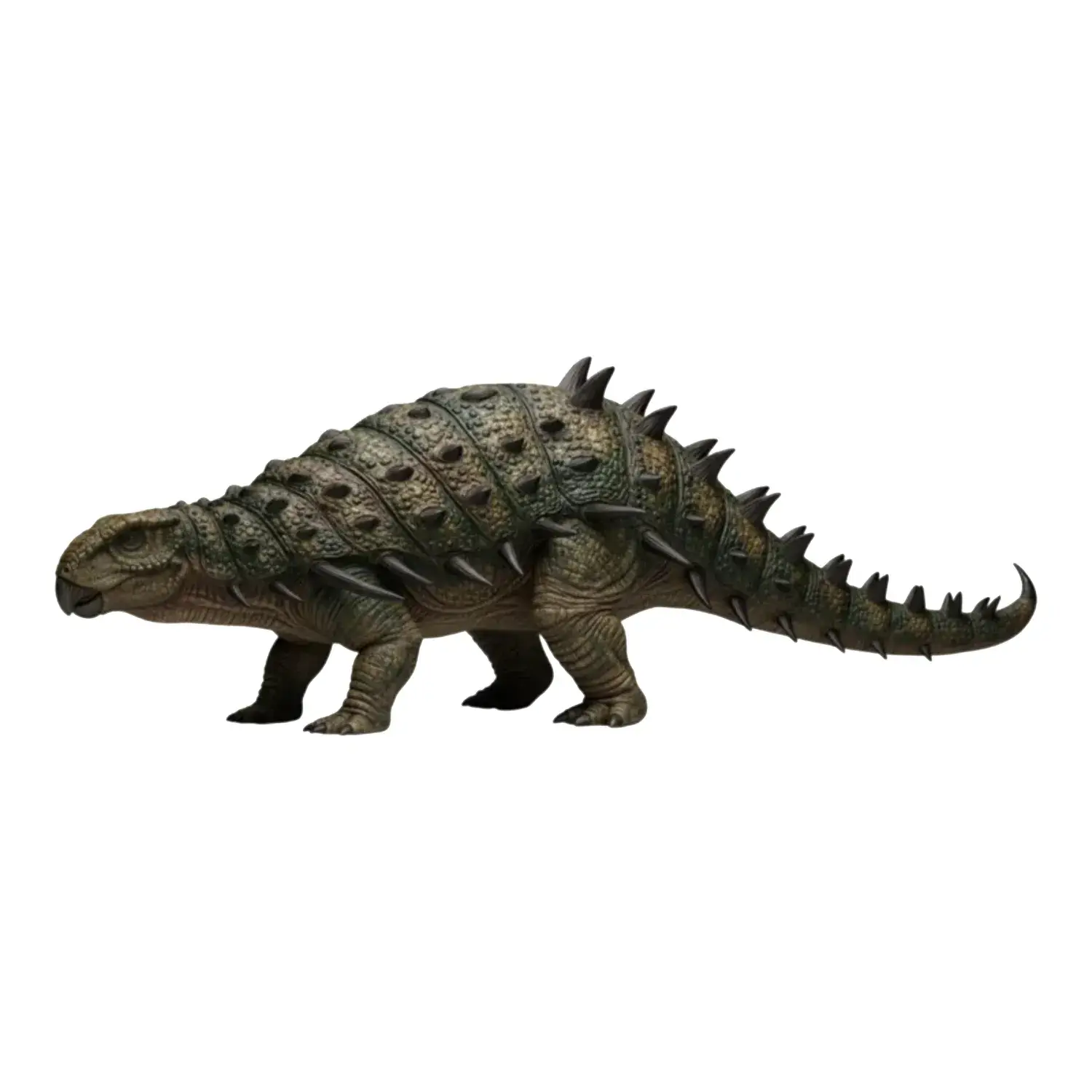
Hylaeosaurus is a medium-sized herbivorous dinosaur, 4 to 6 meters in length, classified in the same group of “armored dinosaurs (Ankylosauria)” as Ankylosaurus.
Unfortunately, the skull has not been found, and discovered fossils are only of the front half of the body, but the remaining skeleton reveals its appearance.
Irregular Bony Plates and Hollow Bones
They wore strong armor to protect themselves.
Circular and oval bony plates were arranged irregularly on the neck, shoulders, and back, and hollow bone fragments lined the back.
Giant Spikes on the Shoulders
Even more distinctive are the large spikes projecting horizontally from the shoulder area.
It is thought that they used these to intimidate predators like carnivorous dinosaurs or to counterattack.
A “Pitiful Dinosaur” Known Only to a Few?
Despite being such an important dinosaur, Hylaeosaurus is also a somewhat overshadowed existence.
Low Recognition and the Polacanthus Theory
Among the three species that can be called the founders of “dinosaurs,” Megalosaurus and Iguanodon are very famous, but Hylaeosaurus takes a step back in terms of recognition.
It is sometimes called a “pitiful dinosaur” known only to enthusiasts.
Also, a theory has been proposed that it might be the same creature as the related armored dinosaur “Polacanthus,” and debate continues among researchers regarding its classification and true identity.