
Leaellynasaura

Name Origin
Leaellyn's Lizard (Named after Leaellyn Rich)
Family
Hypsilophodontidae
Classification
Diapsida, Ornithischia, Ornithopoda
Habitat (Discovery Location)
Australia
Period
Approximately 100 million years ago (Early Cretaceous)
Length
Approximately 1 meter
Weight
Approximately 10 kg
Diet
Herbivore (Plant-eater)
You might also like... 

-
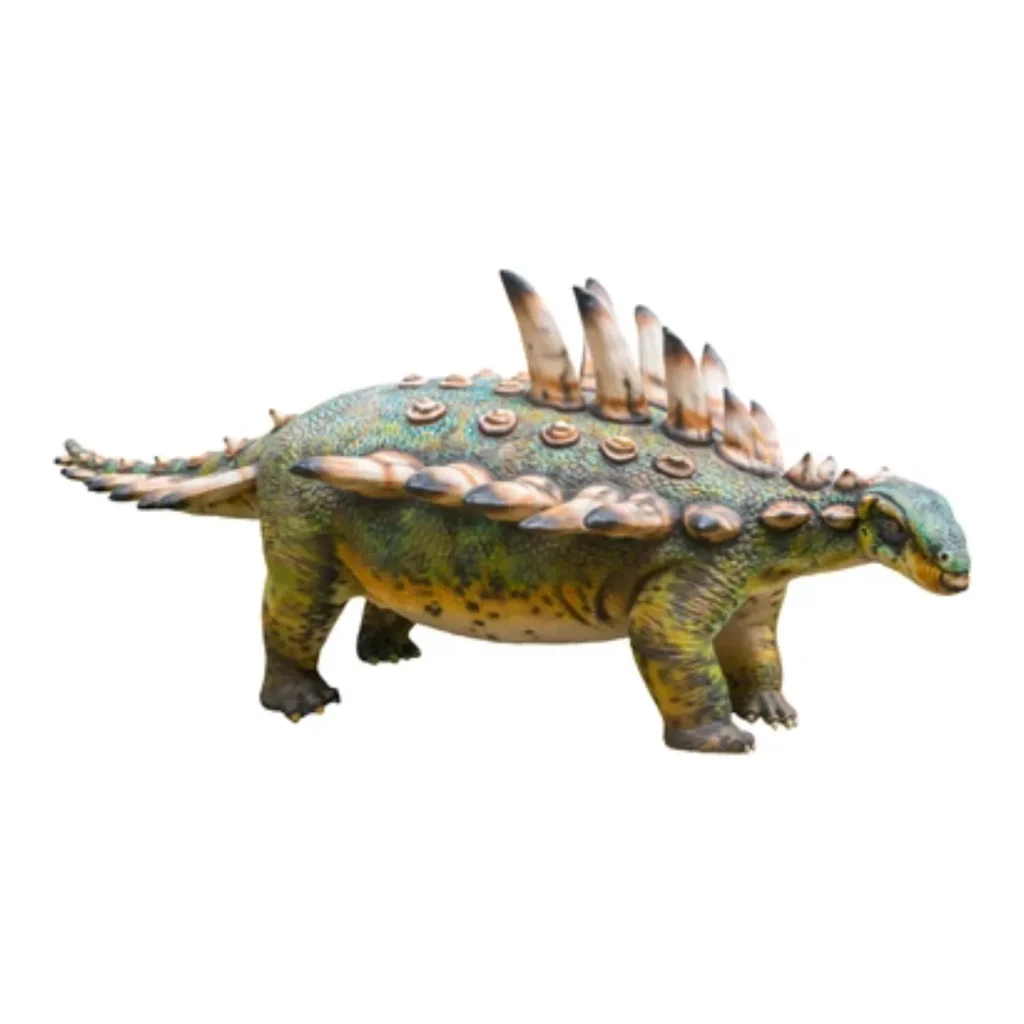
 Gastonia
- Classification
- Thyreophora
- Characteristics
- Herbivorous
- Era
- Cretaceous period
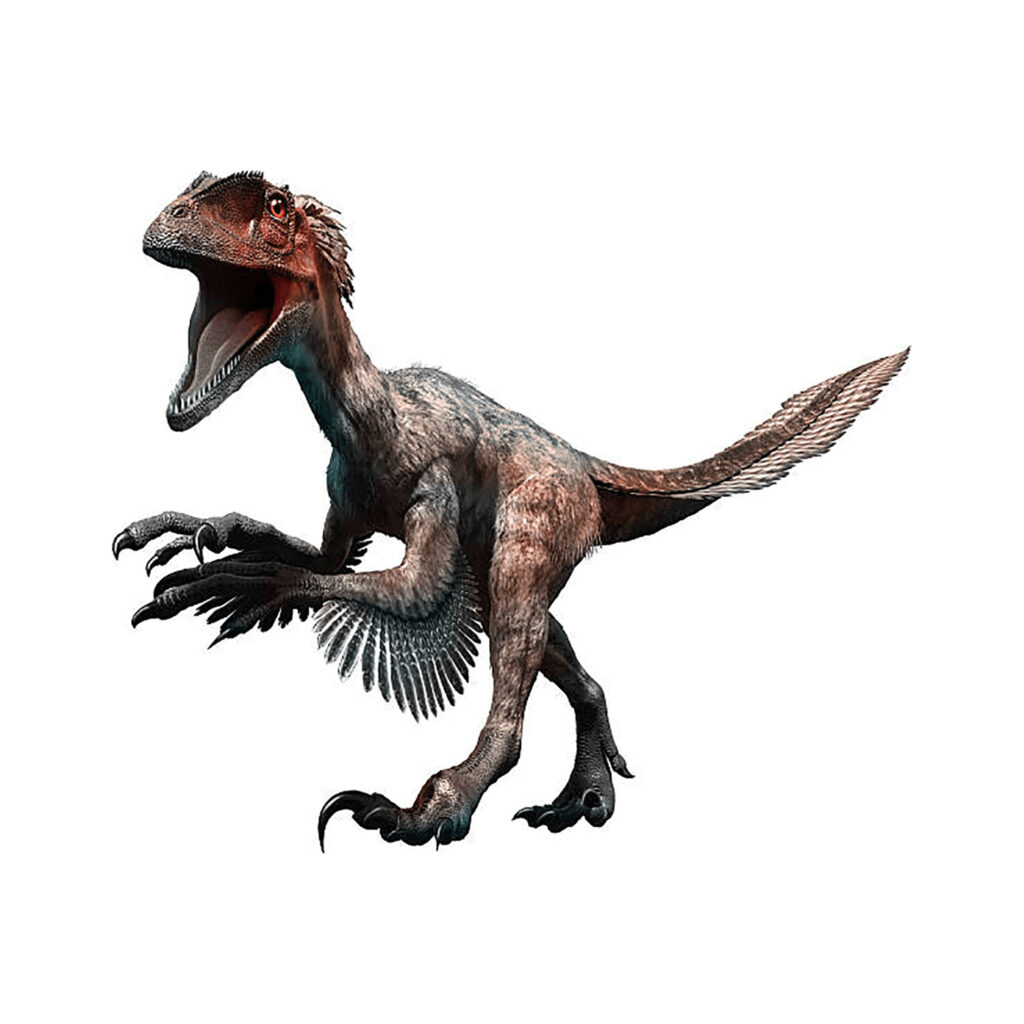
- Deinonychus
- Classification
- Theropods
- Characteristics
- Carnivorous
- Feathered
- Era
- Cretaceous period
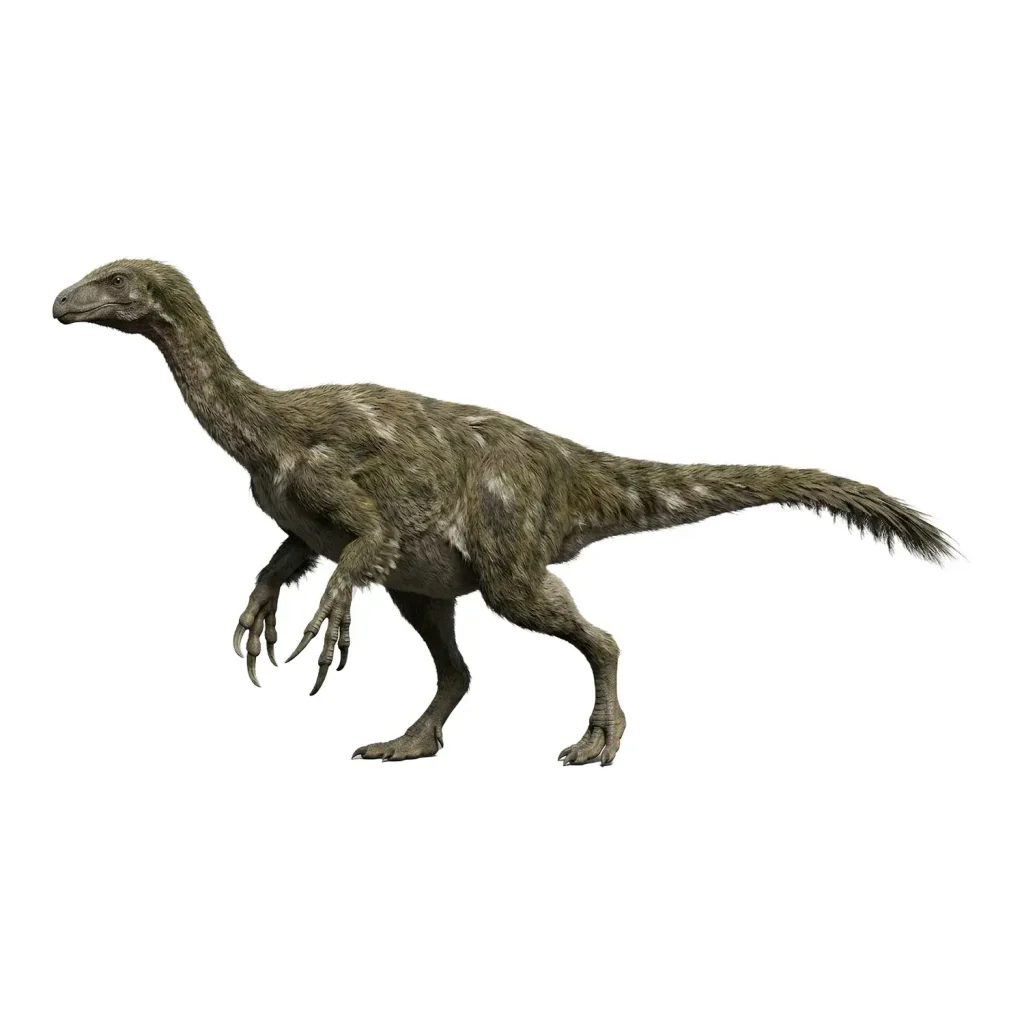
- Jianchangosaurus
- Classification
- Theropods
- Characteristics
- Herbivorous
- Feathered
- Era
- Cretaceous period
- Fukuiraptor
- Classification
- Theropods
- Characteristics
- Carnivorous
- Era
- Cretaceous period
-
Sponsored Links
-
Sponsored Links










![[Latest Research] What Was the Function of Spinosaurus's Giant "Sail"? Exploring the Mysteries of Thermoregulation and Underwater Locomotion](https://dinosaurmuseum.jp/wp/wp-content/uploads/eyecatch_spinosaurus-sail-function_en-1024x512.webp)
![[Latest Discovery] A Third Type of Skin, Neither Scales Nor Feathers? Meet "Haolong dongi," a New Dinosaur Species Covered Entirely in Spikes](https://dinosaurmuseum.jp/wp/wp-content/uploads/eyecatch_dinosaur-spiky-skin-discovery_en-1024x512.webp)

Description
While dinosaur names are often derived from the names of discoverers or locations, there is one dinosaur that was named as a “present for a certain young girl.”
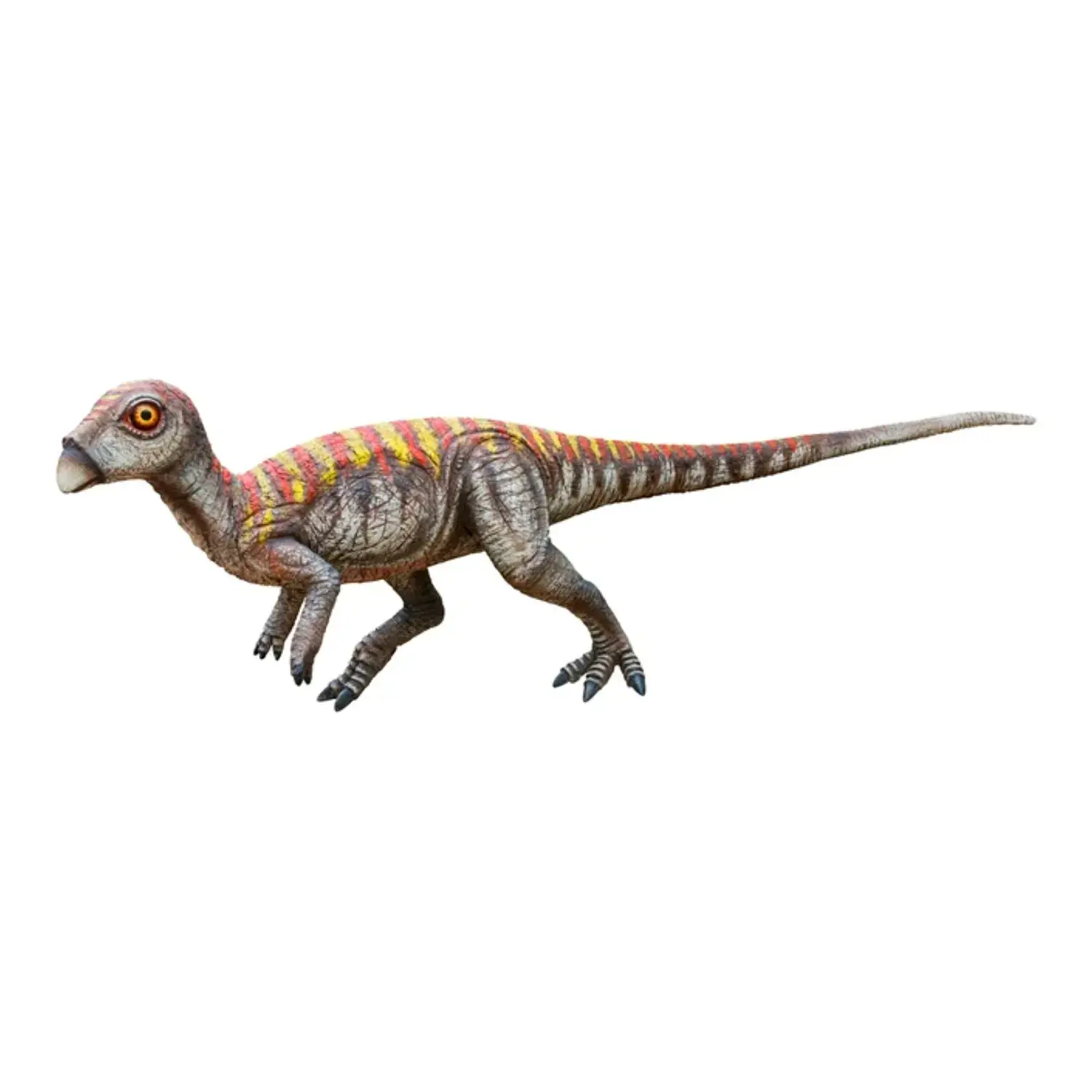
It is “Leaellynasaura,” a small dinosaur that lived in Early Cretaceous Australia.
Bearing the name of its discoverer’s beloved daughter, this dinosaur is known not only for its heartwarming naming story but also for its unique evolution to survive the “polar night” where the sun never rises.
Surviving the Antarctic “Polar Night”! The Secret of Giant Eyes
In the Early Cretaceous (about 100 million years ago) when Leaellynasaura lived, the Australian continent was located further south than it is today, connected to Antarctica and situated within the “Antarctic Circle.”
The “Polar Night” Where the Sun Doesn’t Rise
The climate at that time was similar to present-day Sapporo (cool temperate zone), and while there were no glaciers, there was a harsh environment specific to the Antarctic Circle.
That is the “polar night,” where the sun does not rise during the winter (for several weeks to several months).
Big Eyes and Brain to See Through the Darkness
Its greatest characteristic was possessing “large eyes (orbits)” and a “brain” that were disproportionately large relative to its body.
It is believed that these large eyes evolved to ensure vision and allow activity in the pitch-black winter forests where there was no sun.
Active Without Hibernating?
According to examinations of bone cross-sections, it is considered highly likely that they did not hibernate.
In reconstruction art, they are often depicted with “fluffy feathers” to withstand the cold, resembling Hypsilophodon, but in reality, they were characterized by a snout that was significantly longer.
“I Want a Live One!” A Dinosaur Named After a Girl
The scientific name Leaellynasaura means “Leaellyn’s Lizard.”
Hidden within this name is a heartwarming yet slightly bittersweet episode involving the discoverer’s family.
For the Daughter Who Wished “I Want a Dinosaur”
In 1989, it was the Rich couple, museum curators, who discovered this dinosaur at Dinosaur Cove in Australia.
The couple had a daughter named Leaellyn, who was two years old at the time and would constantly beg, “I want a dinosaur.”
So, the couple presented the new dinosaur with their beloved daughter’s name.
Was the 2-Year-Old Daughter Disappointed?
However, according to her mother Patricia, Leaellyn was “disappointed” when she saw the fossil.
What the young girl wanted was a “living dinosaur” she could play with as a pet.
It seems a fossil present was a bit too unexciting for a two-year-old.
By the way, a dinosaur named “Timimus” was also named after her younger brother, Tim.
Gratitude for “Friendship” and “Support” Embedded in the Scientific Name
The formal scientific name of Leaellynasaura is “Leaellynasaura amicagraphica.”
The specific name “amicagraphica” also contains gratitude to the people who supported the discovery.
Amica
Latin for “female friend.”
Gratitude to the female friends who supported the museum’s activities.
Graphica
An acknowledgement to the “National Geographic Society,” which provided immense cooperation for the excavation.
In other words, this scientific name is packed with all the cherished entities involved in the discovery: “daughter, friends, and National Geographic.”