
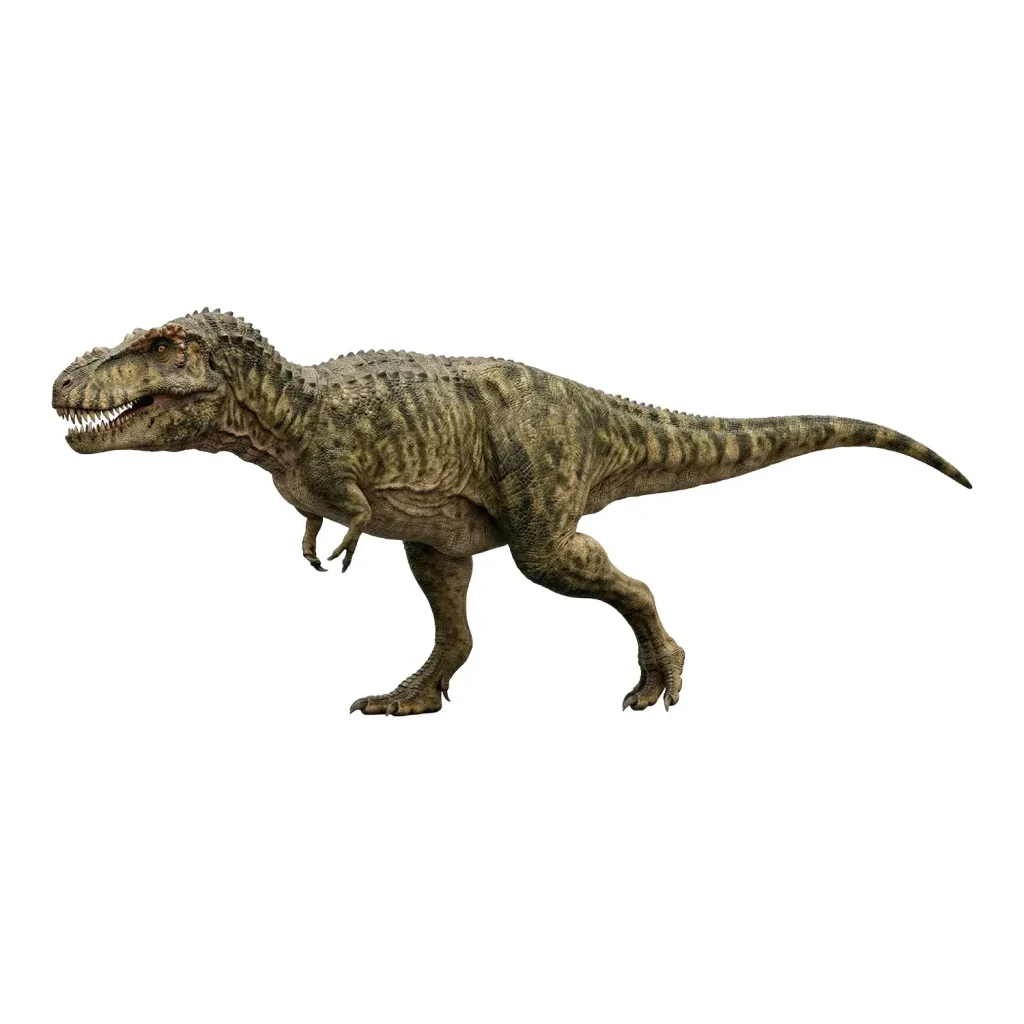
Megalosaurus
Name Origin
Great Lizard
Family
Megalosauridae
Classification
Diapsida, Saurischia, Theropoda
Habitat (Discovery Location)
United Kingdom
Period
Approximately 166 million years ago (Middle Jurassic)
Length
Approximately 6–9 meters
Weight
Approximately 1–3 tons
Diet
Carnivore (Meat-eater)
You might also like... 

-
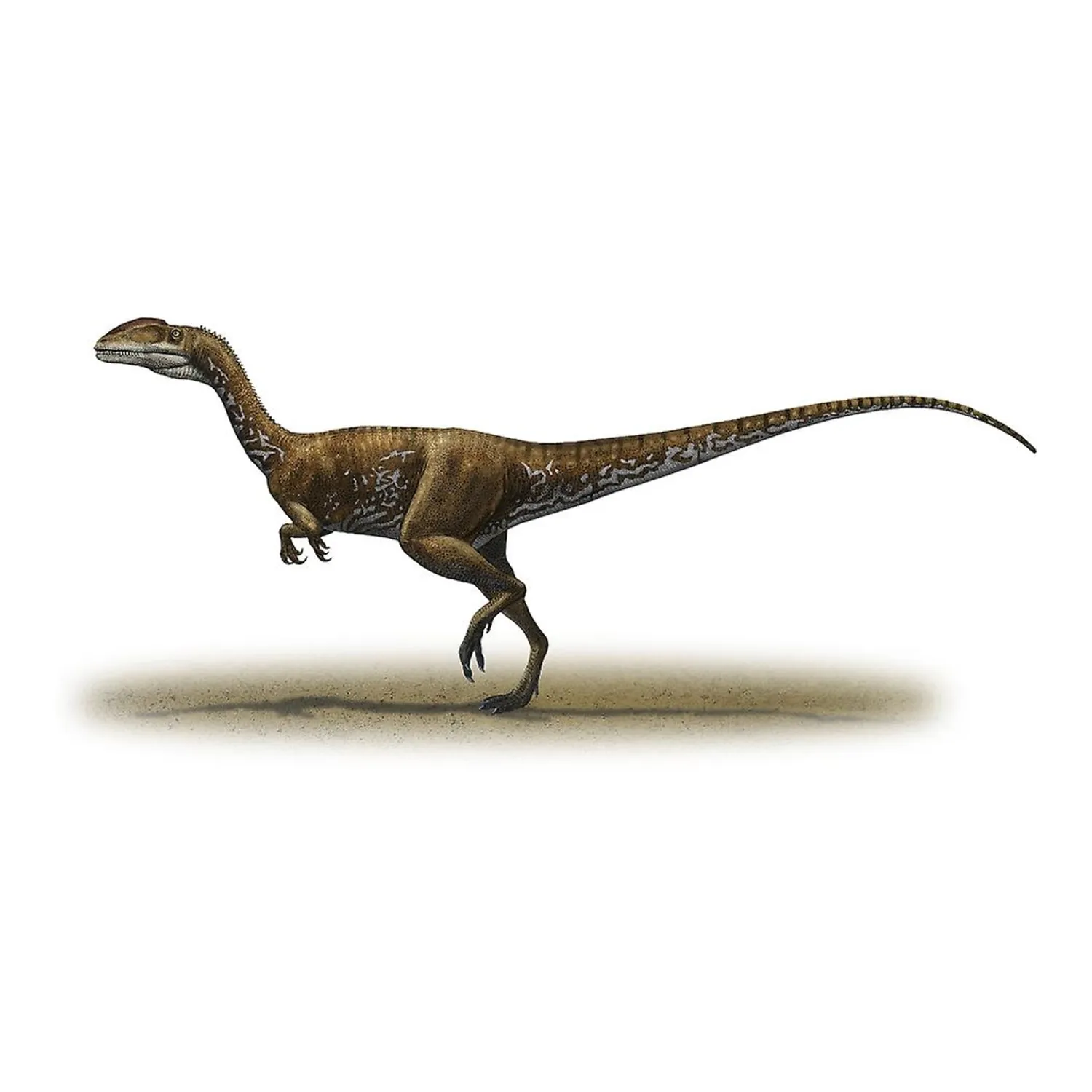
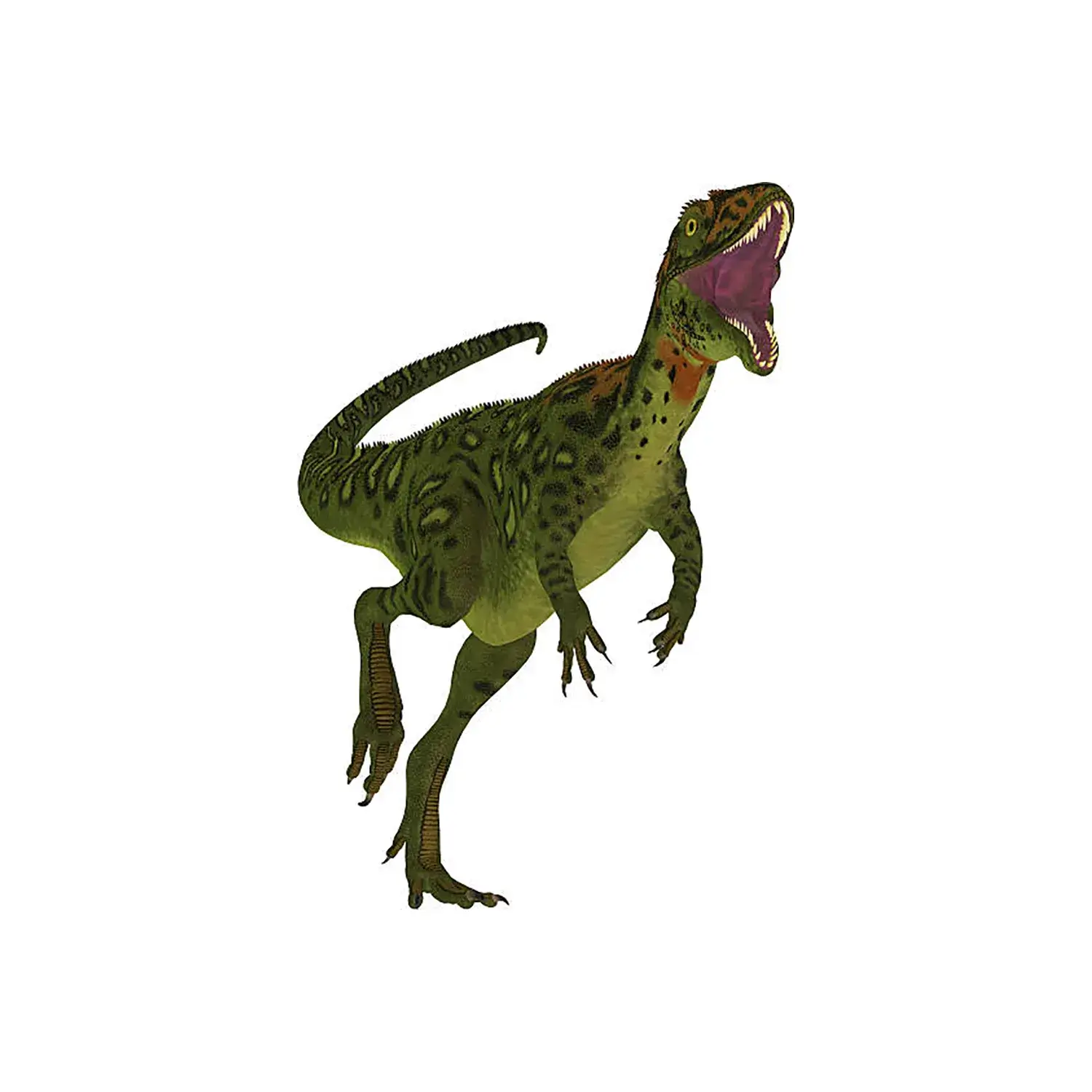
 Teratophoneus
- Classification
- Theropods
- Characteristics
- Carnivorous
- Era
- Cretaceous period
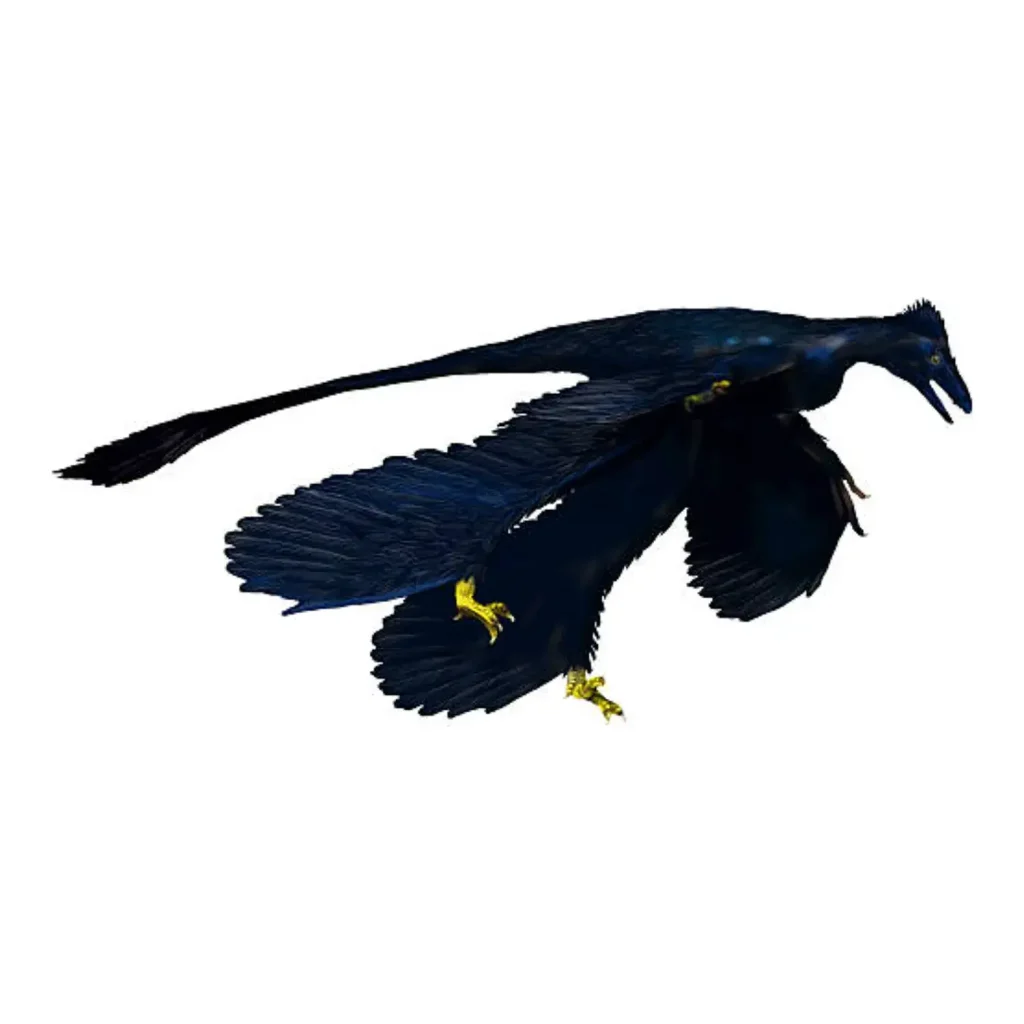
- Microraptor
- Classification
- Theropods
- Characteristics
- Carnivorous
- Feathered
- Era
- Cretaceous period
- Lambeosaurus
- Classification
- Ornithopoda
- Characteristics
- Herbivorous
- Era
- Cretaceous period
- Puertasaurus
- Classification
- Sauropods
- Characteristics
- Herbivorous
- Era
- Cretaceous period
-
Sponsored Links
-
Sponsored Links









![[Latest Research] What Was the Function of Spinosaurus's Giant "Sail"? Exploring the Mysteries of Thermoregulation and Underwater Locomotion](https://dinosaurmuseum.jp/wp/wp-content/uploads/eyecatch_spinosaurus-sail-function_en-1024x512.webp)
![[Latest Discovery] A Third Type of Skin, Neither Scales Nor Feathers? Meet "Haolong dongi," a New Dinosaur Species Covered Entirely in Spikes](https://dinosaurmuseum.jp/wp/wp-content/uploads/eyecatch_dinosaur-spiky-skin-discovery_en-1024x512.webp)
Description
In an era before dinosaurs were recognized as “dinosaurs.”
Massive bones discovered in England were once rumored to belong to “giants.”
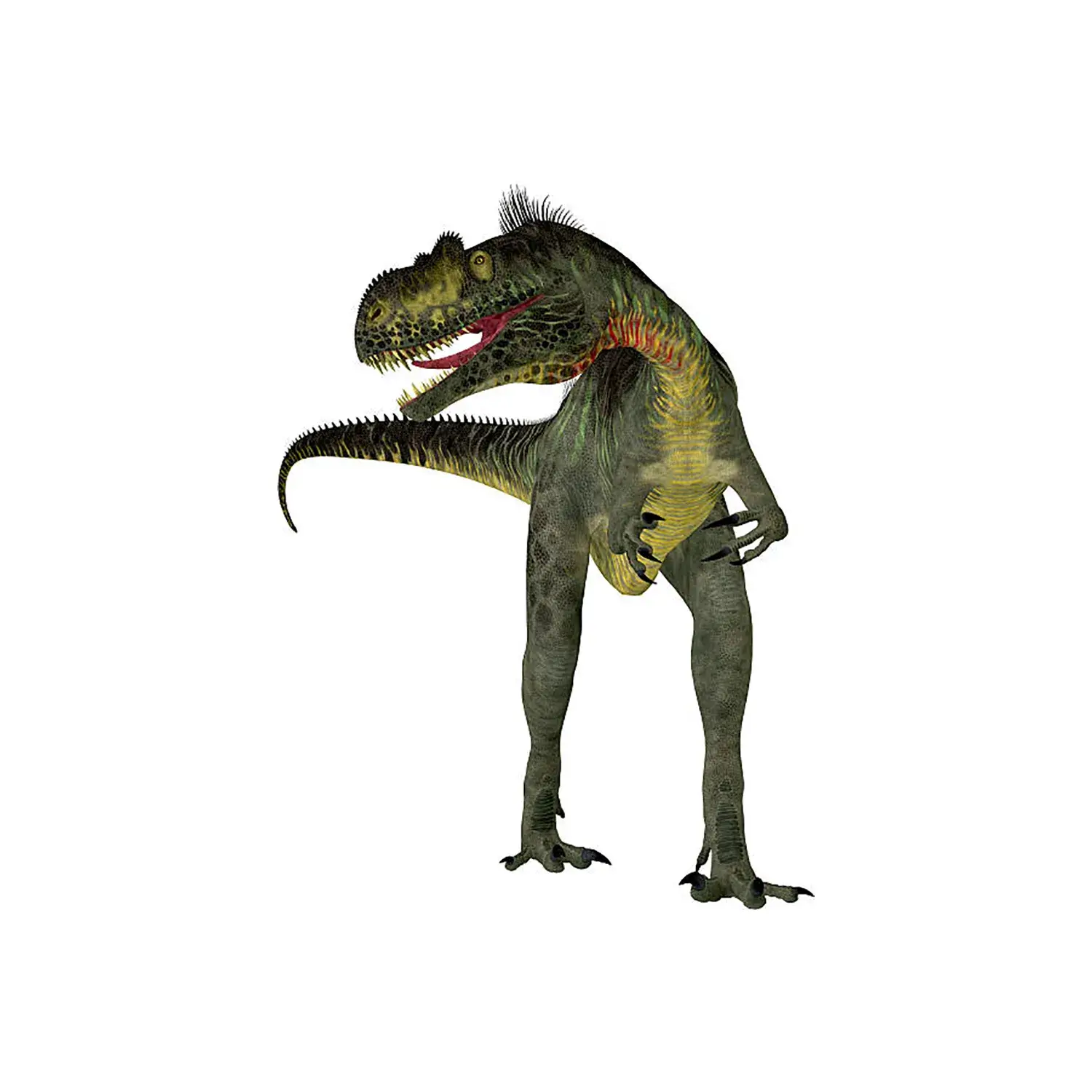
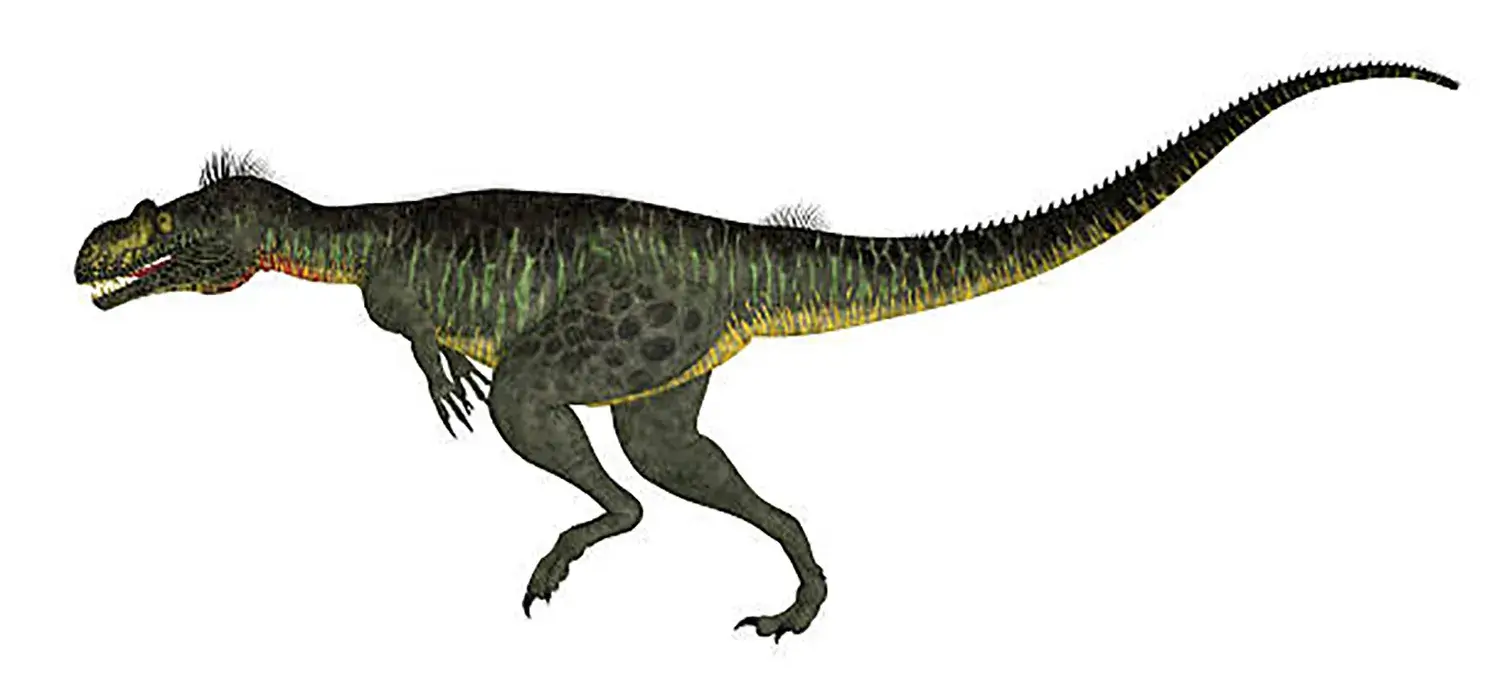
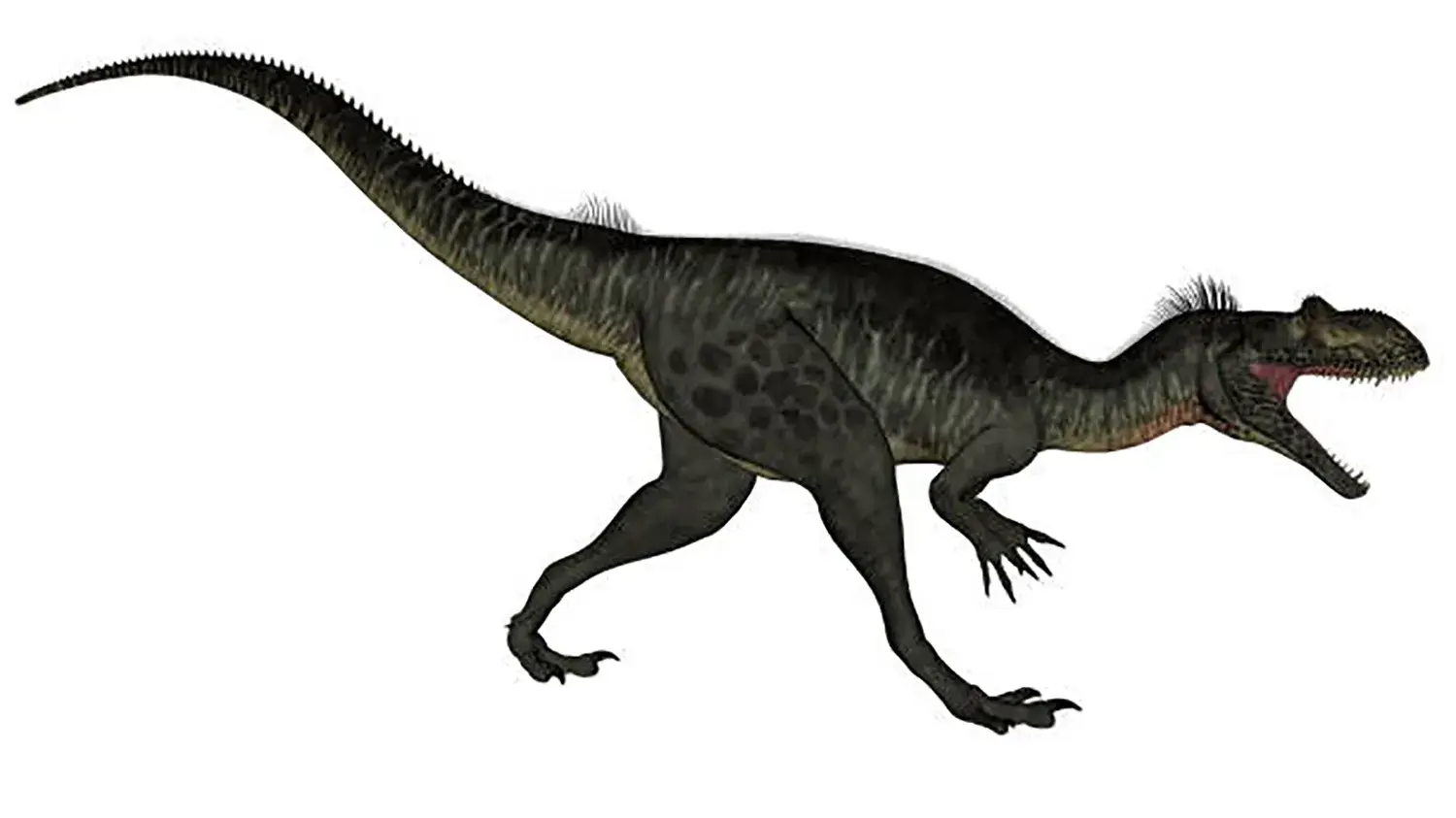
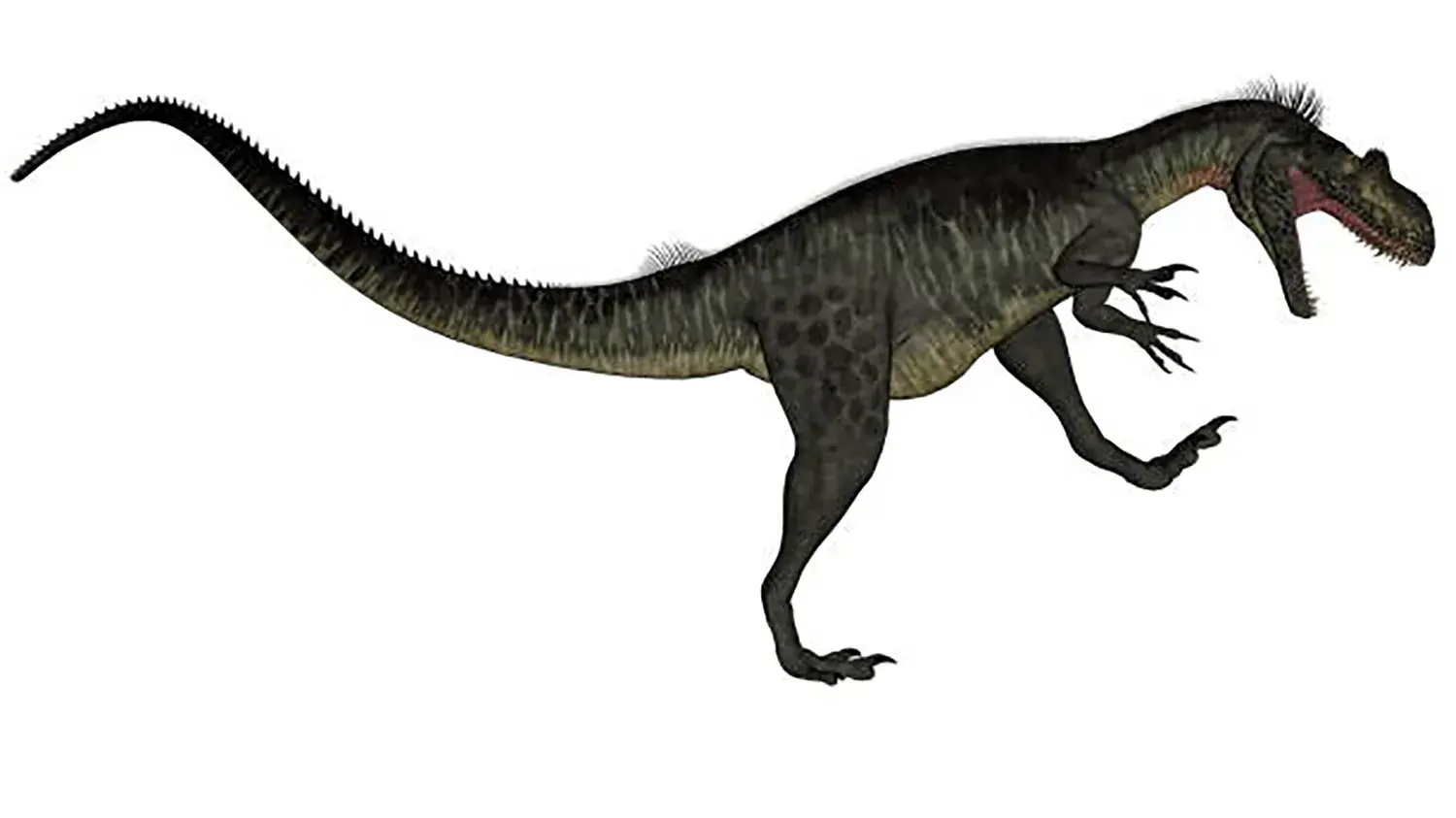
This was “Megalosaurus,” the first dinosaur in the world to be given a formal scientific name, marking the monumental first step in dinosaur research.
Although this carnivorous dinosaur that reigned in Middle Jurassic England has outstanding historical fame, it remains a mysterious existence whose full skeleton has never been found.
Discovered in 1677! From “Giant’s Bones” to the “World’s First Dinosaur”
Records regarding Megalosaurus fossils are very old; in 1677, the British naturalist Robert Plot drew an illustration of a thigh bone (femur).
Since the concept of dinosaurs did not exist at the time, this bone was passed down in lore among people as the “thigh bone of a giant.”
1824: The Birth of the Scientific Name
Later, in 1824, geologist William Buckland studied fossils of a lower jaw and teeth, concluding that “this must belong to a large lizard.”
He named it “Megalosaurus,” meaning “Great Lizard” in Greek.
Thus, it carved its name in history as the “first dinosaur in the world to be formally named” (although Iguanodon is considered to have been discovered earlier, Megalosaurus was named first).
From Crocodile-Type to Godzilla-Type? The Ever-Changing Reconstruction
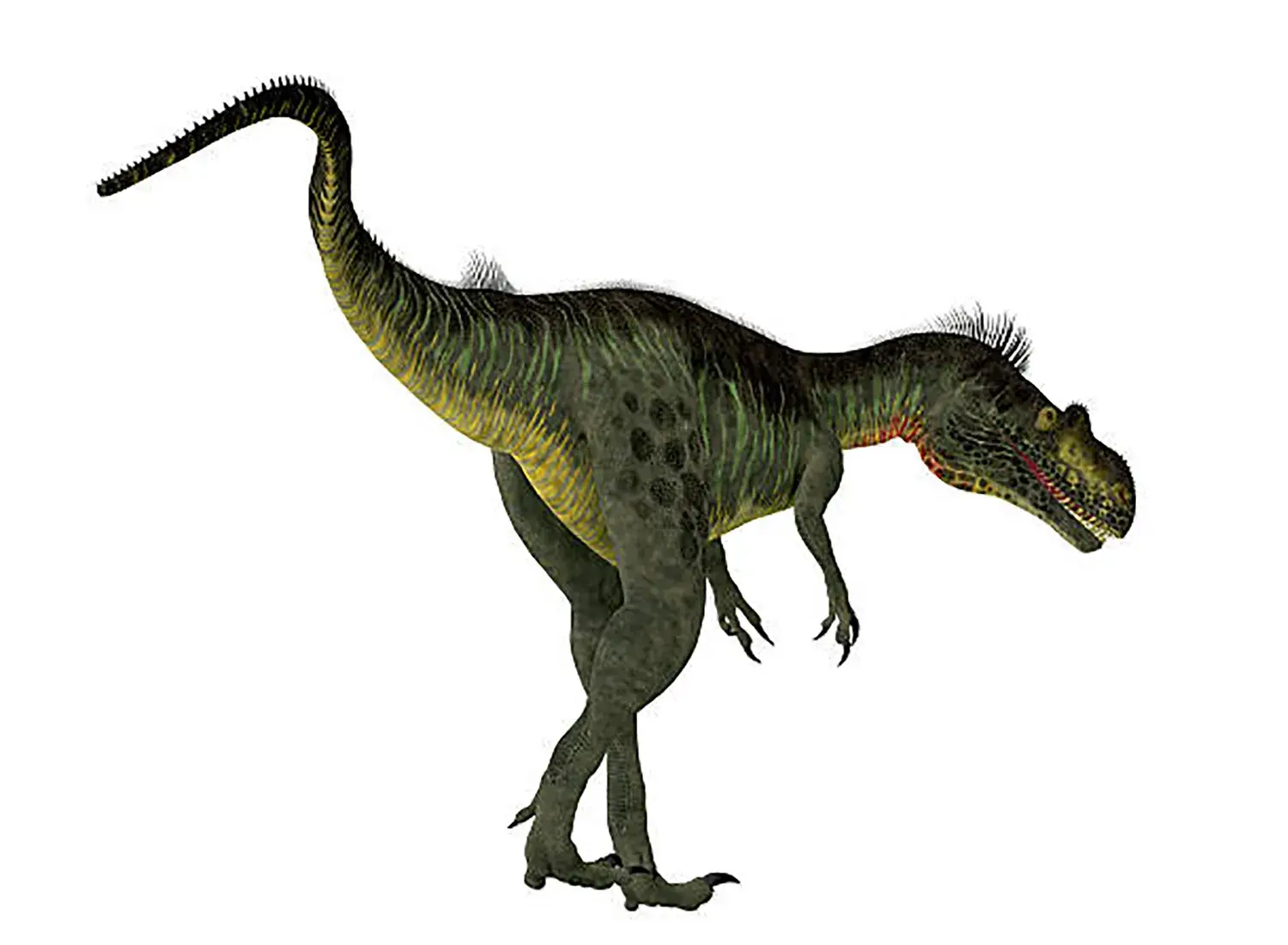
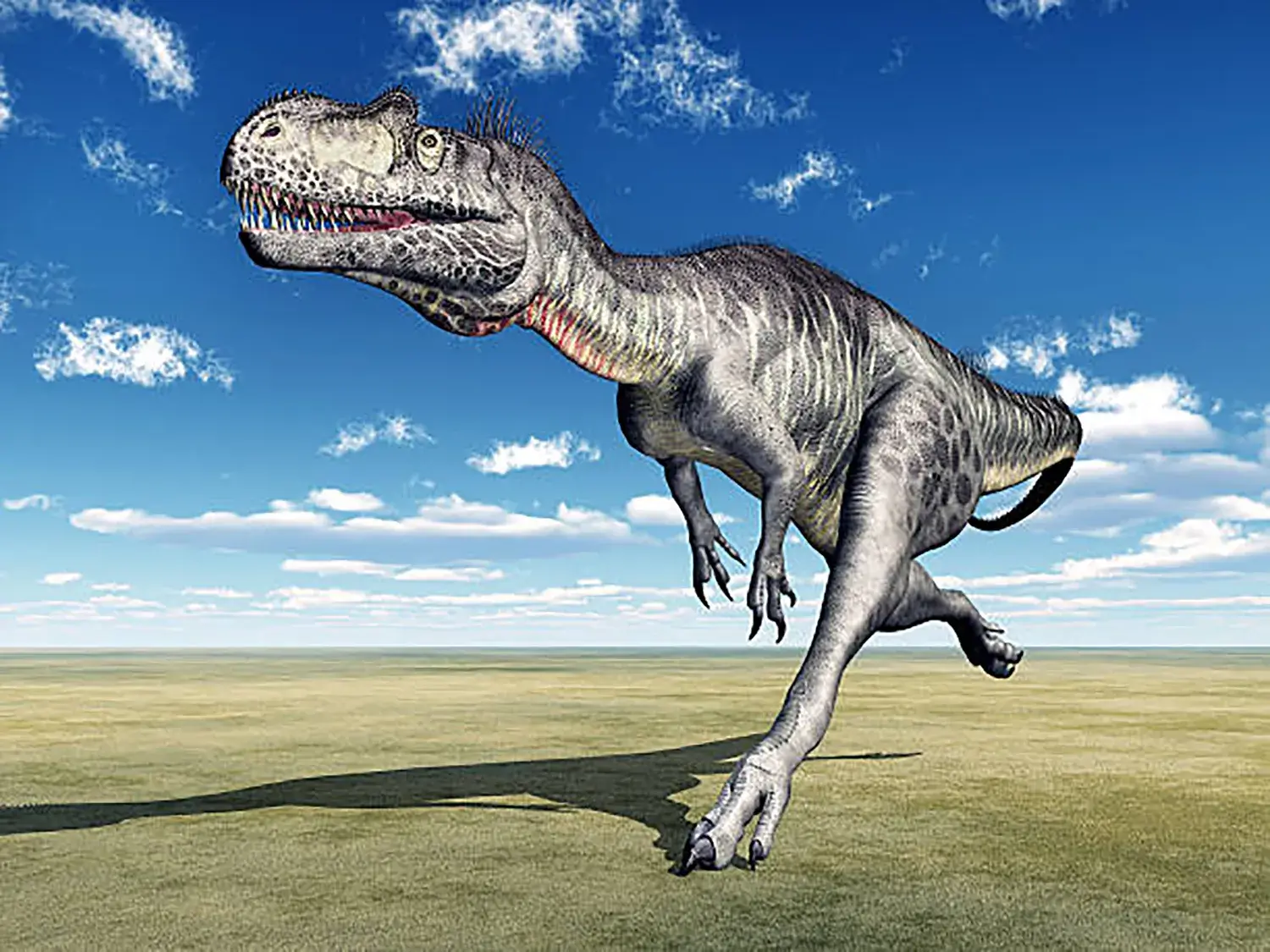
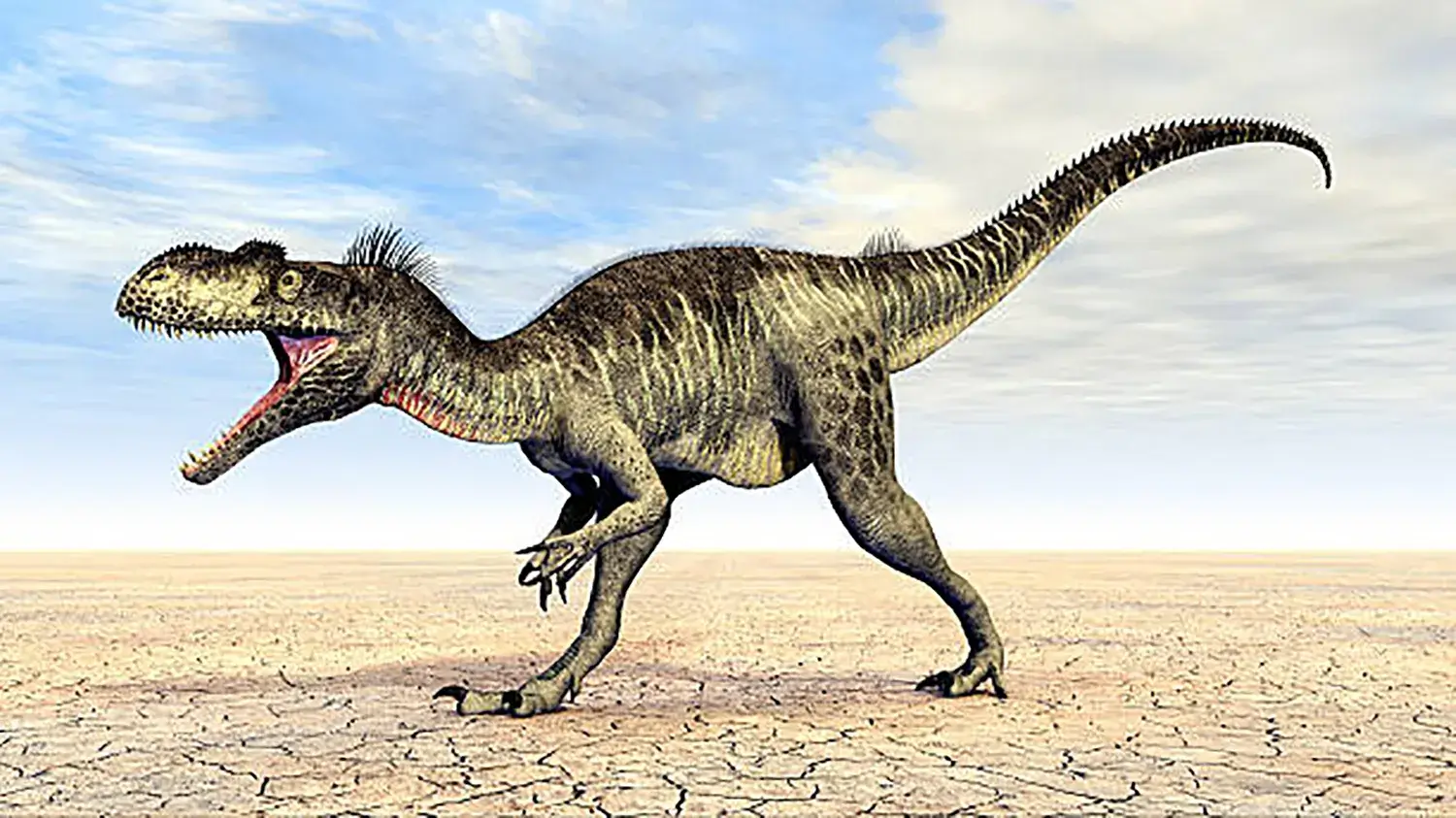
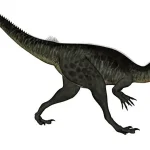
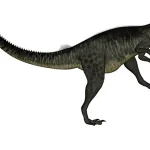
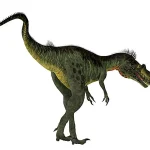
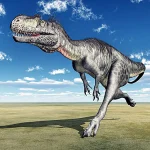
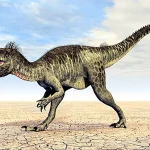
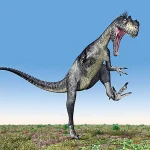
Megalosaurus is a dinosaur whose appearance (reconstruction) has changed dramatically over time.
First Half of the 19th Century (Crocodile Type)
At the time of naming, it was imagined as a “huge lizard” crawling on all fours like a Komodo dragon.
Late 19th to Mid-20th Century (Godzilla Type)
A style where it stood up like a kangaroo and walked dragging its tail became established.
1964 Onwards (Theropod Type)
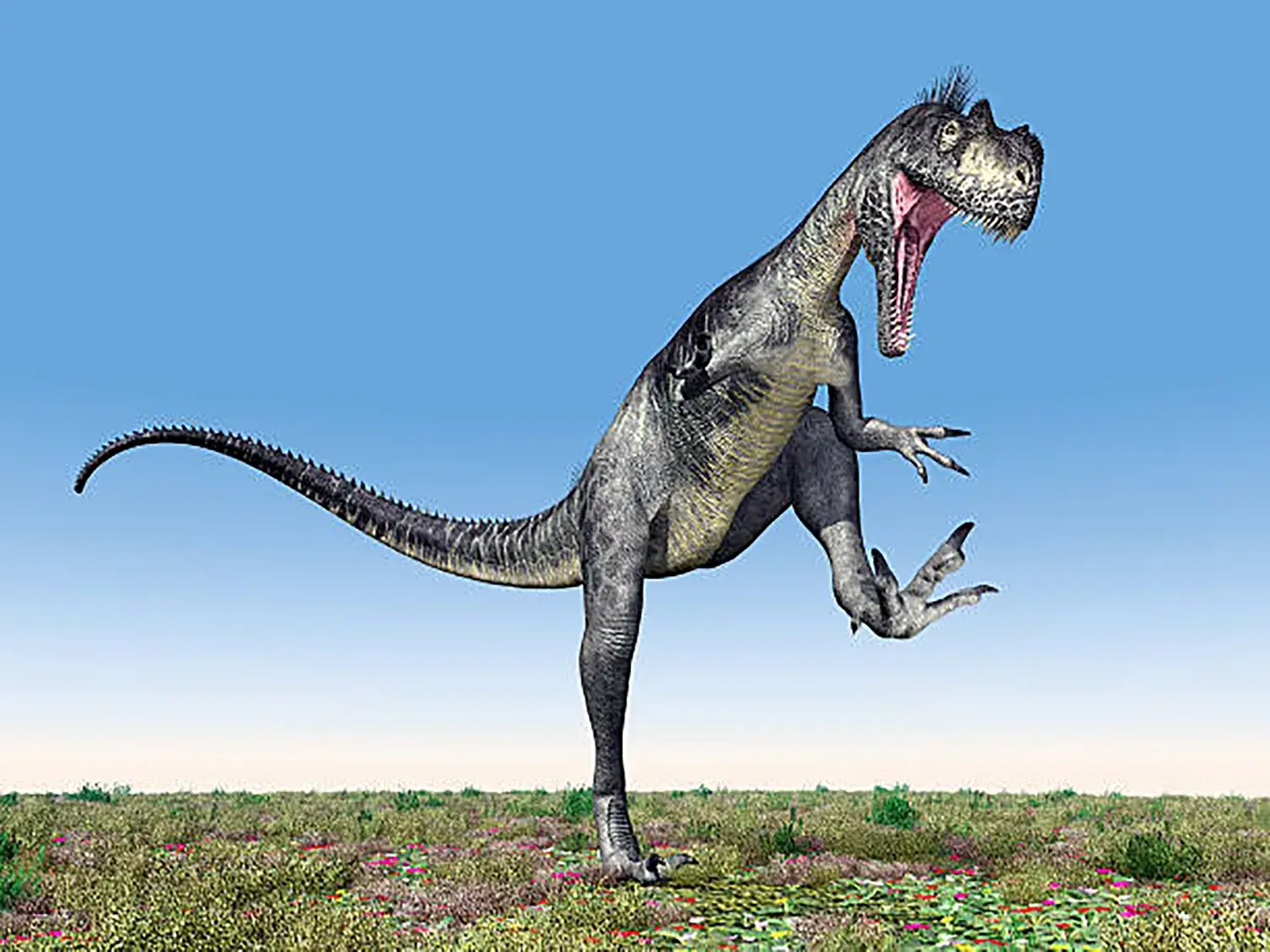
Following the “Dinosaur Renaissance,” it is now revised to a slender figure that holds its spine horizontally.
Victim of “Wastebasket Taxonomy”? The Mystery of the 100-Million-Year Lifespan
Essential to the story of Megalosaurus is its history as a “wastebasket taxon.”
“Let’s Just Call It Megalosaurus”
In early dinosaur research, there was a tendency to classify “unidentified carnivorous dinosaur fossils” found across Europe as Megalosaurus for the time being.
As a result, a misconception arose that they “flourished for over 100 million years from the Jurassic to the Cretaceous and were distributed worldwide.”
Other Dinosaurs That Were Included
Fossils that were once considered Megalosaurus included completely different dinosaurs.
Classification has now been organized, and it is redefined as a group (Megalosauridae) close to the ancestors of Spinosaurus.
Full Skeleton Undiscovered! The Power of the Jurassic Apex Predator
Contrary to its fame, less than 10% of reliable fossils have been found, and a complete full skeleton has yet to be discovered.
Weapons of a Ferocious Hunter
Based on limited fossils (jaws, teeth, femurs, etc.), it is believed to have been a medium-to-large carnivorous dinosaur with a total length of about 6 to 9 meters.
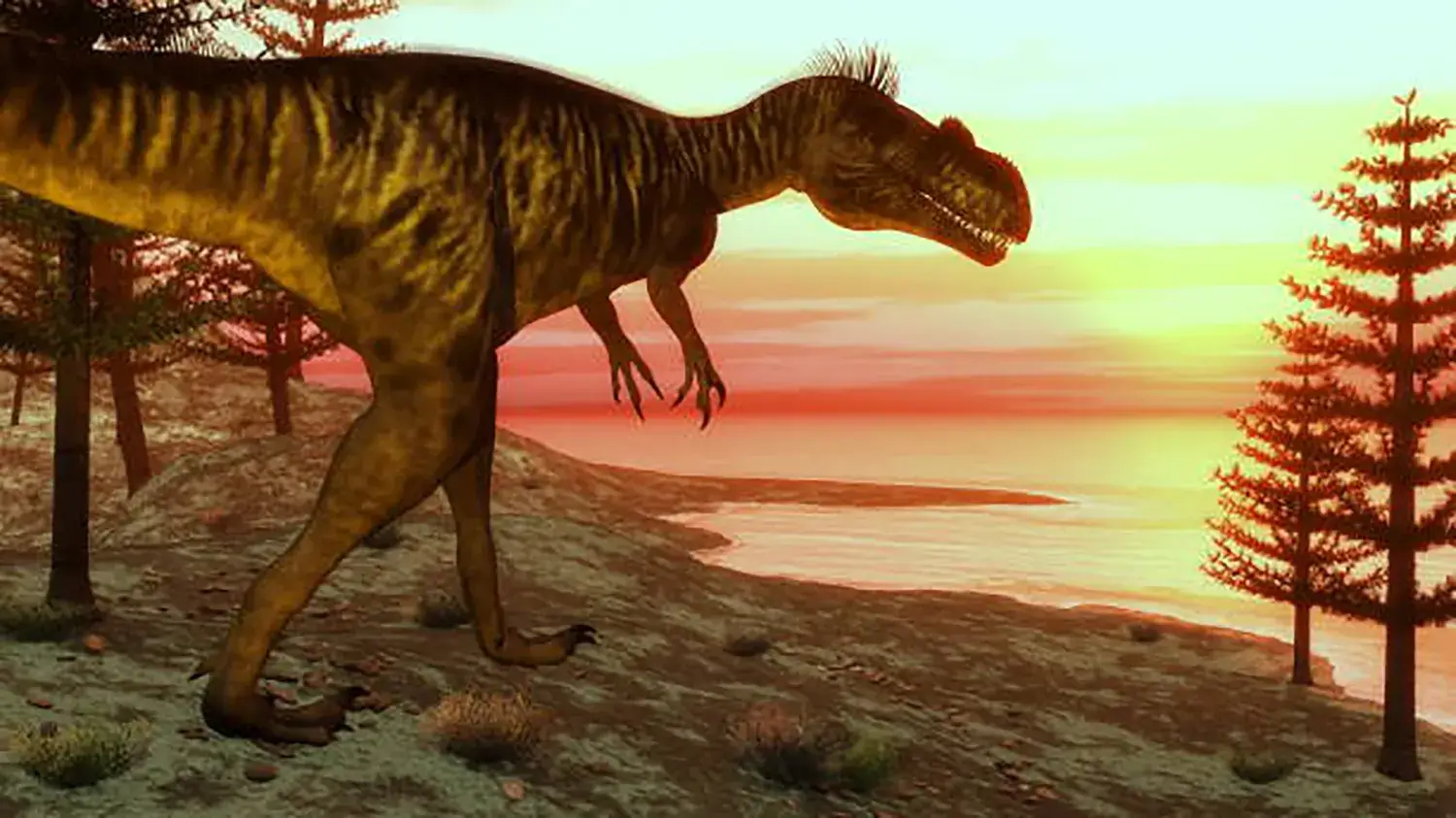
Although smaller than Tyrannosaurus, it was an apex predator in Middle Jurassic England.
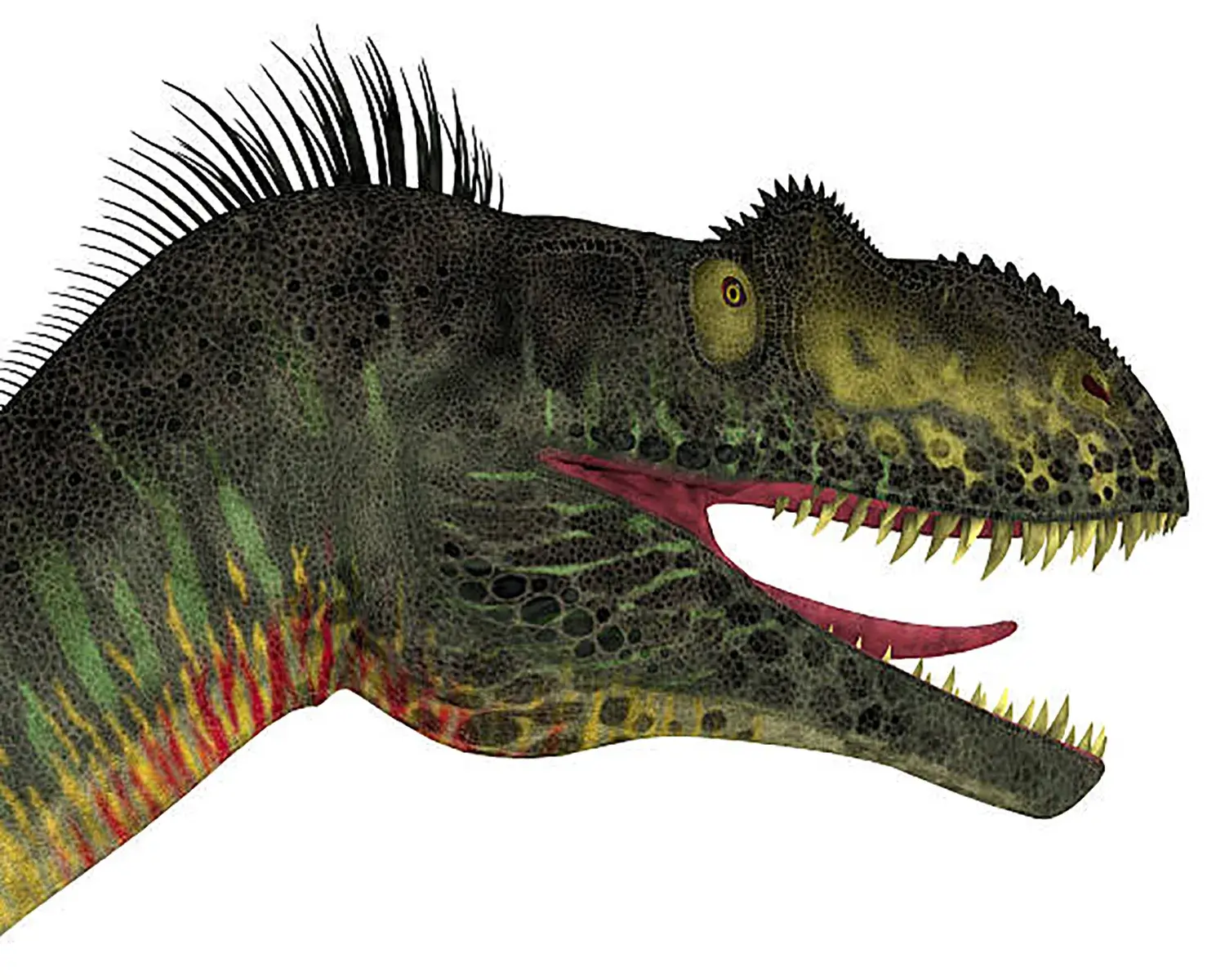
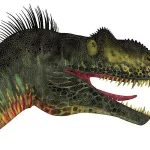
Its sharp, backward-curving teeth had “serrations for slicing meat,” and there is no doubt that it hunted using its powerful jaws and claws as weapons.
It had serrations for slicing meat