
Megapnosaurus
Name Origin
Great Dead Lizard (Big Dead Lizard)
Family
Coelophysidae
Classification
Diapsida, Saurischia, Theropoda
Habitat (Discovery Location)
United States, Zimbabwe, South Africa
Period
Early Jurassic
Length
Approximately 2.2 meters
Weight
Approximately 30 kg
Diet
Carnivore (Meat-eater)
You might also like... 

-
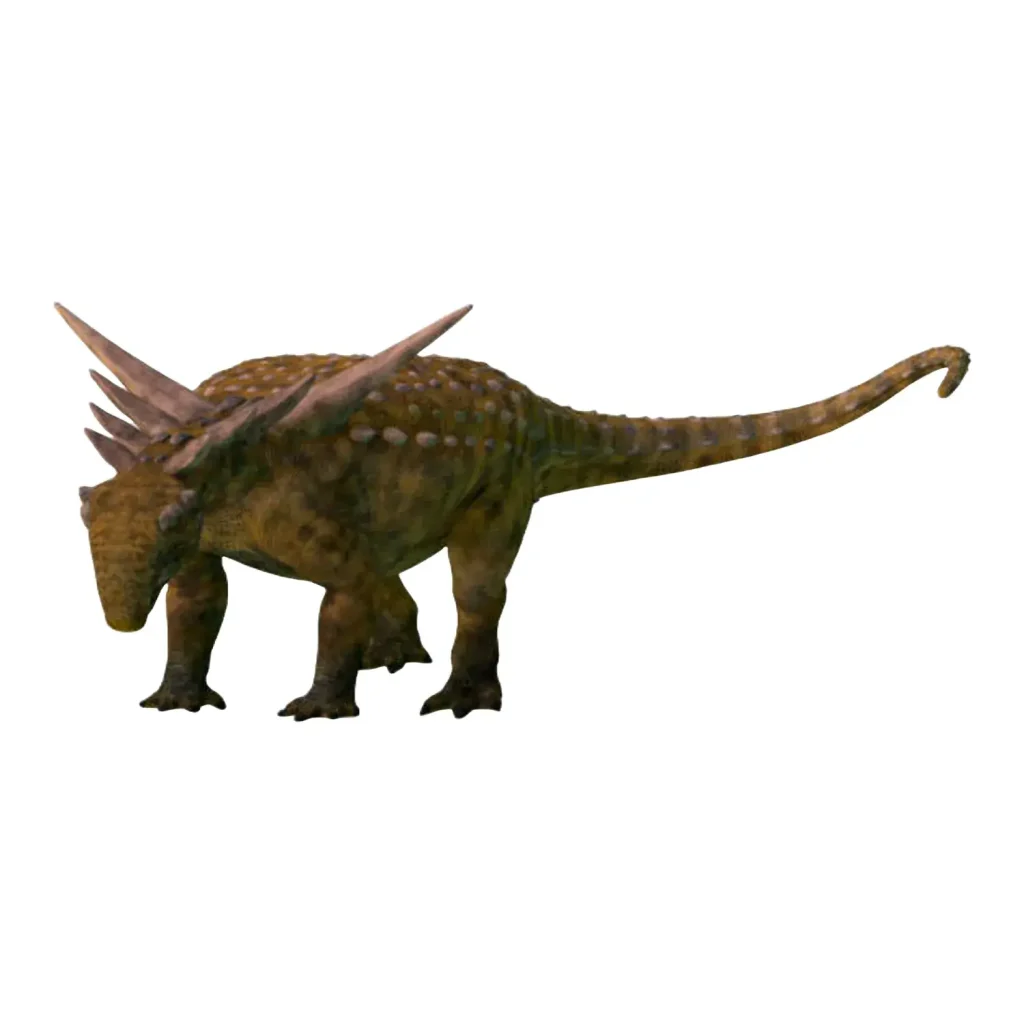
 Sauropelta
- Classification
- Thyreophora
- Characteristics
- Herbivorous
- Era
- Cretaceous period
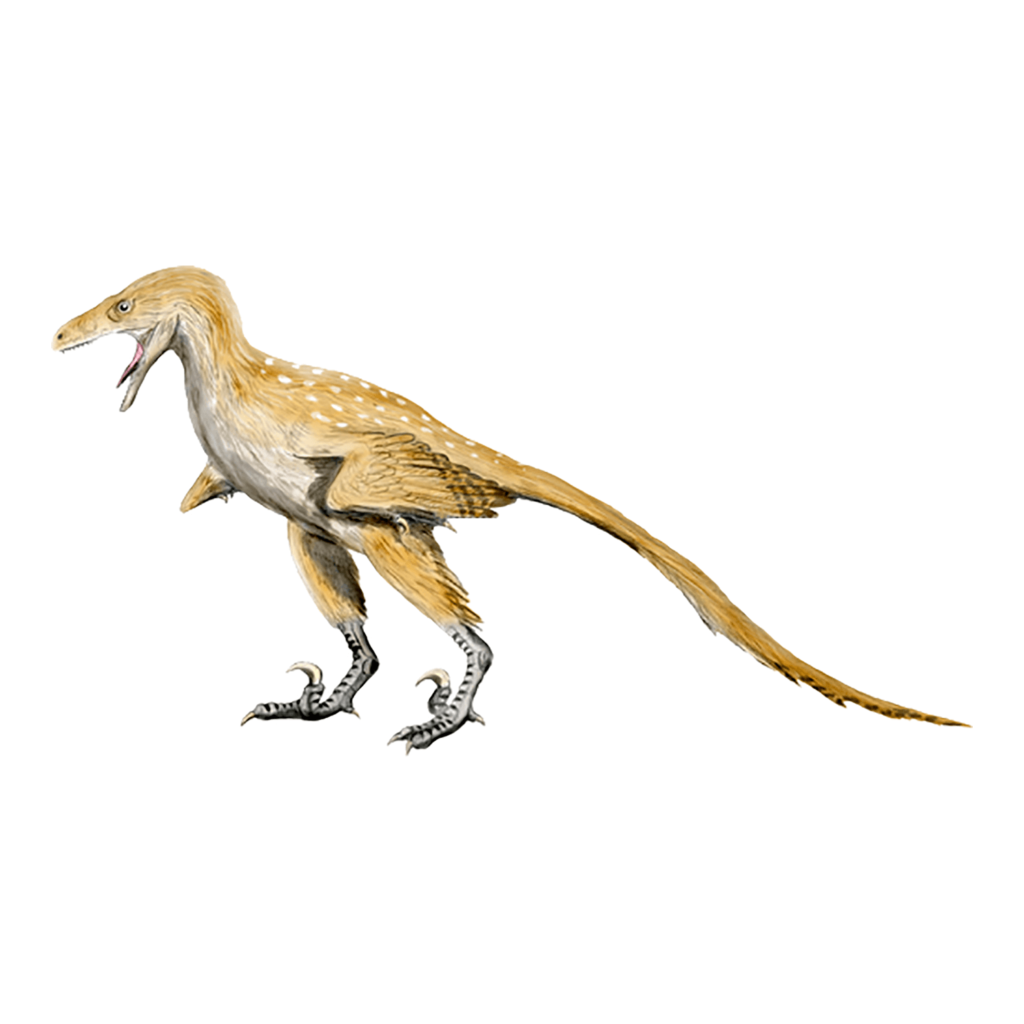
- Bambiraptor
- Classification
- Theropods
- Characteristics
- Carnivorous
- Feathered
- Era
- Cretaceous period
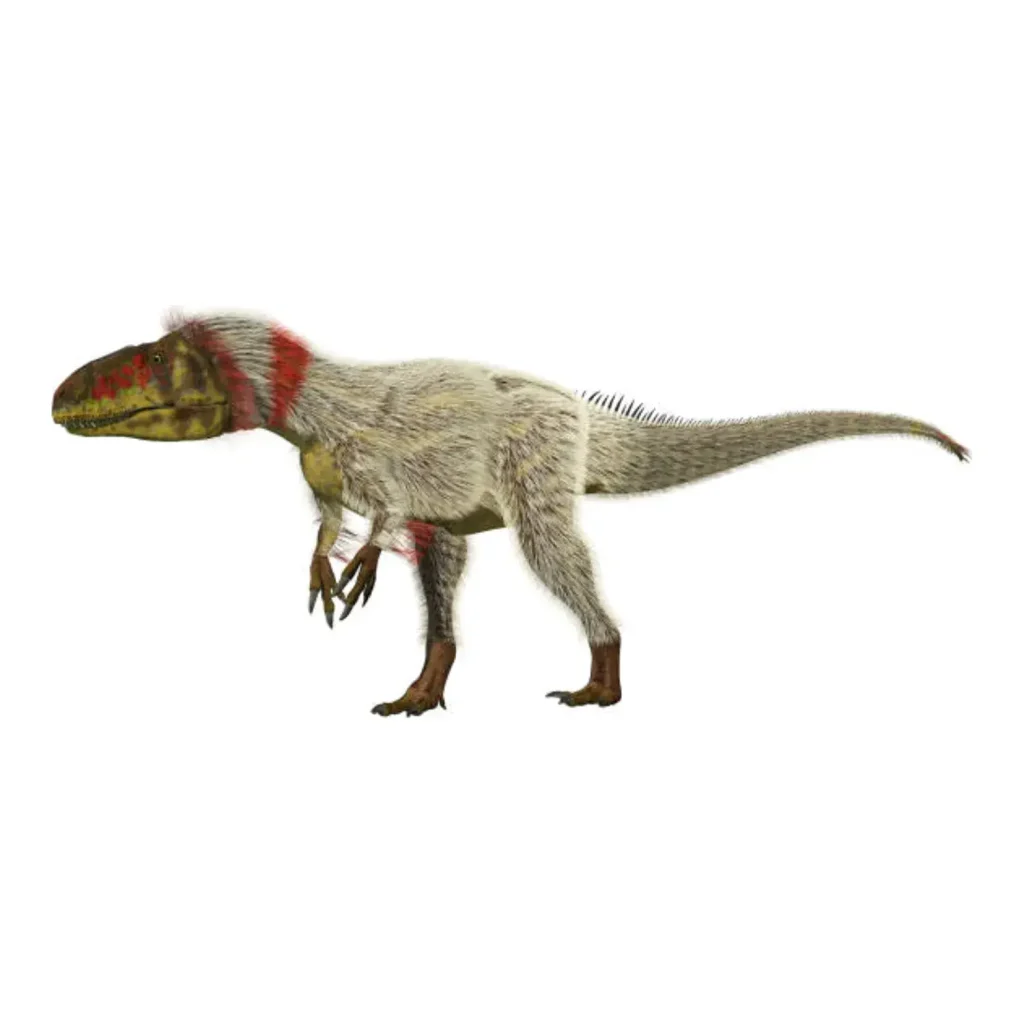
- Yutyrannus
- Classification
- Theropods
- Characteristics
- Carnivorous
- Era
- Cretaceous period
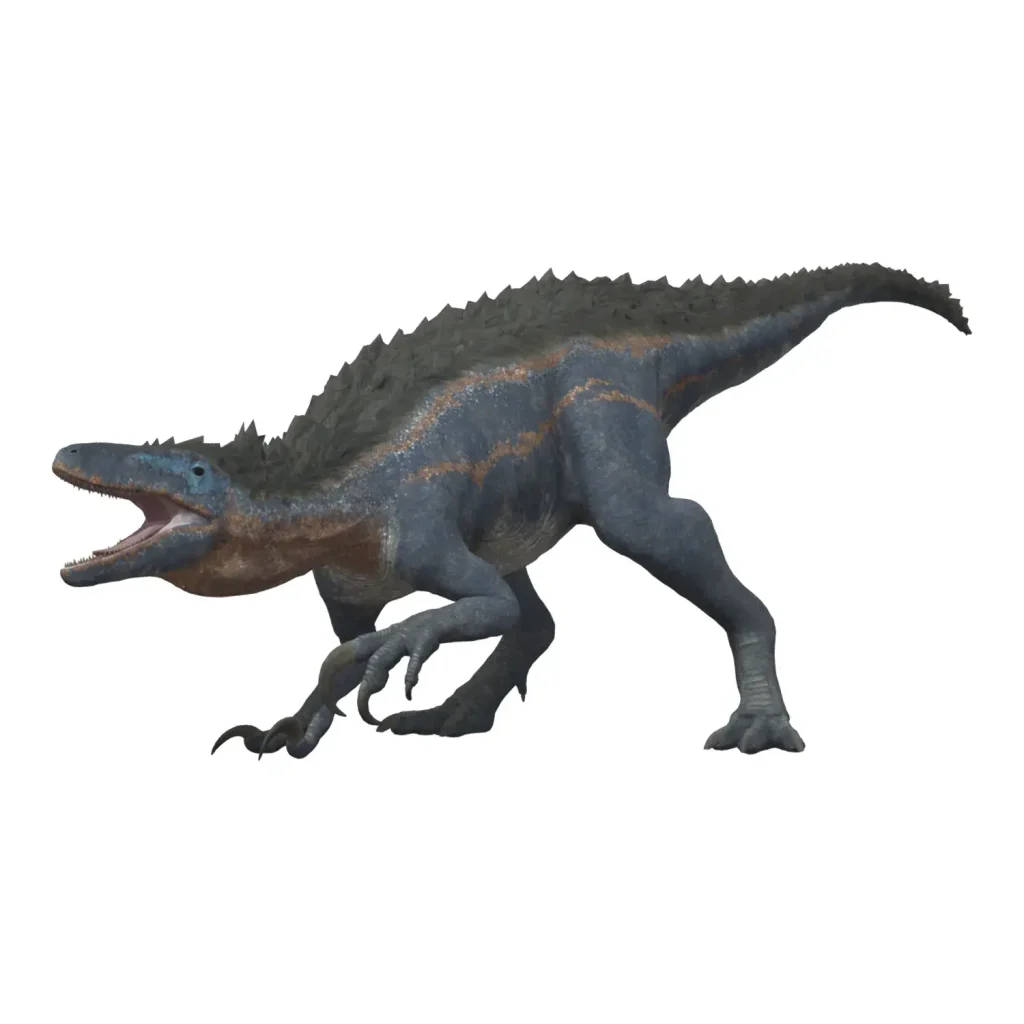
- Maip
- Classification
- Theropods
- Characteristics
- Carnivorous
- Era
- Cretaceous period
-
Sponsored Links
-
Sponsored Links





![[Latest Research] What Was the Function of Spinosaurus's Giant "Sail"? Exploring the Mysteries of Thermoregulation and Underwater Locomotion](https://dinosaurmuseum.jp/wp/wp-content/uploads/eyecatch_spinosaurus-sail-function_en-1024x512.webp)
![[Latest Discovery] A Third Type of Skin, Neither Scales Nor Feathers? Meet "Haolong dongi," a New Dinosaur Species Covered Entirely in Spikes](https://dinosaurmuseum.jp/wp/wp-content/uploads/eyecatch_dinosaur-spiky-skin-discovery_en-1024x512.webp)
Description
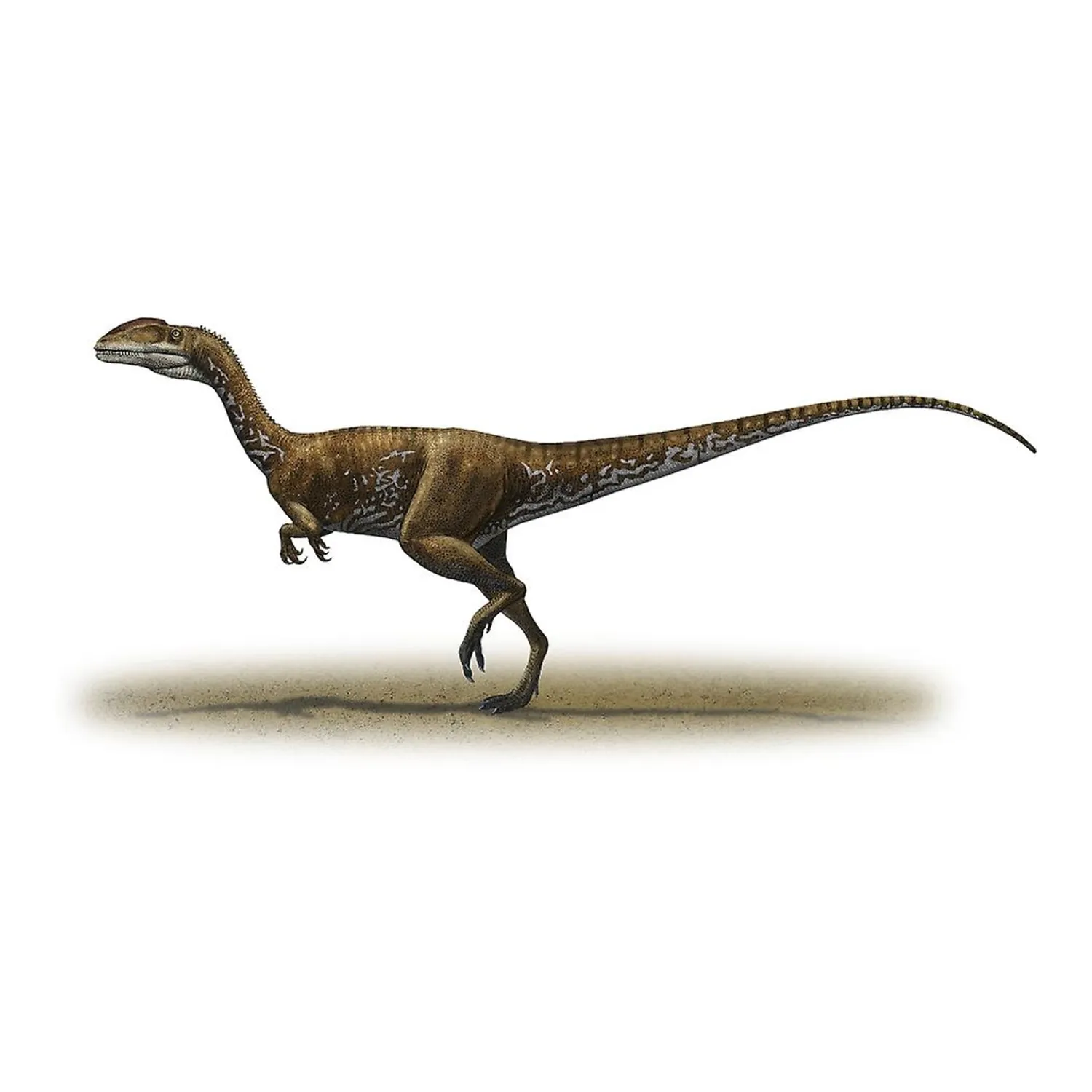
Megapnosaurus is a small carnivorous dinosaur that lived in Africa during the Early Jurassic.
Extremely similar to Coelophysis, this dinosaur was once familiarly known by the name “Syntarsus.”
However, academic rules forced a name change, and as a result, it ended up bearing the strange name “Great Dead Lizard.”
From “Syntarsus” to “Megapnosaurus”: The Reason for the Name Change
Fossils of this dinosaur were discovered in geological formations (Early Jurassic) in Zimbabwe and South Africa.
In 1969, due to the characteristic fusion of its ankle bones, it was named “Syntarsus,” meaning “Fused Ankle,” and was introduced in reference books under this name for many years.
The Name Clashed with an Insect
However, decades after its naming, a major problem came to light.
The scientific name “Syntarsus” had already been used for a beetle (a colydiine beetle) named in 1869.
Under the rules of scientific naming, the name given first takes priority (principle of priority), so the dinosaur had to be renamed.
Birth of the “Great Dead Lizard”
In 2001, it was given the new scientific name “Megapnosaurus.”
This combines the Greek words for “large (megas),” “breathless (apnoos),” and “lizard (sauros),” which translates literally to “Great Dead Lizard.”
Huge?
The word “huge” is used for a small dinosaur only 2.2 meters long.
Breathless?
An expression meaning “dead.”
This name seems to contain a sense of irony, confusion over the renaming, or perhaps a unique sense of humor.
Incidentally, the beetle genus Syntarsus that caused this issue later became an invalid name (synonym), making the history of this situation quite complicated.
A 2.2m “Athletic Build” and Strong Leg Power
Strikingly Similar to Coelophysis
The estimated total length of Megapnosaurus is about 2.2 meters, with a weight of around 30 kg.
It has a very long, slender body and resembles Coelophysis so closely that some researchers consider them the same species.
A Runner Skilled at Jumping
While its forelimbs were weak, its hindlimbs were highly developed.
Utilizing the “robust ankles”—the source of its former name—and strong leg power, it is believed to have been a skilled runner capable of moving at high speeds and jumping high.
Nocturnal Pack Hunters? Ecology Revealed by Fossils
A Group Fossil of Over 30 Individuals
In Zimbabwe, fossils of more than 30 individuals were discovered together in one location.
This suggests that they were social dinosaurs that acted in packs rather than alone.
Hunting Cooperatively
In the past, there was a theory that they were scavengers (carrion eaters) due to their slender jaws, but the theory that they “hunted cooperatively in packs” is now dominant.
It is presumed that they used their numbers and speed to prey on small animals and early herbivorous dinosaurs.
Possibility of Being Nocturnal
A 2011 study on sclerotic rings (eye bones) suggested the possibility that they were “nocturnal.”
They may have been hunters running through the darkness in packs during the Jurassic nights.
Their lifespan was about 7 years, and growth rates varied significantly between individuals.
Labyrinth of Classification: The Mystery of the American Fossils
While the African fossils are clearly defined as Megapnosaurus, the treatment of very similar fossils found in Arizona, USA (formerly Syntarsus kayentakatae), remains a subject of debate.
Opinions among researchers are divided on whether to include these in Megapnosaurus, classify them as Coelophysis, or establish them as an independent genus.