
Megapterygius
Name Origin
Large wing from Wakayama
Family
Mosasauridae
Classification
Reptilia, Diapsida, Squamata
Habitat (Discovery Location)
Japan
Period
Approximately 72 million years ago (Late Cretaceous)
Length
Approximately 6 meters
Weight
Approximately 150 to 450 kilograms
Diet
Piscivore (Fish-eater)
You might also like... 

-
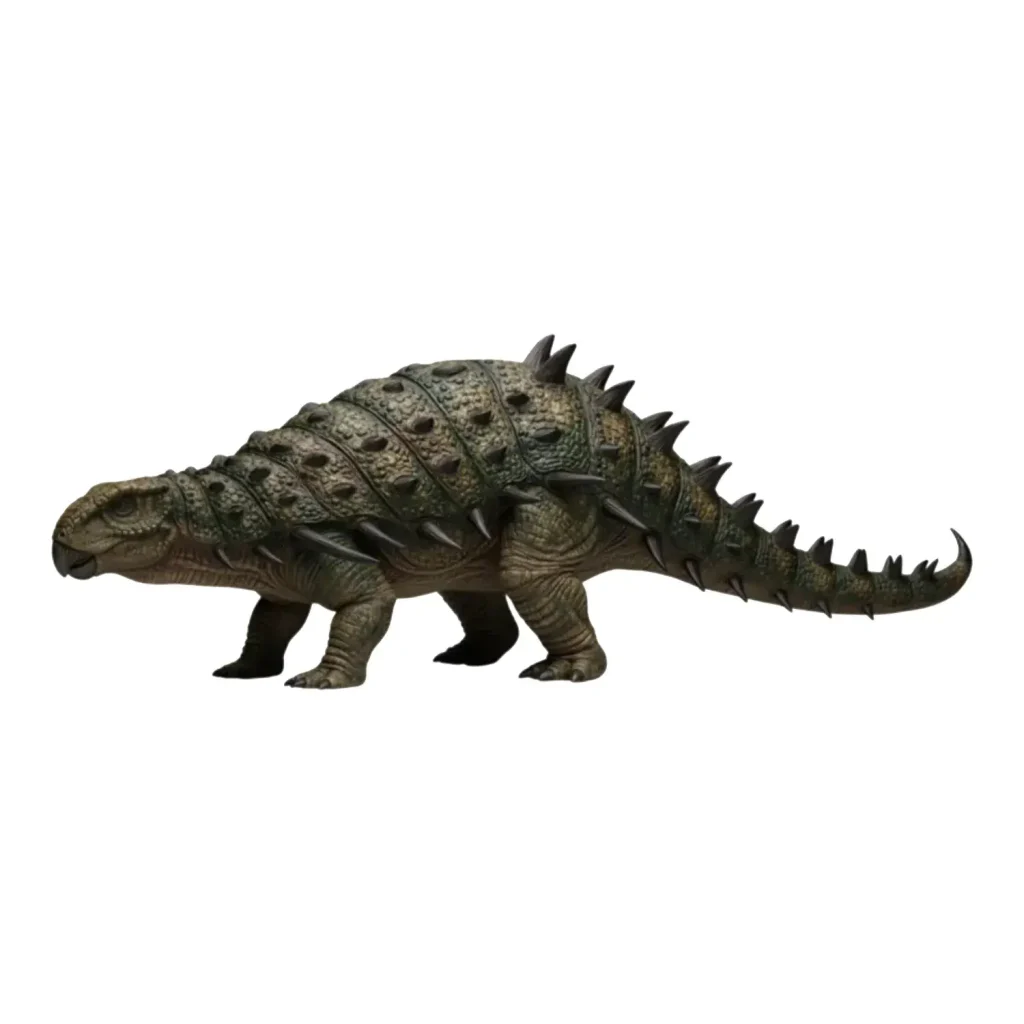
 Hylaeosaurus
- Classification
- Thyreophora
- Characteristics
- Herbivorous
- Era
- Cretaceous period
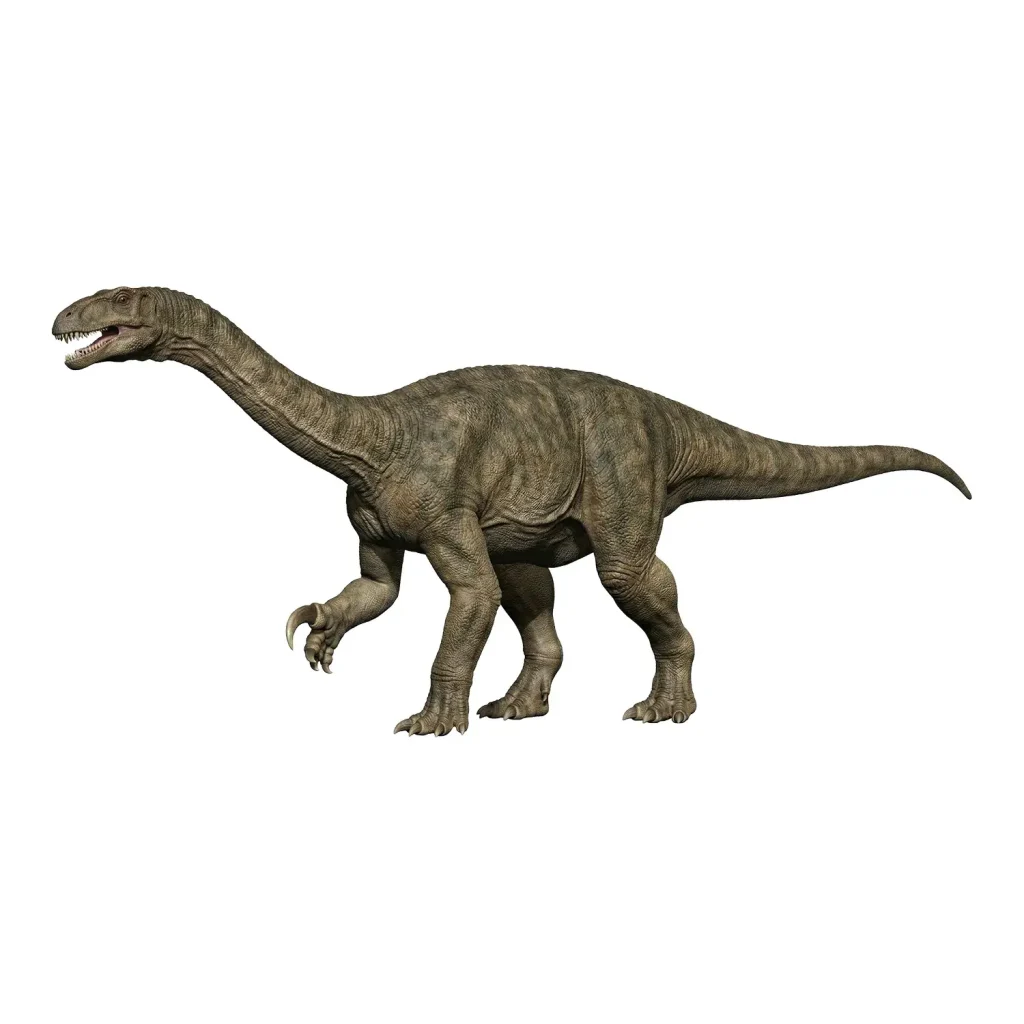
- Jingshanosaurus
- Classification
- Sauropods
- Characteristics
- Herbivorous
- Era
- Jurassic period
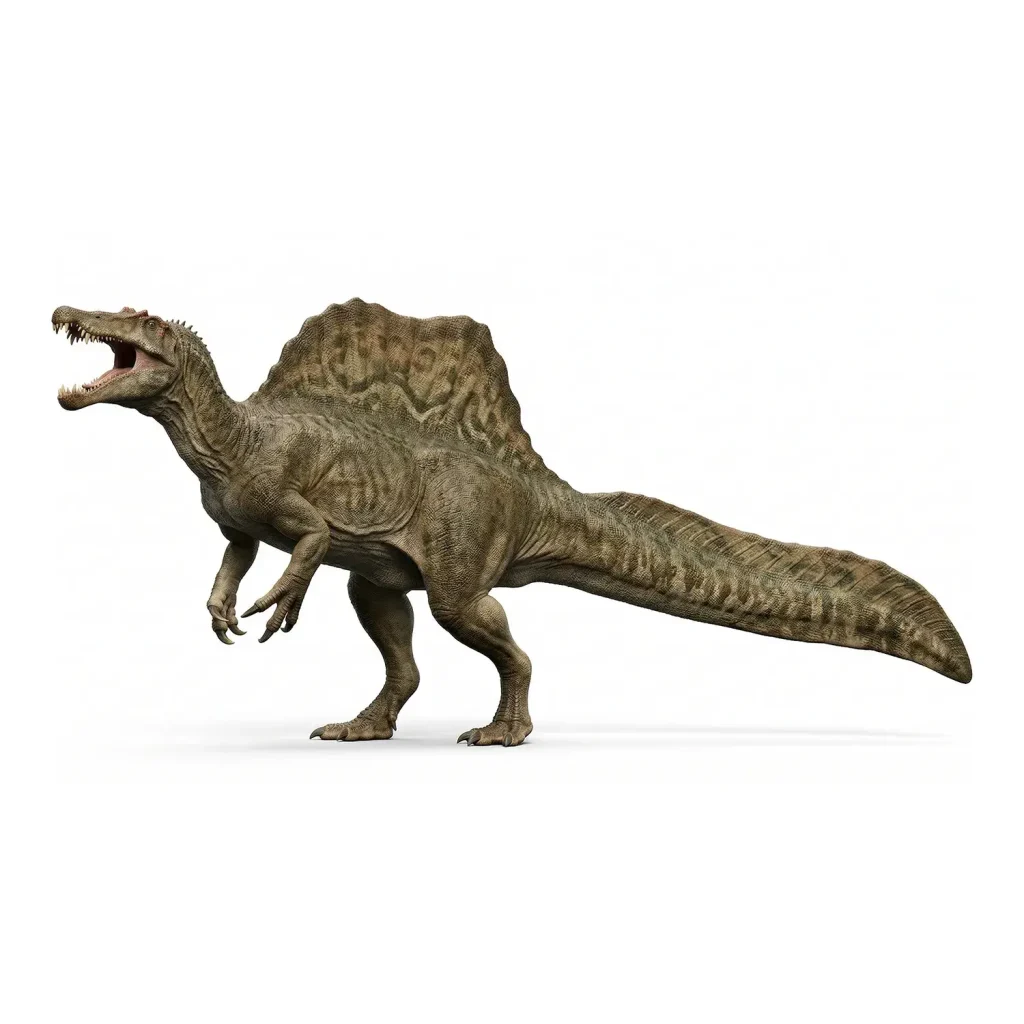
- Spinosaurus
- Classification
- Theropods
- Characteristics
- Carnivorous
- Era
- Cretaceous period
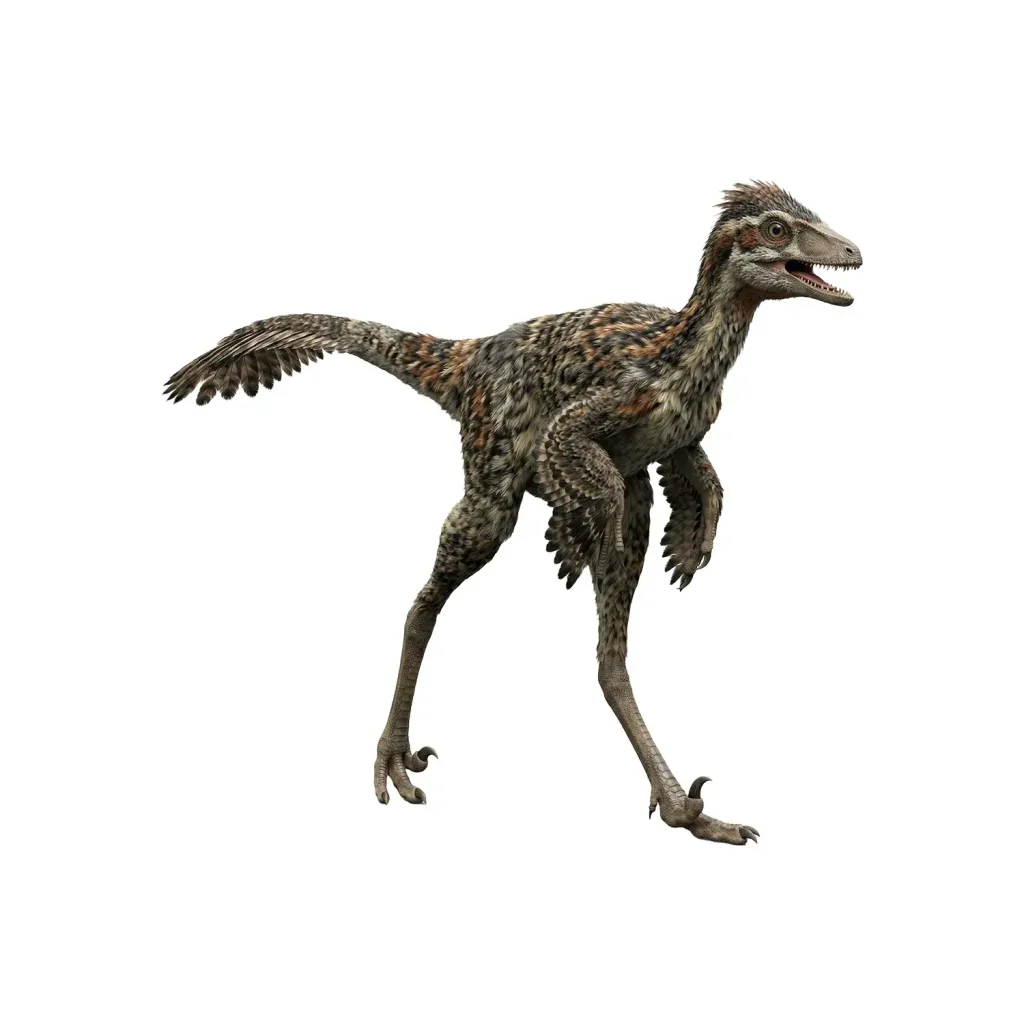
- Sinovenator
- Classification
- Theropods
- Characteristics
- Carnivorous
- Feathered
- Era
- Cretaceous period
-
Sponsored Links
-
Sponsored Links









![[Latest Research] What Was the Function of Spinosaurus's Giant "Sail"? Exploring the Mysteries of Thermoregulation and Underwater Locomotion](https://dinosaurmuseum.jp/wp/wp-content/uploads/eyecatch_spinosaurus-sail-function_en-1024x512.webp)
![[Latest Discovery] A Third Type of Skin, Neither Scales Nor Feathers? Meet "Haolong dongi," a New Dinosaur Species Covered Entirely in Spikes](https://dinosaurmuseum.jp/wp/wp-content/uploads/eyecatch_dinosaur-spiky-skin-discovery_en-1024x512.webp)

Description
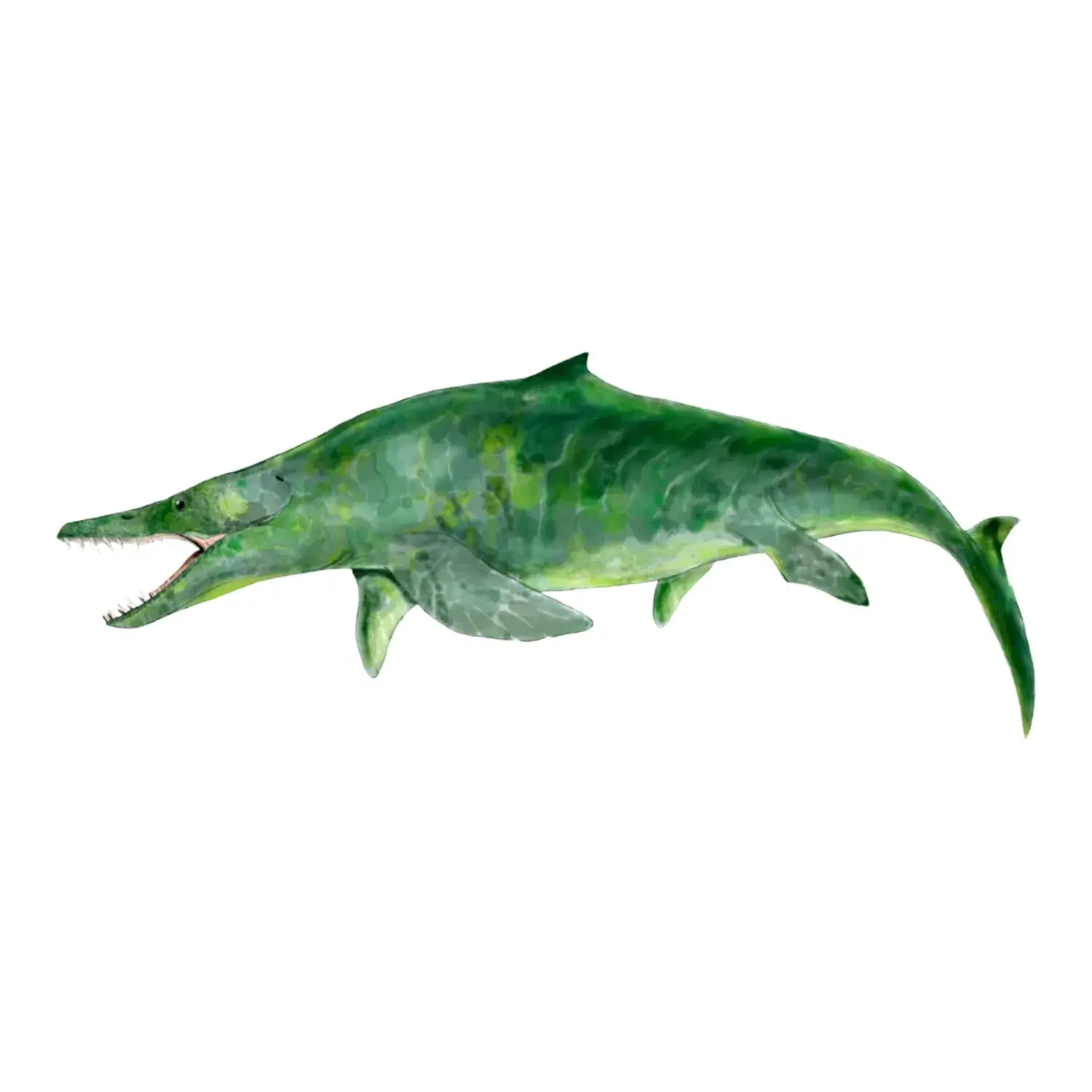
During the Late Cretaceous period, when dinosaurs ruled the land, giant marine reptiles known as “mosasaurs” reigned at the top of the food chain in the marine world.
Until now, the established image of mosasaurs was that of ferocious predators that swam by undulating their long bodies much like crocodiles or snakes.
However, a fossil discovered in Aridagawa Town, Wakayama Prefecture in 2006, and officially described as a new genus and species at the end of 2023, has fundamentally overturned that conventional wisdom.
It is commonly known as “Wakayama Soryu” (Wakayama mosasaur), with the scientific name Megapterygius wakayamaensis.
A Miraculous Discovery from Wakayama! Asia’s First Full Skeleton of a Mosasaur
The story of Megapterygius began in 2006 with a chance discovery by Akihiro Misaki, who was a graduate student at Kyoto University at the time.
While searching for ammonites in the mountains of Aridagawa Town, he discovered a strange fossil exposed in the hard bedrock.
This served as the catalyst for a full-scale excavation.
The site consisted of an extremely hard bedrock layer, and the work was so difficult that there was even a risk of the fossil shattering from the vibrations of heavy machinery.
However, through the researchers’ sheer determination and extensive cleaning work, a miraculous skeleton comprising more than half of the entire body emerged, including a nearly complete skull and front and hind flippers.
Being excavated with both forelimbs and hindlimbs intact was a monumental first for Asia regarding mosasaurs.
The Scientific Name Means “Large Wing from Wakayama”
After years of research, it was officially described as a new genus and species in December 2023.
Scientific Name
Megapterygius wakayamaensis
Meaning
It combines the Greek words “megas” (large) and “pterygion” (wing) with the Latin suffix “-ensis” (from), meaning “large wing from Wakayama” in reference to its giant flippers, which will be discussed later.
Common Name
To make it more familiar to the public, it was officially named “Wakayama Soryu.”
(*Soryu means “lizard of the blue ocean” and is used as the Japanese name for mosasaurs.)
Overturning Established Theories! The Unique Physical Structure of Wakayama Soryu
The estimated total length of Megapterygius is about 6 meters.
Although it is a medium-sized mosasaur, its skeleton possessed several unique features that overturn previous common knowledge.
“Giant Front and Hind Flippers” Longer Than Its Head
Its greatest feature is the giant flippers, which inspired its scientific name.
The flippers are longer than its skull, and it possesses the extremely rare trait of “the hind flippers being longer than the front flippers.”
While previous mosasaurs were thought to have swum by undulating their bodies, it is speculated that Megapterygius used these massive, laterally extending flippers to paddle through the water “like flapping wings,” gaining propulsion similar to sea turtles and penguins.
A World First! Suggesting the Existence of a “Dorsal Fin”
It was an established global theory that mosasaurs did not have dorsal fins, but it was found that the neural spines of the vertebrae (the 17th to 21st vertebrae) in Megapterygius were bent forward.
This strongly suggests the possibility that it had a “dorsal fin” like a dolphin or a shark, marking a major world-first discovery for mosasaurs.
“Binocular Vision” to Capture Prey in 3D
The area around its orbits (eye sockets) bulged outward, indicating the possibility that it possessed “binocular vision (stereoscopic vision),” where the left and right fields of view overlap in the front.
This is the ability to accurately gauge distance, and it is only the second time in the world this has been confirmed in mosasaurs.
Not a Ferocious Tyrant? The True Form and Ecology of Megapterygius
From these characteristics, a picture of the kind of life they led begins to emerge.
A Hunter Targeting Small Fish with Mobility and Accuracy
Megapterygius had a relatively small head, and its jaws and teeth were delicate.
Therefore, it is thought that instead of crushing large prey with brute force, its main diet consisted of “small fish” swimming in schools.
By utilizing its giant front and hind flippers like bird wings, it could rapidly accelerate, turn, surface, and dive in the ocean to corner fleeing small fish.
Then, using “binocular vision” from its forward-facing eyes to accurately gauge the distance, it would likely prey on them with pinpoint precision.
Evolution to Fill the Niche of Extinct “Ichthyosaurs”
During the Late Cretaceous period when Megapterygius lived, the dolphin-like “ichthyosaurs,” which had long ruled the Mesozoic seas, had already gone extinct.
With giant flippers and (possibly) a dorsal fin, giving them a silhouette and agile swimming style very similar to ichthyosaurs, it is believed they expanded into the ecological niche left by the extinct ichthyosaurs and underwent convergent evolution to achieve a similar form.
A Treasure Opening New Doors in Marine Reptile Research
Megapterygius wakayamaensis (Wakayama Soryu) discovered in Wakayama Prefecture is not merely a “new fossil found in Japan.”
These facts prove that mosasaurs evolved into a much wider variety of shapes and ecologies than imagined, building a rich marine ecosystem.
The “large wing from Wakayama” rescued from the hard bedrock is a global treasure that teaches us the true nature of the ancient seas.