Mononykus
Name Origin
One Claw
Family
Alvarezsauridae
Classification
Diapsida, Saurischia, Theropoda
Habitat (Discovery Location)
Mongolia
Period
Approximately 70 million years ago (Late Cretaceous)
Length
Approximately 1 meter
Weight
Approximately 4 kg
Diet
Insectivore
You might also like... 

-
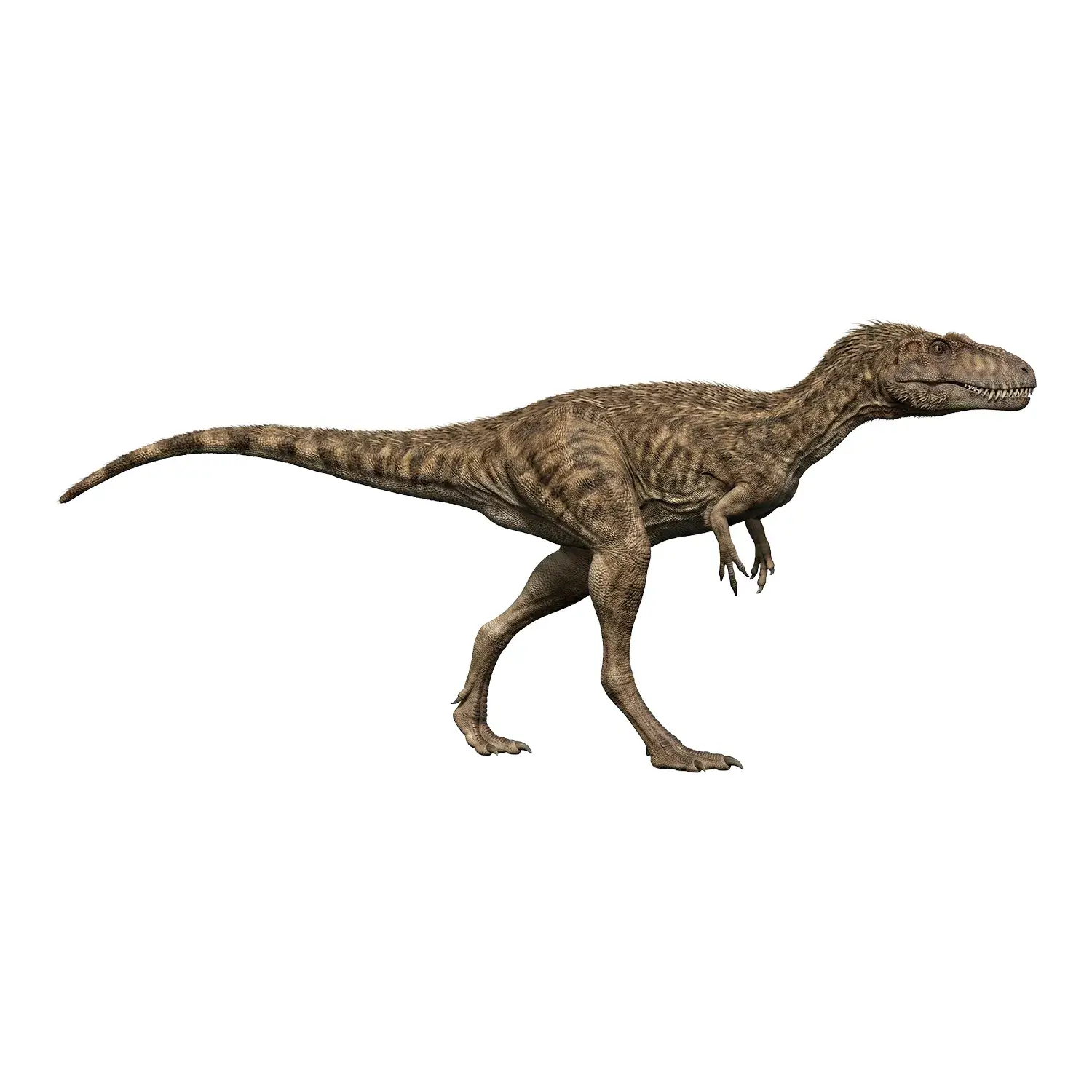
 Abelisaurus
- Classification
- Theropods
- Characteristics
- Carnivorous
- Era
- Cretaceous period
- Psittacosaurus
- Classification
- Marginocephalia
- Characteristics
- Herbivorous
- Era
- Cretaceous period
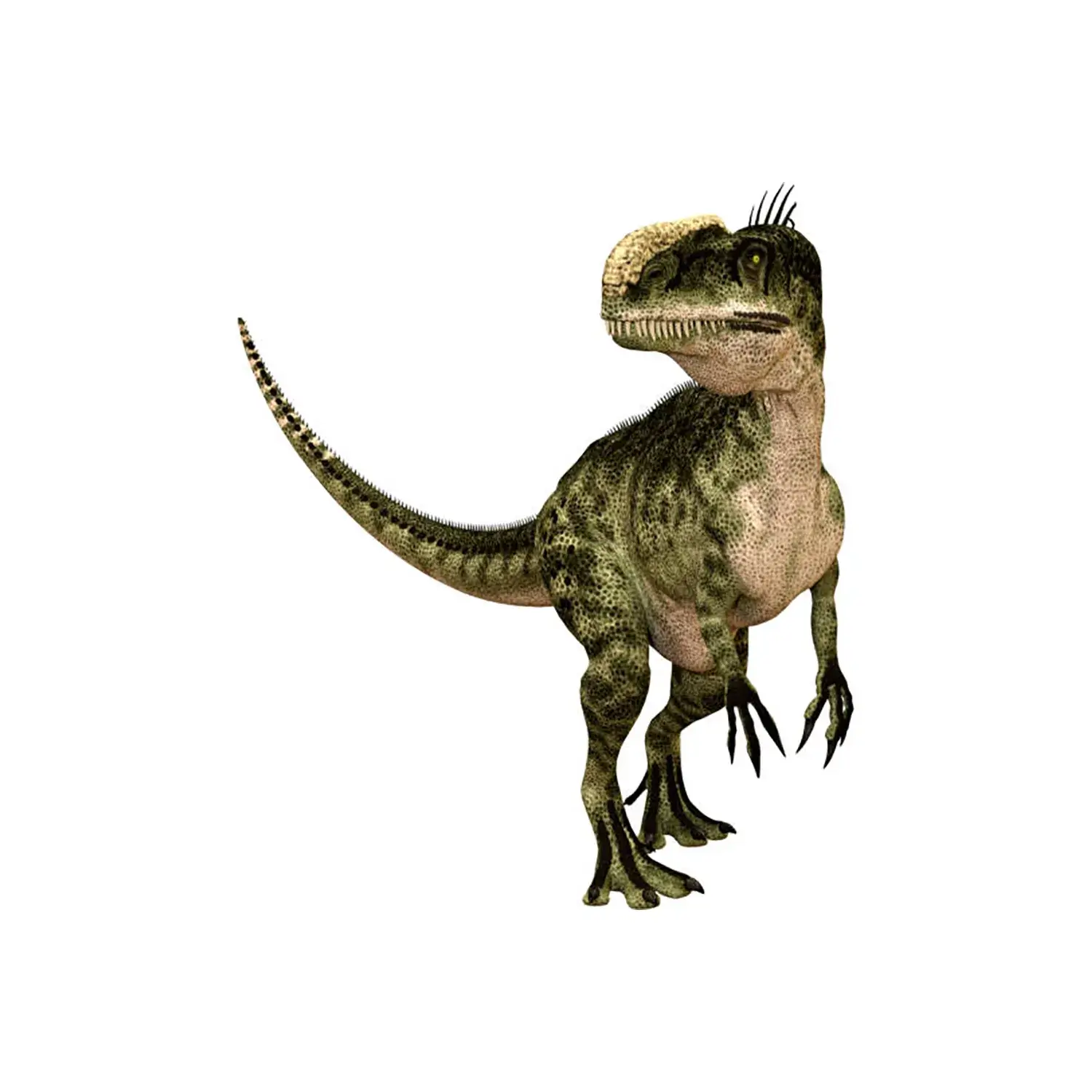
- Fukuiraptor
- Classification
- Theropods
- Characteristics
- Carnivorous
- Era
- Cretaceous period
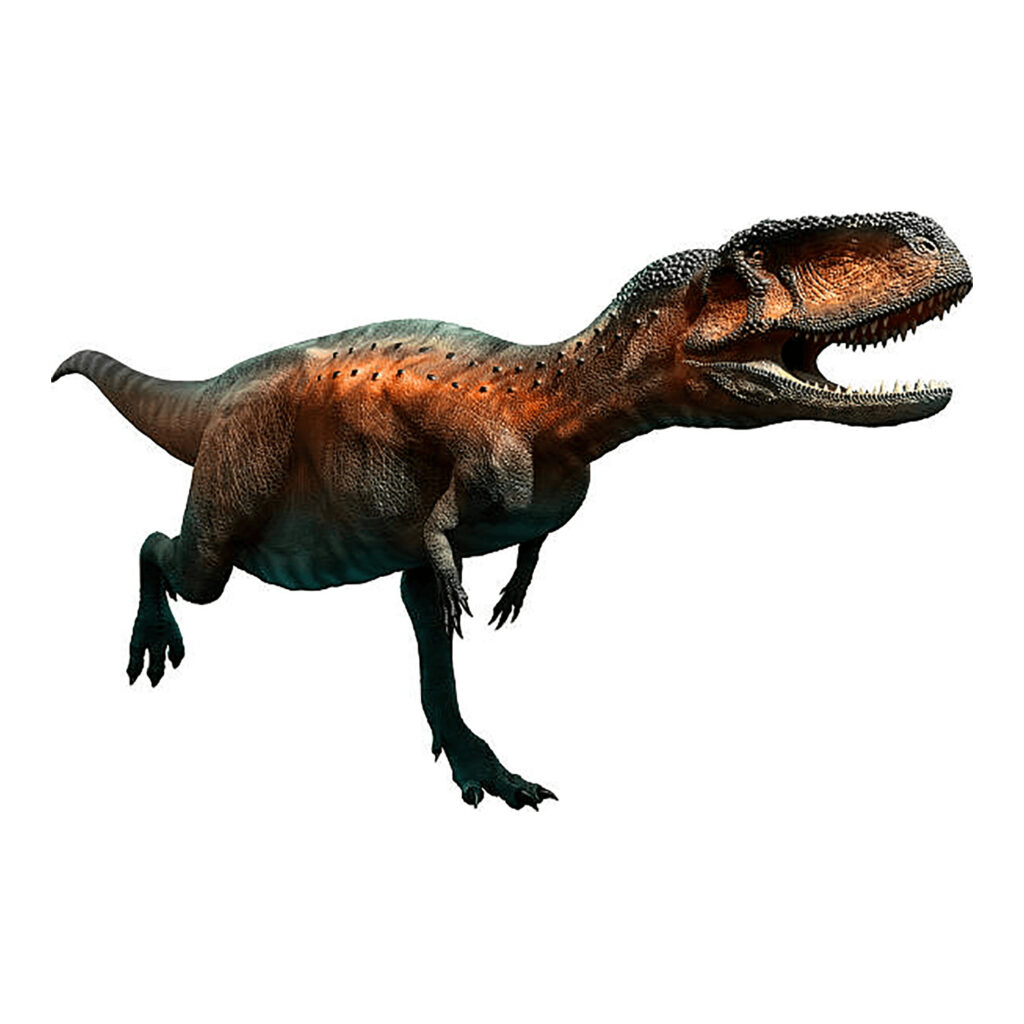
- Majungasaurus
- Classification
- Theropods
- Characteristics
- Carnivorous
- Era
- Cretaceous period
-
Sponsored Links
-
Sponsored Links







![[Latest Research] What Was the Function of Spinosaurus's Giant "Sail"? Exploring the Mysteries of Thermoregulation and Underwater Locomotion](https://dinosaurmuseum.jp/wp/wp-content/uploads/eyecatch_spinosaurus-sail-function_en-1024x512.webp)
![[Latest Discovery] A Third Type of Skin, Neither Scales Nor Feathers? Meet "Haolong dongi," a New Dinosaur Species Covered Entirely in Spikes](https://dinosaurmuseum.jp/wp/wp-content/uploads/eyecatch_dinosaur-spiky-skin-discovery_en-1024x512.webp)
Description
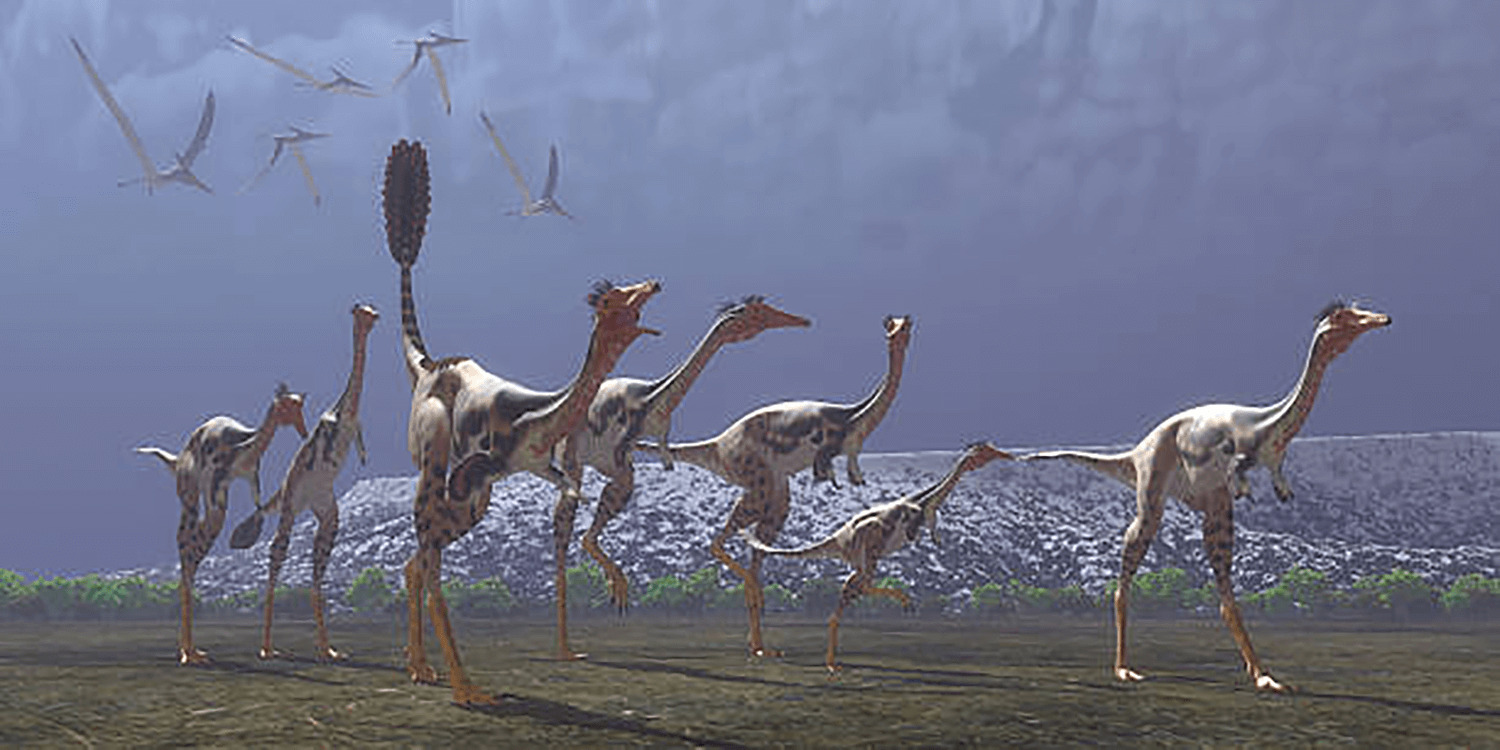
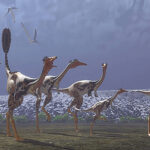
In Late Cretaceous Mongolia, there lived a mysterious small dinosaur with arms so short they would surprise even a Tyrannosaurus, equipped with a powerful “single claw.”
It is “Mononykus.”
When discovered in 1993, this dinosaur sparked a global debate over whether it was a “flightless bird,” but today it is considered to have been a specialist in destroying anthills.
“One Claw” and Powerful Arms: A Crow-Sized Strong Dinosaur
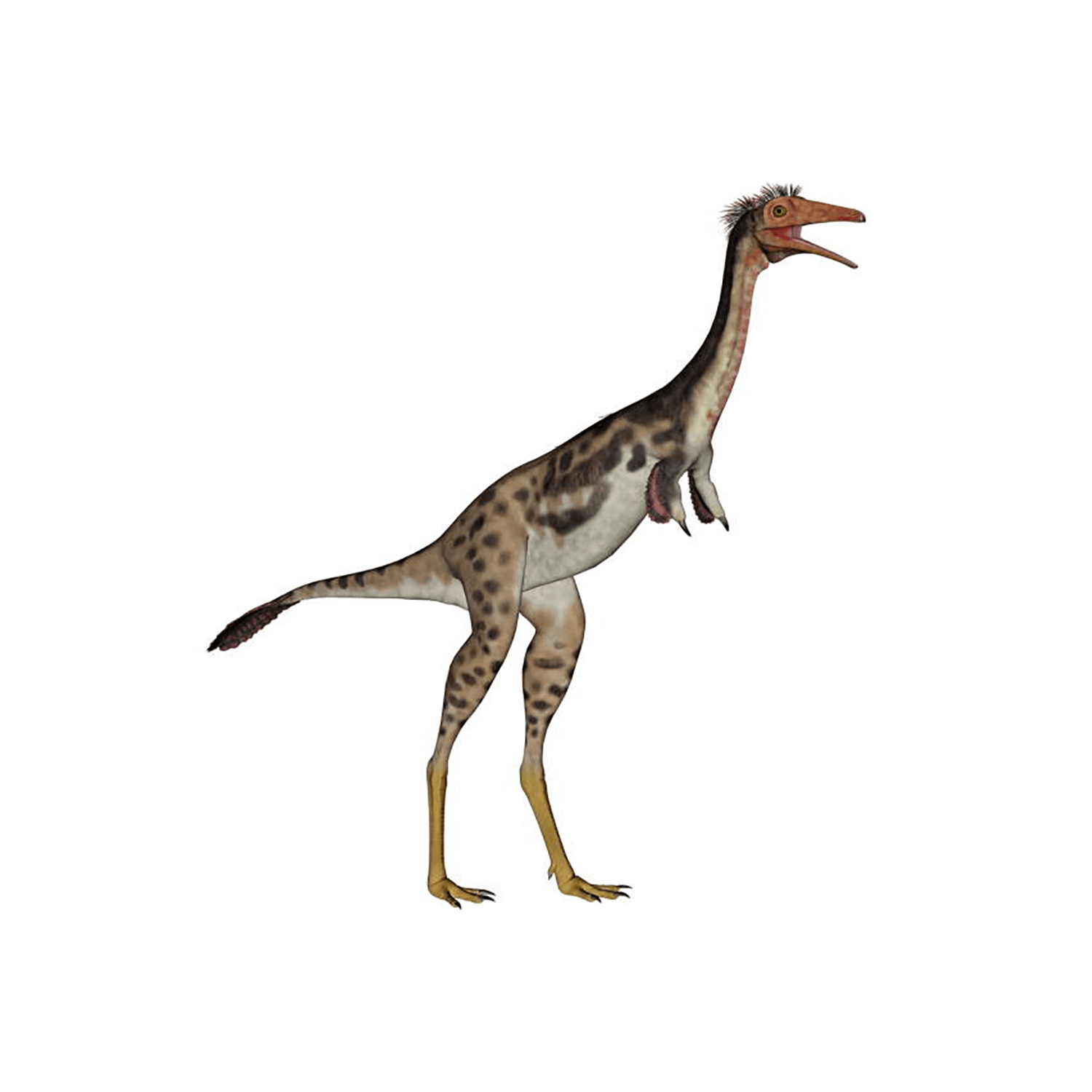
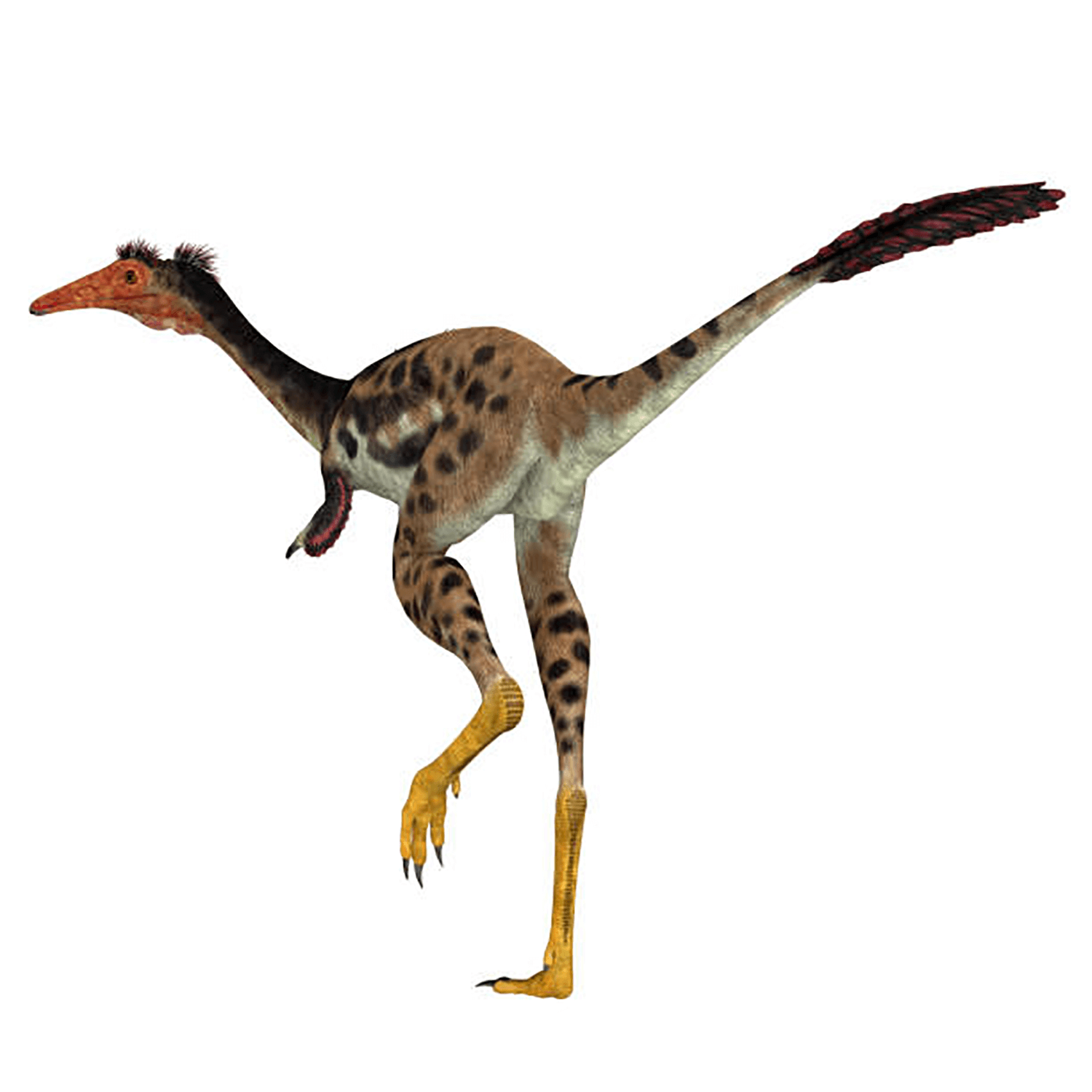
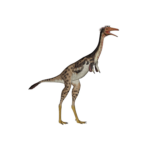
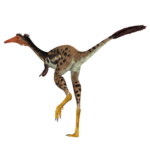
Mononykus was about 1 meter in total length.
It was a very small theropod, only slightly larger than a crow, pheasant, or pigeon.
However, its small body possessed some astonishing features.
Named “One Claw”
The scientific name means “One Claw.”
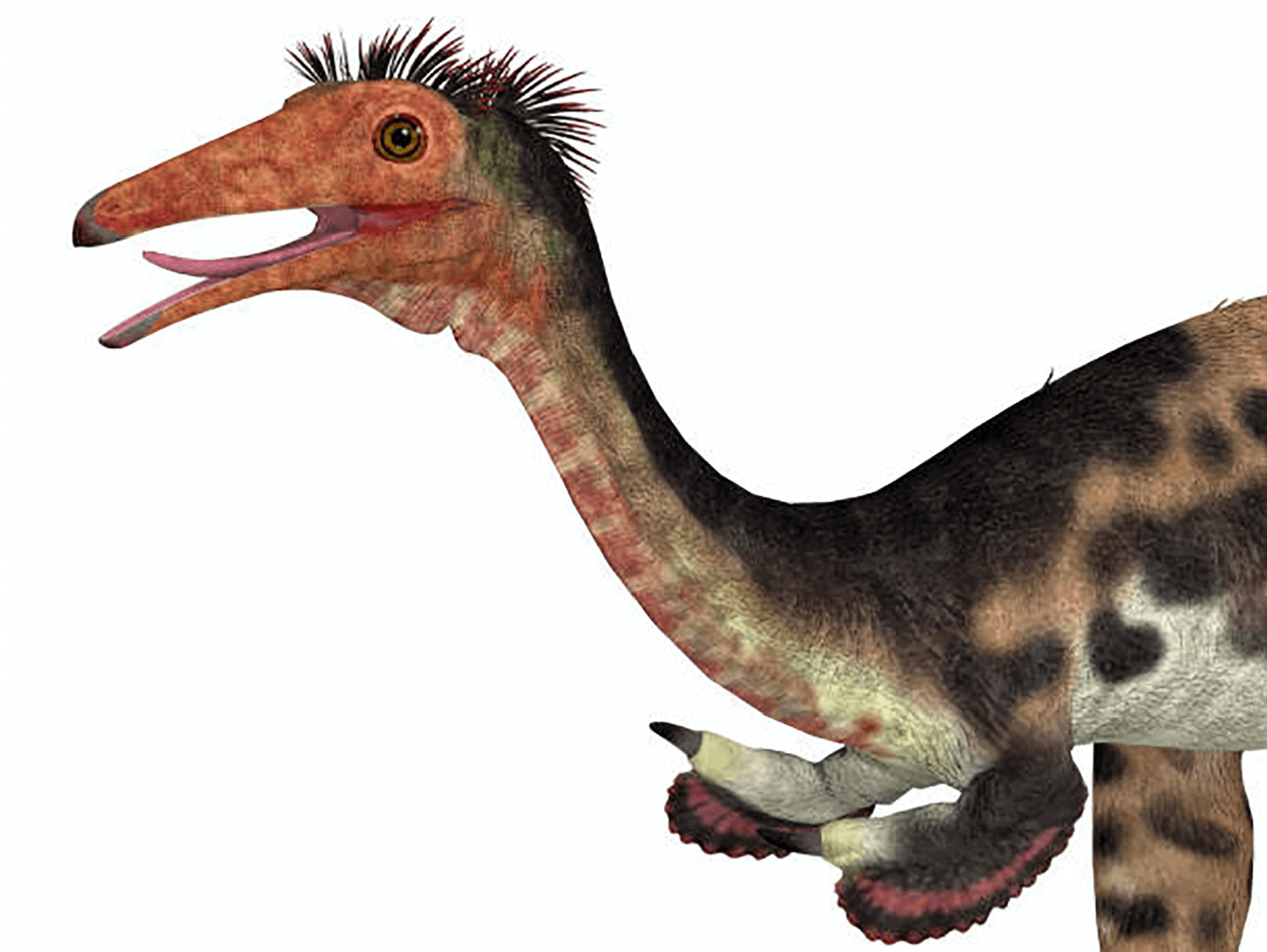
As the name suggests, it had a single, thick, sharp claw about 7.5 cm long on its forelimb (arm).
There was a thick, sharp single claw on the forelimb
*Subsequent investigations revealed two vestigial fingers that were too small to be seen alongside the claw, meaning it actually had three fingers.
Abnormally Short but “Macho” Arms
The arms themselves were so short they could not reach the mouth, but they weren’t just short.
The wrist bones were fused, and the projection where muscles attach (the olecranon process) was elongated.
This indicates that these arms were moved by tremendous muscular strength.
It was also a fleet-footed runner with slender legs.
It was a fleet-footed runner with slender legs
Anteater-like Ecology: Nocturnal Termite Hunter
Short, powerful arms and a giant single claw.
What did they use these for?
Currently, the most dominant theory is the “Anteater Theory.”
Destroying Termite Mounds
It is believed that, like the modern southern tamandua, they used their powerful claws to break open hard termite mounds or rotting wood to eat the termites inside.
Their mouths were lined with fine teeth, but they lacked the serrations for tearing meat, making them unsuitable for eating tough meat.
This feature also aligns with an insect-eating lifestyle.
“Nocturnal” with Hearing Comparable to an Owl
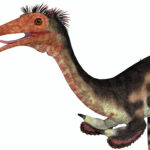
Research on its close relative “Shuvuuia” has revealed that they possessed excellent hearing comparable to that of owls.
It is considered highly likely that they were “nocturnal hunters” who used their large eyes and acute hearing to pinpoint the location of prey in the darkness of the night.
Bird or Dinosaur? The Controversy That Shook Science
Mononykus was at the center of a significant debate in the history of dinosaur research.
When described in 1993, it was announced as a “flightless bird.”
The Keel and Convergent Evolution
The basis for this was the presence of a “keel” (a ridge where flight muscles attach) on its breastbone, a feature unique to birds.
However, subsequent research revealed that they were not birds but dinosaurs from a completely different lineage.
It is now concluded to be a stunning example of “convergent evolution,” where different organisms adapt to similar environments and develop similar forms.
Of course, its body was covered in feathers.
Name Clash with a Beetle? The Story Behind the Scientific Name
Mononykus was initially named using the spelling “Mononychus,” meaning “one claw.”
However, after the naming, it was discovered that this name had already been used as the scientific name for a “beetle” (a type of weevil).
Since the rules of scientific naming work on a first-come, first-served basis (principle of priority), the spelling was hurriedly changed to “Mononykus,” allowing it to be successfully recognized as the dinosaur’s name.
It is an ironic episode where a dinosaur with a huge claw almost had its name stolen by a tiny insect.