
Nyctosaurus
Name Origin
Night lizard (Lizard of the night)
Family
Nyctosauridae
Classification
Reptilia, Diapsida, Pterosauria
Habitat (Discovery Location)
United States
Period
Approximately 82 million years ago (Late Cretaceous)
Length
Approximately 2.4 to 3 meters (Wingspan)
Weight
Approximately 1.86 kilograms
Diet
Piscivore (Fish-eater)
You might also like... 

-
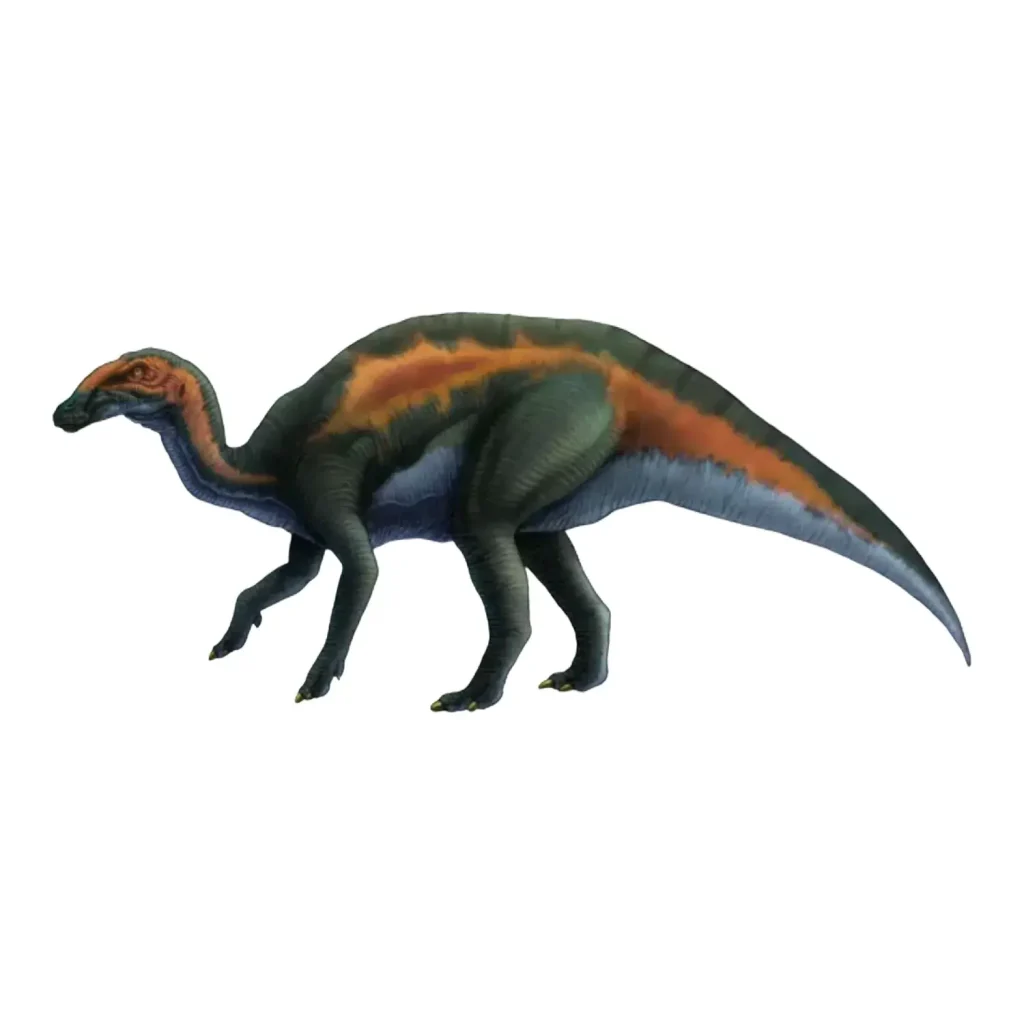
 Hadrosaurus
- Classification
- Ornithopoda
- Characteristics
- Herbivorous
- Era
- Cretaceous period
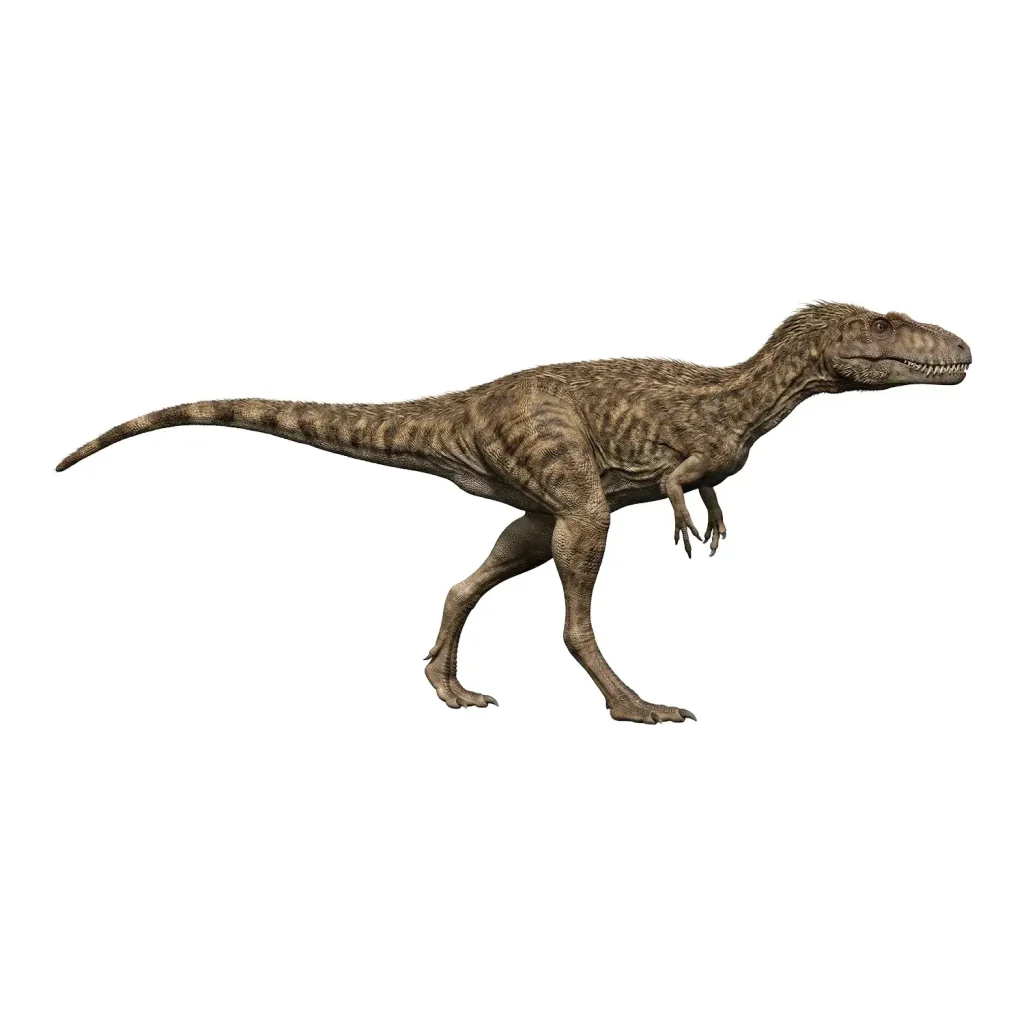
- Moros
- Classification
- Theropods
- Characteristics
- Carnivorous
- Era
- Cretaceous period
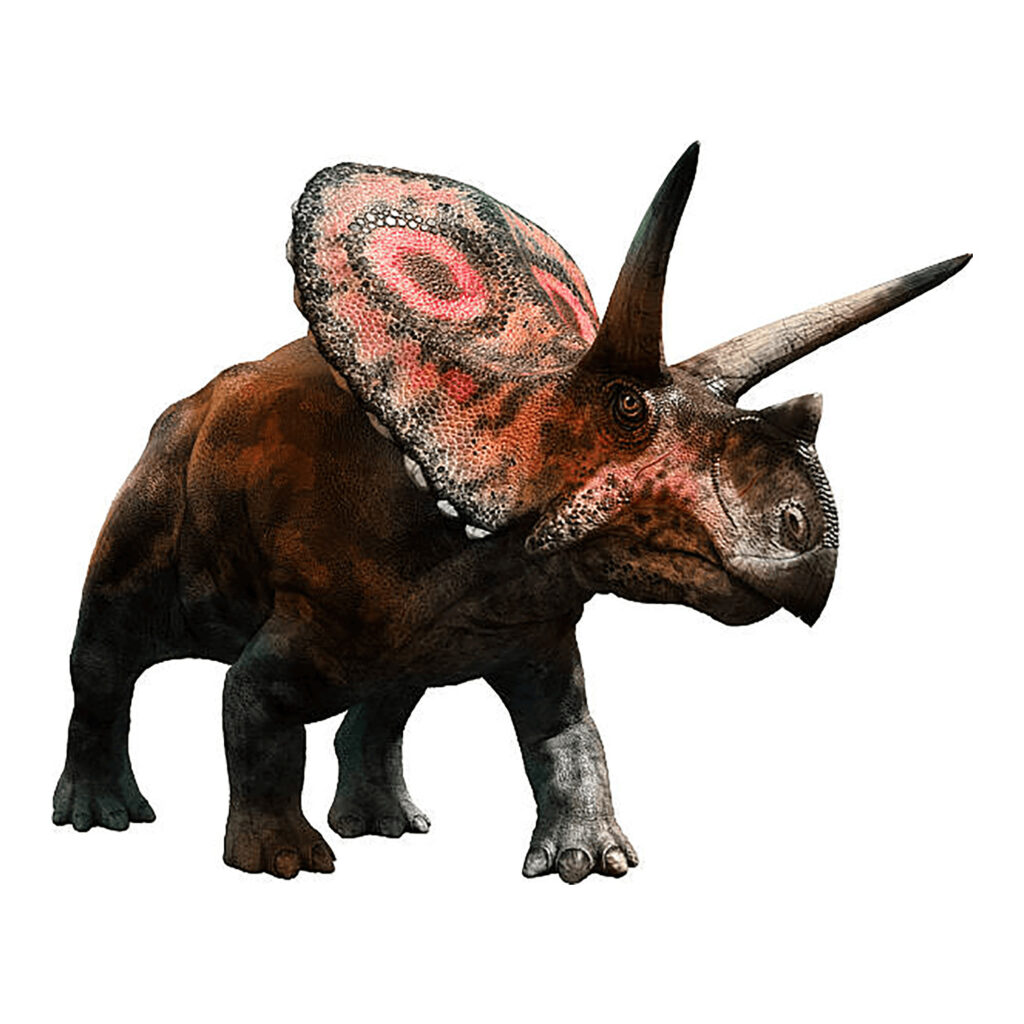
- Torosaurus
- Classification
- Marginocephalia
- Characteristics
- Herbivorous
- Era
- Cretaceous period
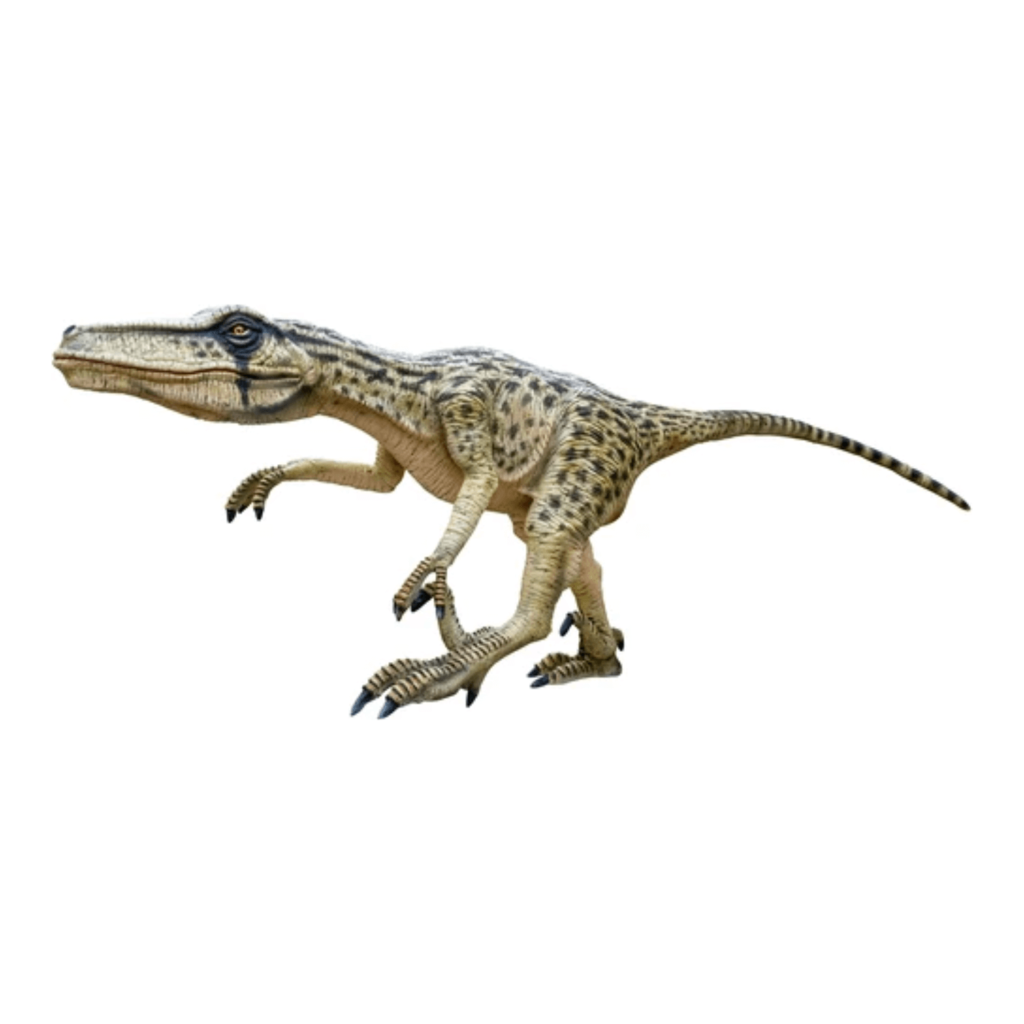
- Dromaeosaurus
- Classification
- Theropods
- Characteristics
- Carnivorous
- Era
- Cretaceous period
-
Sponsored Links
-
Sponsored Links









![[Latest Research] What Was the Function of Spinosaurus's Giant "Sail"? Exploring the Mysteries of Thermoregulation and Underwater Locomotion](https://dinosaurmuseum.jp/wp/wp-content/uploads/eyecatch_spinosaurus-sail-function_en-1024x512.webp)
![[Latest Discovery] A Third Type of Skin, Neither Scales Nor Feathers? Meet "Haolong dongi," a New Dinosaur Species Covered Entirely in Spikes](https://dinosaurmuseum.jp/wp/wp-content/uploads/eyecatch_dinosaur-spiky-skin-discovery_en-1024x512.webp)
Description
When speaking of the rulers of the skies during the Late Cretaceous period of the Mesozoic Era, the giant pterosaur “Pteranodon” is famous.
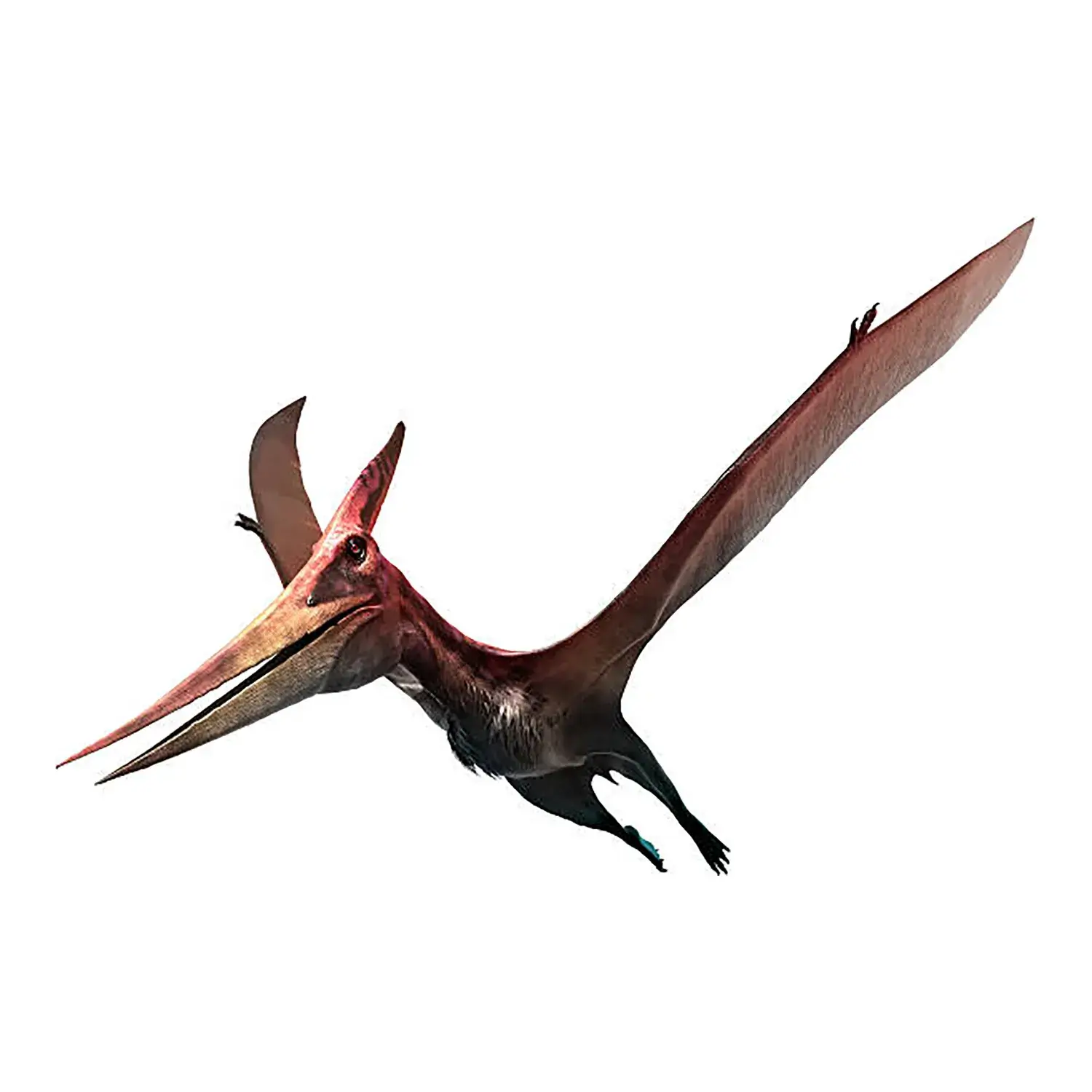
Pteranodon
However, in the skies over North America (near present-day Kansas) about 82 million years ago, a pterosaur very similar to Pteranodon, yet one that had undergone a much more bizarre evolution, was flying about.
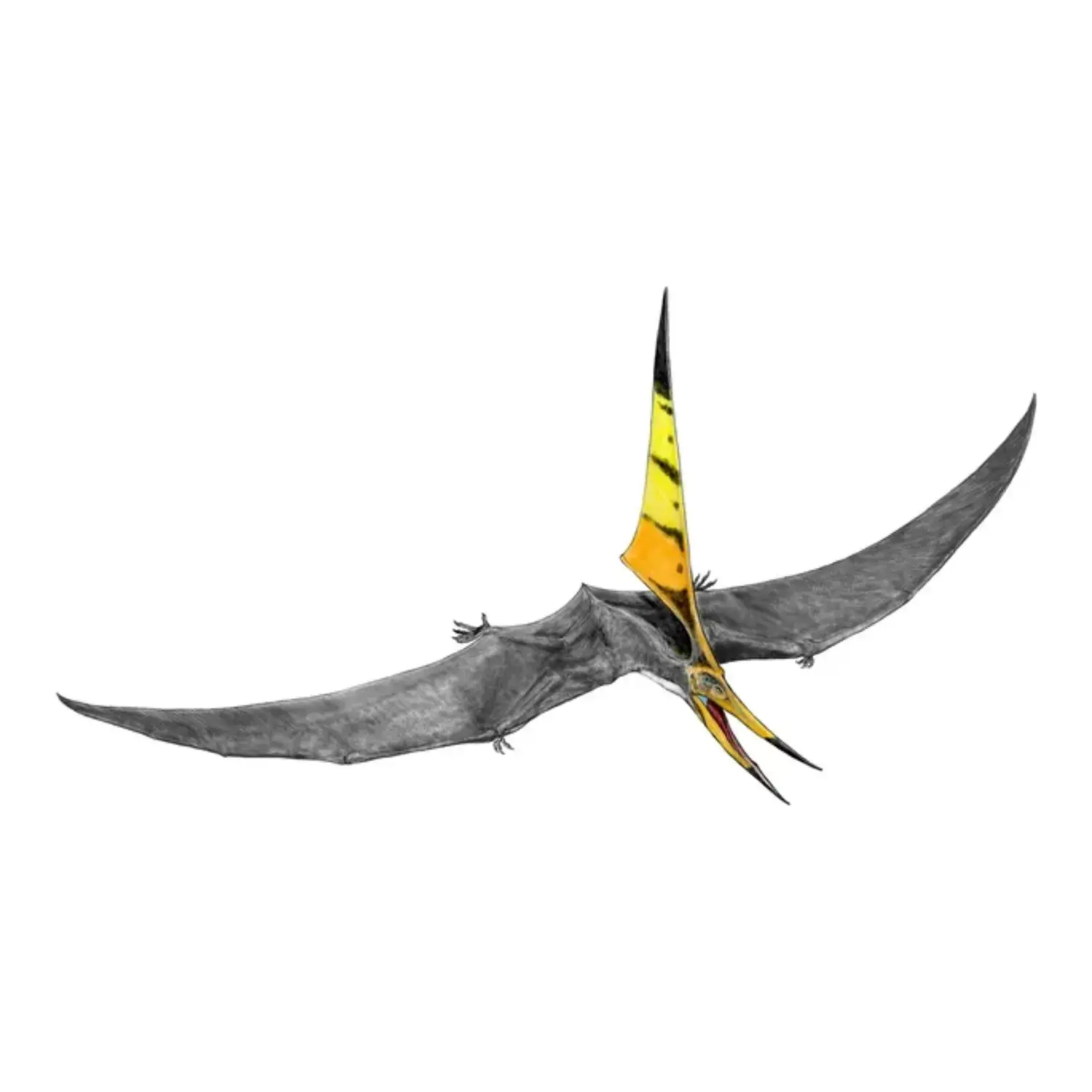
This is “Nyctosaurus.”
This pterosaur, whose name means “night lizard,” possesses truly unique features, such as fingers reduced to their absolute limits and a bizarre crest reaching up to three times the length of its head.
What is Nyctosaurus? Its Relationship with Pteranodon and Its Size
Nyctosaurus is a pterosaur belonging to the suborder Pterodactyloidea (Pteranodontoidea) and the family Nyctosauridae.
(Although its name includes “night,” it is unknown whether it was actually nocturnal.)
It is speculated that it either branched off from a common ancestor with Pteranodon, which lived in the same region during the same period, or that it represents an evolved form living in a later era than Pteranodon.
The two share many commonalities, such as a delicate build and a sharp, toothless beak, but the decisive difference is their “size.”
Pteranodon
Maximum wingspan of about 9 meters
Nyctosaurus
Wingspan of about 2.4 to 3 meters
Compared to Pteranodon, Nyctosaurus was a rather small pterosaur.
Unique Evolution 1: The Completely Lost “Three Fingers”
The first feature that decisively distinguishes Nyctosaurus from other pterosaurs is the structure of its “forelimb digits (fingers).”
A normal pterosaur’s wing is supported by an elongated “ring finger,” and three short fingers remain in the middle of the wing for clinging to trees and other objects.
Surprisingly, however, Nyctosaurus completely lost these three fingers other than the ring finger during its evolution.
Among the numerous pterosaurs that existed, Nyctosaurus is the only one with the unique feature of having its forelimb digits reduced to the absolute extreme of just the single ring finger supporting the wing.
Unique Evolution 2: Three Times the Size of Its Head! The Bizarre “L-Shaped Crest”
And its most bizarre feature is the “giant, strange crest” towering over its head.
For a long time, it was thought that Nyctosaurus lacked a crest or had a very short one (these were later found to be from juveniles or subadults).
However, fossil specimens discovered in 2003 confirmed that a massive crest, extending up to three times the length of the head, developed as it grew, sending a massive shockwave through the paleontological community.
Its shape extends straight up from the top of the head like a solitary pine tree, then curves backward as if extending branches and leaves, taking on a shape much like an “upside-down checkmark” or an “L-shape.”
What Was the Role of the Giant Crest? Three Leading Hypotheses
There is still no clear answer as to exactly what they used this incredibly strange crest for, and various theories are debated among scholars.
Display (Visual Appeal) Theory
Since it grew larger as the animal matured, this theory suggests it was used for visual appeal as evidence of adulthood to distinguish among peers or to attract the opposite sex.
Aerodynamic Function (Tail Fin/Sail) Theory
This is the speculation that, similar to the South American pterosaur Tapejara (Tupandactylus), a membrane of soft tissue was stretched across the crest, serving the role of a tail fin or sail to accurately catch the wind currents like a yacht’s sail.
Airbrake Theory
This unique theory suggests that when flying just above the sea surface to catch fish, the crest functioned as an “airbrake” to balance the powerful water resistance applied to the lower jaw plunged into the water.
At present, there is no direct fossil evidence that a membrane was stretched across the crest.
Whether this L-shaped skeleton was left bare like a raw antenna or served as the framework for a giant sail remains shrouded in deep mystery.
A Pterosaur Embodying Evolutionary Diversity
Although often overshadowed by Pteranodon, Nyctosaurus—having lost its fingers and developed a giant crest three times the size of its head—is a highly fascinating pterosaur that embodies evolutionary diversity.
How did they use their crests while soaring through the Cretaceous skies?
To uncover the truth, we look forward to further fossil discoveries and the ongoing work of researchers.