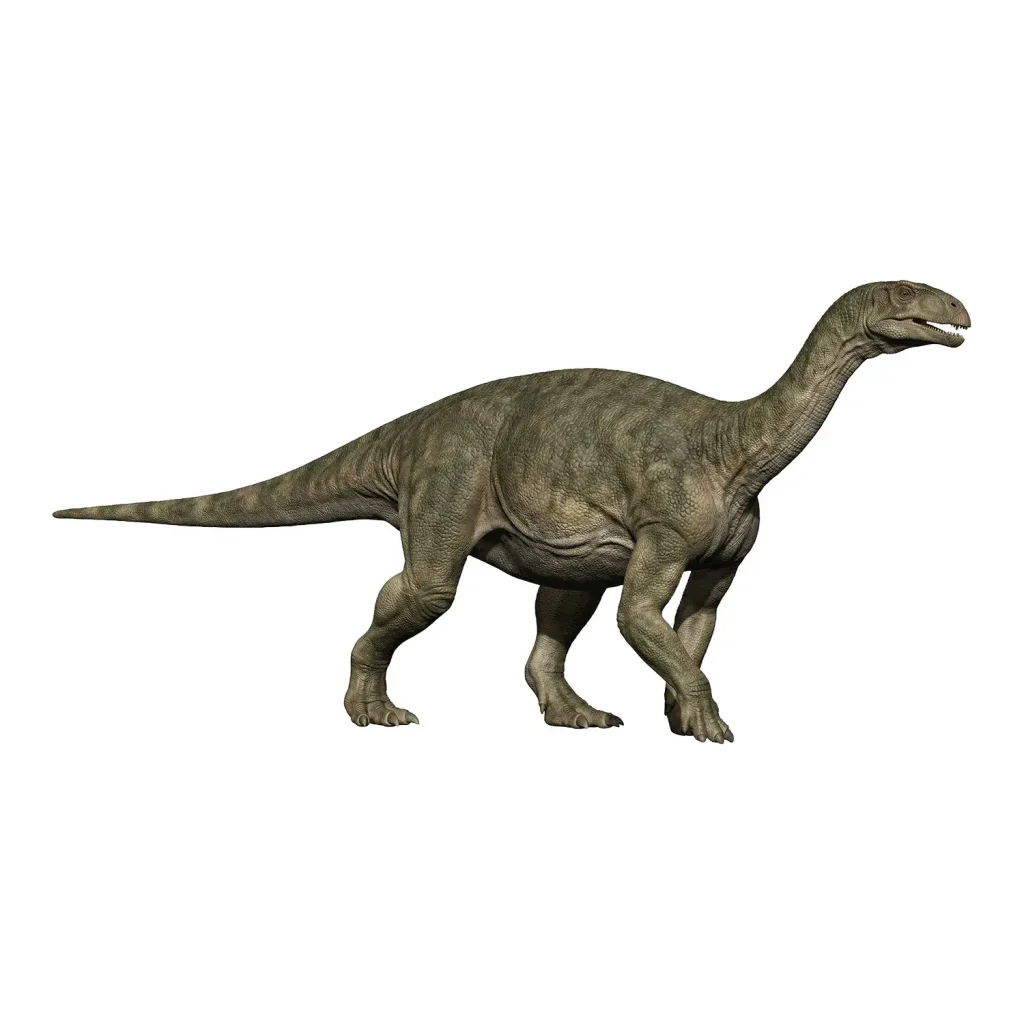
Oryctodromeus
Name Origin
Digging Runner
Family
Thescelosauridae
Classification
Diapsida, Ornithischia, Ornithopoda
Habitat (Discovery Location)
United States
Period
Approximately 95 million years ago (Late Cretaceous)
Length
Approximately 2 meters
Weight
Approximately 20–30 kg
Diet
Herbivore
You might also like... 

-
 Nomingia
- Classification
- Theropods
- Characteristics
- Omnivorous
- Feathered
- Era
- Cretaceous period
- Microraptor
- Classification
- Theropods
- Characteristics
- Carnivorous
- Feathered
- Era
- Cretaceous period
- Euskelosaurus
- Classification
- Sauropods
- Characteristics
- Herbivorous
- Era
- Triassic period
- Frenguellisaurus
- Classification
- Theropods
- Characteristics
- Carnivorous
- Era
- Triassic period
-
Sponsored Links
-
Sponsored Links



![[Latest Research] What Was the Function of Spinosaurus's Giant "Sail"? Exploring the Mysteries of Thermoregulation and Underwater Locomotion](https://dinosaurmuseum.jp/wp/wp-content/uploads/eyecatch_spinosaurus-sail-function_en-1024x512.webp)
![[Latest Discovery] A Third Type of Skin, Neither Scales Nor Feathers? Meet "Haolong dongi," a New Dinosaur Species Covered Entirely in Spikes](https://dinosaurmuseum.jp/wp/wp-content/uploads/eyecatch_dinosaur-spiky-skin-discovery_en-1024x512.webp)
Description
Late Cretaceous North America.
Beneath the lands of what are now Montana and Idaho, there lived a dinosaur that built “underground shelters” to preserve the warmth of its family.
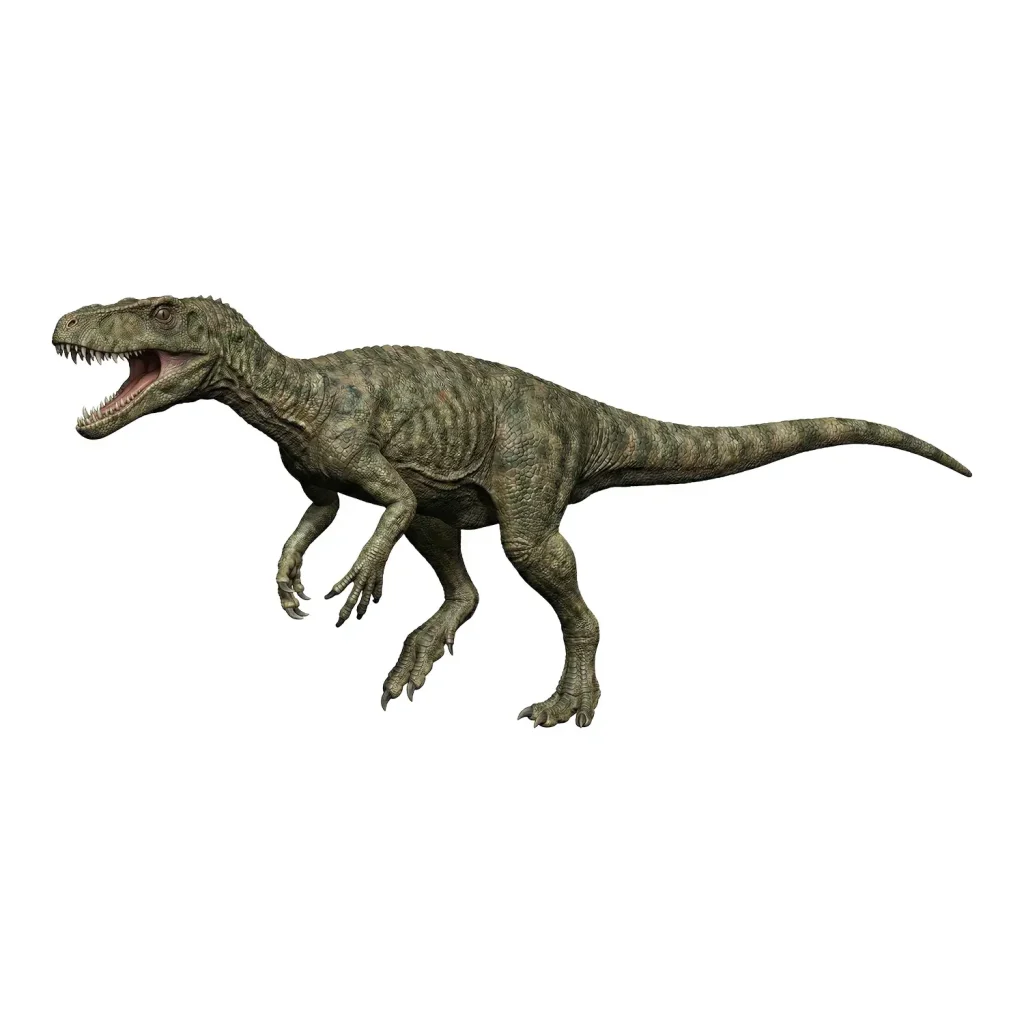
Overturning the conventional wisdom that “dinosaurs are creatures that stride across the land,” “Oryctodromeus” has made a name for itself as the first known “master digger” of the dinosaur world.
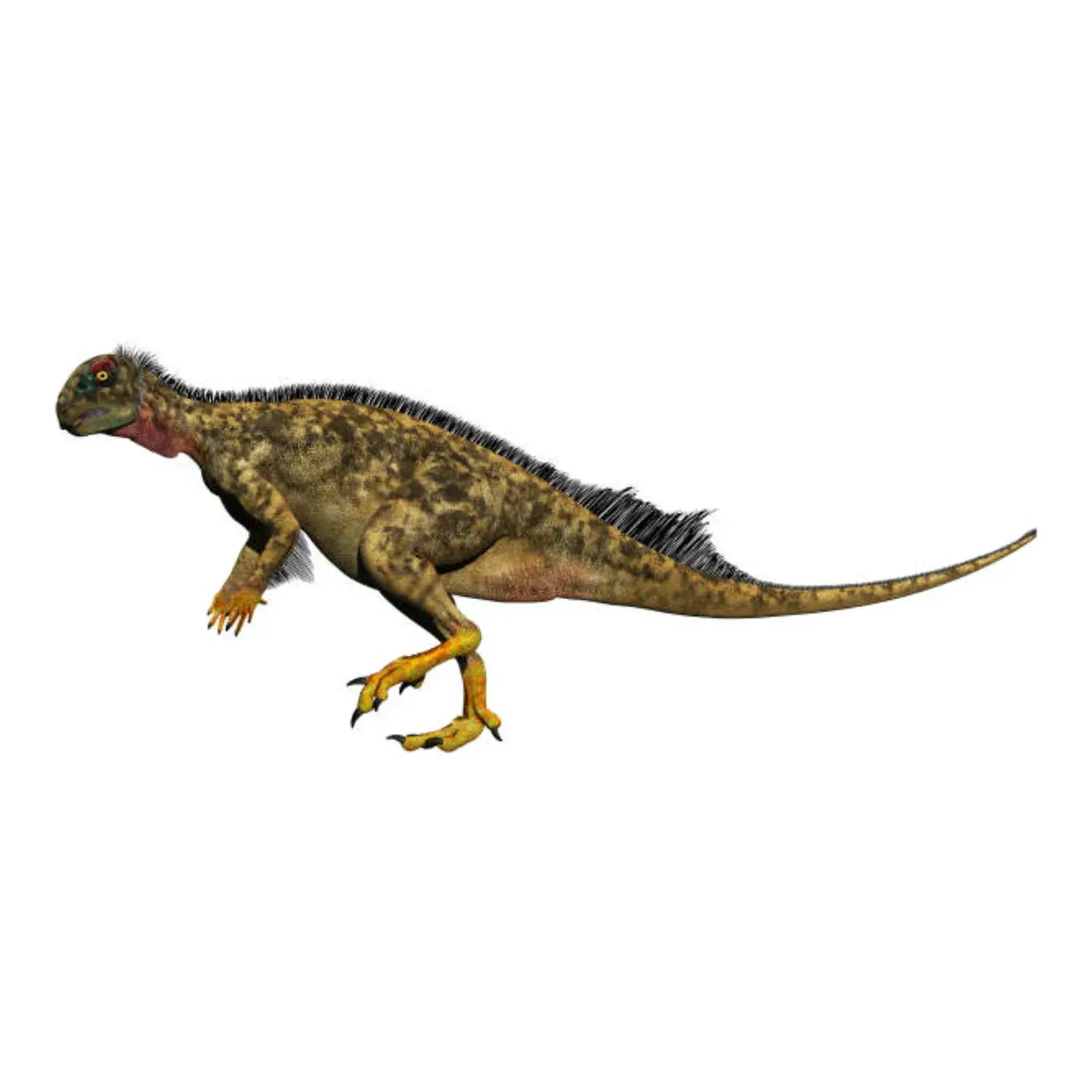
This small dinosaur, measuring about 2 meters in length and weighing around 20–30 kg, was thought to belong to the Hypsilophodon family until recently, but is now classified within the Thescelosauridae family.
Scientific Name Means “Digging Runner”! Burrow Structure and Evidence
The scientific name Oryctodromeus means, quite literally, “Digging Runner.”
As this name suggests, it is a groundbreaking species revealed to be the first dinosaur to have “dug its own burrows to live in.”
The fossilized burrows discovered convey a vivid picture of their lifestyle.
Size
Approximately 2 meters long and 70 cm wide.
Structure
Not a simple straight line; it curved twice along the way.
Evidence
The width of the hole matches the body width of Oryctodromeus almost perfectly. It is undoubtedly not an old nest of another animal, but one excavated by them.
Family Bonds Found in the Burrow: Memories of Warm Parenting
The biggest surprise brought by the discovery of this burrow wasn’t just the fact that they “dug holes.”
Deep inside the burrow, the skeletons of two juveniles (children), about 1.3 meters long, were found together with the skeleton of an adult (parent).
This indicates that the parent and children met their end in the same place, strongly suggesting that they spent time in the nest as a family unit.
Unlike many reptiles that “lay eggs and leave,” Oryctodromeus is believed to have engaged in devoted parenting within the safety of the burrows they dug, protecting their young from predators.
The fossils of the parent and children huddled together in the dark soil allow us to imagine that warm family bonds existed even among dinosaurs.
Hybrid Physical Abilities for “Above Ground” and “Underground”
Traces of evolution adapted to a burrowing life are etched into the body of Oryctodromeus.
Scapula (Shoulder Blade)
Had developed protrusions for muscle attachment, generating powerful strength for digging soil.
Snout
Had a shape suitable for digging through soil.
The “Runner” Who Didn’t Abandon Running Ability
However, there were limits to their digging abilities.
It is thought that they could not dig tunnels as long as those of “completely fossorial animals” like moles or wombats.
They were “runners” to the end, and bipedal dinosaurs.
If they specialized too much in being underground and their legs atrophied, they would not be able to forage or flee above ground.
Therefore, their bodily adaptations remained within a range that did not sacrifice “running ability.”
Their ability is speculated to have been superior to that of hyenas or rabbits, but inferior to specialists like moles—a “hybrid of above and below ground,” so to speak.
Oryctodromeus in the World of Fiction
Finally, let’s look at how this unique dinosaur is depicted in pop culture.
In the manga Jabberwocky, Oryctodromeus appears as a dinosaur that has undergone a very specific evolution.
In the story, as a result of specializing in underground life, it is depicted with degenerated eyes, having developed “Ampullae of Lorenzini” (organs found in sharks, etc., that sense weak electricity) in its eye sockets instead.
The setting where they detect their surroundings like insect antennae is purely a bold interpretation (fiction) unique to the work and is not a fact confirmed from actual fossils.
However, it can be said that such imagination is stirred precisely because of the charm of their mysterious ecology of “digging holes.”