
Psittacosaurus
Name Origin
Parrot Lizard
Family
Psittacosauridae
Classification
Reptilia, Ornithischia, Marginocephalia
Habitat (Discovery Location)
China, Mongolia, Thailand
Period
Approximately 130–99.6 million years ago (Early Cretaceous)
Length
Approximately 2 meters
Weight
Approximately 30–100 kg
Diet
Herbivore

You might also like... 

-
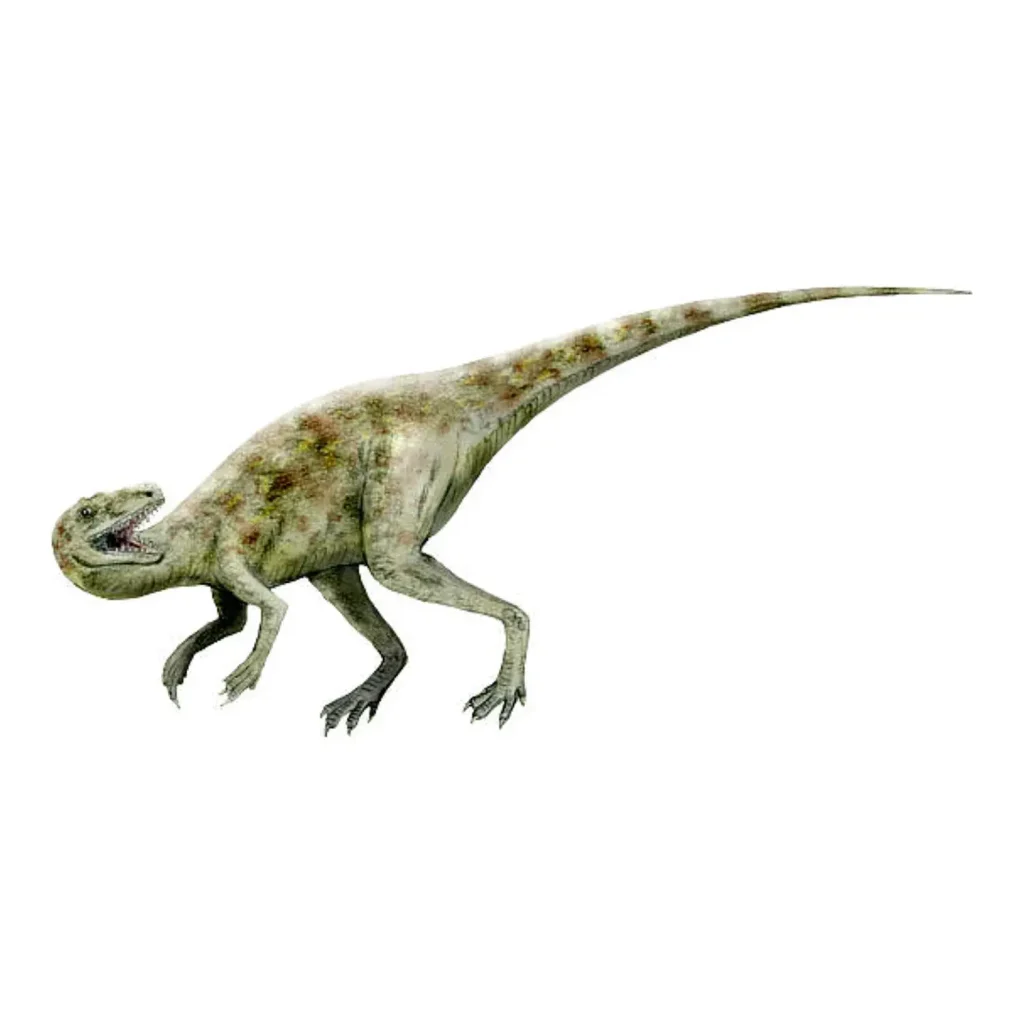
 Staurikosaurus
- Classification
- Theropods
- Characteristics
- Carnivorous
- Era
- Triassic period
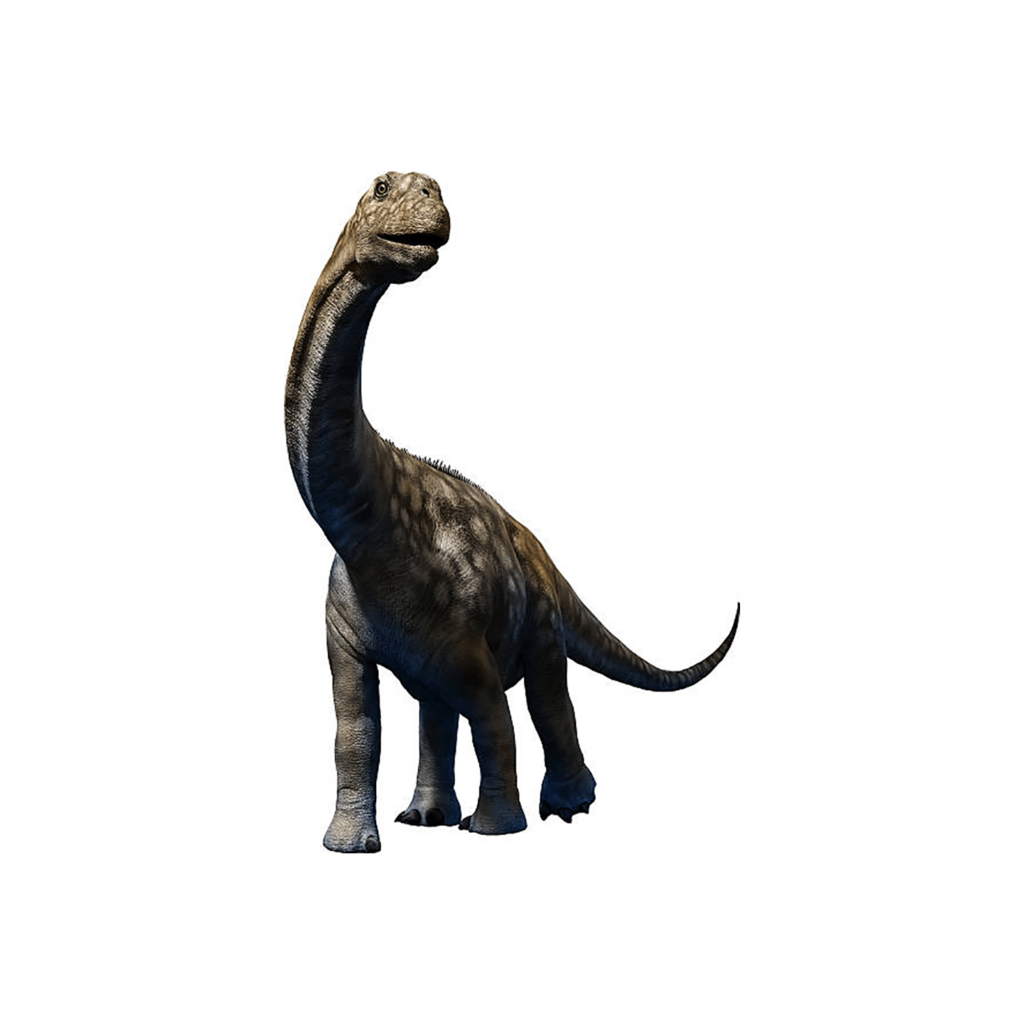
- Argentinosaurus
- Classification
- Sauropods
- Characteristics
- Herbivorous
- Era
- Cretaceous period
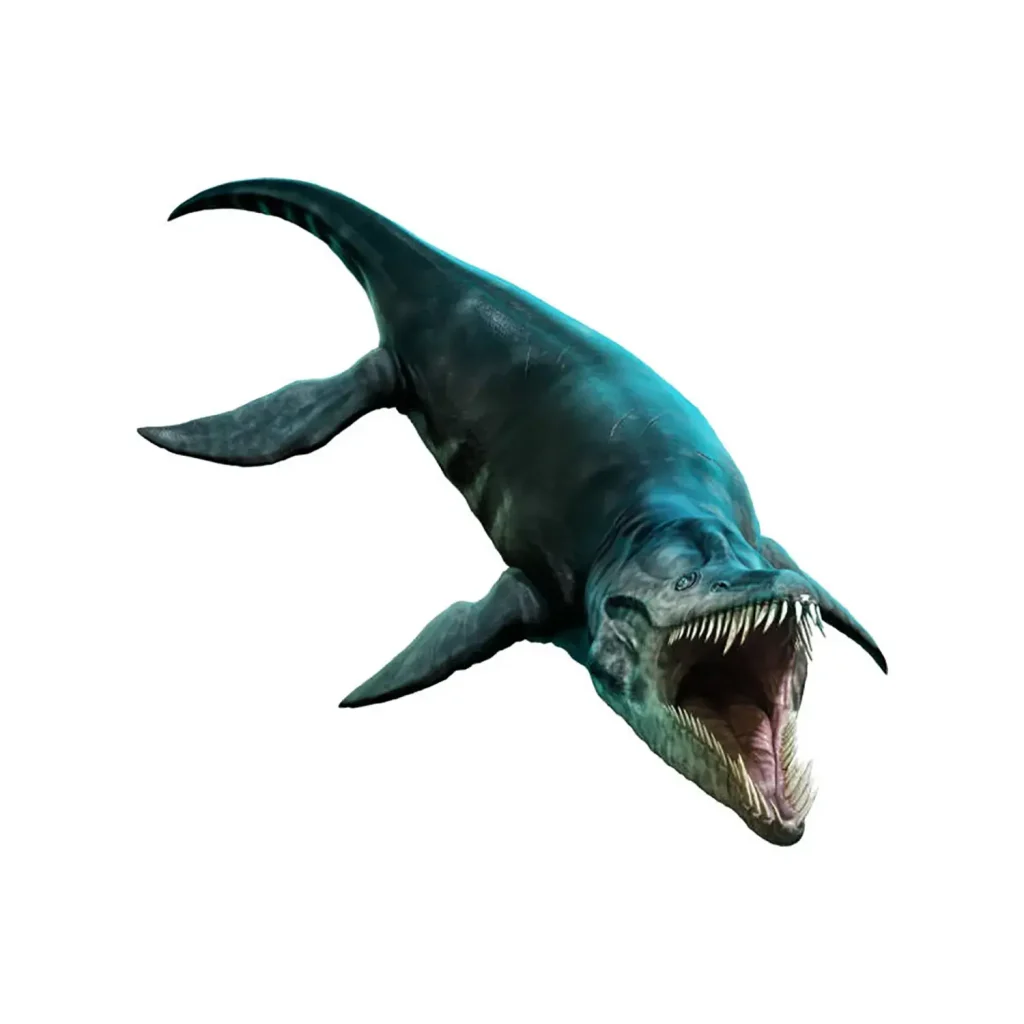
- Liopleurodon
- Classification
- Marine reptiles
- Characteristics
- Carnivorous
- Era
- Jurassic period
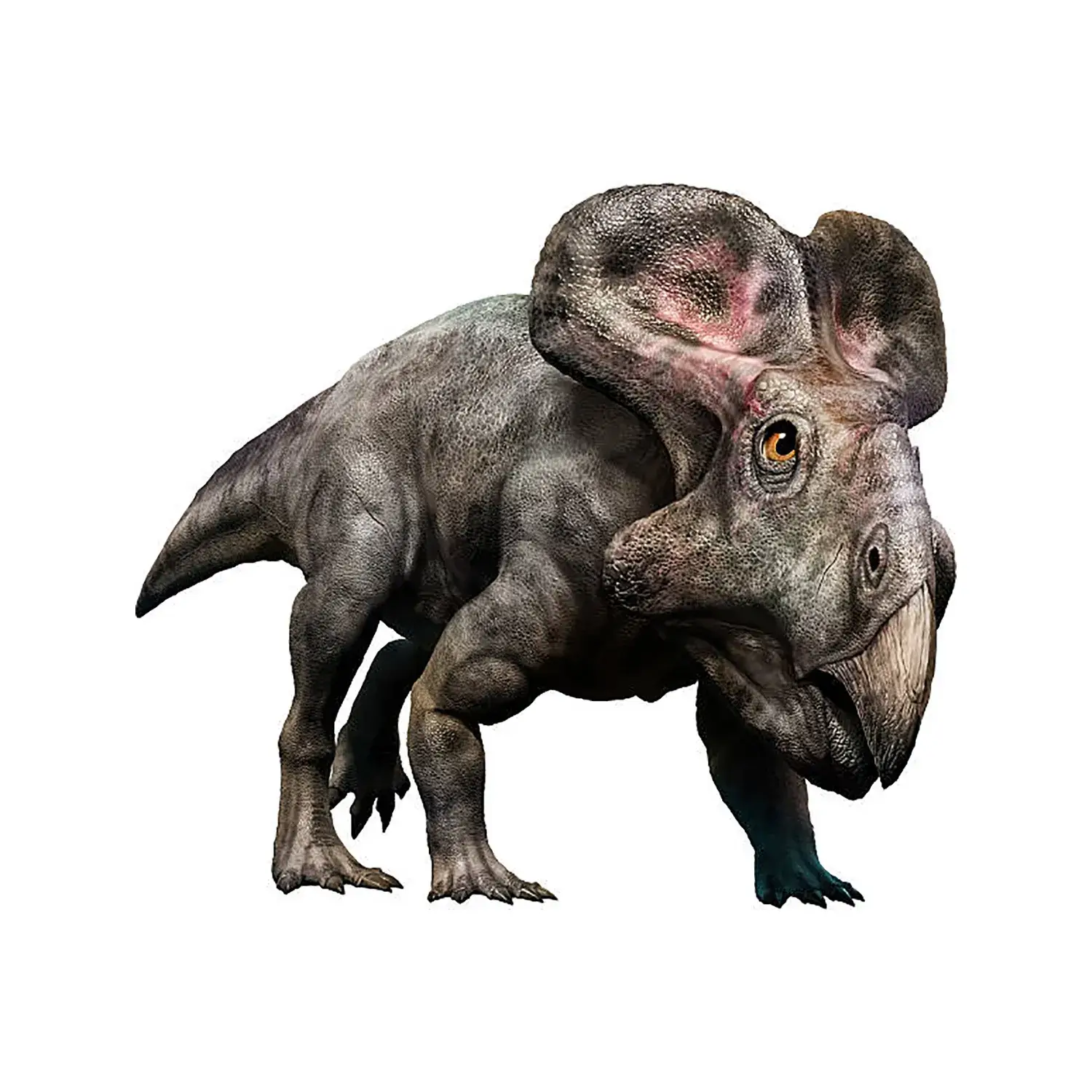
- Albertaceratops
- Classification
- Marginocephalia
- Characteristics
- Herbivorous
- Era
- Cretaceous period
-
Sponsored Links
-
Sponsored Links









![[Latest Research] What Was the Function of Spinosaurus's Giant "Sail"? Exploring the Mysteries of Thermoregulation and Underwater Locomotion](https://dinosaurmuseum.jp/wp/wp-content/uploads/eyecatch_spinosaurus-sail-function_en-1024x512.webp)
![[Latest Discovery] A Third Type of Skin, Neither Scales Nor Feathers? Meet "Haolong dongi," a New Dinosaur Species Covered Entirely in Spikes](https://dinosaurmuseum.jp/wp/wp-content/uploads/eyecatch_dinosaur-spiky-skin-discovery_en-1024x512.webp)
Description
When we think of “ceratopsians” like Triceratops, we imagine massive horns and frills. However, within a group close to their ancestors, there were small dinosaurs that lacked these features.
This is “Psittacosaurus,” which thrived in Asia during the Early Cretaceous period.
With over 400 fossils discovered, this dinosaur stands out in the paleontological world for the sheer abundance of research data available.
A Relative of Ceratopsians Meaning “Parrot Lizard”
The scientific name Psittacosaurus combines the Greek words for “Parrot” (Psittakos) and “Lizard” (Sauros), literally translating to “Parrot Lizard.”
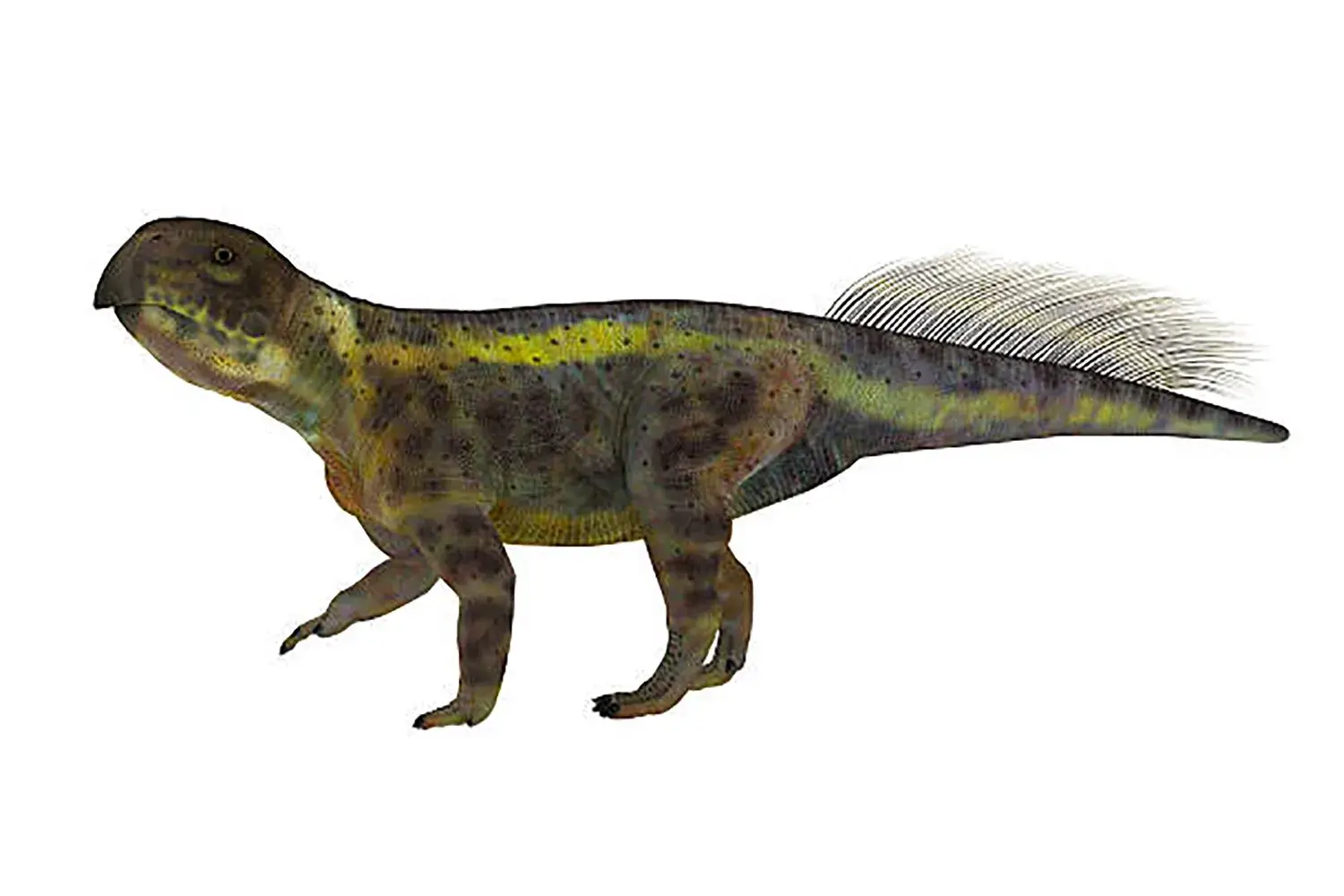
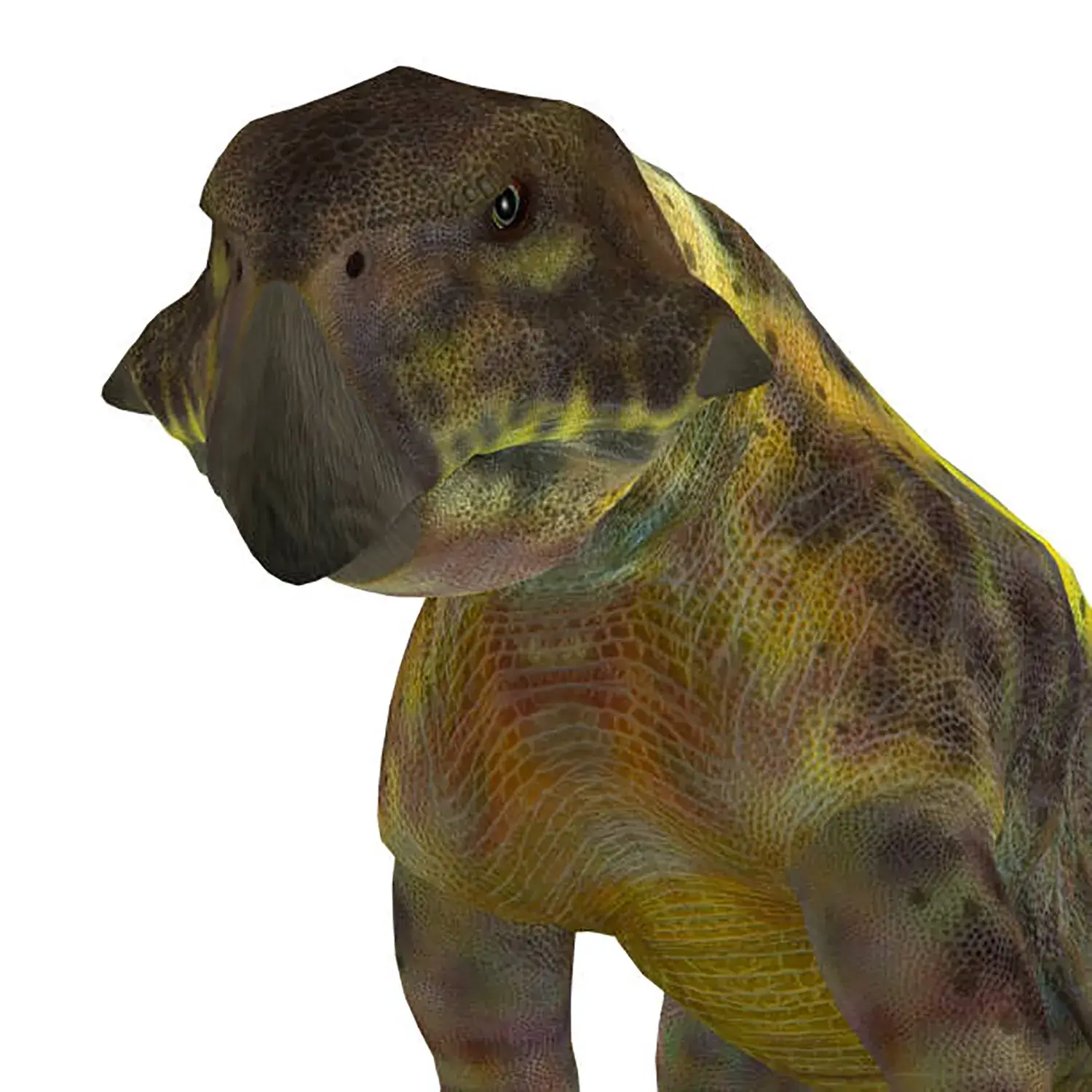
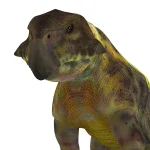
True to its name, the sharp, curved “beak” at the tip of its head looked exactly like that of a parrot.
The sharp, curved “beak” at the tip of the head
Relationship with Ceratopsians
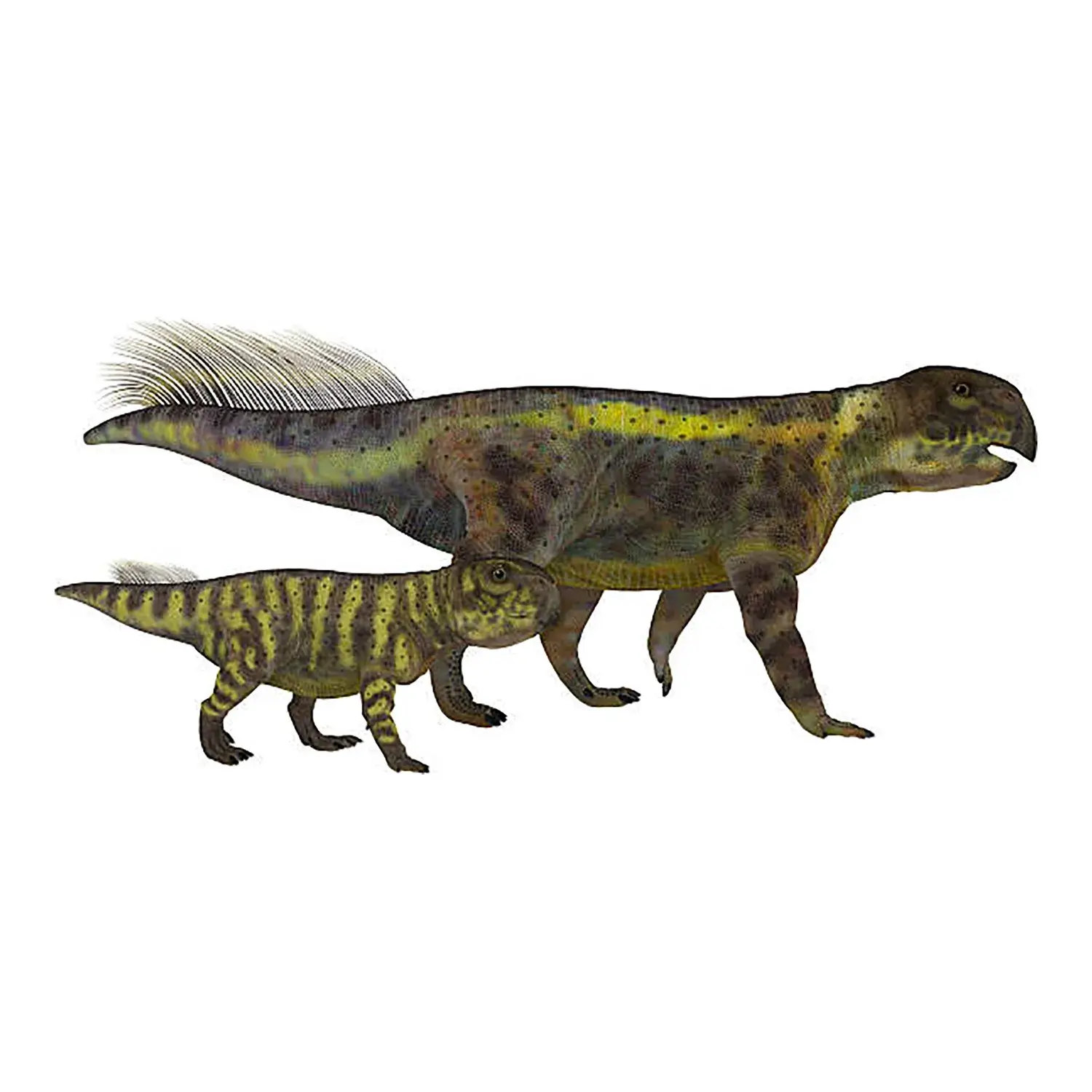
It possesses characteristics unique to ceratopsians, such as the projections on the cheekbones and the beak.
However, while other ceratopsians have five fingers, Psittacosaurus had “four fingers,” and it lacked teeth in the front of the upper jaw. Because of this, it is generally placed in the “Psittacosauridae,” a group that branched off early and evolved independently, rather than being a direct ancestor of Triceratops.
Dinosaur “Color” and “Bristles” Identified! Discoveries of Modern Science
Research on well-preserved fossils discovered in Liaoning Province, China, has revealed amazing facts regarding dinosaur color and skin.
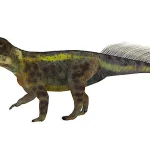
Body Color was “Brown Camouflage”
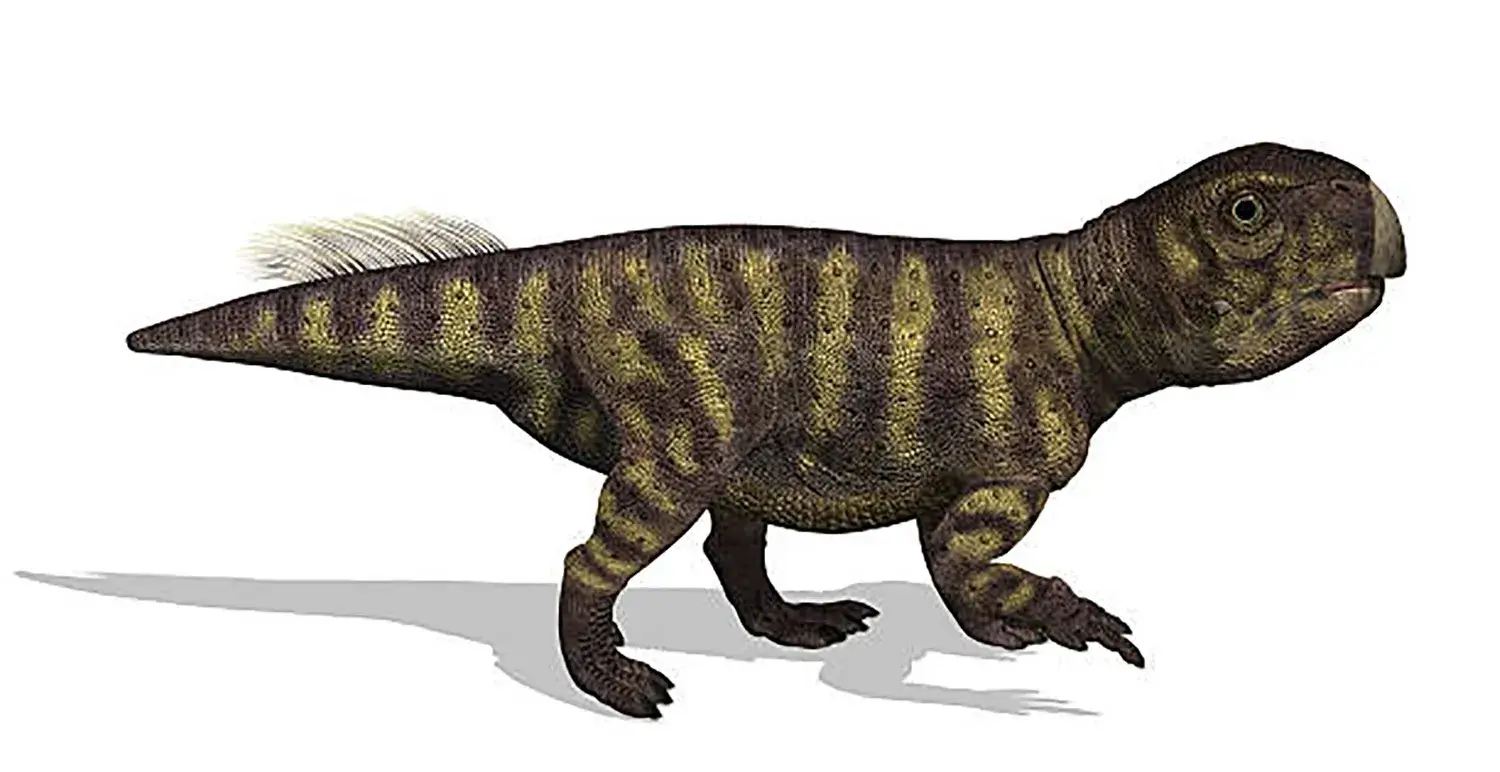
Analysis of pigment organs (melanosomes) revealed that their base body color was “brown.”
The body color was based on “brown”
Furthermore, they had a color scheme called “countershading,” where the back is dark and the belly is light.
This is a form of “protective coloration (camouflage)” that cancels out shadows caused by sunlight to flatten the body’s appearance, helping them blend into their surroundings to avoid detection by carnivorous dinosaurs.
“Bristles” on the Tail
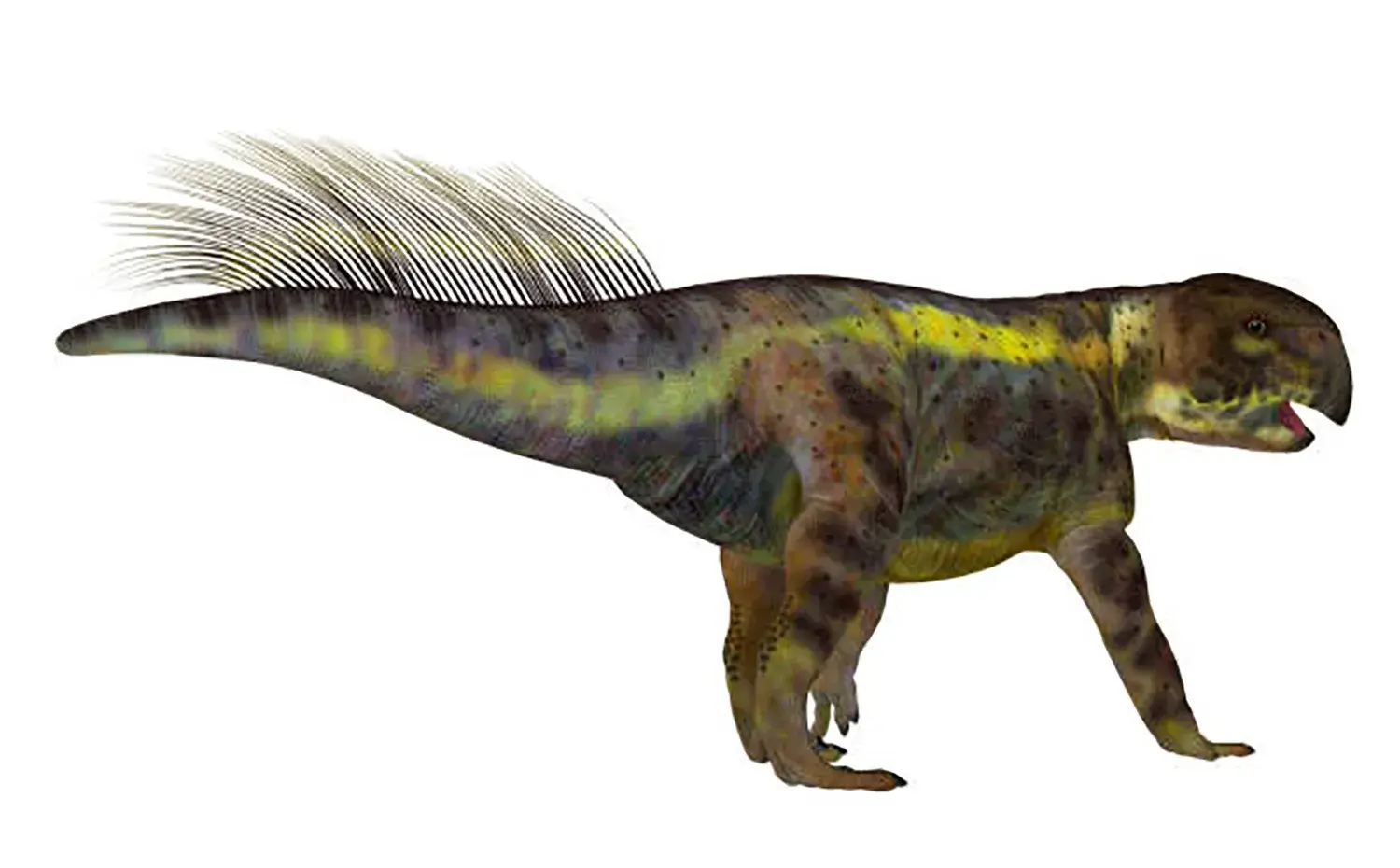
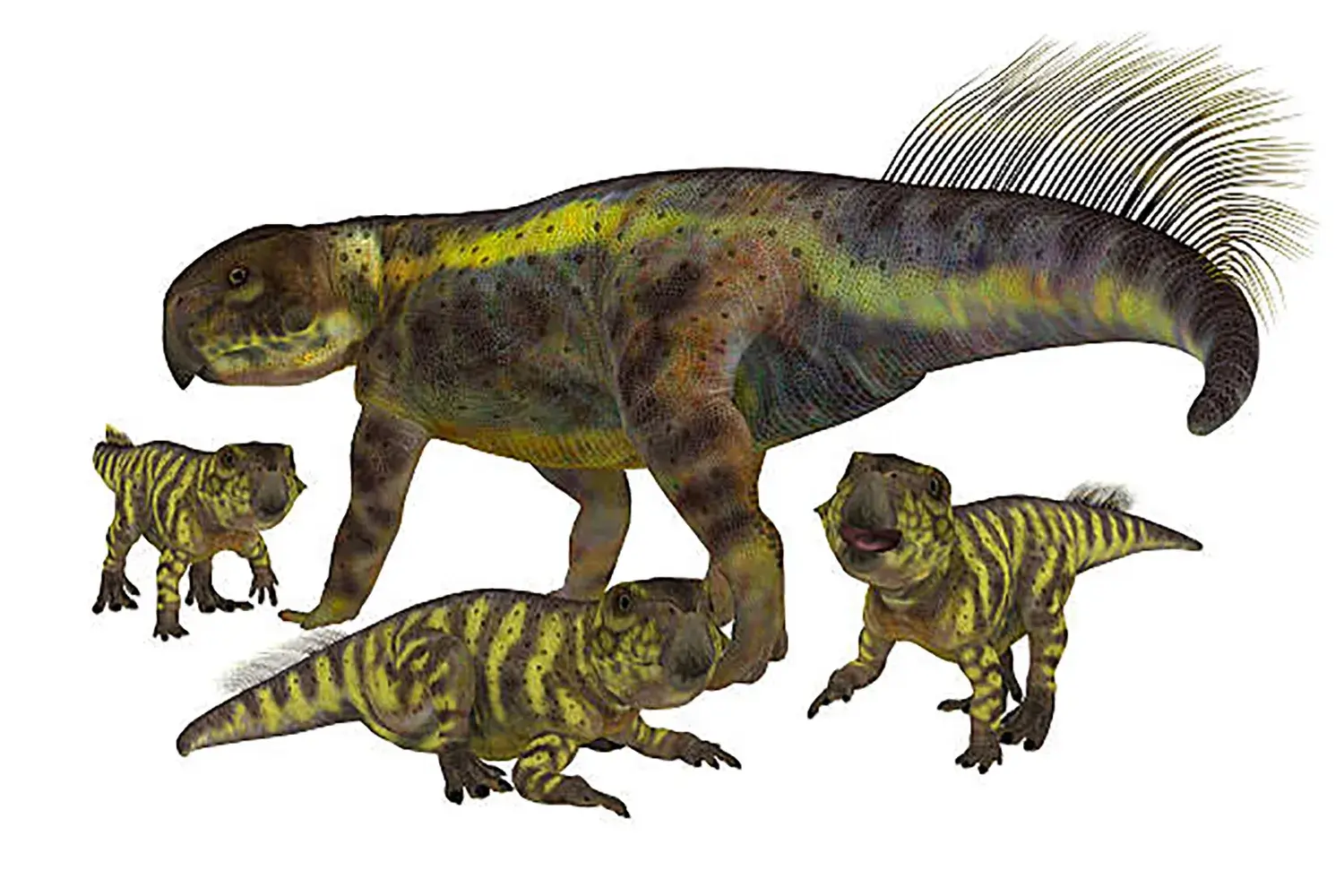
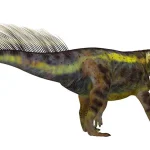
Even more shocking was the presence of “tube-like bristles” growing only on the dorsal side of the tail.
“Tube-like bristles” grew only on the dorsal side of the tail
These were not fluffy like bird feathers, but spiky structures resembling porcupine quills or a brush.
It is believed they were used for defense or as a display (ornamentation) for the opposite sex.
“Collective Nursery” Caring for 34 Babies
Psittacosaurus is also known for having very high social skills.
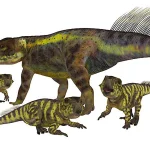
Evidence for this comes from a fossil preserving over 34 juveniles overlapping in a nest with a single adult.
Dinosaur Kindergarten
Considering their body size, it would be difficult for one parent to lay this many eggs at once.
Therefore, the prevailing theory is that they practiced “collective nursing (crèche),” where offspring born to multiple parents were gathered in one place and looked after by a few adults or a representative.
Practicing “collective nursing”
They cooperated as a herd to raise the next generation.
Eaten by Mammals? Harsh Battles with Predators
Although they were peaceful herbivores that ground down hard plants with gastroliths (stomach stones), their lives were fraught with danger.
An Unexpected Natural Enemy
Their natural enemies were not just carnivorous dinosaurs.
Fossilized Psittacosaurus juveniles have been discovered inside the stomach of “Repenomamus,” a large mammal from that era.
This historic discovery overturned the common belief that “dinosaurs ruled over mammals,” showing that mammals were also terrifying predators for small dinosaurs.