
Sinosauropteryx
Name Origin
Chinese Lizard Wing
Family
Compsognathidae
Classification
Diapsida, Saurischia, Theropoda
Habitat (Discovery Location)
China
Period
Approximately 125 million years ago (Early Cretaceous)
Length
Approximately 1 meter
Weight
Approximately 550 g
Diet
Carnivore (Meat-eater)
You might also like... 

-
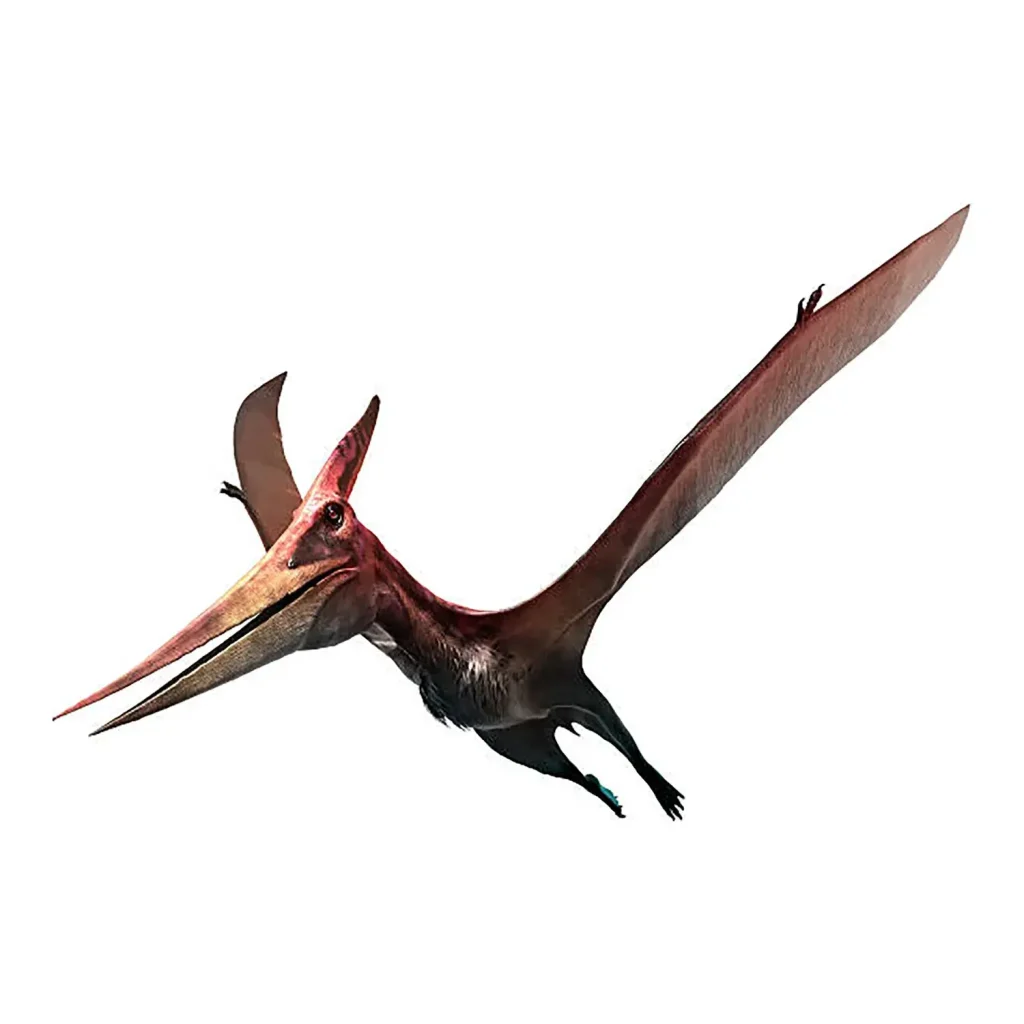
 Pteranodon
- Classification
- Flying reptiles
- Characteristics
- Carnivorous
- Era
- Cretaceous period
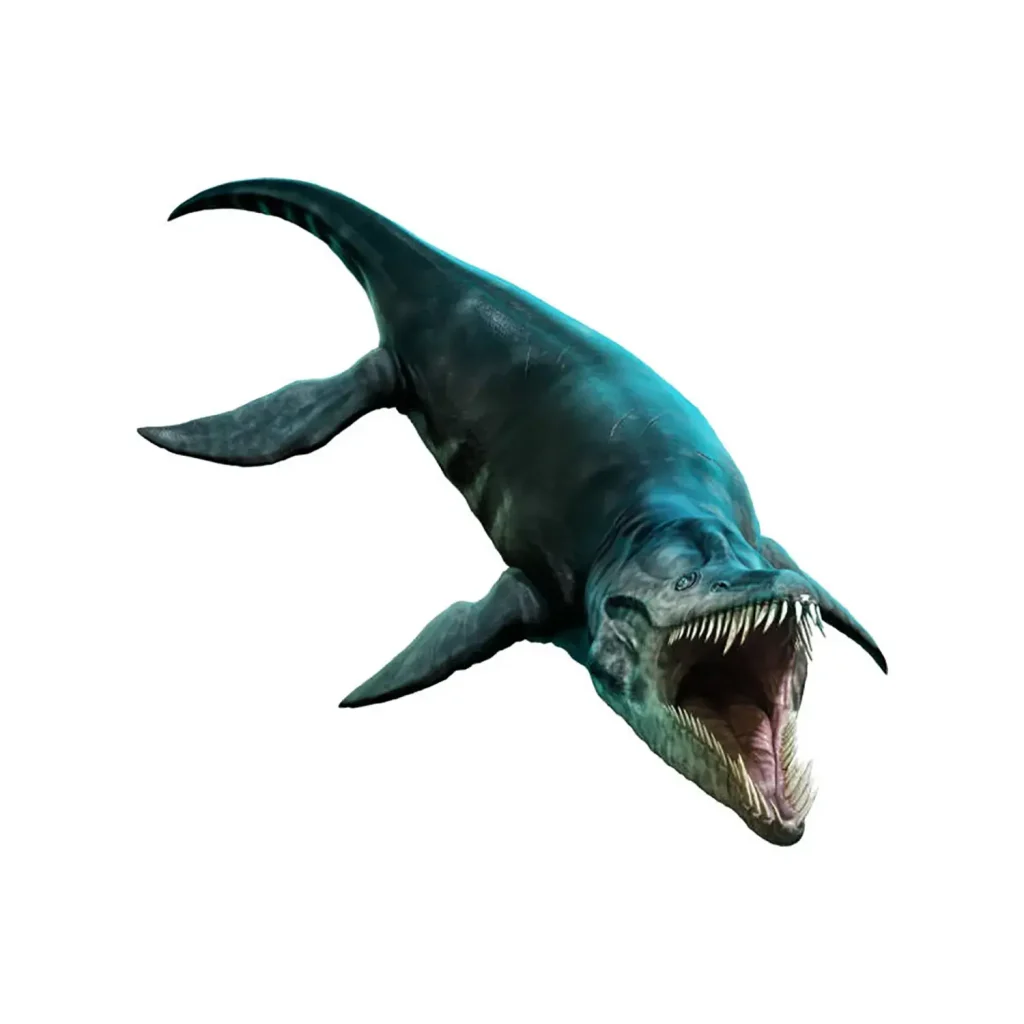
- Liopleurodon
- Classification
- Marine reptiles
- Characteristics
- Carnivorous
- Era
- Jurassic period
- Mosasaurus
- Classification
- Marine reptiles
- Characteristics
- Carnivorous
- Era
- Cretaceous period
- Pachycephalosaurus
- Classification
- Marginocephalia
- Characteristics
- Herbivorous
- Era
- Cretaceous period
-
Sponsored Links
-
Sponsored Links




![[Latest Research] What Was the Function of Spinosaurus's Giant "Sail"? Exploring the Mysteries of Thermoregulation and Underwater Locomotion](https://dinosaurmuseum.jp/wp/wp-content/uploads/eyecatch_spinosaurus-sail-function_en-1024x512.webp)
![[Latest Discovery] A Third Type of Skin, Neither Scales Nor Feathers? Meet "Haolong dongi," a New Dinosaur Species Covered Entirely in Spikes](https://dinosaurmuseum.jp/wp/wp-content/uploads/eyecatch_dinosaur-spiky-skin-discovery_en-1024x512.webp)
Description
In 1996, a single fossil discovered in Liaoning Province, China, sent shockwaves through the world of paleontology.
The name of that dinosaur is “Sinosauropteryx.”
Also known by its Chinese characters meaning “Chinese Dragon Bird,” this dinosaur marked a historical turning point that fundamentally overturned the conventional image of dinosaurs, as it was the “first dinosaur in the world discovered with traces of feathers.”
Flightless Wings and the Truth About “Feathers”
Sinosauropteryx lived during the Early Cretaceous (approximately 125 million years ago).
Although this was a later era than Archaeopteryx, their feathers were not designed for flying.
Feathers for Insulation
Their feathers were fibrous, similar to the down in a jacket or animal fur, and are believed to have been primarily for “heat retention.”
This fact indicates that “feathers” evolved first for insulation, not for flight.
Settling the “Feather or Collagen” Debate
Initially, there were counterarguments suggesting the traces might be “collagen fibers under the skin,” but analysis using electron microscopes settled the matter.
The traces were packed with organelles called “melanosomes,” which contain pigment.
Since these are not found in collagen, it was confirmed without a doubt that they were “feathers.”
World First! The Dinosaur Whose “Color” Was Scientifically Determined
Sinosauropteryx is also famous as the “first dinosaur to have its body color scientifically restored” through melanosome analysis.
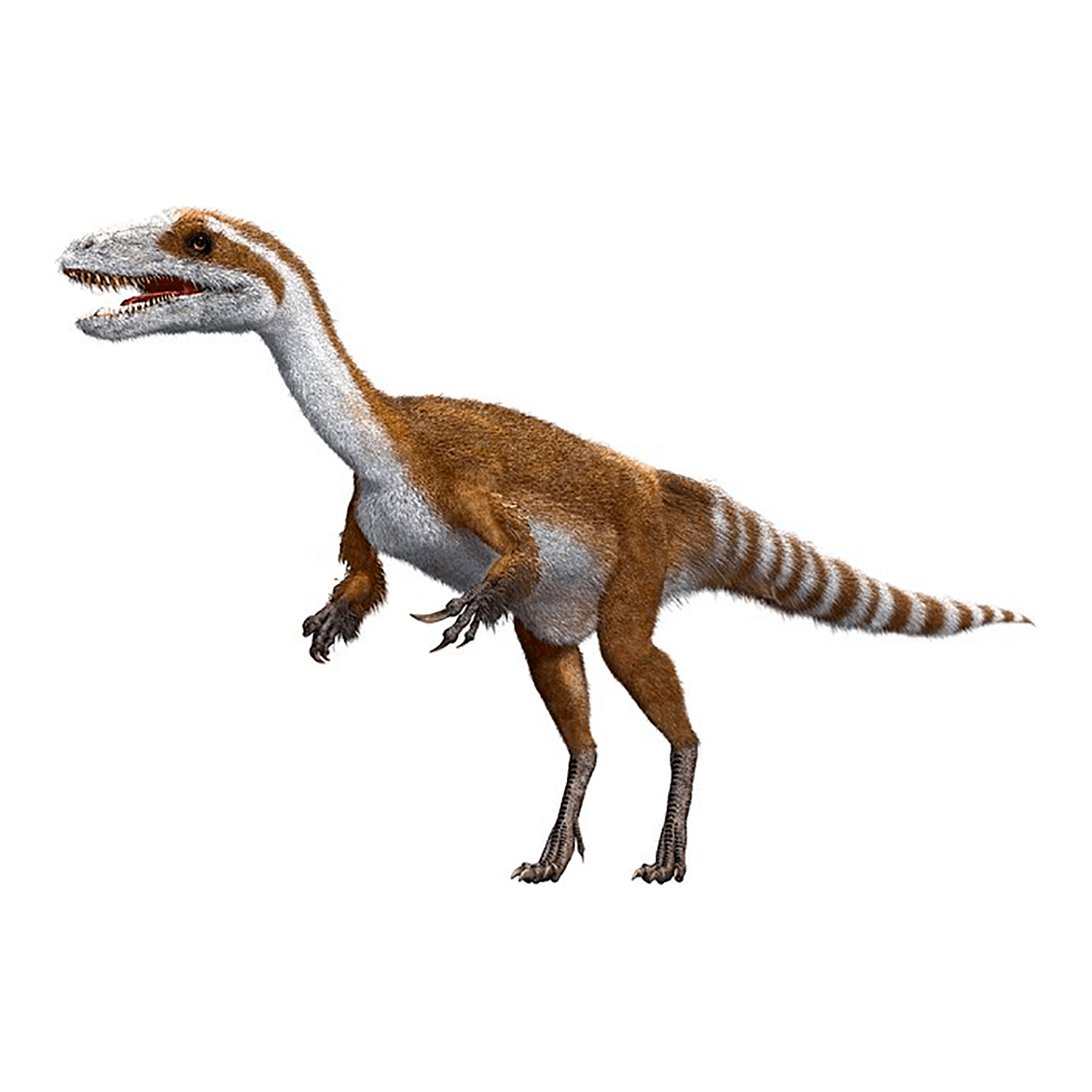
Reddish-Brown Stripes and a “Bandit Mask”
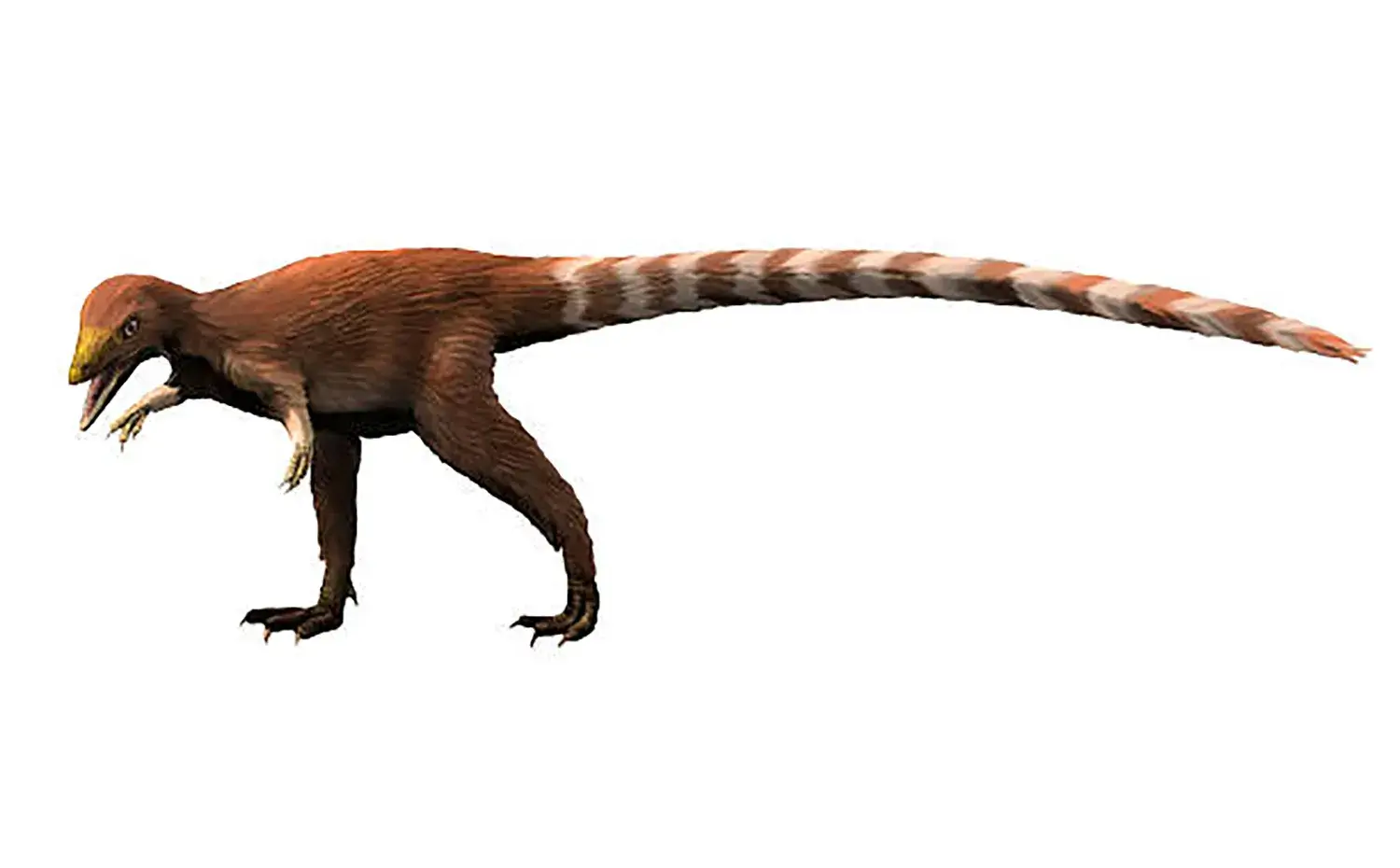
Analysis revealed that the body was generally reddish-brown or chestnut-colored, and notably, the long tail had “vivid red and white stripes.”
The body was generally reddish-brown or chestnut-colored, with vivid red and white stripes particularly on the long tail.
Furthermore, the face had a “bandit mask” pattern covering the eyes like a raccoon, which is thought to have reduced glare from strong sunlight or helped deceive enemies.
Masters of Camouflage
They possessed a color pattern called “countershading,” with a darker back and a lighter belly.
This effect flattens the appearance of the body, making it harder for enemies to spot, suggesting they lived in open environments with a mix of light and shadow.
The Last Supper and the Missing Link of Reproduction
Mammals Left in the Stomach
They were excellent hunters.
Fossils with preserved stomach contents have shown small mammals like “Zhangheotherium” and lizards swallowed whole.
They routinely preyed upon agile creatures, not just insects.
Evolution Told by Two Eggs
In one female specimen, “two eggs” were found inside the body.
While modern birds only have one functioning ovary, Sinosauropteryx retained the reptilian trait of having “left and right ovaries.”
This is vital evidence filling the evolutionary process (missing link) from dinosaurs to birds.
Fluctuating Classification and the Mystery of the “3.8m Giant”
Guinness-Class Giant Individual
Generally, Sinosauropteryx is considered to be around 1 meter in length, but a massive specimen reaching 3.8 meters was reported in 2009.
This extreme size difference remains a mystery.
Someone’s Baby?
In recent years, a theory has been proposed suggesting that “compsognathid dinosaurs might actually be the juveniles of large carnivorous dinosaurs.”
The large feathered tyrannosauroid “Yutyrannus” was discovered in the same strata, and it has been pointed out that Sinosauropteryx could be its juvenile form or a close relative.
Debates regarding its classification continue to this day.