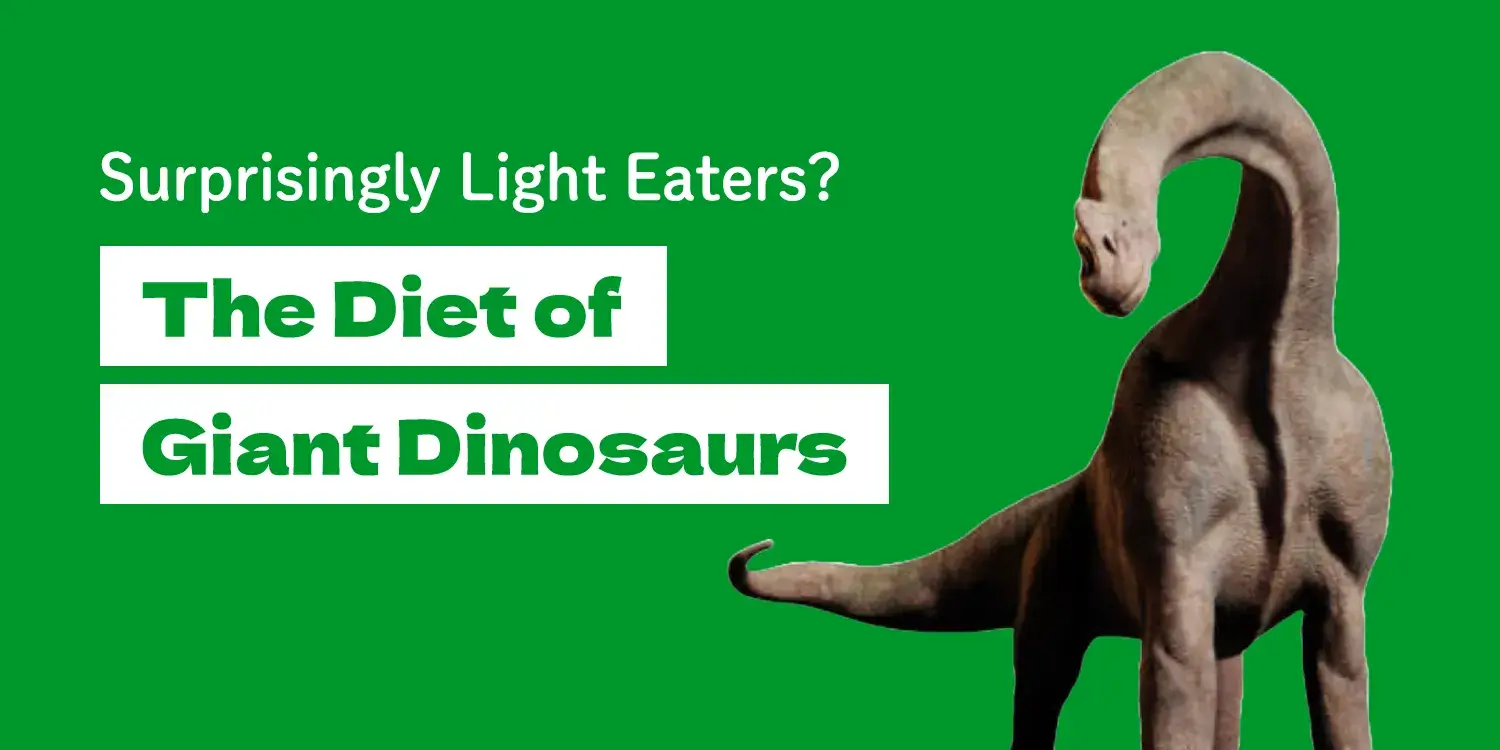
Was Brachiosaurus Surprisingly a “Light Eater”? Plant Experiments Simulating CO2 Levels Reveal the Diet of Giant Dinosaurs
How much food did the giant herbivorous dinosaurs of the Jurassic need to maintain their massive bodies?
In particular, sauropods such as Brachiosaurus are thought to have reached weights of up to 50 tons, and their metabolism and calorie intake have been debated for many years.
A paper published by a research team including the University of Leeds in the UK tackled this mystery with a unique approach: “growing plants by reproducing the atmospheric environment of that time.”
The findings suggest the possibility that they could get by being “lighter eaters” than previously assumed.
In this article, we explain the cultivation experiments conducted in high carbon dioxide environments and the surprising nutritional science revealed from them.
How Did They Maintain a 50-Ton Body? Established Theories and Mysteries
Numerous fossils of giant dinosaurs have been found in the Late Jurassic North America (Morrison Formation) where Brachiosaurus and Diplodocus lived.
However, how they sustained their lives has always been a subject of debate.
The Basis of the “Quantity Over Quality” Theory
The Earth’s atmosphere at that time is considered to have had higher carbon dioxide (CO2) concentrations than today.
Generally, it has been thought that plants grown in high CO2 environments grow faster but have lower nutritional value.
Therefore, the conventional theory was that giant dinosaurs barely maintained their massive bodies by “continuously eating large amounts of low-nutrient plants and spending a long time digesting and absorbing them.”
Recreating Jurassic Air! Actually Growing the Plants
“Did the plants of that time really lack nutrition?” To unravel this question, the research team conducted a bold experiment.
Experimental Environment and Target Plants
In the experiment, they prepared growth chambers with “high carbon dioxide concentrations (400–2000 ppm)” mimicking the atmospheric environment of the time.
There, they actually grew living species close to plants that existed in the Jurassic and measured their nutritional value.
- Ferns: Polypodies, Horsetails (Equisetum)
- Angiosperms: Buttercups
- Gymnosperms: Metasequoia, Ginkgo, Monkey Puzzle Trees (Araucaria)
Measurement via Artificial Digestion System
Furthermore, they fed the grown plants into a “device reproducing the digestive system of sauropods.”
They used cow gastric juices and enzymes for digestive fluids to simulate how much energy could be obtained.
Experiment Results: Only 51kg of Horsetails a Day? Surprisingly High Efficiency
The results of the experiment defied previous expectations.
Even when grown under high CO2 conditions, the nutritional value (metabolizable energy and fiber content) of the plants did not necessarily decrease.
Depending on the plant species, there were even cases where higher nutrition was obtained than in present-day conditions.
Simulation for a 30-Ton Class Dinosaur
When estimating the food intake required for a 30-ton dinosaur to maintain life (assuming a daily need of 280 kilojoules), it was found that there was a significant difference depending on the plant eaten.
- Araucaria (tall tree leaves): Approx. 110 kg/day required
- Horsetails (ground cover): Approx. 51 kg/day is sufficient
It was shown that plants growing in low places like horsetails might have better digestion efficiency and higher energy content than leaves in high places like Araucaria.
Changing the Dinosaur “Population Density”? Significance of the Research
These research results have the potential to change our view of the ecosystem of that time.
Did Brachiosaurus Keep Its Head Down?
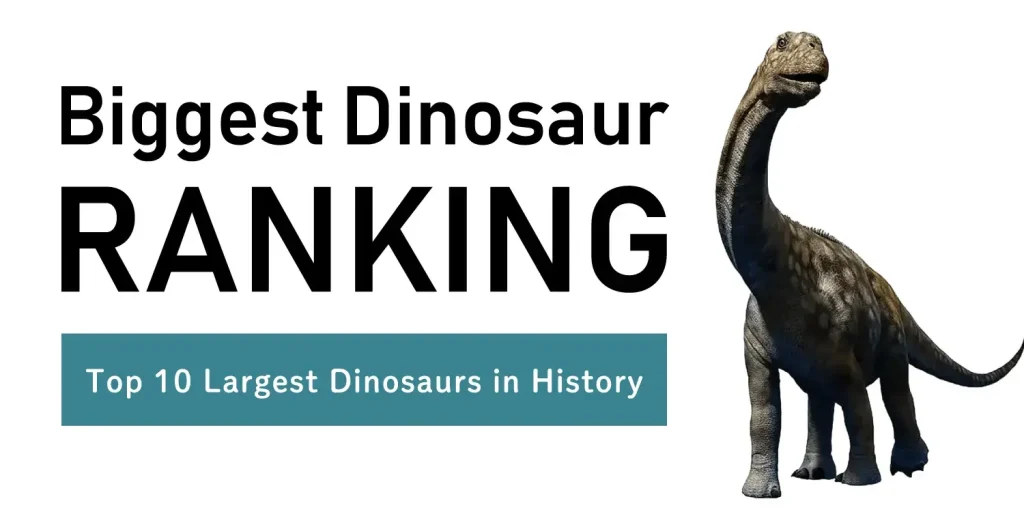
While the image of Brachiosaurus is often of it eating leaves from tall trees, considering nutritional efficiency, plants at its feet might have also been an important food source.
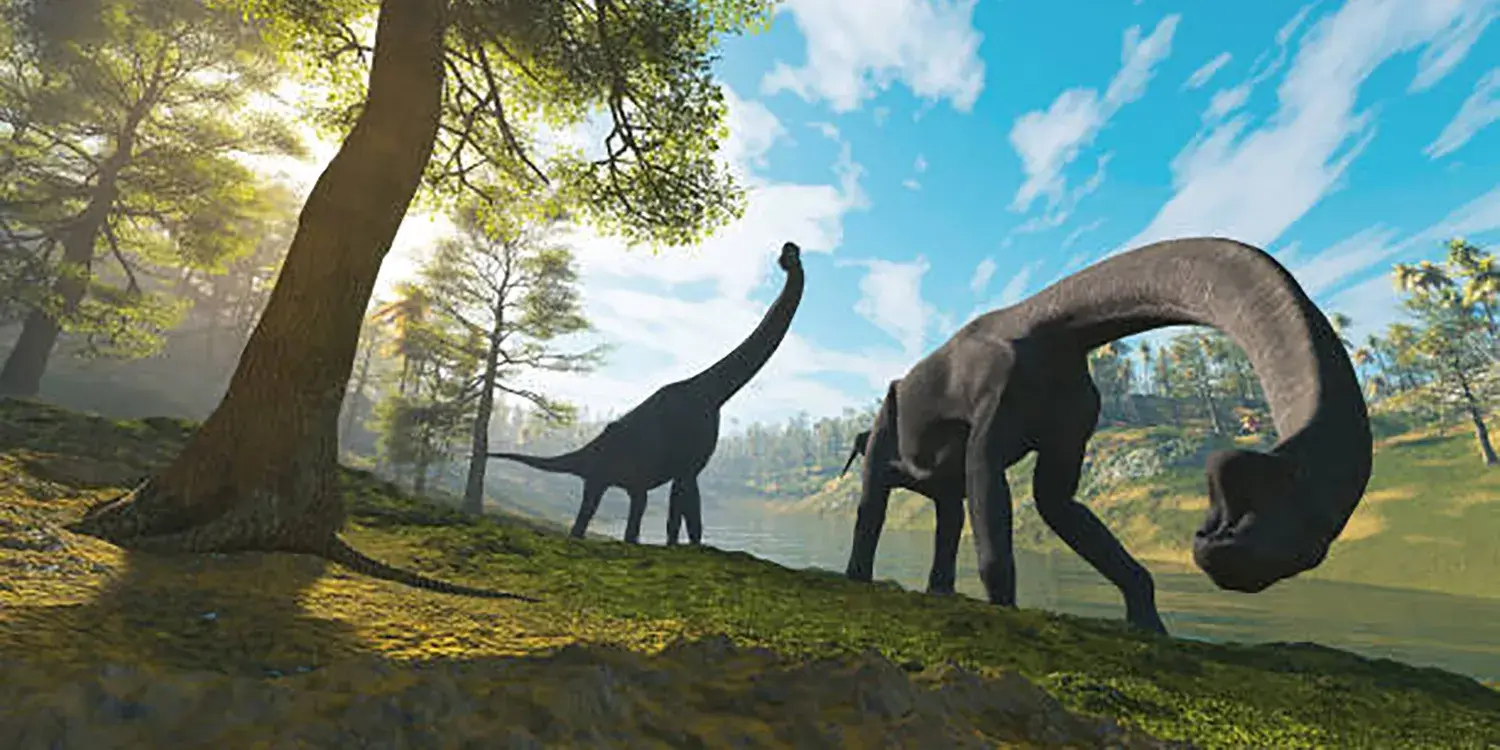
Did Brachiosaurus keep its head down?
Reevaluating Population Numbers
The fact that “plant nutritional value was not low” means they could survive on that much less food.
This suggests the possibility that the same area of land could support more giant dinosaurs (higher population density).
The fact that many carnivorous dinosaurs like Allosaurus are found in the Morrison Formation might be because herbivorous dinosaurs, serving as prey, could exist in abundance.
![[Tyrannosaurid] Japan's First! Lower Jaw Fossil Discovered in Amakusa, Kumamoto. A Potential New 8-Meter Species?](https://dinosaurmuseum.jp/wp/wp-content/uploads/eyecatch_japan-first-tyrannosaurid-jaw-bone_en-1024x512.webp)




![[Latest Research] What Was the Function of Spinosaurus's Giant "Sail"? Exploring the Mysteries of Thermoregulation and Underwater Locomotion](https://dinosaurmuseum.jp/wp/wp-content/uploads/eyecatch_spinosaurus-sail-function_en-1024x512.webp)
![[Latest Discovery] A Third Type of Skin, Neither Scales Nor Feathers? Meet "Haolong dongi," a New Dinosaur Species Covered Entirely in Spikes](https://dinosaurmuseum.jp/wp/wp-content/uploads/eyecatch_dinosaur-spiky-skin-discovery_en-1024x512.webp)