
Segisaurus
Name Origin
Lizard from Segi Canyon
Family
Coelophysidae
Classification
Diapsida, Saurischia, Theropoda
Habitat (Discovery Location)
United States
Period
Approximately 183 million years ago (Early Jurassic)
Length
Approximately 1 meter
Weight
Approximately 5 kilograms
Diet
Carnivore (Meat-eater)
 Jurassic
Park / World Featured Dinosaur
Appearance in Jurassic Park
It never makes an appearance as a living creature in the film.
However, it does exist purely in the park's lore as one of the dinosaurs being housed there. According to this lore, a dedicated paddock was prepared for Segisaurus, and its marker (featuring a skull design) can be seen on the park map.
Given its complete lack of any role in the movie, it's likely that only the most dedicated fans would even know that Segisaurus was (in theory) supposed to be living on Isla Nublar.
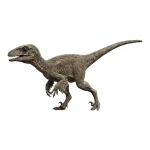
You might also like... 

-
 Acrocanthosaurus
- Classification
- Theropods
- Characteristics
- Carnivorous
- Era
- Cretaceous period
- Gallimimus
- Classification
- Theropods
- Characteristics
- Omnivorous
- Era
- Cretaceous period
- Nothosaurus
- Classification
- Marine reptiles
- Characteristics
- Carnivorous
- Era
- Triassic period
- Byronosaurus
- Classification
- Theropods
- Characteristics
- Carnivorous
- Era
- Cretaceous period
-
Sponsored Links
-
Sponsored Links







![[Latest Research] What Was the Function of Spinosaurus's Giant "Sail"? Exploring the Mysteries of Thermoregulation and Underwater Locomotion](https://dinosaurmuseum.jp/wp/wp-content/uploads/eyecatch_spinosaurus-sail-function_en-1024x512.webp)
![[Latest Discovery] A Third Type of Skin, Neither Scales Nor Feathers? Meet "Haolong dongi," a New Dinosaur Species Covered Entirely in Spikes](https://dinosaurmuseum.jp/wp/wp-content/uploads/eyecatch_dinosaur-spiky-skin-discovery_en-1024x512.webp)
Description
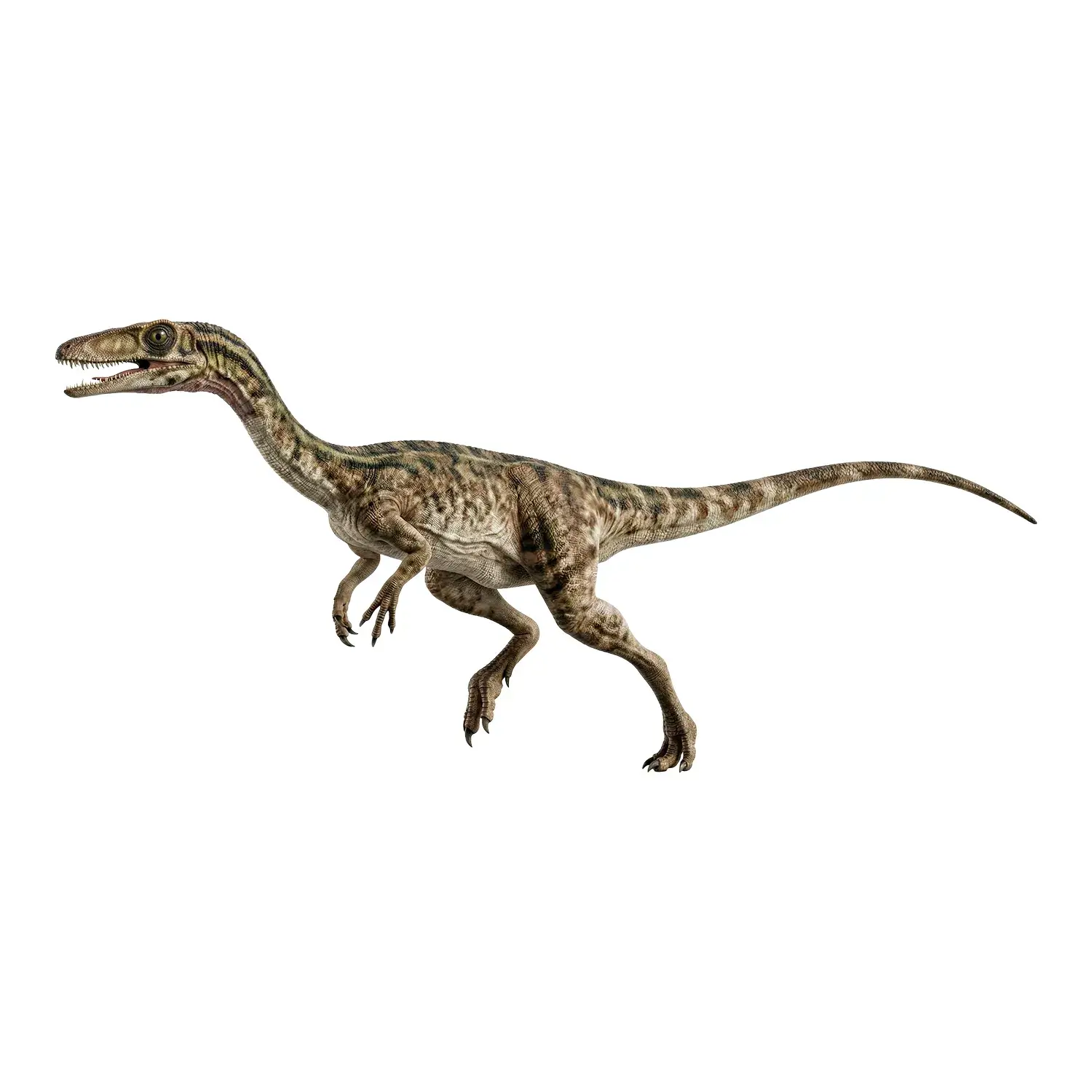
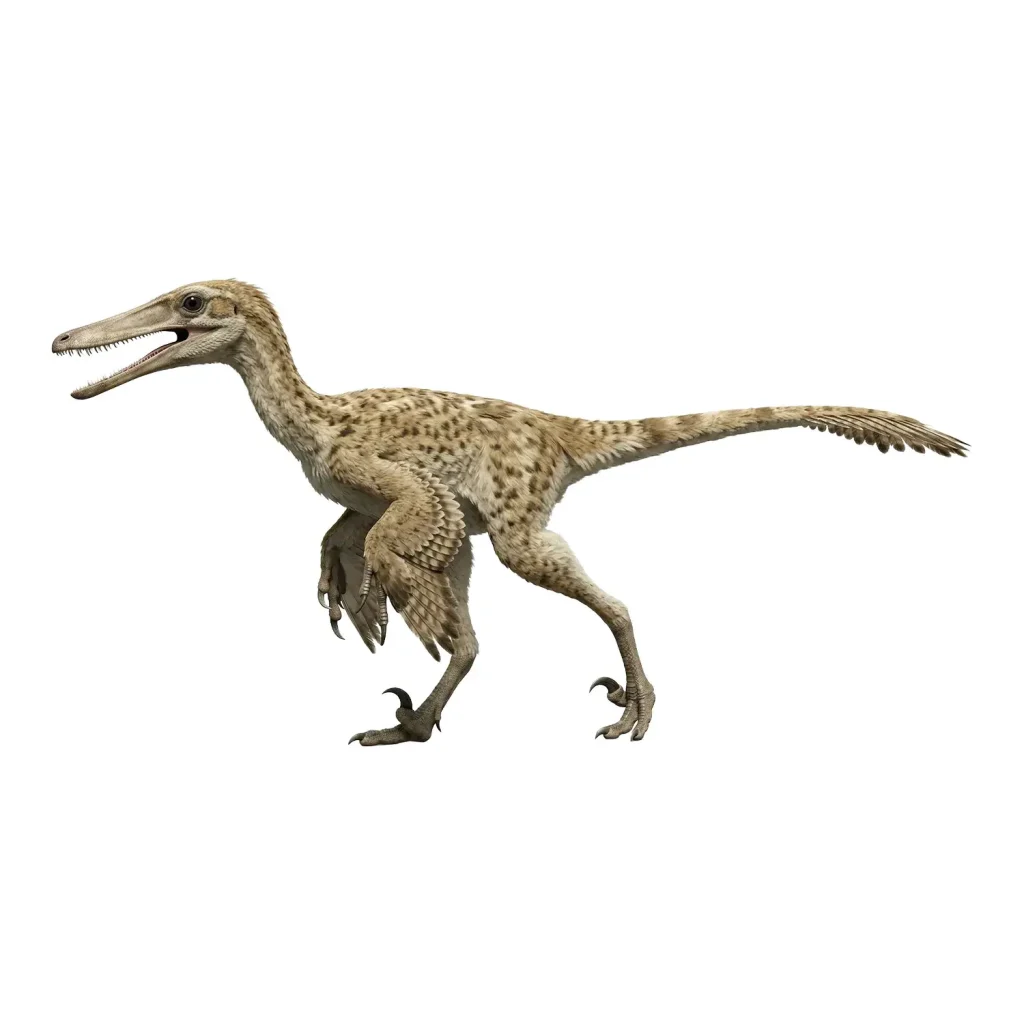
Segisaurus was a small carnivorous dinosaur that lived in North America, in what is now Tsegi Canyon, Arizona, during the Early Jurassic period.
Its name means “lizard from Segi Canyon,” in reference to the location where its fossil was excavated.
A Goose-Sized, Swift Hunter
Segisaurus was an extremely small dinosaur, measuring about 1 meter in length and weighing only 5 kg, roughly the size of a modern goose.
Physical Characteristics
Segisaurus had a bird-like body structure, characterized by a slender, flexible neck and a long tail and forelimbs.
Its bones were hollow, and it is presumed to have had a very lightweight build.
Agility
Its slender physique and developed hind limbs were adapted for running fast, and it is believed to have been extremely agile.
Weaponry
It had claws on its hands, indicating that Segisaurus was a carnivorous dinosaur.
A Diet Shrouded in Mystery: The Missing Skull
Although fossils of Segisaurus have been discovered, its skull and teeth have not yet been found.
Post-cranial fossils have been found, but the skull and teeth are missing. Because of this, there is no definitive proof of what it specifically ate.
However, based on its lightweight body and claws, it is speculated to have been an agile hunter that preyed on small animals like insects and lizards, and perhaps also scavenged on the carcasses of larger animals.
The Most Important Feature: The Discovery of “Clavicles” and Its Evolutionary Significance
The reason the discovery of Segisaurus is considered highly significant in the field of paleontology lies in its chest.
The Segisaurus fossil was found to possess clavicles (collarbones), a feature that many dinosaurs were thought to lack.
The presence of these clavicles is a trait shared with modern birds.
This fact implies that Segisaurus was not merely a small carnivore, but that it potentially represents a crucial snapshot of an early evolutionary stage, before dinosaurs and birds diverged onto their separate paths.
Segisaurus holds an extremely important key to unlocking the mystery of the evolution from dinosaurs to birds.