Tazoudasaurus
Name Origin
Lizard of Tazouda (a place name)
Family
Vulcanodontidae
Classification
Diapsida, Saurischia, Sauropodomorpha
Habitat (Discovery Location)
Morocco
Period
Early Jurassic
Length
Approximately 9 meters
Diet
Herbivore
You might also like... 

-
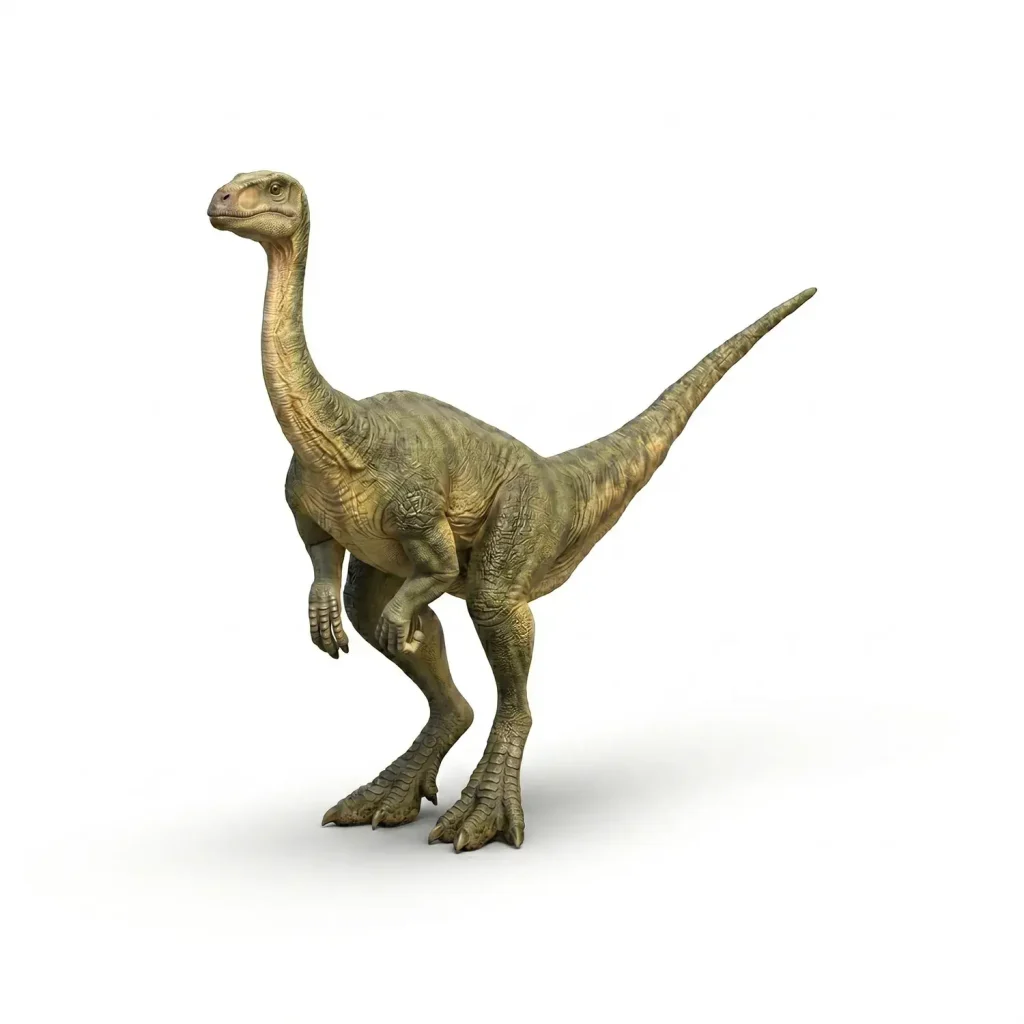
 Kamuysaurus
- Classification
- Ornithopoda
- Characteristics
- Herbivorous
- Era
- Cretaceous period
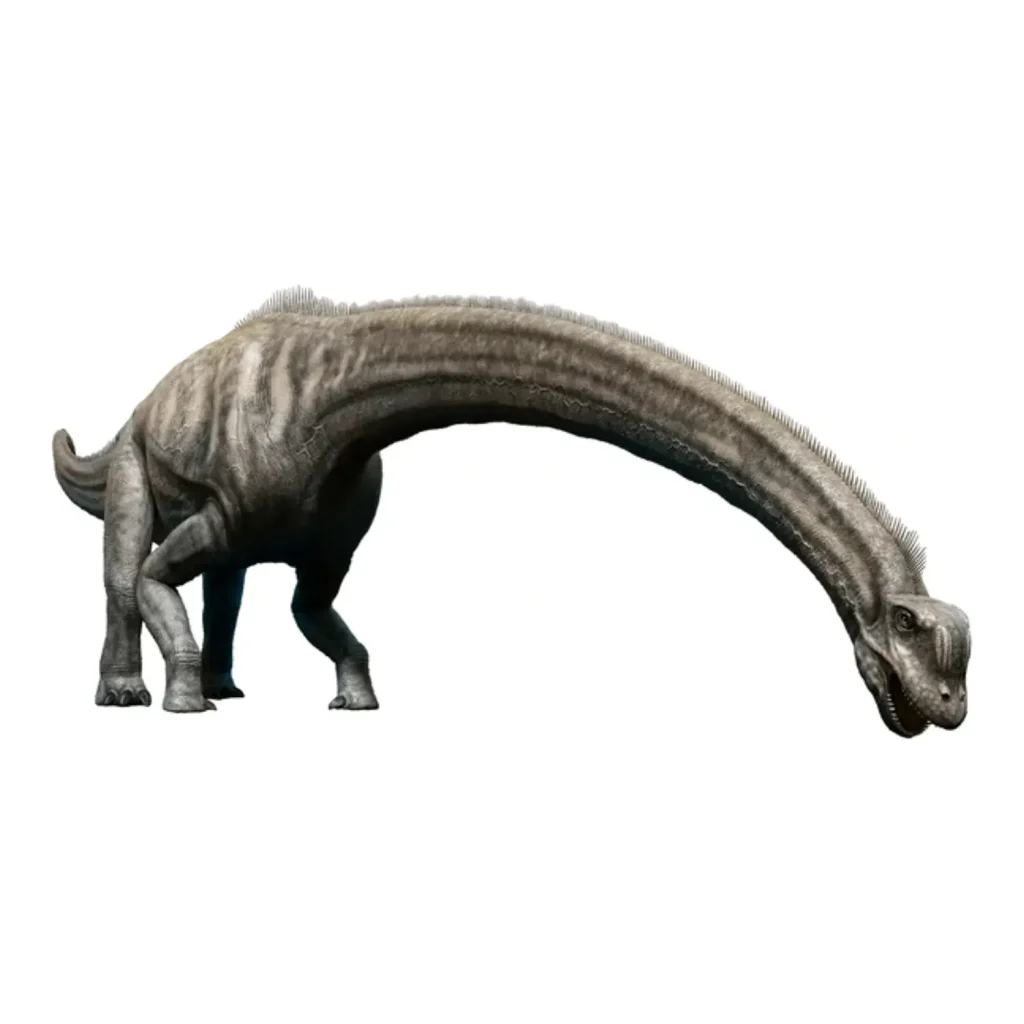
- Sauroposeidon
- Classification
- Sauropods
- Characteristics
- Herbivorous
- Era
- Cretaceous period
- Unaysaurus
- Classification
- Sauropods
- Characteristics
- Herbivorous
- Era
- Triassic period
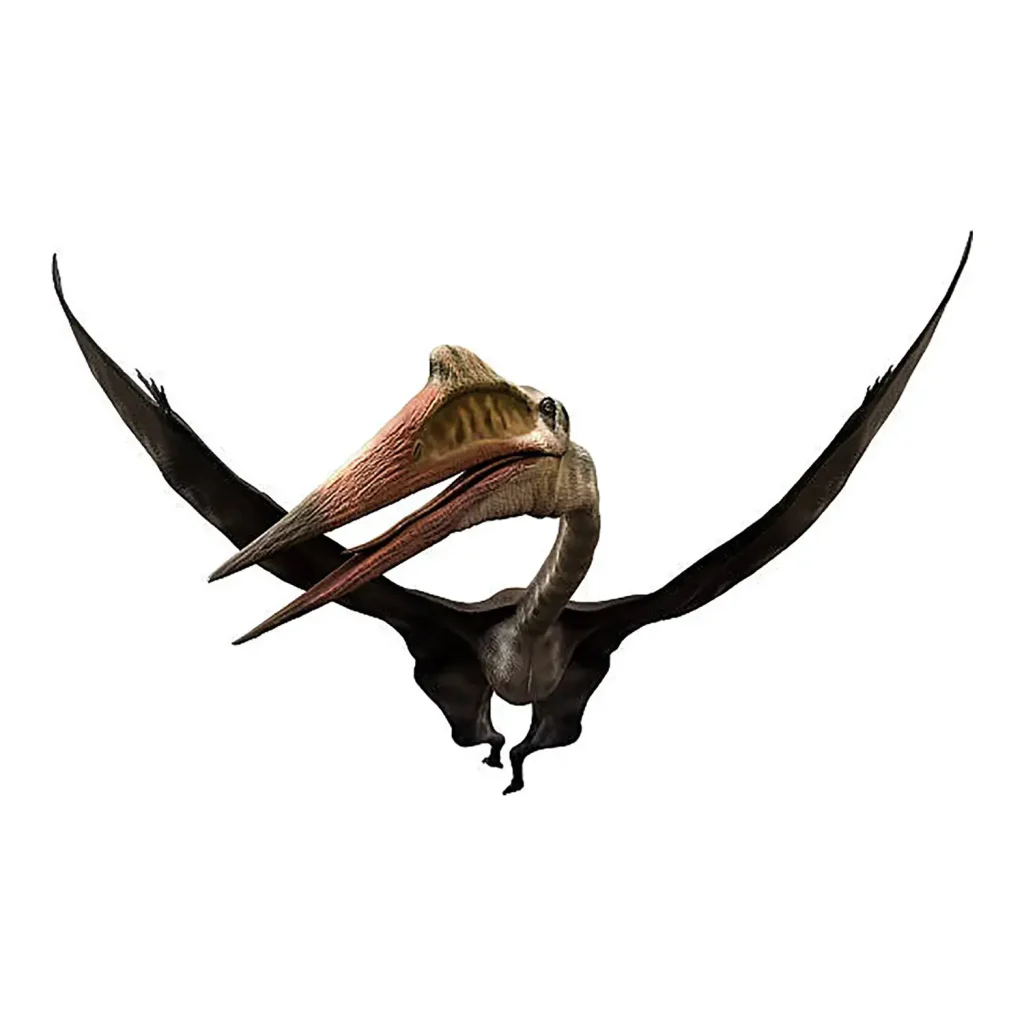
- Quetzalcoatlus
- Classification
- Flying reptiles
- Characteristics
- Carnivorous
- Era
- Cretaceous period
-
Sponsored Links
-
Sponsored Links



![[Latest Research] What Was the Function of Spinosaurus's Giant "Sail"? Exploring the Mysteries of Thermoregulation and Underwater Locomotion](https://dinosaurmuseum.jp/wp/wp-content/uploads/eyecatch_spinosaurus-sail-function_en-1024x512.webp)
![[Latest Discovery] A Third Type of Skin, Neither Scales Nor Feathers? Meet "Haolong dongi," a New Dinosaur Species Covered Entirely in Spikes](https://dinosaurmuseum.jp/wp/wp-content/uploads/eyecatch_dinosaur-spiky-skin-discovery_en-1024x512.webp)

Description
A certain dinosaur fossil discovered in the Atlas Mountains of Morocco is attracting attention.
“Tazoudasaurus,” described in 2004, is a small sauropodomorph measuring approximately 9 meters in length.
They are known as a primitive existence that had not yet stopped “chewing” during the evolutionary process toward giant sauropodomorphs.
“Lizard of Tazouda”: Discovery in the Atlas Mountains
Origin of the Name
The scientific name Tazoudasaurus is derived from the place name of its discovery, literally meaning “Lizard of Tazouda.”
This fossil found in the Atlas Mountains of Morocco is an extremely important key to unlocking dinosaur evolution.
Primitive Sauropodomorph
They possess characteristics of both the older “prosauropods” and the more evolved “true sauropods.”
For this reason, Tazoudasaurus is considered to be one of the most primitive sauropodomorphs discovered to date.
Not Swallowing Whole? Teeth for “Shearing” Food
Its biggest feature is a “tooth” structure different from typical sauropodomorphs.
Teeth with Jagged Projections
Their teeth were small and bulbous, with fine projections lining the edges for shearing food.
Giant sauropodomorphs appearing in later eras (such as Brachiosaurus) lacked these projections and are thought to have swallowed plants whole without chewing.
However, Tazoudasaurus may have still retained the ability to masticate.
They show us a form in the transitional phase of evolution, before shifting to a feeding style of simply swallowing food as they became gigantic.