
Placodus
Name Origin
Flat Tooth
Classification
Reptilia, Sauropterygia, Placodontia
Habitat (Discovery Location)
Germany, Netherlands, Poland, France, Israel, China
Period
Middle Triassic
Length
Approximately 2–3 meters
Diet
Piscivore (Shellfish, etc.)
You might also like... 

-
 Anchiornis
- Classification
- Theropods
- Characteristics
- Carnivorous
- Feathered
- Era
- Jurassic period
- Huaxiagnathus
- Classification
- Theropods
- Characteristics
- Carnivorous
- Era
- Cretaceous period
- Baryonyx
- Classification
- Theropods
- Characteristics
- Carnivorous
- Era
- Cretaceous period
- Nyctosaurus
- Classification
- Flying reptiles
- Characteristics
- Carnivorous
- Era
- Cretaceous period
-
Sponsored Links
-
Sponsored Links









![[Latest Research] What Was the Function of Spinosaurus's Giant "Sail"? Exploring the Mysteries of Thermoregulation and Underwater Locomotion](https://dinosaurmuseum.jp/wp/wp-content/uploads/eyecatch_spinosaurus-sail-function_en-1024x512.webp)
![[Latest Discovery] A Third Type of Skin, Neither Scales Nor Feathers? Meet "Haolong dongi," a New Dinosaur Species Covered Entirely in Spikes](https://dinosaurmuseum.jp/wp/wp-content/uploads/eyecatch_dinosaur-spiky-skin-discovery_en-1024x512.webp)

Description
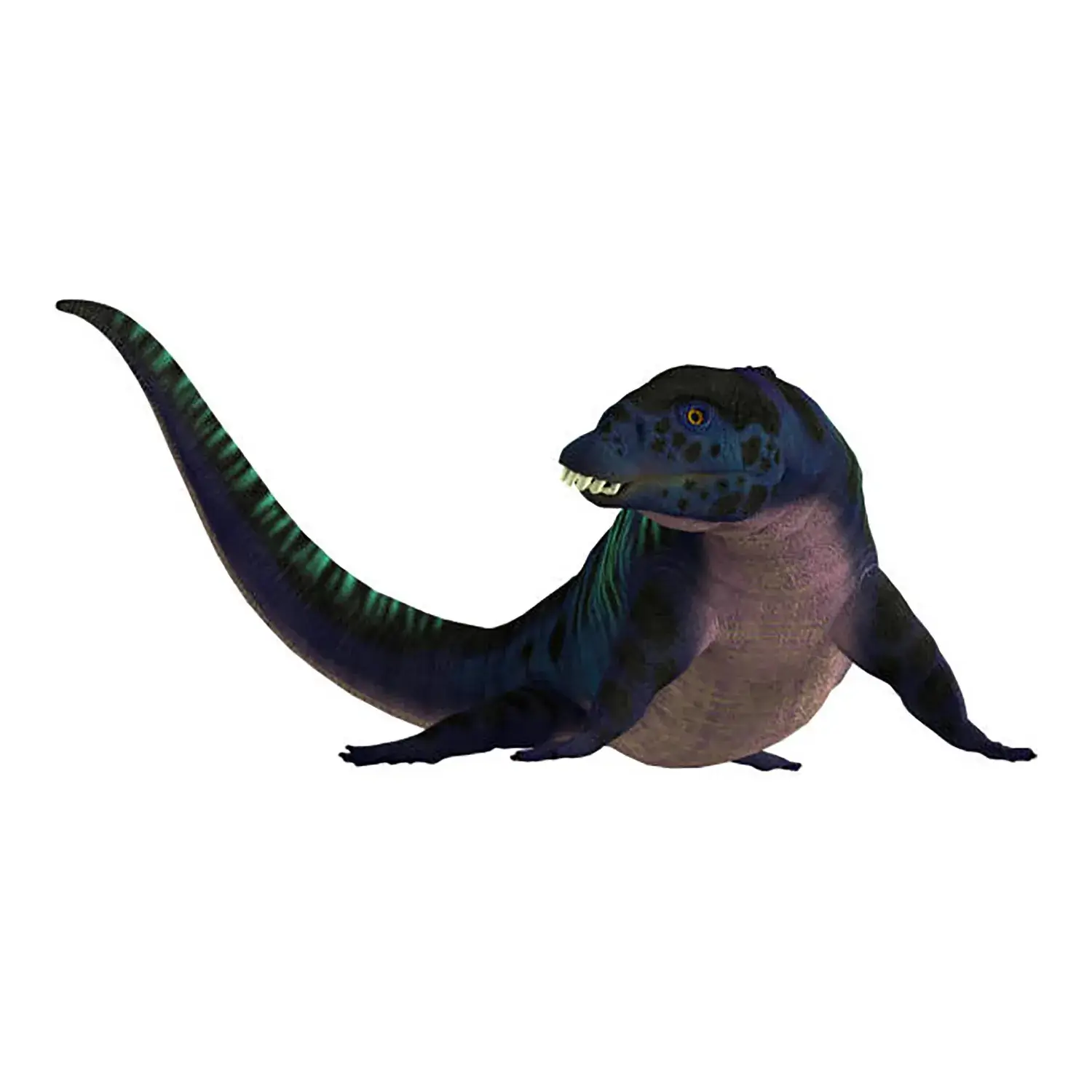
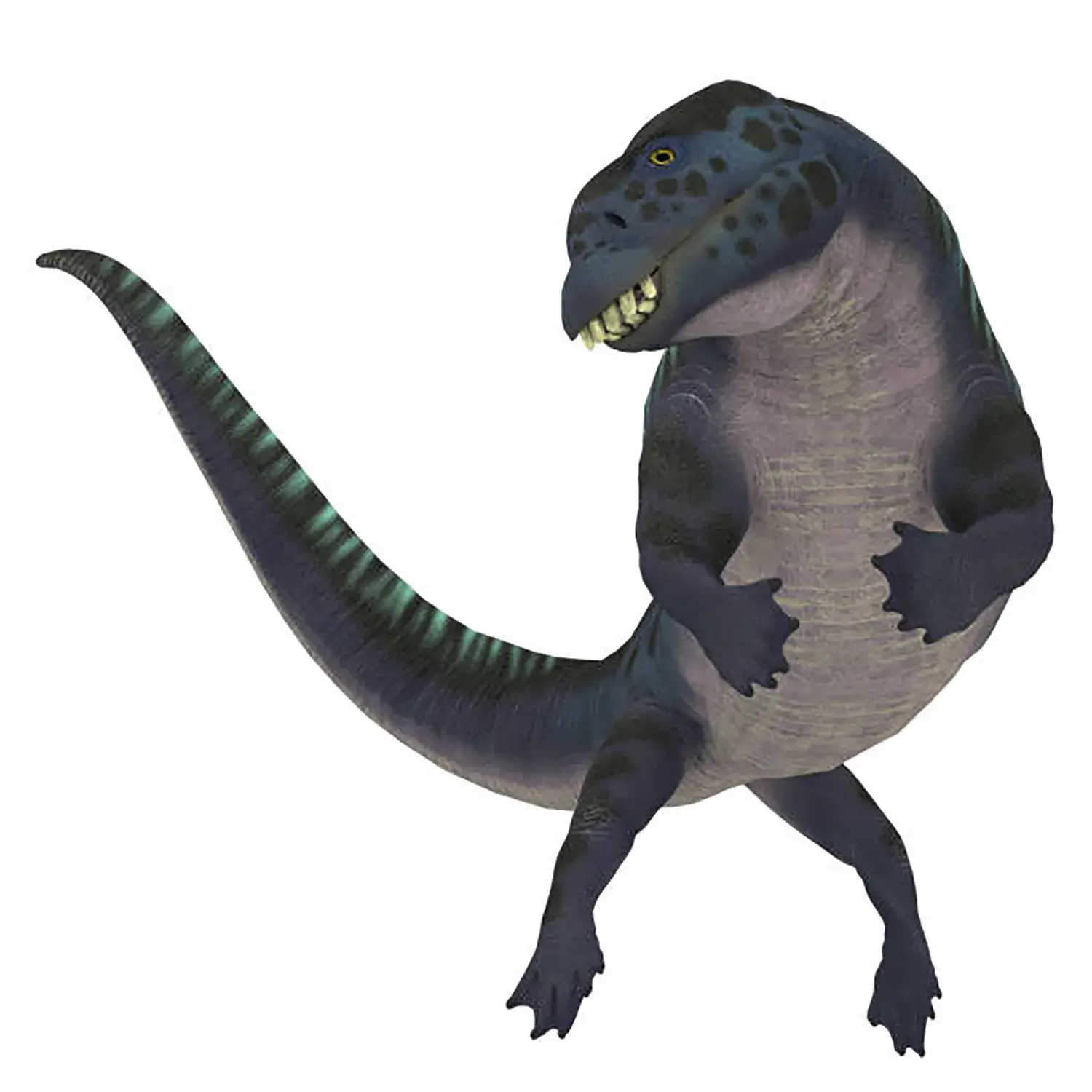
In the seas of Europe and Asia during the first half of the Mesozoic Era, there lived a marine reptile with very unique teeth.
It is “Placodus.”
Belonging to a group called “placodonts” (meaning plate-toothed), they are thought to have used their “flat teeth”—as their name suggests—as weapons to crunch through hard prey.
True to the Name “Flat Tooth”! Powerful Jaws and Two Types of Teeth
The greatest feature of Placodus is the structure inside its mouth, which is the origin of its scientific name (flat tooth).
They possessed two types of teeth with different roles, along with powerful muscles.
Teeth with Specialized Roles
Front Teeth (3 Pairs)
At the tip of the mouth, “spatula-like” teeth protruding almost horizontally were lined up.
These were used to pry shellfish stuck to rocks or dig up prey from the sand.
Back Teeth (6 Pairs)
In the back of the mouth, sturdy “disk-shaped” teeth were lined up.
Crushing Hard Shells
Using the powerful bite force generated by large muscles in the head, they likely used the disk-shaped teeth in the back to vigorously crunch through and eat hard shells.
Note: However, because the skeleton resembles sirenians like dugongs, there are also theories that they were “herbivores” eating sea grass or seaweed, or that they caught fish with their protruding front teeth.
Appearance Resembling a Marine Iguana? Heavy Bones and Aquatic Life
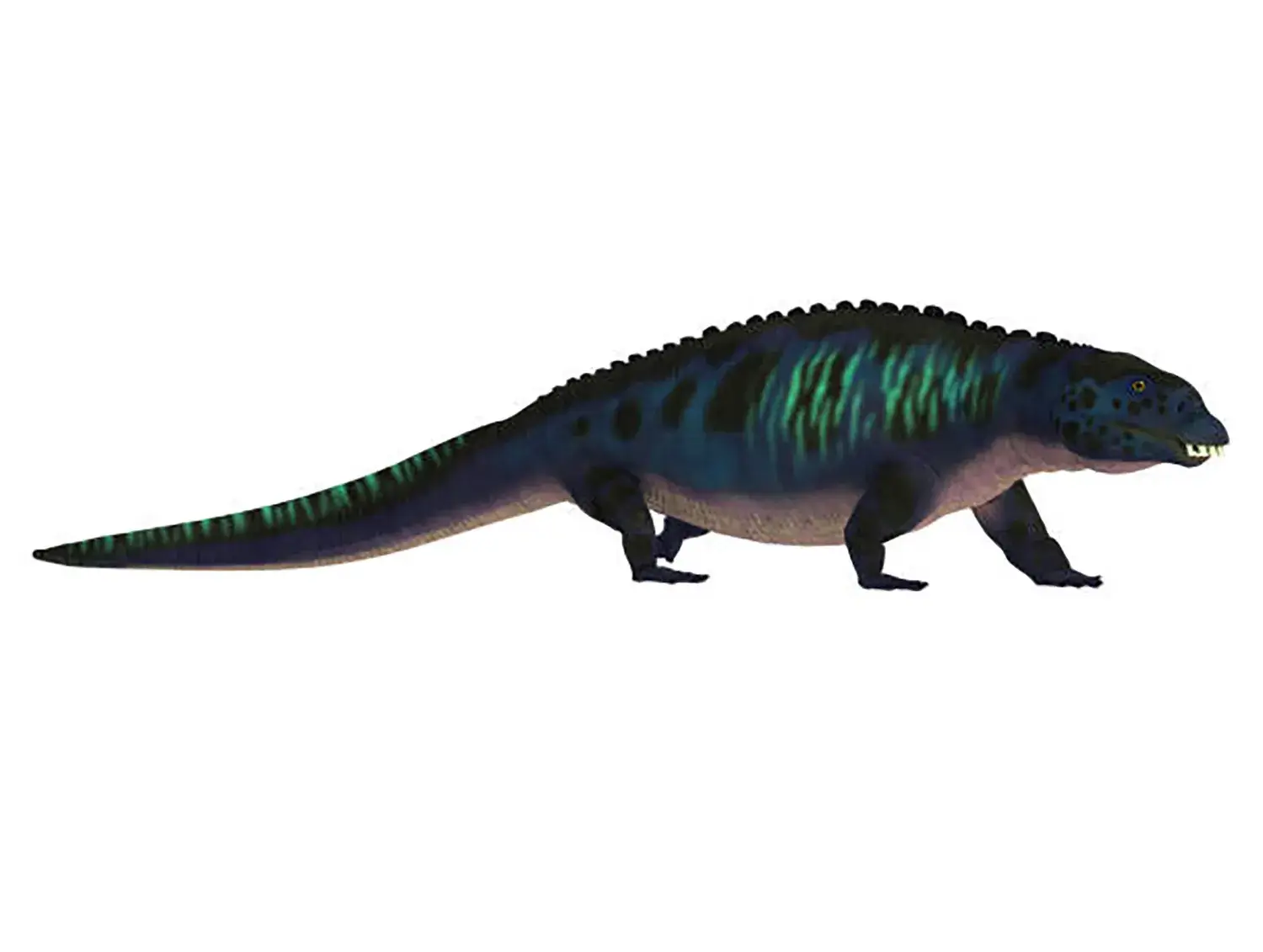
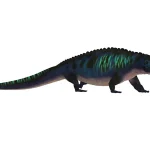
The total length was about 2 to 3 meters.
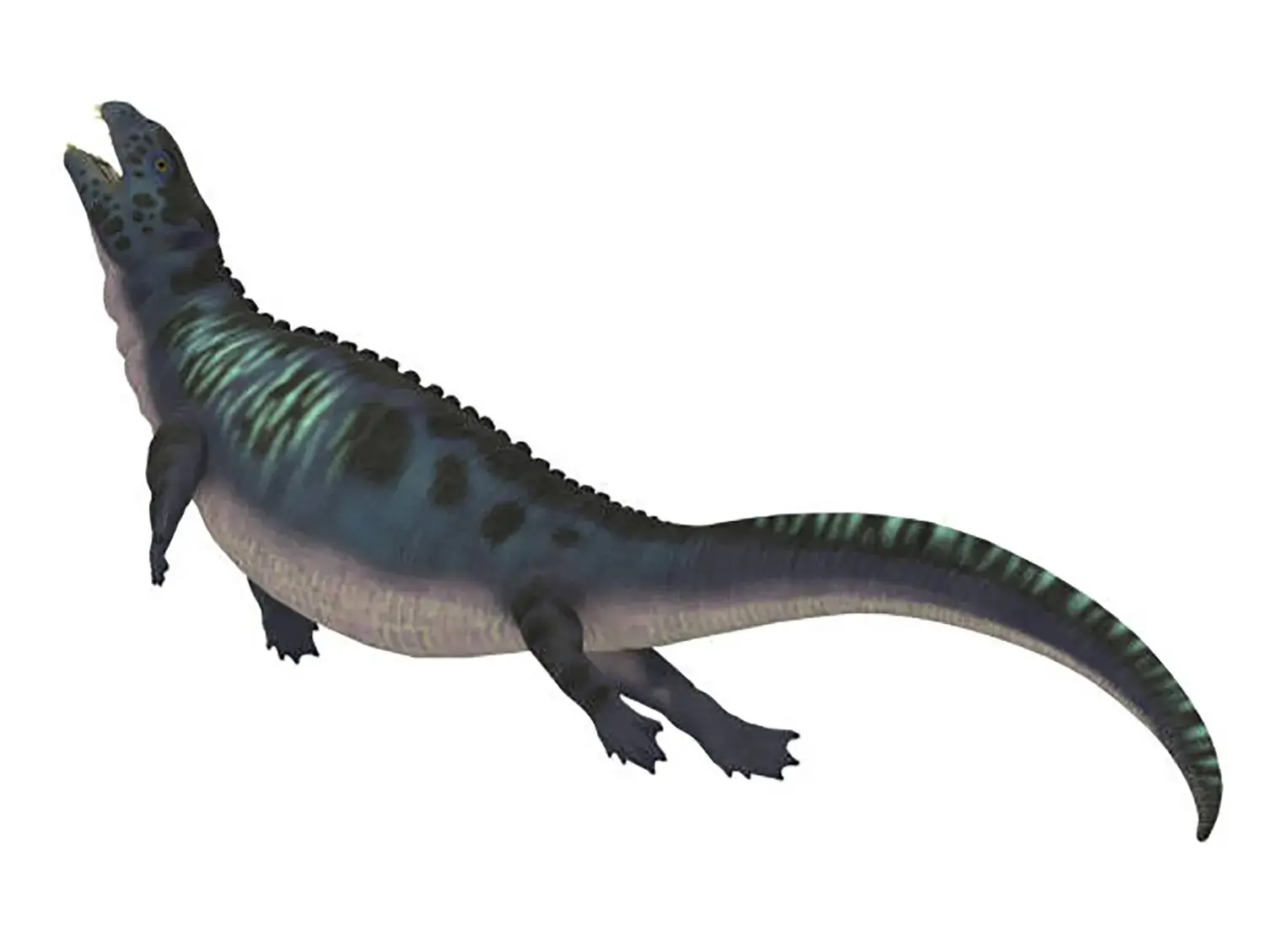
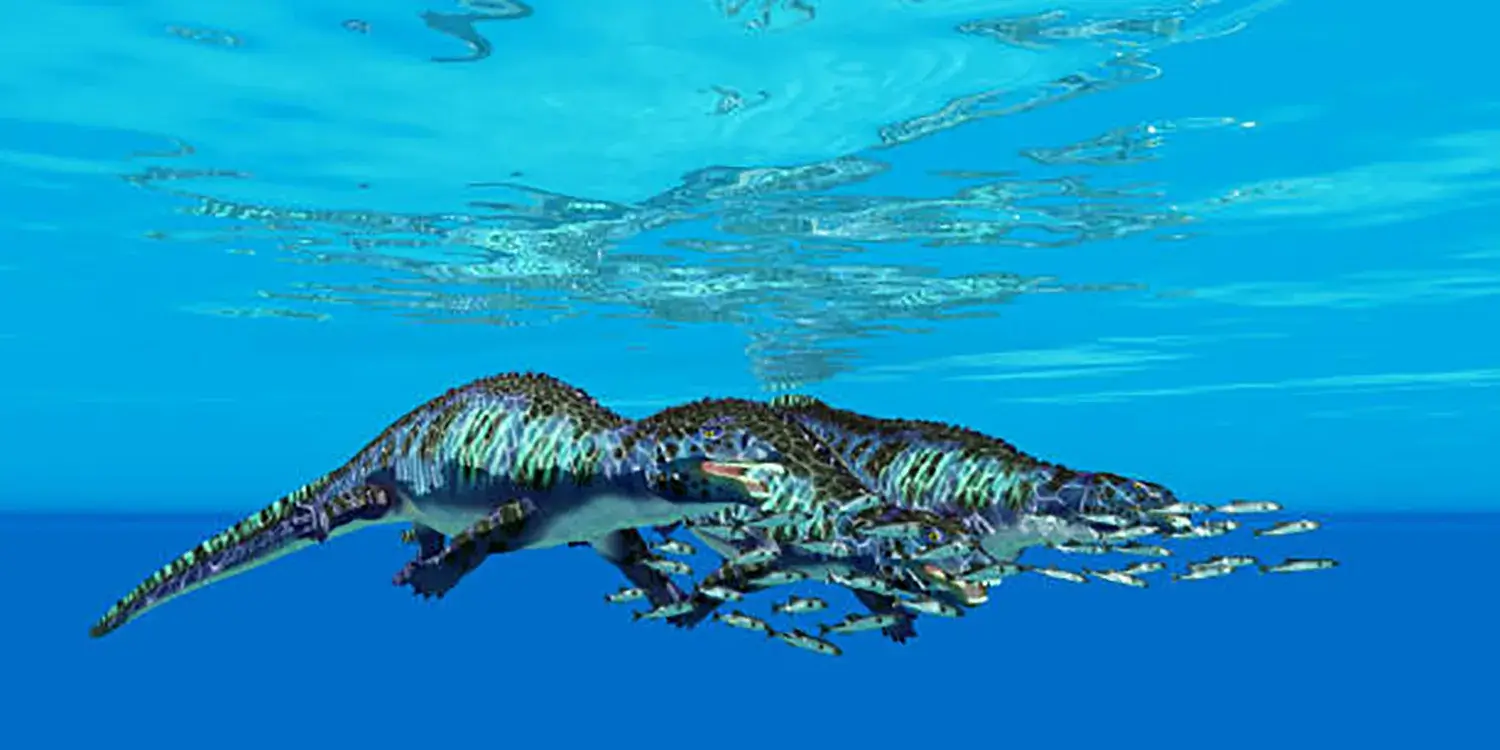
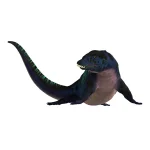
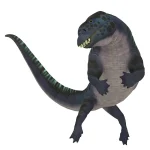
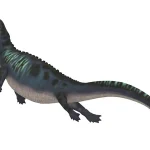
Its appearance closely resembled the modern marine iguana, and there was webbing between its five fingers.
“Heavy Bones” that Aided Diving
A distinctive feature is that the torso bones were built to be very sturdy and “heavy.”
This played the role of “ballast” to prevent floating too much underwater, and served to protect internal organs from water pressure and enemies.
A Swimmer That Could Also Go on Land
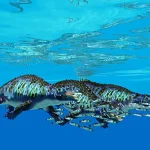
Basically, they were aquatic dwellers that swam by undulating their long tails and bodies, but based on limb structure, they didn’t seem to live entirely in water.
It is believed they sometimes came up to land, such as coastlines, for feeding, egg-laying, or resting.
The Most Lightly Armored Among “Placodonts,” Which Include Turtle-like Relatives
Within the “placodont” group to which Placodus belongs, there are many heavily armored species possessing turtle-like shells, such as Placochelys and Psephoderma.
The Most Lightly Armored Category
Compared to those, Placodus falls into the “most lightly armored category.”
It lacked a shell, but a row of osteoderms (spine-like projections) lined the backbone, serving as minimum defense against enemies.
Note that while it looks like a marine iguana, it is not phylogenetically an ancestor.
Taxonomically, it is considered to be close to plesiosaurs such as Plesiosaurus.