
Massospondylus
Name Origin
Elongated Vertebra
Family
Massospondylidae
Classification
Diapsida, Saurischia, Sauropodomorpha
Habitat (Discovery Location)
South Africa, Lesotho, Zimbabwe
Period
Approximately 200–183 million years ago (Early Jurassic)
Length
Approximately 4 meters
Weight
Approximately 1 ton
Diet
Herbivore
You might also like... 

-
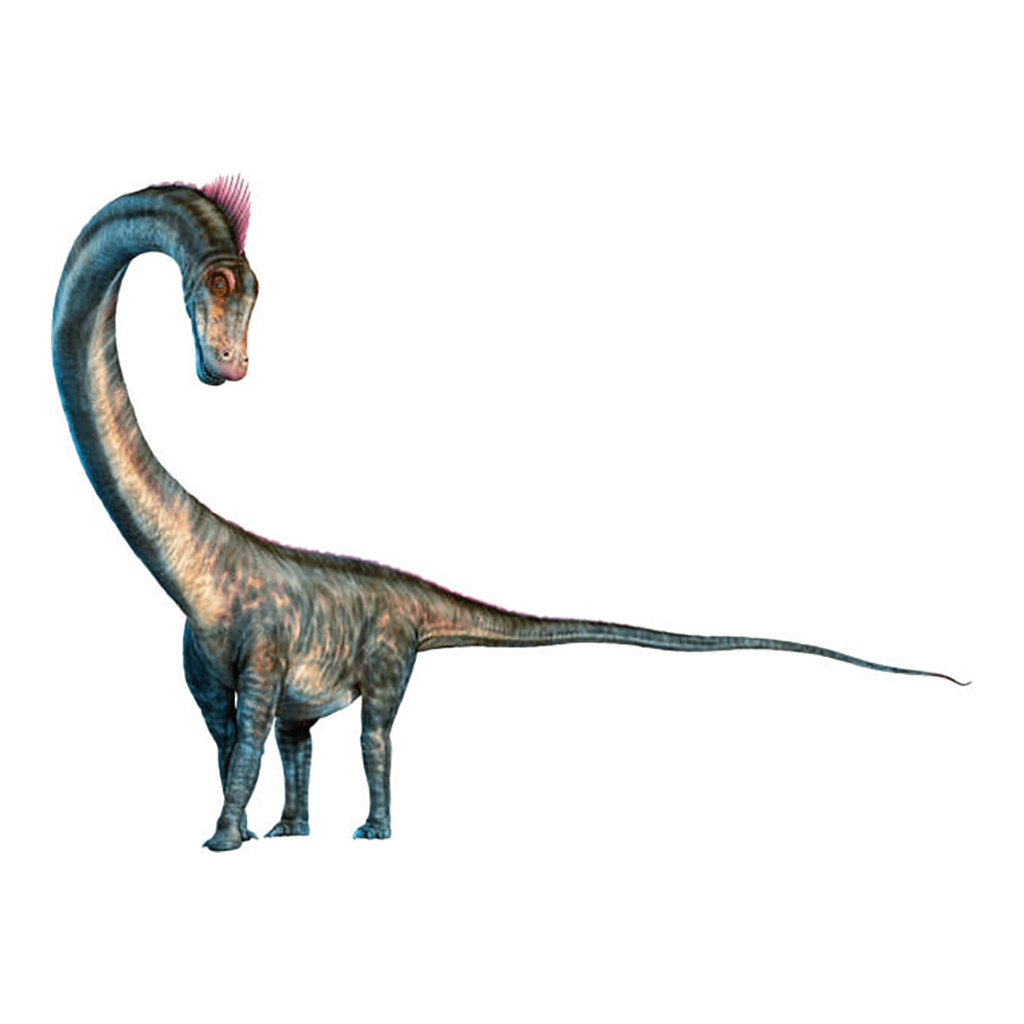
 Barosaurus
- Classification
- Sauropods
- Characteristics
- Herbivorous
- Era
- Jurassic period
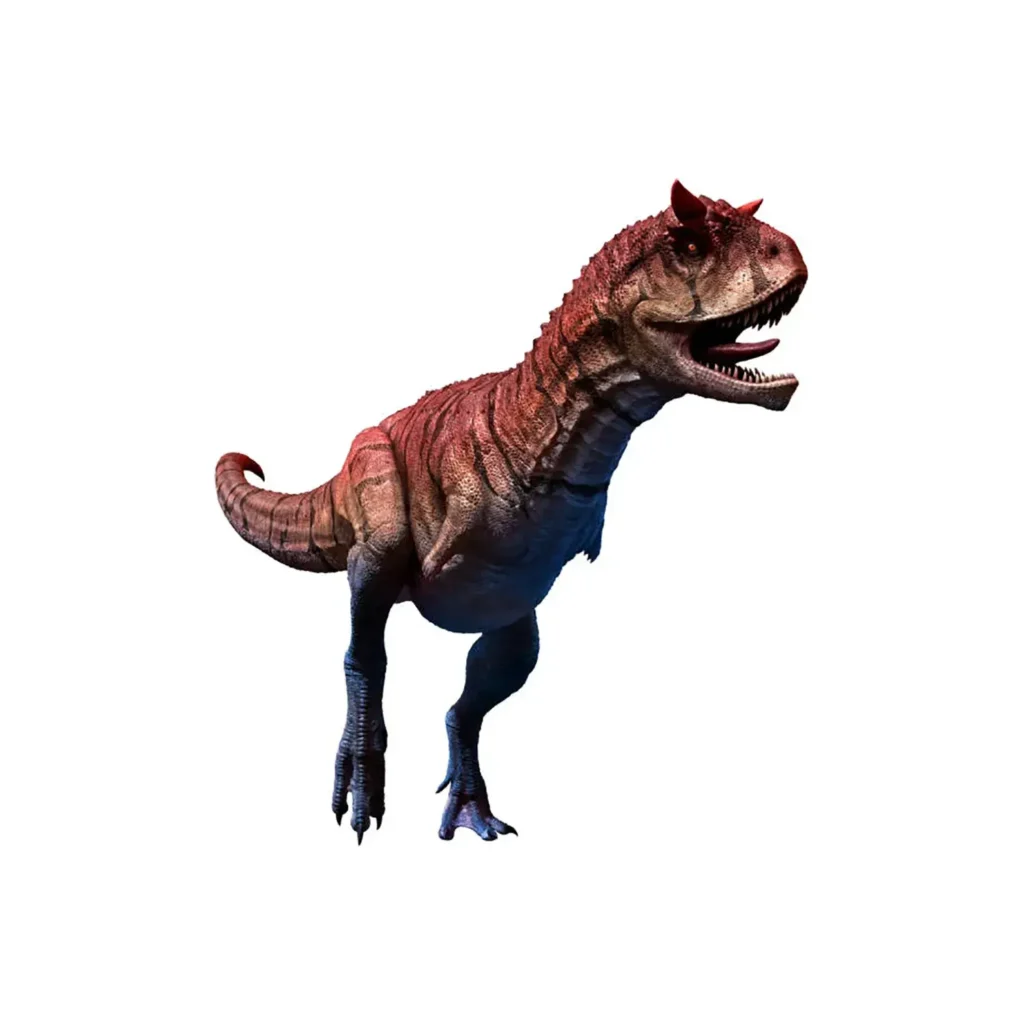
- Carnotaurus
- Classification
- Theropods
- Characteristics
- Carnivorous
- Era
- Cretaceous period
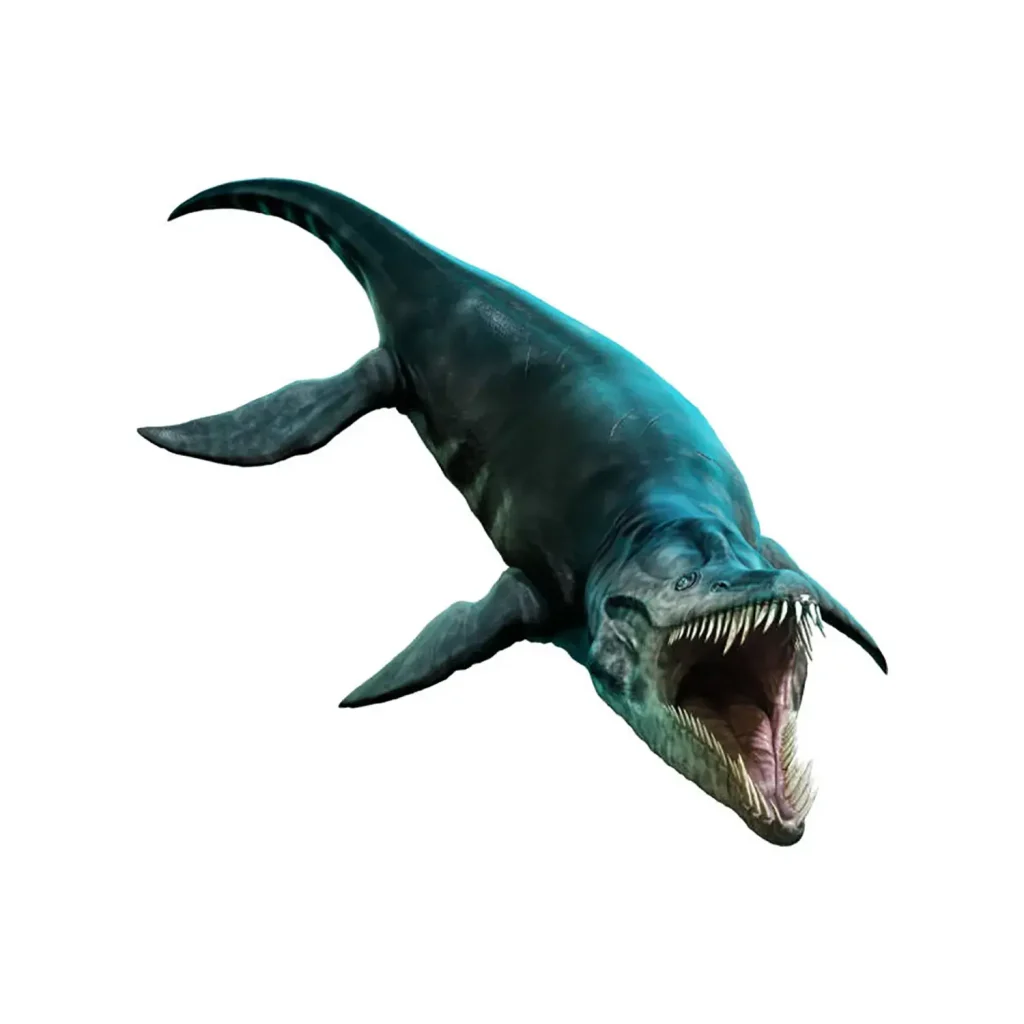
- Liopleurodon
- Classification
- Marine reptiles
- Characteristics
- Carnivorous
- Era
- Jurassic period
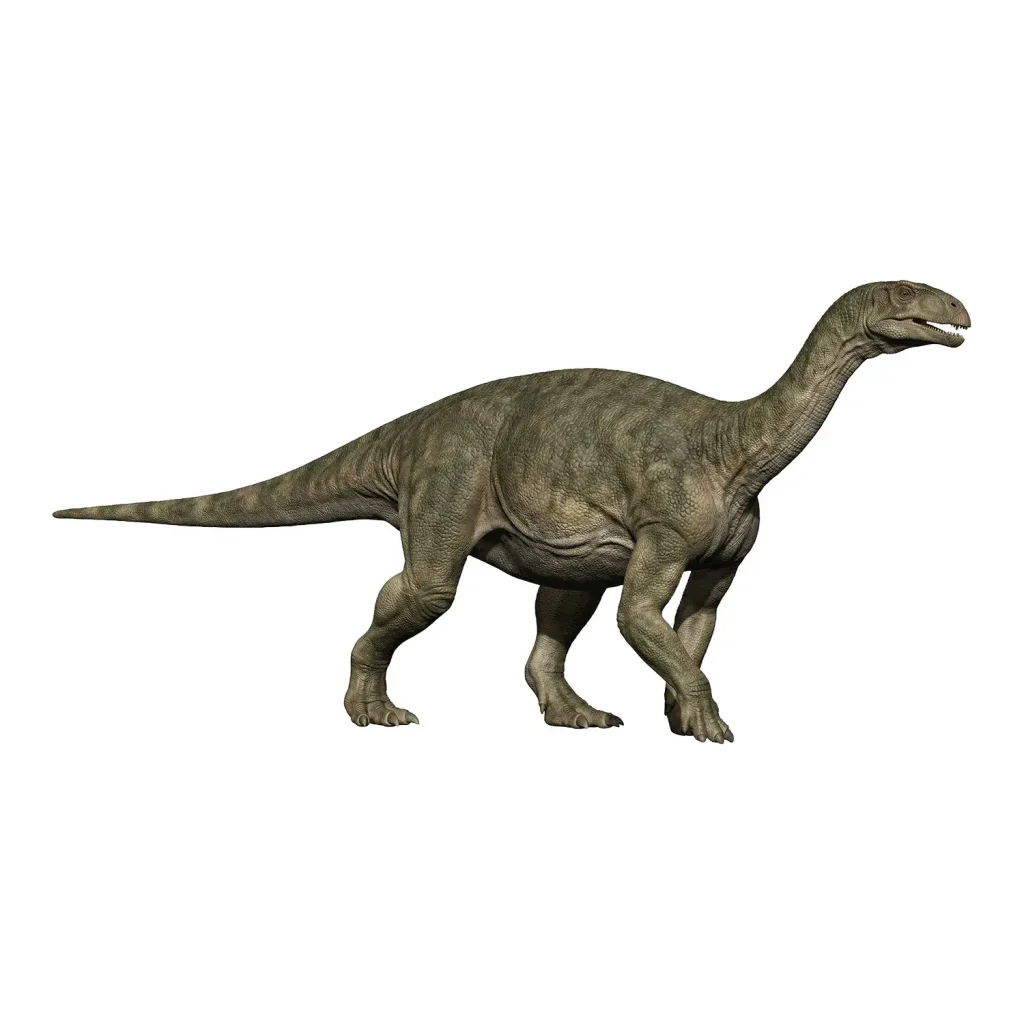
- Euskelosaurus
- Classification
- Sauropods
- Characteristics
- Herbivorous
- Era
- Triassic period
-
Sponsored Links
-
Sponsored Links







![[Latest Research] What Was the Function of Spinosaurus's Giant "Sail"? Exploring the Mysteries of Thermoregulation and Underwater Locomotion](https://dinosaurmuseum.jp/wp/wp-content/uploads/eyecatch_spinosaurus-sail-function_en-1024x512.webp)
![[Latest Discovery] A Third Type of Skin, Neither Scales Nor Feathers? Meet "Haolong dongi," a New Dinosaur Species Covered Entirely in Spikes](https://dinosaurmuseum.jp/wp/wp-content/uploads/eyecatch_dinosaur-spiky-skin-discovery_en-1024x512.webp)

Description
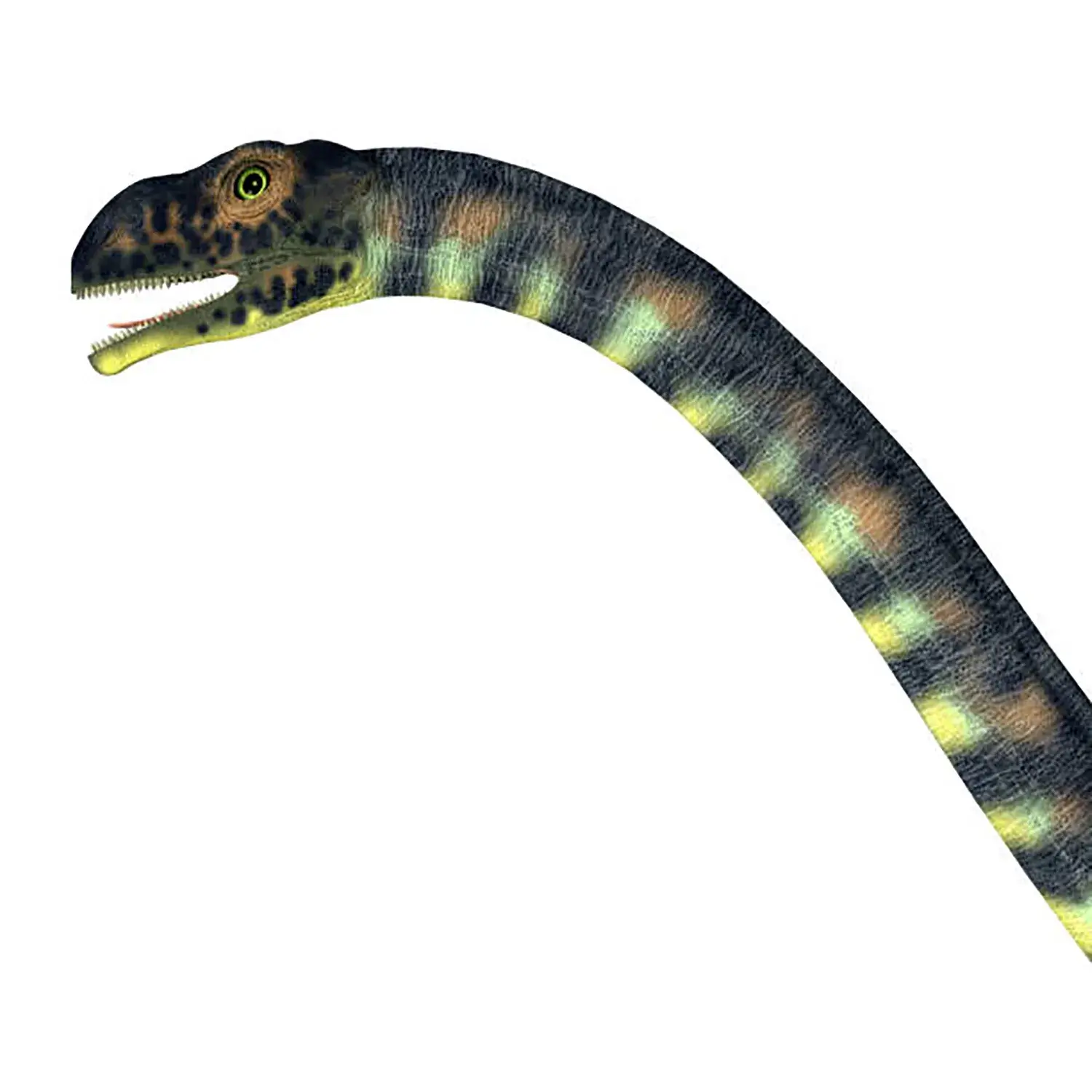
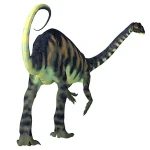
Massospondylus is a prosauropod that flourished in southern Africa during the Early Jurassic, the dawn of the dinosaur era.
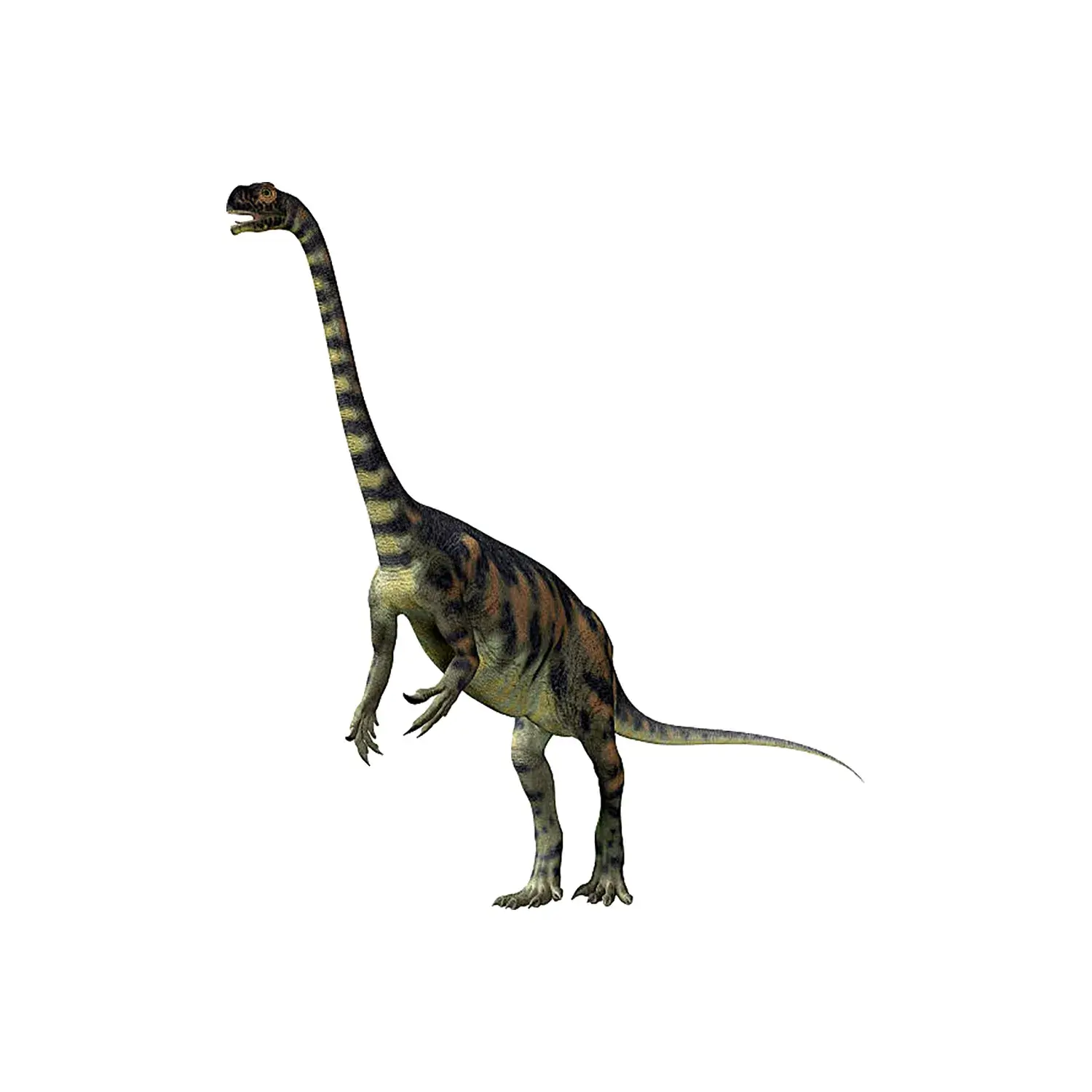
Although it can be considered a “prototype” of the giant sauropodomorphs like Brachiosaurus that appeared in later eras, it had a slender build and walked on two legs.
Described in 1854, this dinosaur is also known for having a very long history of research.
A Slender Dinosaur with an “Elongated Vertebra”
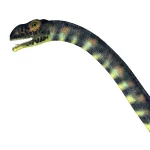
The scientific name Massospondylus means “elongated vertebra” in Ancient Greek.
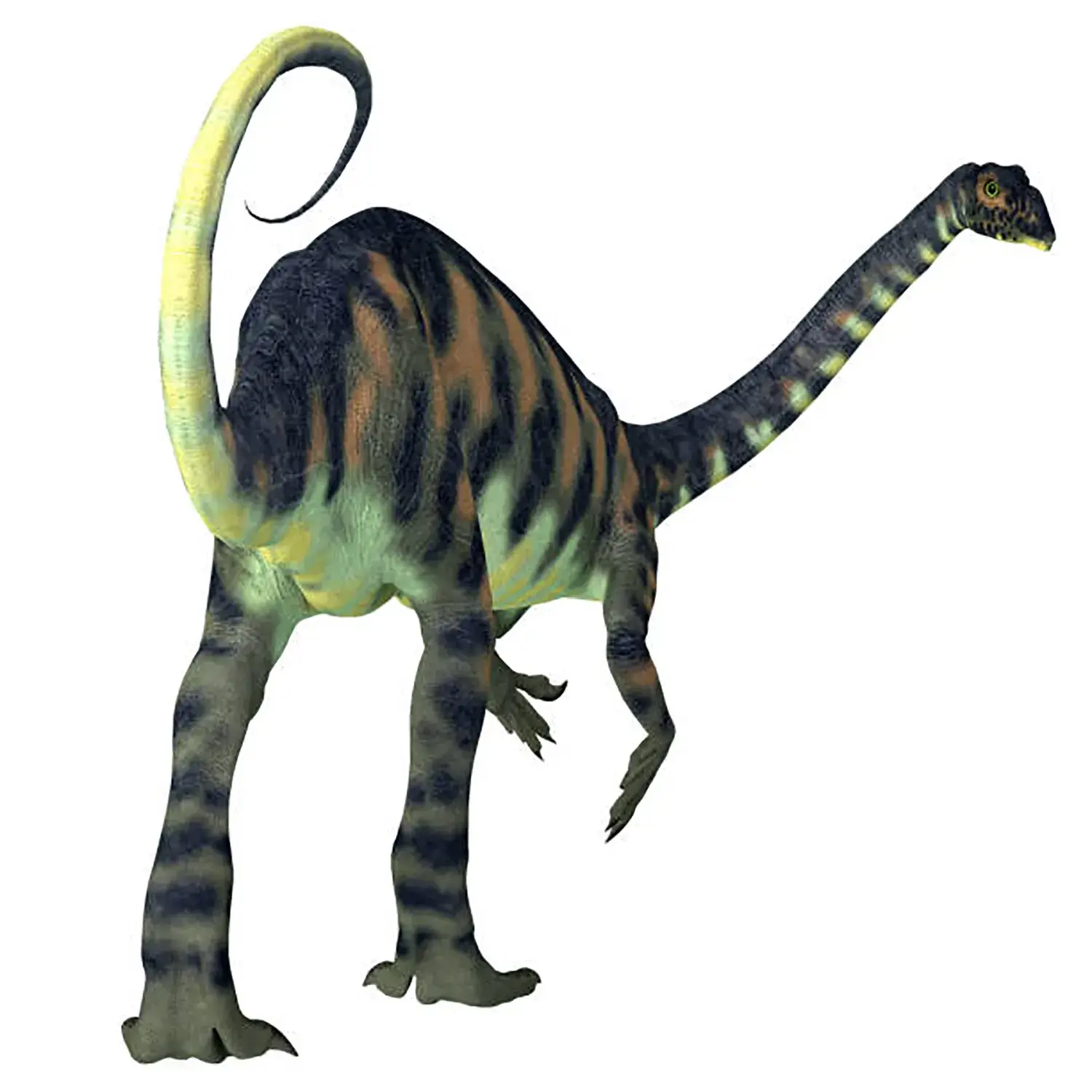
As the name suggests, they possessed a very long neck and tail.
It possessed a very long neck and tail
Habitat and Size
Fossils have mainly been discovered in southern Africa, including South Africa, Lesotho, and Zimbabwe, indicating they were widely distributed during the Early Jurassic.
The total length was about 4 meters, and the weight was about 1 ton.
This is a relatively compact size for a “relative of sauropodomorphs.”
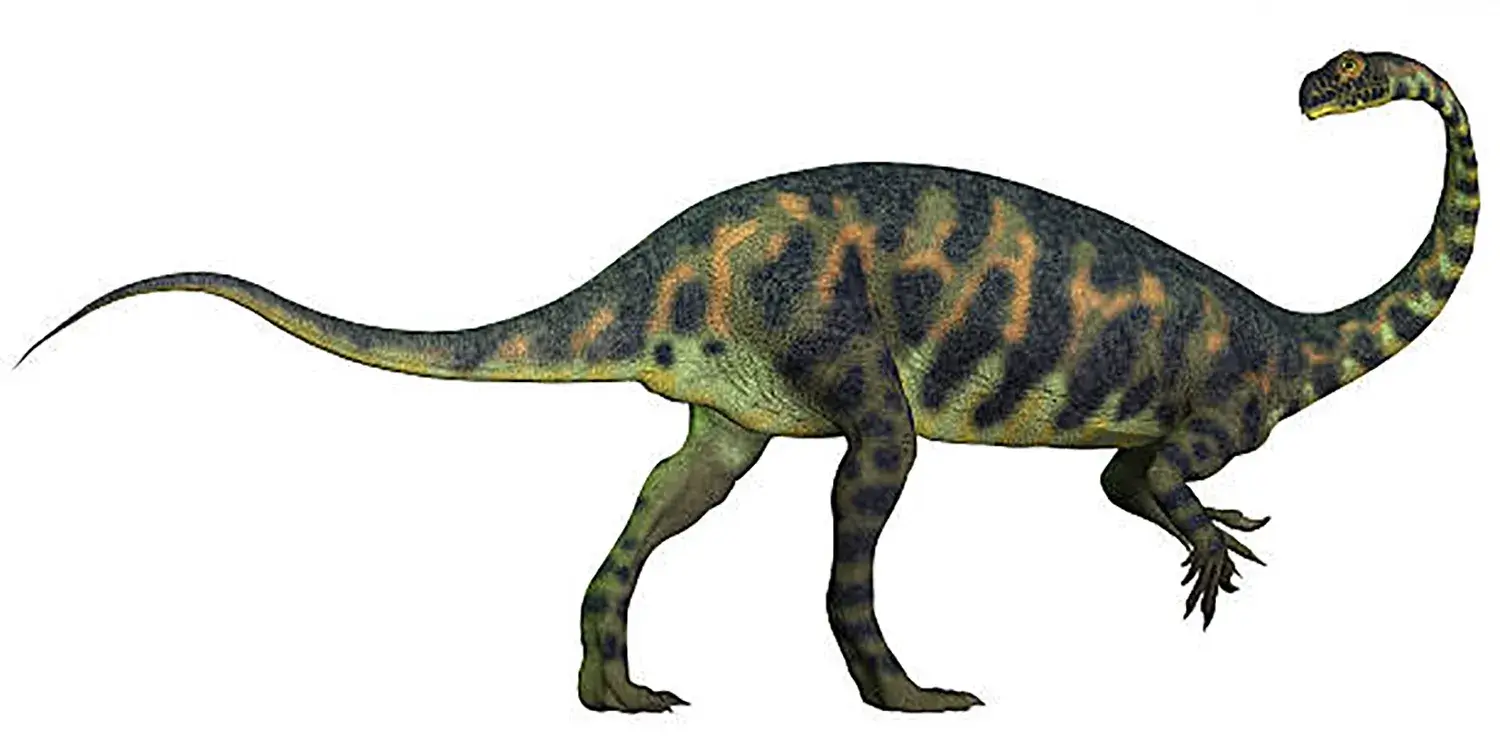
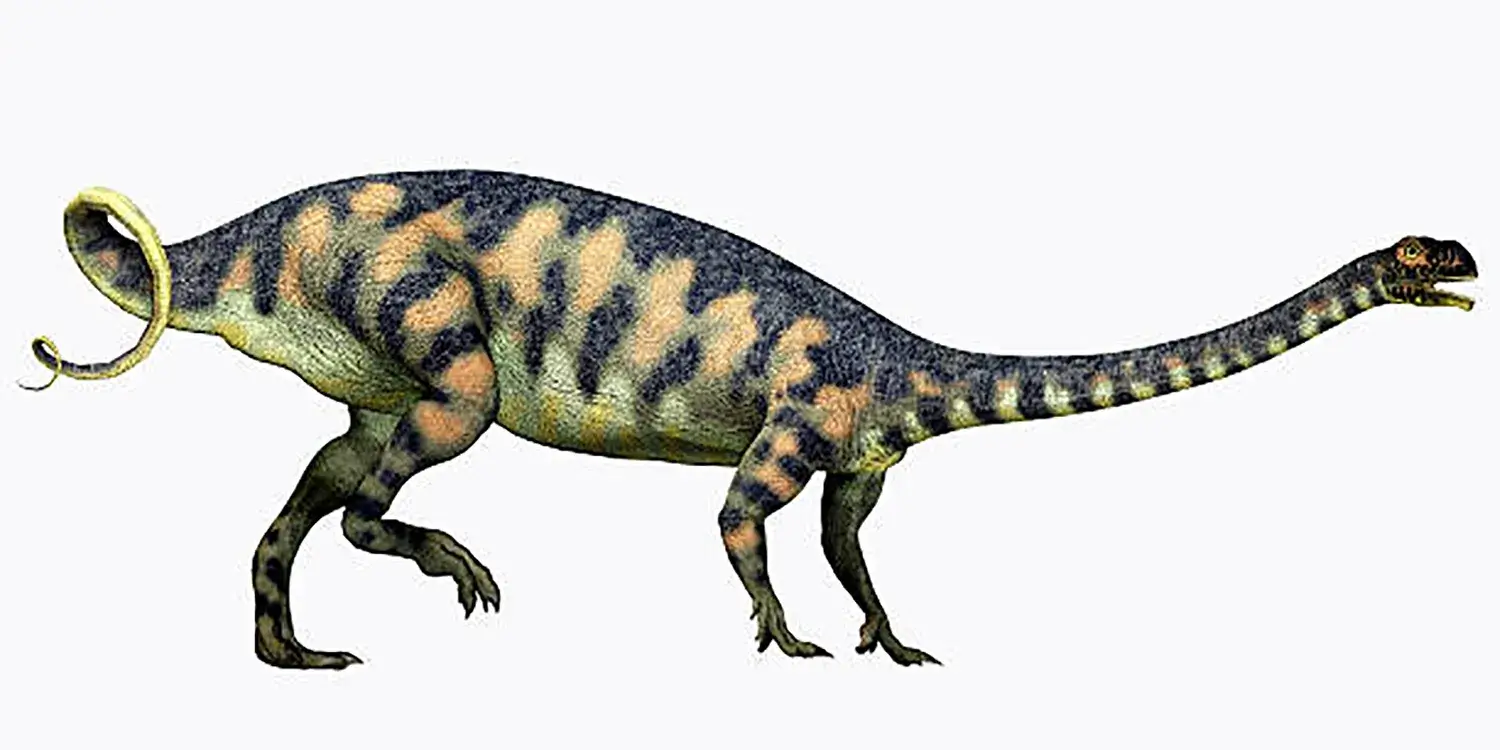
Unlike the super-heavyweights of the later giant sauropodomorphs, its torso was slender; it had a muscular yet agile build.
Switching Between Bipedal Walking and Quadrupedal Posture
The greatest characteristic of Massospondylus lies in its “way of walking.”
Basically “Bipedal”
Their limbs are structured such that the forelimbs are clearly shorter than the hindlimbs.
Therefore, walking on all fours like Apatosaurus was skeletally difficult, so when moving, they used “bipedal locomotion,” balancing solely on their long hind legs.
It used “bipedal locomotion” when moving
“Quadrupedal” When Resting
However, they did not keep their forelimbs in the air all the time.
It is considered highly likely that they rested their forelimbs on the ground and assumed a quadrupedal posture when resting or stopping to eat.
It is highly likely that it assumed a quadrupedal posture when resting or eating
They possessed the flexibility to change their posture according to the situation.
“Hands” Not for Walking and Giant Claws
For these bipedal walkers, their forelimbs were not a means of transportation but functional “hands.”
In particular, the thumb was equipped with a “large claw” that was unsuitable for walking.
As a Weapon
It is presumed that they brandished these claws to protect themselves from natural enemies like carnivorous dinosaurs or during disputes between their own kind.
As a Tool
They were also useful as tools for pulling down high branches, stripping bark from trees, or digging in the soil.
Herbivore or Omnivore?
Massospondylus was basically a herbivorous dinosaur.
The teeth at the front of the jaw were round, while the back teeth were flat, making them suitable for biting off and grinding plants.
However, whether it was a strict vegetarian is open to debate.
It has been suggested that they may have had an “omnivorous side,” catching small animals or eating carrion if the opportunity arose.
Described in 1854! Richard Owen and the History of Research
This dinosaur was named and described in 1854 by the renowned paleontologist Richard Owen, the creator of the term “Dinosauria.”
It is a very long-standing figure in dinosaur research.
From 7 Species to “The Last One”
Fossils of its skull, which are usually difficult to preserve, have been found in near-perfect condition, making it valuable research material.
In its long history of research, it was once thought that there were up to seven species of Massospondylus, but after detailed studies and reorganization, they have now been consolidated into just one valid species.