
Diplodocus


Name Origin
Double Beam
Family
Diplodocidae
Classification
Diapsida, Saurischia, Sauropodomorpha
Habitat (Discovery Location)
United States
Period
Approximately 154–152 million years ago (Late Jurassic)
Length
Approximately 20–35 meters
Weight
Approximately 10–30 tons
Diet
Herbivore
You might also like... 

-
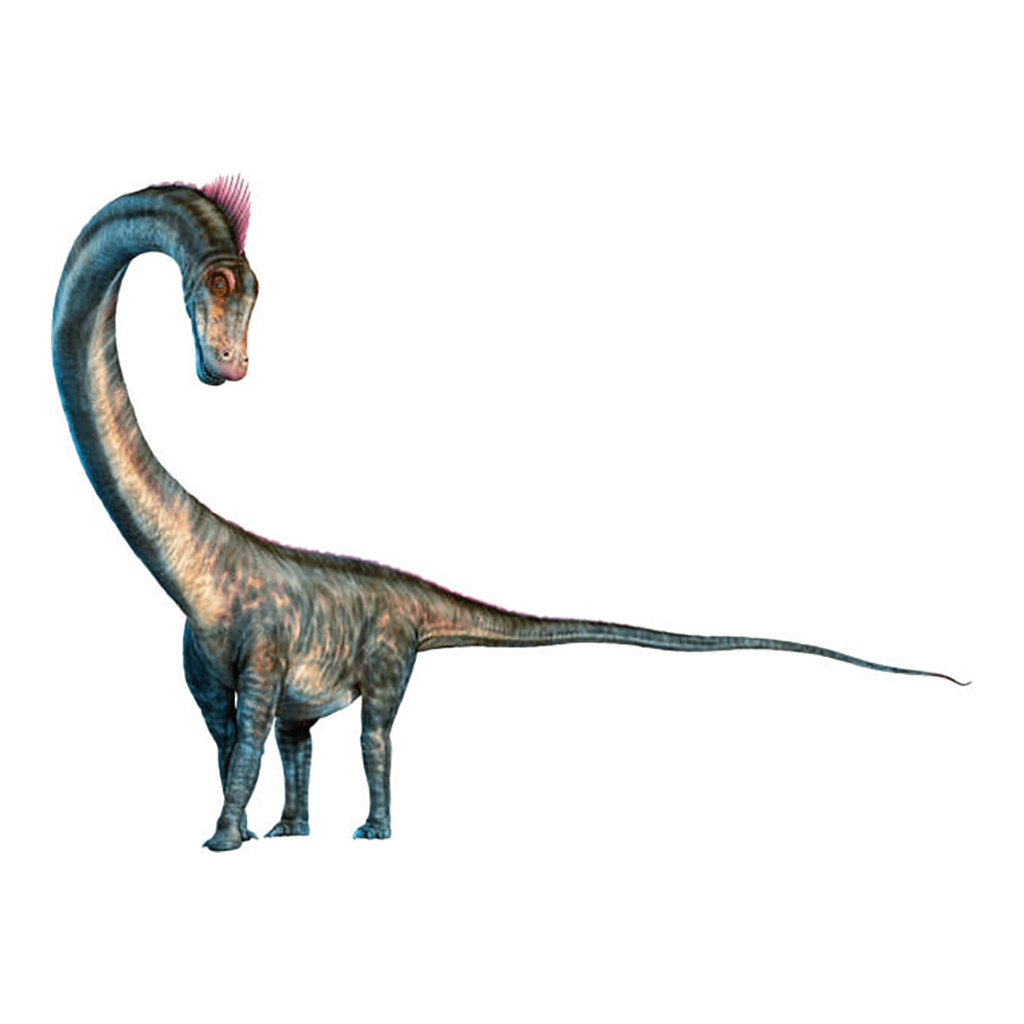
 Barosaurus
- Classification
- Sauropods
- Characteristics
- Herbivorous
- Era
- Jurassic period
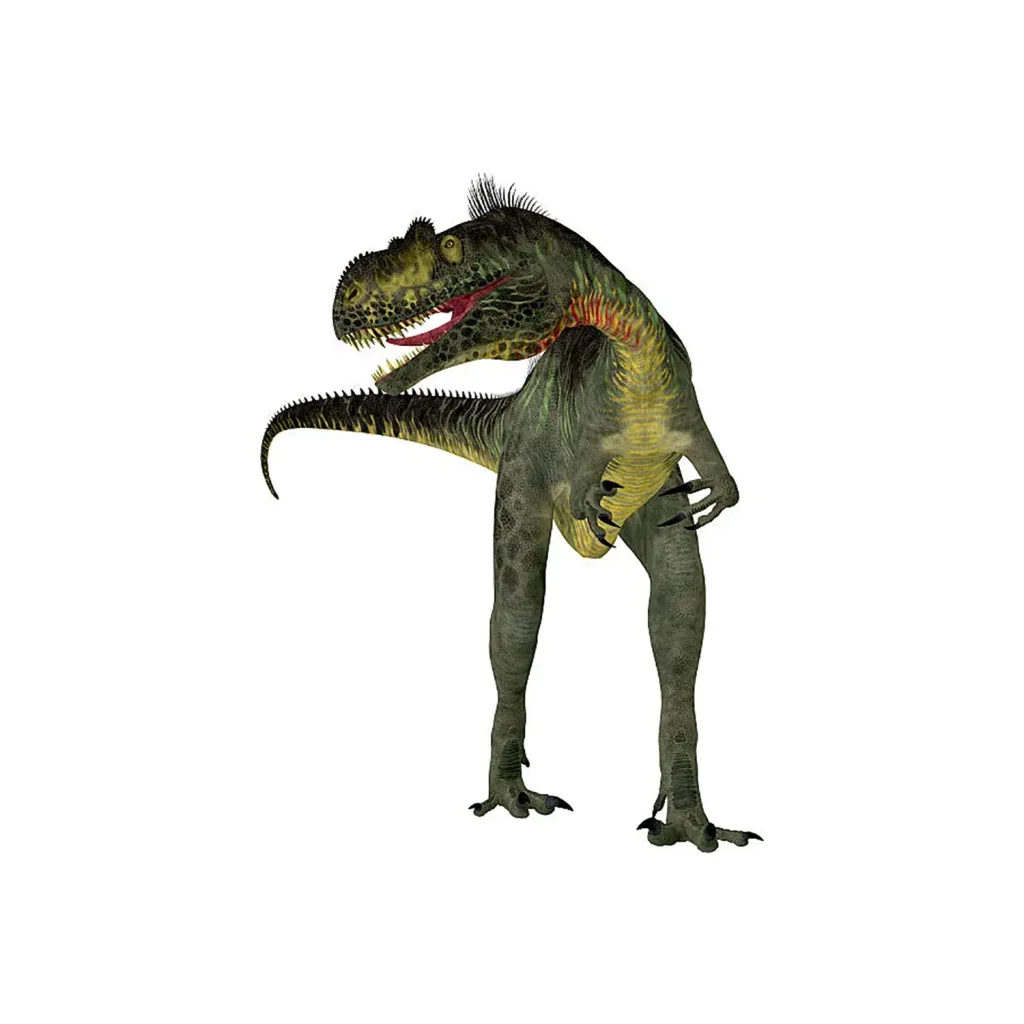
- Megalosaurus
- Classification
- Theropods
- Characteristics
- Carnivorous
- Era
- Jurassic period
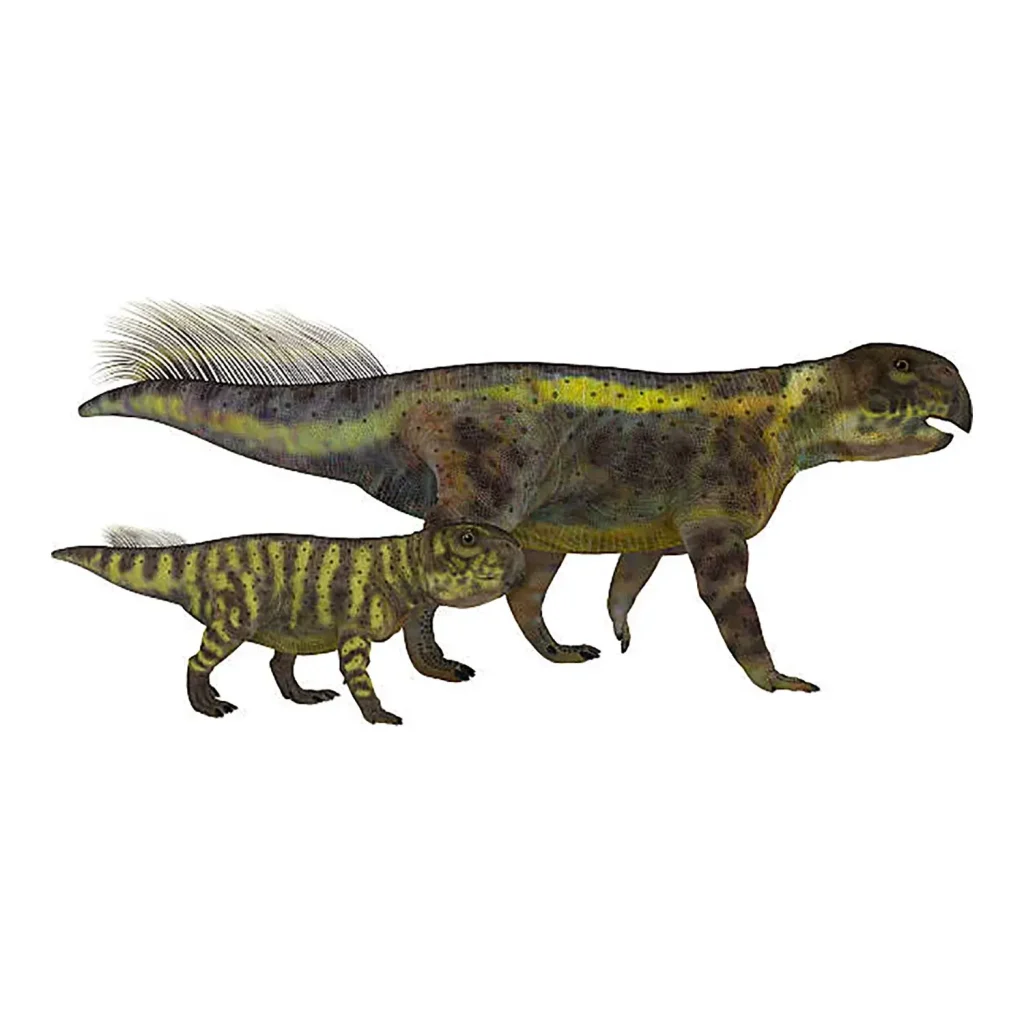
- Psittacosaurus
- Classification
- Marginocephalia
- Characteristics
- Herbivorous
- Era
- Cretaceous period
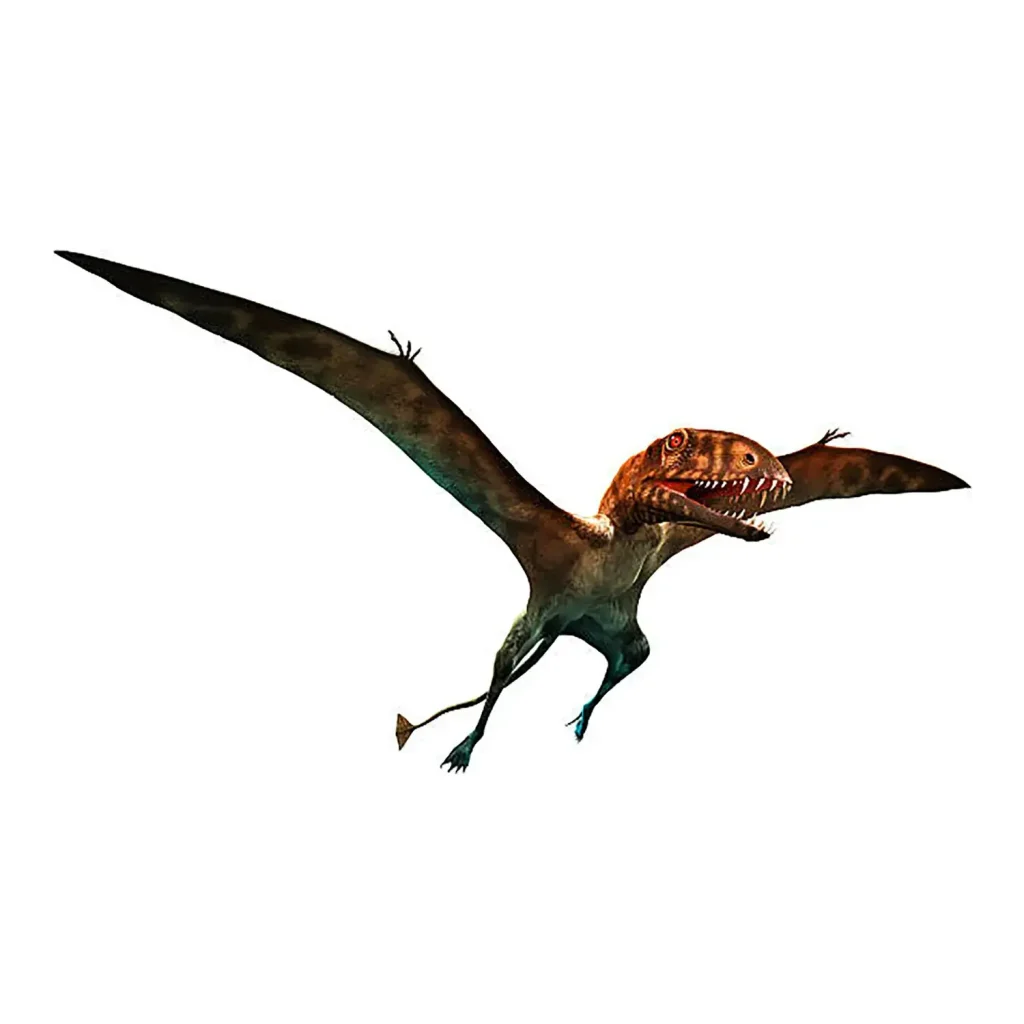
- Dimorphodon
- Classification
- Flying reptiles
- Characteristics
- Carnivorous
- Era
- Jurassic period
-
Sponsored Links
-
Sponsored Links









![[Latest Research] What Was the Function of Spinosaurus's Giant "Sail"? Exploring the Mysteries of Thermoregulation and Underwater Locomotion](https://dinosaurmuseum.jp/wp/wp-content/uploads/eyecatch_spinosaurus-sail-function_en-1024x512.webp)
![[Latest Discovery] A Third Type of Skin, Neither Scales Nor Feathers? Meet "Haolong dongi," a New Dinosaur Species Covered Entirely in Spikes](https://dinosaurmuseum.jp/wp/wp-content/uploads/eyecatch_dinosaur-spiky-skin-discovery_en-1024x512.webp)

Description
The Late Jurassic period (approximately 150 million years ago) marked the zenith of the dinosaur era.
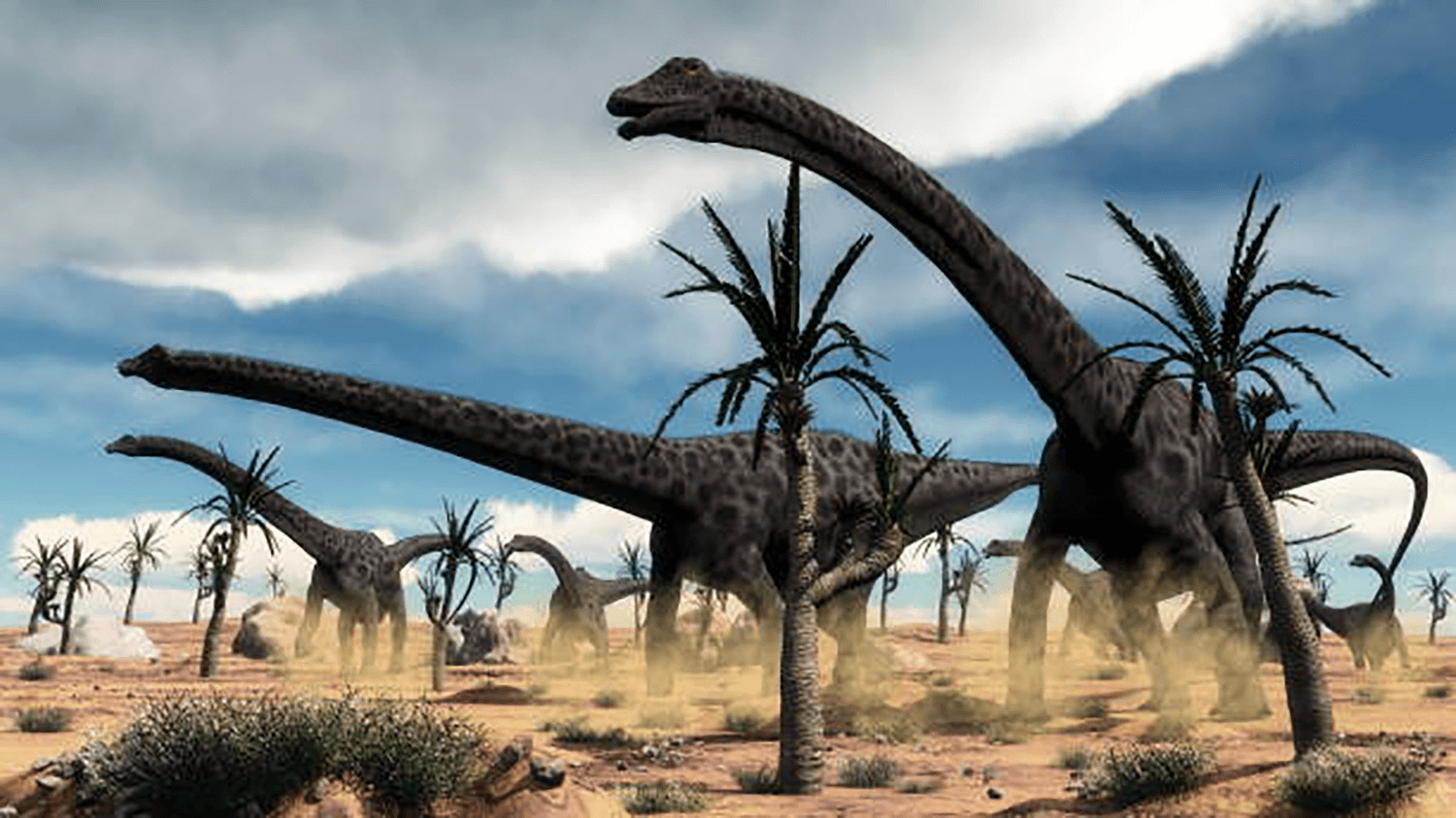
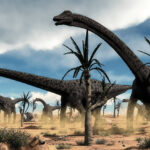
On the plains of the North American continent, massive herds of giant dinosaurs, some exceeding 20 or 30 meters in length, roamed the land.
Among them, “Diplodocus” is a sauropodomorph known for its exceptionally long, refined, and slender physique.
The steel magnate Andrew Carnegie was once captivated by its immense size and donated replicas to institutions around the globe, making it one of the “most famous dinosaurs in the world.”
The “Double Beam” Loved by the Steel King: Name and Discovery
Origin of the “Double Beam”
The scientific name Diplodocus means “Double Beam” in Greek.
This name derives from the unique “Y-shaped (double-forked)” bones (chevrons) located on the underside of the tail vertebrae, which supported the long, heavy tail and protected blood vessels.
Carnegie and Global Popularity
Although named by Othniel C. Marsh in 1878, it was the industrialist Andrew Carnegie who made them famous.
Driven by his ambition to find a giant dinosaur, he funded excavations and discovered a magnificent complete skeleton (Diplodocus carnegii).
By donating casts of it to the British Museum and other institutions worldwide, Diplodocus became a global icon of the “perfect giant dinosaur.”
A Slender, Massive Body Like a “Bridge”
Astonishing Length and Lightness
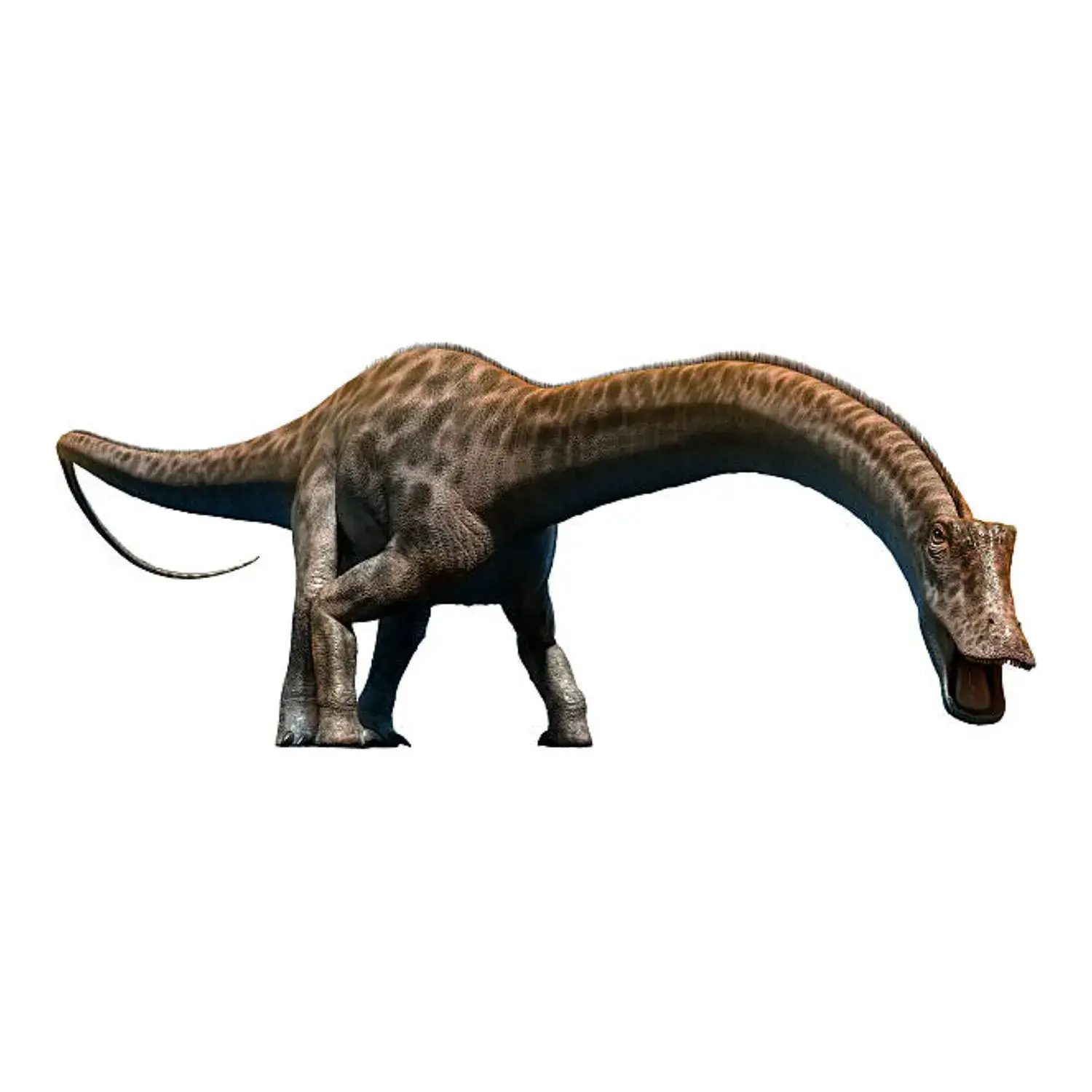
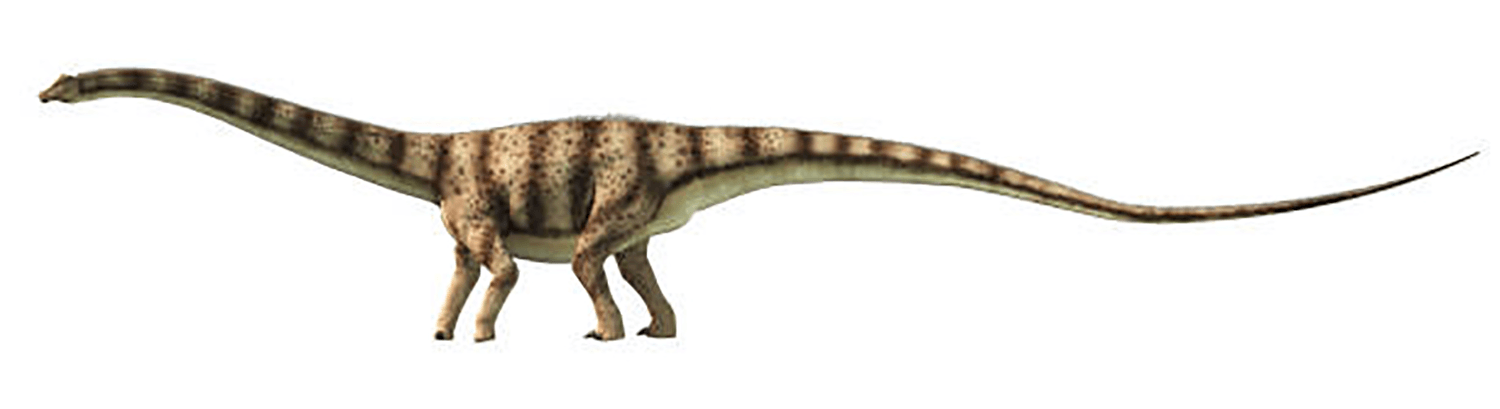
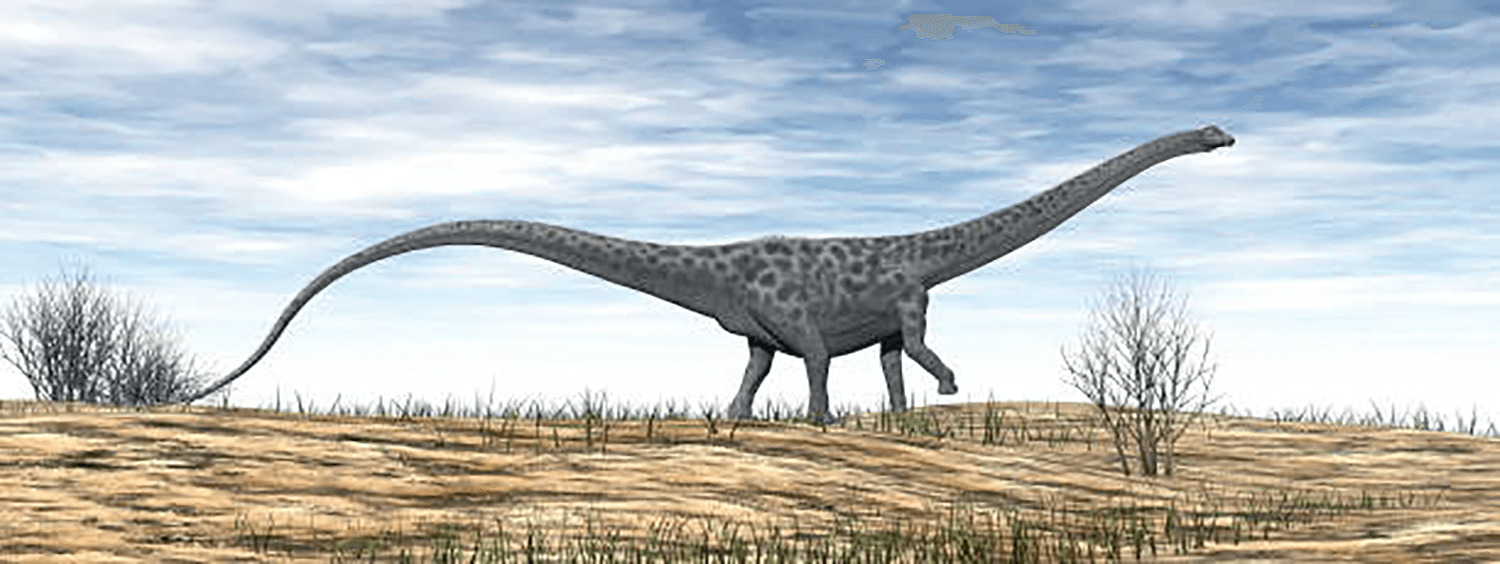
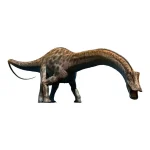
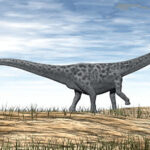
Its most distinctive feature is its neck and tail, which stretched out long and parallel to the ground.
Neck and tail stretching long and parallel to the ground
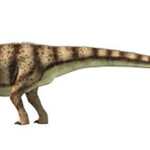
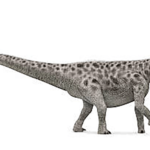
While reaching total lengths of 20 to 35 meters, their bones were hollow to reduce weight, resulting in a surprisingly light estimated weight of 10 to 30 tons.
Rather than a heavy tank, they possessed a structure akin to a “suspension bridge” pursuing functional beauty.
An Exceptionally Long Tail
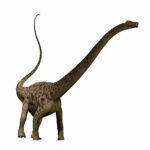
The tail bones (caudal vertebrae) numbered as many as 80, and the tip tapered down to be as thin as a whip.
The tip of the tail tapered like a whip
Unlike Brachiosaurus, its neck was not structured to be held high; instead, it moved side to side like a vacuum cleaner to efficiently eat plants on the ground.
It is also known that a row of iguana-like spike ornaments lined its back.
The Ultimate Weapon? The Truth Behind the “Supersonic Whip” Controversy
Attacking with Shockwaves?
There was once a famous theory that Diplodocus could swing its long, thin tail at such high speeds that the tip would break the sound barrier (Mach 1), creating a shockwave (sonic boom).
It was thought to be a “cheat-level” weapon used to intimidate enemies with a loud cracking sound or to strike them directly.
Recent Studies Say “Hold On”
However, a 2022 simulation study revealed that the tail “could not withstand the shock of breaking the sound barrier and would fracture.”
It was concluded that the actual maximum speed was around 120 km/h.
Nevertheless, a giant whip moving at over 100 km/h would still be devastating if it hit a carnivorous dinosaur directly.
Even if not supersonic, it remains undeniable that it was a powerful physical weapon.
The Disappearance of Seismosaurus and the Pinnacle of Gigantism
“Seismosaurus” (Earthquake Lizard) was once called the largest dinosaur in history, said to “cause earthquakes just by walking.”
Recent research has revealed that this dinosaur, estimated to exceed 33 meters in length, was actually a “fully grown, super-sized individual of Diplodocus.”
It is now integrated as “Diplodocus hallorum.”
While the name of the former star dinosaur has vanished, this has allowed Diplodocus to claim the title of “one of the largest terrestrial vertebrates in history” in both name and reality.