
Dryosaurus
Name Origin
Oak Tree Lizard
Family
Dryosauridae
Classification
Diapsida, Ornithischia, Ornithopoda
Habitat (Discovery Location)
United States, Tanzania
Period
Approximately 155–145 million years ago (Late Jurassic)
Length
Approximately 3–4 meters
Weight
Approximately 77–90 kg
Diet
Herbivore
You might also like... 

-
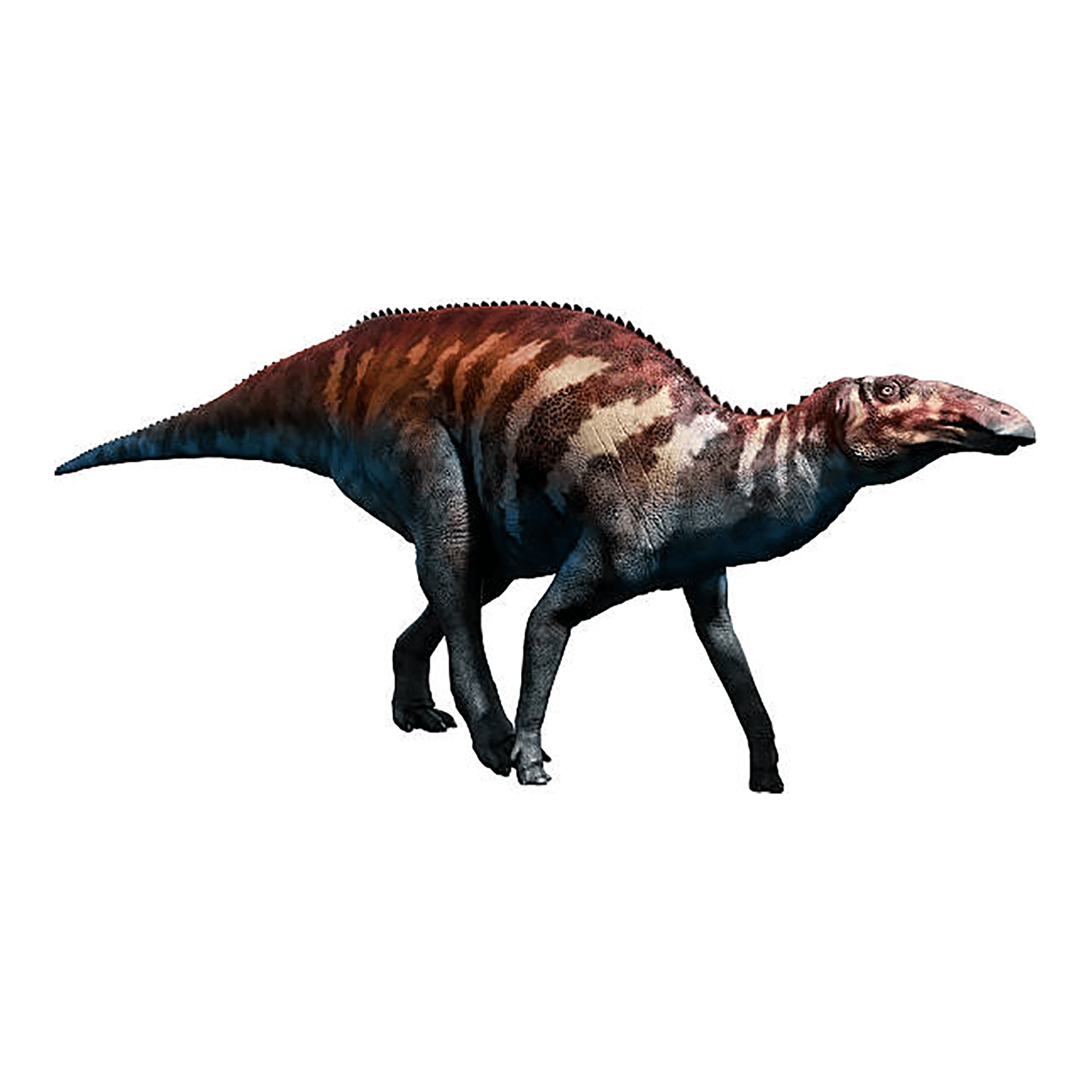
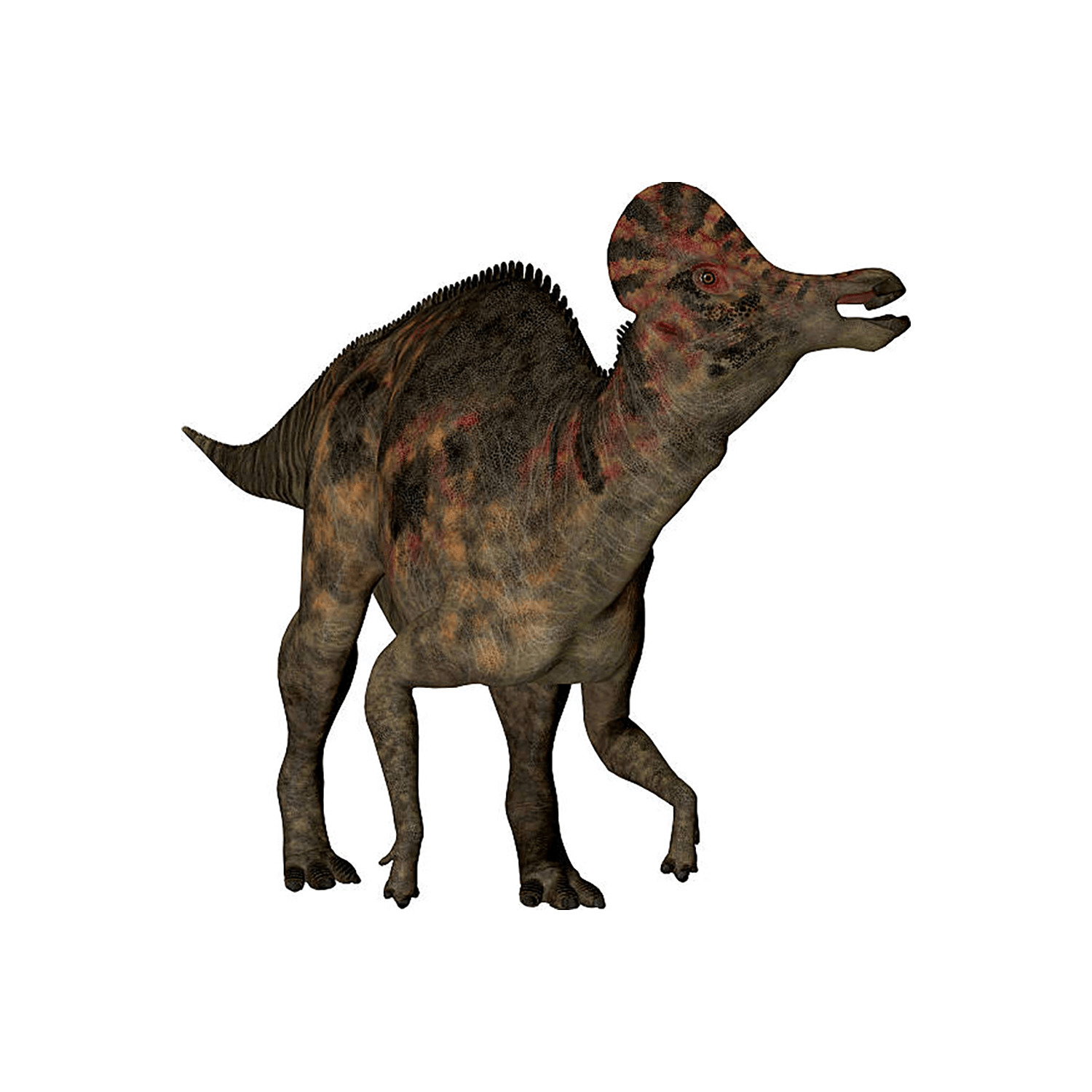
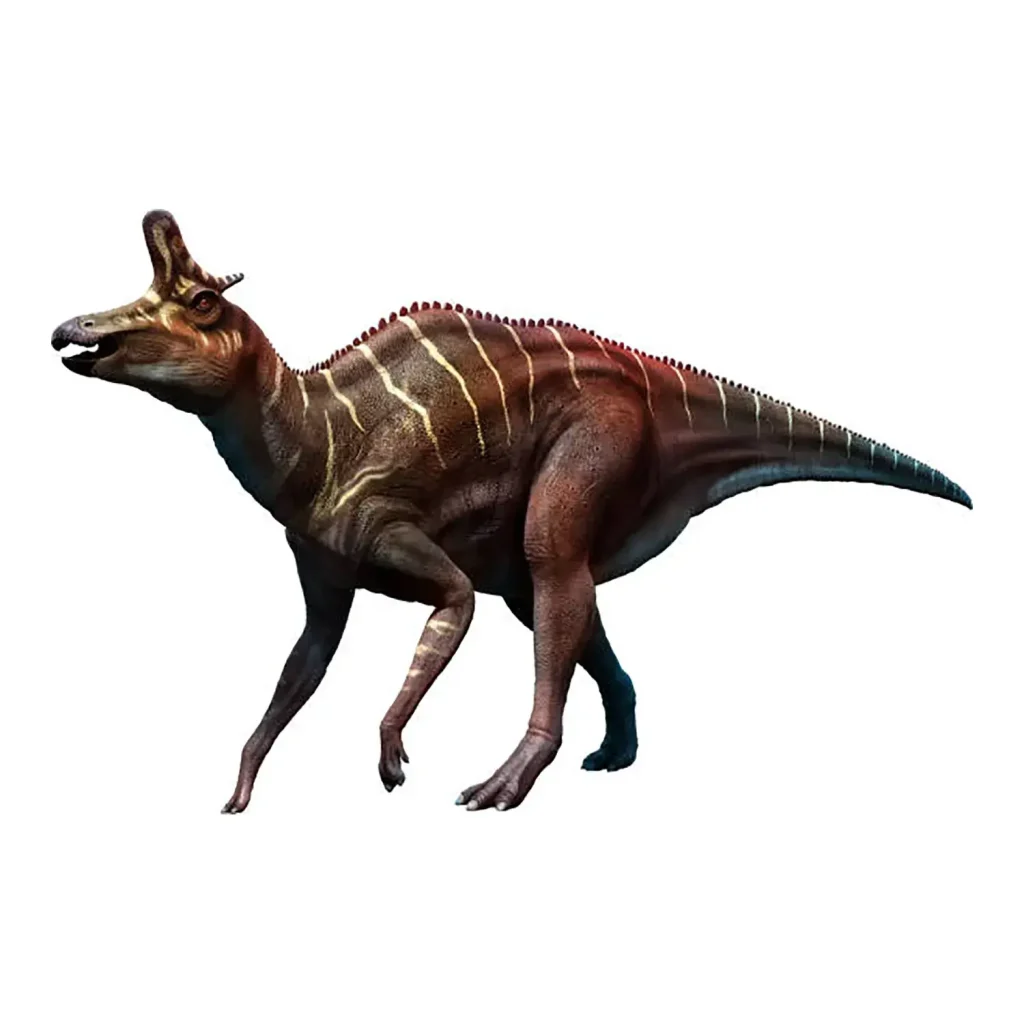
 Lambeosaurus
- Classification
- Ornithopoda
- Characteristics
- Herbivorous
- Era
- Cretaceous period
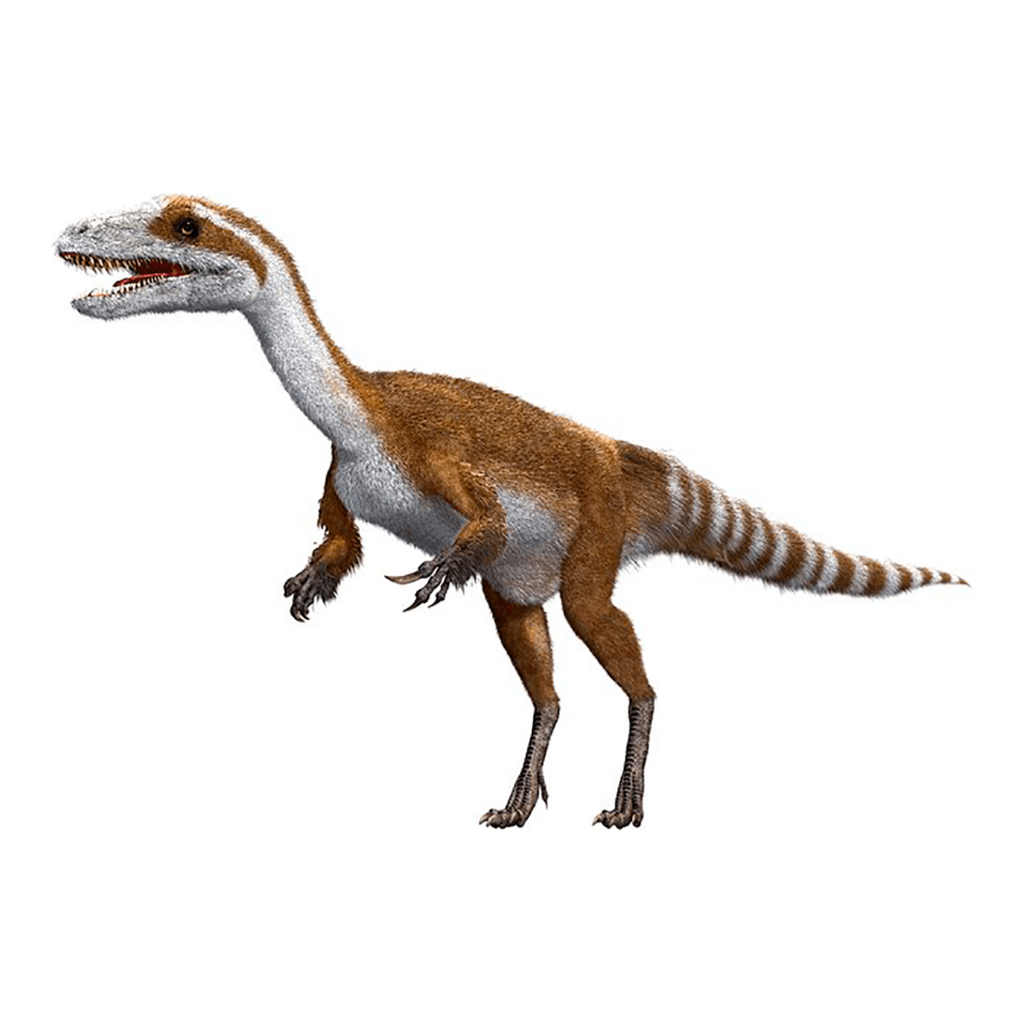
- Sinosauropteryx
- Classification
- Theropods
- Characteristics
- Carnivorous
- Feathered
- Era
- Cretaceous period
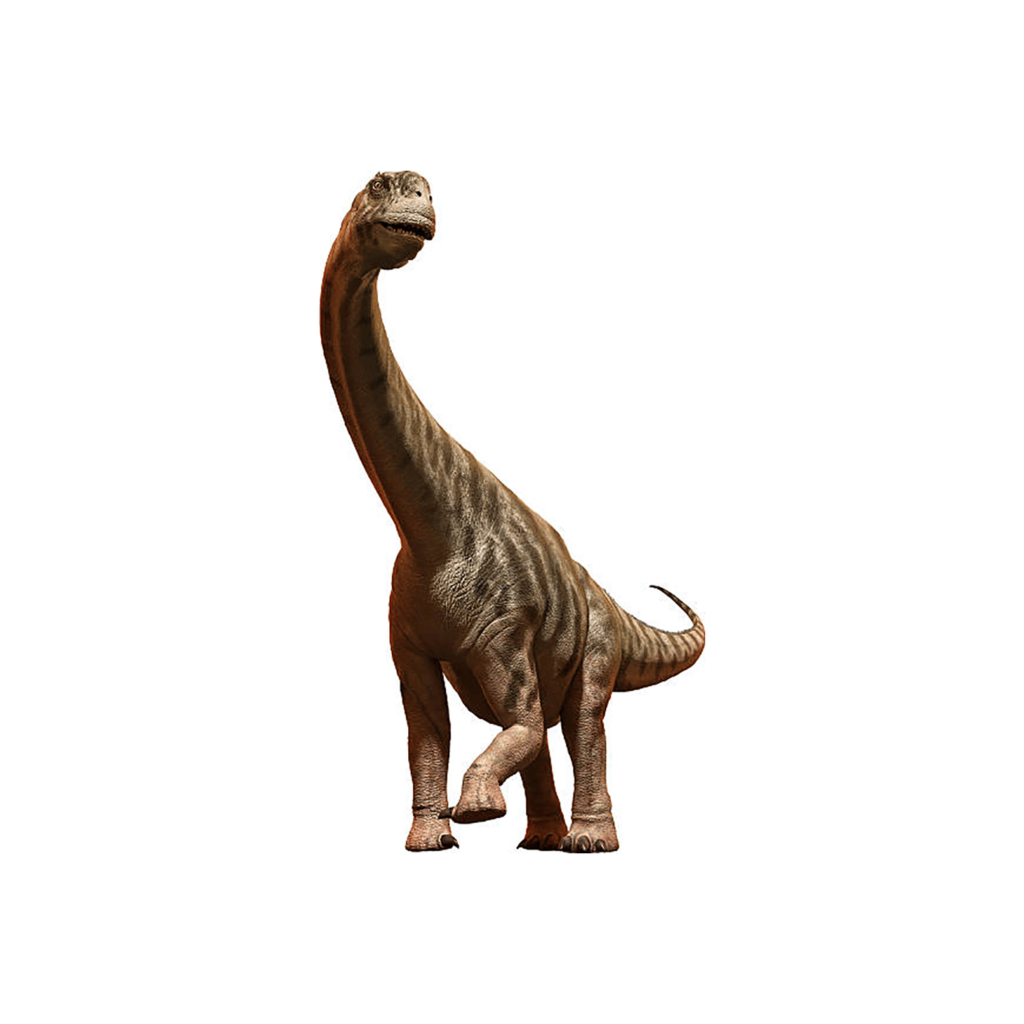
- Camarasaurus
- Classification
- Sauropods
- Characteristics
- Herbivorous
- Era
- Jurassic period
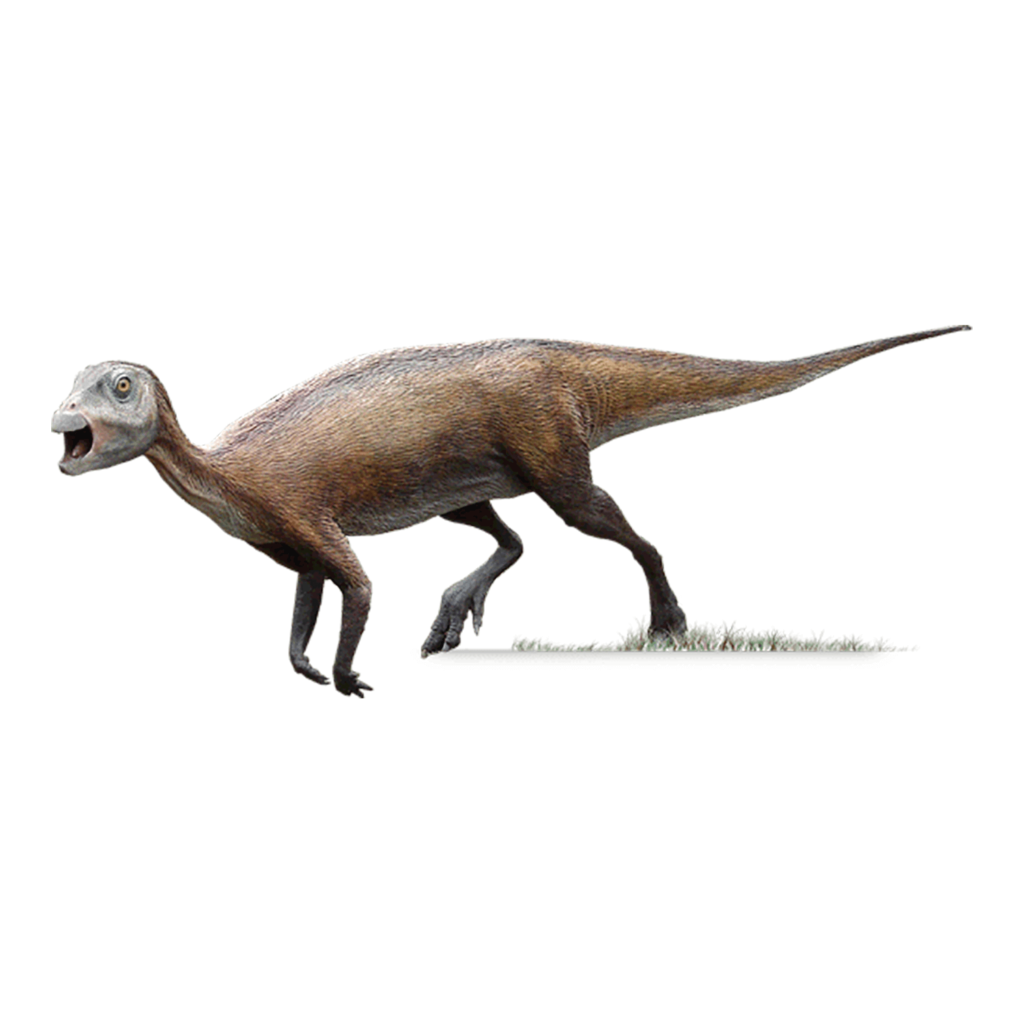
- Atlascopcosaurus
- Classification
- Ornithopoda
- Characteristics
- Herbivorous
- Era
- Cretaceous period
-
Sponsored Links
-
Sponsored Links





![[Latest Research] What Was the Function of Spinosaurus's Giant "Sail"? Exploring the Mysteries of Thermoregulation and Underwater Locomotion](https://dinosaurmuseum.jp/wp/wp-content/uploads/eyecatch_spinosaurus-sail-function_en-1024x512.webp)
![[Latest Discovery] A Third Type of Skin, Neither Scales Nor Feathers? Meet "Haolong dongi," a New Dinosaur Species Covered Entirely in Spikes](https://dinosaurmuseum.jp/wp/wp-content/uploads/eyecatch_dinosaur-spiky-skin-discovery_en-1024x512.webp)
Description
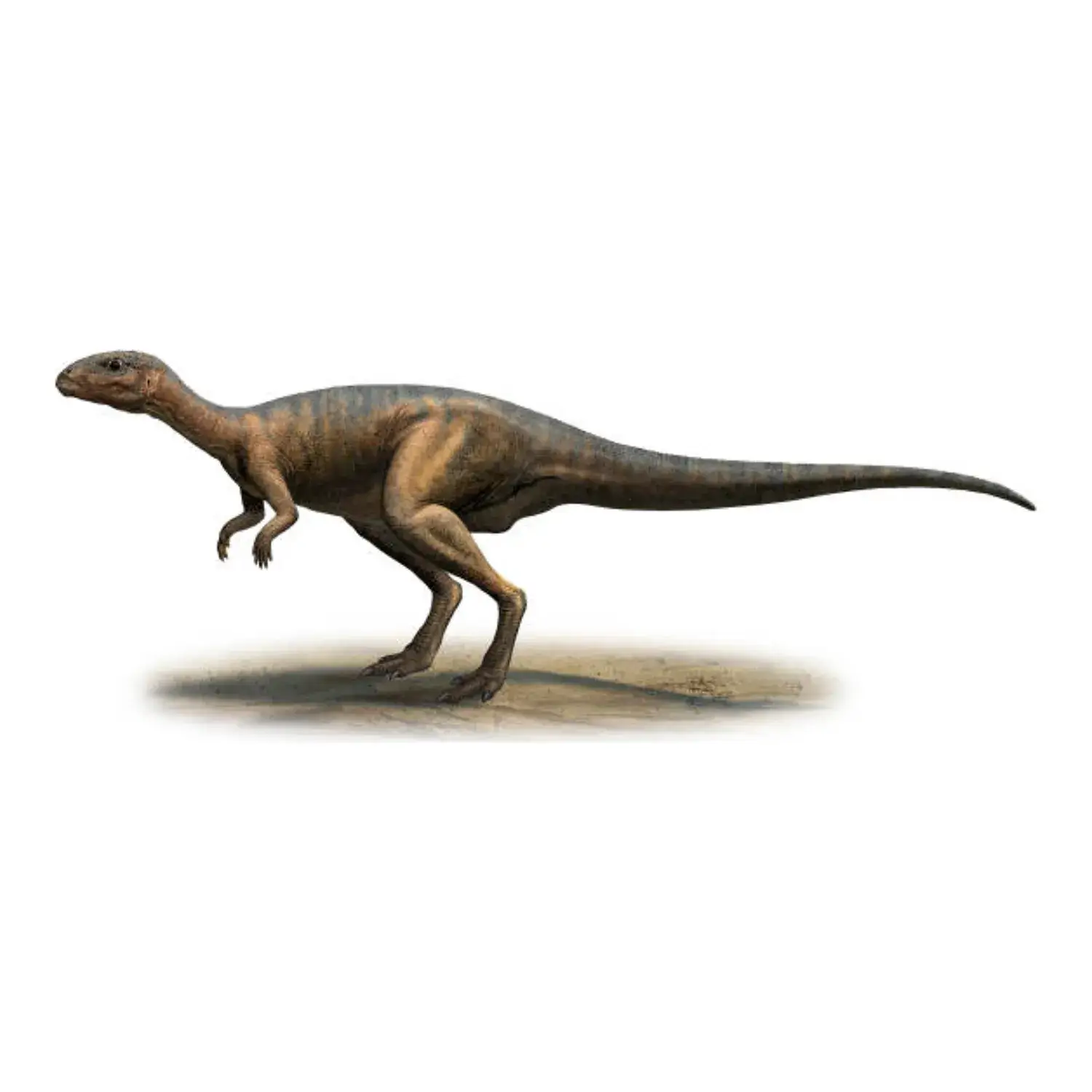
The North American continent during the Late Jurassic period, a time when dinosaurs were on a path of ever-increasing gigantism.
In this harsh world where towering sauropodomorphs and ferocious carnivorous dinosaurs roamed, there was a dinosaur that survived without weapons or armor, relying solely on “running away.”
Its name is “Dryosaurus.”
It is a small herbivorous dinosaur that survived for tens of thousands of years with a simple, unadorned appearance.
Named After “Oak Trees”? A Paradox with Reality
Meaning of the Scientific Name and the Contradiction
The scientific name Dryosaurus means “Oak Tree Lizard” in Greek.
It is said to be derived from the shape of its teeth resembling oak leaves, or the fact that it lived in forests.
However, there is a botanical paradox here.
It is believed that “oak trees” and their relatives had not yet evolved on Earth during the Jurassic period when they lived.
This dinosaur, which despite its name knew nothing of oak trees, was a small ornithopod (Iguanodon relative) measuring about 3–4 meters in length and weighing 77–90 kg.
Its Only Weapon Was “Speed”! Three-Toed Feet and Evolution
The biggest feature of Dryosaurus is its extremely plain appearance.
It lacked the horns of Triceratops, the armor of Ankylosaurus, or the spikes of Stegosaurus.
Evolved Foot Structure
At first glance, it resembles the primitive Hypsilophodon, but it possesses more evolved characteristics.
While Hypsilophodon had four toes on its hind limbs, Dryosaurus had three, a structure better suited for running.
A “Spring” for Escape
Their only and greatest means of defense was to “run away.”
Examination of the skeleton reveals that the shin bone (tibia) is longer than the thigh bone (femur), a characteristic unique to fast-running animals.
Using its agile body and spring-like legs, it dashed through the forest like the wind.
Run from Allosaurus! A Harsh Environment Full of Giant Dinosaurs
The habitat of Dryosaurus was truly a “den of monsters.”
Giant Rivals
Giant sauropodomorphs like Diplodocus and Brachiosaurus, more than ten times its size, crowded the area.
While being careful not to get trampled by them, they survived by using their beaks to eat low-lying plants left over by giant dinosaurs or tough vegetation.
Ferocious Predators
Furthermore, ferocious large carnivorous dinosaurs like Allosaurus and Ceratosaurus prowled the surroundings.
Weaponless Dryosaurus, especially young individuals, were prime “prey candidates.”
Nevertheless, the large number of fossils discovered tells the story that they thrived as a species even in such a harsh environment.
Were Babies Quadrupedal? The Truth About Growth and Classification
Changes Due to Growth
Although basically bipedal, hatchlings had sturdy forelimbs and may have walked on four legs.
As they grew, their hind limbs developed, likely transforming them into fleet-footed bipedal runners.
Did They Live Worldwide? Changes in Classification
It was once thought that fossils were also found in the UK and Tanzania.
However, recent research has revealed that they are distinct species (the British species is “Valdosaurus” and the Tanzanian species is “Dysalotosaurus”).
Currently, Dryosaurus is established as a species representative of North America.