Eudimorphodon



Name Origin
True Two Types of Teeth (Referring to its heterodont dentition)
Family
Eudimorphodontidae
Classification
Reptilia, Pterosauria
Habitat (Discovery Location)
Italy
Period
Approximately 210 million years ago (Late Triassic)
Length
Approximately 1 meter
Weight
Approximately 2–10 kg
Diet
Piscivore (Fish-eater)
You might also like... 

-
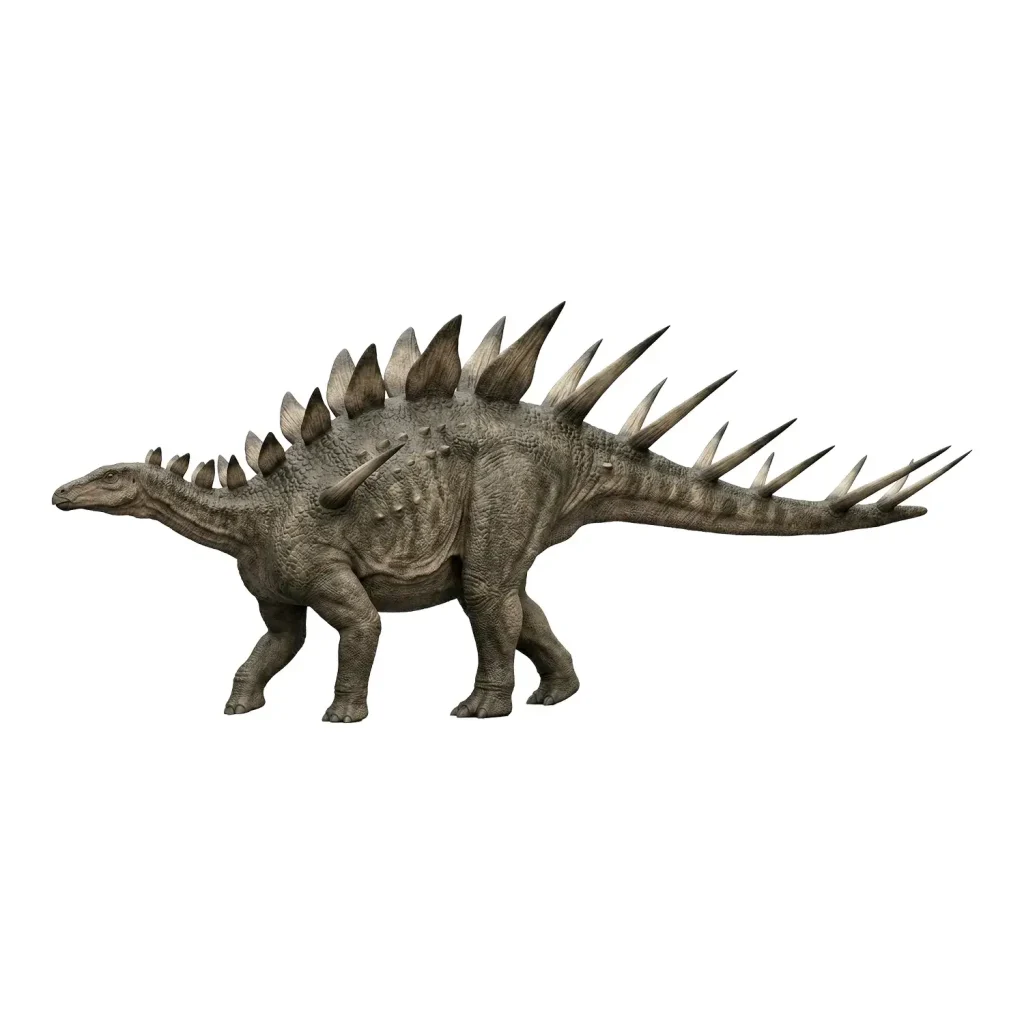
 Dacentrurus
- Classification
- Thyreophora
- Characteristics
- Herbivorous
- Era
- Jurassic period
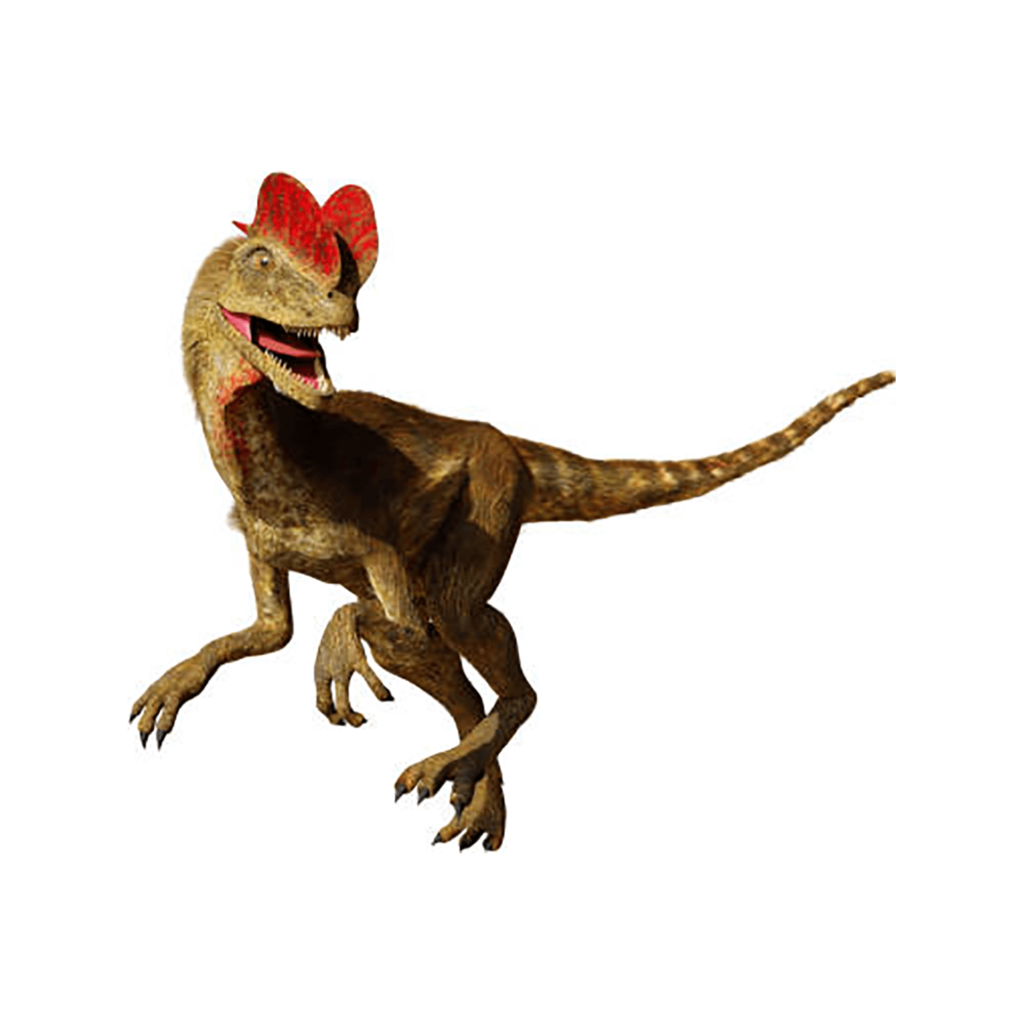
- Dilophosaurus
- Classification
- Theropods
- Characteristics
- Carnivorous
- Era
- Jurassic period
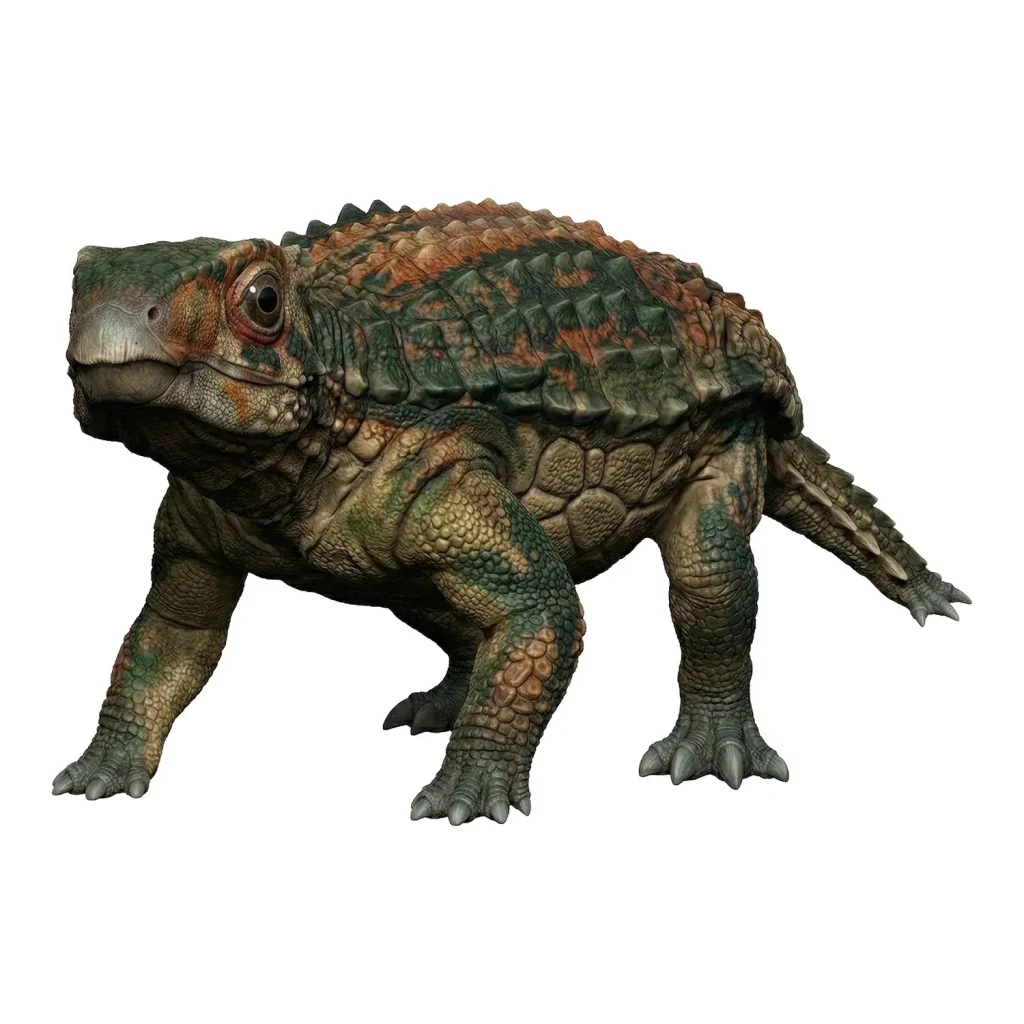
- Liaoningosaurus
- Classification
- Thyreophora
- Characteristics
- Carnivorous
- Era
- Cretaceous period
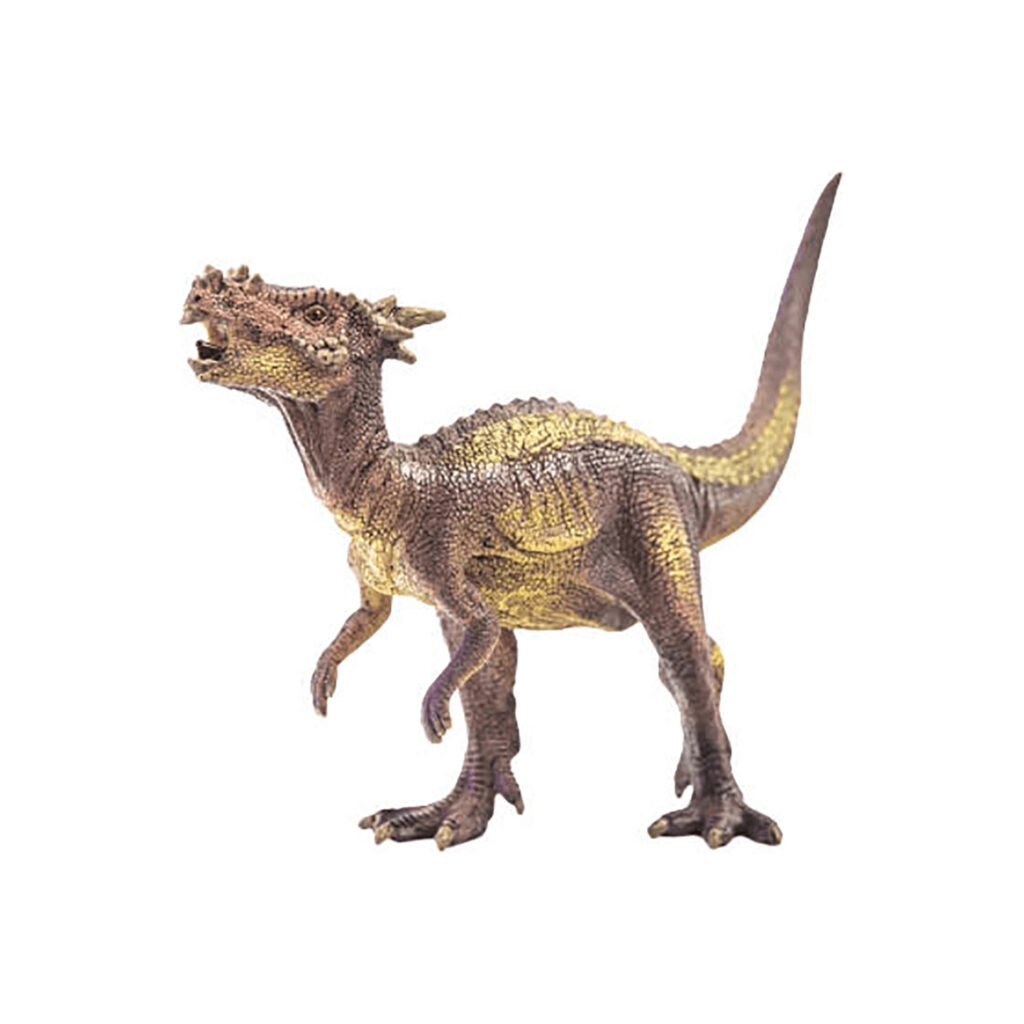
- Dracorex
- Classification
- Marginocephalia
- Characteristics
- Herbivorous
- Era
- Cretaceous period
-
Sponsored Links
-
Sponsored Links



![[Latest Research] What Was the Function of Spinosaurus's Giant "Sail"? Exploring the Mysteries of Thermoregulation and Underwater Locomotion](https://dinosaurmuseum.jp/wp/wp-content/uploads/eyecatch_spinosaurus-sail-function_en-1024x512.webp)
![[Latest Discovery] A Third Type of Skin, Neither Scales Nor Feathers? Meet "Haolong dongi," a New Dinosaur Species Covered Entirely in Spikes](https://dinosaurmuseum.jp/wp/wp-content/uploads/eyecatch_dinosaur-spiky-skin-discovery_en-1024x512.webp)
Description
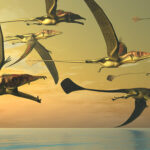
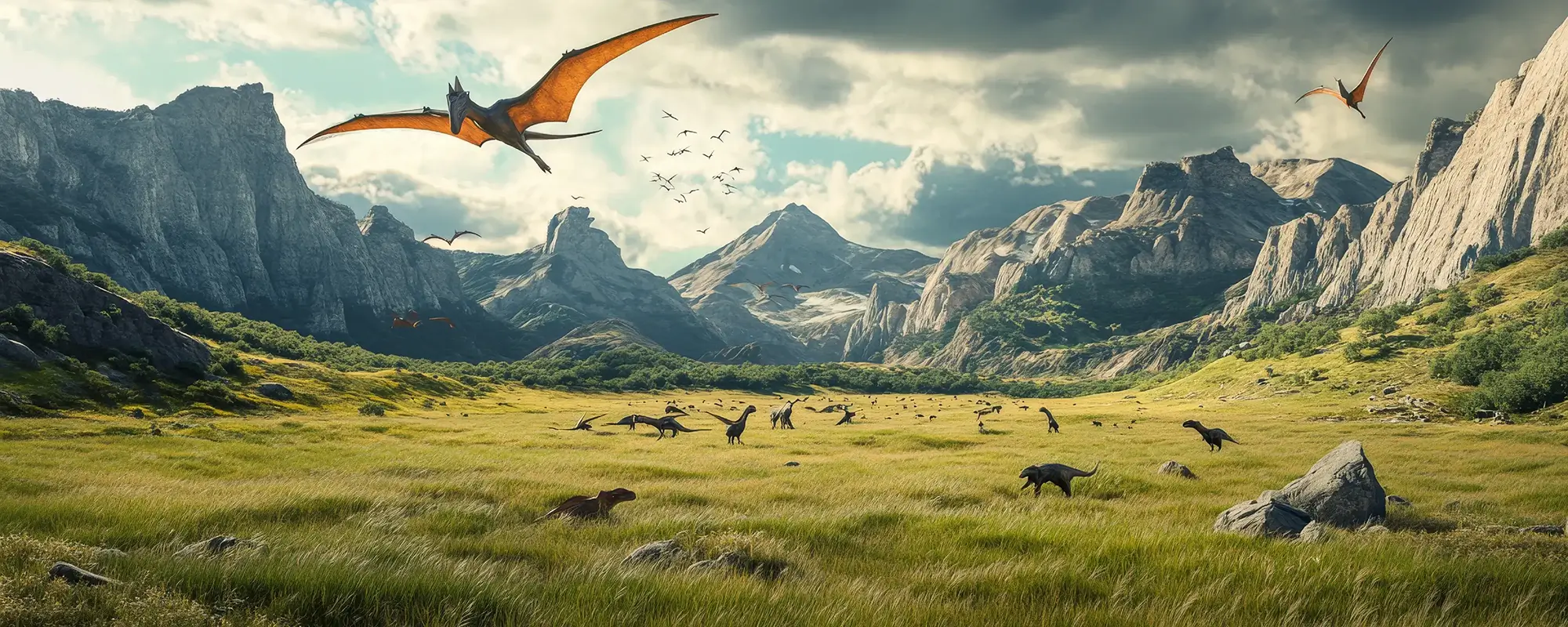
During the Late Triassic, when dinosaurs began vying for supremacy on land.
Long before birds or bats existed, there was a creature that became the first vertebrate to fly under its own power.
These were the “pterosaurs.”
Among them, one of the oldest currently known species is the small pterosaur “Eudimorphodon,” discovered in Italy.
Mastering the skies about 30 million years before Archaeopteryx, they already possessed advanced flight capabilities and very unique “teeth.”
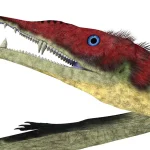
Name Origin: “True Two Types of Teeth”
The scientific name Eudimorphodon comes from the Greek words for “true (Eu),” “two forms (dimorph),” and “tooth (odon).”
This name derives from the characteristics of the 110 teeth lining its mouth.
Two Types of Teeth with Different Roles
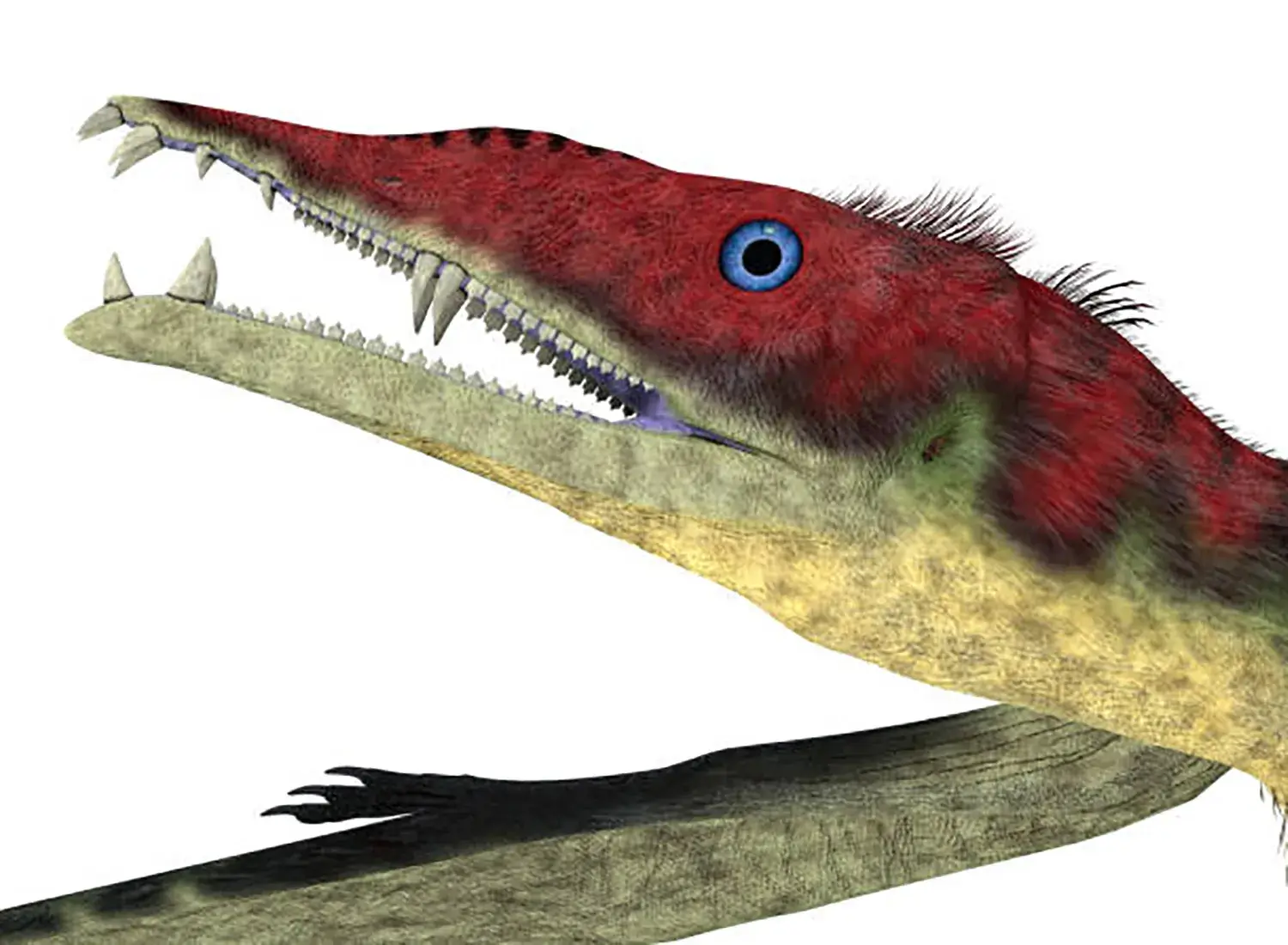
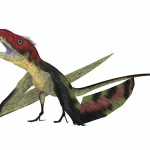
A total of 110 teeth were tightly lined up in its mouth, which measured about 6 cm in length.
A total of 110 teeth were tightly lined up in its mouth
Tip
“Long, pointed fangs” for catching slippery prey.
Back
“Flat teeth” with multiple cusps (serrations).
Because it possessed teeth with clearly different shapes depending on their location, it was crowned with the name “True (heterodont).”
Difference from Dimorphodon
The Jurassic pterosaur “Dimorphodon,” which has a similar name, also possessed two types of teeth, but the shapes of the teeth themselves were basically the same.
A major characteristic of Eudimorphodon is that the roles and shapes were clearly distinct, like fangs and molars. Despite the similarity in names and habitat (Europe), the two are not particularly closely related.
Fish or Crustaceans? Diet Revealed by Worn Teeth
What did they eat using these complex teeth?
Piscivore Theory (Dominant)
The most dominant theory is that they were piscivores (fish-eaters).
Since fish scales have been found in the stomach area and fish fossils have been discovered in the same geological strata, it is believed they caught fish near the surface using their long snouts and sharp front teeth.
Crushing Hard Prey
On the other hand, “wear” was observed on many of the discovered teeth.
Since the biting surfaces were flattened, it is possible they used their back teeth to crush not only fish scales but also prey with hard shells, such as crustaceans.
Earlier than Archaeopteryx! Complete Flight Capabilities
Eudimorphodon lived approximately 210 million years ago.
Although this is long before Archaeopteryx, which is considered the oldest bird, its flight functions were already complete.
Abnormally Long “Fourth Finger” Wings
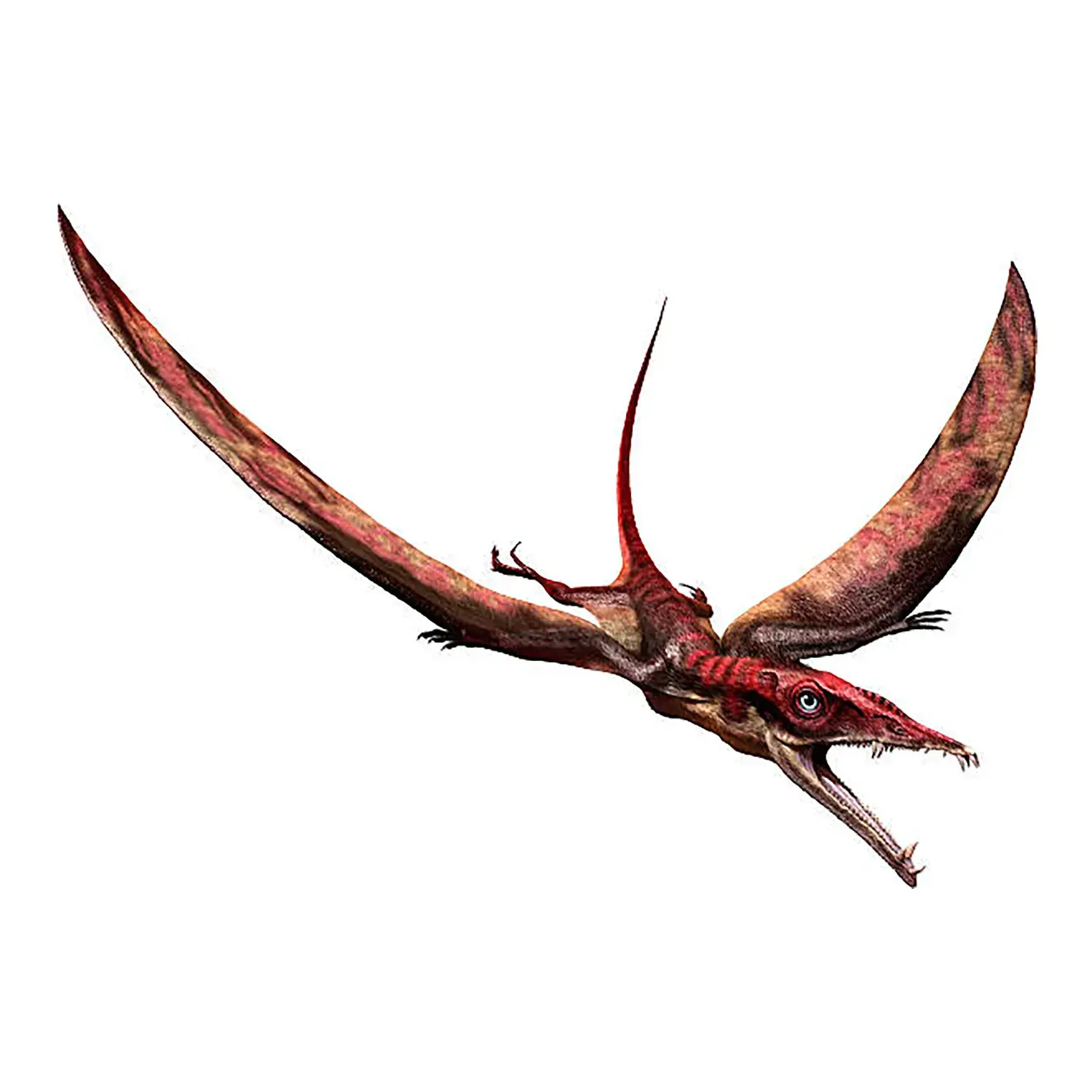
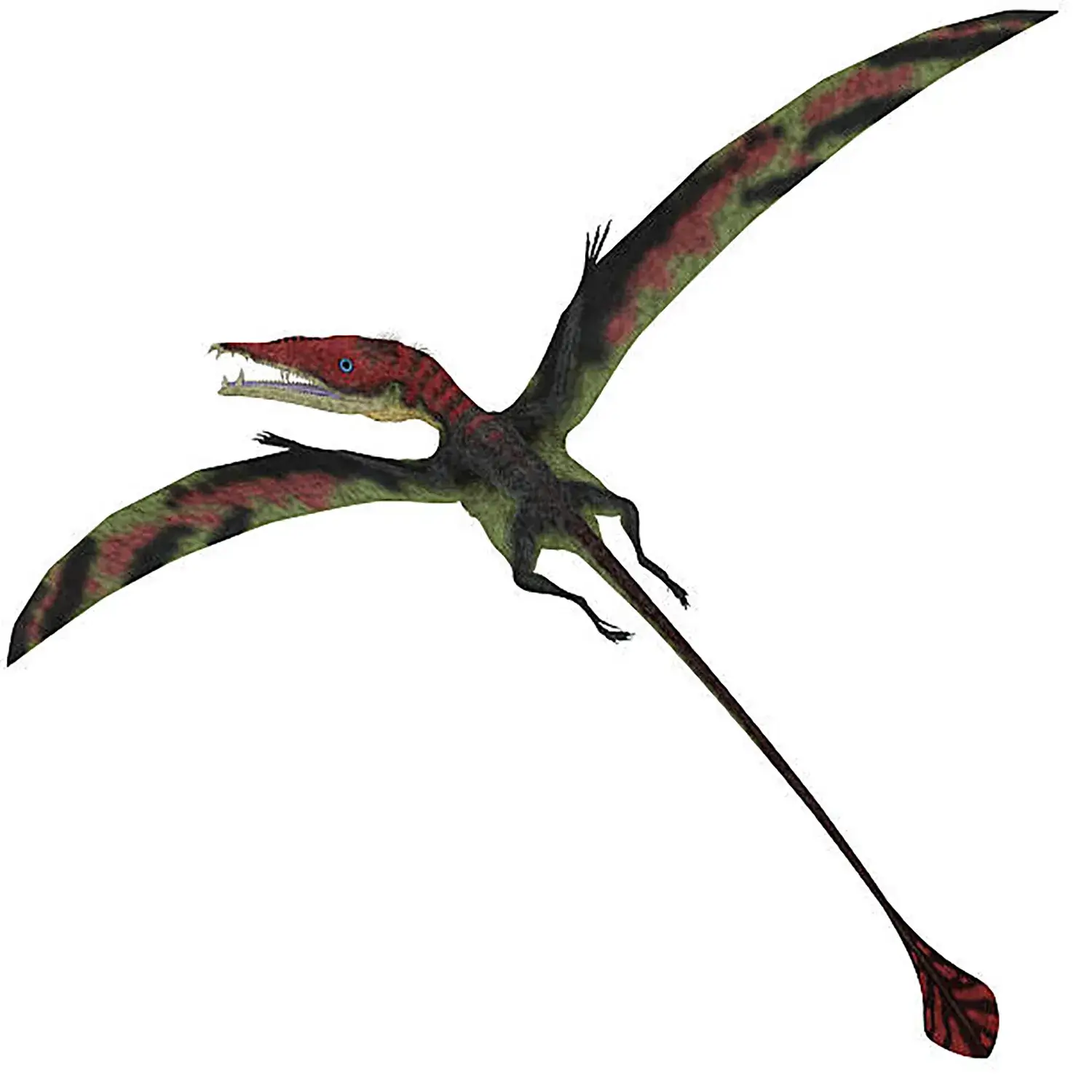
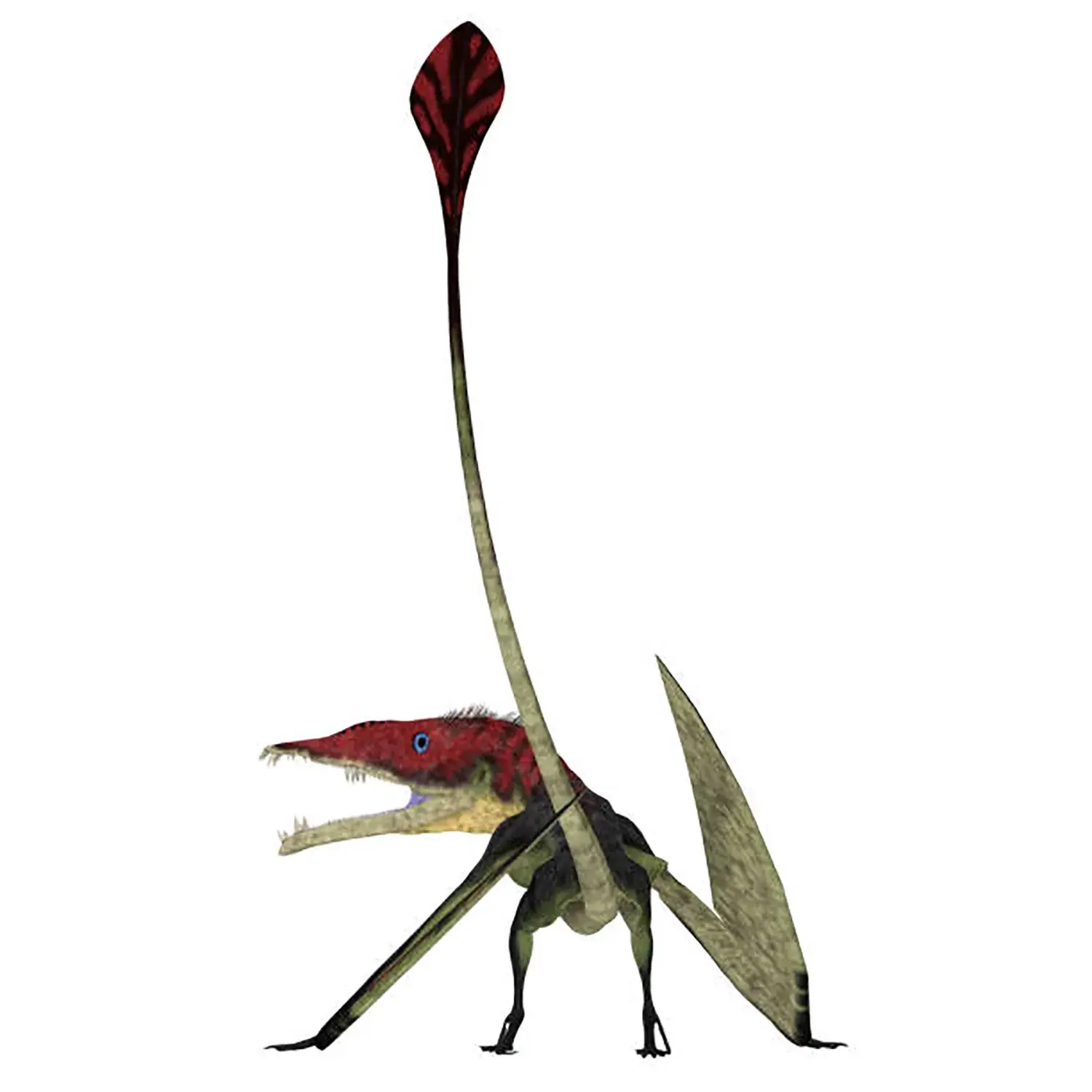
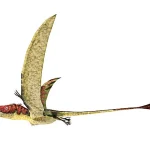
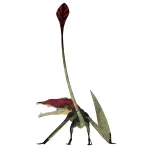
The “fourth finger (ring finger)” of the forelimb extended abnormally long, forming a wing with a membrane stretched from it.
The fourth finger of the forelimb extended long, forming a wing with a membrane stretched from it.
The wingspan was about 1 meter.
The remaining three fingers had claws, which they could use to climb cliffs or grasp objects.
Long Tail Acting as a Rudder
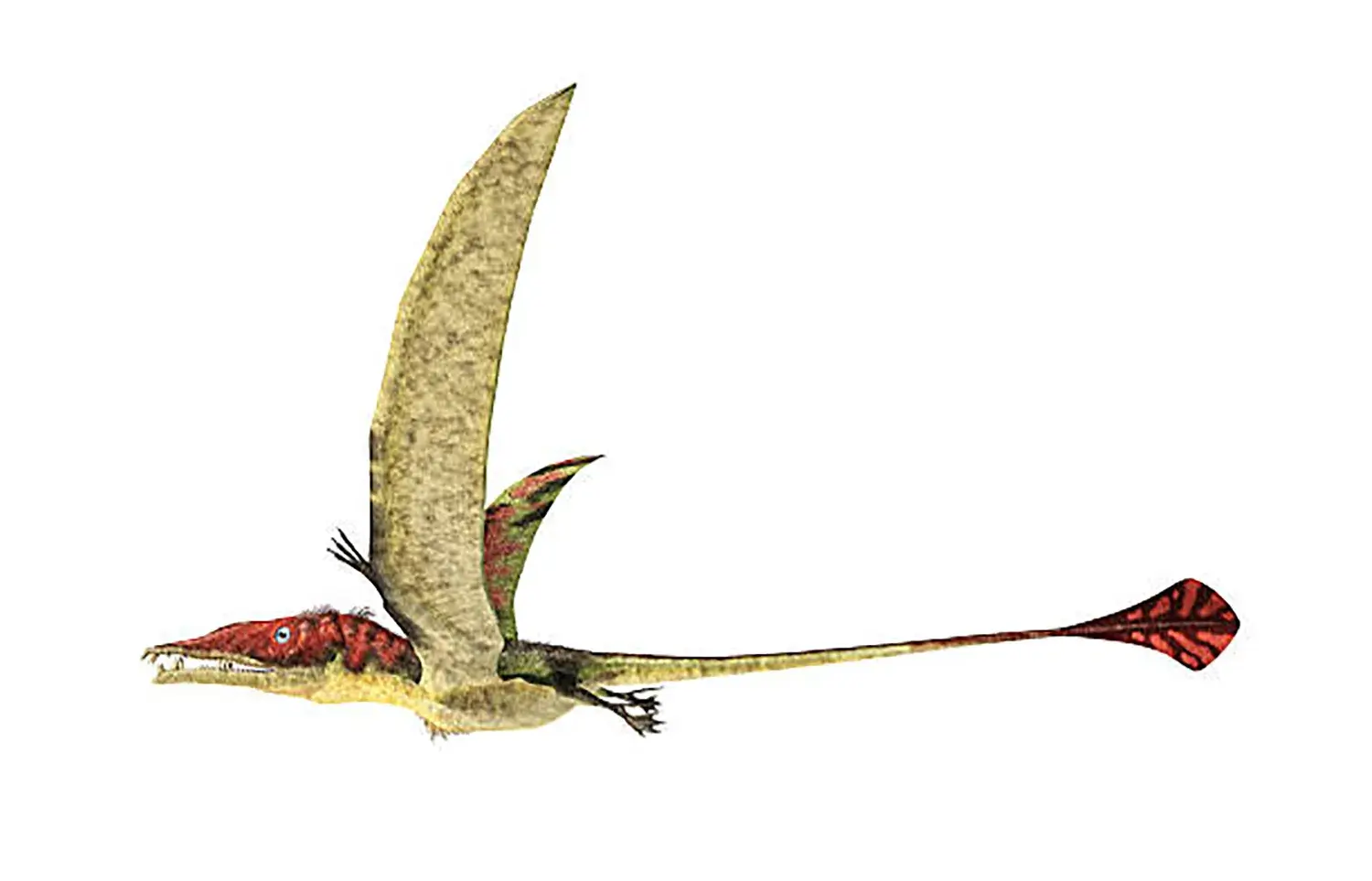
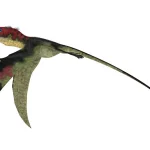
They had a tail longer than their body, with a diamond-shaped rudder (flap) at the tip.
It had a tail longer than its body, with a diamond-shaped rudder at the tip.
As early pterosaurs, it is believed they used this tail to balance and turn quickly in the air.
Fur and Endothermy
Fossils reveal that they were covered in “fur-like skin,” suggesting they were “endothermic (warm-blooded)” animals capable of maintaining their body temperature.
It was because they had warm blood and a coat that high-energy flight was possible.
Suddenly Appeared in Complete Form: An Evolutionary Mystery
Eudimorphodon appears suddenly in the fossil record during the Late Triassic.
Normally, there should be intermediate stages gradually acquiring wings from “flightless ancestors,” but they are found in a state where “wings and flight capabilities are almost complete.”
Partly because bones are fragile and do not preserve well, definitive ancestral fossils have not been discovered.
They are a precious existence that conveys the “first successful form” of vertebrates advancing into the sky.