
Kronosaurus
Name Origin
Lizard of Cronus
Family
Pliosauridae
Classification
Diapsida, Sauropterygia
Habitat (Discovery Location)
Australia
Period
Approximately 120 to 100 million years ago (Early Cretaceous)
Length
Approximately 9 to 11 meters
Weight
Approximately 50 tons
Diet
Carnivore, Piscivore (Meat and fish-eater)
You might also like... 

-
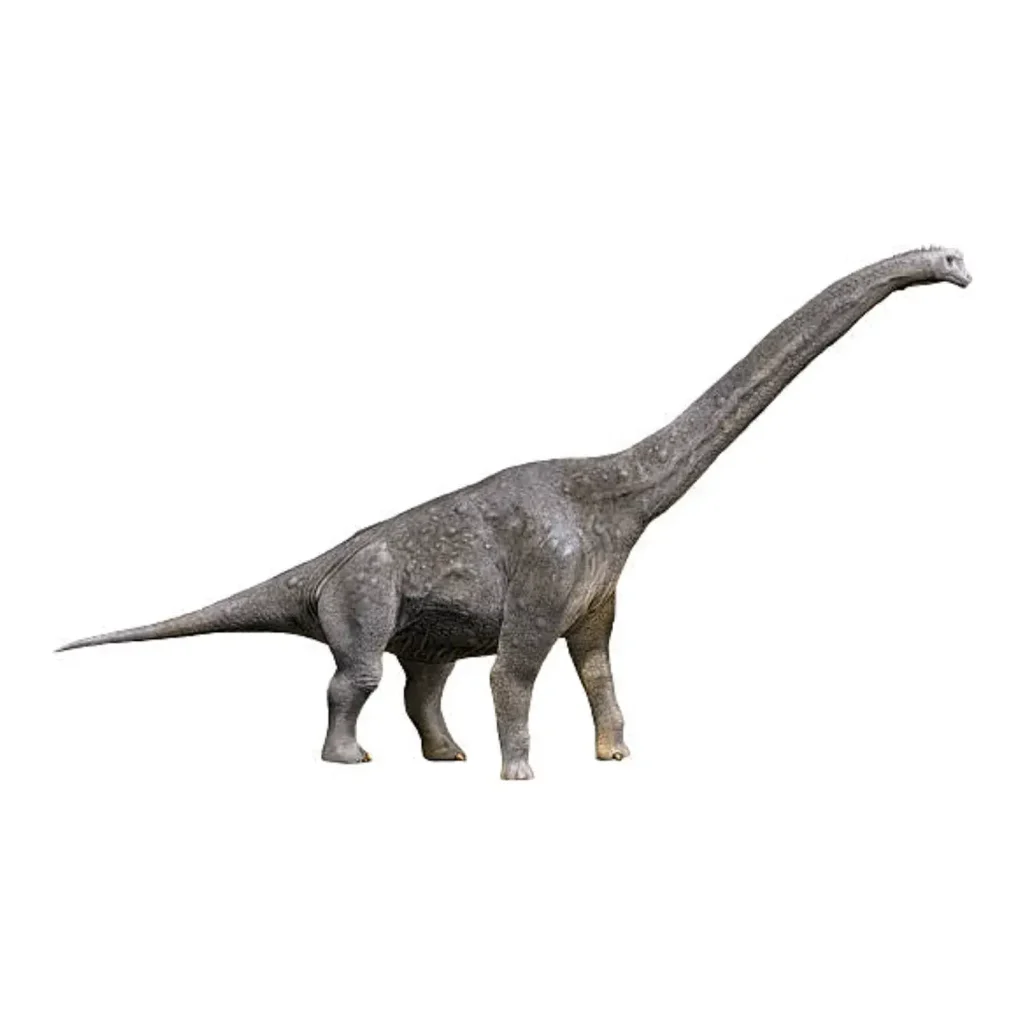
 Giraffatitan
- Classification
- Sauropods
- Characteristics
- Herbivorous
- Era
- Jurassic period
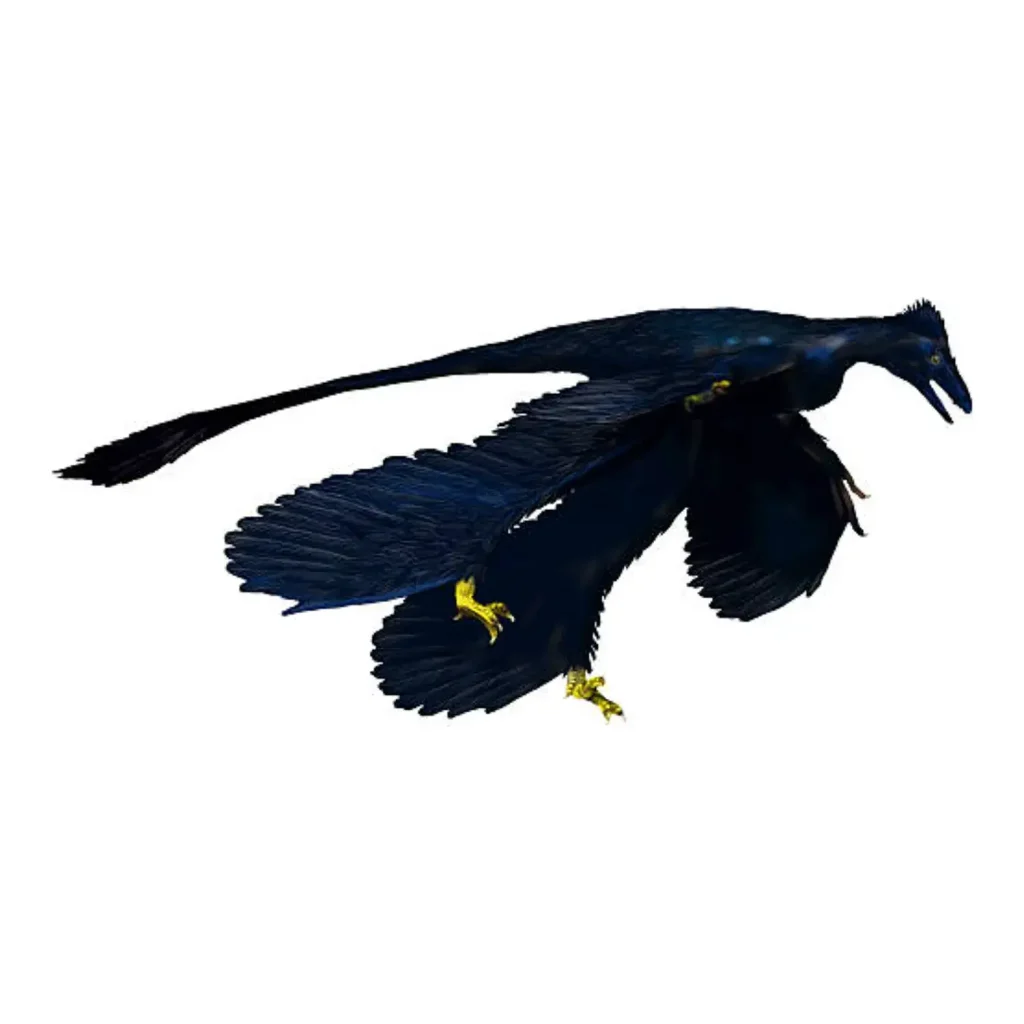
- Microraptor
- Classification
- Theropods
- Characteristics
- Carnivorous
- Feathered
- Era
- Cretaceous period
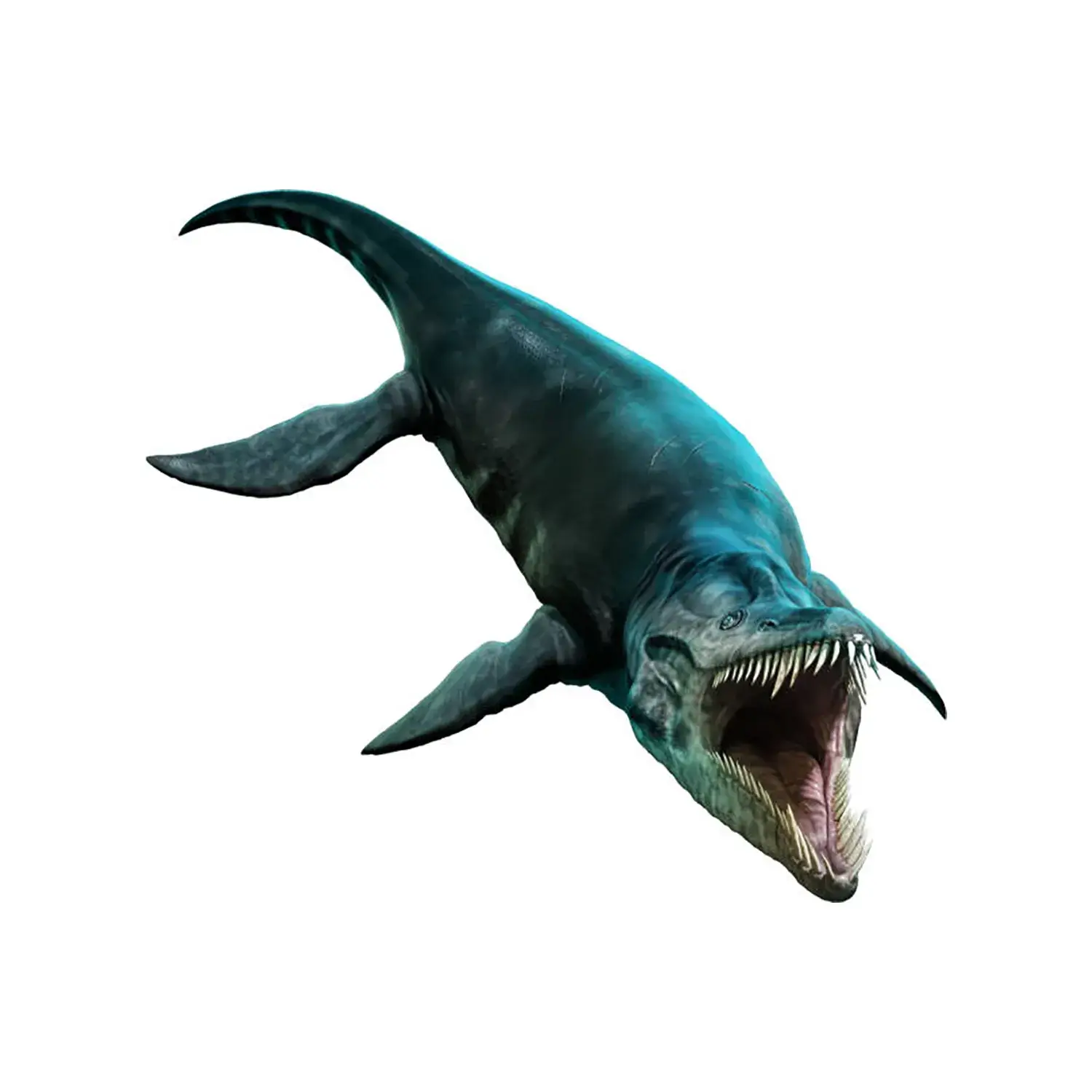
- Rhomaleosaurus
- Classification
- Marine reptiles
- Characteristics
- Carnivorous
- Era
- Jurassic period
- Spinosaurus
- Classification
- Theropods
- Characteristics
- Carnivorous
- Era
- Cretaceous period
-
Sponsored Links
-
Sponsored Links









![[Latest Research] What Was the Function of Spinosaurus's Giant "Sail"? Exploring the Mysteries of Thermoregulation and Underwater Locomotion](https://dinosaurmuseum.jp/wp/wp-content/uploads/eyecatch_spinosaurus-sail-function_en-1024x512.webp)
![[Latest Discovery] A Third Type of Skin, Neither Scales Nor Feathers? Meet "Haolong dongi," a New Dinosaur Species Covered Entirely in Spikes](https://dinosaurmuseum.jp/wp/wp-content/uploads/eyecatch_dinosaur-spiky-skin-discovery_en-1024x512.webp)
Description
The seas of the Early Cretaceous period were ruled by creatures so terrifying and powerful that they are beyond our modern imagination.
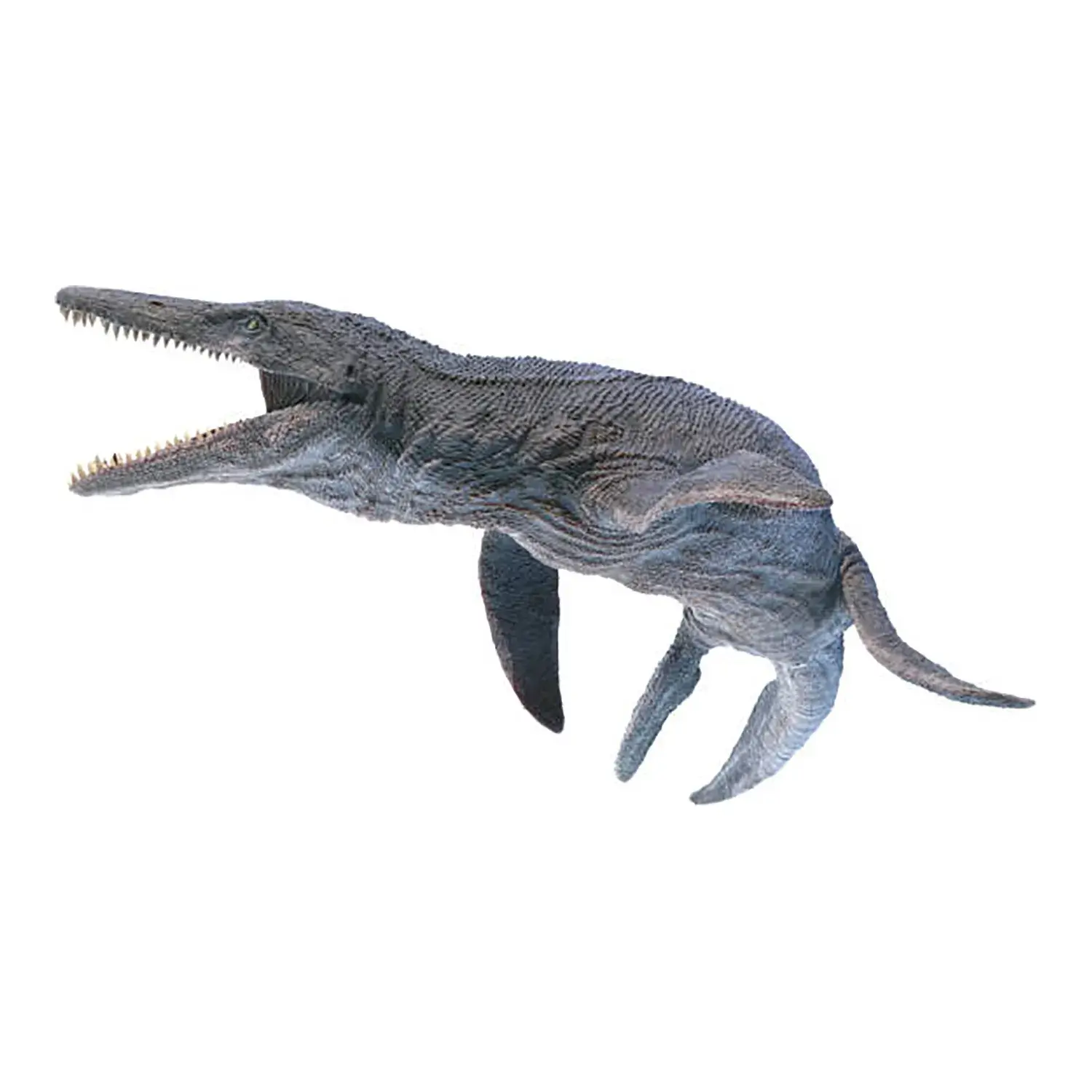
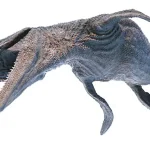
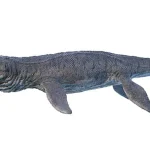
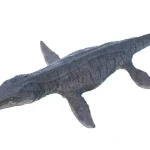
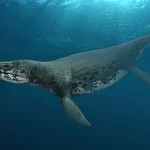
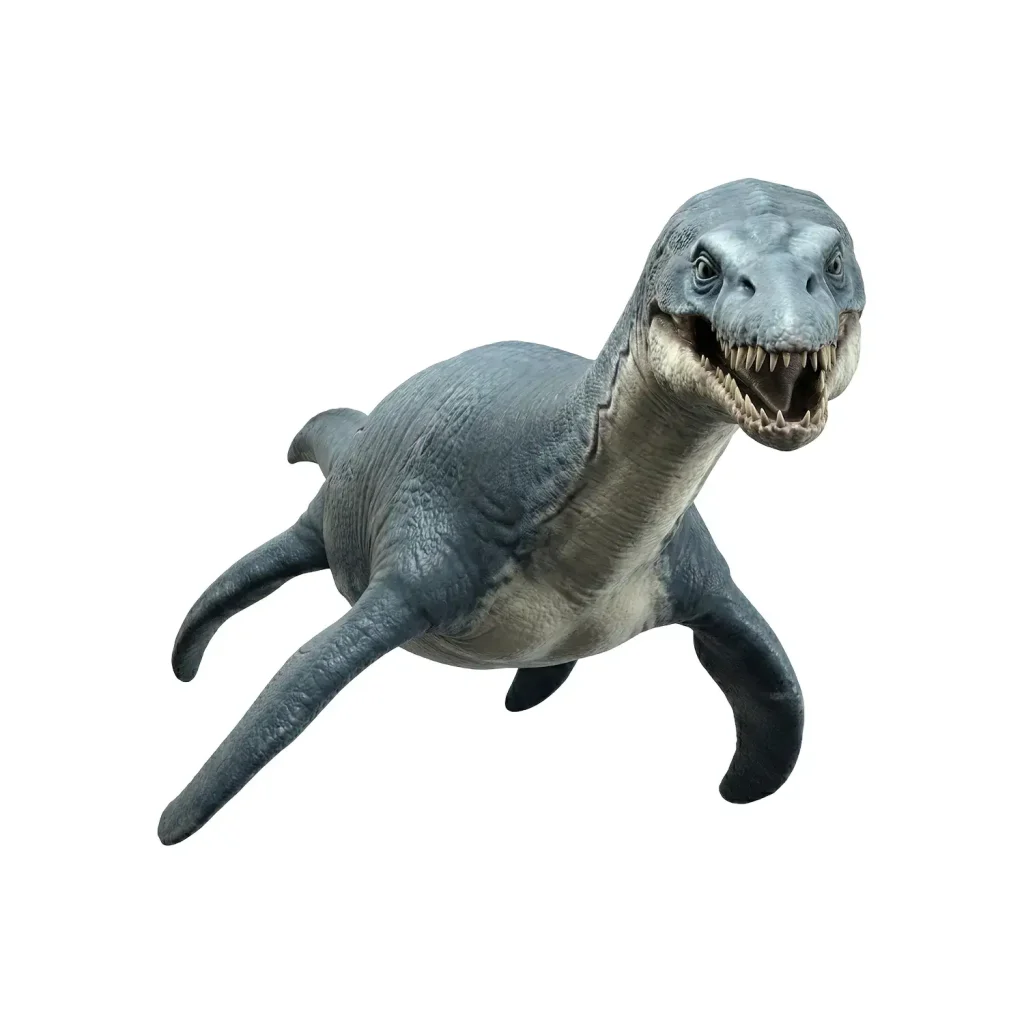
A prime example of this is “Kronosaurus,” a giant marine reptile that inhabited the waters around present-day Australia.
Although it belongs to the same group of “plesiosaurs” as Plesiosaurus, it boasts one of the largest sizes among the family Pliosauridae, which is characterized by short, thick necks and massive heads.
What is Kronosaurus? The Origin of Its Name and Its Giant Size
Kronosaurus was the absolute apex predator in the Early Cretaceous marine ecosystem.
Origin of Its Name
It was given a scientific name meaning “lizard of Cronus,” named after the great god “Cronus,” the king of the Titans in Greek mythology, who was both the father and enemy of Zeus.
Size
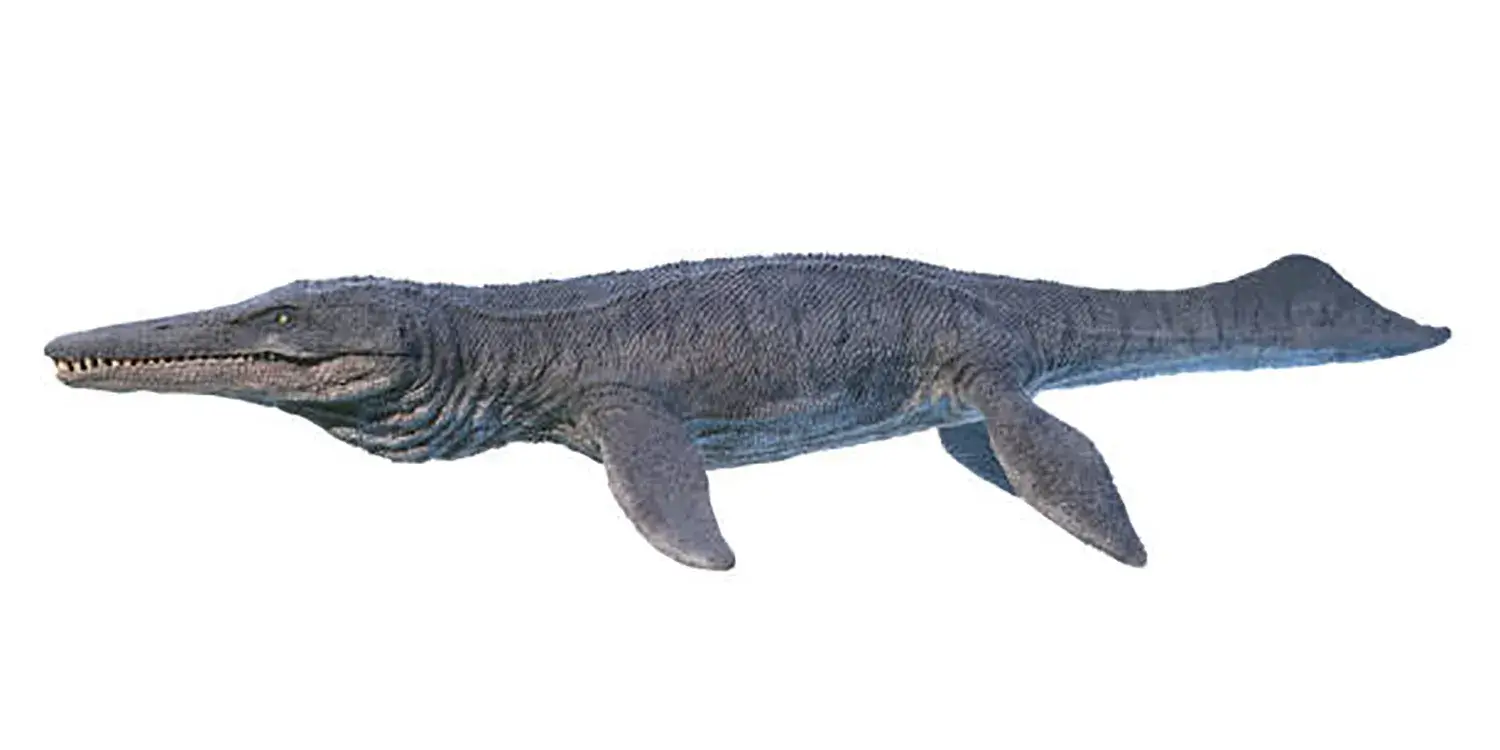
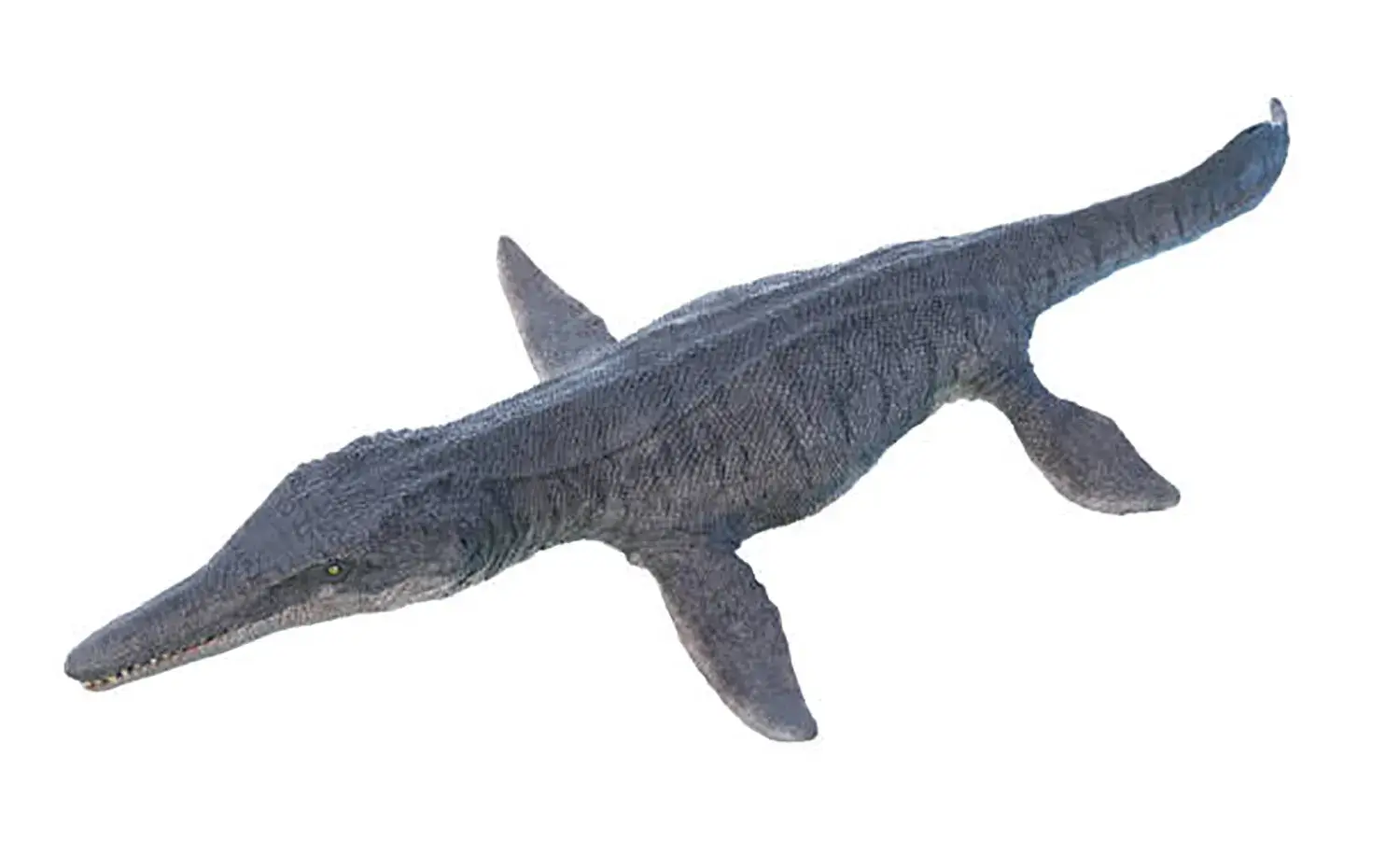
Its total length is estimated to have reached 9 to 11 meters, an extraordinary massive body comparable to a modern large bus.
Estimated to have reached 9 to 11 meters in length
Devastating Destructive Power Surpassing the “Tyrannosaurus of the Sea”
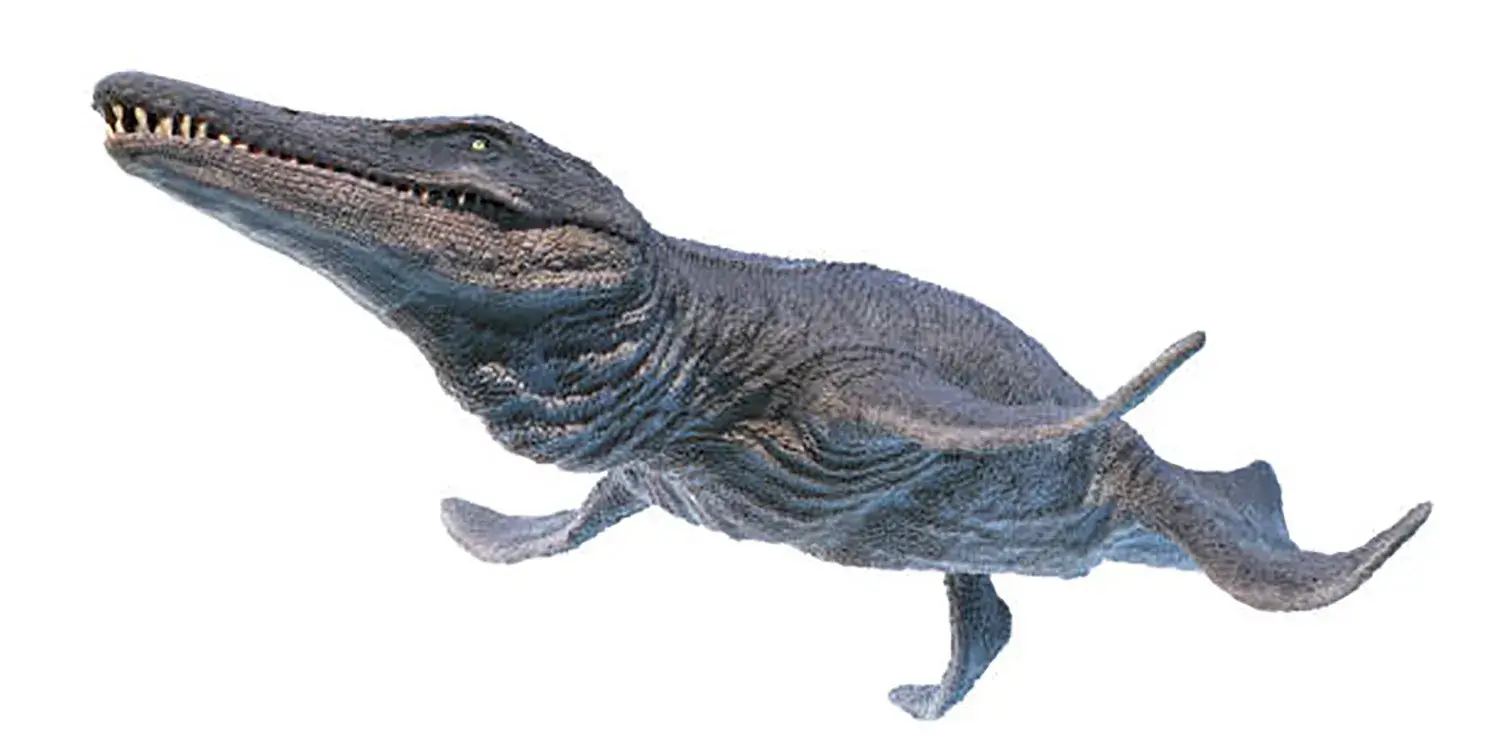
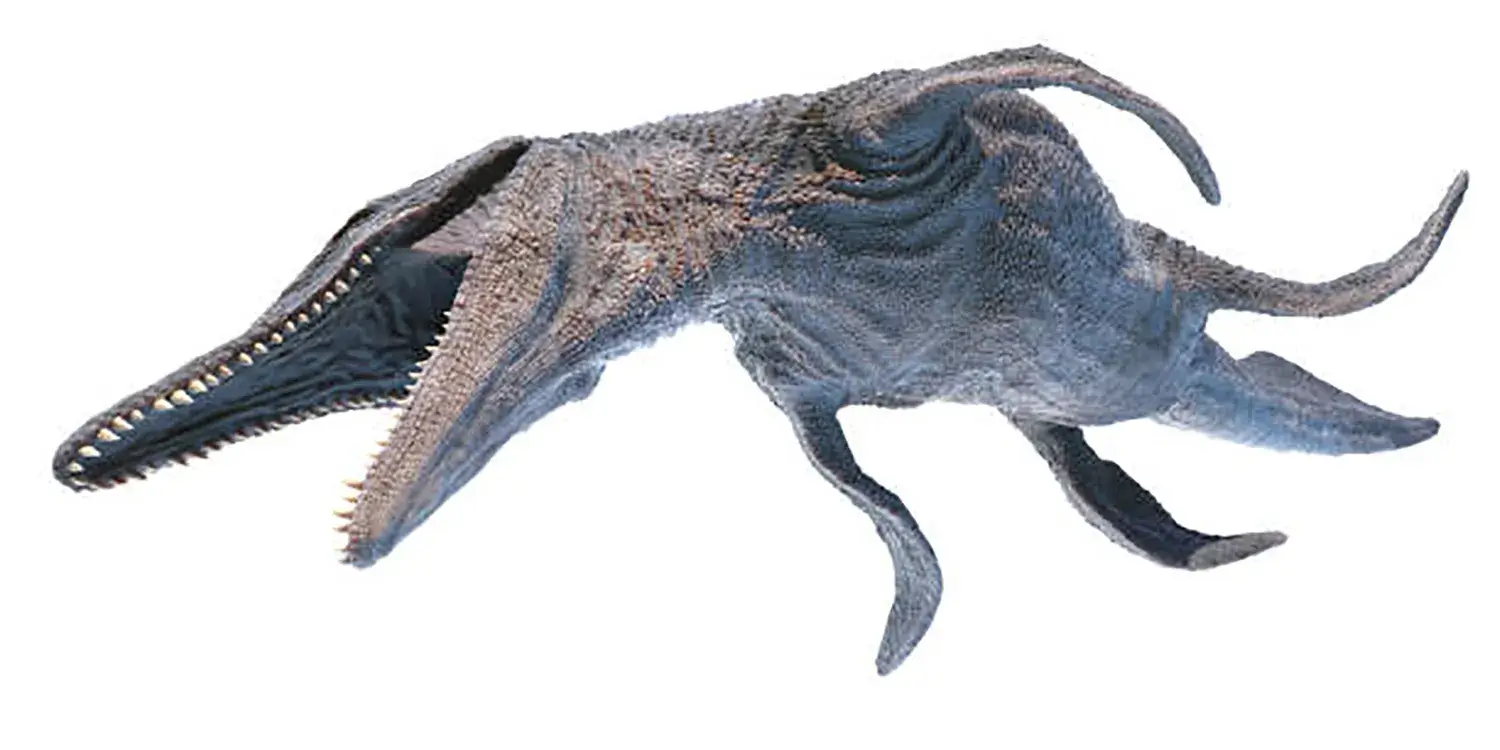
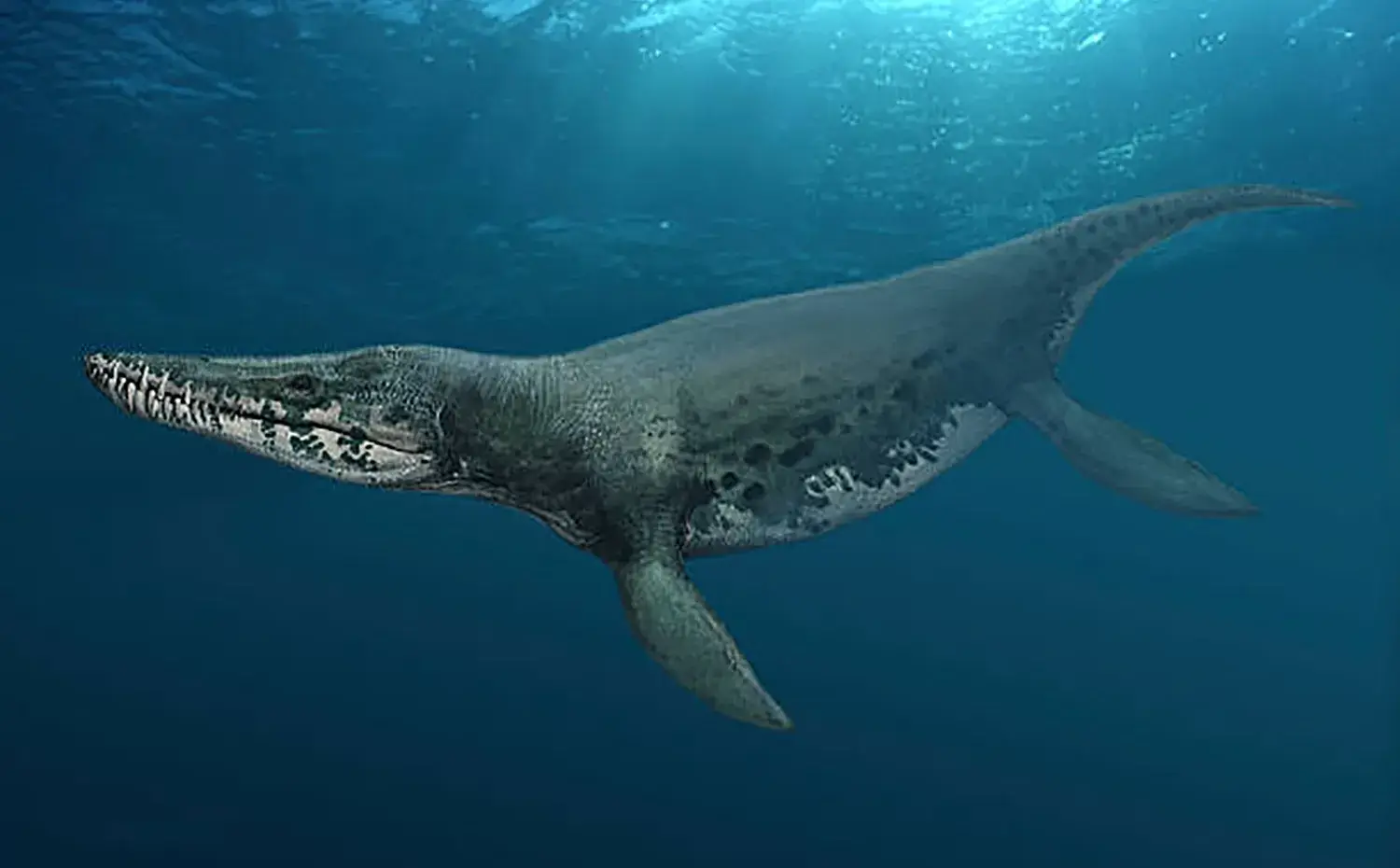
The greatest feature and most terrifying weapon of Kronosaurus was its “massive head nearly 3 meters long,” which accounted for about one-third of its total length.
“Bite Force” Several Times Greater Than Tyrannosaurus
Its jaws, as strong as a vise, were lined with thick, sharp teeth like stakes measuring up to 25 centimeters long.
Furthermore, sturdy teeth with slightly rounded tips grew at the back of its mouth, easily crushing hard shells and bones.
Due to its extraordinary biting power, it is sometimes described as the “Tyrannosaurus of the sea,” but its actual bite force is said to have reached several times that of a Tyrannosaurus.
It boasted a devastating destructive power capable of instantly crushing even the hard shells of sea turtles into dust.
“Forward-Facing Eyes” That Never Let Prey Escape
The fact that its large eyes faced “forward” rather than to the sides of its head was also an extremely advantageous feature as a hunter.
Because the fields of vision of both eyes overlapped, it could perceive objects in three dimensions and accurately measure the distance to its prey.
Dashing Through the Water! The Mobility of Four Giant Flippers
To freely maneuver their massive, bus-sized bodies in the water, their bodies were equipped with four paddle-like flippers nearly 1 meter long.
Equipped with four paddle-like flippers nearly 1 meter long
In contrast to many fish and some marine reptiles that gain propulsion by swinging a “tail fin” from side to side, Kronosaurus is thought to have swum freely and at high speeds through the water by powerfully moving these four giant flippers.
This high mobility became a major weapon in hunting to ensure prey did not escape.
The Gluttonous Diet of the Creature Reigning at the Top of the Marine Ecosystem
Locking onto prey with excellent vision, approaching at high speed, and taking it down with the strongest jaws.
Fossils of Kronosaurus’s stomach contents have revealed that it preyed on a diverse range of creatures, including the following:
They devoured just about every living thing in the sea, and even animals that would not normally be targeted for hunting were merely food to them.
In fact, many fossils have been discovered leaving traces of having fallen prey to their merciless jaws.
A Mythical Monster Revived in Modern Times: The History of Fossil Discovery
Kronosaurus fossils first appeared before humanity in Australia in 1901.
Detailed research proceeded after that, and it was formally scientifically described in 1924 by paleontologist Heber A. Longman.
Even today, more than a century after its discovery, the overwhelming power and ferocity of Kronosaurus continue to fascinate paleontology fans and researchers alike.
During the era when dinosaurs roamed the land, such a refined and perfect hunter reigned at the top of the food chain in the depths of the sea.