
Lambeosaurus


Name Origin
Lambe's Lizard (Named after Lawrence Lambe)
Family
Hadrosauridae
Classification
Diapsida, Ornithischia, Ornithopoda
Habitat (Discovery Location)
United States, Canada
Period
Approximately 77–75 million years ago (Late Cretaceous)
Length
Approximately 10–12.5 meters
Weight
Approximately 1–3 tons
Diet
Herbivore
You might also like... 

-
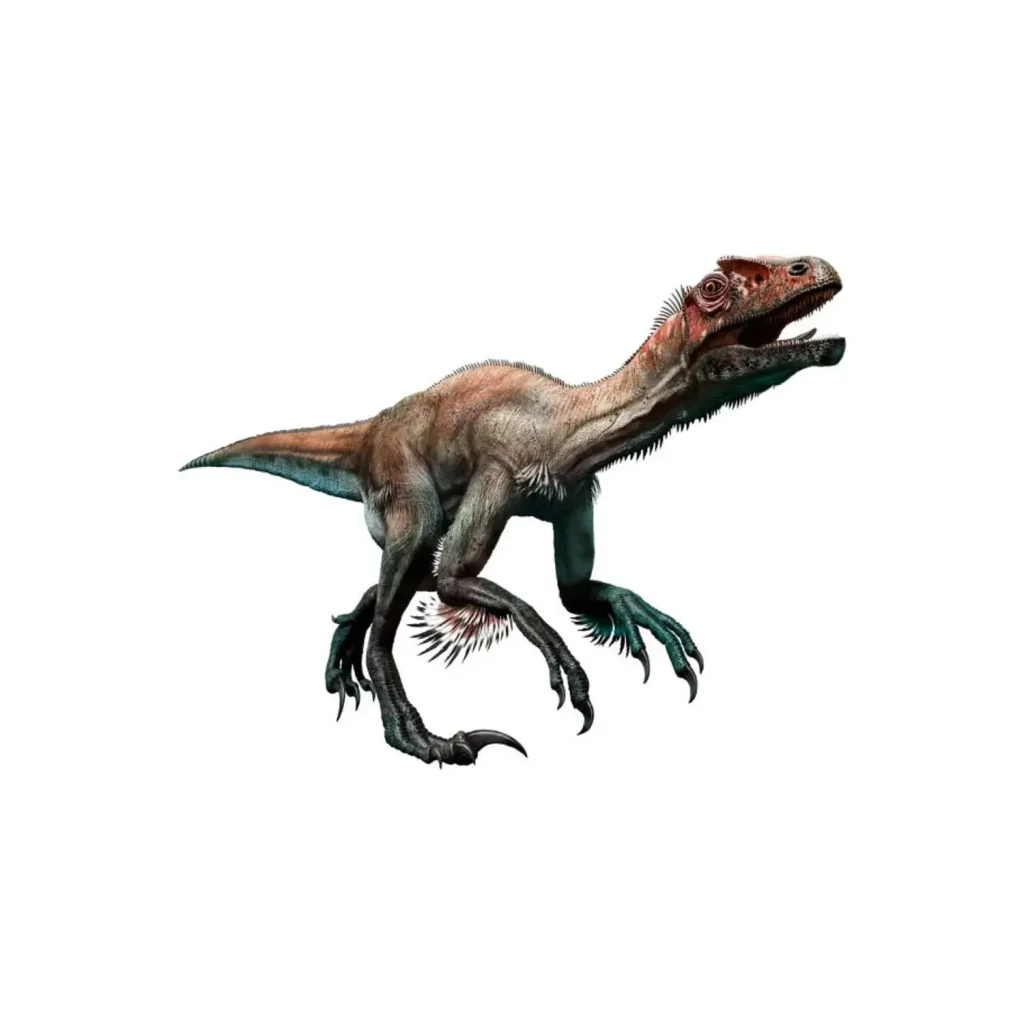
 Utahraptor
- Classification
- Theropods
- Characteristics
- Carnivorous
- Era
- Cretaceous period
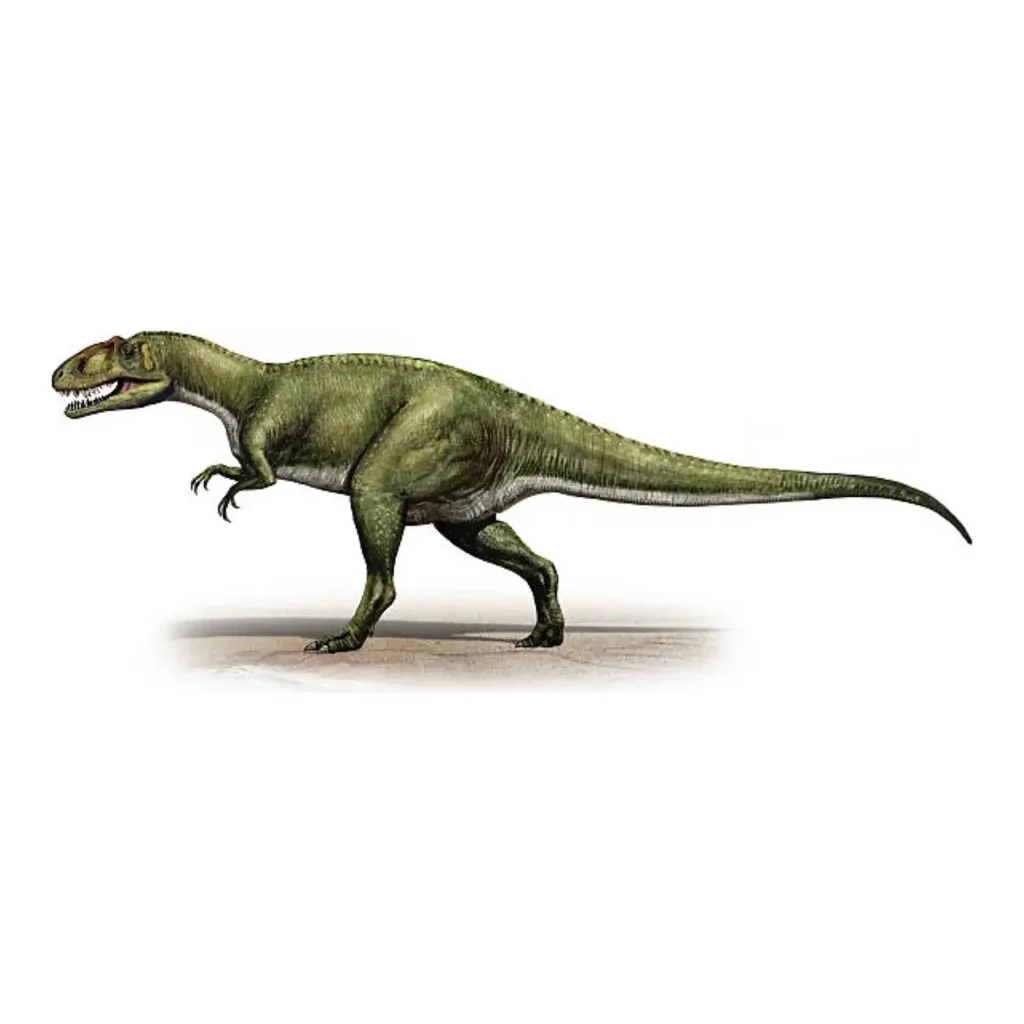
- Sinraptor
- Classification
- Theropods
- Characteristics
- Carnivorous
- Era
- Jurassic period
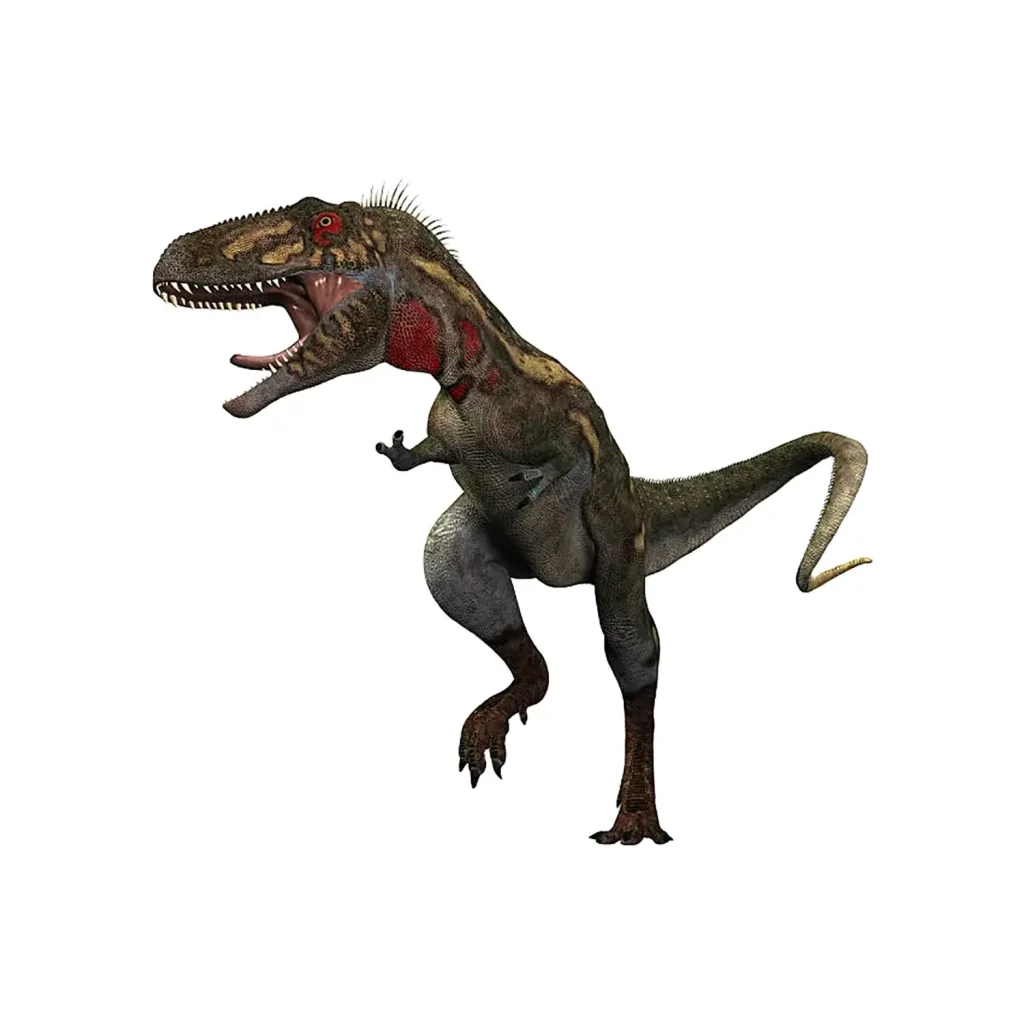
- Nanotyrannus
- Classification
- Theropods
- Characteristics
- Carnivorous
- Era
- Cretaceous period
- Aquilops
- Classification
- Marginocephalia
- Characteristics
- Herbivorous
- Era
- Cretaceous period
-
Sponsored Links
-
Sponsored Links











![[Latest Research] What Was the Function of Spinosaurus's Giant "Sail"? Exploring the Mysteries of Thermoregulation and Underwater Locomotion](https://dinosaurmuseum.jp/wp/wp-content/uploads/eyecatch_spinosaurus-sail-function_en-1024x512.webp)
![[Latest Discovery] A Third Type of Skin, Neither Scales Nor Feathers? Meet "Haolong dongi," a New Dinosaur Species Covered Entirely in Spikes](https://dinosaurmuseum.jp/wp/wp-content/uploads/eyecatch_dinosaur-spiky-skin-discovery_en-1024x512.webp)

Description
North America during the Late Cretaceous.
In the same era as the Tyrannosaurus family, “duck-billed dinosaurs (hadrosaurs)” were thriving in waterside areas and forests.
Among them, “Lambeosaurus” possessed one of the largest bodies and a unique head.
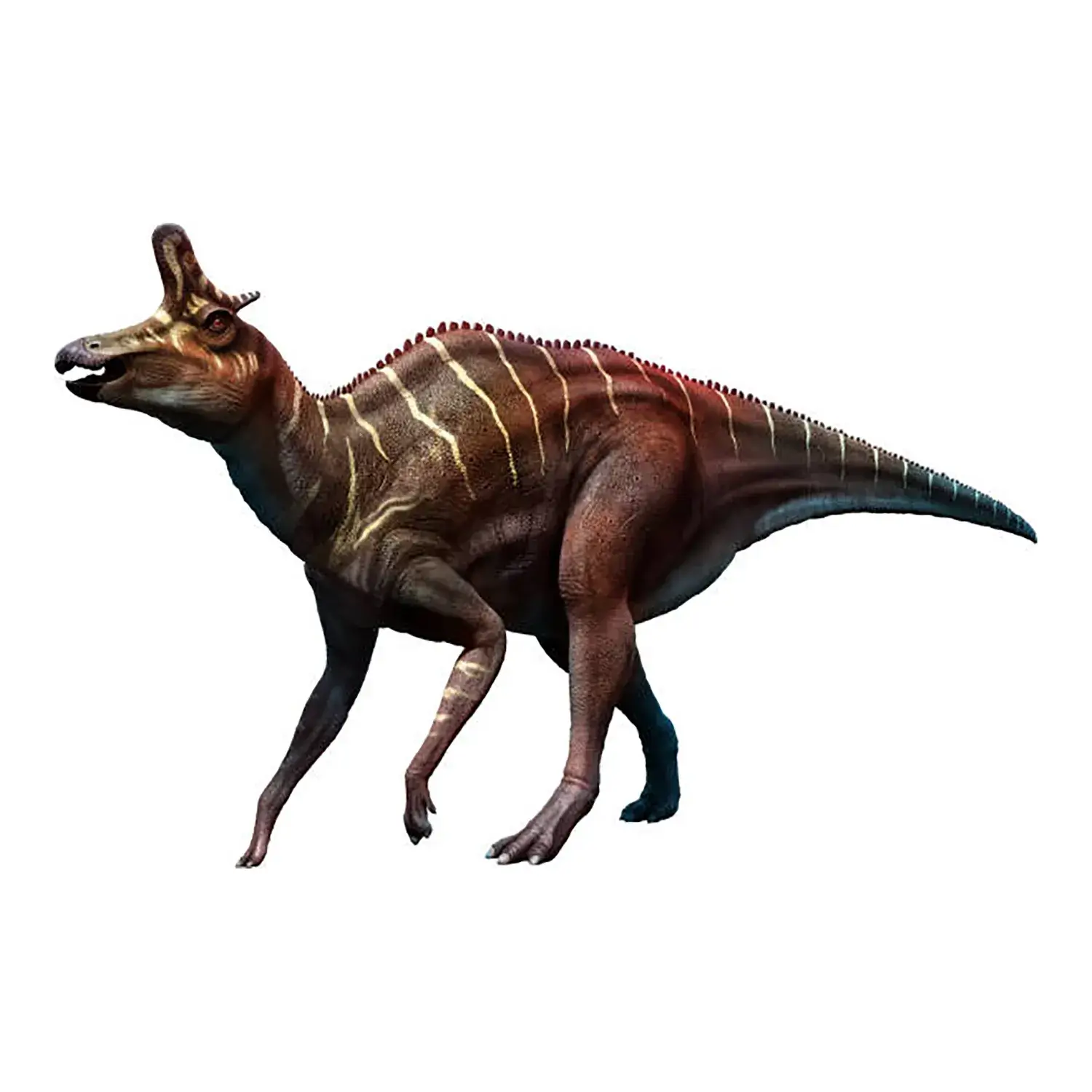
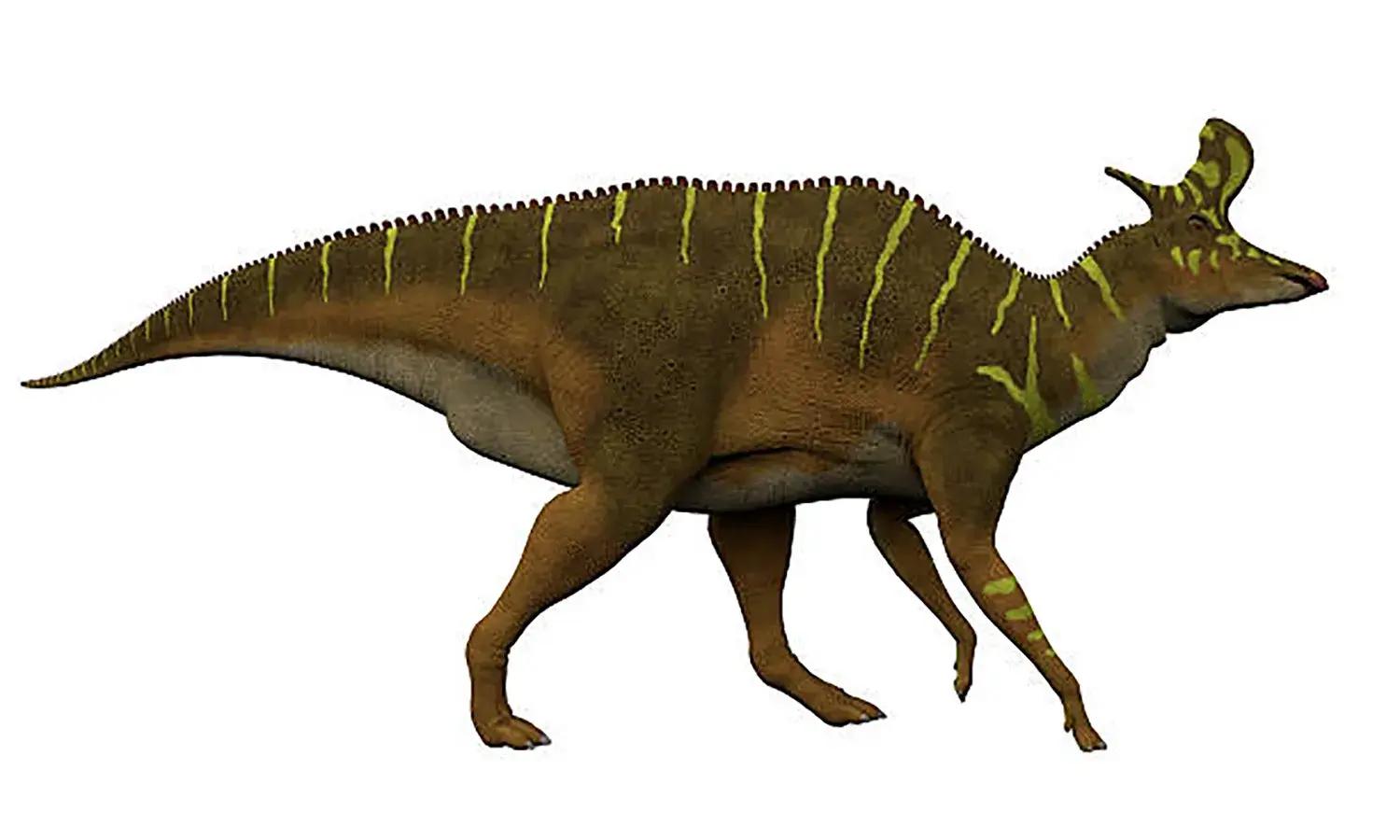
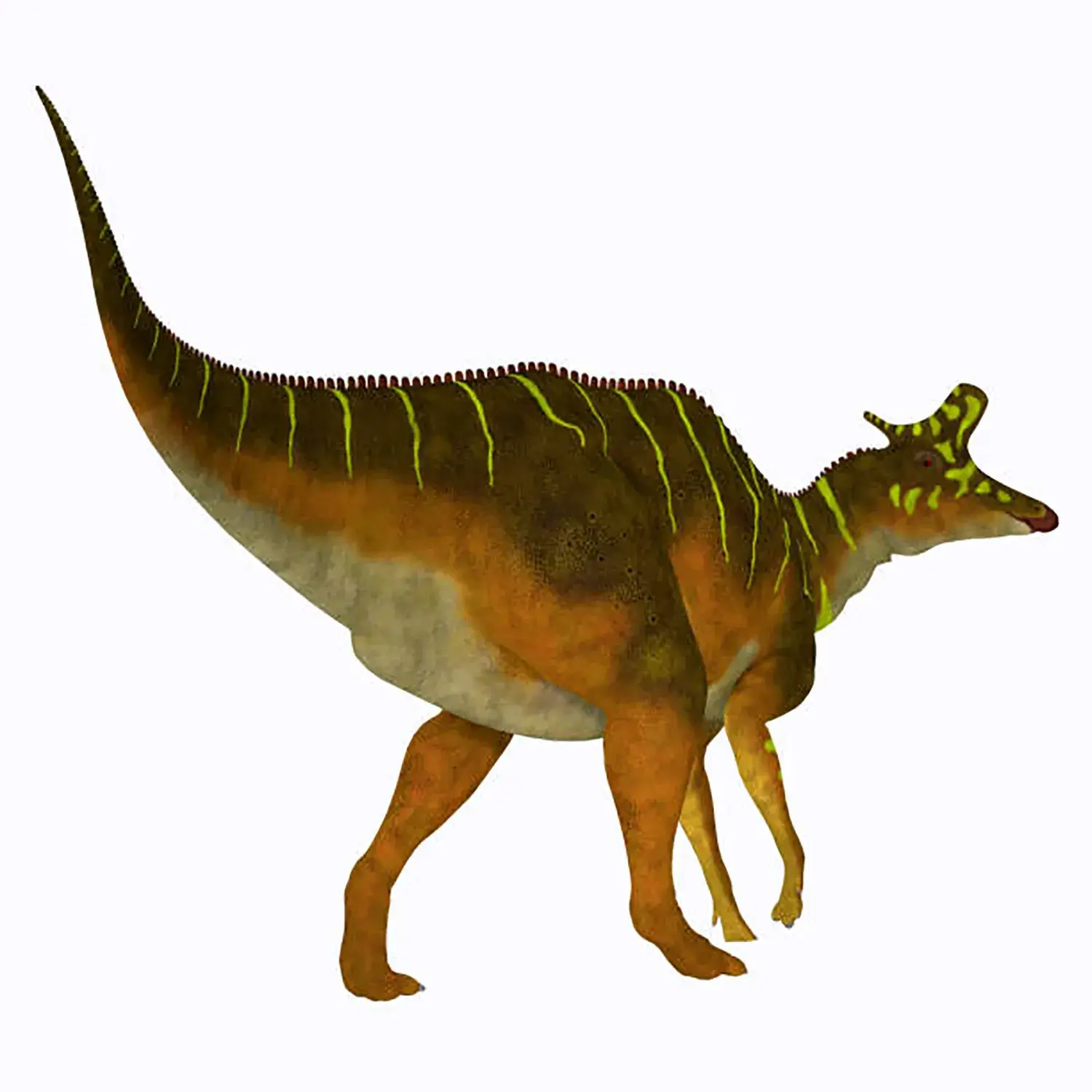
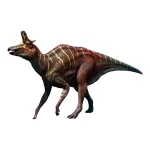
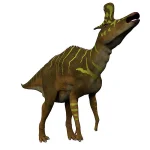
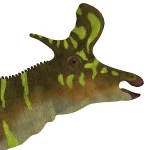
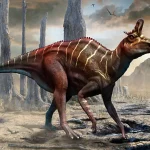
Their greatest feature lies in the strange crest that looks like a combination of an “axe” and a “ponytail.”
The Secret of the Crest with an “Axe” and “Ponytail”
The biggest point for identifying Lambeosaurus is the complex-shaped “crest” towering atop its head.
Characterized by a complex-shaped “crest”
While the related Corythosaurus has a fan-shaped crest, their crest had a “two-stage” structure.
The Front Axe
A sturdy crest jutting forward, shaped as if an axe were embedded in it.
The Rear Ponytail
A single spine extending backward from the back of the head.
“Sound” Communication Created by Hollows
This crest is not merely a decoration.
The inside was hollow, with two air passages continuing from the nostrils.
It is believed that by sending air through here, they could resonate distinctive calls like a wind instrument.
They likely used this sound to converse with companions or warn each other of danger.
Crest Shapes Are All Over the Place? Appearance Changing by Gender and Growth
In the research of Lambeosaurus, “individual differences in crest shape” plagued scholars for many years.
These were once thought to be different species, but it is now known that these are differences due to “sex (male/female)” and “growth stages.”
A magnificent crest was a characteristic of mature males, while females and juveniles had different shapes.
The difference in appearance suggests the possibility that they used different “calls” depending on gender and age.
A Theory of 17m Length! One of the Largest North American Duck-bills
Lambeosaurus boasts one of the largest sizes among duck-billed dinosaurs.
Majestic Physique and Diet
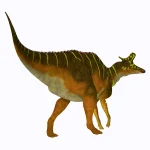
The general total length is 10–12.5 meters, but there is a theory that the largest individuals reached 17 meters.
They possessed a “narrow beak” at the tip of the mouth and were picky eaters of plants.
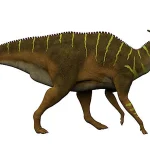
It is known that their skin was covered with thin scales possessing polygonal protrusions.
A Giant Fleeing with Speed
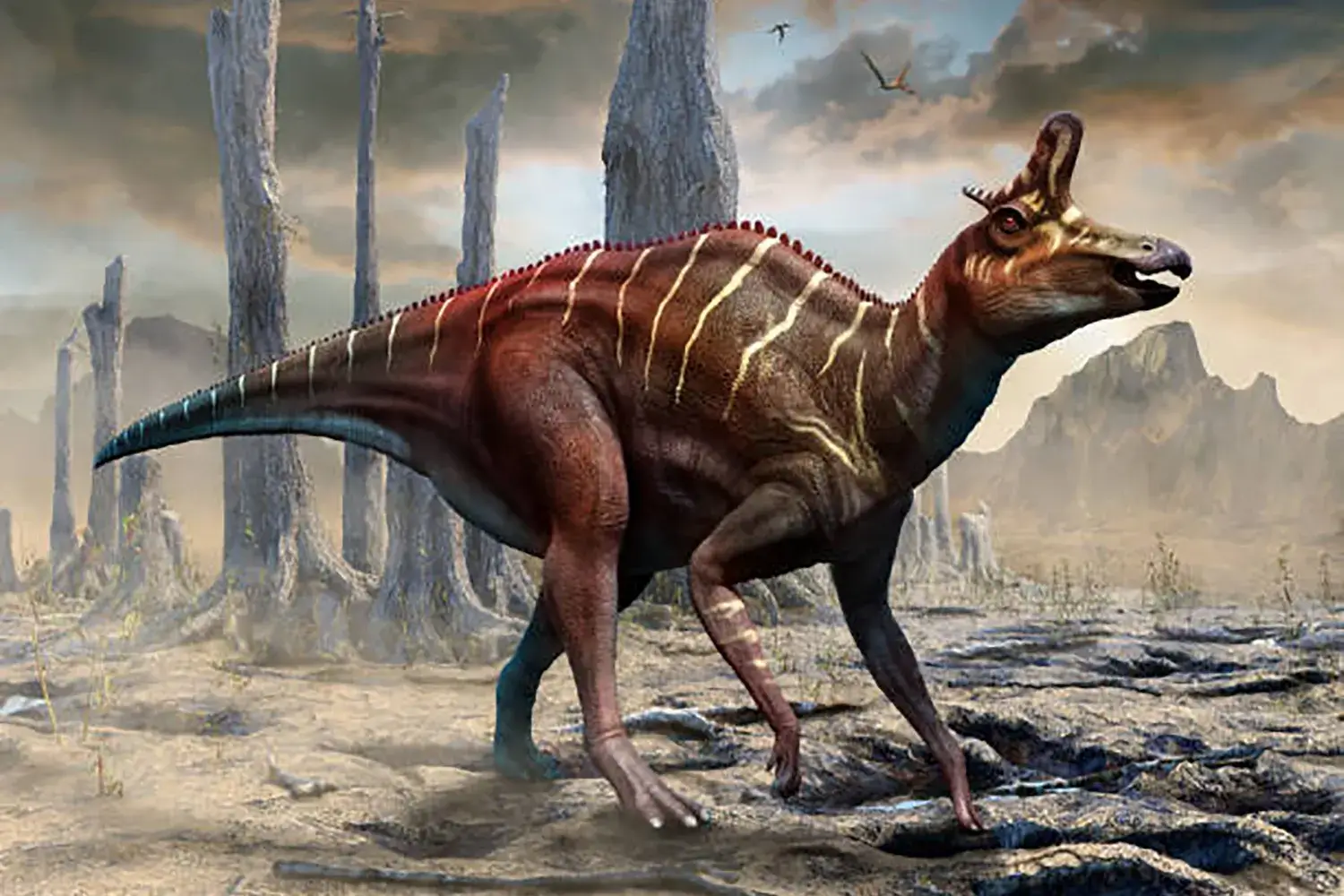
From the study of fossilized footprints, it is known that they formed herds and usually moved on all fours.
They usually moved on all fours
However, when necessary, they could run on two legs.
That speed was quite fast, and it is believed they could escape from the ferocious carnivorous dinosaur “Gorgosaurus” of the same region using their strong legs.
Name Means “Lambe’s Lizard”: The Drama of Discovery
Finally, let’s introduce the origin of the name.
The scientific name “Lambeosaurus” is derived from the famous Canadian paleontologist Lawrence Lambe.
It was named by William Parks in 1923 to honor his achievements.
Actually, the first fossil was discovered by Lambe himself, but it was initially described as a different dinosaur called “Stephanosaurus.”
Later research revealed it to be a new species, and it has a history of being reborn bearing the discoverer’s name.
Currently, fossils are discovered over a wide area of North America, from Canada to near the Mexican border.