
Liliensternus
Name Origin
Lilienstern's One (Named after Hugo Rühle von Lilienstern)
Family
Coelophysidae
Classification
Diapsida, Saurischia, Theropoda
Habitat (Discovery Location)
Germany
Period
Approximately 210 million years ago (Late Triassic)
Length
Approximately 3–5.2 meters
Weight
Approximately 200 kg
Diet
Carnivore (Meat-eater)
You might also like... 

-
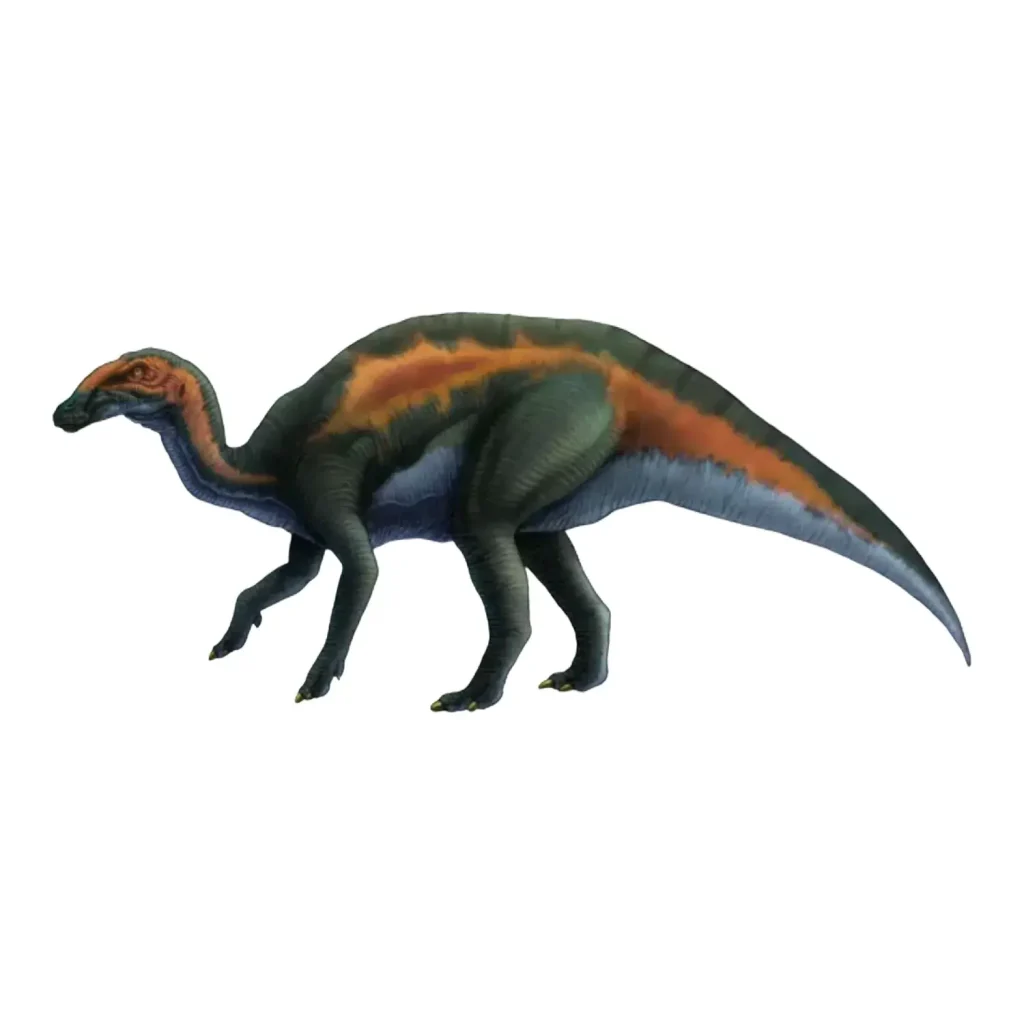
 Hadrosaurus
- Classification
- Ornithopoda
- Characteristics
- Herbivorous
- Era
- Cretaceous period
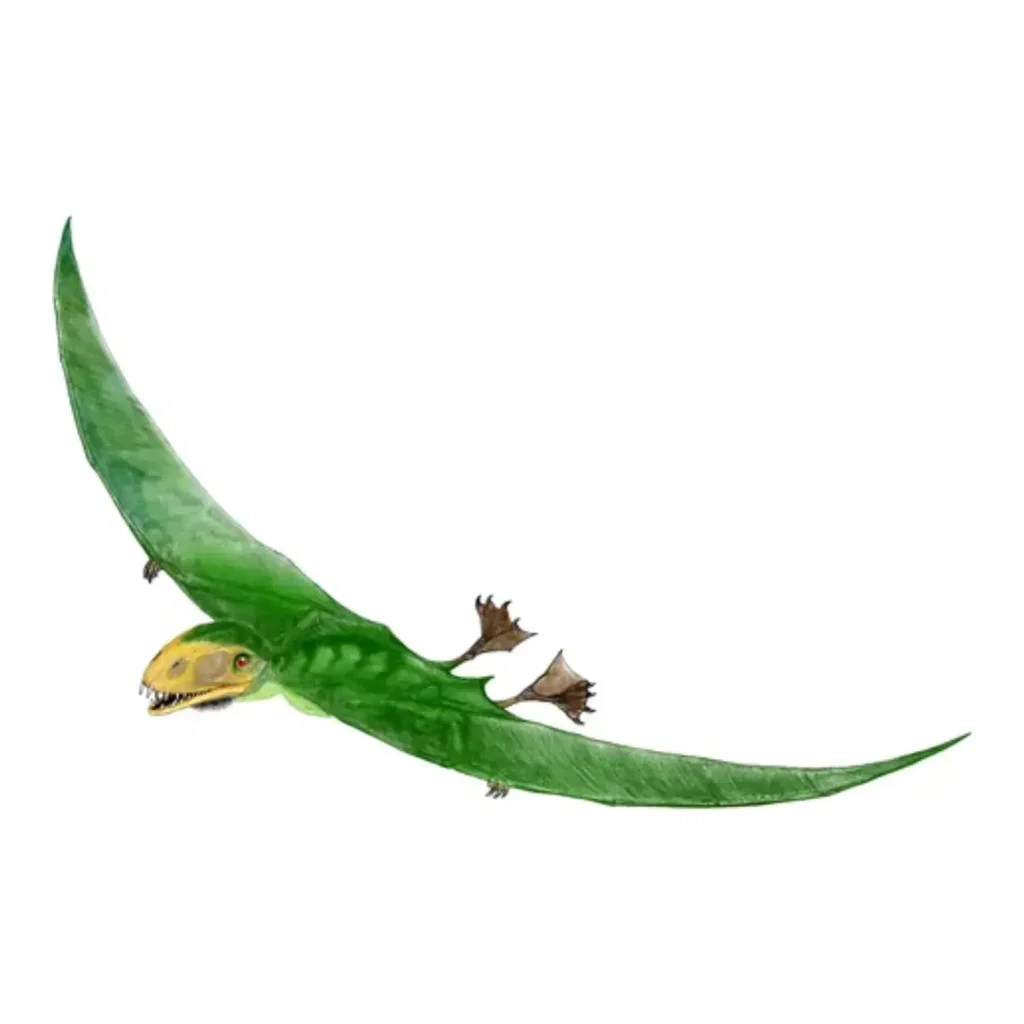
- Anurognathus
- Classification
- Flying reptiles
- Era
- Jurassic period
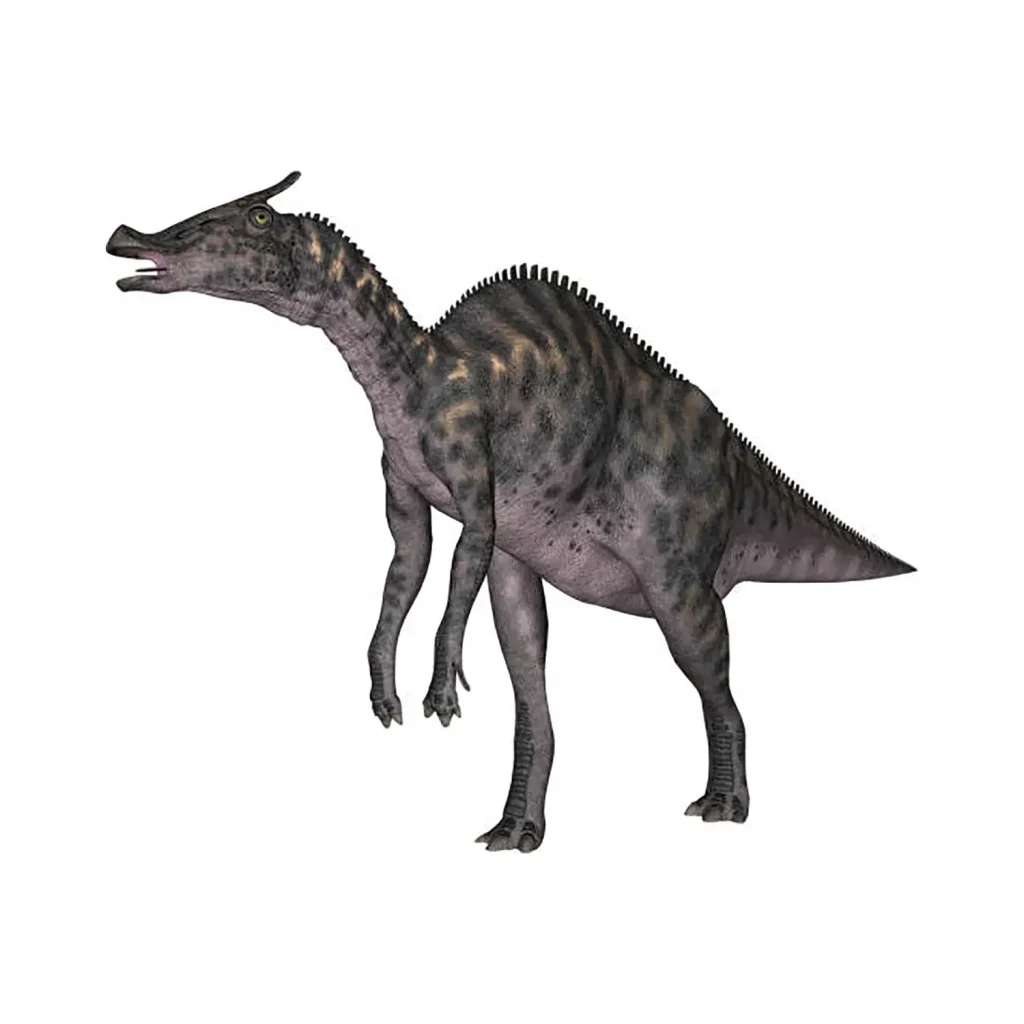
- Saurolophus
- Classification
- Ornithopoda
- Characteristics
- Herbivorous
- Era
- Cretaceous period
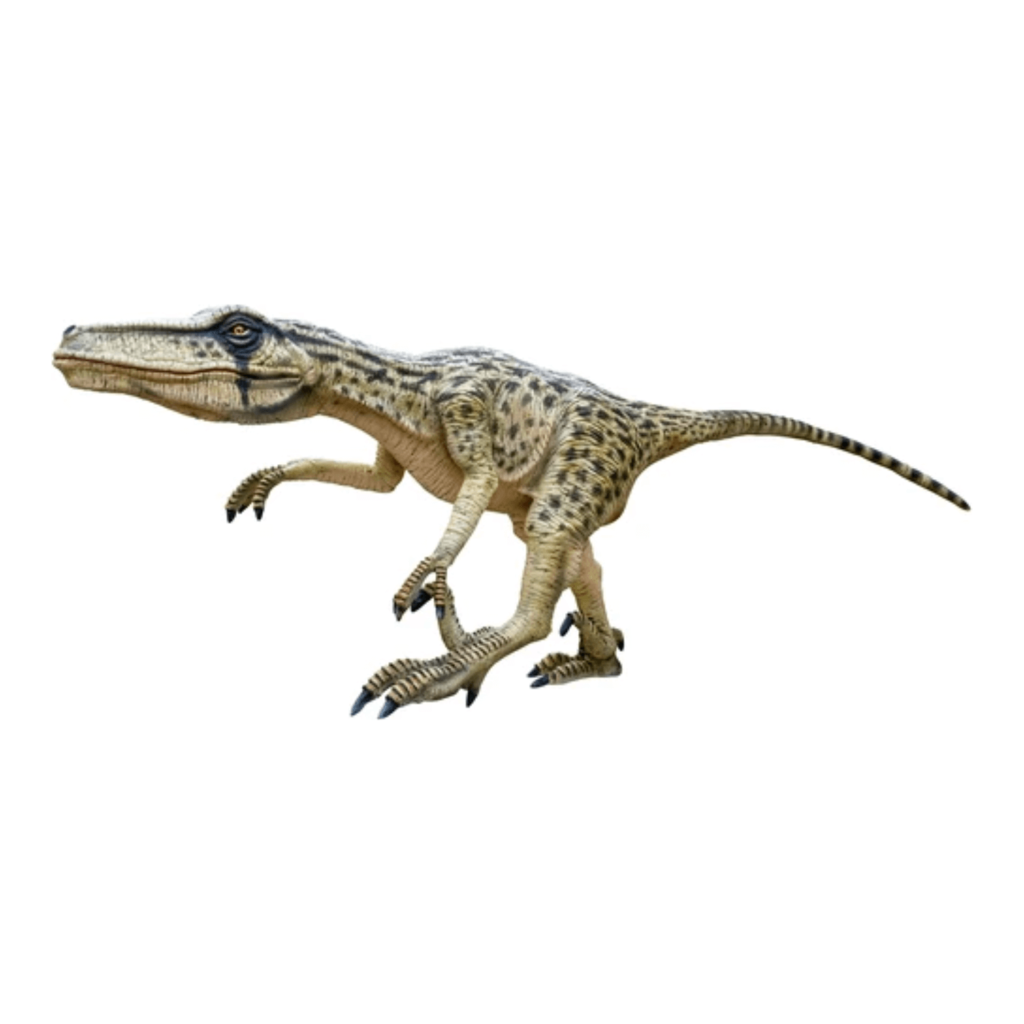
- Dromaeosaurus
- Classification
- Theropods
- Characteristics
- Carnivorous
- Era
- Cretaceous period
-
Sponsored Links
-
Sponsored Links










![[Latest Research] What Was the Function of Spinosaurus's Giant "Sail"? Exploring the Mysteries of Thermoregulation and Underwater Locomotion](https://dinosaurmuseum.jp/wp/wp-content/uploads/eyecatch_spinosaurus-sail-function_en-1024x512.webp)
![[Latest Discovery] A Third Type of Skin, Neither Scales Nor Feathers? Meet "Haolong dongi," a New Dinosaur Species Covered Entirely in Spikes](https://dinosaurmuseum.jp/wp/wp-content/uploads/eyecatch_dinosaur-spiky-skin-discovery_en-1024x512.webp)

Description
The Late Triassic, near the dawn of the dinosaur era.
In an age where small carnivorous dinosaurs were still the norm, a predator of overwhelming size reigned in what is now Germany.
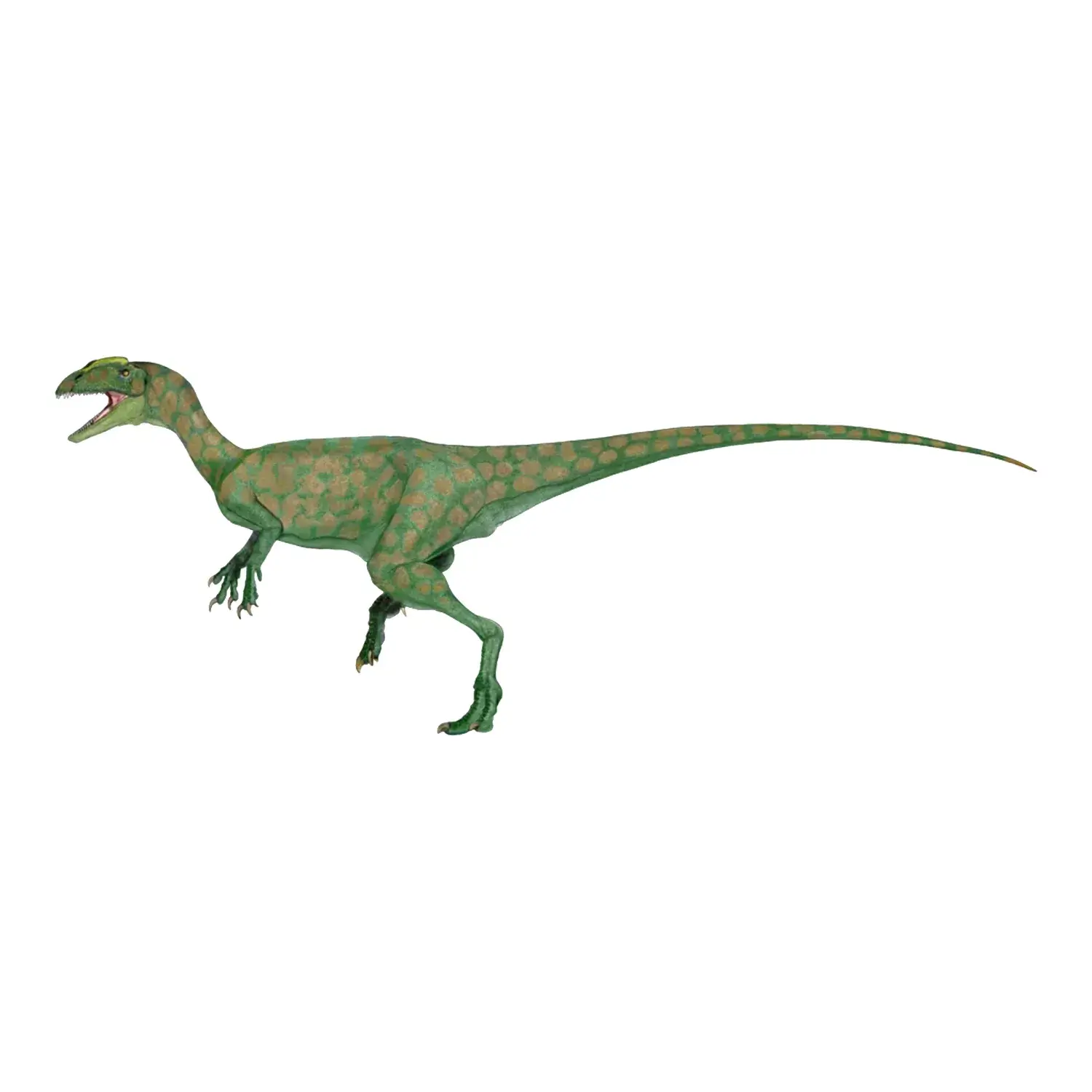
It is “Liliensternus.”
This dinosaur, representing Mesozoic Europe, bears the name of a real-life count and is still loved today as a local symbol.
A Dinosaur Bearing a Count’s Name and Featured on a Town’s “Coat of Arms”
Liliensternus is a dinosaur with a unique history regarding its discovery and subsequent treatment.
Dedication to Count Lilienstern
The scientific name derives from “Count Hugo Rühle von Lilienstern,” a German amateur paleontologist and medical doctor.
The Count contributed greatly to the promotion of paleontology in Germany, such as by opening his own castle as a museum.
His name was preserved as the dinosaur’s scientific name to honor his passion and achievements.
The Coat of Arms of Bedheim
The Count’s achievements are still handed down today, and the figure of Liliensternus is depicted on the “coat of arms” of Bedheim, Germany, where the fossils were found.
It is a rare case globally for a dinosaur to become a municipal symbol.
History of Classification
When first described in 1934, it was considered a species of “Halticosaurus,” but subsequent research recognized its uniqueness, and it was reclassified as the new genus and species “Liliensternus” in 1984.
One of the Largest of the Triassic! Physical Characteristics of the “Slender Giant”
One of the World’s Largest at the Time
The total length of Liliensternus was about 3 to 5.2 meters.
Although medium-sized compared to the later Tyrannosaurus, considering that many carnivorous dinosaurs of the same era were 2 to 3 meters long, it was undoubtedly one of the “world’s largest” giant predators at that time.
Slender Physique and the Mystery of the Crest
Despite its large size, it weighed only about 200 kg.
It was not a mass of muscle but had a very slender physique with a long neck and tail.
Resembling Dilophosaurus and Coelophysis, it seems to have been a dinosaur that utilized speed and reach rather than power.
Also, while it is often depicted with “two crests” on its head in illustrated books, this is a reconstruction based on close relatives.
The crucial fossil of the top of the head has not been found, so whether it actually had crests remains a mystery.
Hunter or Scavenger? Flexible Survival Strategy
Being at the top of the ecosystem at the time, Liliensternus is believed to have used its large body to attack and eat large herbivorous dinosaurs such as Plateosaurus.
On the other hand, fossils have been found suggesting they scavenged the carcasses of dinosaurs that had died after getting stuck in swamps.
This suggests the possibility that they had a flexible survival strategy, acting as noble hunters while also utilizing easy food sources as scavengers when the opportunity arose.