Majungasaurus
Name Origin
Majunga Lizard (Lizard of Majunga)
Family
Abelisauridae
Classification
Diapsida, Saurischia, Theropoda
Habitat (Discovery Location)
Madagascar
Period
Approximately 83–71 million years ago (Late Cretaceous)
Length
Approximately 6 meters
Weight
Approximately 2–5 tons
Diet
Carnivore (Meat-eater)
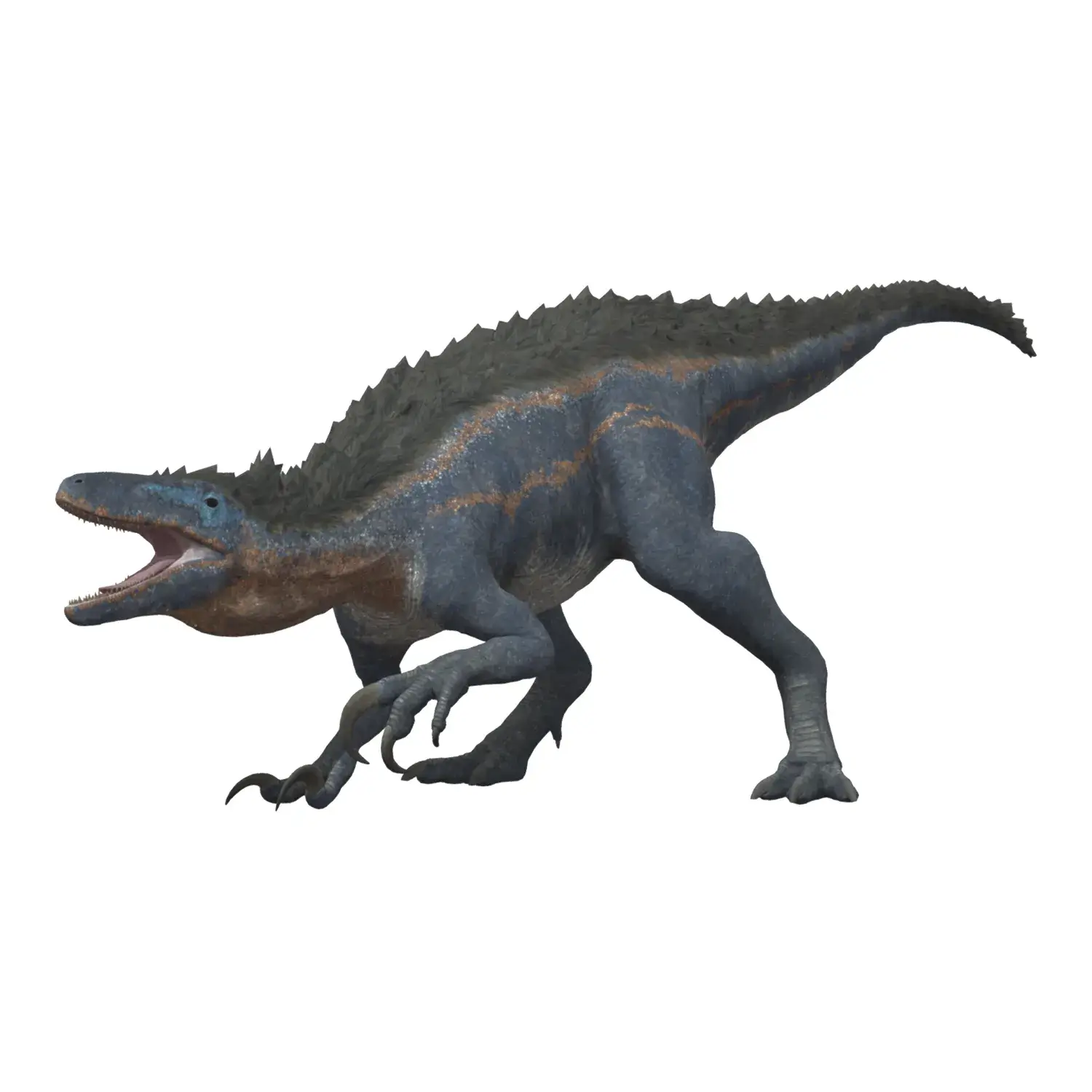
You might also like... 

-
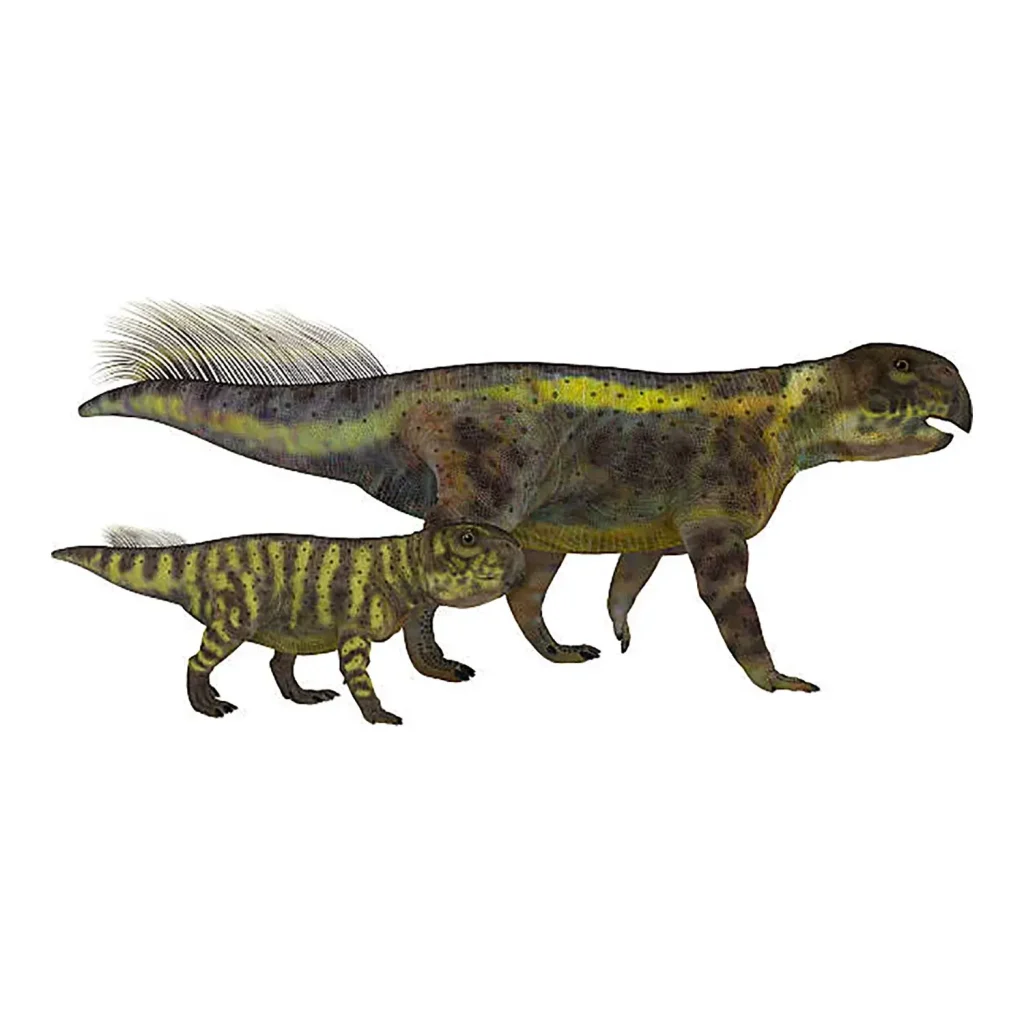
 Psittacosaurus
- Classification
- Marginocephalia
- Characteristics
- Herbivorous
- Era
- Cretaceous period
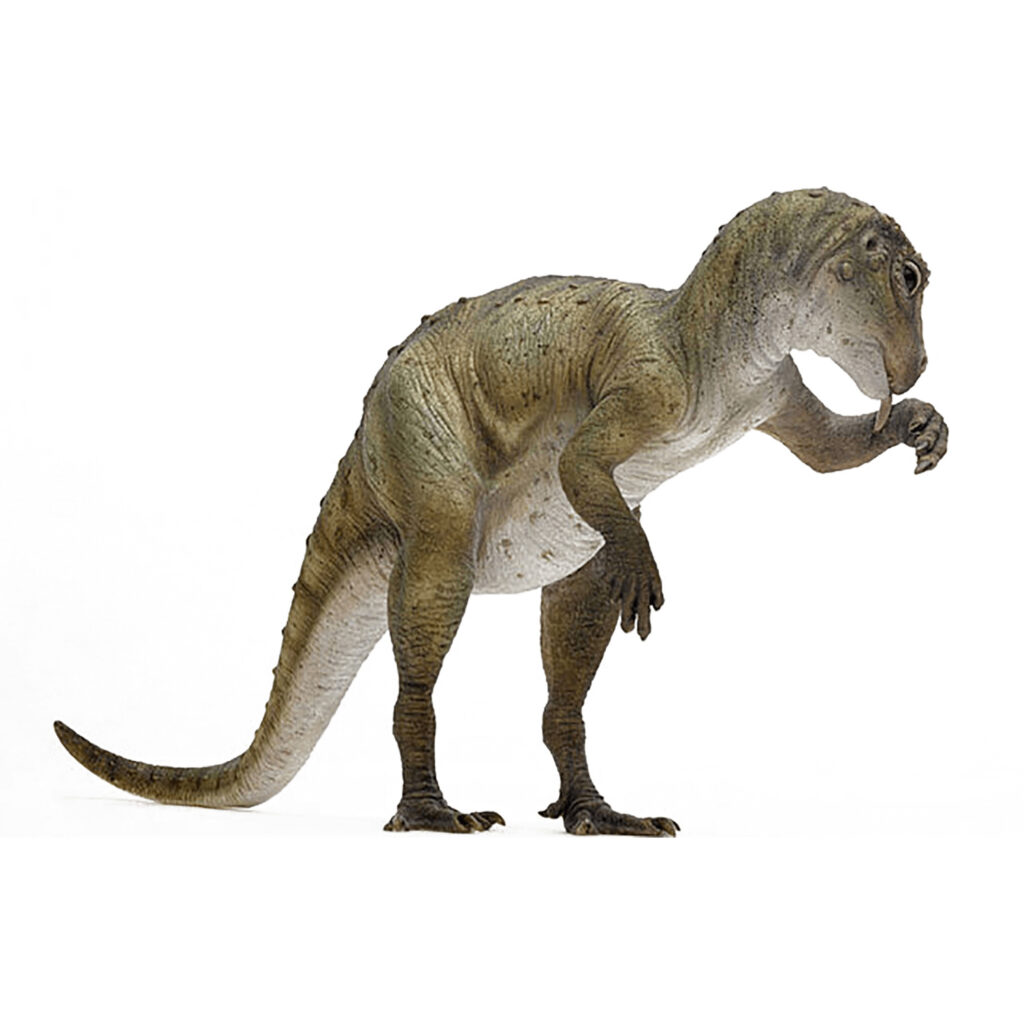
- Heterodontosaurus
- Classification
- Ornithopoda
- Characteristics
- Herbivorous
- Era
- Jurassic period
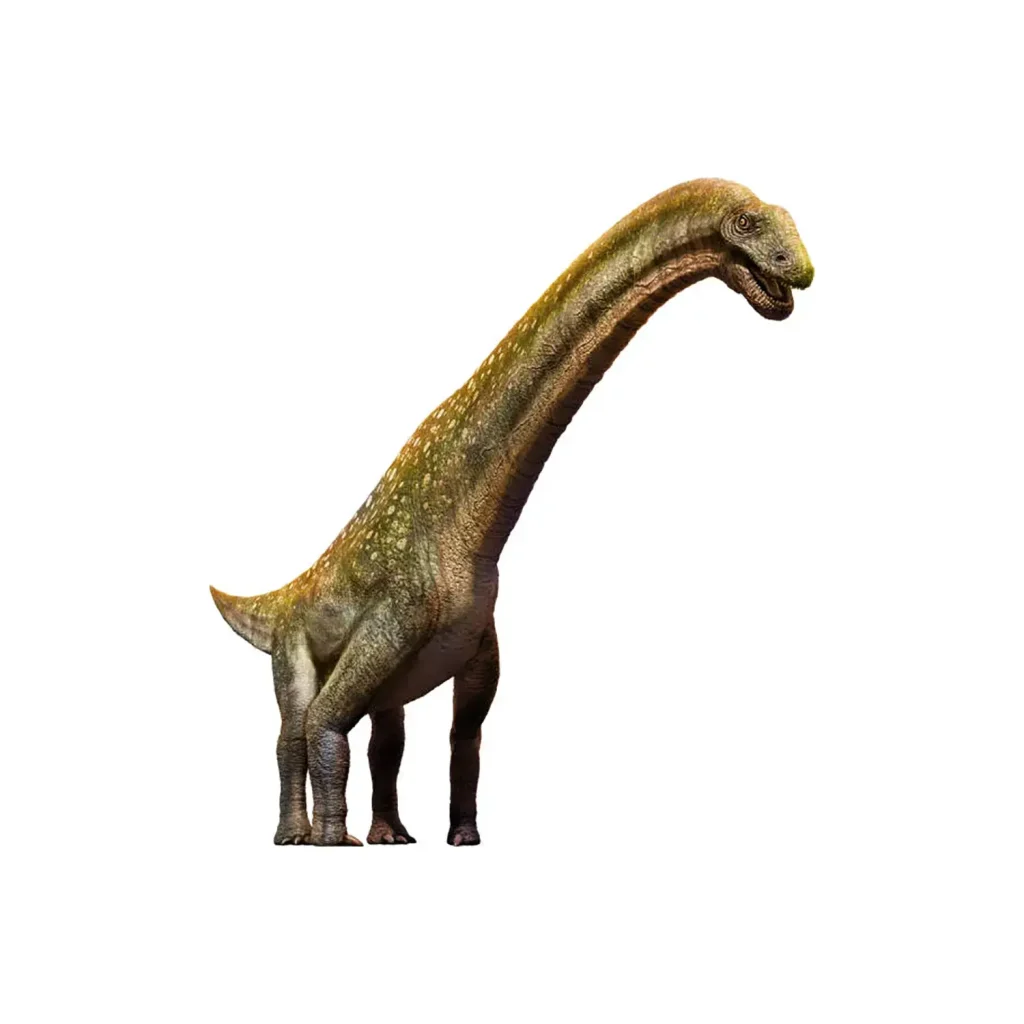
- Titanosaurus
- Classification
- Sauropods
- Characteristics
- Herbivorous
- Era
- Cretaceous period
- Liaoningosaurus
- Classification
- Thyreophora
- Characteristics
- Carnivorous
- Era
- Cretaceous period
-
Sponsored Links
-
Sponsored Links



![[Latest Research] What Was the Function of Spinosaurus's Giant "Sail"? Exploring the Mysteries of Thermoregulation and Underwater Locomotion](https://dinosaurmuseum.jp/wp/wp-content/uploads/eyecatch_spinosaurus-sail-function_en-1024x512.webp)
![[Latest Discovery] A Third Type of Skin, Neither Scales Nor Feathers? Meet "Haolong dongi," a New Dinosaur Species Covered Entirely in Spikes](https://dinosaurmuseum.jp/wp/wp-content/uploads/eyecatch_dinosaur-spiky-skin-discovery_en-1024x512.webp)
Description
Madagascar, a massive island east of Africa.
During the Late Cretaceous, this island was an evolutionary laboratory for dinosaurs that developed differently from those on the mainland.
Ruling this isolated world was an incredibly strange and ferocious carnivorous dinosaur.
“Majungasaurus.”
A mysterious lump on its head, extremely short legs, and it even eats its own kind…
We explain the characteristics of Majungasaurus, whose head was so bizarre it was mistaken for a pachycephalosaur (bone-headed dinosaur), the evidence of “cannibalism” carved into its fossils, and the reason it became an apex predator despite being slow-footed.
The Same Dinosaur as Majungatholus? The History of Fossils Found by a Military Doctor
There is a slightly unusual historical background to the discovery of Majungasaurus.
Discovery and Naming in 1895
The first fossils were discovered in 1895 by Félix Saletes, a French army doctor stationed in Madagascar.
It was named after the Majunga province (now Mahajanga province) where it was found, but at the time its true identity was unknown, being classified as a type of Megalosaurus.
The True Identity of the Pachycephalosaur “Majungatholus”
In 1979, a thick, domed skull was found and named “Majungatholus,” a new species of pachycephalosaur (dome-headed dinosaur) similar to Pachycephalosaurus.
However, subsequent research revealed that this was not a pachycephalosaur but an abelisaurid carnivorous dinosaur, and surprisingly, it was “the same dinosaur as Majungasaurus.”
In other words, they were “carnivorous dinosaurs with heads so rugged they were mistaken for pachycephalosaurs.”
A “Hard Head” with a Bump and Extremely “Short Legs”
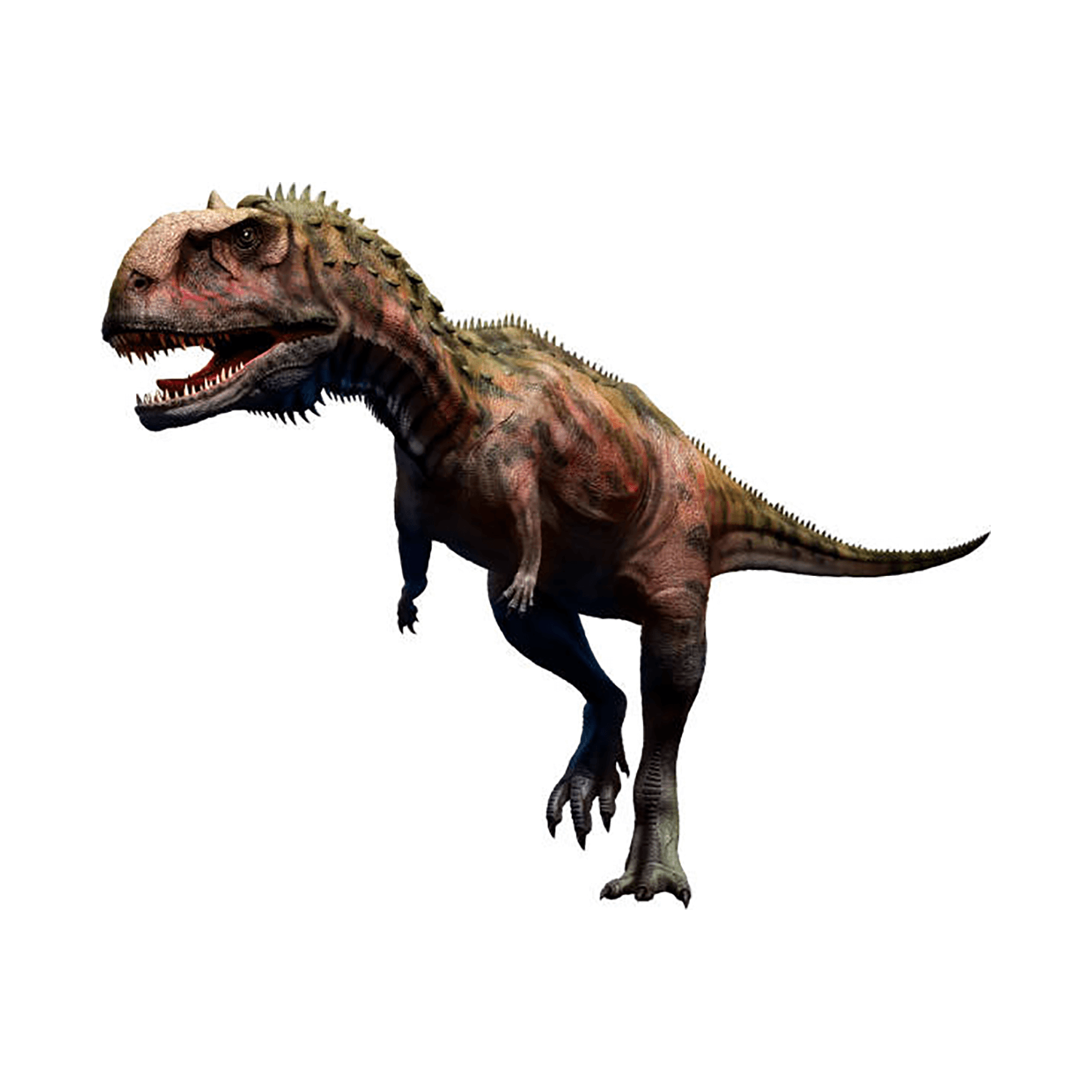
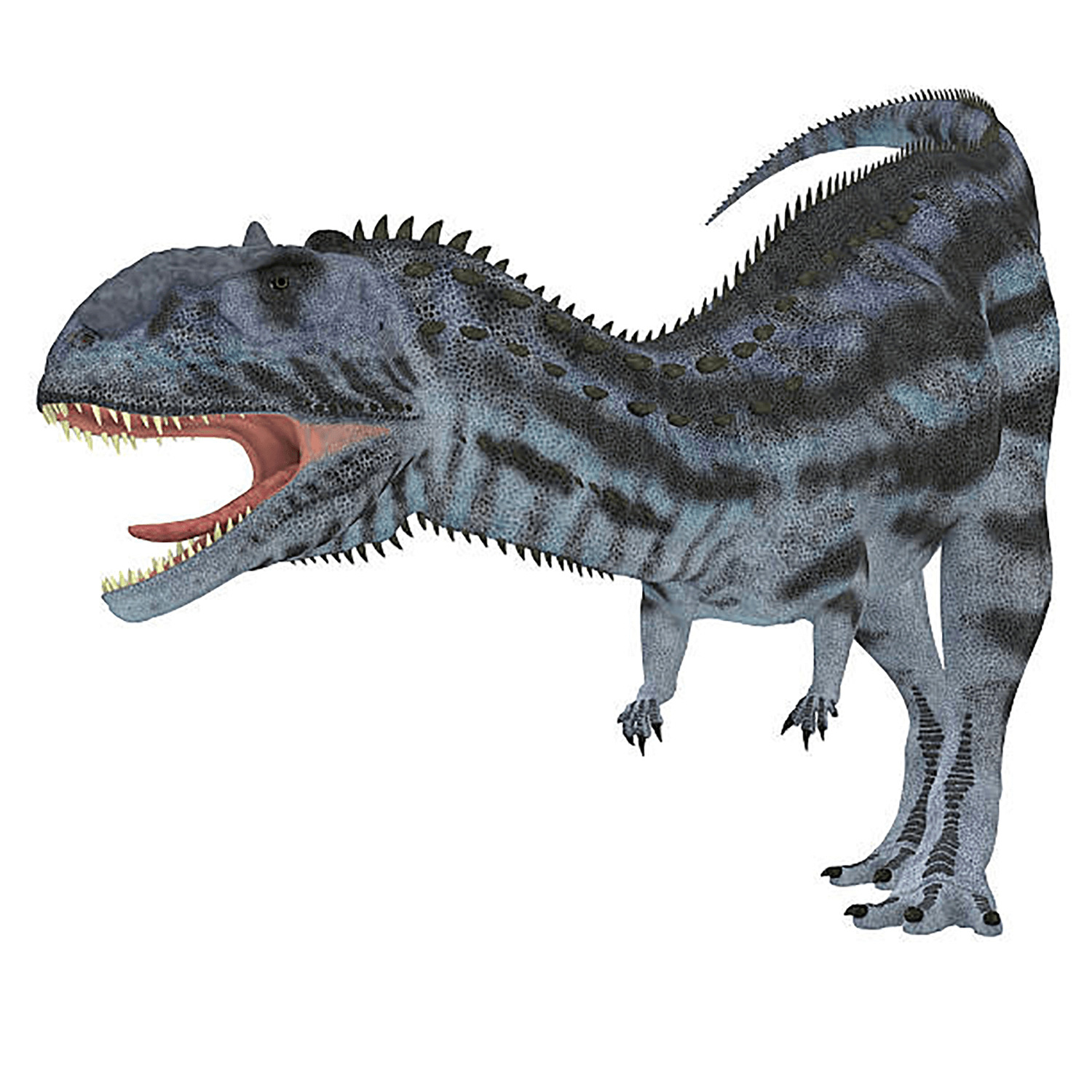
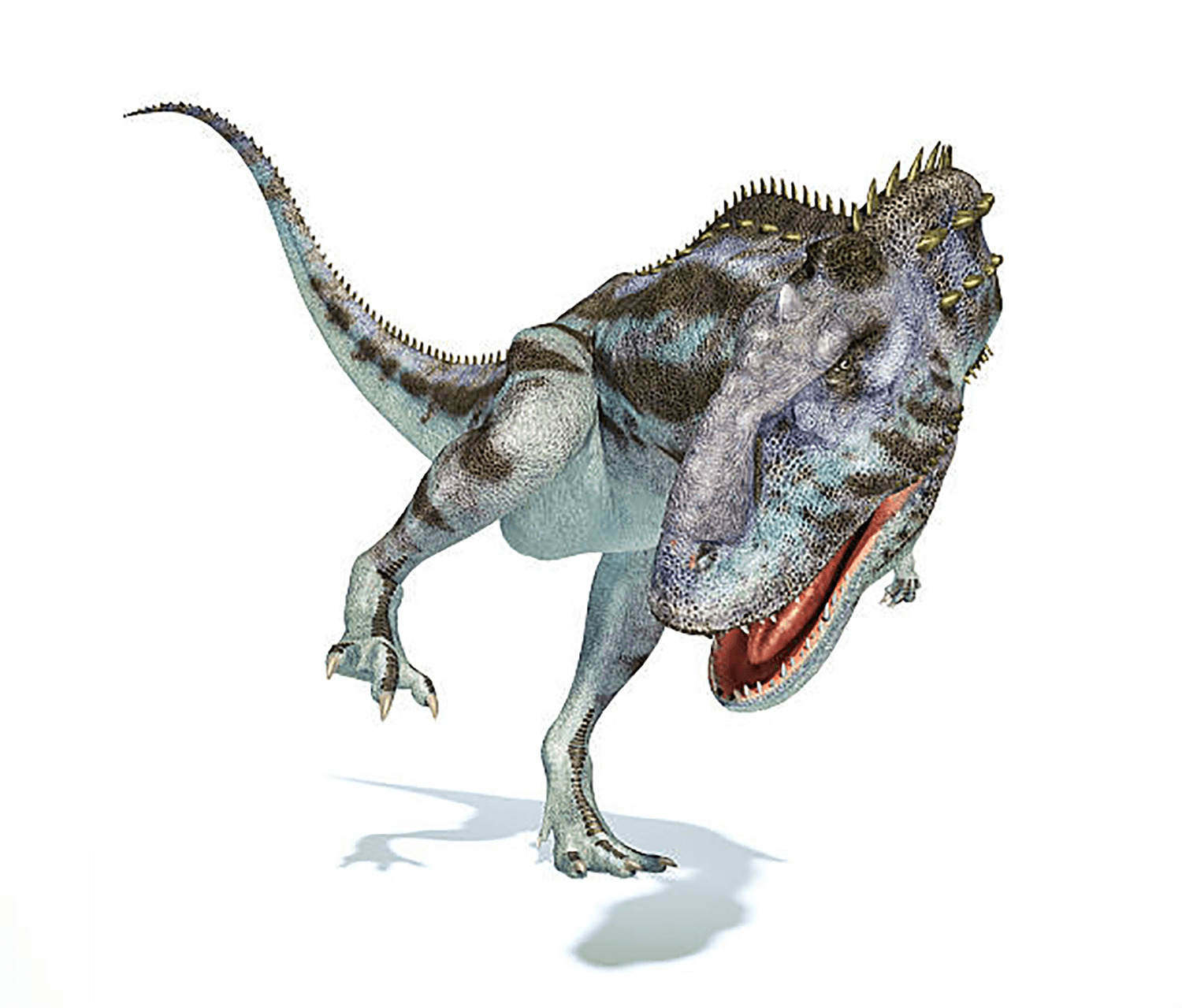
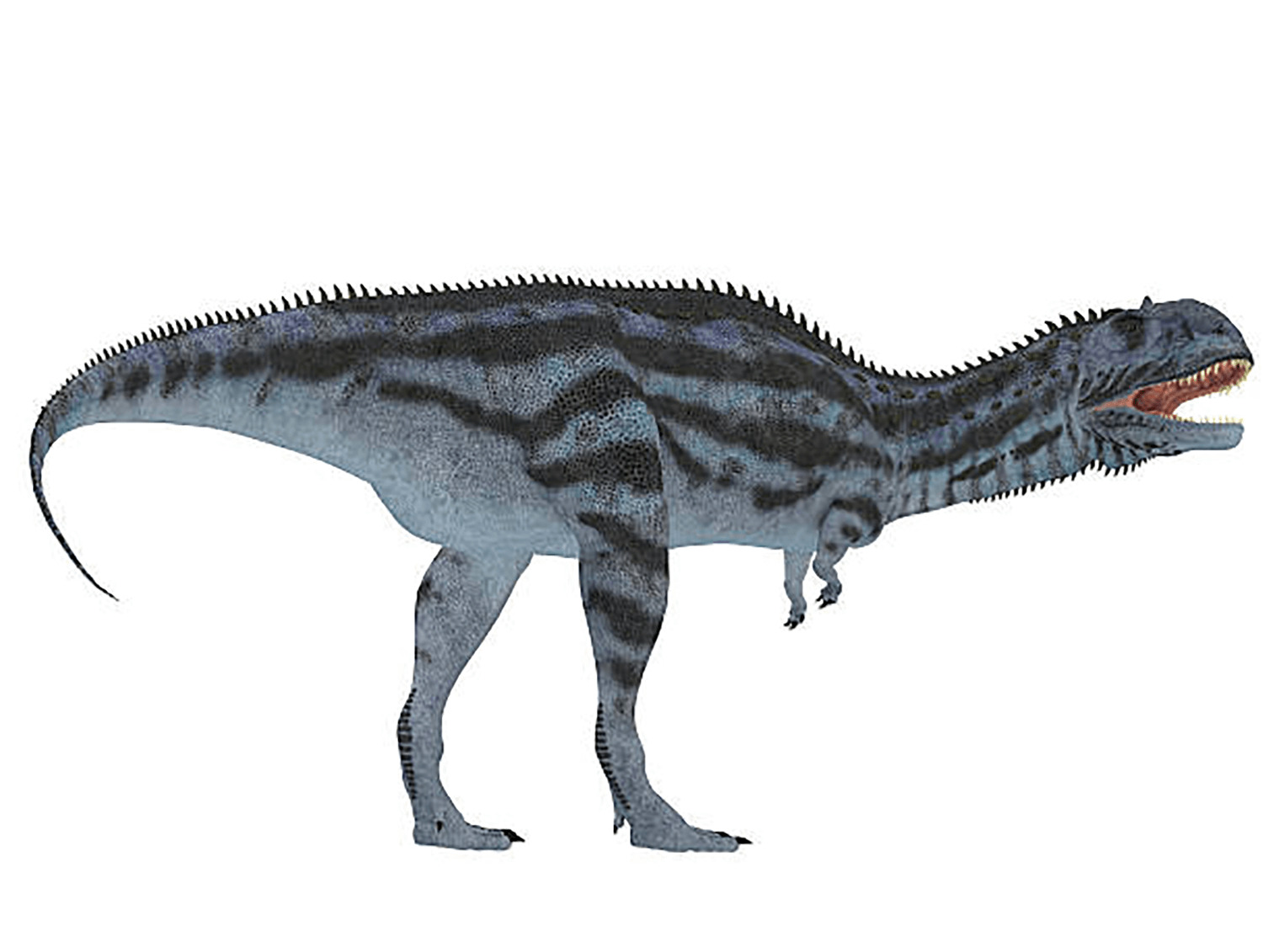
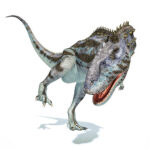
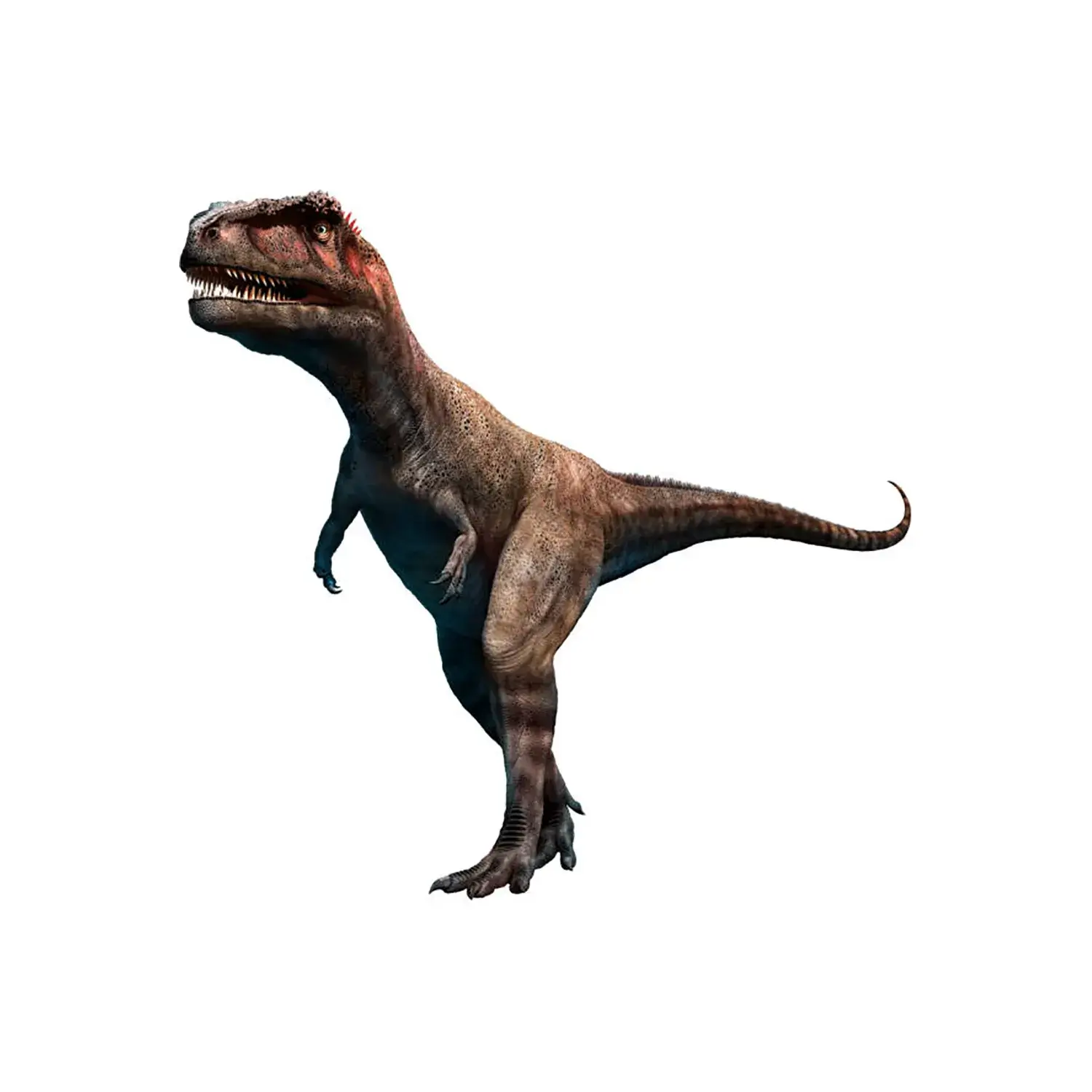
Majungasaurus was about 6 meters in total length.
Although smaller than Tyrannosaurus, it possessed the robust physique characteristic of the Abelisauridae.
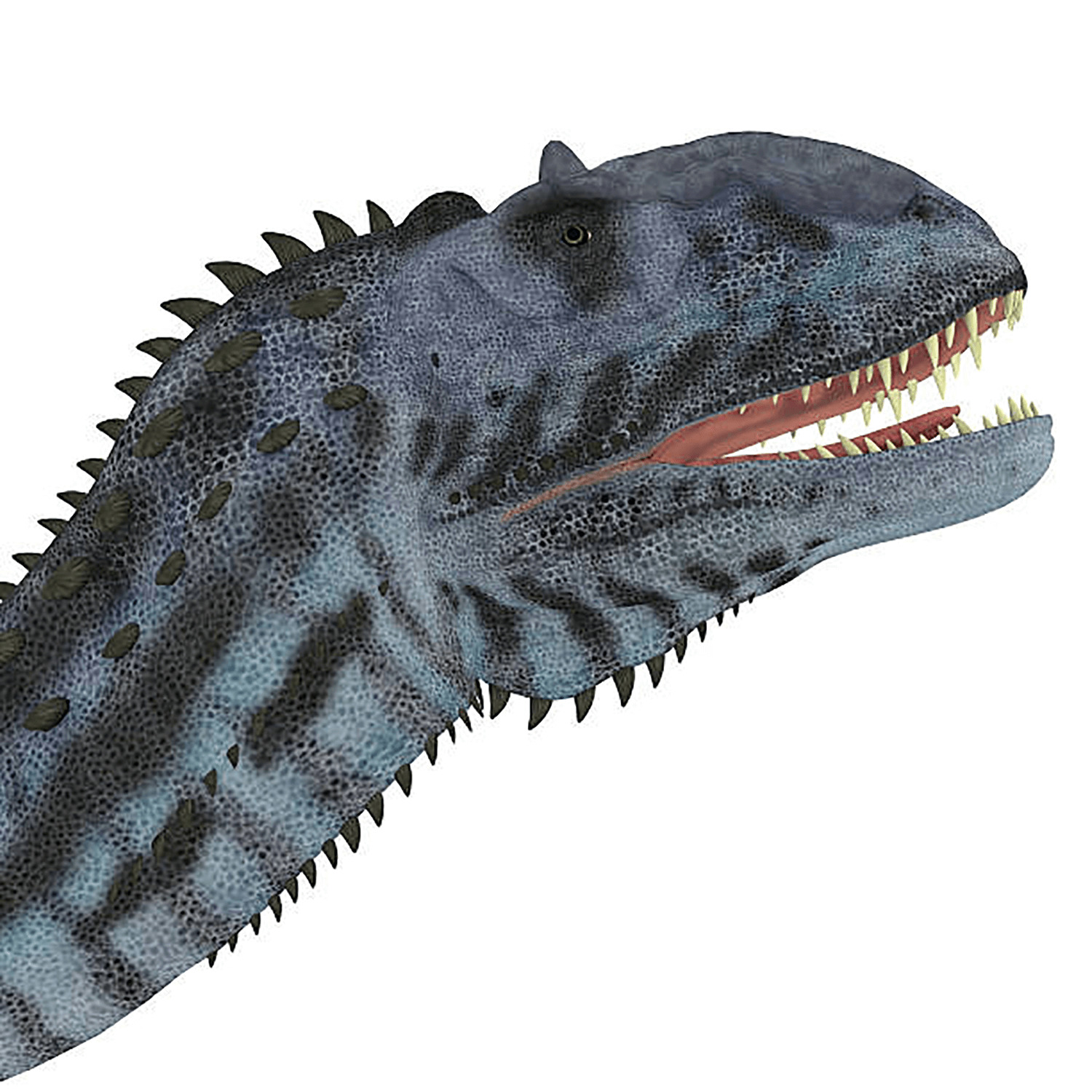
Bulldog-like Head
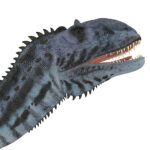
The skull is short from front to back and tall, shaped like that of a bulldog.
The skull is short from front to back and tall, shaped like that of a bulldog.
There was a thick, short horn-like bump on the top of its head, and the skull itself was abnormally thickened.
This may have been used for intraspecific display or head-butting.
Couldn’t Run? The Mystery of the Short Legs
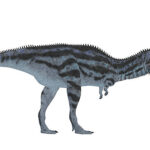
While its relative Carnotaurus was fleet-footed, Majungasaurus had extremely short and thick hind legs.
It had extremely short and thick hind legs
Its forelimbs were also vestigial, and it is pointed out that its eyesight may not have been very good.
“Bad eyes and slow feet”—this looks like fatal specs for a hunter, so why were they able to become kings?
How Did They Survive Despite Being “Slow”?
The reason they could reign at the top of the ecosystem lies in the environment of Madagascar at the time.
The Prey Was Also “Slow”
The isolated island of Madagascar was home to the giant sauropod “Rapetosaurus.”
Because the movements of their prey, the sauropods, were very slow, the predators did not need to run fast either.
Instead of speed, Majungasaurus specialized in “power” and “endurance,” biting into prey with strong jaws and not letting go.
The Forbidden Taste: Confirmed “Cannibalism”
The most shocking aspect when discussing Majungasaurus is its habit of “cannibalism.”
Traces of Eating Their Own Kind
Countless “bite marks” were found on discovered Majungasaurus bones, and their shape matched perfectly with the teeth of the same species.
This was the first time in the world that cannibalism among carnivorous dinosaurs was confirmed with clear evidence.
Whether they attacked living kin or ate carcasses is unknown, but they possessed a voracious survival strategy to utilize even their own kind as a precious food source, likely a result of food shortages in a closed island environment or intense territorial disputes.