
Masiakasaurus

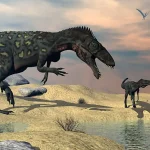
Name Origin
Vicious Lizard
Family
Noasauridae
Classification
Diapsida, Saurischia, Theropoda
Habitat (Discovery Location)
Madagascar
Period
Approximately 70–65 million years ago (Late Cretaceous)
Length
Approximately 2 meters
Weight
Approximately 36 kg
Diet
Carnivore (Meat-eater)
You might also like... 

-
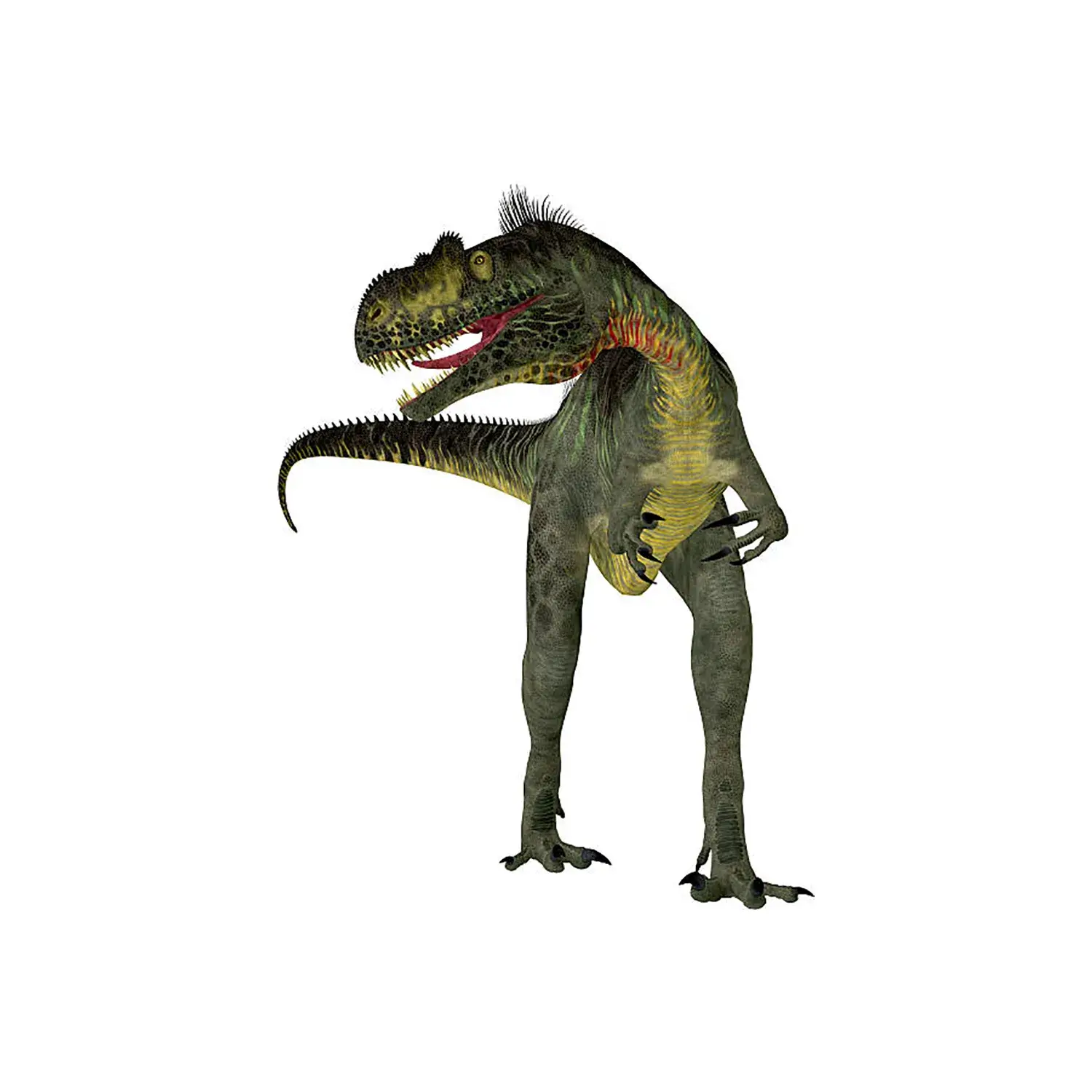
 Liliensternus
- Classification
- Theropods
- Characteristics
- Carnivorous
- Era
- Triassic period
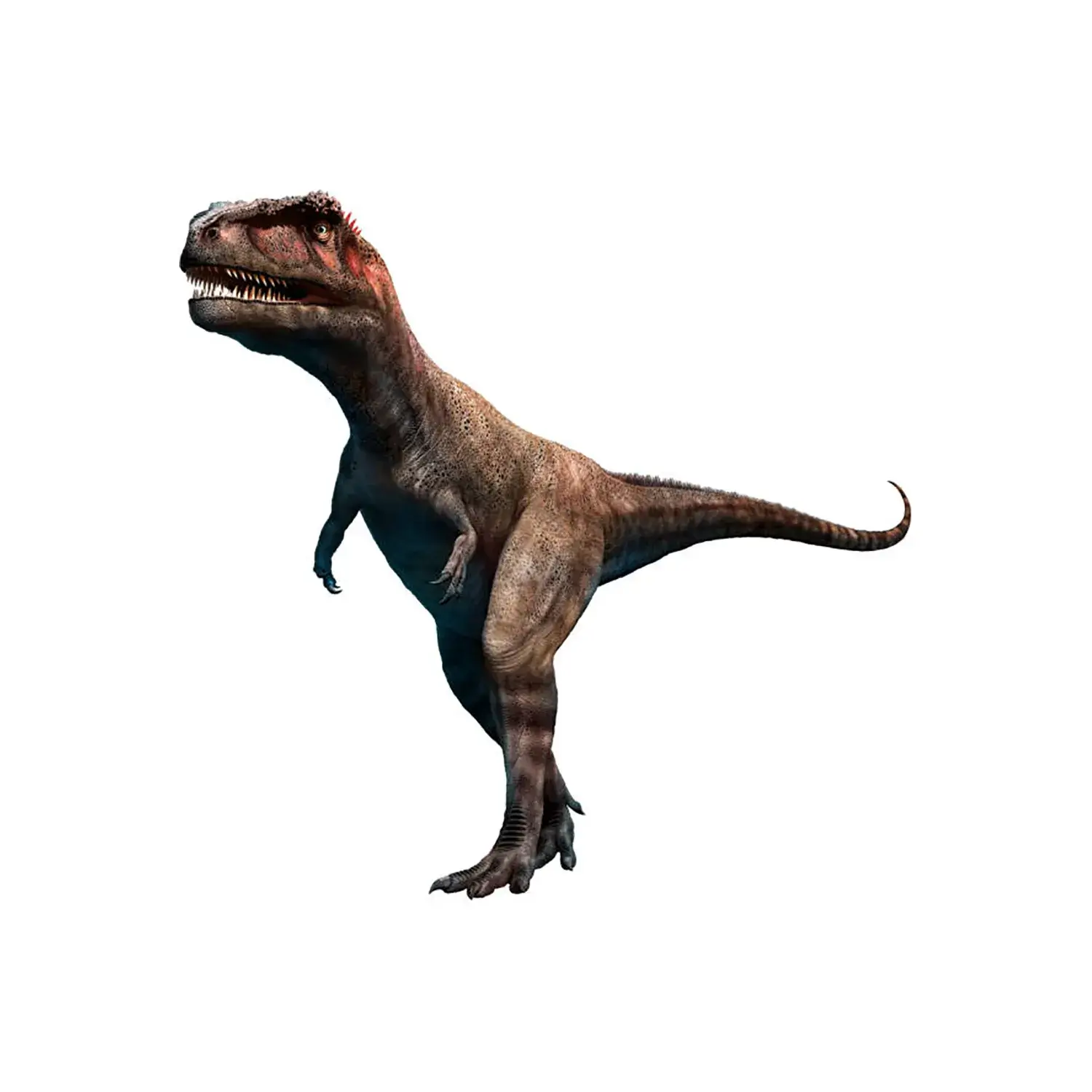
- Elaphrosaurus
- Classification
- Theropods
- Characteristics
- Carnivorous
- Era
- Jurassic period
- Ichthyosaurus
- Classification
- Marine reptiles
- Characteristics
- Carnivorous
- Era
- Jurassic period
- Giraffatitan
- Classification
- Sauropods
- Characteristics
- Herbivorous
- Era
- Jurassic period
-
Sponsored Links
-
Sponsored Links









![[Latest Research] What Was the Function of Spinosaurus's Giant "Sail"? Exploring the Mysteries of Thermoregulation and Underwater Locomotion](https://dinosaurmuseum.jp/wp/wp-content/uploads/eyecatch_spinosaurus-sail-function_en-1024x512.webp)
![[Latest Discovery] A Third Type of Skin, Neither Scales Nor Feathers? Meet "Haolong dongi," a New Dinosaur Species Covered Entirely in Spikes](https://dinosaurmuseum.jp/wp/wp-content/uploads/eyecatch_dinosaur-spiky-skin-discovery_en-1024x512.webp)
Description
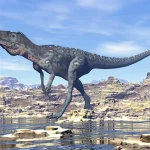
Madagascar, an island with a unique ecosystem.
In the Late Cretaceous, a strange dinosaur fit for an evolutionary laboratory lived here.
It is “Masiakasaurus.”
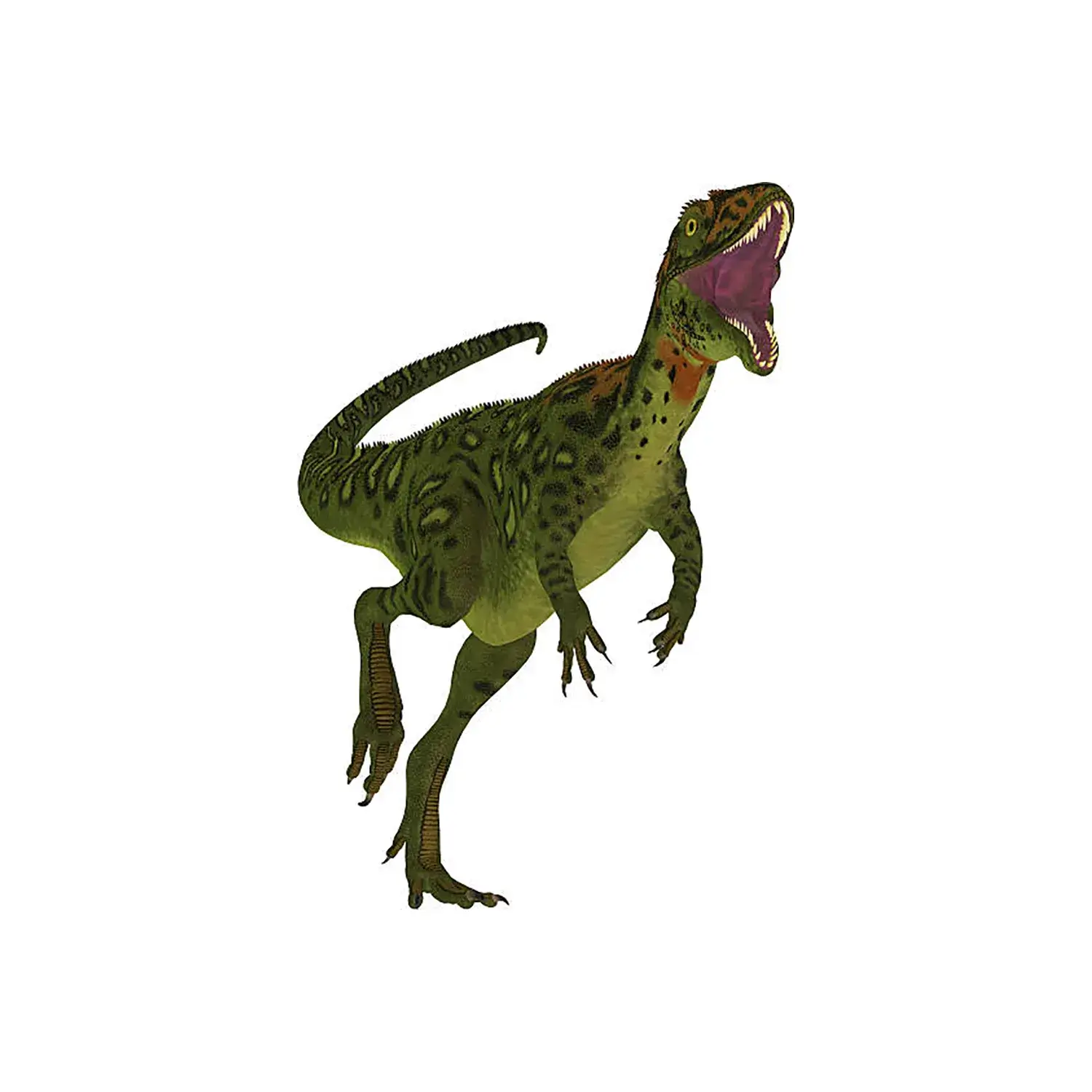
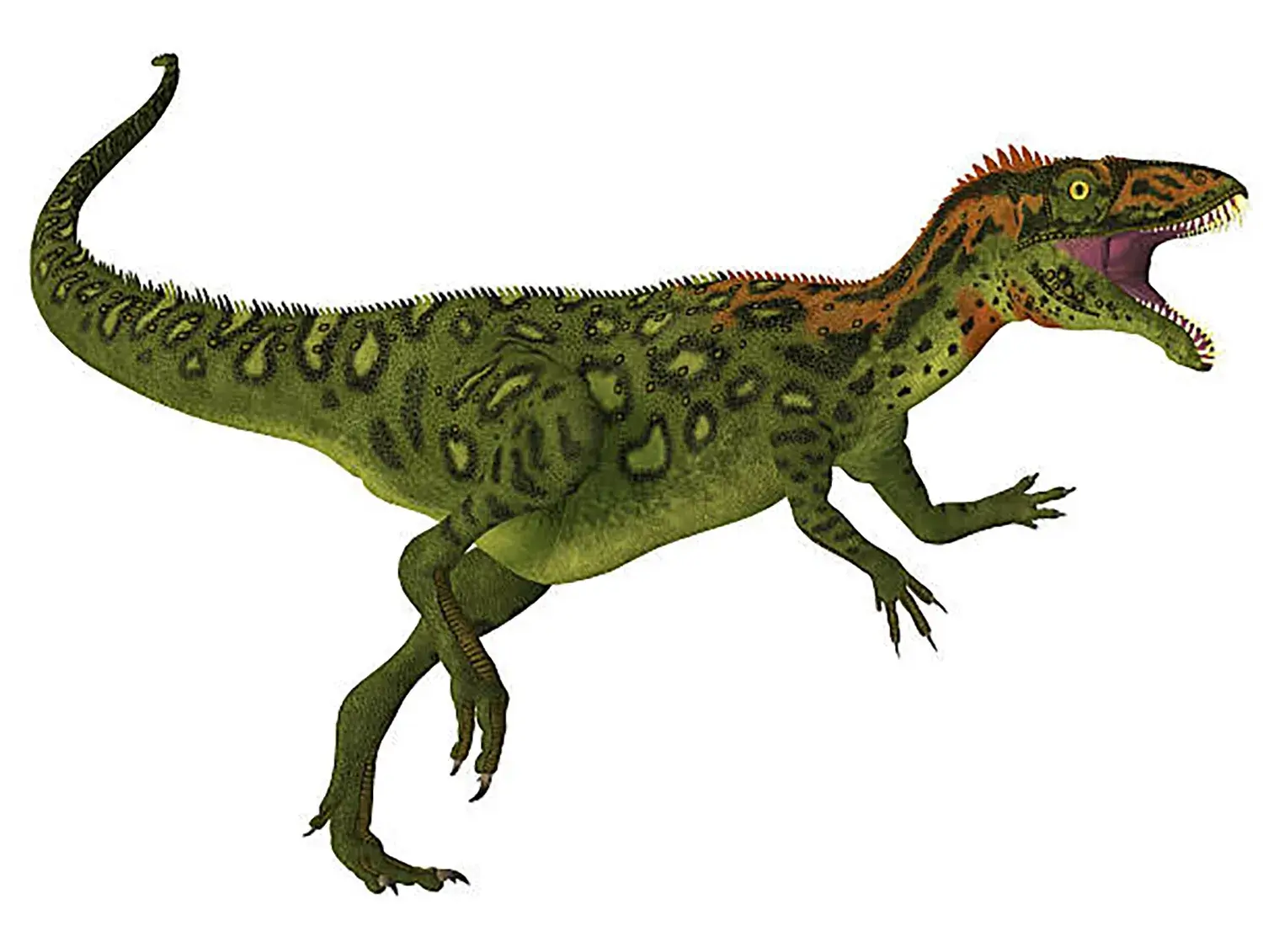
With a dentition resembling “buck teeth” protruding forward from its mouth and a scientific name derived from a famous rock band, this small carnivorous dinosaur has continued to make a strong impact since its description in 2001.
Astonishing “Buck Teeth”! The Mystery of the Forward-Protruding Teeth
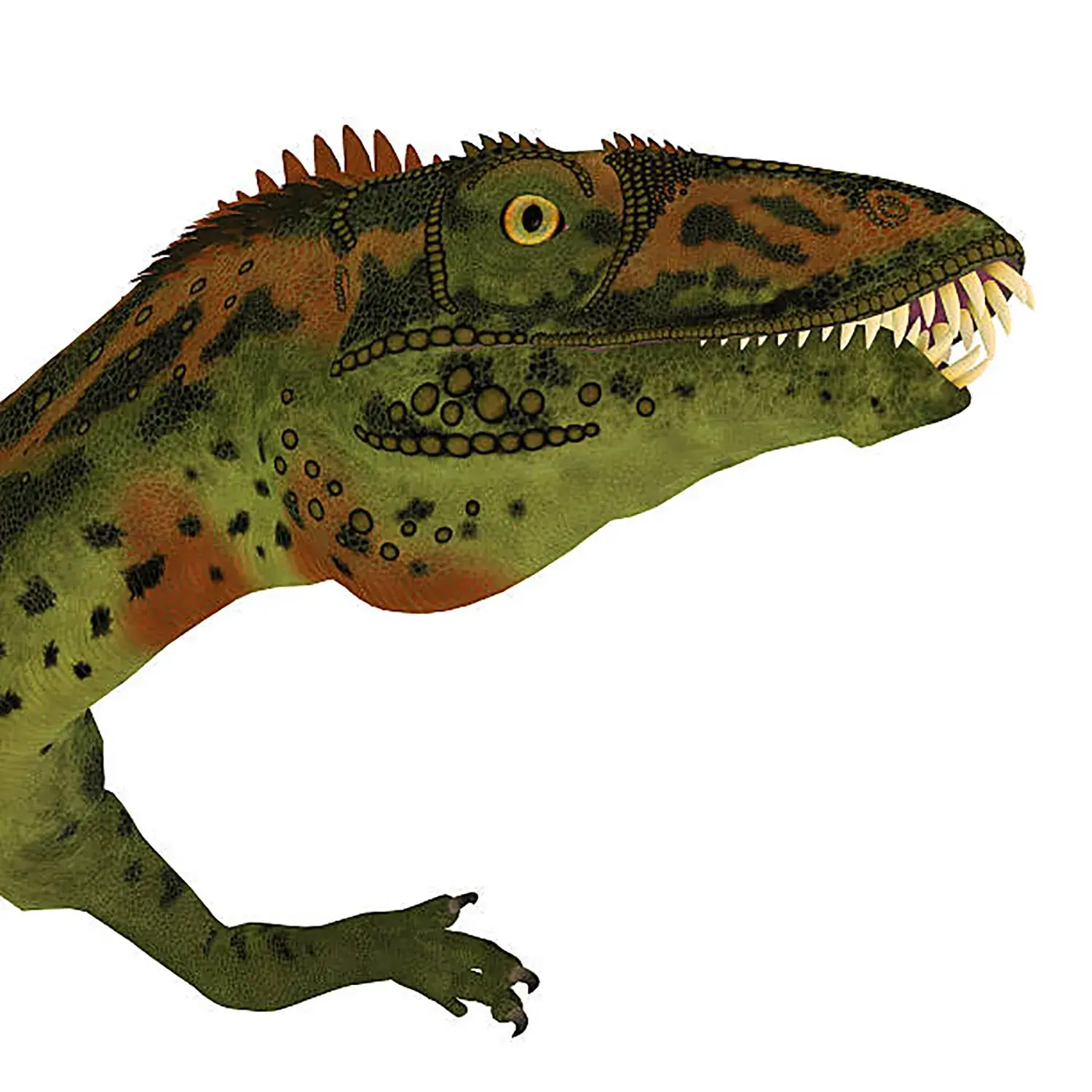
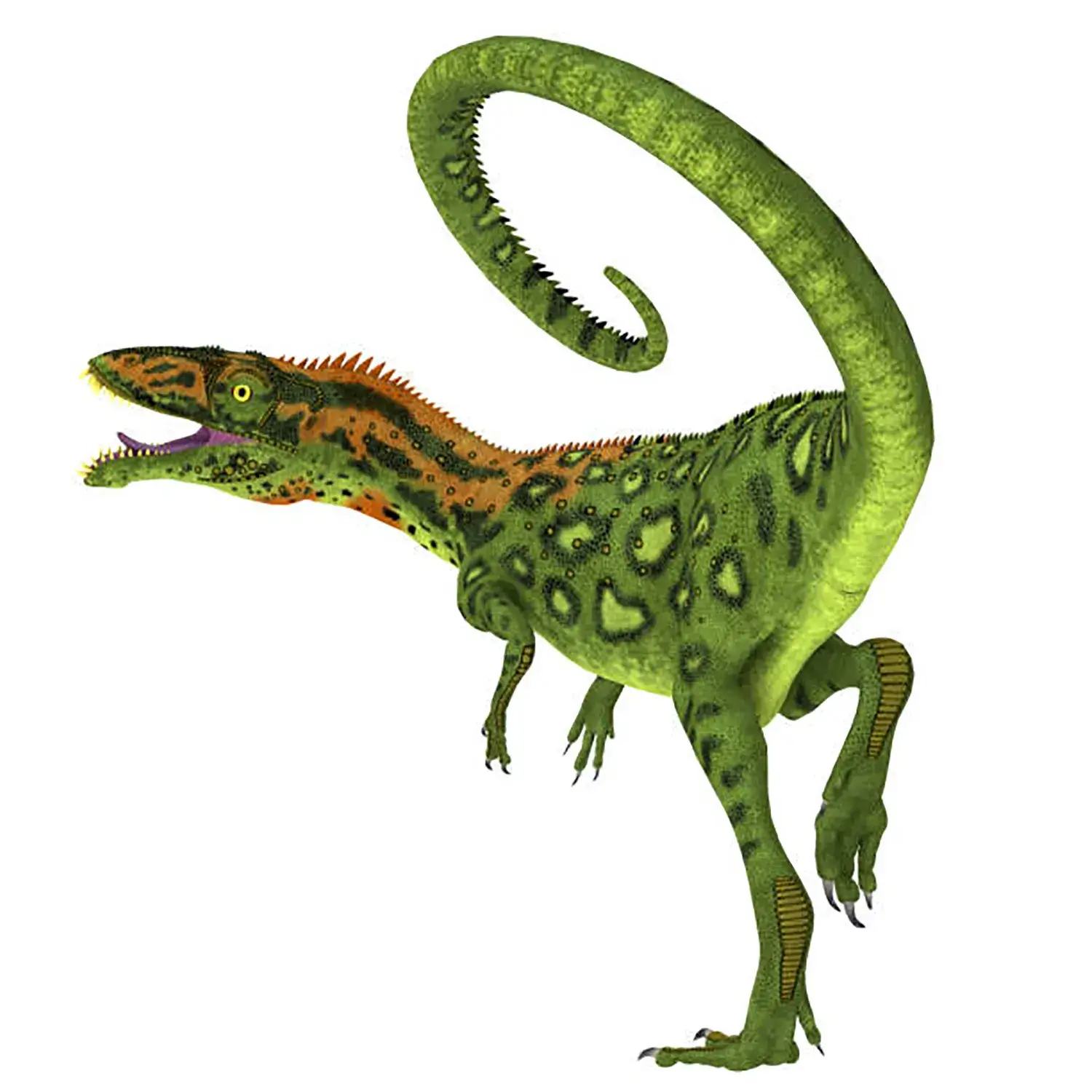
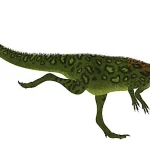
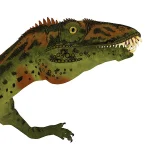
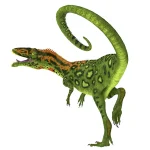
The greatest feature of Masiakasaurus, and a strange point not seen in other theropods (carnivorous dinosaurs), is its “mouth.”
Teeth Growing at a Near-Horizontal Angle
Looking at the tip of the lower jaw, surprisingly, the teeth were protruding “forward (outward).”
The teeth were protruding “forward (outward)”
Usually, carnivorous dinosaur teeth are vertical or inward-facing, but their frontmost teeth (especially the very front ones) grew at an angle just 10 degrees above horizontal, meaning they were projecting almost directly sideways.
Specialized for Piercing
The tip of the snout itself curved downward, and these structures show it was specialized for “piercing and catching” prey rather than “slicing meat.”
At first glance, they look like unsightly “buck teeth,” but they were functional weapons evolved to catch specific prey.
Fish-Eater or Omnivore? The Role of Strange Teeth
What did they eat using these specialized teeth?
Piscivore Theory (Predominant)
Forward-facing teeth are a feature often seen in fish-eating animals like modern cormorants, pterosaurs, and plesiosaurs.
Therefore, the theory that they used their teeth like a basket or fork to catch fast-moving fish is strong.
Omnivore Theory
Since related species include herbivores and omnivores, there is also a theory that they were omnivorous, eating insects, lizards, and fruits in addition to fish.
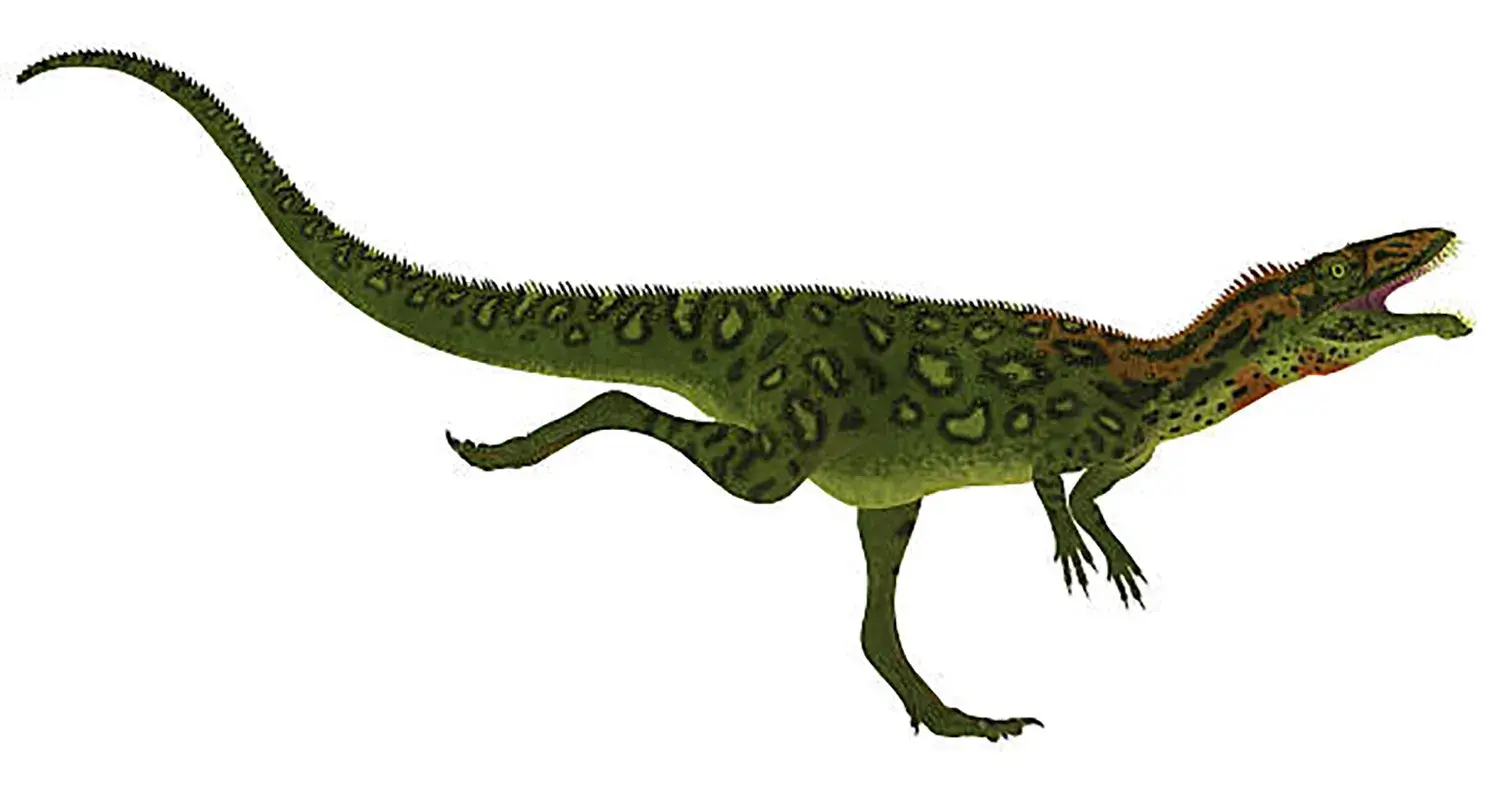
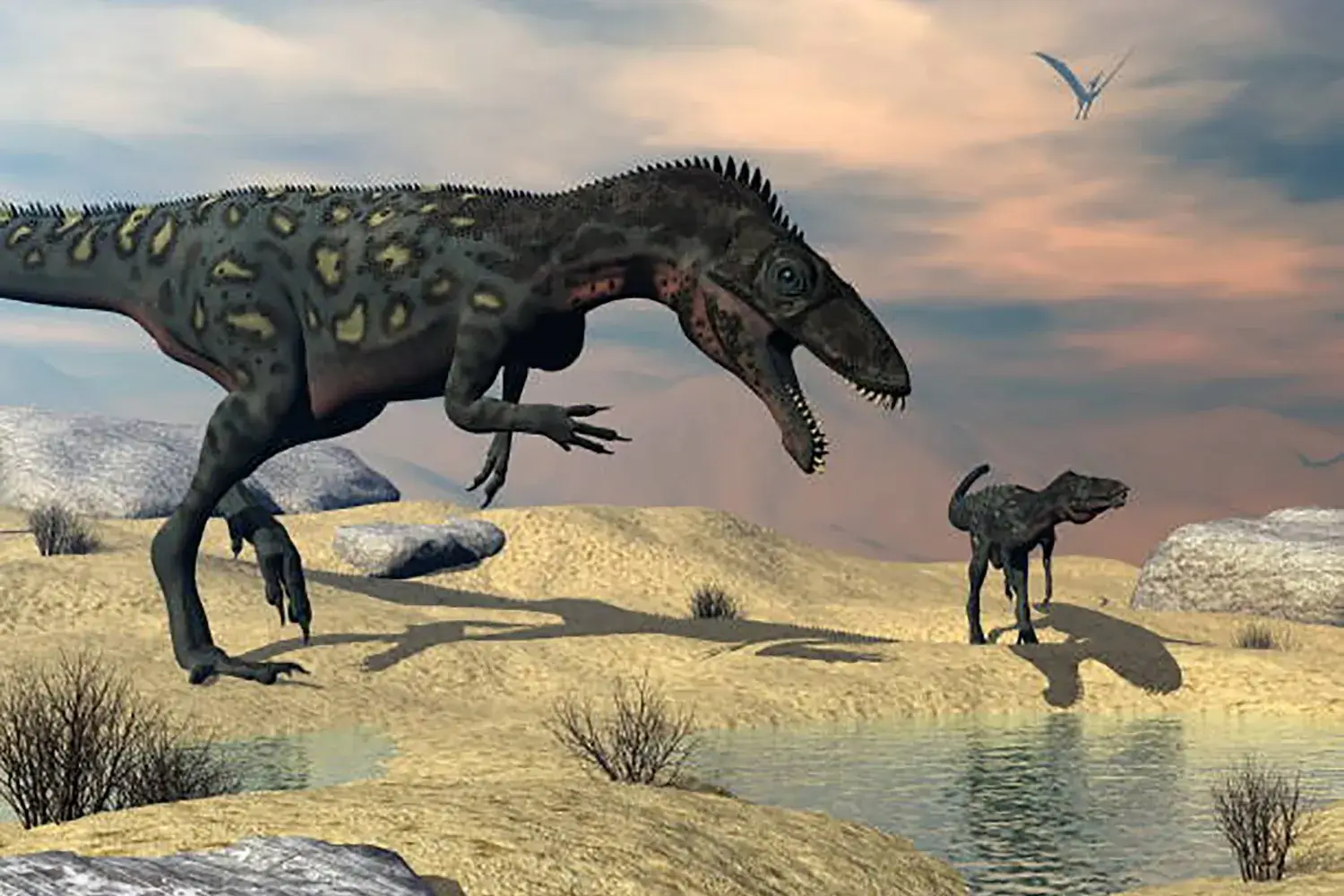
With a slender build of about 2 meters in length, they were likely not hunters that attacked large prey, but rather residents of Madagascar that dexterously caught manageable-sized prey.
The Unexpected Relationship Between the “Vicious Lizard” and a Rock Band
Masiakasaurus holds two meanings derived from its appearance and the story of its discovery.
The Name Means “Vicious”
The genus name “Masiaka” means “vicious” or “nasty” in the Malagasy language.
Literally translated, it is “Vicious Lizard.”
The shape of its teeth, which look ferocious and even grotesque, became the origin of this dishonorable name.
The Specific Name is “Dire Straits”
On the other hand, the specific name of its formal scientific name, “Masiakasaurus knopfleri,” honors Mark Knopfler, the leader of the legendary British rock band “Dire Straits.”
Since fossils were often found specifically when the excavation team was listening to their songs during work, a rock-and-roll name was inscribed to honor that luck and achievement.
Bonds of Gondwana: The Connection with South America
The discovery of Masiakasaurus is also important evidence proving the history of continental drift.
They are classified in the “Noasauridae” family within the Abelisaur group, but until then, small species of this group had only been found in South America.
By being discovered in far-away Madagascar, it proved that this group was already widely distributed during the era when South America and Madagascar were connected as the massive “Gondwana” continent.