
Nigersaurus
Name Origin
Lizard of Niger
Family
Rebbachisauridae
Classification
Diapsida, Saurischia, Sauropodomorpha
Habitat (Discovery Location)
Niger
Period
Approximately 110 million years ago (Early Cretaceous)
Length
Approximately 9 meters
Diet
Herbivore
You might also like... 

-
 Elaphrosaurus
- Classification
- Theropods
- Characteristics
- Carnivorous
- Era
- Jurassic period
- Sinosaurus
- Classification
- Theropods
- Characteristics
- Carnivorous
- Era
- Jurassic period
- Byronosaurus
- Classification
- Theropods
- Characteristics
- Carnivorous
- Era
- Cretaceous period
- Incisivosaurus
- Classification
- Theropods
- Characteristics
- Herbivorous
- Feathered
- Era
- Cretaceous period
-
Sponsored Links
-
Sponsored Links









![[Latest Research] What Was the Function of Spinosaurus's Giant "Sail"? Exploring the Mysteries of Thermoregulation and Underwater Locomotion](https://dinosaurmuseum.jp/wp/wp-content/uploads/eyecatch_spinosaurus-sail-function_en-1024x512.webp)
![[Latest Discovery] A Third Type of Skin, Neither Scales Nor Feathers? Meet "Haolong dongi," a New Dinosaur Species Covered Entirely in Spikes](https://dinosaurmuseum.jp/wp/wp-content/uploads/eyecatch_dinosaur-spiky-skin-discovery_en-1024x512.webp)
Description
In the world of dinosaurs, there are creatures with strange appearances that defy conventional wisdom.
Among them, there is one dinosaur that leaves an unforgettable impact once seen.
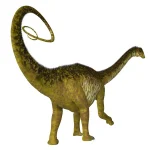
This is “Nigersaurus,” which lived in Africa during the Early Cretaceous period (approximately 110 million years ago).
They possessed a mouth like a vacuum cleaner and as many as 500 teeth.
We will explain this dinosaur, which became instantly popular in Japan after its skeleton was displayed at the “Great Dinosaur Exhibition” in 2009, covering the origin of its name, its unique ecology often referred to as a “living lawnmower,” and its astounding tooth structure.
“Lizard of Niger”: Name Origin and Size
Name and Discovery
The scientific name Nigersaurus is derived from the “Republic of Niger” in Africa where the fossils were discovered, meaning “Lizard of Niger.”
It is a relatively new dinosaur that was formally described in 1999.
Surprisingly Small? A Medium-Sized Sauropodomorph
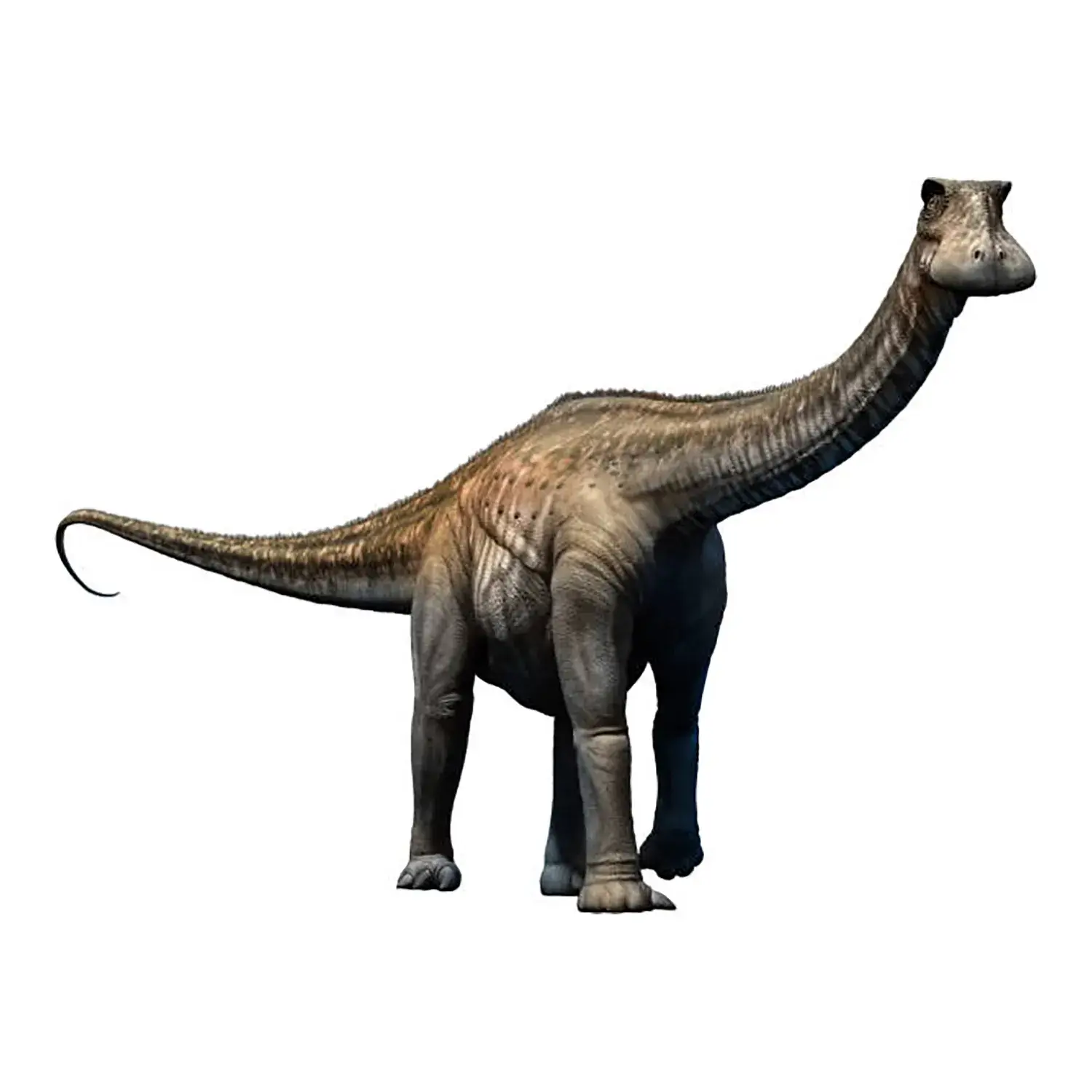
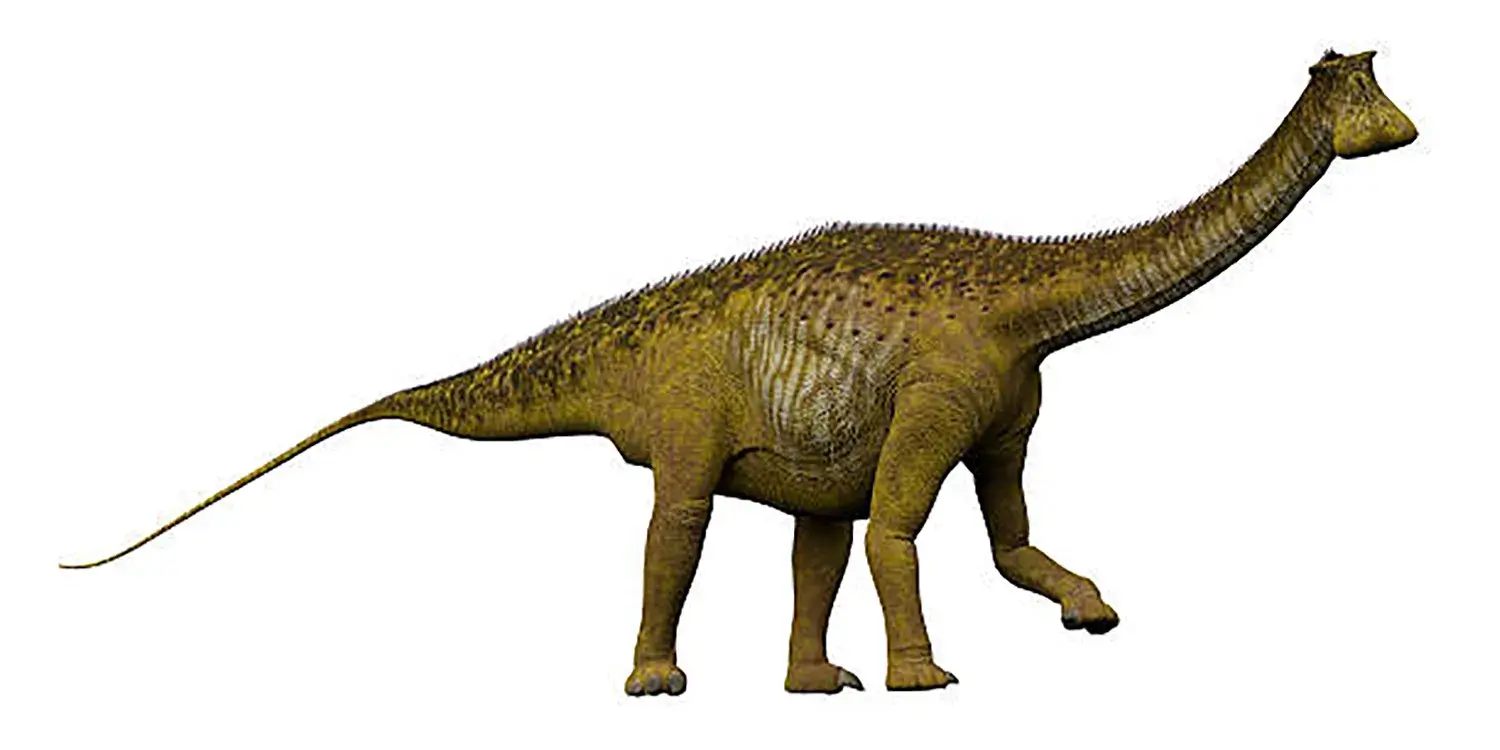
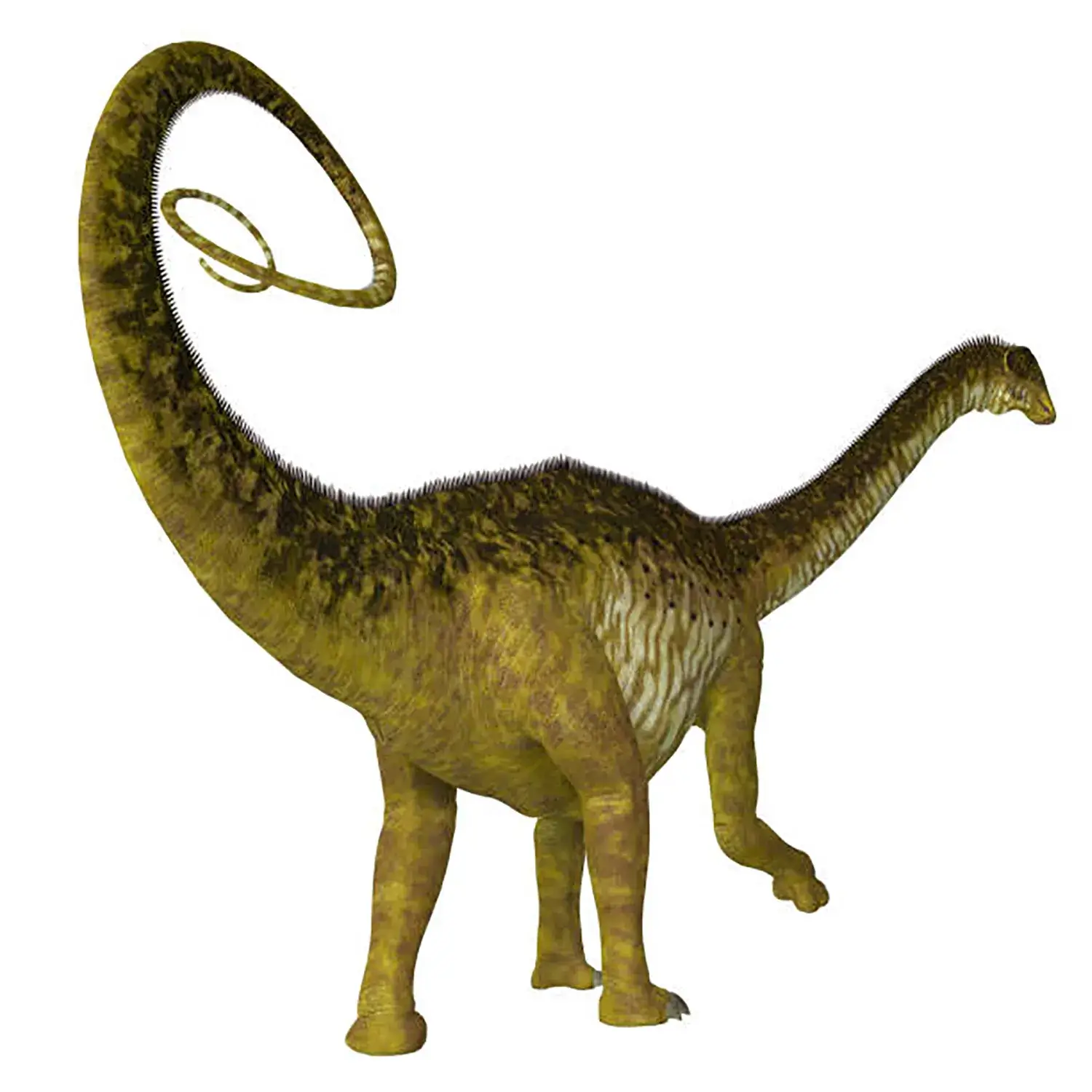
It was once thought to be over 15 meters long, but current research considers it a medium-sized sauropodomorph slightly over 9 meters in length.
Although it belongs to the same group as Brachiosaurus and Diplodocus, it was not as gigantic and had a shorter neck.
However, it possessed features far more distinct than its size.
Like a Vacuum Cleaner? A “Flat Mouth” Facing Straight Down
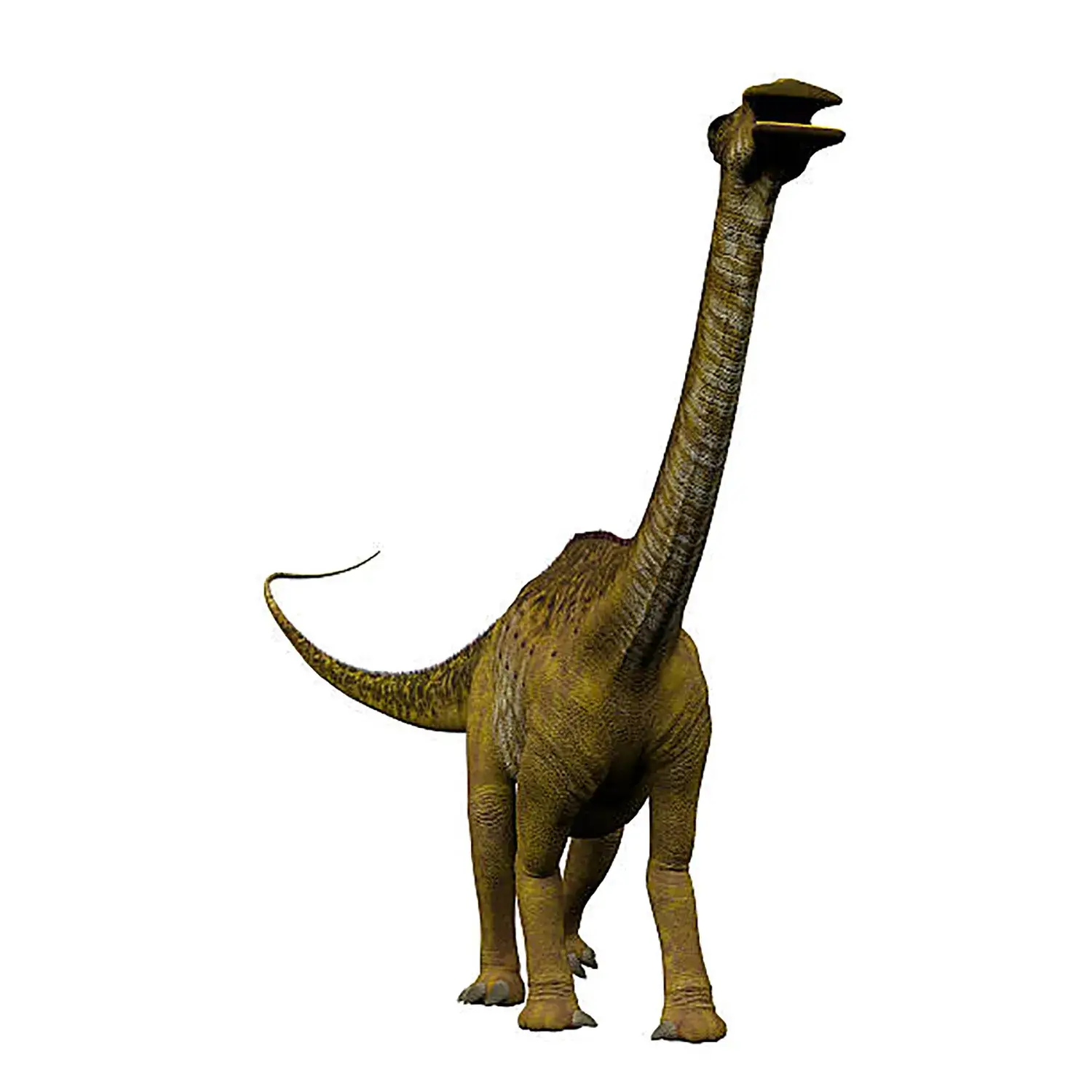
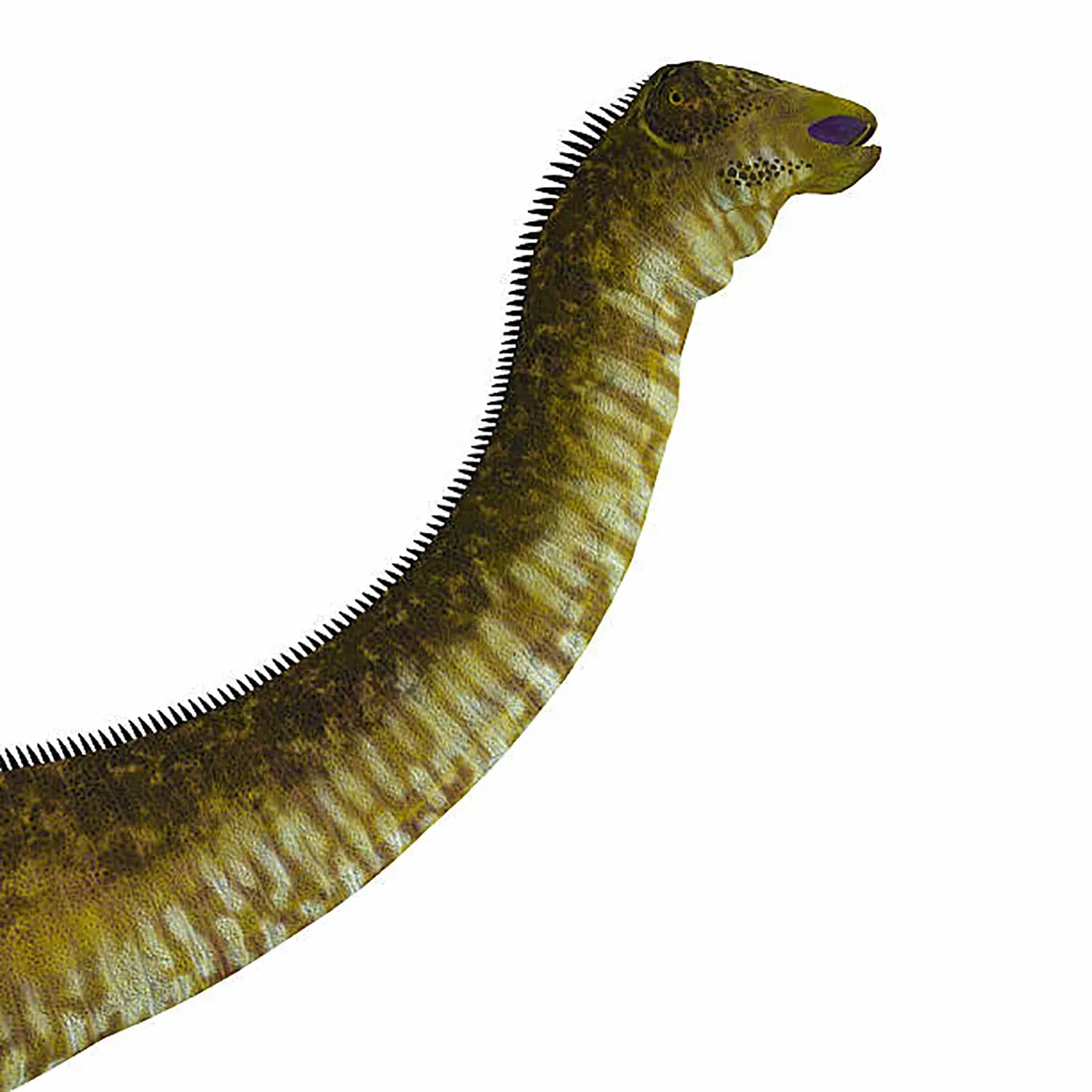
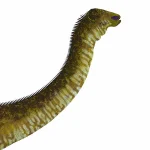
Its biggest feature is the strange shape of its head, which is unlike any other sauropodomorph.
A Flat, Duck-like Mouth
The snout spread straight out to the sides, forming a flat shape facing forward like a duck’s bill.
Its shape looks exactly like the “suction nozzle (head)” of a household canister vacuum cleaner.
The Mouth Faced “Straight Down”
Unlike normal dinosaurs, the mouth was structured to face “straight down (perpendicular to the ground).”
This tells us that they specialized in eating plants located on the ground.
500 Teeth! The Amazing “Dental Battery”
Inside that vacuum-like mouth lay a system that was among the most precise in the dinosaur world.
Teeth Lined Up Like a Comb
At the tip of the wide mouth, more than 80 small teeth were lined up tightly in a single row, resembling a comb or a flower frog.
500 Spare Teeth
Even more surprisingly, behind the surface teeth (inside the gums), many “spare teeth” were waiting in bundles.
The number reached up to 10 sets, with a total of as many as 500 teeth.
This mechanism, where spare teeth from behind immediately push out to replace worn teeth, is called a “dental battery.”
This feature is usually seen in duck-billed dinosaurs (hadrosaurs) and ceratopsians, so it is extremely rare for a sauropodomorph to possess this advanced chewing system.
Paper-Thin Bones and the Ecology of a “Lawnmower”
Surprising Bone Density
The interiors of its vertebrae (backbones) were largely hollow, and the bone walls were so fragile and lightweight that they are described as being “paper-thin.”
This may have been an evolutionary trait to increase energy efficiency.
A “Mowing” Eating Style
A short neck, a downward-facing mouth, and light bones.
From these characteristics, it is believed that they rarely lifted their heads.
They brought their vacuum-like mouths close to the ground and ate ferns and grass by mowing them down over a wide area like a “lawnmower.”
The 500 teeth were a powerful weapon designed to efficiently process large amounts of vegetation.