
Pelecanimimus


Name Origin
Pelican Mimic
Classification
Diapsida, Saurischia, Theropoda
Habitat (Discovery Location)
Spain
Period
Early Cretaceous
Length
Approximately 2–2.5 meters
Weight
Approximately 20–40 kg
Diet
Piscivore? (Fish-eater?)
You might also like... 

-
 Moros
Moros- Classification
- Theropods
- Characteristics
- Carnivorous
- Era
- Cretaceous period
- Carcharodontosaurus
- Classification
- Theropods
- Characteristics
- Carnivorous
- Era
- Cretaceous period
- Sinosauropteryx
- Classification
- Theropods
- Characteristics
- Carnivorous
- Feathered
- Era
- Cretaceous period
- Eudimorphodon
- Classification
- Flying reptiles
- Characteristics
- Carnivorous
- Era
- Triassic period
-
Sponsored Links
-
Sponsored Links









![[Latest Research] What Was the Function of Spinosaurus's Giant "Sail"? Exploring the Mysteries of Thermoregulation and Underwater Locomotion](https://dinosaurmuseum.jp/wp/wp-content/uploads/eyecatch_spinosaurus-sail-function_en-1024x512.webp)
![[Latest Discovery] A Third Type of Skin, Neither Scales Nor Feathers? Meet "Haolong dongi," a New Dinosaur Species Covered Entirely in Spikes](https://dinosaurmuseum.jp/wp/wp-content/uploads/eyecatch_dinosaur-spiky-skin-discovery_en-1024x512.webp)
Description
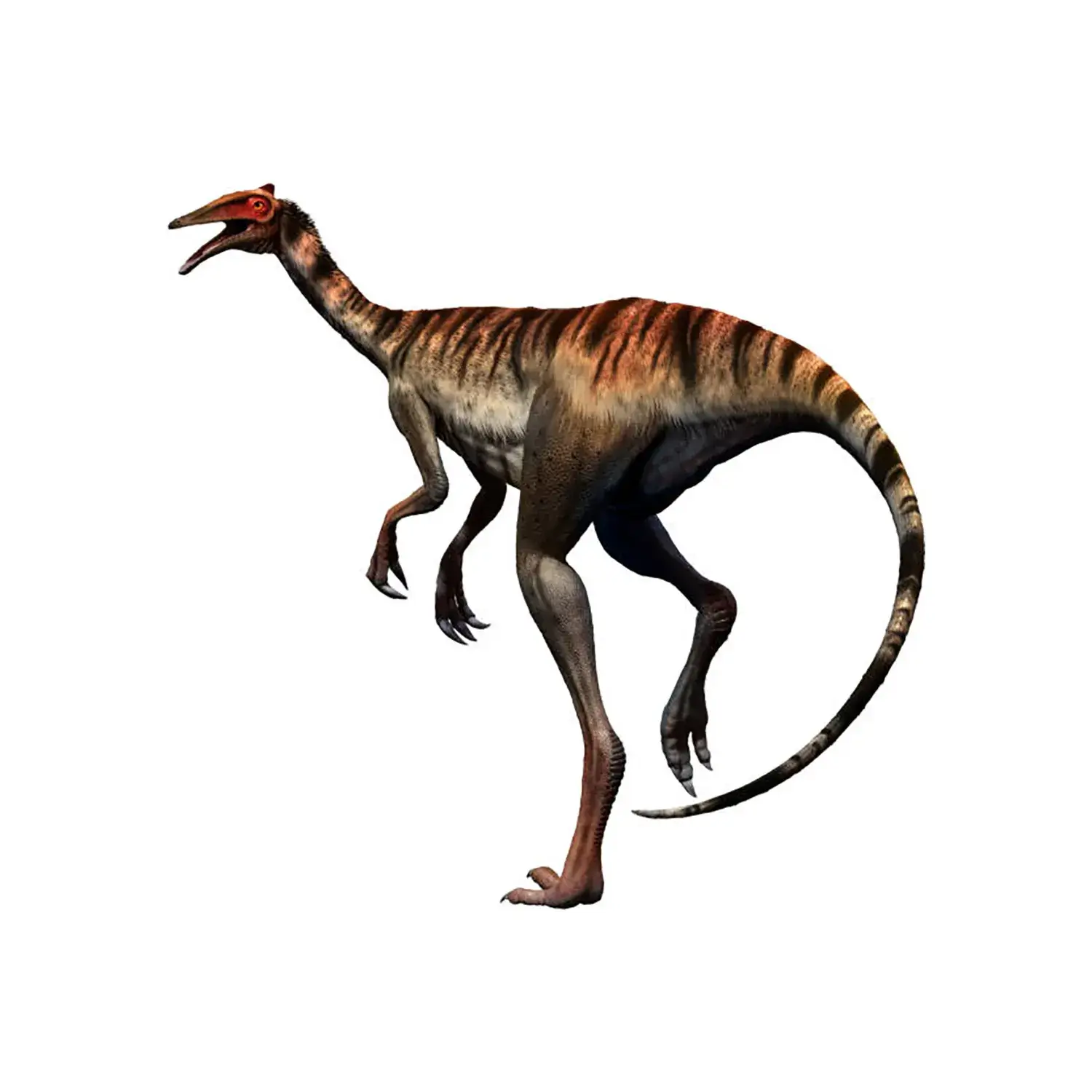
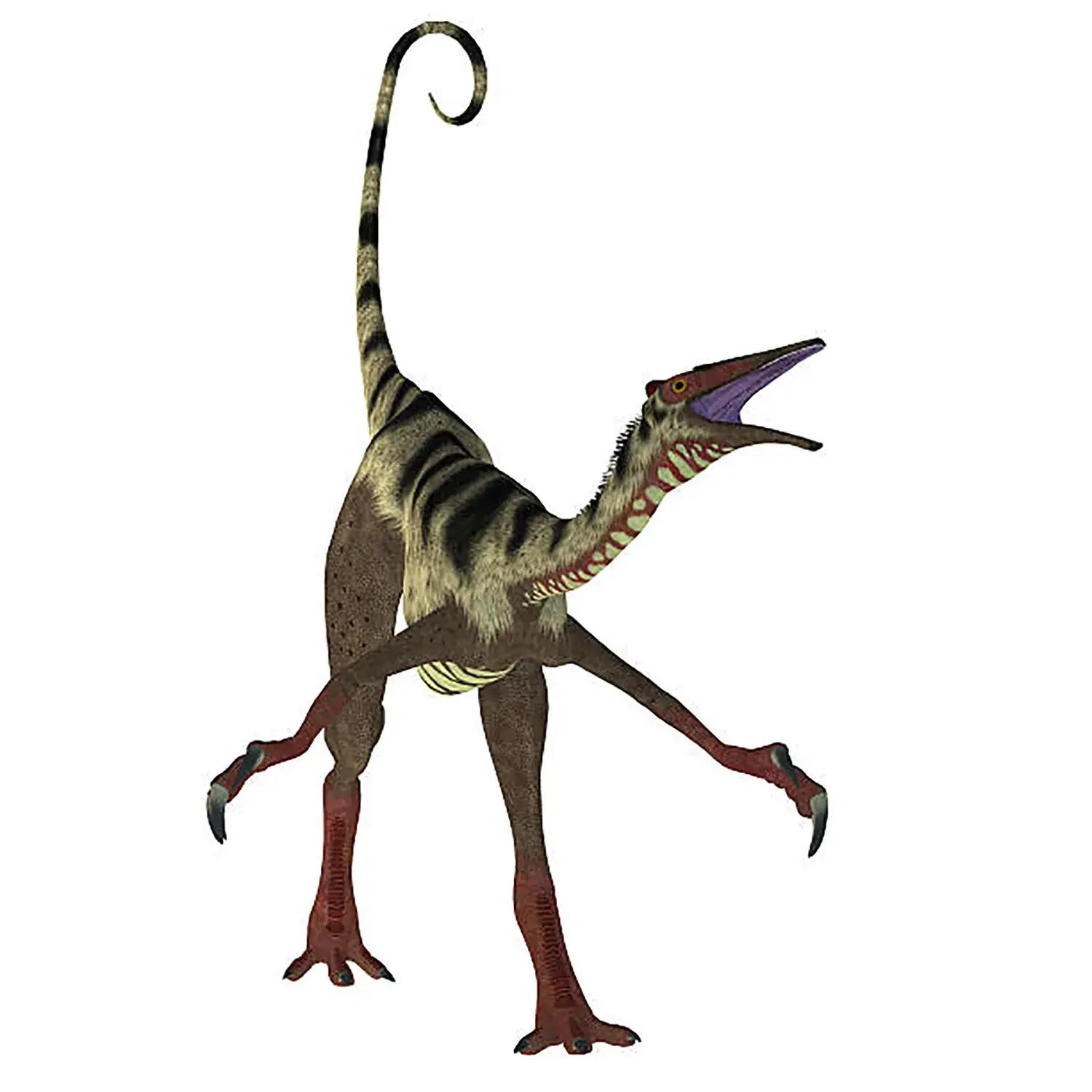
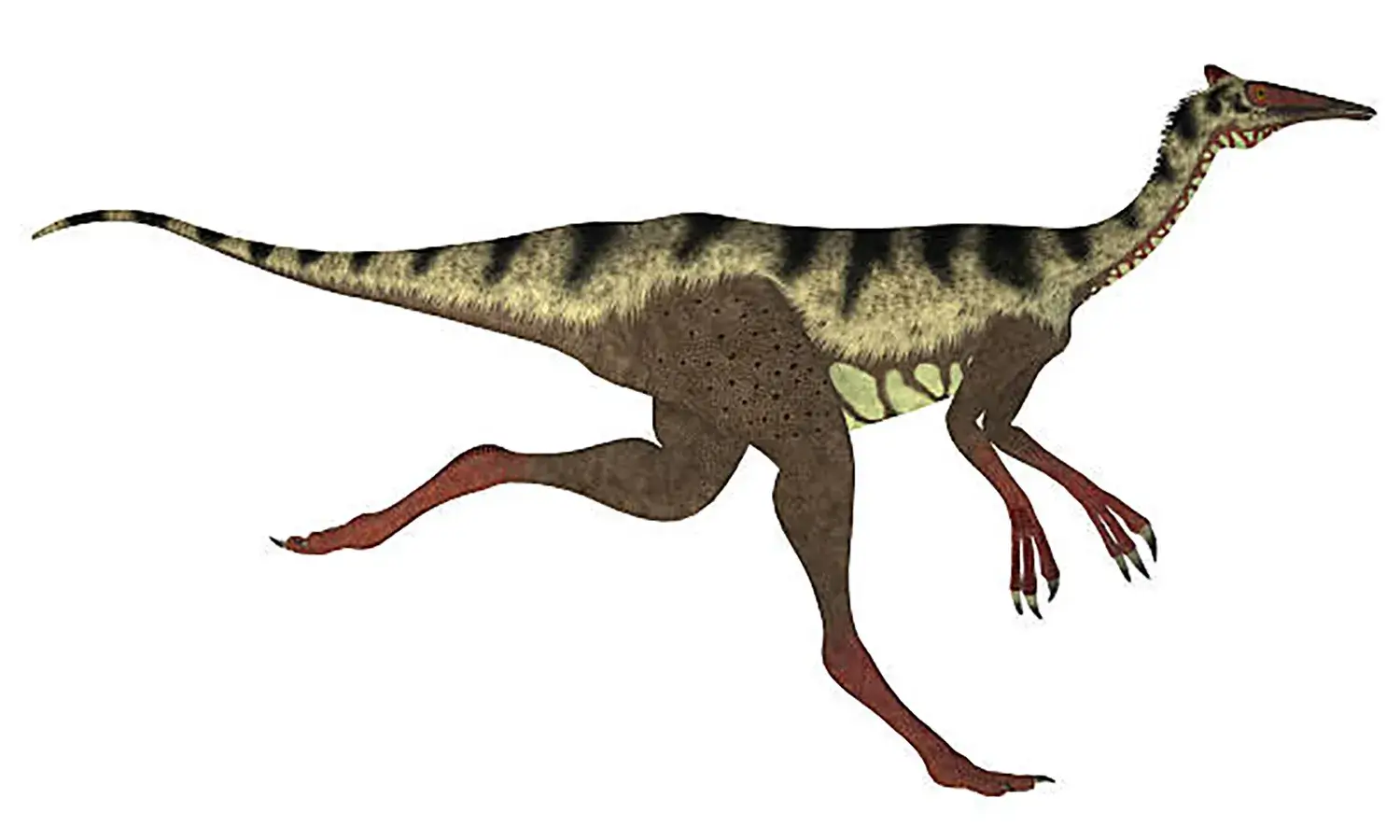
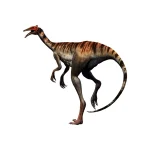
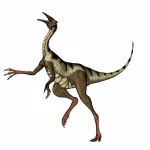
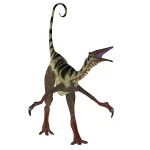
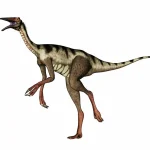
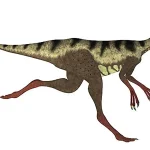
Pelecanimimus is a type of ornithomimosaur (ostrich dinosaur) that lived in Spain during the Early Cretaceous.
While it is common knowledge that this group, represented by dinosaurs like Gallimimus, “possessed beaks and lacked teeth,” Pelecanimimus overturned this norm by possessing “over 220 teeth.”
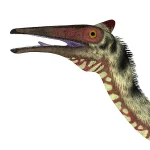
The Origin of “Pelican Mimic” Lies in the Throat Pouch
Fossils of Pelecanimimus were discovered at the “Las Hoyas fossil site” in Spain, famous for its excellent state of preservation.
Here, not only bones but also traces of “soft tissue (skin and internal organs),” which usually do not survive, have been confirmed.
Expandable “Throat Pouch”
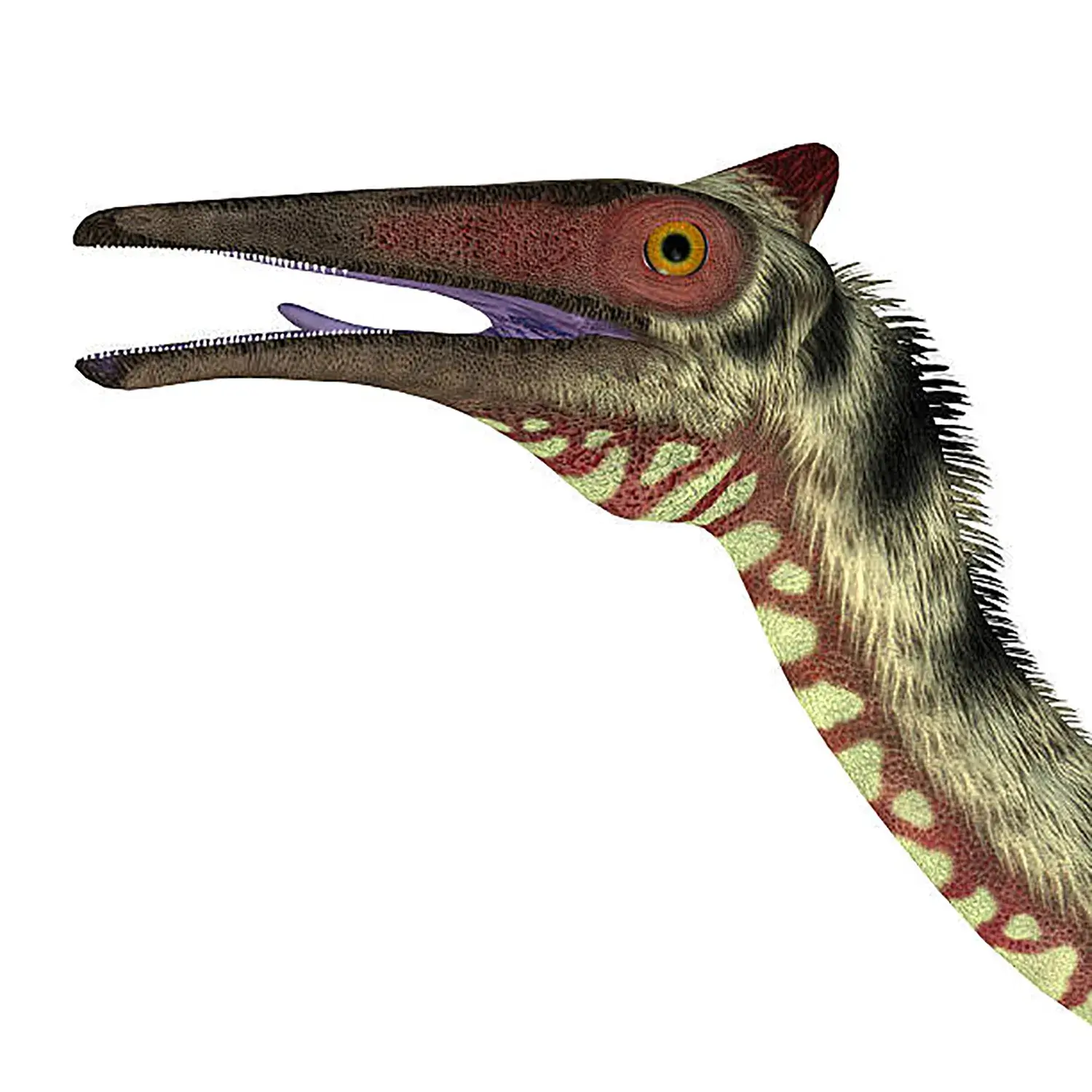
The discovered fossil clearly retained traces of a “throat pouch” made of skin on the lower jaw.
It is believed that this pouch was elastic and could be tucked under the throat when not in use.
Because this structure closely resembled that of modern pelicans and waterbirds, it was named “Pelecanimimus (Pelican Mimic).”
It is also known that there was a small bony projection (like a crest) on the back of the head.
The Most of Any Theropod! 220 Teeth Lined Up in the Mouth
The greatest characteristic of Pelecanimimus, and the point that decisively differs from other ornithomimosaurs, is the existence of “teeth.”
Tiny Teeth Lined Up Tightly
While evolved species (like Gallimimus) lost their teeth, the mouth of Pelecanimimus, the most primitive member, contained over 220 small teeth, each about 5 mm long.
Over 220 small teeth, each about 5 mm long, were lined up
This is the highest number among currently known theropods (carnivorous dinosaurs).
They were a species at the early stage of the evolutionary process from “ancestors with teeth” to “toothless ostrich dinosaurs.”
Fish or Plankton? The Mystery of Diet
With so many teeth and a distinctive throat pouch, what on earth did they eat?
Three main theories have been proposed.
Piscivory (Pelican Theory)
As the name suggests, the theory is that they stored fish in their throat pouch to eat, like a pelican.
Filter Feeding (Filter Theory)
The theory that they used their dense array of 220 teeth as a “filter” to strain plankton and algae from the water.
It is also suggested that they may have used a muscular tongue.
Herbivory (Chewing Theory)
The theory that they chewed and ate plants, similar to later groups.
Perhaps not limited to just one, they may have been dexterous omnivorous dinosaurs using their long arms and fingers to eat everything from fish to plants.
Did It Have Feathers? The Mystery of the Remaining Skin
Regarding the appearance of Pelecanimimus, the presence or absence of “feathers” is also a subject of debate.
Theory Supporting Feathers
Since ornithomimosaurs are a group of feathered dinosaurs, it is natural for them to possess feathers.
There are reports stating that traces of feathers have actually been confirmed.
Theory Against Feathers
On the other hand, there are reports that the “skin impressions” remaining in the fossils showed absolutely no evidence of feathers.
It is difficult to judge whether this means “parts of the body lacked feathers” or simply that they “did not survive fossilization.”