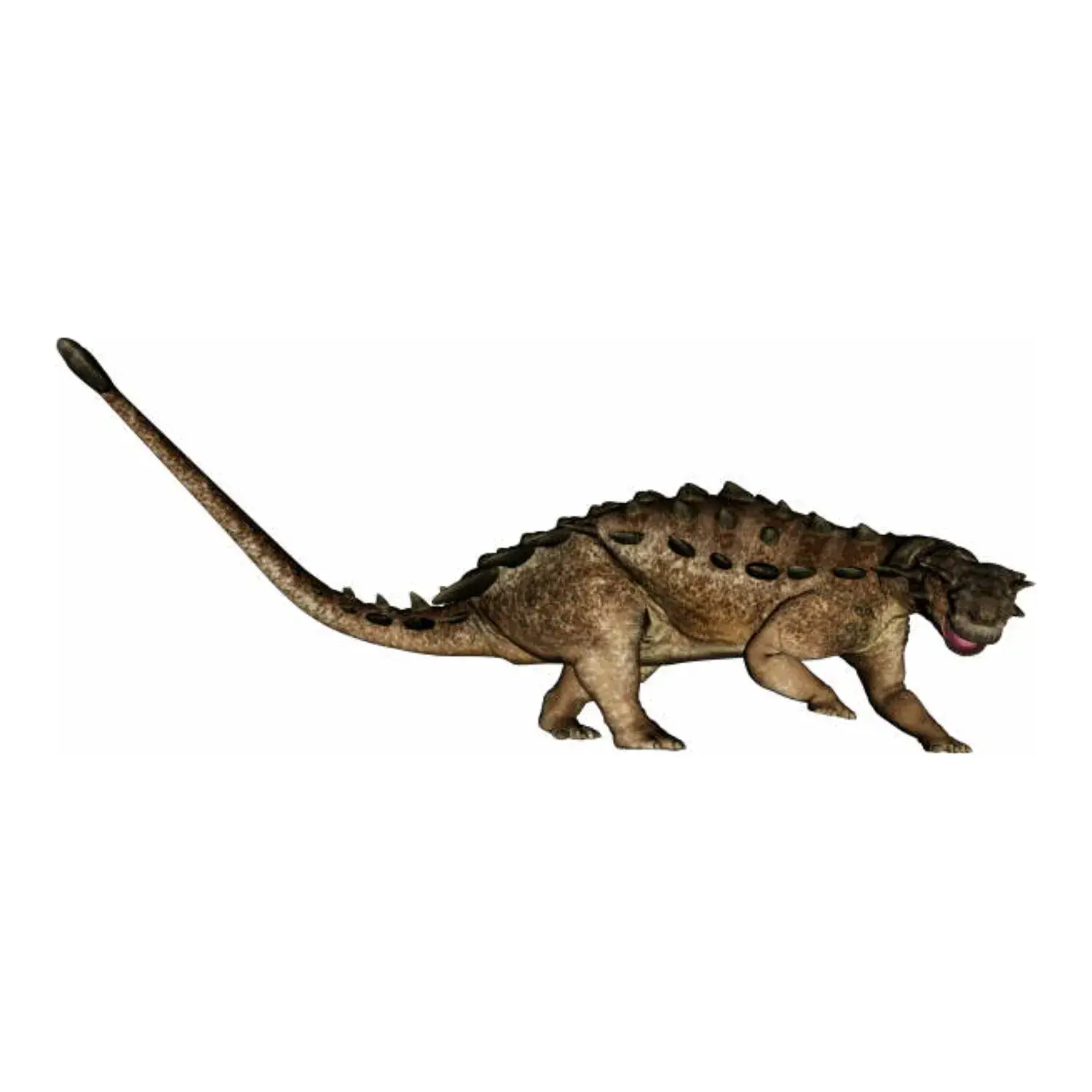
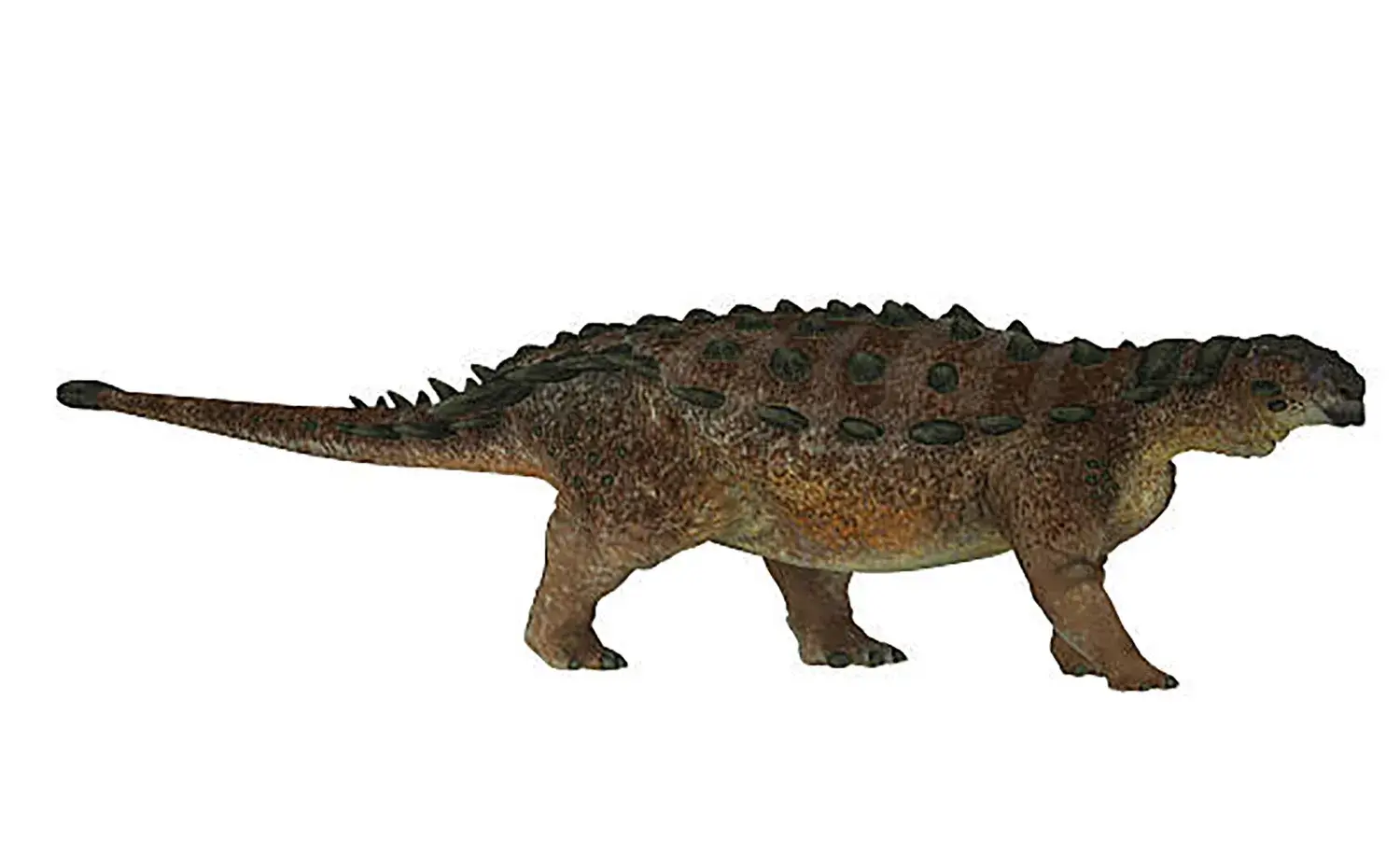
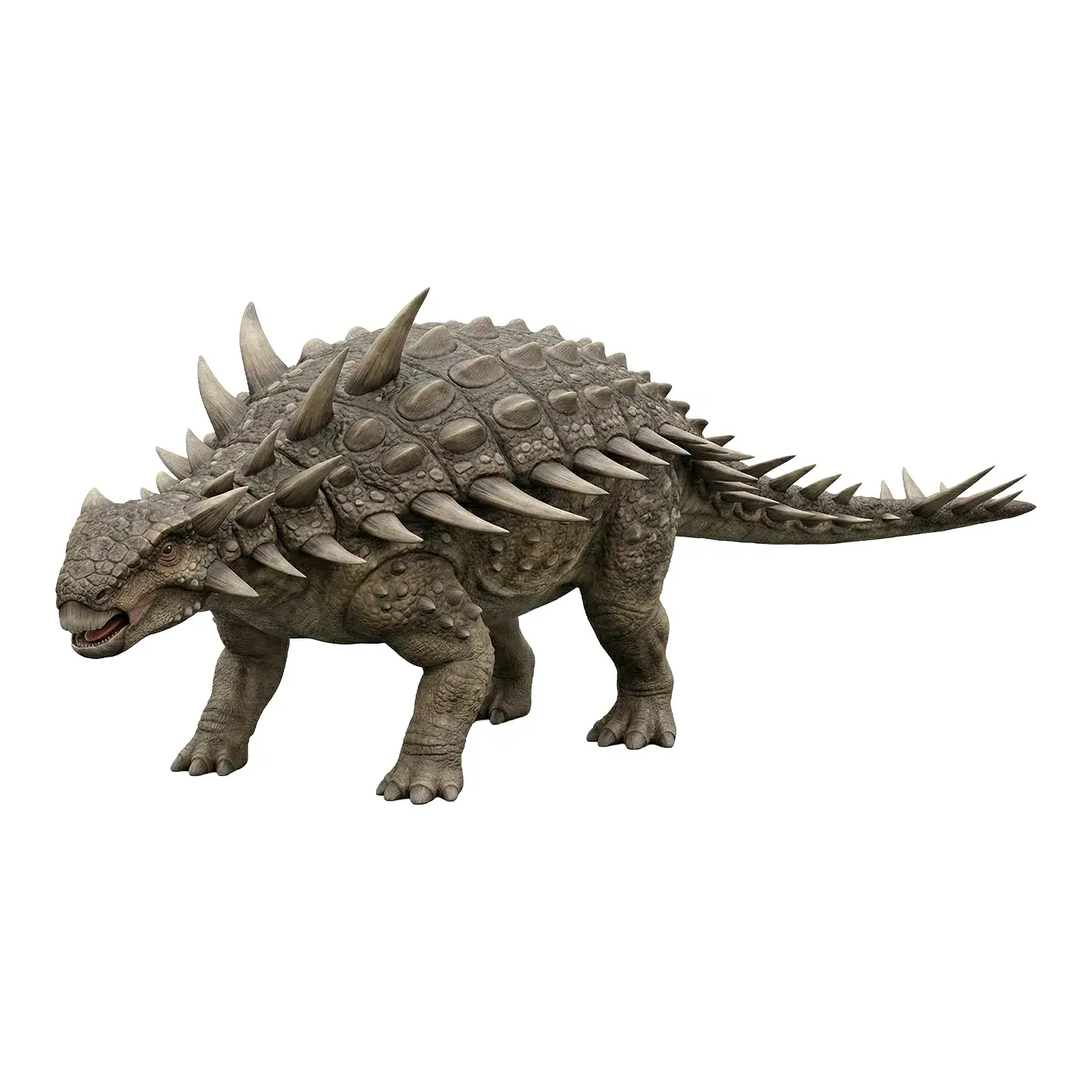
Pinacosaurus
Name Origin
Plank lizard
Family
Ankylosauridae
Classification
Diapsida, Ornithischia, Thyreophora
Habitat (Discovery Location)
Mongolia, China
Period
Approximately 80 to 75 million years ago (Late Cretaceous)
Length
Approximately 5 meters
Weight
Approximately 2 tons
Diet
Herbivore (Plant-eater)
You might also like... 

-
 Dryosaurus
- Classification
- Ornithopoda
- Characteristics
- Herbivorous
- Era
- Jurassic period
- Microraptor
- Classification
- Theropods
- Characteristics
- Carnivorous
- Feathered
- Era
- Cretaceous period
- Eotyrannus
- Classification
- Theropods
- Characteristics
- Carnivorous
- Era
- Cretaceous period
- Shunosaurus
- Classification
- Sauropods
- Characteristics
- Herbivorous
- Era
- Jurassic period
-
Sponsored Links
-
Sponsored Links






![[Latest Research] What Was the Function of Spinosaurus's Giant "Sail"? Exploring the Mysteries of Thermoregulation and Underwater Locomotion](https://dinosaurmuseum.jp/wp/wp-content/uploads/eyecatch_spinosaurus-sail-function_en-1024x512.webp)
![[Latest Discovery] A Third Type of Skin, Neither Scales Nor Feathers? Meet "Haolong dongi," a New Dinosaur Species Covered Entirely in Spikes](https://dinosaurmuseum.jp/wp/wp-content/uploads/eyecatch_dinosaur-spiky-skin-discovery_en-1024x512.webp)
Description
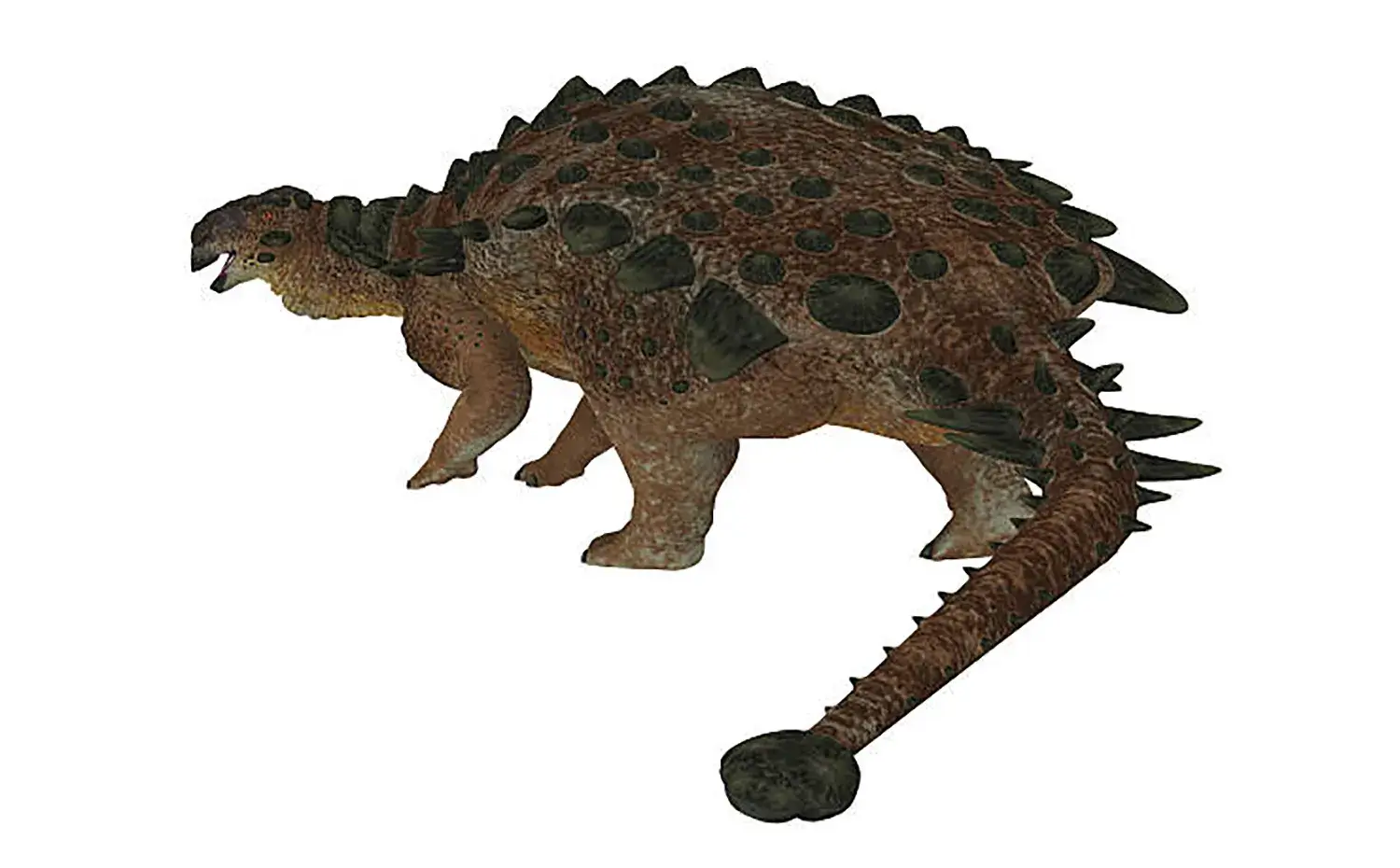
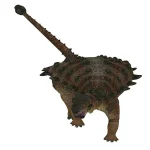
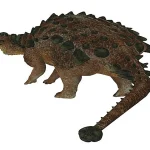
“Pinacosaurus” was a dinosaur that roamed the arid lands from Mongolia to China (Inner Mongolia) during the Late Cretaceous period.
It is a representative medium-sized armored dinosaur (family Ankylosauridae) of Asia, having inhabited the same dune regions as Protoceratops and Velociraptor.
Since the discovery of a well-preserved full skeleton in 1923, numerous fossils representing various growth stages have been unearthed, making it one of the best-known armored dinosaurs in Asia.
Characteristics of Pinacosaurus
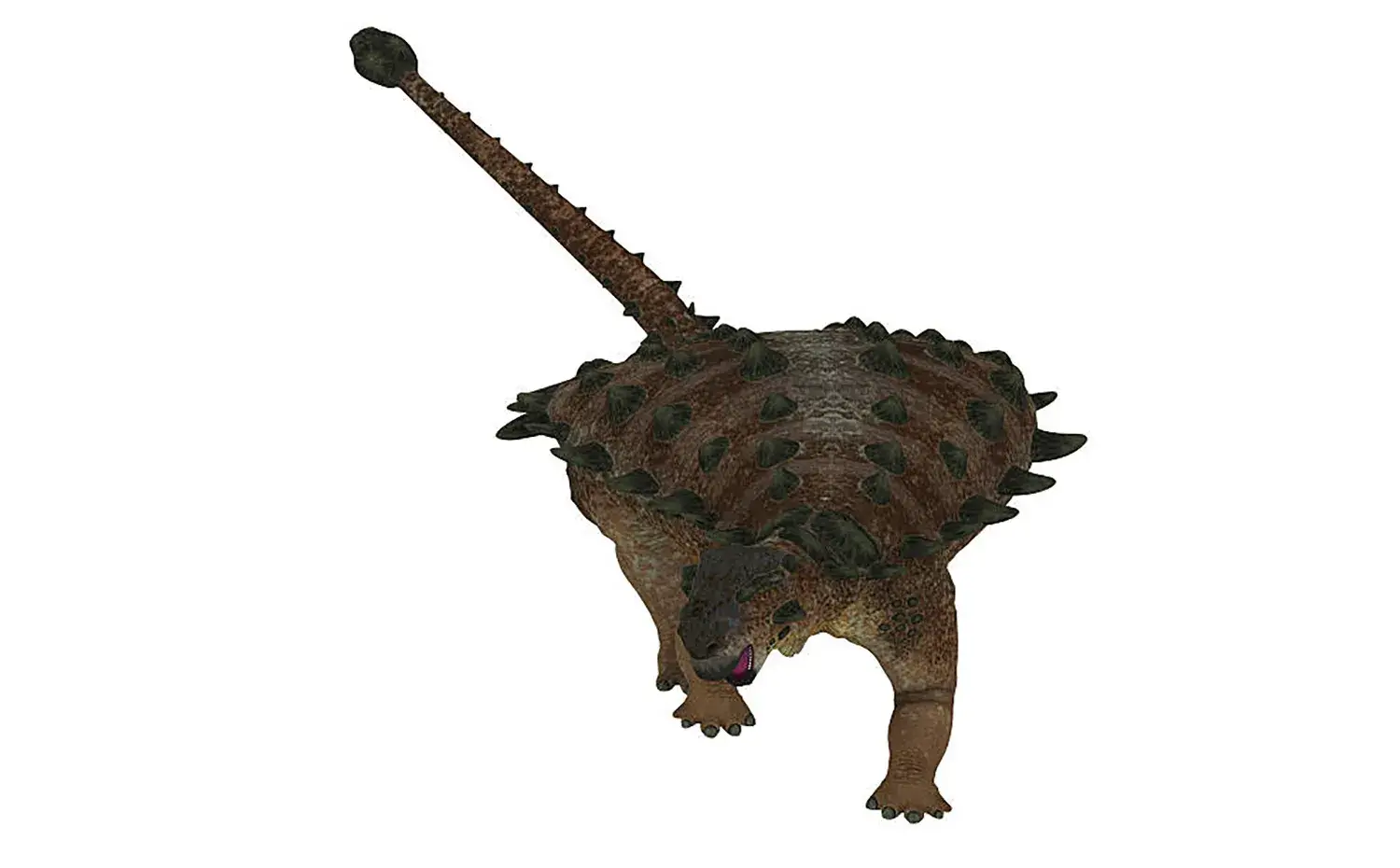
Pinacosaurus possessed the standard features of the Ankylosauridae family, such as “sturdy armor (osteoderms) covering its back” and a “club (tail club/hammer) at the tip of its tail” (though the hammer was somewhat smaller compared to its close relatives).
Possessed “sturdy armor (osteoderms) covering its back” and a “club (tail club/hammer) at the tip of its tail”
The Biggest Mystery! The Role of the “Six Nasal Openings” on Its Head
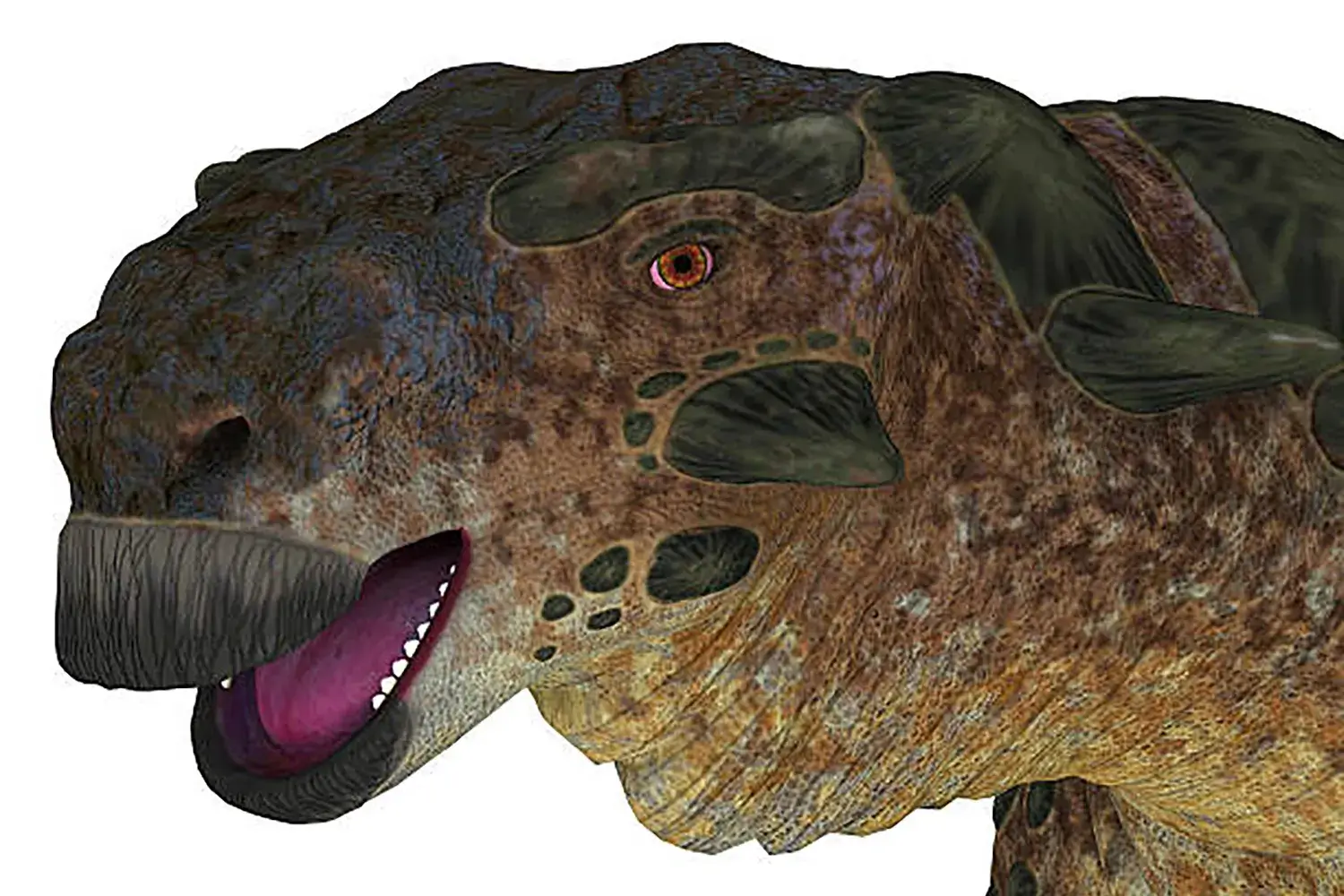
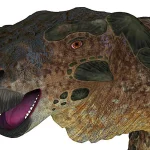
The greatest feature of Pinacosaurus lies in its bizarre head.
When looking at the skull from the front, surprisingly, there are “six holes (nares/nasal openings).”
Of course, only two of them were actual nostrils used for breathing, but what the remaining extra holes were for has been a long-standing mystery.
Currently, the following theories have been proposed regarding the role of these holes:
Salt Gland Theory
The idea that, because they lived in arid desert regions, they housed organs (salt glands) to excrete excess salt from their bodies.
Resonance Chamber Theory
The idea that they functioned as organs for producing complex vocalizations.
Together with the 14 teeth growing in its upper jaw, there is no doubt it had a highly impactful facial appearance.
Becoming Fully Armed with Age! The Growth Process of Armored Dinosaurs
Pinacosaurus, from which abundant fossils have been discovered, is also a rare dinosaur whose “growth process” is known in detail.
While full-body armor is synonymous with armored dinosaurs, they were actually not armed from birth.
No bony armor has been found on the fossils of juveniles about 2 meters long, and their tail clubs were also undeveloped.
According to research, their osteoderms (armor) finally began to appear around 3 years of age, with the armor developing sequentially first on the neck, then the back, and finally the tail.
It is known that their greatest weapon, the tail club, did not form until they had grown considerably.
(*Surprisingly, fossils of adult individuals are almost unknown, so the exact arrangement of the final osteoderms on their backs remains unclear.)
The Miracle Left by Sandstorms: A “Dinosaur Nursery” and High Sociability
So, how did juveniles and subadults without powerful weapons or armor survive the harsh Cretaceous environment where carnivorous dinosaurs prowled?
The answer lay in their “high sociability.”
In the desert region where they lived (the Gobi Desert), many dense fossil beds (bonebeds) have been found, believed to be the result of them being buried alive by severe sandstorms.
These became precious time capsules for understanding their ecology at the time.
Seven Huddled Young
During an excavation in 1993, fossils of seven young Pinacosaurus were discovered huddled together with their heads pointing in alternating directions inside a nest buried by a sandstorm.
This was the first discovery to indicate the possibility of child-rearing and group behavior among armored dinosaurs.
A “Nursery Herd” Just for the Young
Furthermore, in another location, dozens of young Pinacosaurus were found piled on top of each other, without a single adult individual included.
From this, it is highly likely that Pinacosaurus offspring left their parents once they reached a certain size, forming a “nursery herd (dinosaur nursery)” composed entirely of immature young to live in a group.
Lacking weapons, they likely protected each other from predators by forming herds, much like modern African buffalo or ostriches.