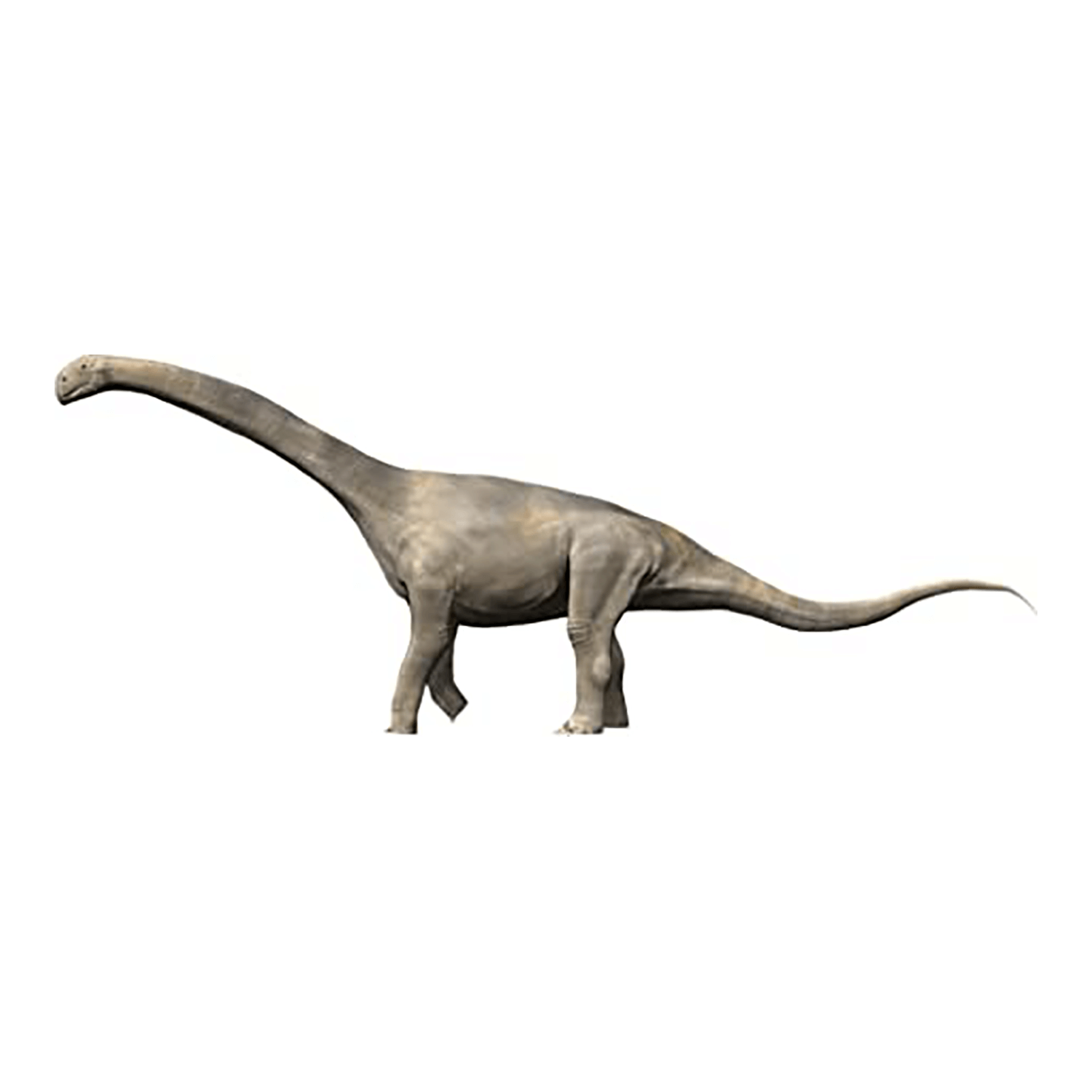
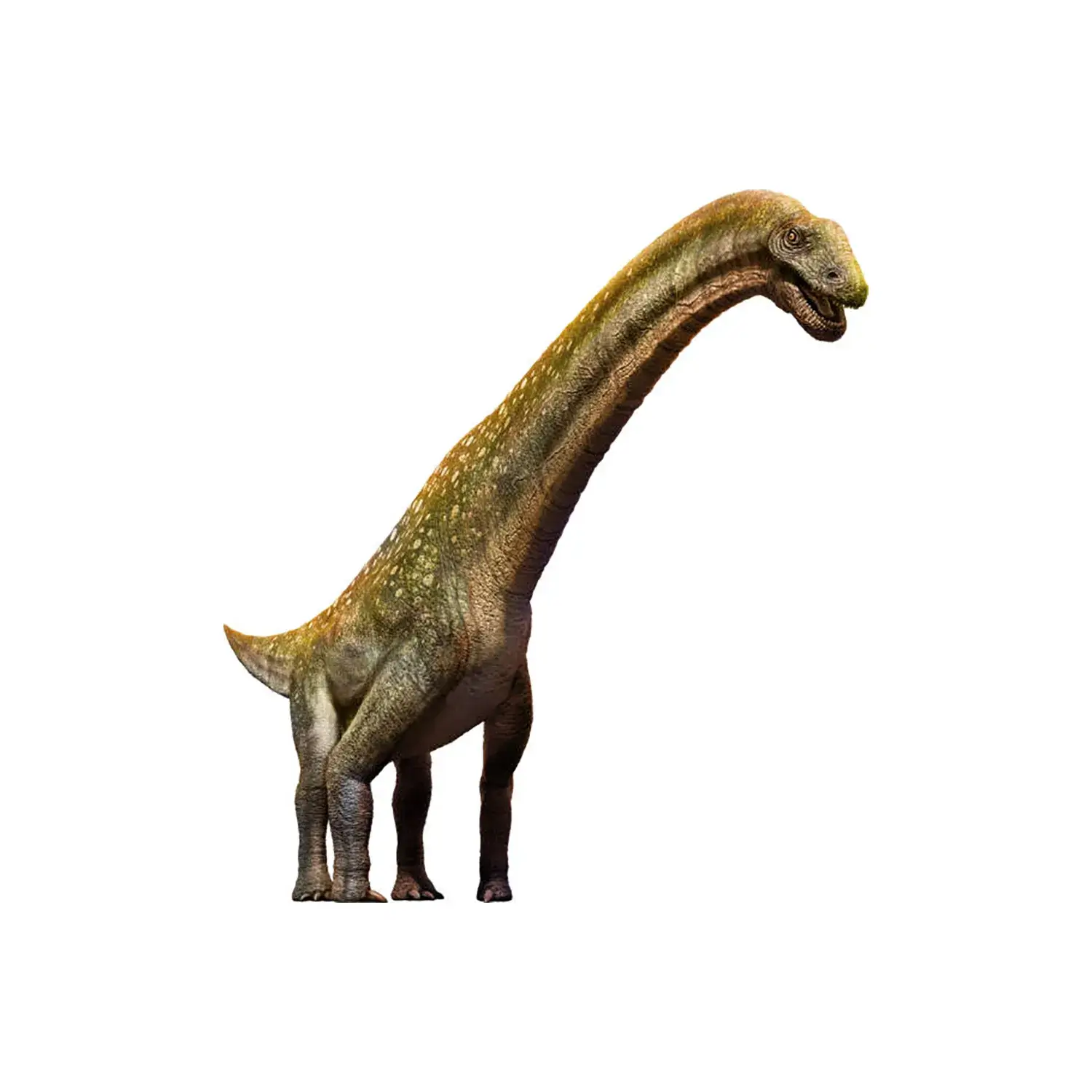
Turiasaurus
Name Origin
Lizard of Teruel (a place name)
Classification
Diapsida, Saurischia, Sauropodomorpha
Habitat (Discovery Location)
Spain, Portugal
Period
Late Jurassic – Early Cretaceous
Length
Approximately 30–37 meters
Weight
Approximately 40–48 tons
Diet
Herbivore
You might also like... 

-
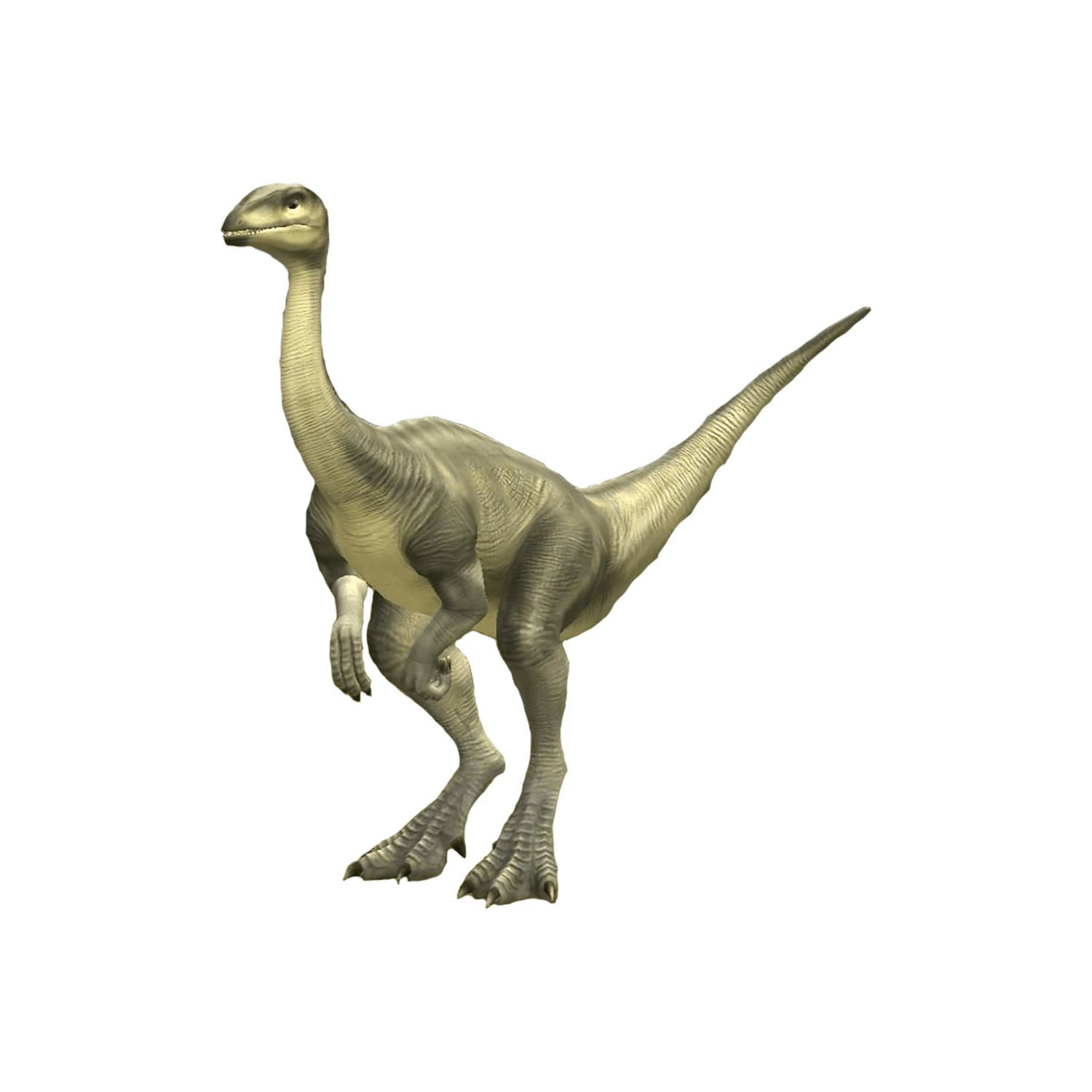
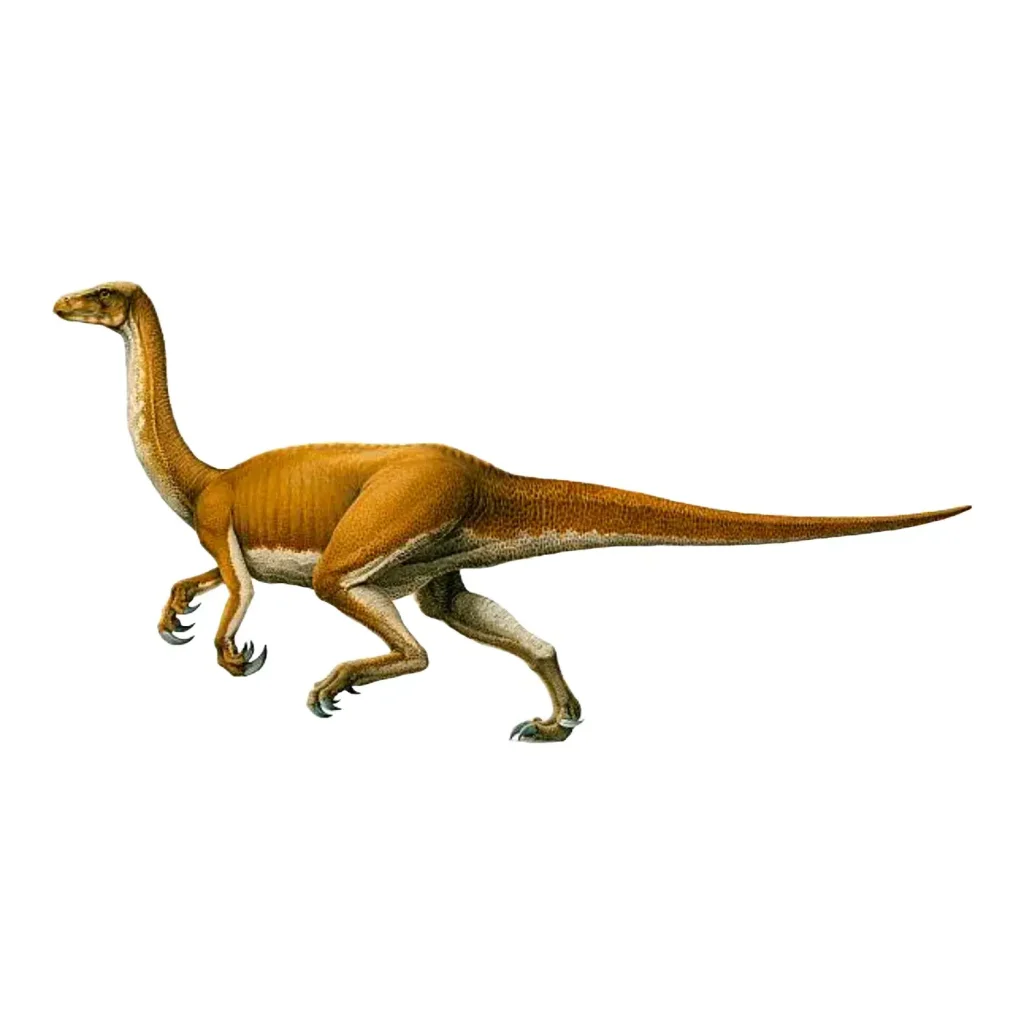
 Segnosaurus
- Classification
- Theropods
- Characteristics
- Herbivorous
- Era
- Cretaceous period
- Alwalkeria
- Classification
- Theropods
- Characteristics
- Carnivorous
- Herbivorous
- Omnivorous
- Era
- Triassic period
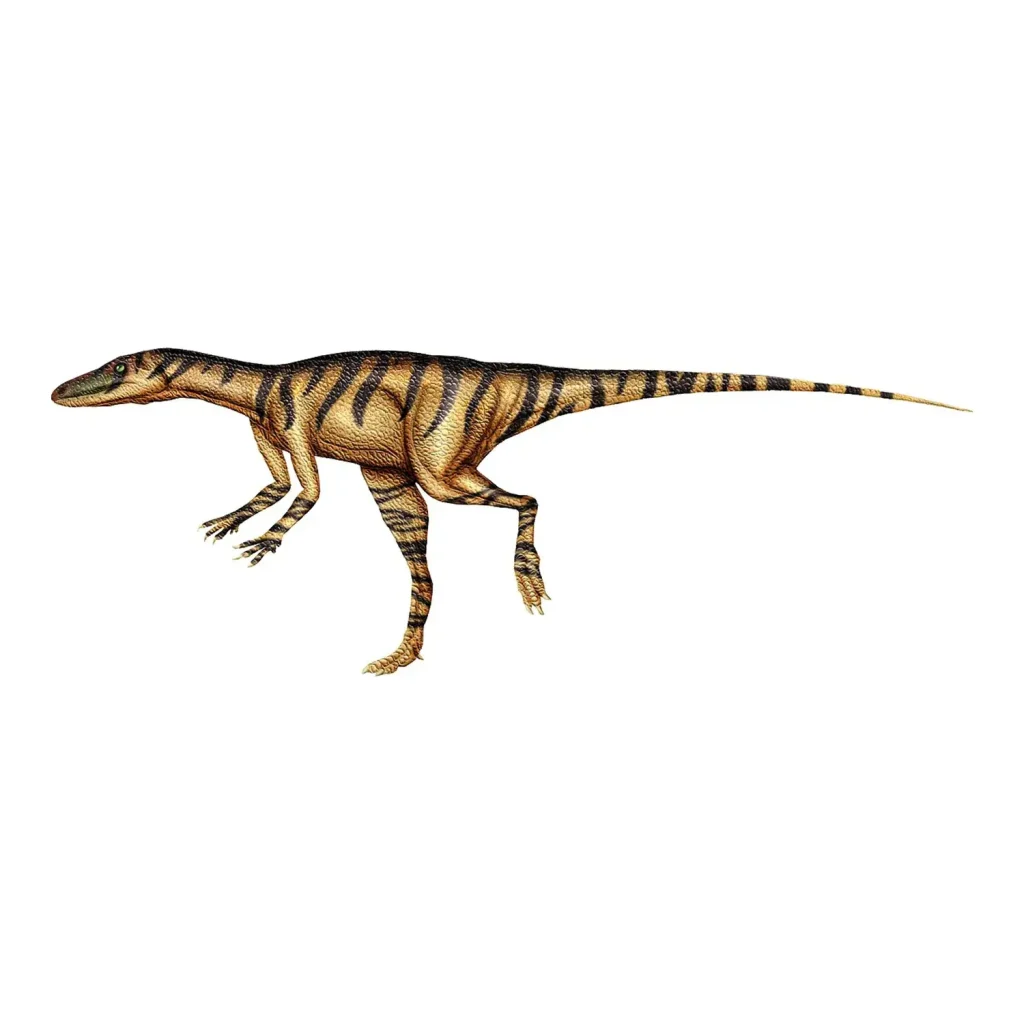
- Falcarius
- Classification
- Theropods
- Characteristics
- Herbivorous
- Feathered
- Era
- Cretaceous period
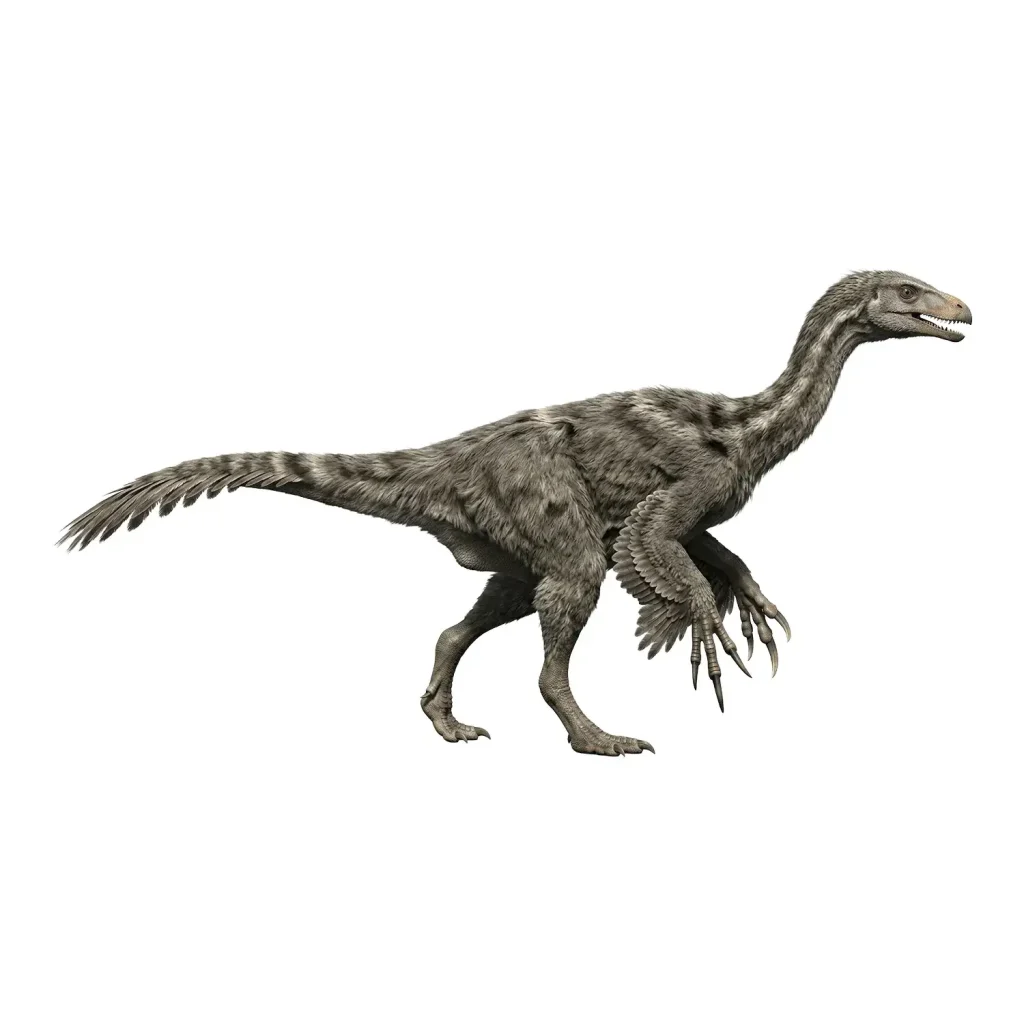
- Mei
- Classification
- Theropods
- Characteristics
- Carnivorous
- Era
- Cretaceous period
-
Sponsored Links
-
Sponsored Links



![[Latest Research] What Was the Function of Spinosaurus's Giant "Sail"? Exploring the Mysteries of Thermoregulation and Underwater Locomotion](https://dinosaurmuseum.jp/wp/wp-content/uploads/eyecatch_spinosaurus-sail-function_en-1024x512.webp)
![[Latest Discovery] A Third Type of Skin, Neither Scales Nor Feathers? Meet "Haolong dongi," a New Dinosaur Species Covered Entirely in Spikes](https://dinosaurmuseum.jp/wp/wp-content/uploads/eyecatch_dinosaur-spiky-skin-discovery_en-1024x512.webp)
Description
Spain, spanning from the Late Jurassic to the Early Cretaceous.
From the strata of this era, a massive sauropodomorph was discovered that rewrote the history of dinosaurs on the European continent.
Named “Turiasaurus,” this dinosaur boasted an overwhelmingly massive physique that set it apart from all other dinosaurs previously known in Europe.
Equivalent to 7 Elephants! One of Europe’s Largest Dinosaurs
The most distinctive feature of Turiasaurus is, without a doubt, its extraordinary size.
While it does not rival the super-giant sauropodomorphs of the Americas or Africa (such as Argentinosaurus), it is one of the largest dinosaurs ever discovered in Europe, exerting an overwhelming presence in the ecosystem of its time.
Astonishing Specs
“Lizard of Teruel”: Discovery and Exceptional Preservation
Origin of the Name
Fossils were discovered in Riodeva, Teruel Province, Spain, in 2003, and named “Turiasaurus riodevensis” in 2006.
The scientific name means “Lizard from Riodeva, Teruel (ancient name: Turia).”
Discovery of a Rare Skull
What makes it noteworthy is the excellent state of preservation of the fossils.
While skulls of large sauropodomorphs are usually easily lost, bones including the skull, spine, shoulders, and feet of Turiasaurus have been found.
Additionally, they were found in strata near the boundary between the Late Jurassic and Early Cretaceous, and are said to be one of the few dinosaurs that lived across these two eras.
A Uniquely Evolved “Third Group”
Turiasaurus is not just big.
Its evolutionary lineage is also unique.
Gigantism in a Primitive Lineage
Sauropodomorphs were once thought to have evolved into famous groups such as Diplodocus and Brachiosaurus.
However, analysis of Turiasaurus bones (such as its heart-shaped teeth) revealed that they belonged to a different, more primitive lineage.
They are believed to be a species born from a group of primitive sauropodomorphs that independently followed a path to gigantism in the European region.
Currently, this group is called “Turiasauria,” and includes members such as Losillasaurus from Spain, Zby from Portugal, and Atlasaurus from Morocco.
Turiasaurus is an important existence symbolizing the diversity of dinosaur evolution in Europe.