
Equijubus
Name Origin
Horse Mane (Derived from the name of the discovery site)
Family
Hadrosauroidea
Classification
Diapsida, Ornithischia, Ornithopoda
Habitat (Discovery Location)
China
Period
Approximately 110 million years ago (Early Cretaceous)
Length
Approximately 8 meters
Weight
Approximately 2.5 tons
Diet
Herbivore
You might also like... 

-
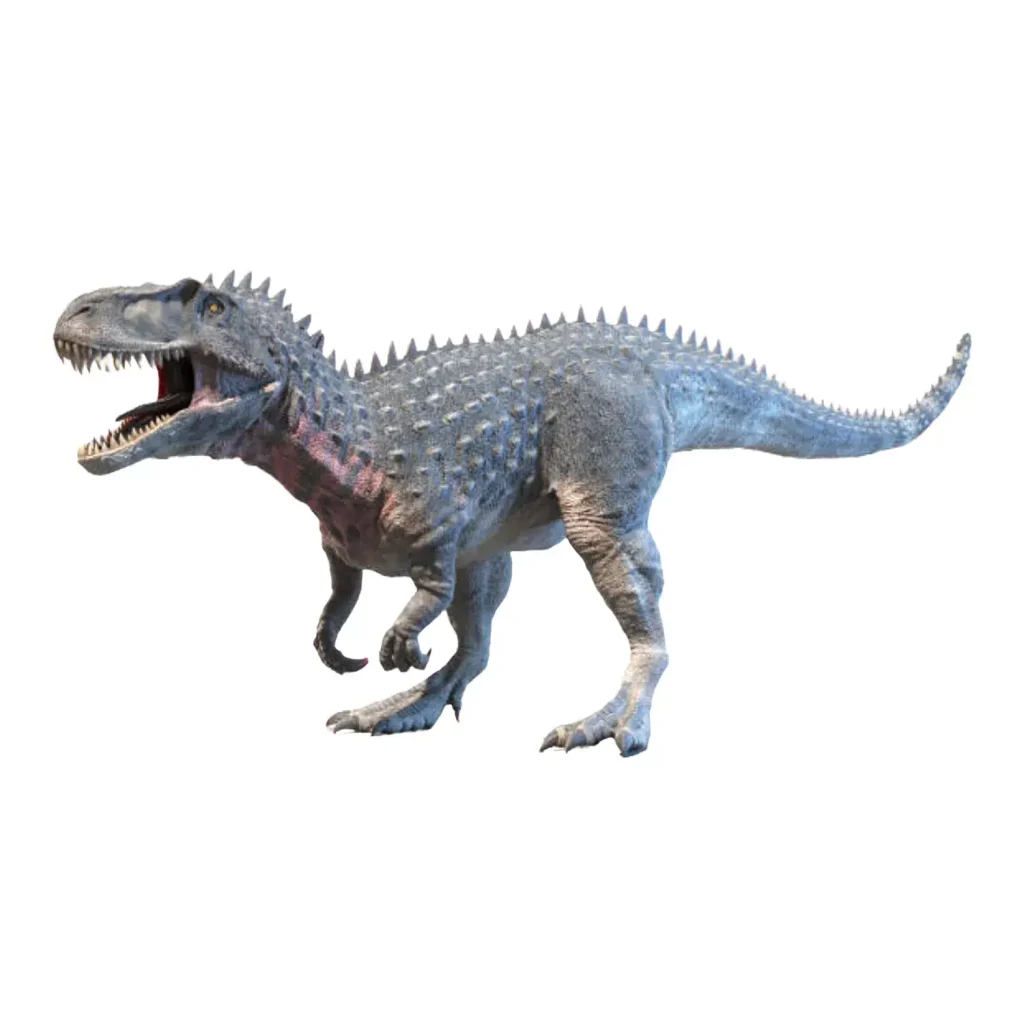
 Torvosaurus
- Classification
- Theropods
- Characteristics
- Carnivorous
- Era
- Jurassic period
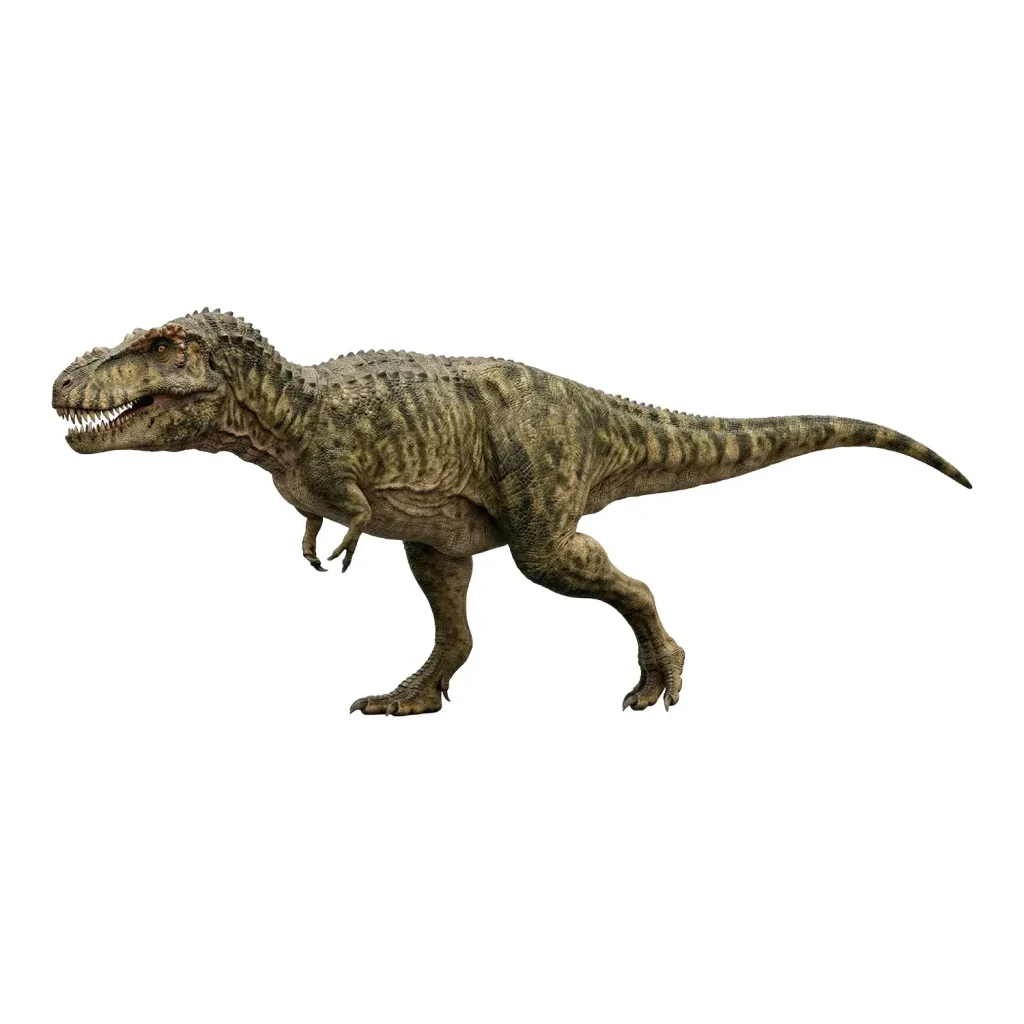
- Teratophoneus
- Classification
- Theropods
- Characteristics
- Carnivorous
- Era
- Cretaceous period
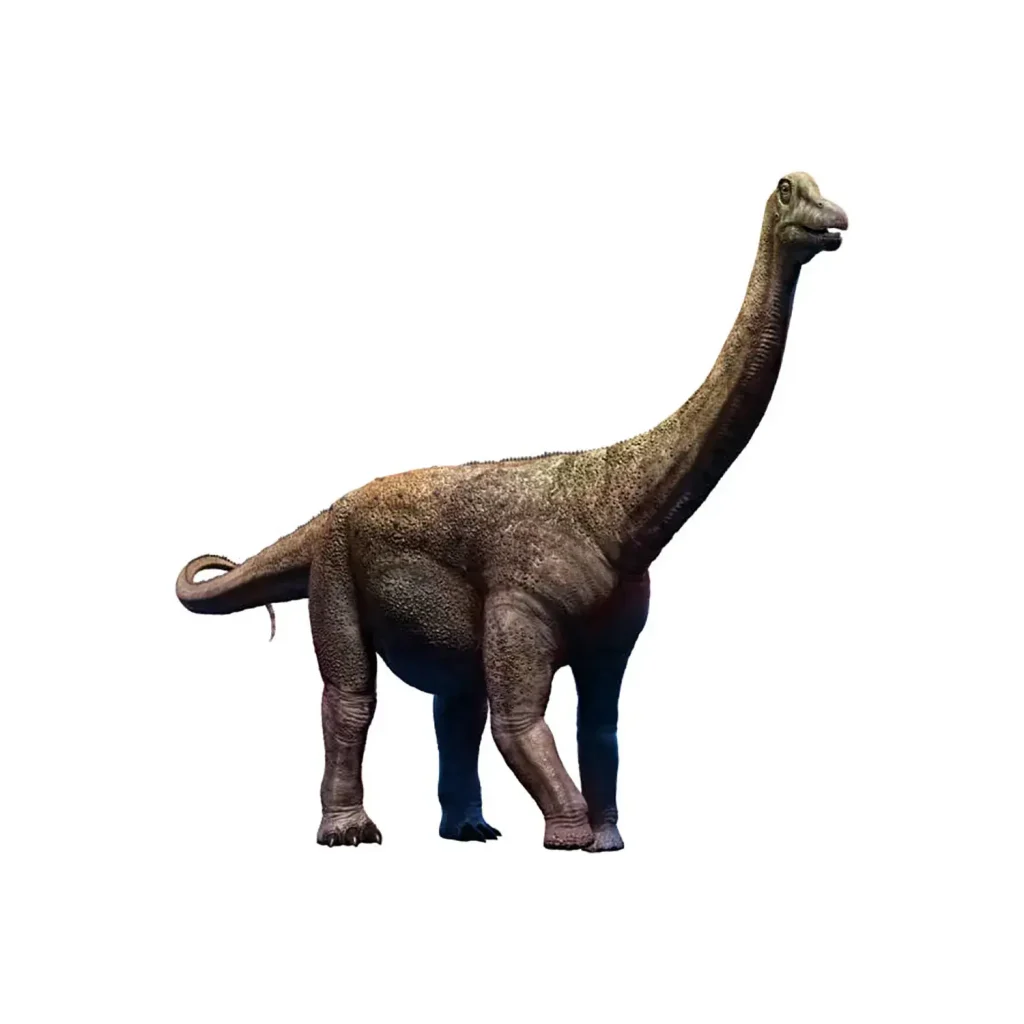
- Saltasaurus
- Classification
- Sauropods
- Characteristics
- Herbivorous
- Era
- Cretaceous period
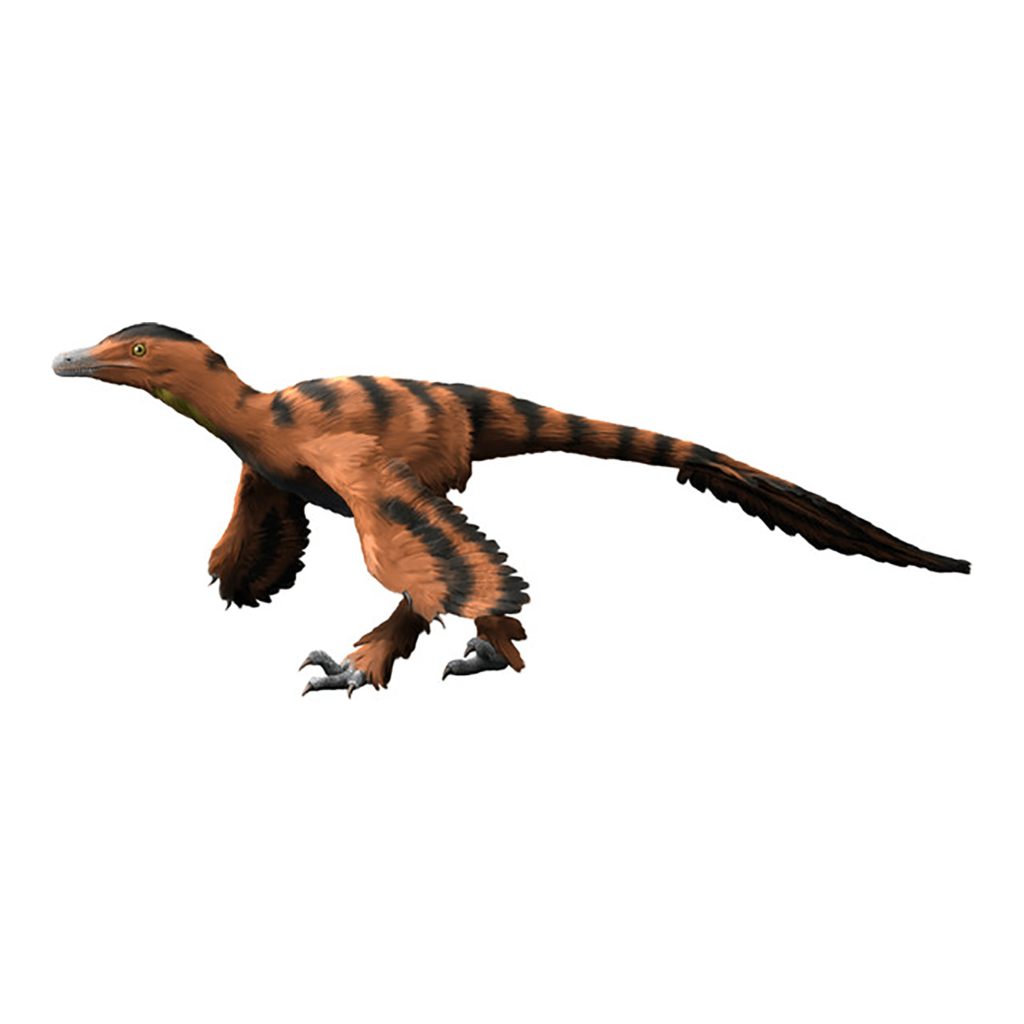
- Sinornithosaurus
- Classification
- Theropods
- Characteristics
- Carnivorous
- Feathered
- Era
- Cretaceous period
-
Sponsored Links
-
Sponsored Links









![[Latest Research] What Was the Function of Spinosaurus's Giant "Sail"? Exploring the Mysteries of Thermoregulation and Underwater Locomotion](https://dinosaurmuseum.jp/wp/wp-content/uploads/eyecatch_spinosaurus-sail-function_en-1024x512.webp)
![[Latest Discovery] A Third Type of Skin, Neither Scales Nor Feathers? Meet "Haolong dongi," a New Dinosaur Species Covered Entirely in Spikes](https://dinosaurmuseum.jp/wp/wp-content/uploads/eyecatch_dinosaur-spiky-skin-discovery_en-1024x512.webp)




Description
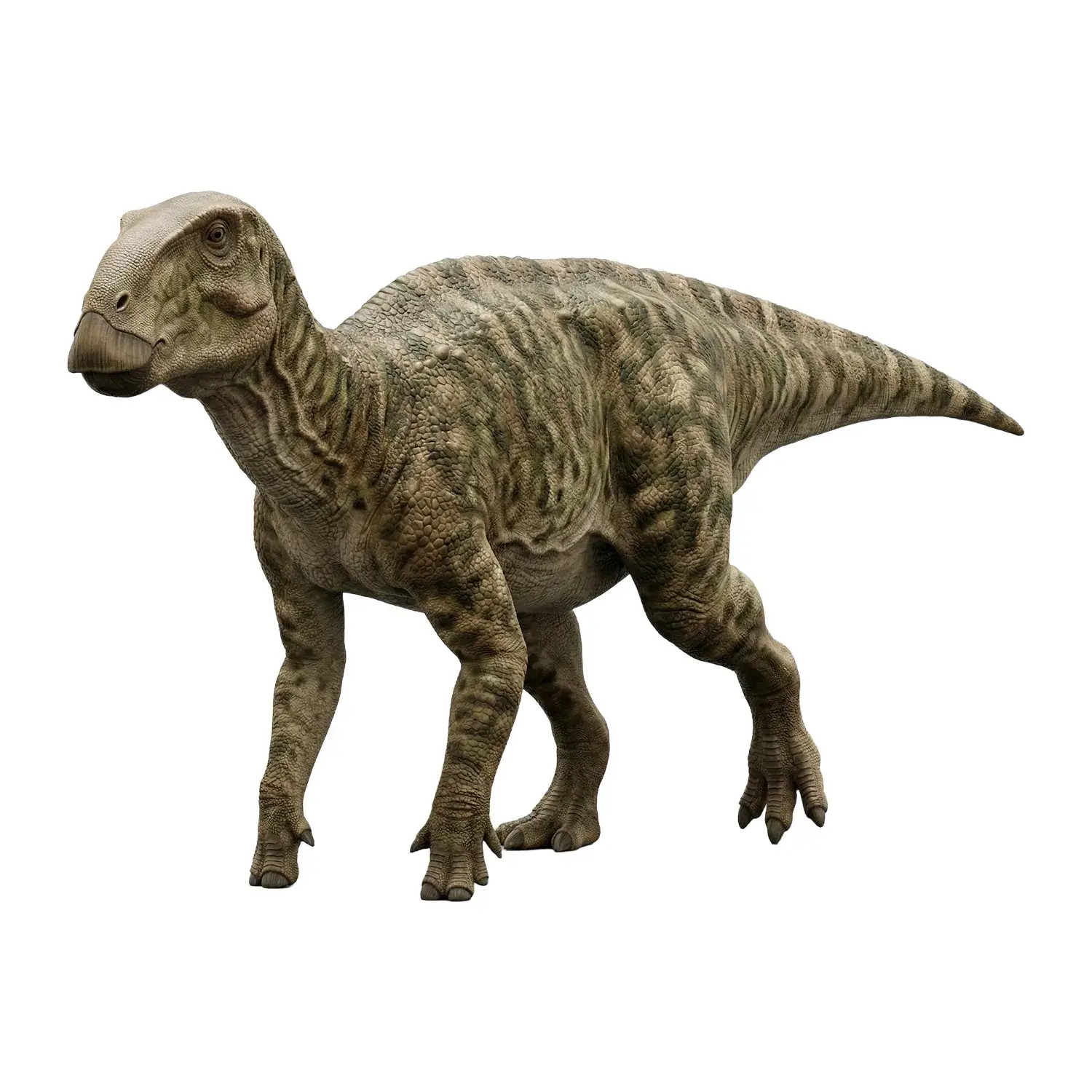
Approximately 110 million years ago, during the Early Cretaceous period, a herbivorous dinosaur that holds a crucial “key” to the evolutionary history of dinosaurs lived in the lush, green lands of Asia.
That dinosaur, which might seem like an unassuming creature at first glance, is “Equijubus.”
This dinosaur plays the role of a “bridge” connecting two major, distinct groups.
An “Intermediate Form” Bridging the Evolutionary Gap
Taxonomically, Equijubus is classified as a species of primitive hadrosaur (duck-billed dinosaur).
However, upon closer examination of its physical characteristics, it becomes clear that it is not just a simple duck-billed dinosaur.
Their bodies strongly retain not only the features of duck-billed dinosaurs but also the traits of an older type: the “iguanodontians.”
In other words, Equijubus possesses intermediate characteristics of two distinct groups: the “iguanodontians” and the “duck-billed dinosaurs.”
This is “living proof” that they were right in the middle of evolutionary transition, making them indispensable for understanding the evolutionary process of dinosaurs.
The “Face” of a Hadrosaur, the “Teeth” of an Iguanodon
The “intermediate features” of Equijubus are particularly evident in the structure of its skull.
Their facial structure was like a mosaic, blending old and new traits.
An Advanced Face (Hadrosaur Features)
First, looking at external features like the shape of the “cheeks” and “snout,” they closely resembled those of advanced duck-billed dinosaurs.
Based on these features, there is no doubt that Equijubus belongs to the hadrosaur lineage.
Judging solely by their faces, they had already acquired the appearance of next-generation dinosaurs.
A Primitive Oral Structure (Iguanodontian Features)
However, inside its mouth, traces of an older era were clearly etched.
The most prominent feature of advanced duck-billed dinosaurs is an advanced chewing system called a “dental battery,” where countless teeth are densely packed together.
Thanks to this, they could efficiently eat tough plants.
However, Equijubus was not equipped with this dental battery.
Tooth Characteristics
The teeth in the upper and lower jaws were roughly the same size.
Structure
Closely resembled the teeth of primitive iguanodontians.
Even though the shape of its face had evolved, its system for eating plants remained old.
This very imbalance vividly illustrates that Equijubus was in a transitional stage of evolution.
The Evolutionary Drama That Unfolded in Asia
This characteristic of having a “modern face but primitive teeth” suggests an important fact in the evolutionary history of dinosaurs.
For many years, there has been ongoing debate about “when and where” the evolution from iguanodontians to duck-billed dinosaurs occurred.
The fact that a dinosaur with such intermediate traits lived in Asia about 110 million years ago supports the strong possibility that this crucial evolutionary event took place in “Asia.”
The existence of Equijubus is vital evidence showing that the transition from iguanodontians to duck-billed dinosaurs began in the lands of Asia and spread from there to the rest of the world.
The Origin of the Name “Horse Mane”
Finally, let’s explain the origin of this dinosaur’s somewhat unusual name.
Its scientific name, “Equijubus,” means “horse mane” in Latin.
Hearing this name, you might imagine, “Did it have a mane like a horse?” However, in reality, its appearance did not resemble a horse at all.
The name was actually derived from the “Chinese place name” of the location where its fossils were discovered.
Its name, which pays tribute to the land where it was found rather than its physical appearance, continues to tell the story of this important dinosaur’s discovery in the lands of Asia.