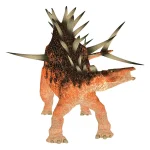
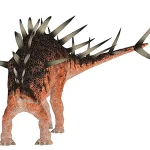
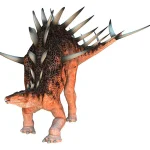
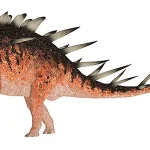
Kentrosaurus
Name Origin
Spiked Lizard
Family
Stegosauridae
Classification
Diapsida, Ornithischia, Thyreophora
Habitat (Discovery Location)
Tanzania
Period
Approximately 152 million years ago (Late Jurassic)
Length
Approximately 2.5–5 meters
Weight
Approximately 1–3 tons
Diet
Herbivore (Plant-eater)
You might also like... 

-
 Fukuiraptor
- Classification
- Theropods
- Characteristics
- Carnivorous
- Era
- Cretaceous period
- Ajancingenia
- Classification
- Theropods
- Characteristics
- Carnivorous
- Herbivorous
- Omnivorous
- Era
- Cretaceous period
- Eocursor
- Classification
- Ornithopoda
- Characteristics
- Herbivorous
- Era
- Triassic period
- Euskelosaurus
- Classification
- Sauropods
- Characteristics
- Herbivorous
- Era
- Triassic period
-
Sponsored Links
-
Sponsored Links






![[Latest Research] What Was the Function of Spinosaurus's Giant "Sail"? Exploring the Mysteries of Thermoregulation and Underwater Locomotion](https://dinosaurmuseum.jp/wp/wp-content/uploads/eyecatch_spinosaurus-sail-function_en-1024x512.webp)
![[Latest Discovery] A Third Type of Skin, Neither Scales Nor Feathers? Meet "Haolong dongi," a New Dinosaur Species Covered Entirely in Spikes](https://dinosaurmuseum.jp/wp/wp-content/uploads/eyecatch_dinosaur-spiky-skin-discovery_en-1024x512.webp)

Description
The Late Jurassic period of the dinosaur era (approximately 152 million years ago).
While Stegosaurus roamed North America, a stegosaur lived on the distant African continent that, while similar, possessed decisively different characteristics.
Its name is “Kentrosaurus.”
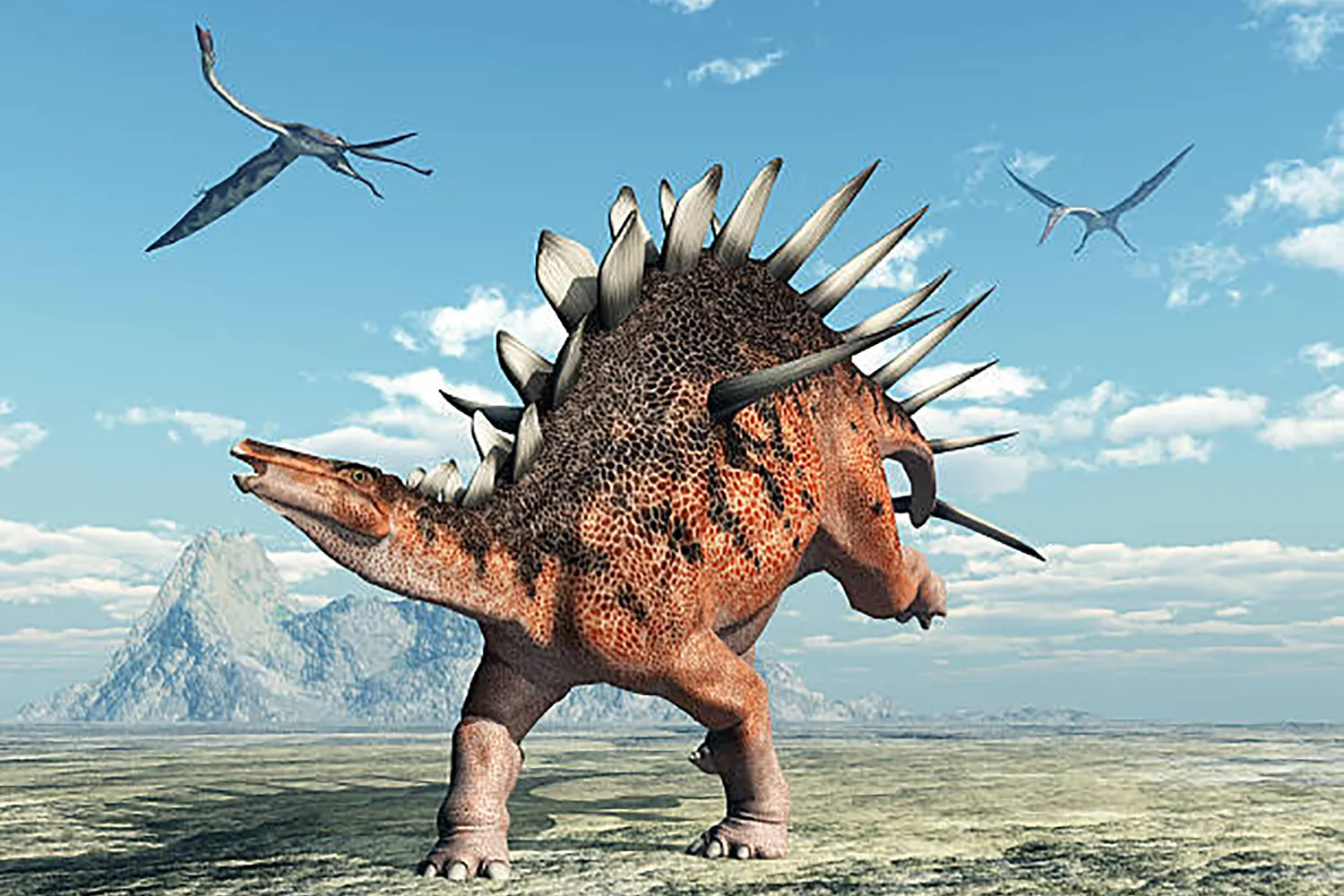
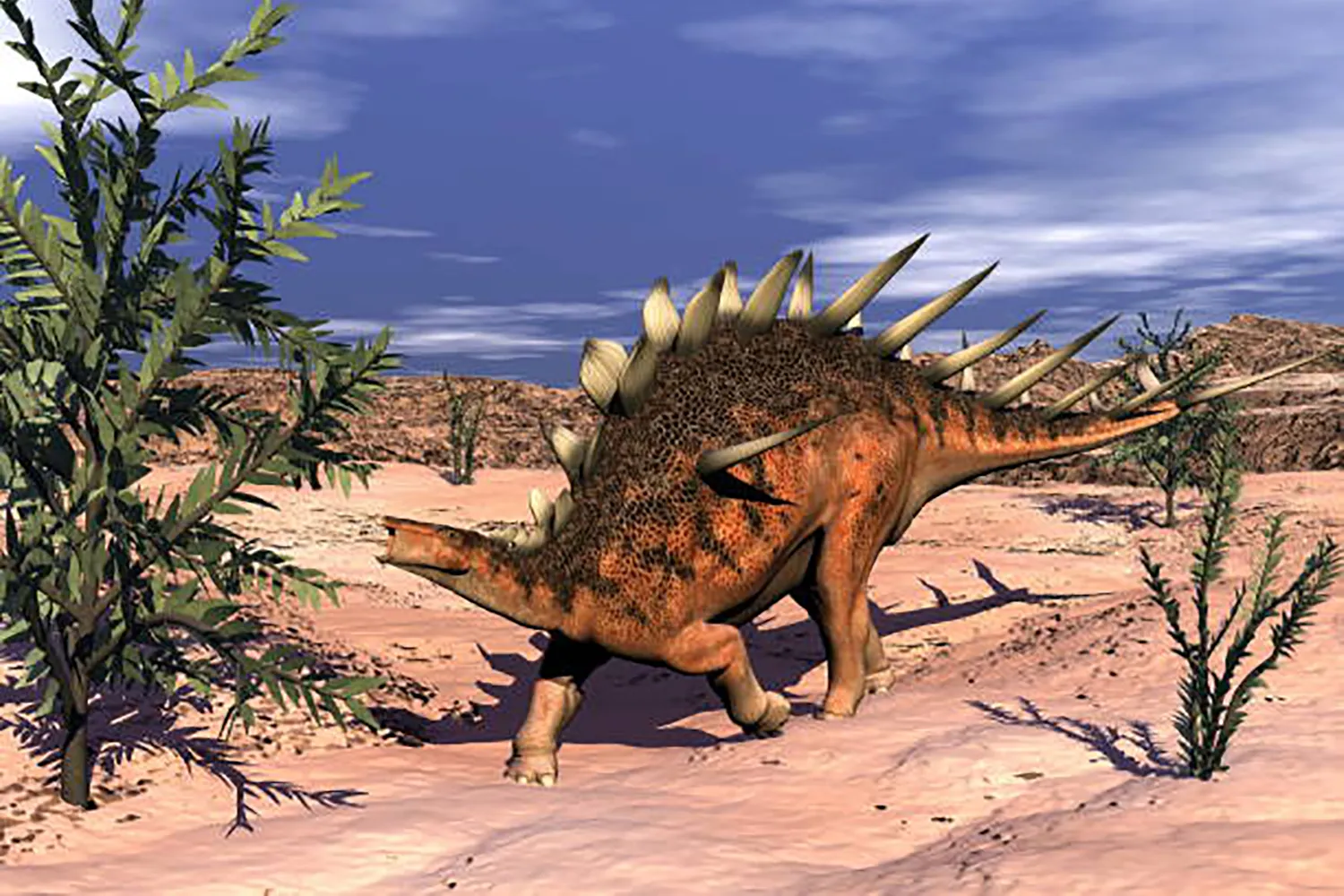
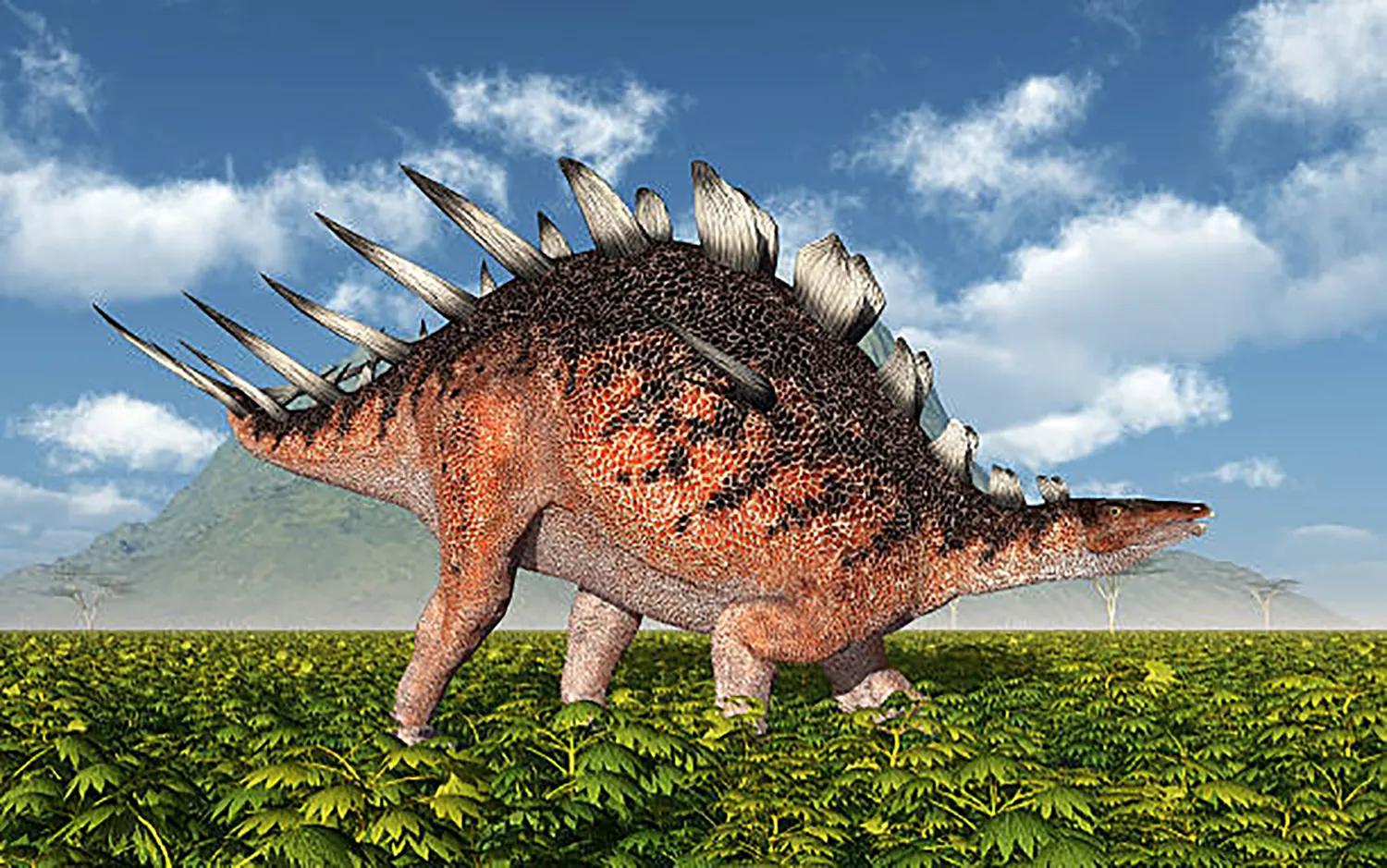
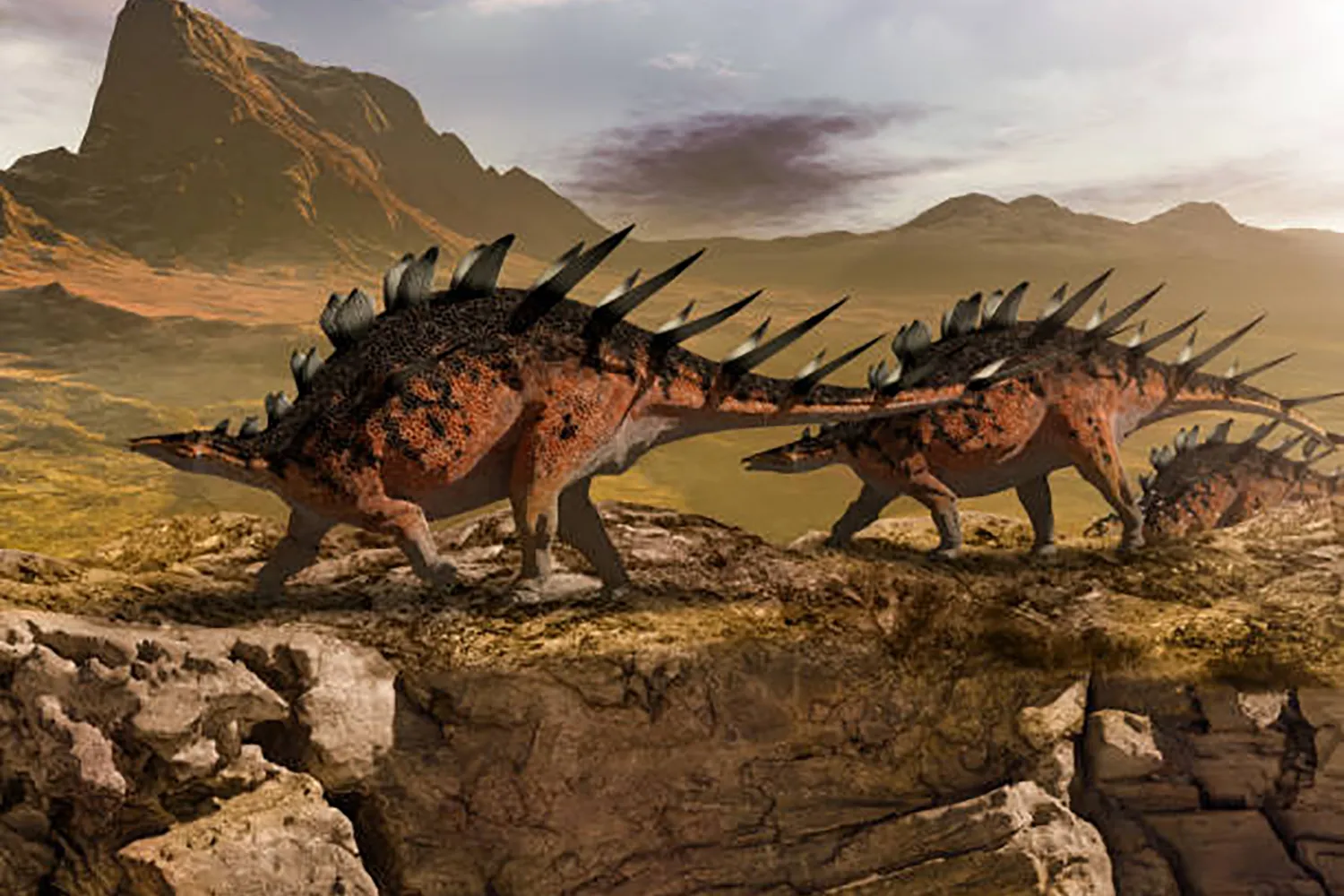
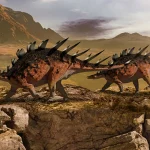
Although smaller than Stegosaurus, its body armed with sharp spikes made it a true “Spiked Gladiator.”
However, its research history bears a dark past involving the tragic loss of fossils during World War II.
“Spiked Lizard”: Armed as a Full-Body Weapon
Gradation from Plates to Spikes
The scientific name Kentrosaurus means “Spiked Lizard” in Greek.
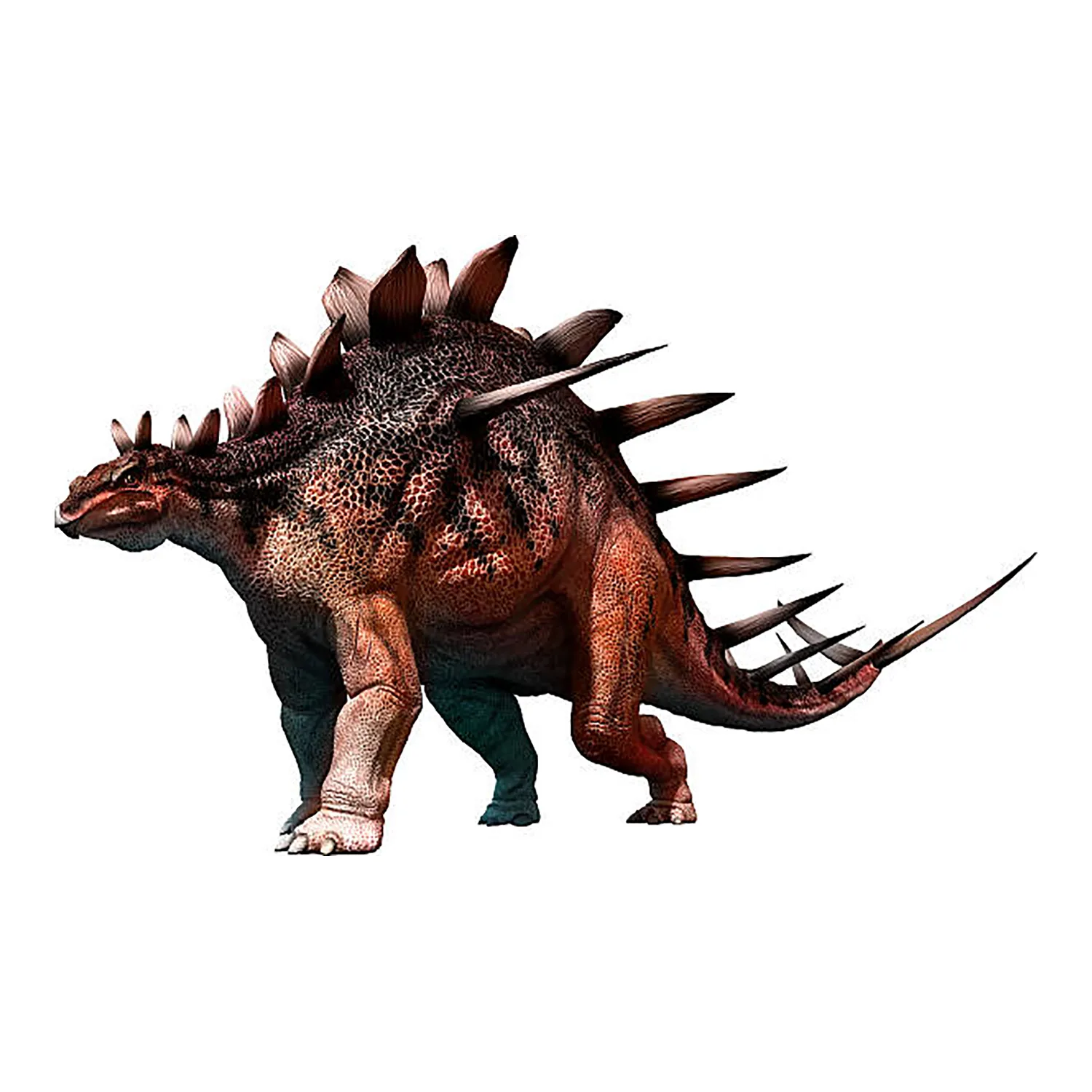
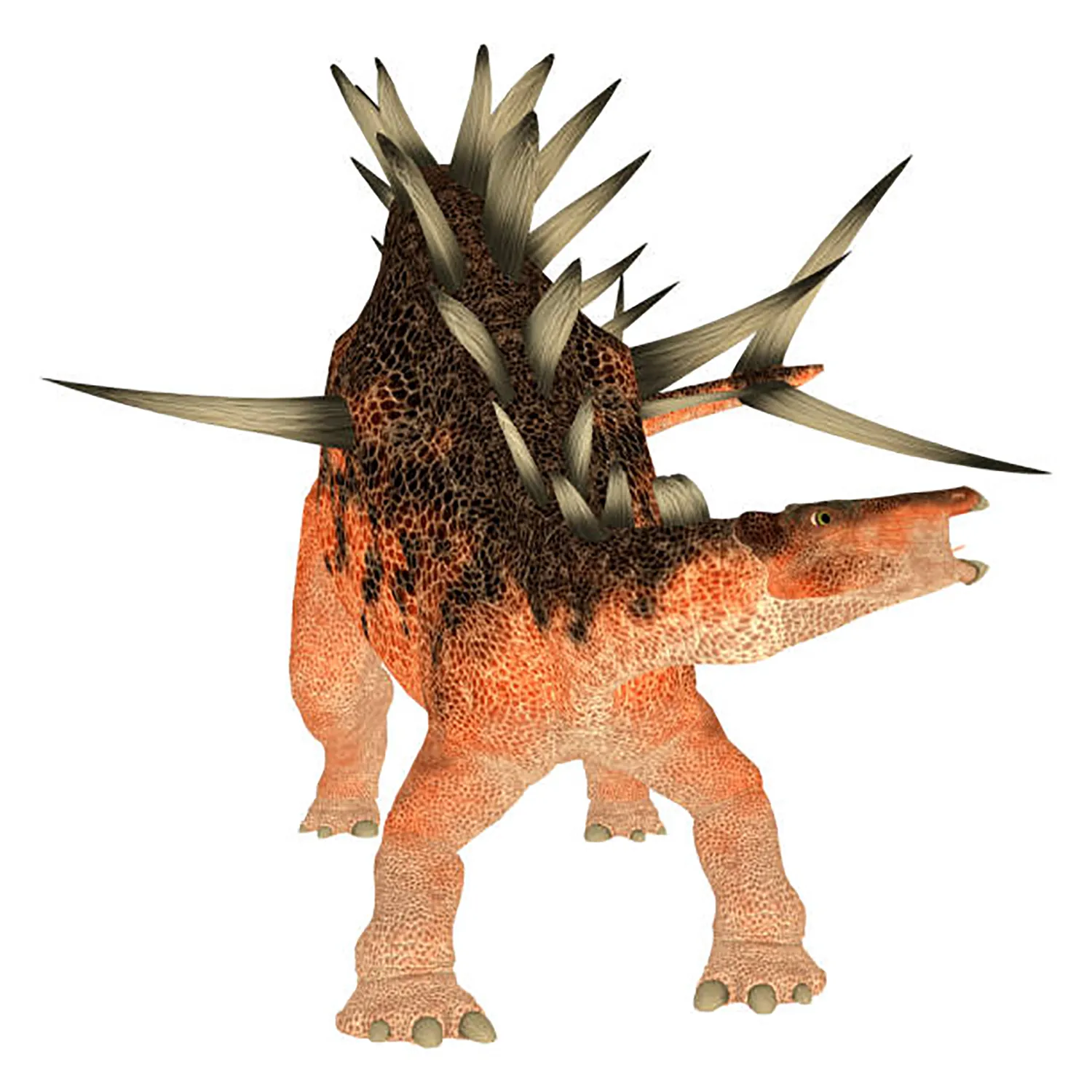
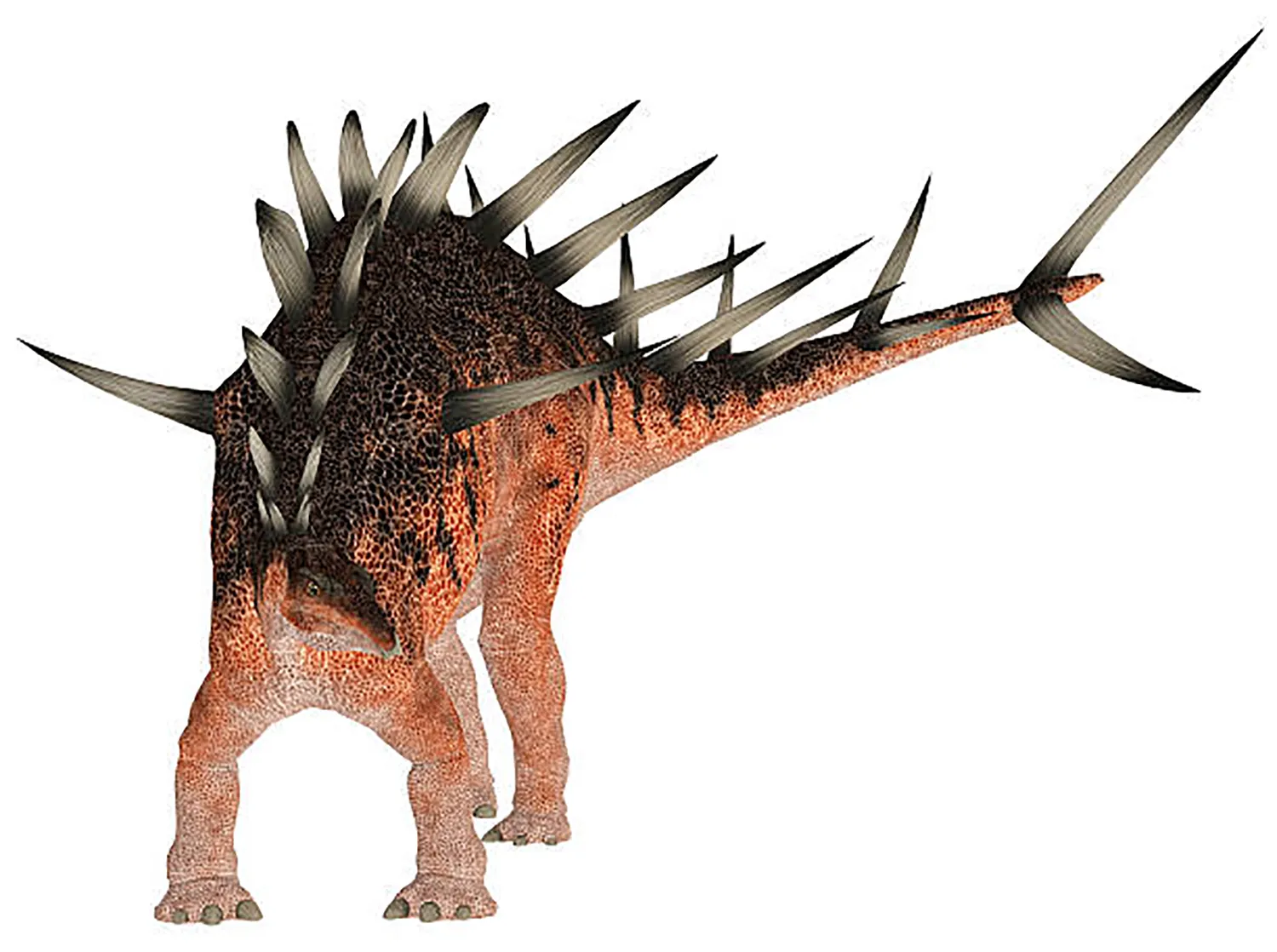
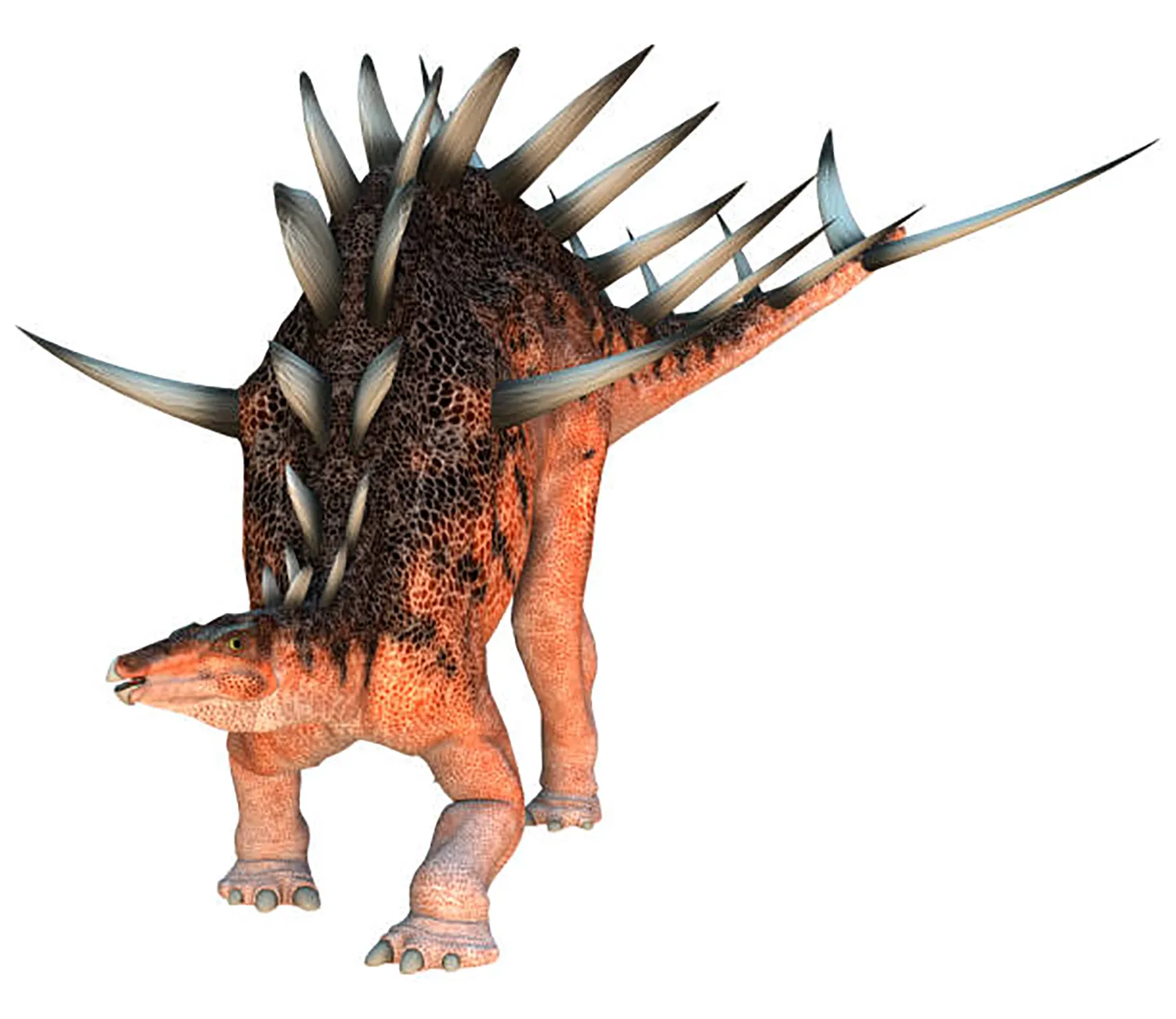
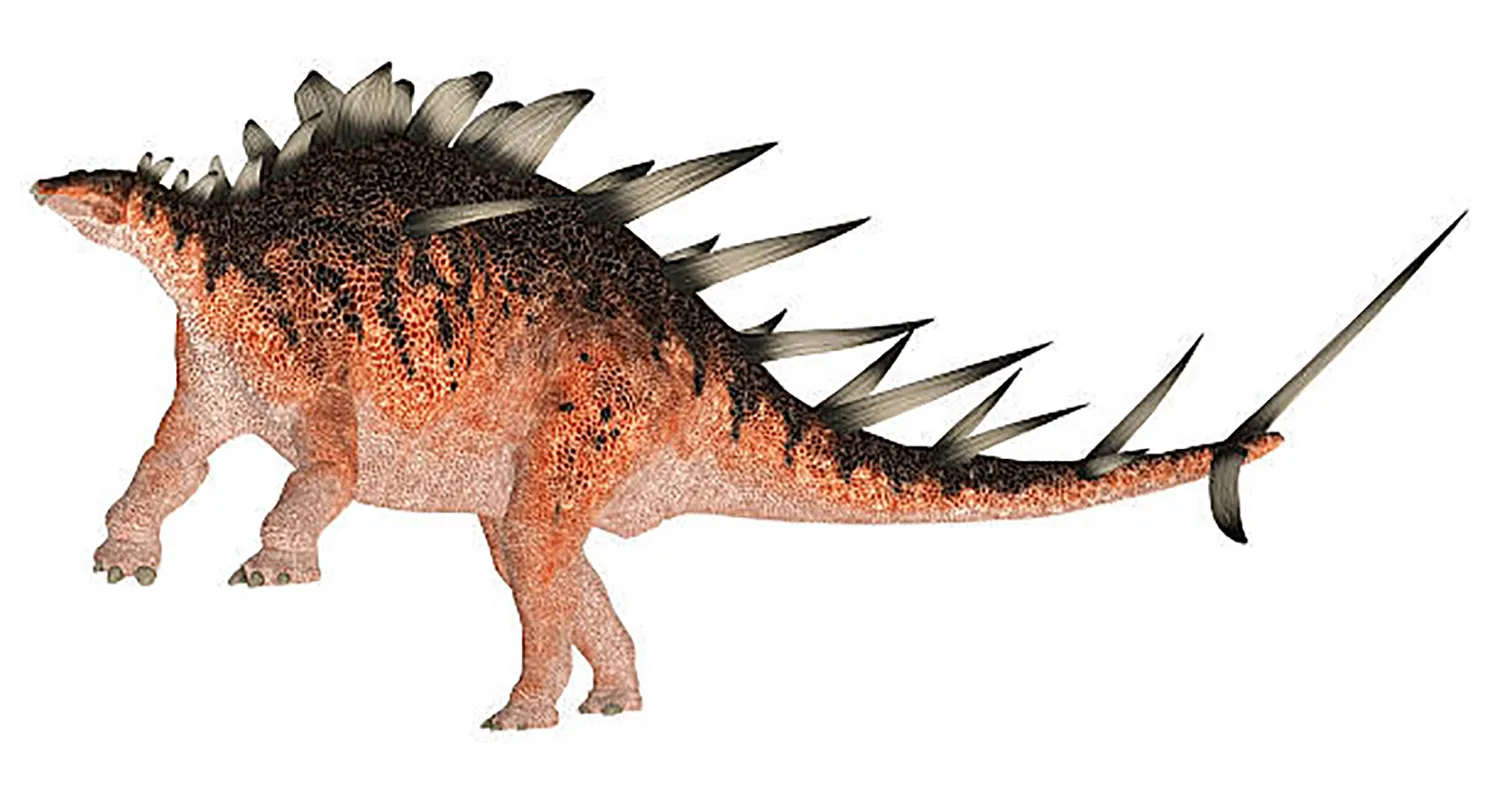
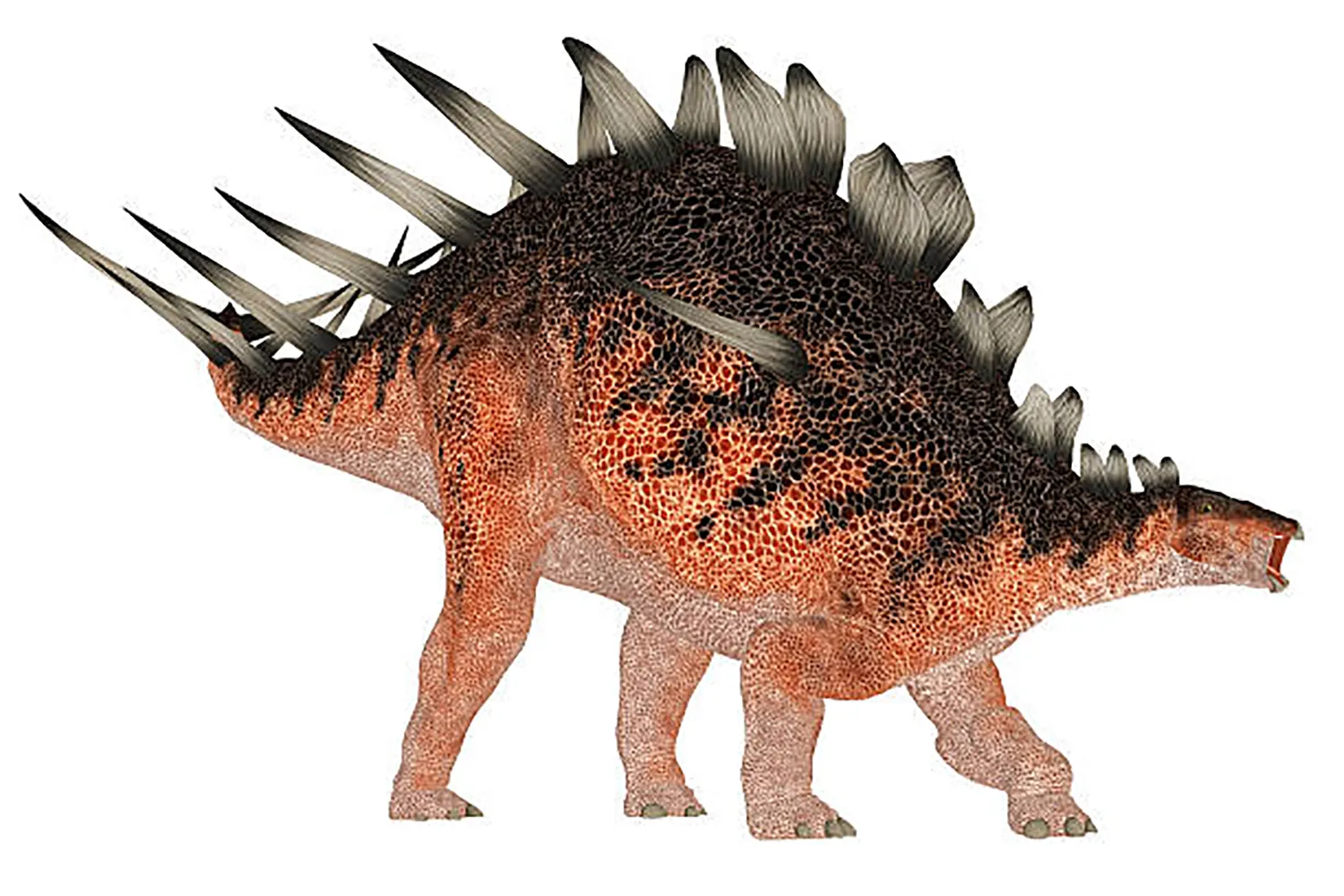
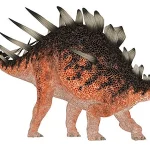
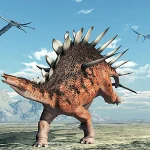
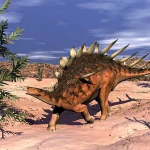
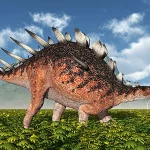
While the back of Stegosaurus features “pentagonal plates,” Kentrosaurus transitions from small plates on the neck and back to long, sharp “spikes” from the hips backward.
It transitions from small plates on the neck and back to long, sharp “spikes” from the hips backward.
The Mysterious “Shoulder Spikes”
Its most distinctive feature is the pair of long spikes protruding straight out from the shoulders.
A pair of long spikes protruding straight out from the shoulders
While there was once a theory they were on the hips, the established theory today, based on research of related species (such as Tuojiangosaurus), is that they were “on the shoulders.”
The confusion regarding this position is related to the loss of fossils described later.
The Deadly “Thagomizer”
Its greatest weapon was its flexible and powerful tail.
The tip had sharp spikes (thagomizer), and by swinging this like a whip, it served as a powerful defensive weapon against predators like Allosaurus.
It used its flexible and powerful tail as a defensive weapon
A Body the Size of a “Compact Car” and the Diet of a Picky Eater
Size Difference from Stegosaurus
Compared to Stegosaurus (approx. 9m long), Kentrosaurus was quite small, with a length of 2.5–5 meters (average 3–4 meters).
In modern terms, it was about the size of a “compact car.”
However, its compact body was packed with muscle, and spike attacks from a low posture were a threat.
Did It Only Eat Soft Grass?
Its snout was beak-shaped, and it had only seven protrusions for back teeth.
It was poor at crushing hard plants and is speculated to have been a picky eater that preferred “soft plants” like ferns near the ground.
It was a picky eater that preferred plants near the ground
Also, it could not stand up on two legs and grazed quietly on all fours.
New Discovery in 2011: Differences Between Males and Females
Research on femurs in 2011 revealed two types: a “slender type” and a “robust type.”
This is likely a difference between males and females (sexual dimorphism), and it is thought that males, who needed to support their weight during mating, were the “robust type.”
Memories of Pangea and the German Expedition Team
Witnesses to Continental Drift
The existence of Stegosaurus in North America and Kentrosaurus in Africa tells the story of the breakup of the supercontinent “Pangea,” where the continents were once one, and their unique evolution in each location.
The Great Excavation of Tendaguru
In 1909, a German expedition team conducted a large-scale excavation in the Tendaguru Formation of what was then German East Africa (Tanzania).
This survey uncovered a massive number of fossils—hundreds of bones representing about 70 individuals—and it was formally described as “Kentrosaurus” in 1915.
The “Holotype” Lost to War: The Tragedy of Berlin
The fossils transported from Tanzania to the Museum für Naturkunde in Berlin culminated in a magnificent exhibit.
However, that glory did not last long.
The 1943 Berlin Air Raids
During World War II, the museum was bombed and burned down.
Most of the stored Kentrosaurus fossils were destroyed to smithereens.
In particular, the loss of the “holotype” (the standard specimen for the species) was a major academic blow, and much accurate skeletal information was lost forever.
Rebirth from the Rubble
The figure we see today is a reconstruction combining the few parts that survived the bombing, pre-war records and sketches, and bones from other individuals.
Controversies like the position of the shoulder spikes stem from the fact that good-condition fossils were lost in the war.
Researchers are picking up the truth from the rubble to bring the appearance of this dinosaur back to life in the modern age.