
Bonitasaura
Name Origin
Lizard of La Bonita (Named after the La Bonita quarry)
Family
Titanosauridae
Classification
Diapsida, Saurischia, Sauropodomorpha
Habitat (Discovery Location)
Argentina
Period
Late Cretaceous
Length
Approximately 9 meters
Weight
Approximately 2 tons
Diet
Herbivore
You might also like... 

-
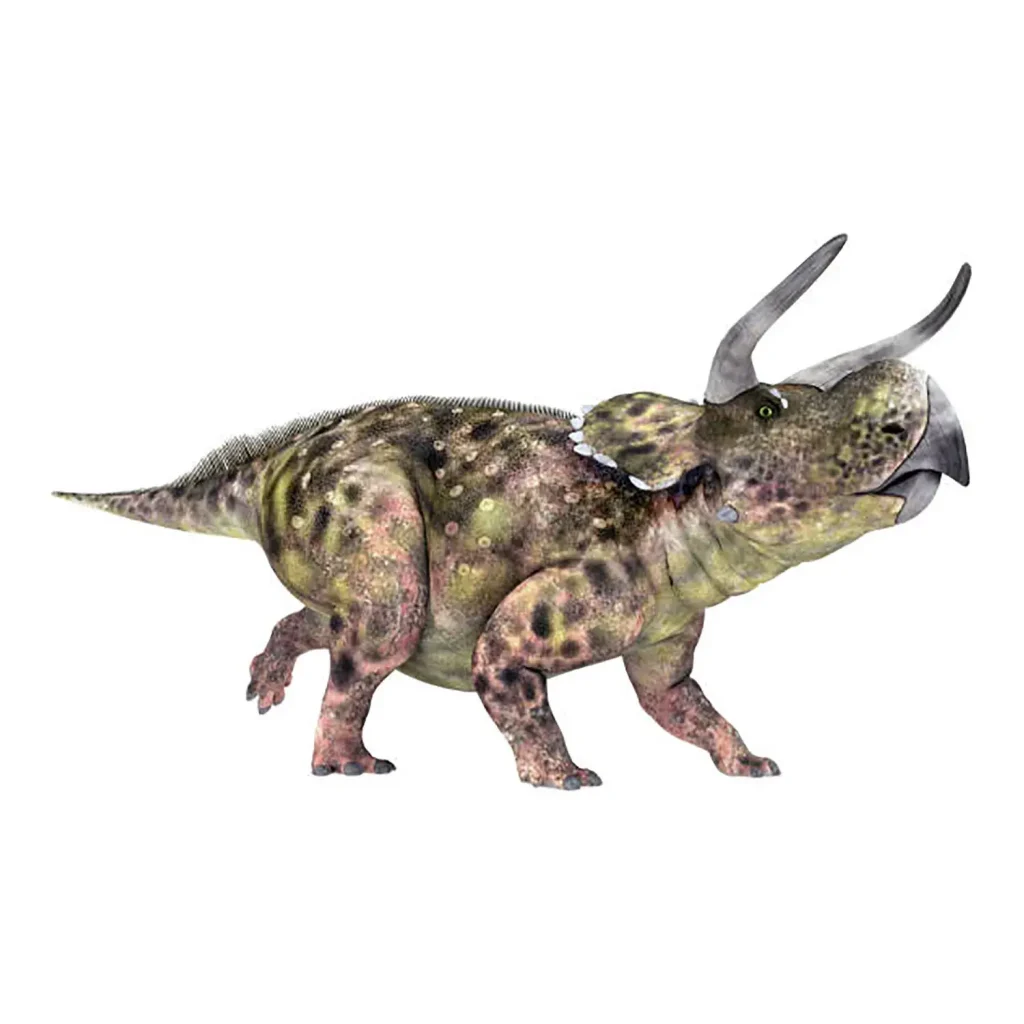
 Nasutoceratops
- Classification
- Marginocephalia
- Characteristics
- Herbivorous
- Era
- Cretaceous period
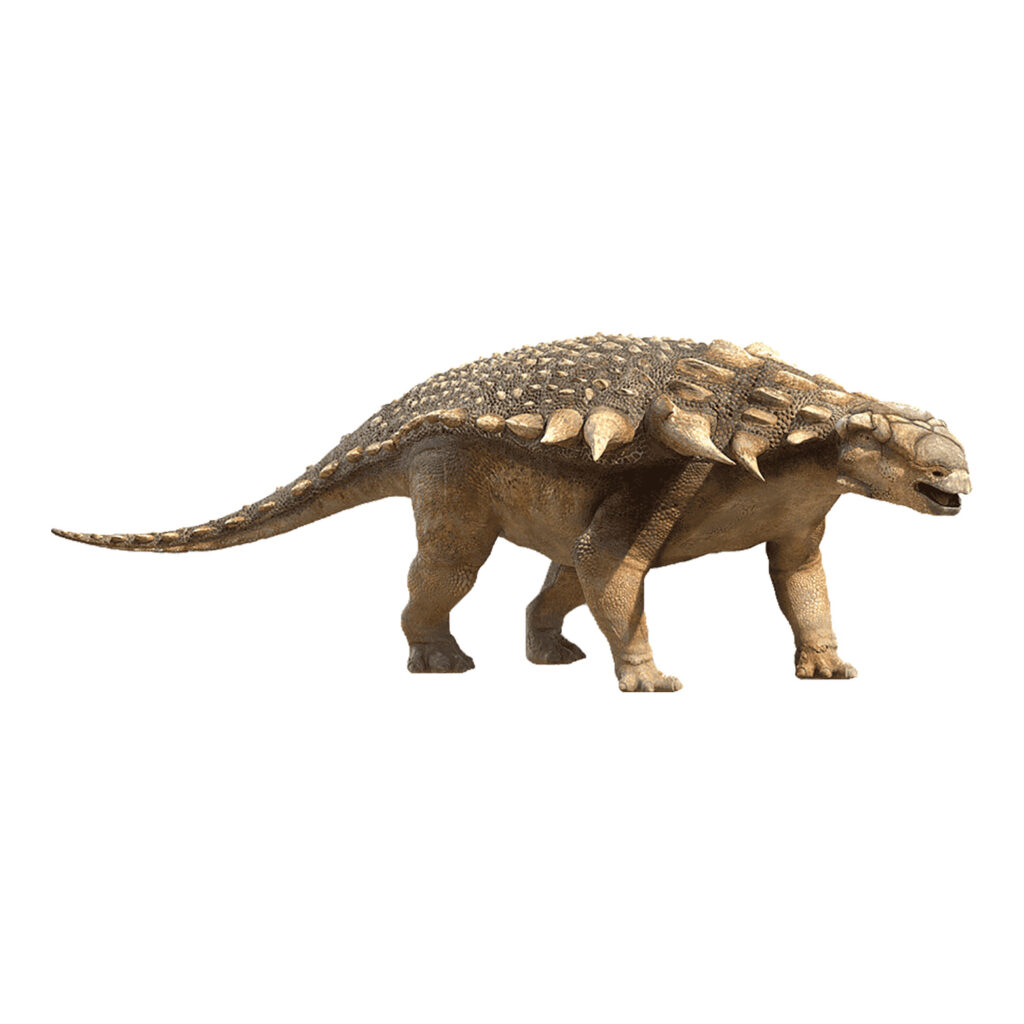
- Edmontonia
- Classification
- Thyreophora
- Characteristics
- Herbivorous
- Era
- Cretaceous period
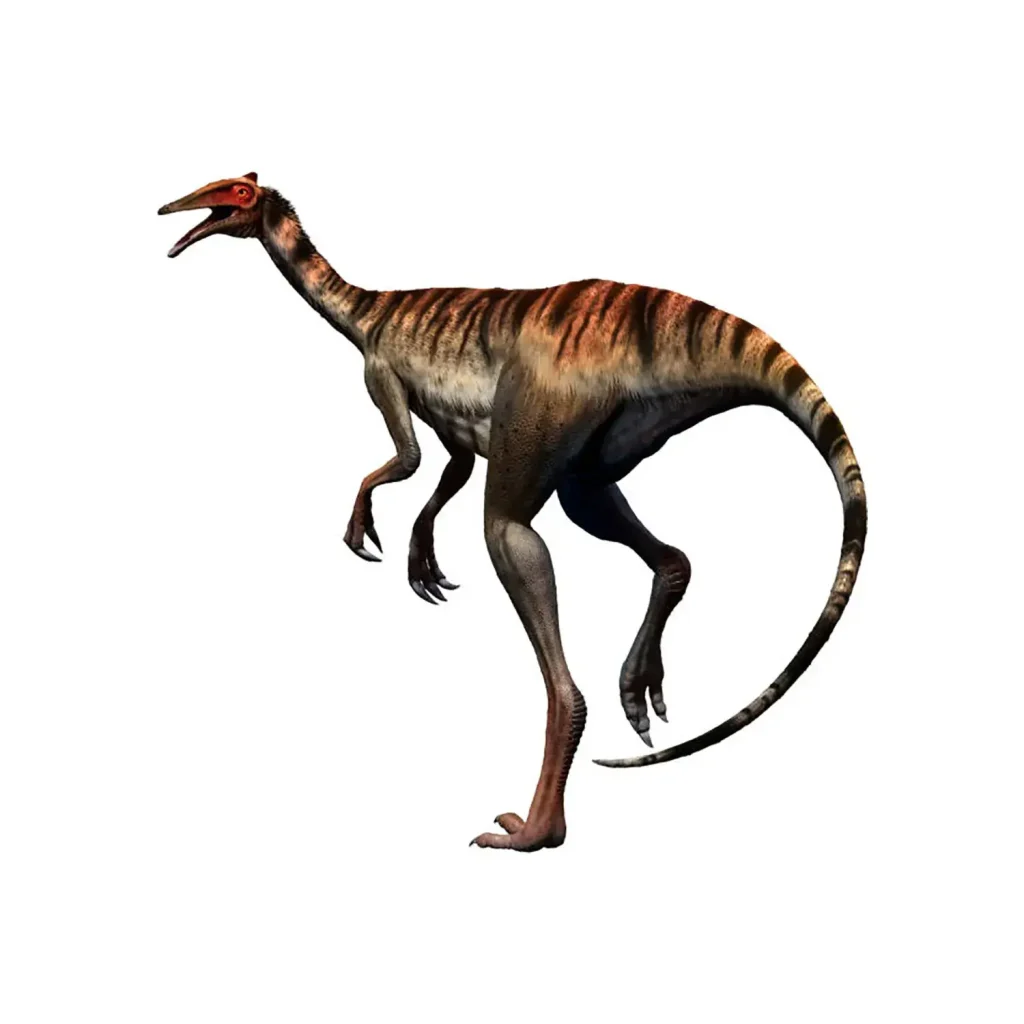
- Pelecanimimus
- Classification
- Theropods
- Characteristics
- Carnivorous
- Era
- Cretaceous period
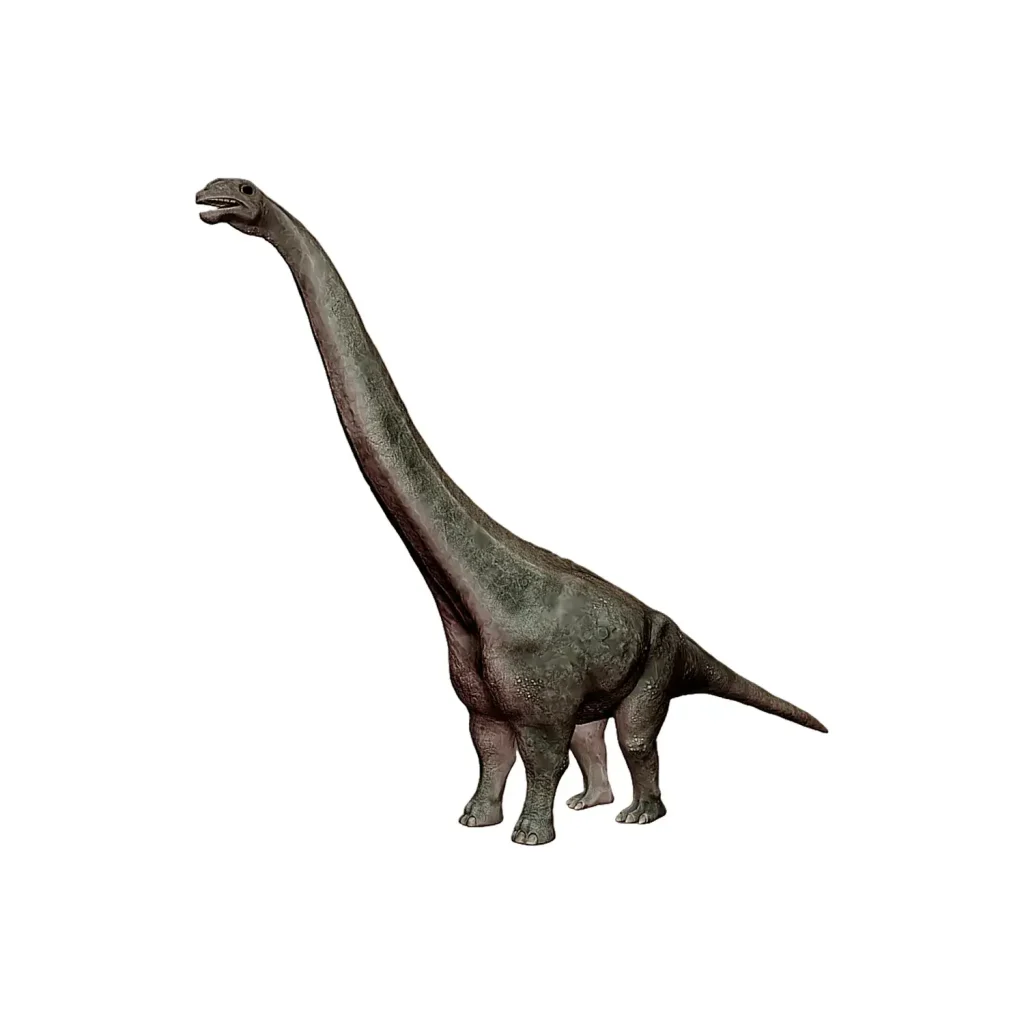
- Futalongkosaurus
- Classification
- Sauropods
- Characteristics
- Herbivorous
- Era
- Cretaceous period
-
Sponsored Links
-
Sponsored Links









![[Latest Research] What Was the Function of Spinosaurus's Giant "Sail"? Exploring the Mysteries of Thermoregulation and Underwater Locomotion](https://dinosaurmuseum.jp/wp/wp-content/uploads/eyecatch_spinosaurus-sail-function_en-1024x512.webp)
![[Latest Discovery] A Third Type of Skin, Neither Scales Nor Feathers? Meet "Haolong dongi," a New Dinosaur Species Covered Entirely in Spikes](https://dinosaurmuseum.jp/wp/wp-content/uploads/eyecatch_dinosaur-spiky-skin-discovery_en-1024x512.webp)





Description
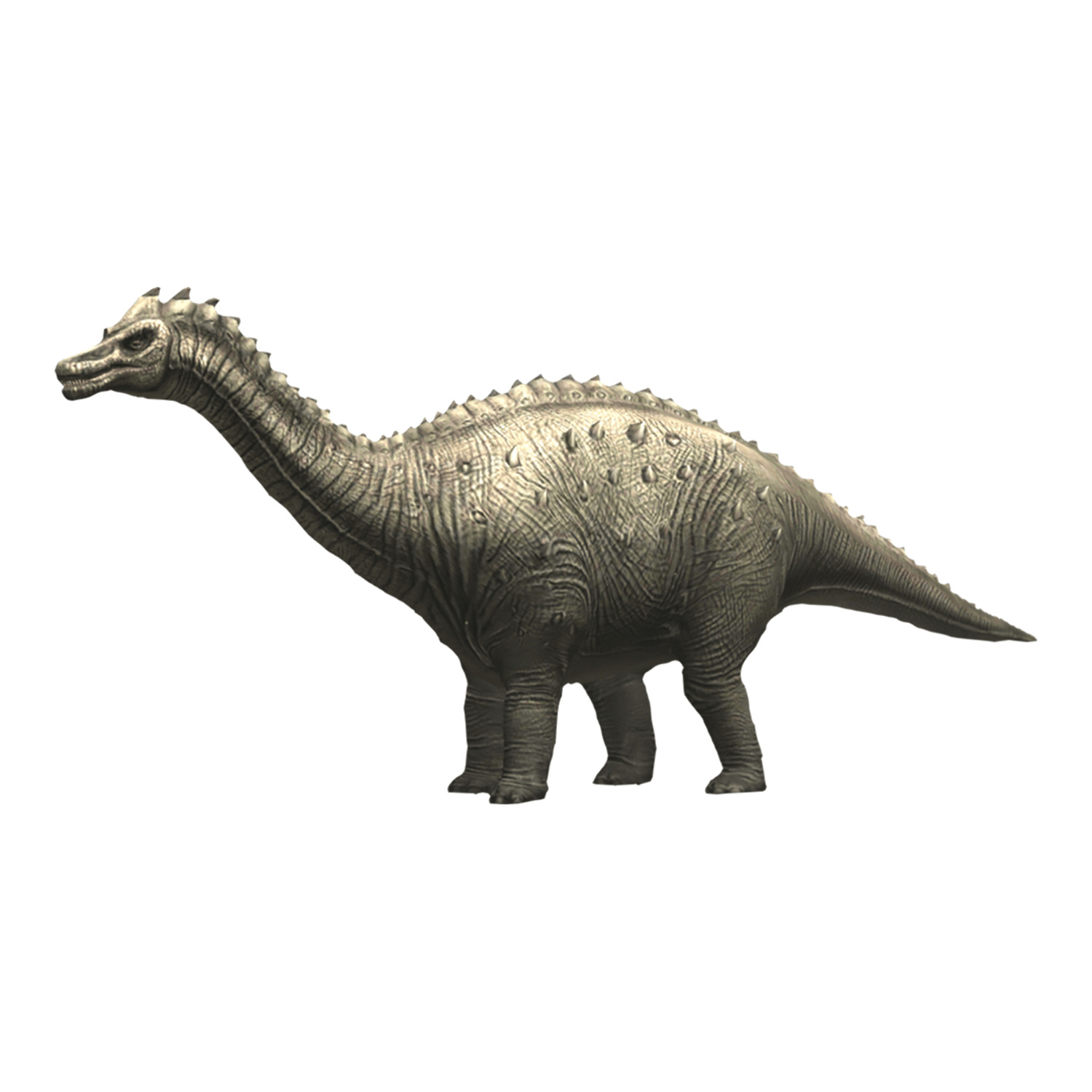
In Late Cretaceous Argentina, South America, there lived a massive sauropodomorph with a very unique mouth.
This is “Bonitasaura.”
Belonging to the Titanosauria (Argentinosauridae), this dinosaur is known for the discovery of a precious jaw fossil, which is significant because skull fossils are seldom found in this group.
A “Shovel-like” Mouth and Two Types of Teeth
Bonitasaura’s greatest feature is its unique jaw shape and tooth structure, unseen in other sauropodomorphs.
Broad, Flat Jaw
The discovered jaw fossil was rectangular, and the front of the mouth was broad and flat in a straight line, just like a “shovel.”
Since finding skull fossils of titanosaurs is extremely rare in itself, this shape astonished paleontologists.
Two Types of Teeth with Different Roles
Inside the mouth, two types of teeth with different functions were lined up.
Front
Small, sharp teeth that were replaced frequently.
Back
Wedge-shaped teeth for chewing plants.
A Rake-like Feeding Style
It is believed they used this specialized mouth to eat plants dexterously.
They likely stripped plants by using their teeth like a “rake” and cut through hard vegetation using the beak-like outer edges of the teeth.
They also possessed muscular necks, making it possible to reach leaves high up in the canopy.
The Baton Passed by “Tica,” a 98-Year-Old Woman
Although Bonitasaura was formally described in 2004, the path to its discovery required many long years and the indispensable cooperation of one woman.
The Phantom Discovery of 1922
Paleontologists knew from records that a 1922 expedition team (Walter Schiller and Santiago Roth) had found important fossils in Patagonia, but they did not know the exact location.
The Location Guided by Memory
The person who revealed that location was a woman named “Tica,” who had accompanied the expedition team in her youth.
At the time of the investigation, she was 98 years old and had lost her sight, but with amazing memory, she guided the scholars to the exact discovery site.
The scientific name is derived from “La Bonita,” the geological formation where it was found.
Without Tica’s memory, the true identity of this unique dinosaur might still be sleeping in the earth today.