
What Are Dinosaurs? Definitions, Characteristics, and Types Explained! Plus, Why They Grew So Big and Evolved Into Birds
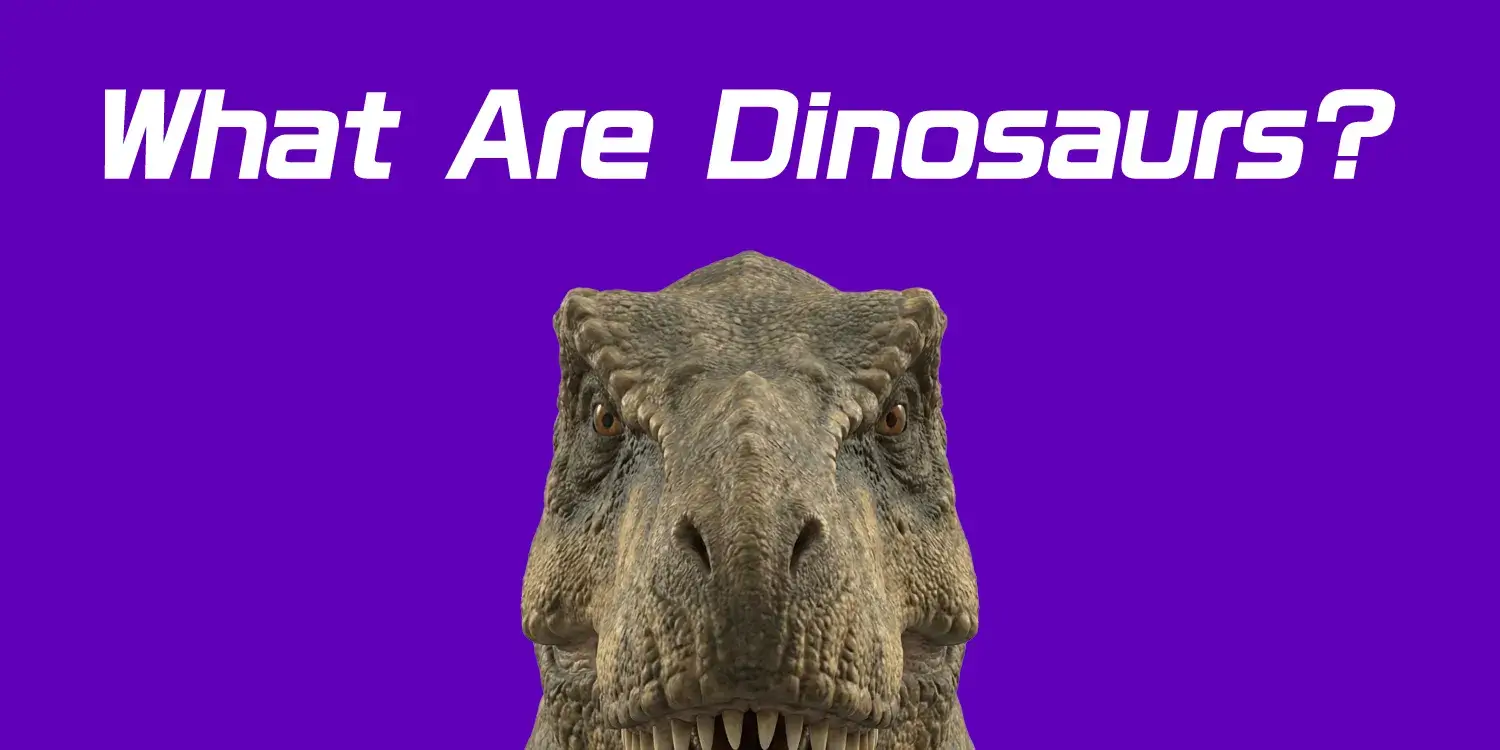
The word “dinosaur” translates to “terrible lizard” in Greek.
However, the latest research reveals that they were not merely lizards, but creatures that underwent remarkable evolution.
Dinosaurs appeared approximately 250 million years ago (during the Triassic Period) and ruled the Earth for about 160 million years throughout the Jurassic and Cretaceous periods.
In this article, we will thoroughly explain the full picture of dinosaurs—from their academic definition to the keys to their success, such as “upright walking” and “air sacs,” to their evolution into birds.
Definition of Dinosaurs: Is Pteranodon Not a Dinosaur?
There is a clear definition that answers the question, “What is a dinosaur?”
Academic Definition (Cladistics)
A dinosaur is defined as “the most recent common ancestor of Triceratops and birds, and all of its descendants.”
In other words, it refers to an entire specific group of reptiles that includes two major subgroups: the “Saurischians” (theropods, etc.) and the “Ornithischians” (Triceratops, etc.).
Physical Definition: Upright Walking
Their greatest physical feature is how their legs are attached.
While crocodiles and lizards have legs sprawling out to the sides, dinosaurs have legs extending straight down (upright) directly beneath their bodies.
The structure where the thigh bone (femur) fits into a hole in the pelvis called the “acetabulum” allowed them to support their massive weight and walk or run efficiently.
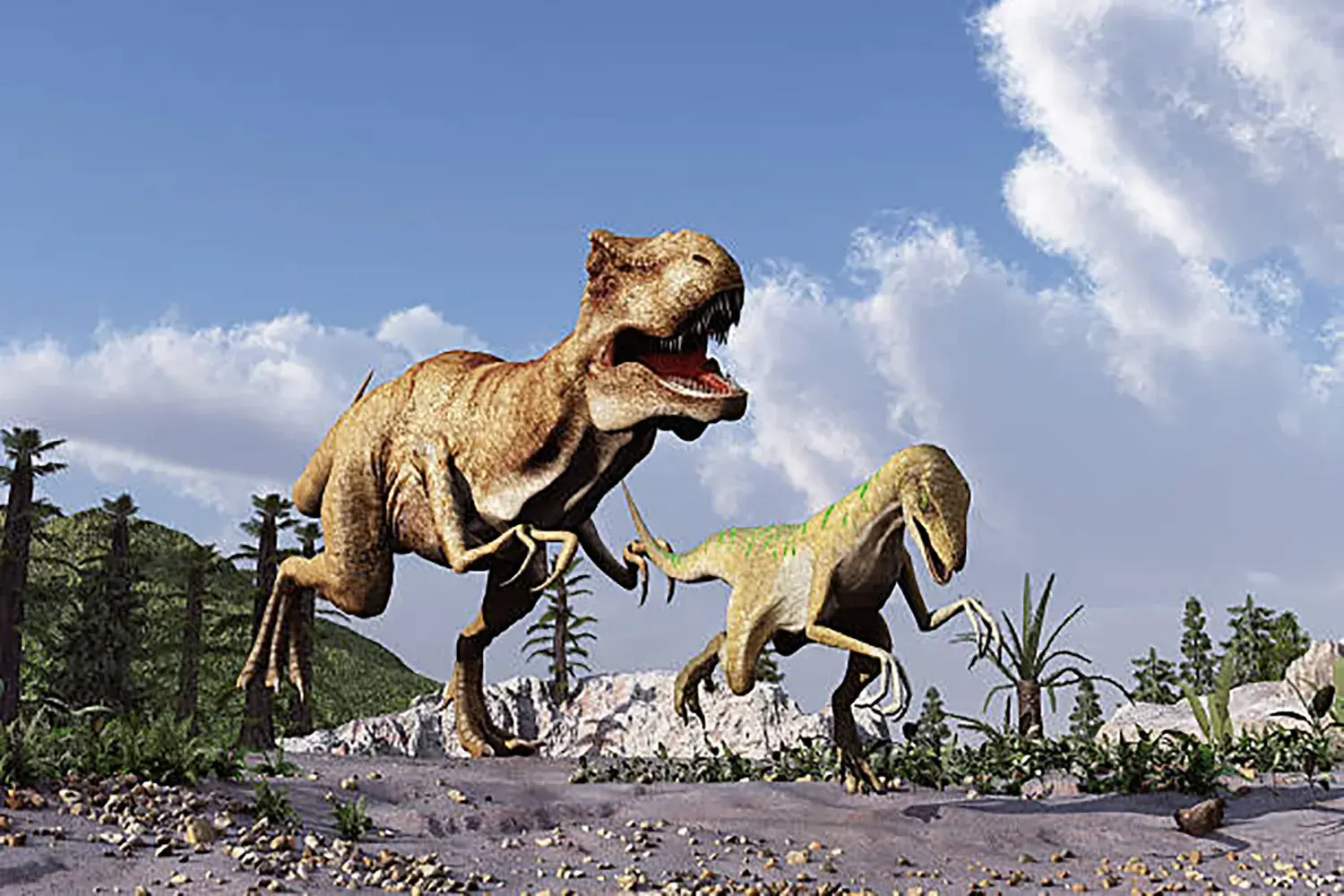
Allowed them to support their massive weight and walk or run efficiently.
Creatures That Are Not Dinosaurs
According to this definition, the following creatures are not “dinosaurs.”
Pterosaurs
Pteranodon, Quetzalcoatlus, etc.
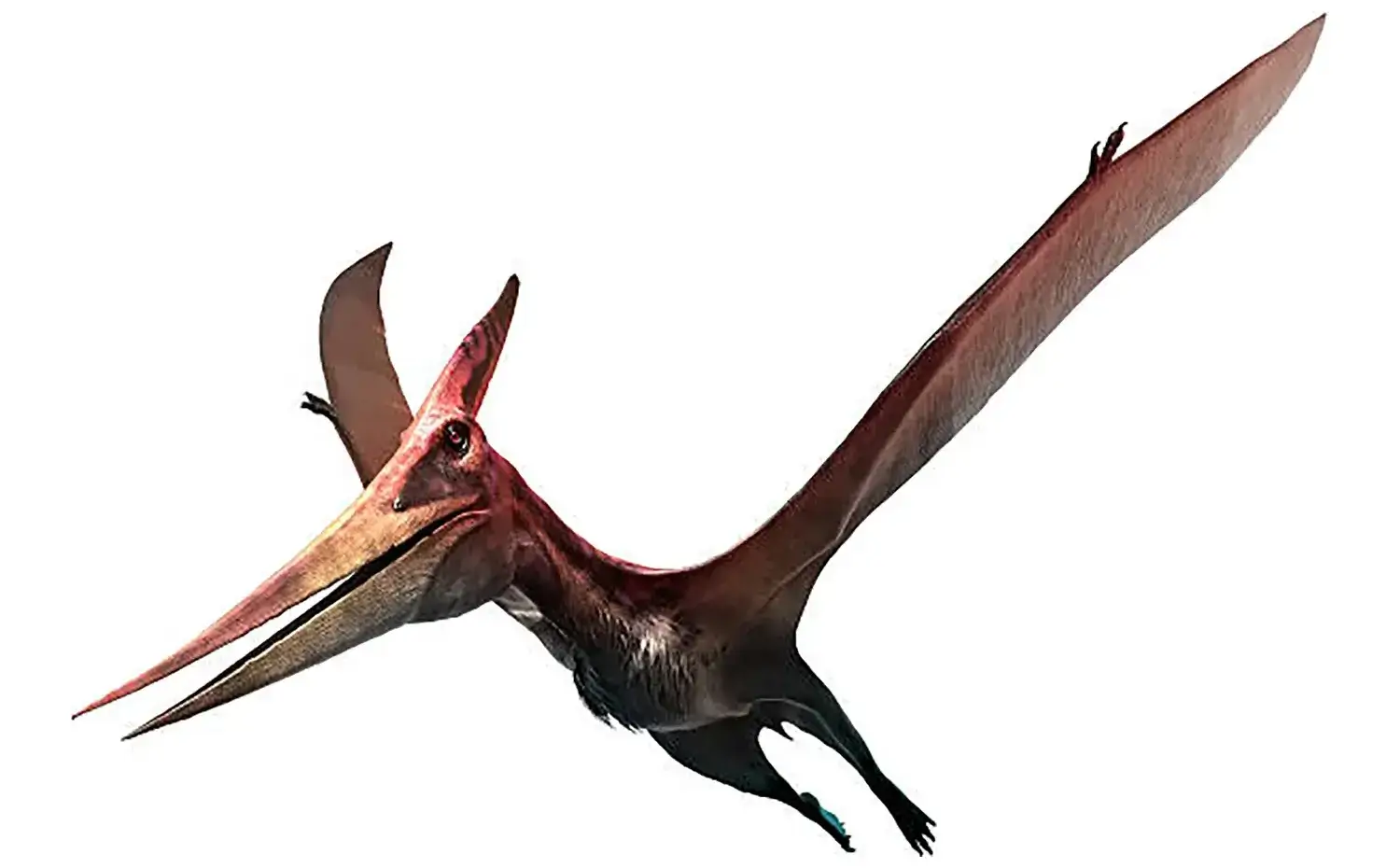
Pteranodon
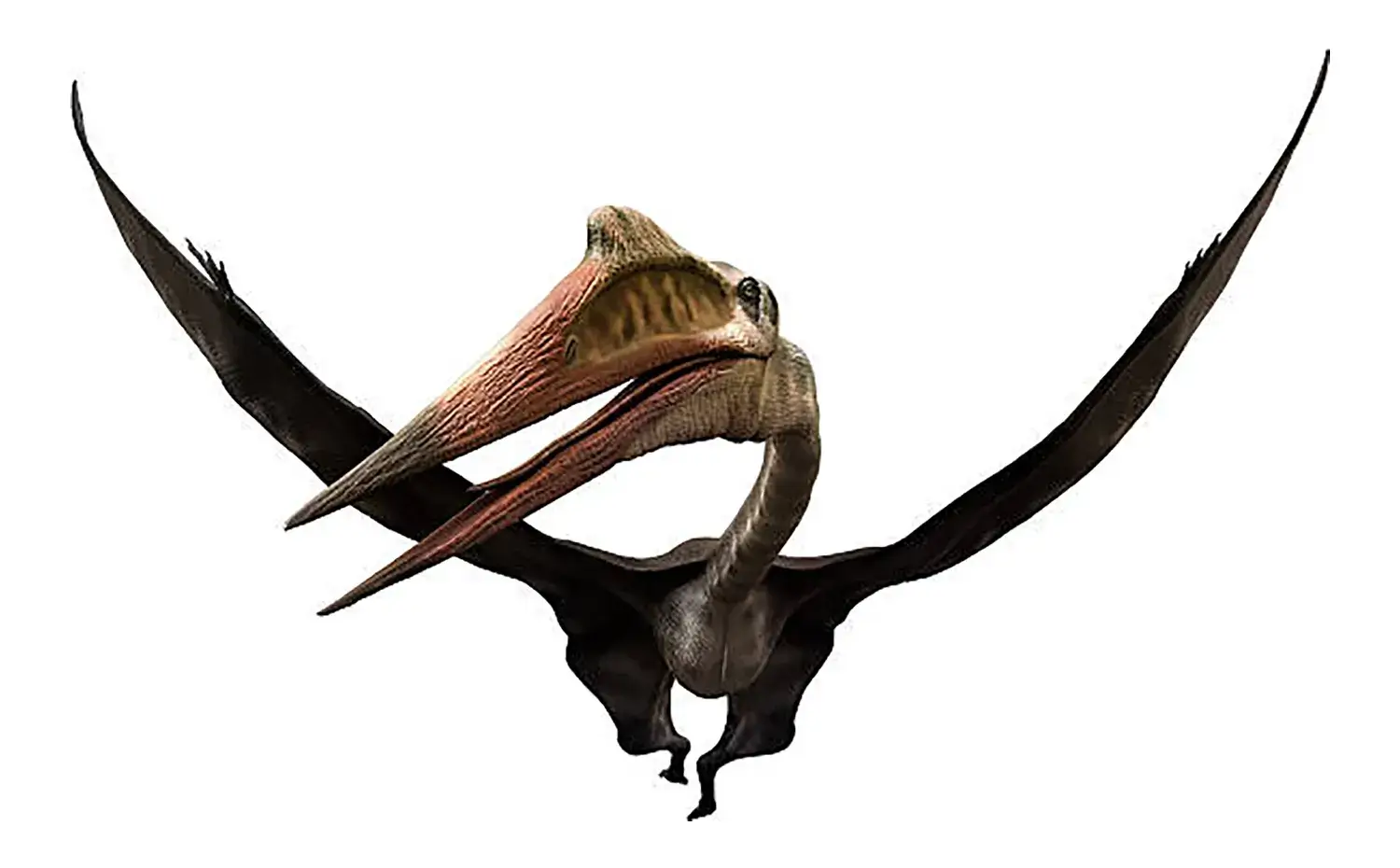
Quetzalcoatlus
Marine Reptiles (Plesiosaurs and Ichthyosaurs)
Plesiosaurus, Mosasaurus, etc.
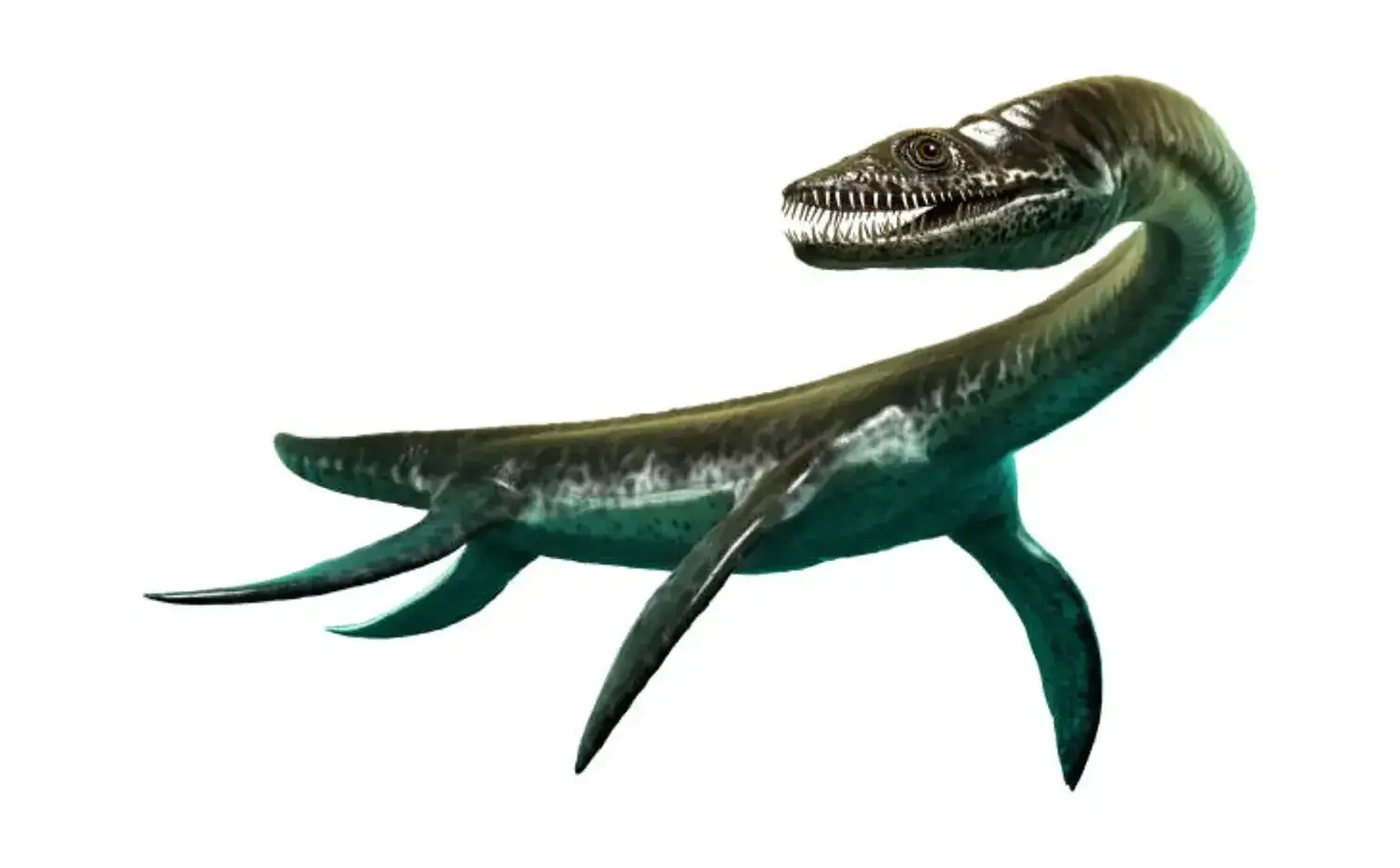
Plesiosaurus
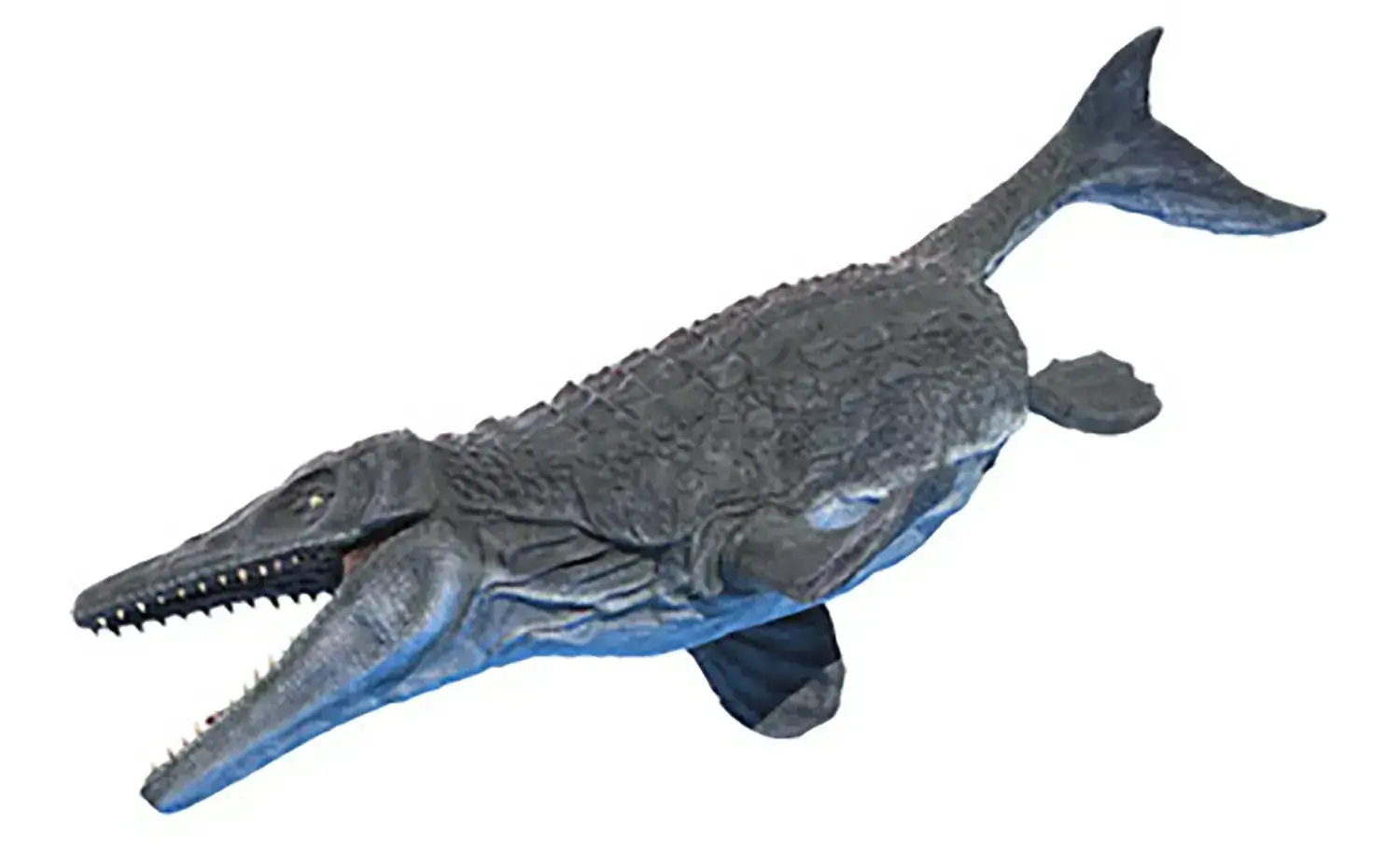
Mosasaurus
These are “other reptiles that lived during the same era as dinosaurs.”
Why Were They Able to Rule the Earth? Physical Innovations That Supported Their Success
The biggest reason dinosaurs flourished was their groundbreaking and efficient physical structure, which was unmatched by other creatures.
The “Breathing While Moving” Revolution
Upright walking, with legs extending straight down, allowed them to move without compressing their lungs, enabling efficient breathing while running.
In the low-oxygen environment of the Triassic period (about half of current levels), this became an overwhelming advantage.
The Same “Air Sac” System as Birds
Saurischians (theropods and sauropodomorphs) possessed a respiratory system called “air sacs,” identical to that of modern birds.
This mechanism, which continuously pumps fresh air into the lungs, achieved a much higher oxygen intake efficiency than mammals, making it possible to maintain massive bodies and engage in vigorous activity.
Additionally, it is believed that many dinosaurs were “endothermic (warm-blooded),” meaning they could maintain their own body temperature.
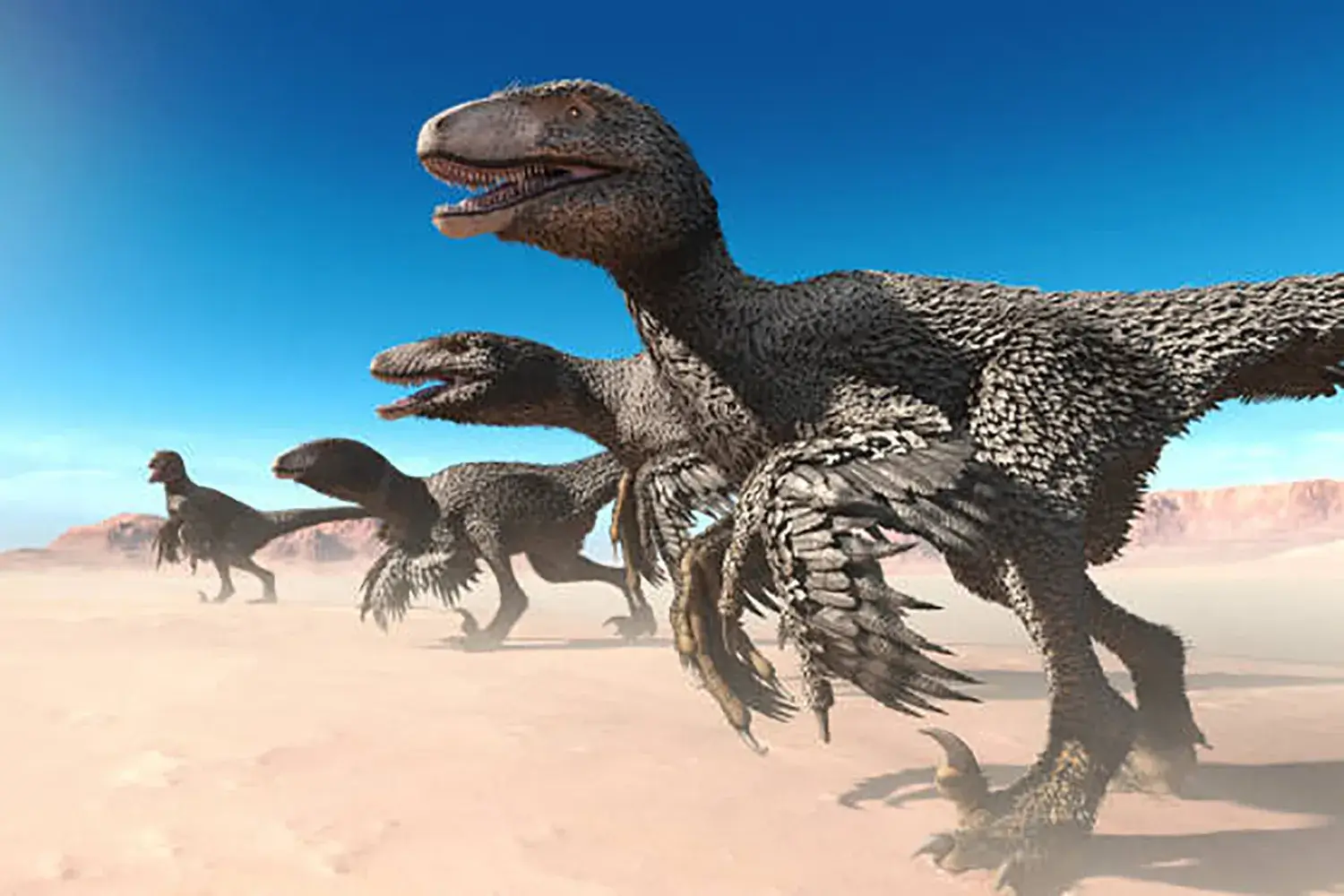
It is believed they were endothermic creatures.
Dinosaur Types and Classification: Saurischia and Ornithischia
Dinosaurs are broadly divided into two groups based on the shape of their pelvis.
Order Saurischia: Lizard-Hipped Pelvis
The group where the pubis points forward.
Birds evolved from this lineage.
Theropods (Carnivorous, Bipedal)
Tyrannosaurus, Velociraptor, etc.
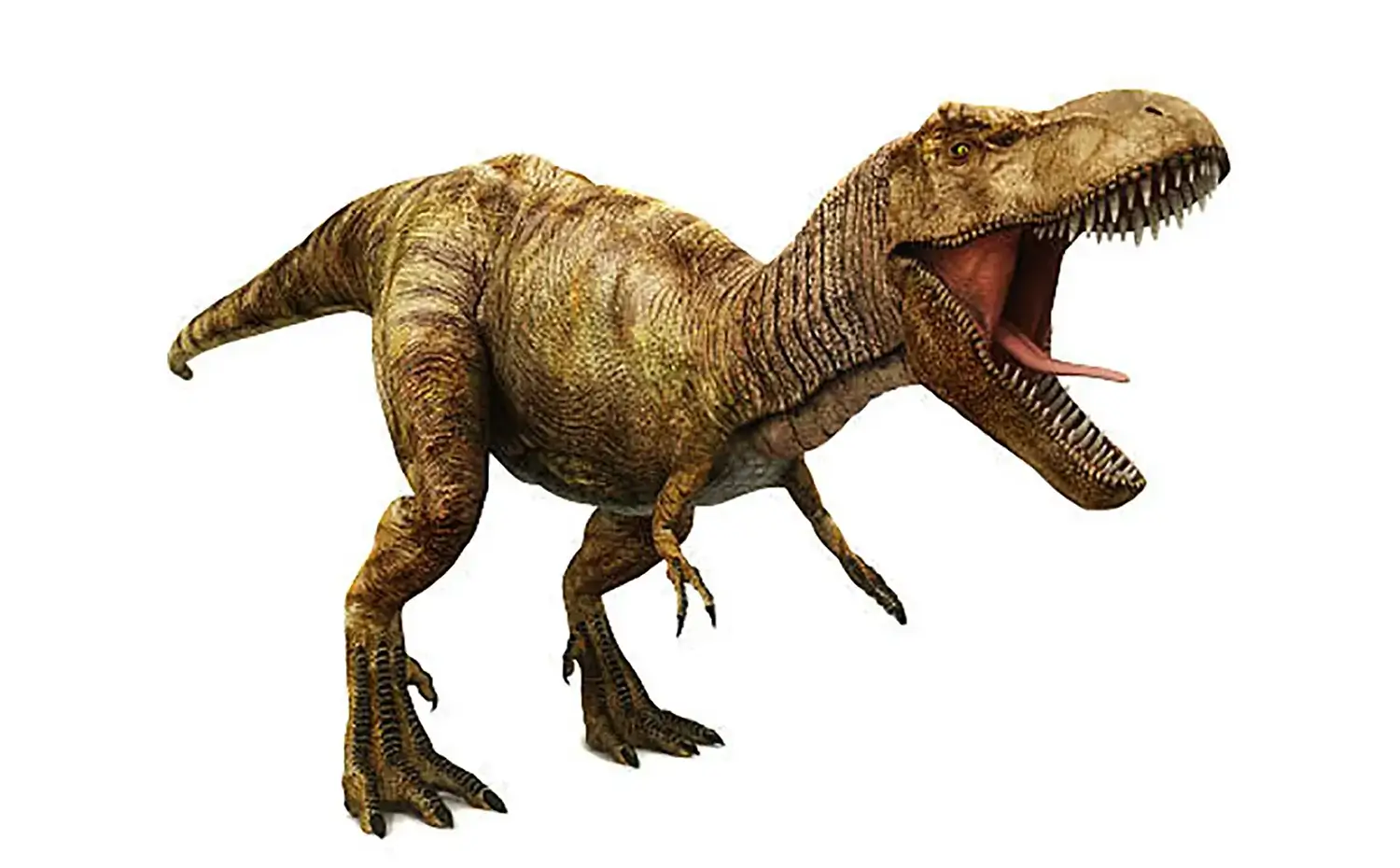
Tyrannosaurus
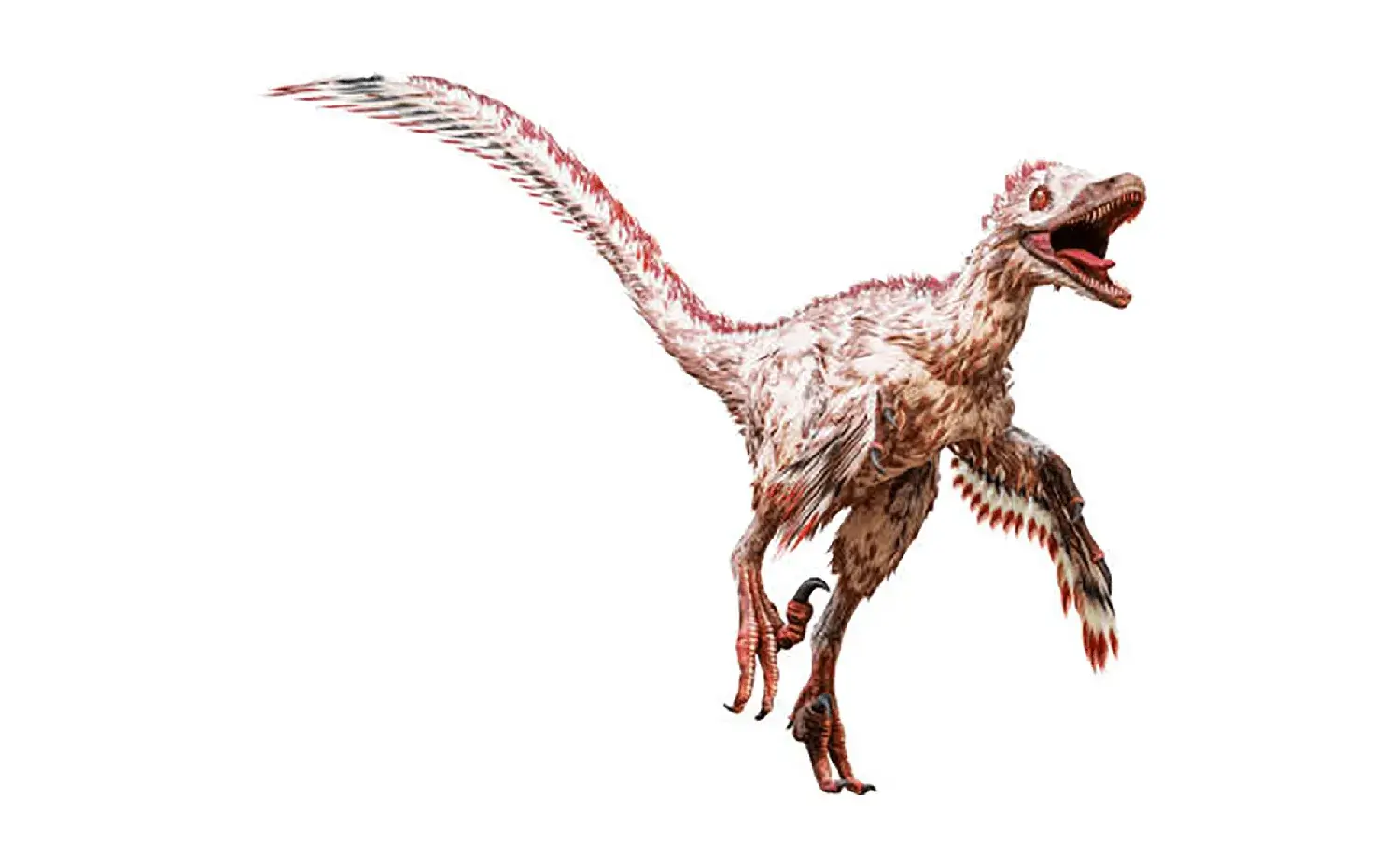
Velociraptor
Sauropodomorphs (Herbivorous, Giant Necks and Tails)
Brachiosaurus, Diplodocus, etc.
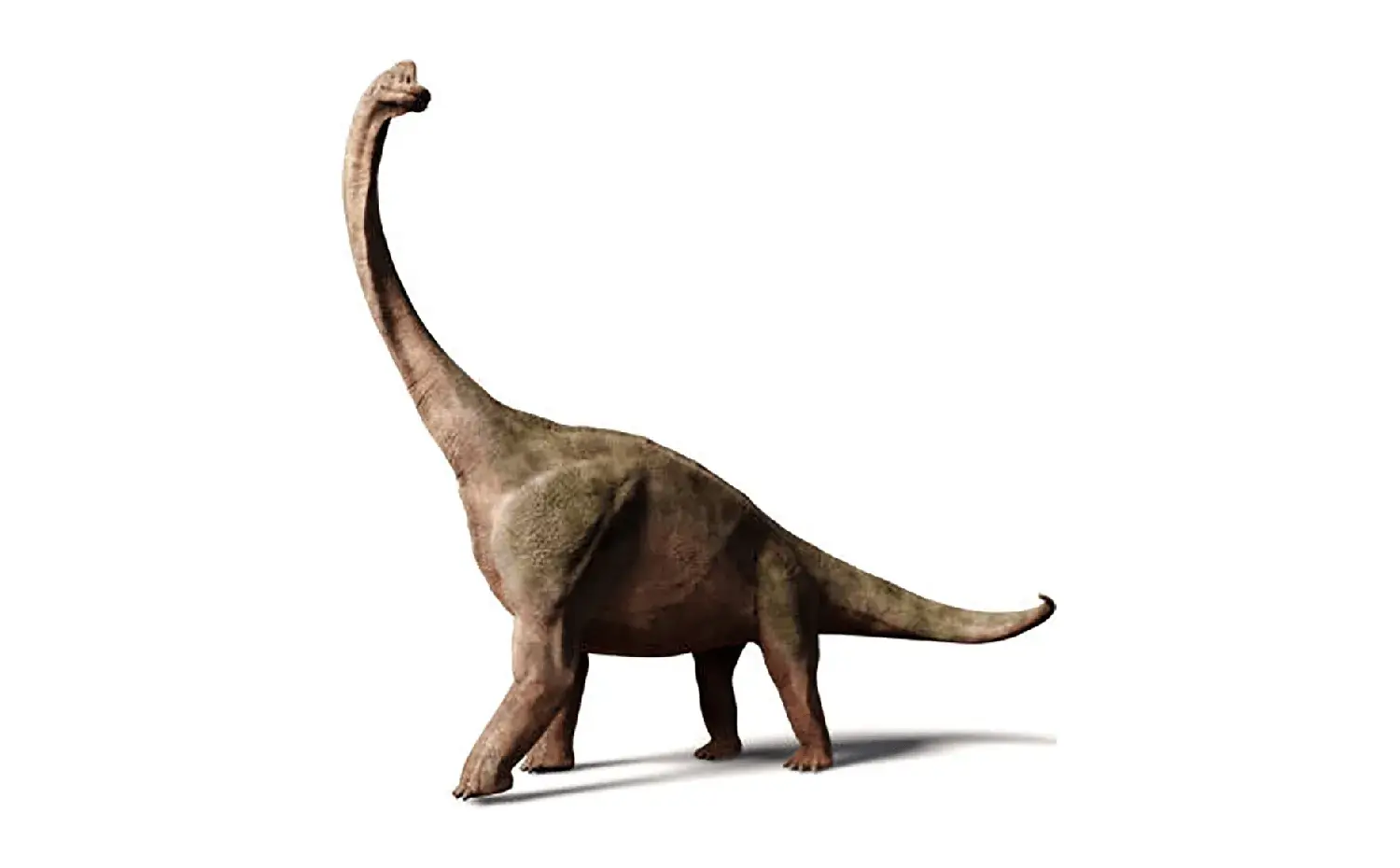
Brachiosaurus
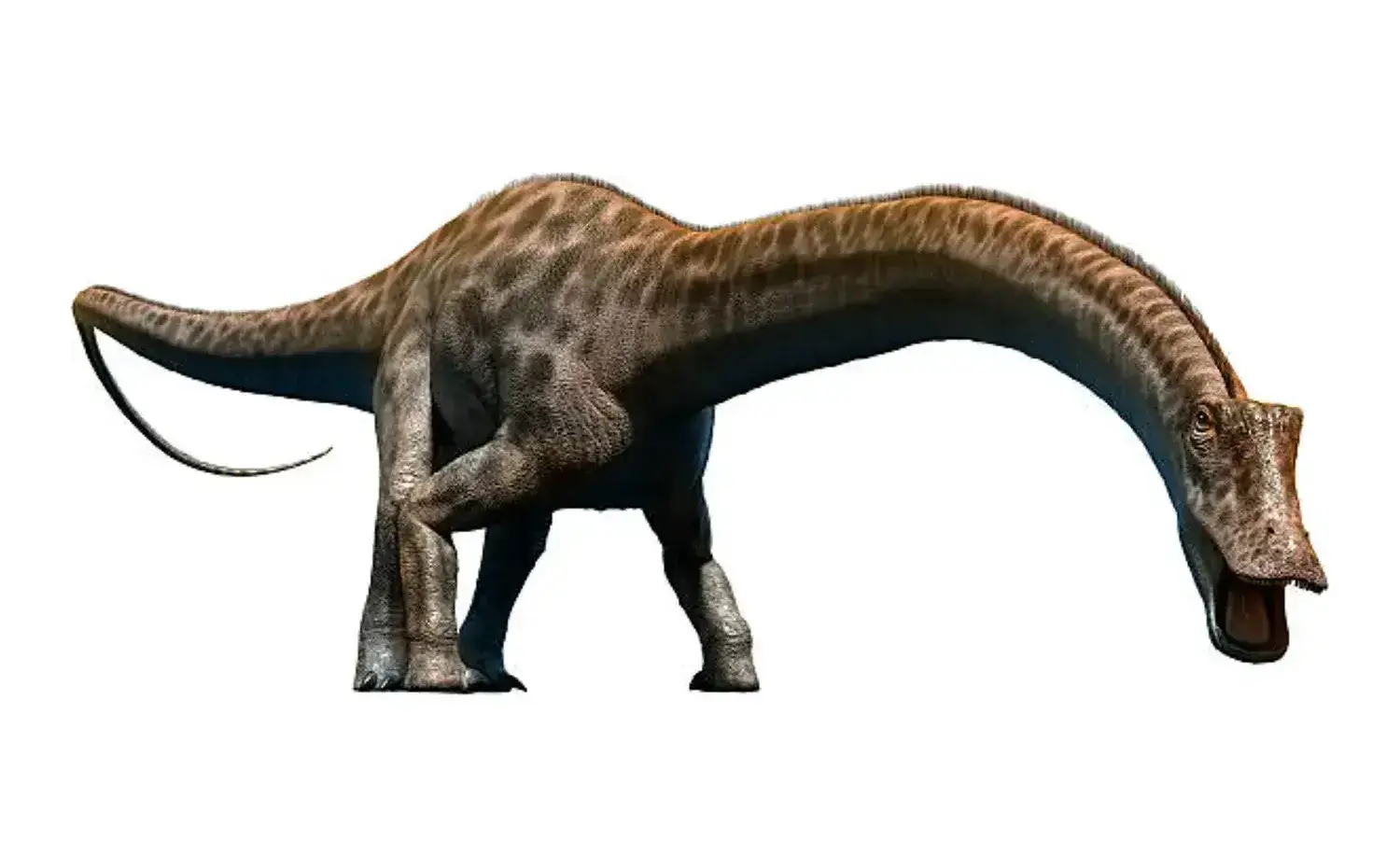
Diplodocus
Order Ornithischia: Bird-Hipped Pelvis
The group where the pubis points backward.
All species in this group are herbivorous.
Ornithopods
Iguanodon, Hadrosaurus, etc.
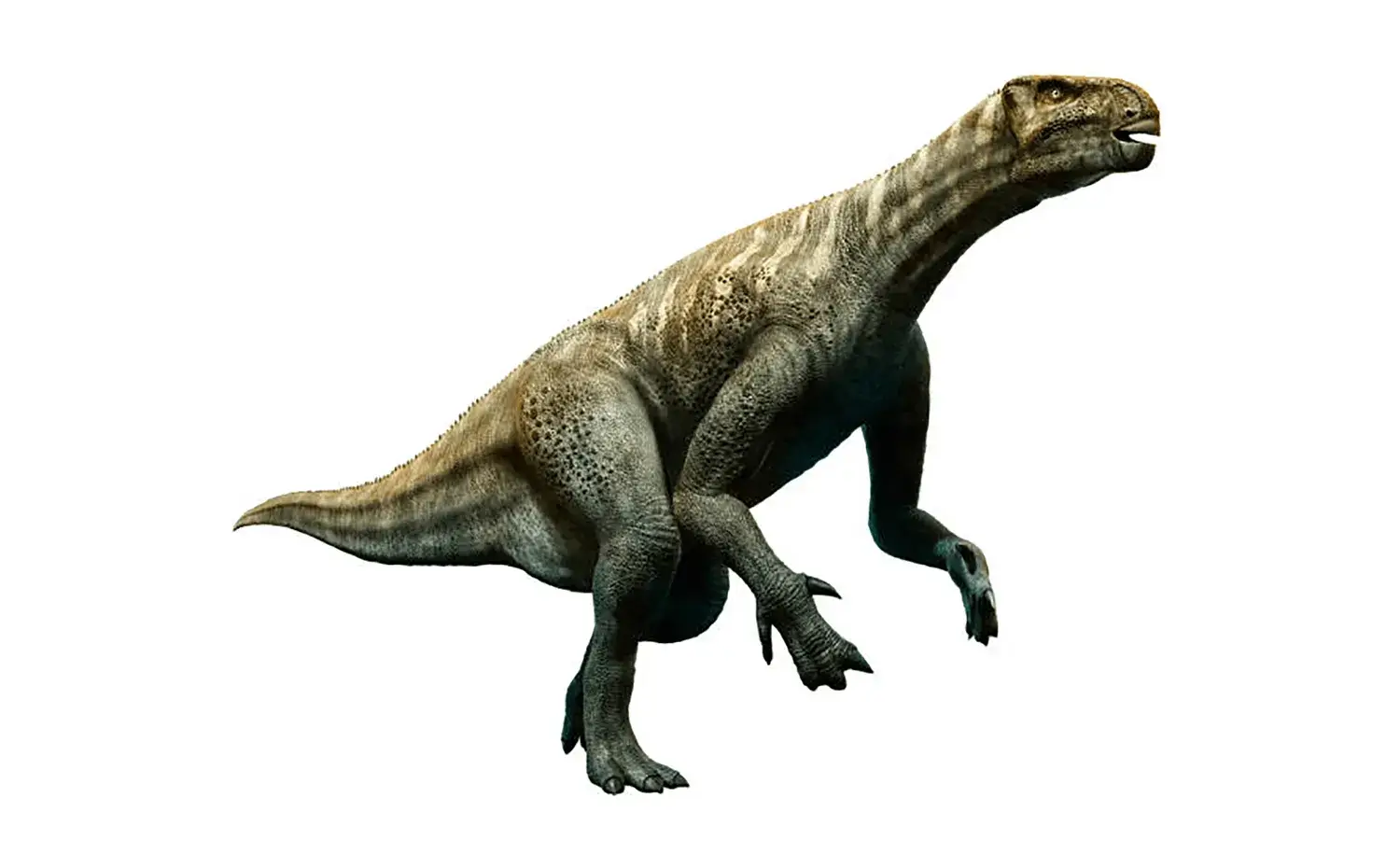
Iguanodon
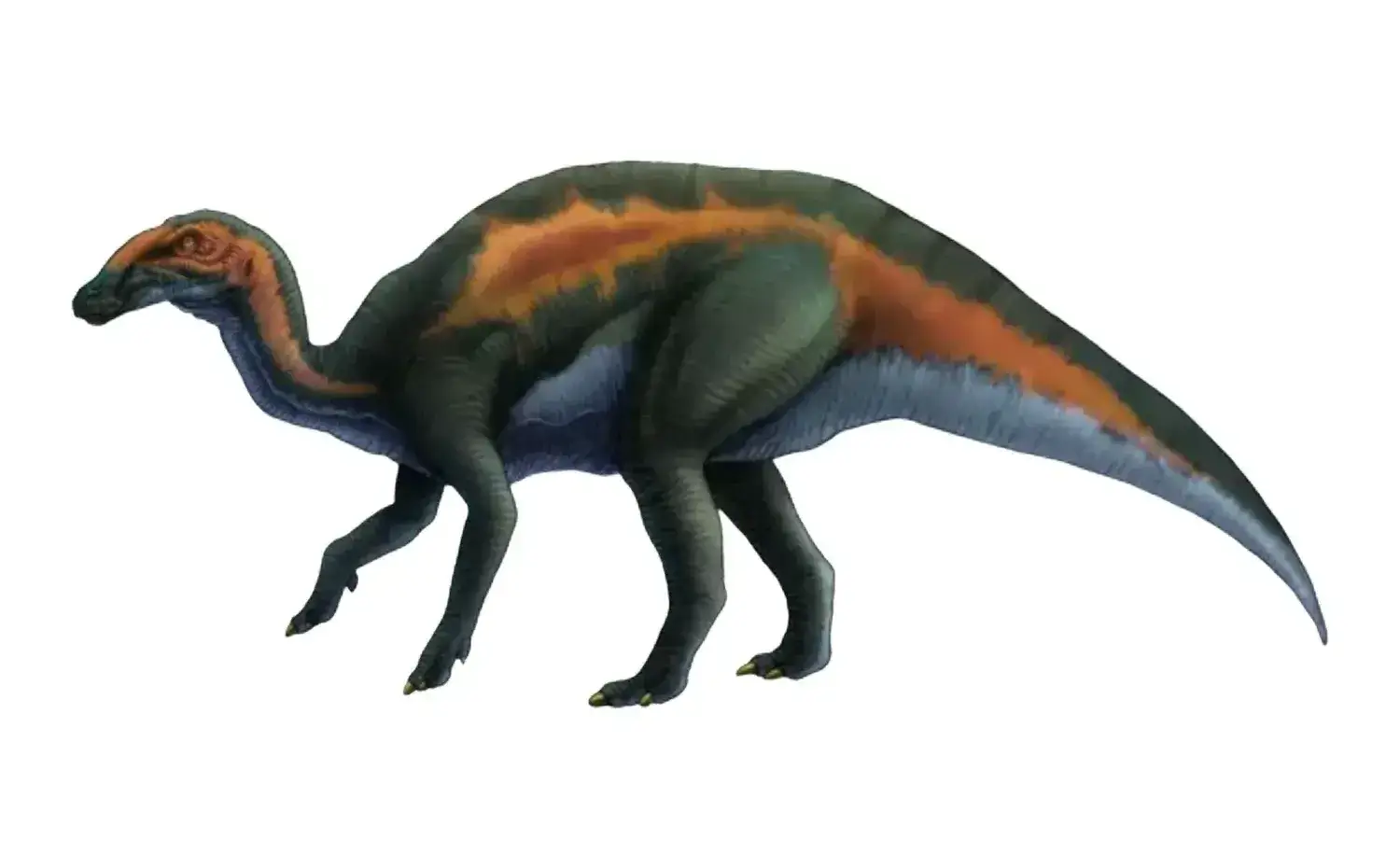
Hadrosaurus
Marginocephalians (Ceratopsians and Pachycephalosaurs)
Triceratops, Pachycephalosaurus, etc.
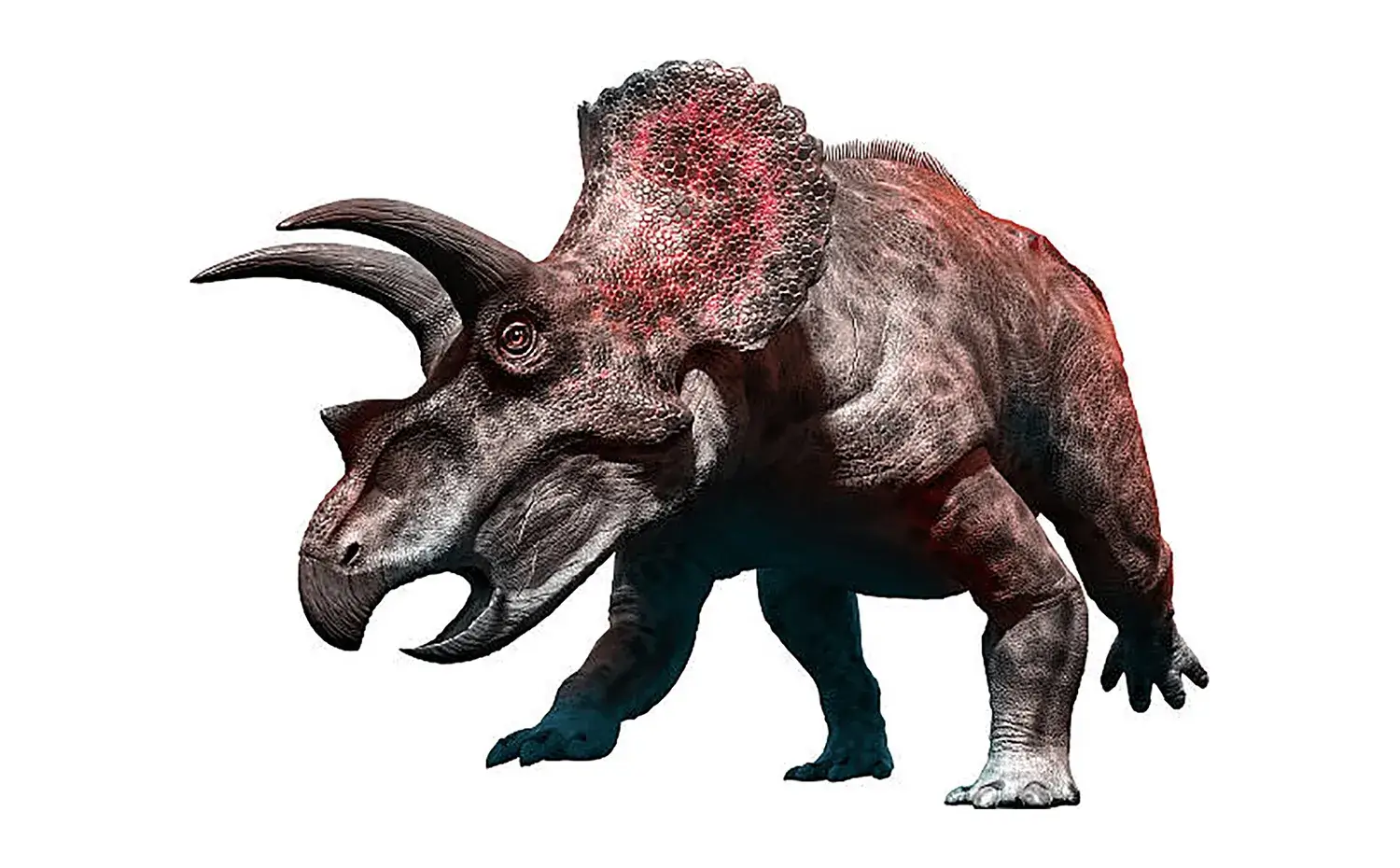
Triceratops
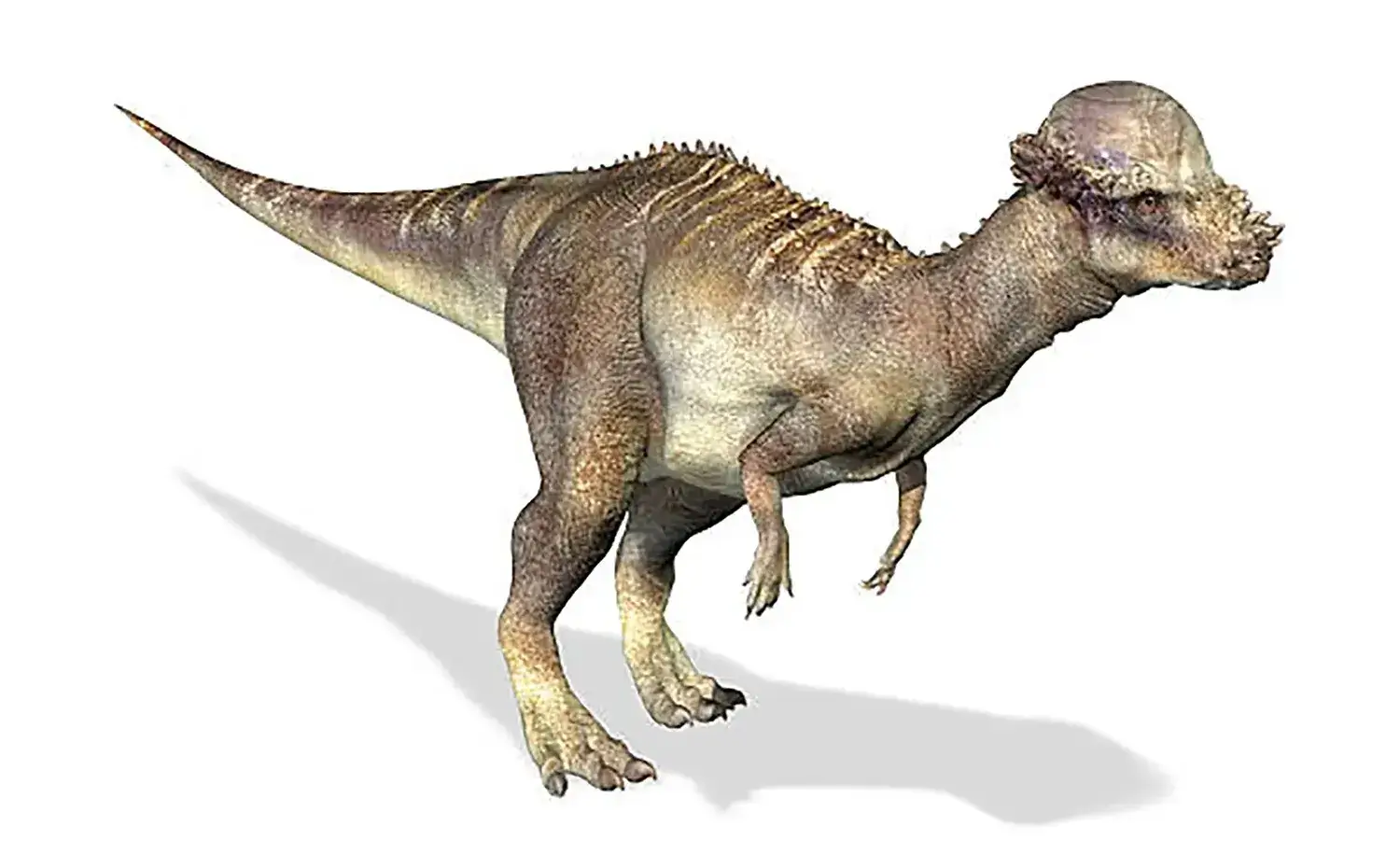
Pachycephalosaurus
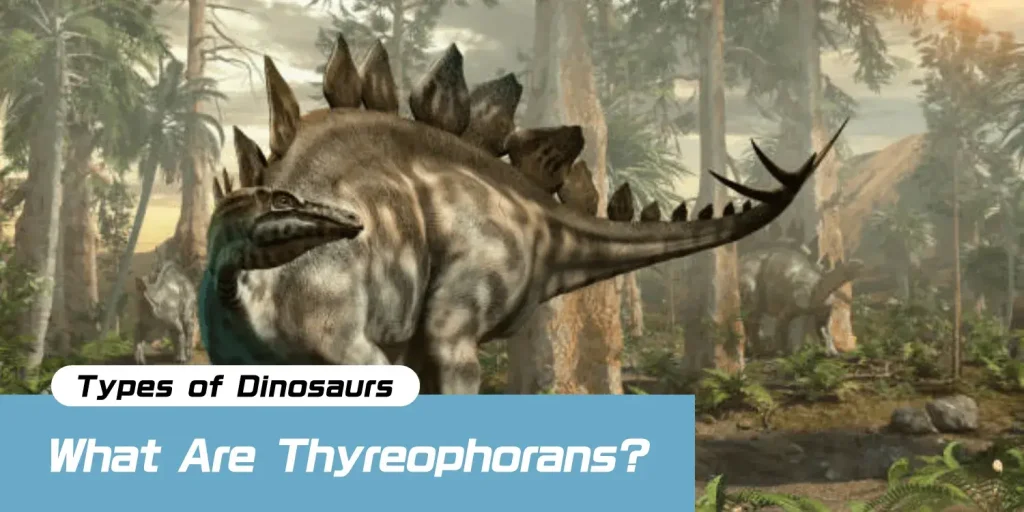
Thyreophorans (Stegosaurs and Ankylosaurs)
Stegosaurus, Ankylosaurus, etc.
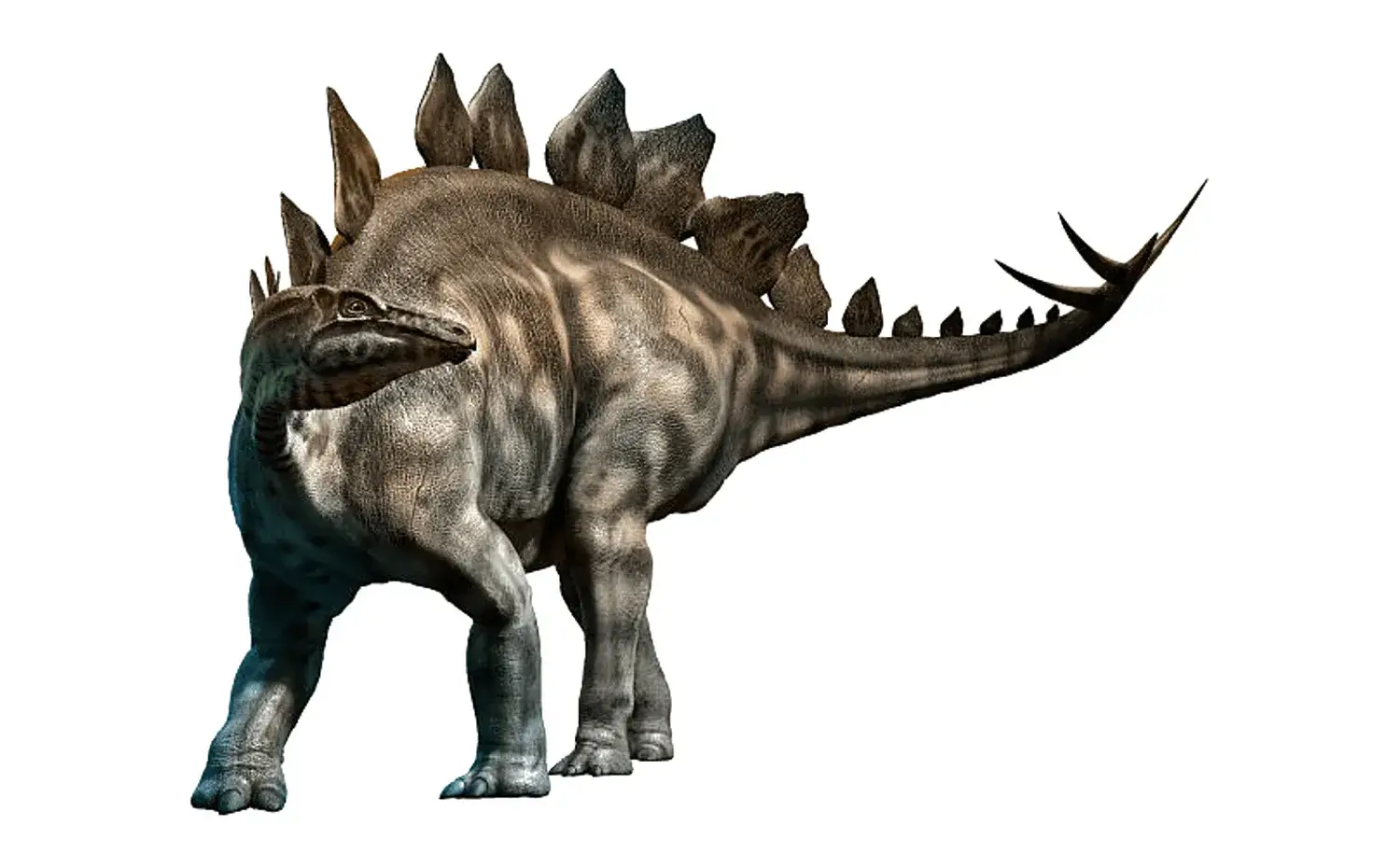
Stegosaurus
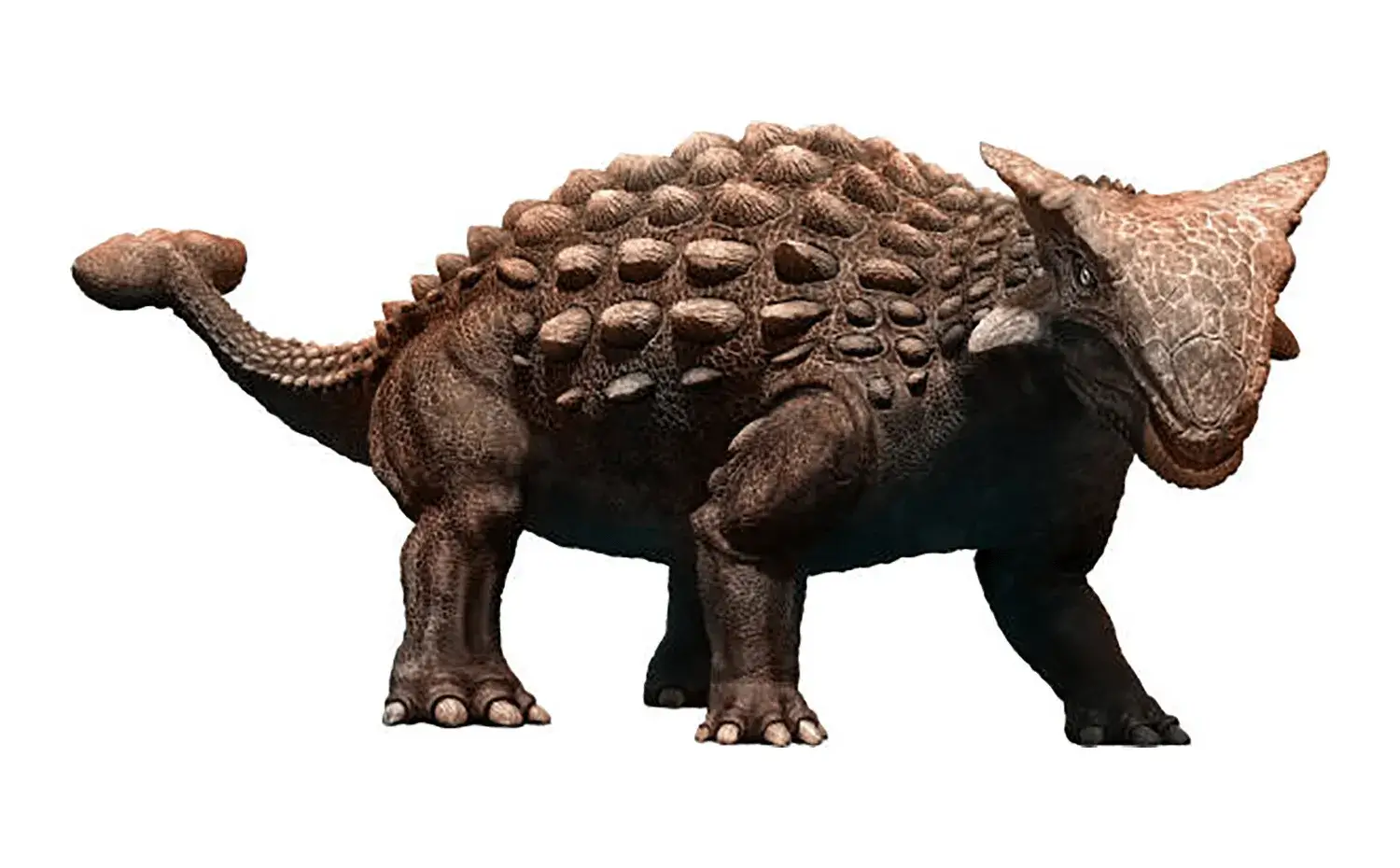
Ankylosaurus
Dinosaur Weaknesses and Their Relationship with Mammals
Why They Couldn’t Expand into the Oceans
Dinosaurs adapted to dry land by laying “hard-shelled eggs.”
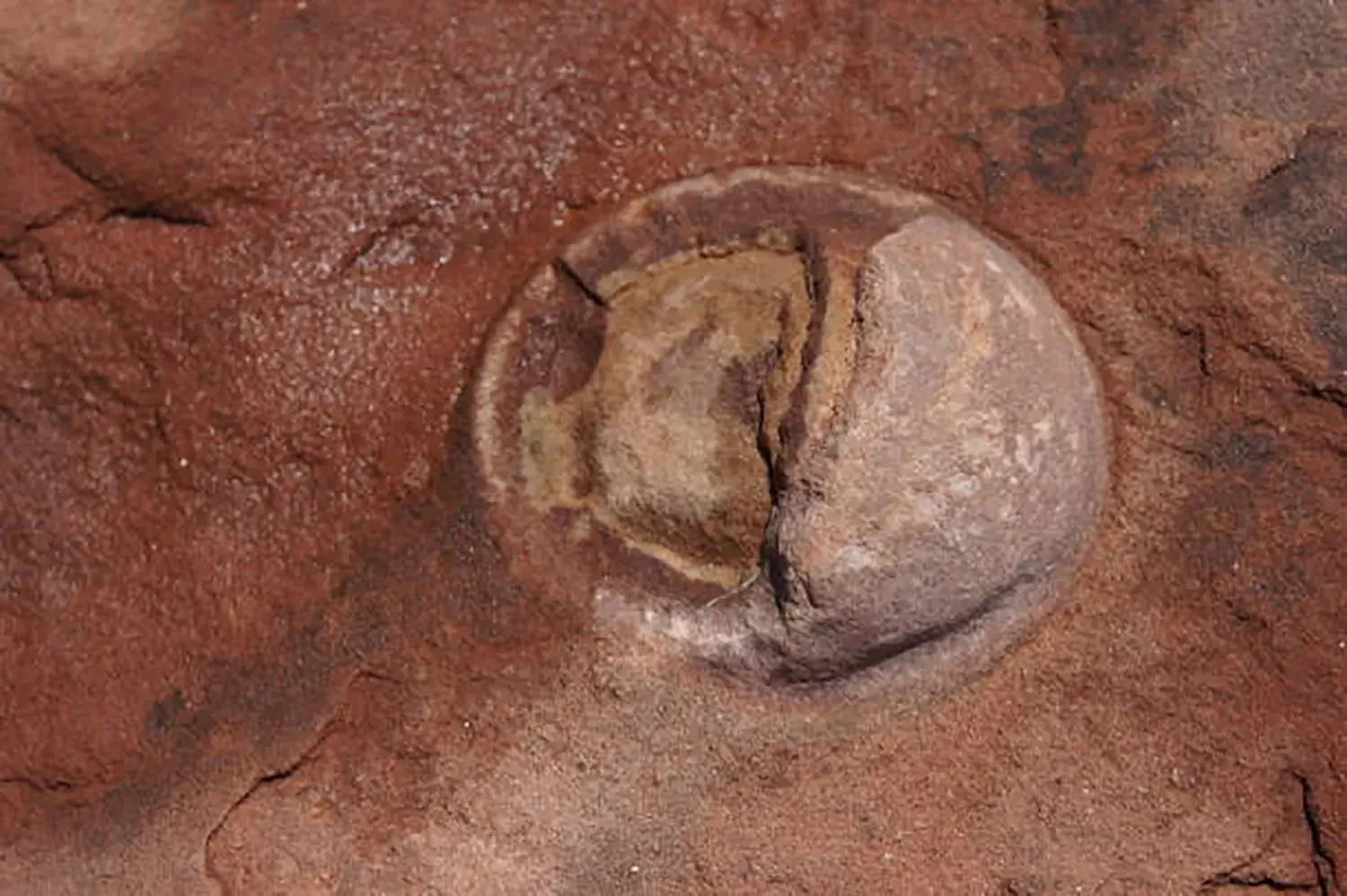
Adapted to dry land by laying “hard-shelled eggs”
However, since eggs can only breathe on land, it was difficult for them to expand into the ocean and fully adapt to an aquatic lifestyle (like giving birth to live young).
This is one of the reasons why dinosaurs “could not rule the seas.”
The “Night” Rivalry with Mammals
The ancestors of mammals, which appeared around the same time as dinosaurs, avoided daytime competition and chose a nocturnal lifestyle.
As a result, their vision (color vision) deteriorated, but their senses of hearing and smell developed.
The fact that many mammals possess dichromatic (two-color) vision is a remnant of this era.
Are Dinosaurs Not Extinct? Evolution into “Birds”
The idea that “dinosaurs went extinct 66 million years ago” is now outdated common knowledge.
Birds Are Dinosaurs
From the discovery of feathered dinosaurs and the commonalities in their skeletons and air sacs, it has been definitively established that “birds are a subgroup of theropod dinosaurs.”

It has been established that “birds are a subgroup of theropod dinosaurs”
Taxonomically, modern birds (such as sparrows and chickens) are also included as “dinosaurs (avian dinosaurs).”
Although the “non-avian dinosaurs” (like Tyrannosaurus) went extinct due to the giant meteorite impact, small birds survived and continue to thrive greatly to this day.









![[Latest Research] What Was the Function of Spinosaurus's Giant "Sail"? Exploring the Mysteries of Thermoregulation and Underwater Locomotion](https://dinosaurmuseum.jp/wp/wp-content/uploads/eyecatch_spinosaurus-sail-function_en-1024x512.webp)
![[Latest Discovery] A Third Type of Skin, Neither Scales Nor Feathers? Meet "Haolong dongi," a New Dinosaur Species Covered Entirely in Spikes](https://dinosaurmuseum.jp/wp/wp-content/uploads/eyecatch_dinosaur-spiky-skin-discovery_en-1024x512.webp)