The Complete Guide to Dinosaur Classification! Differences Between Saurischians and Ornithischians and Major Species Explained

Dinosaurs are broadly divided into two groups, Saurischians and Ornithischians, based on a decisive characteristic: the shape of their pelvis (hip bone).
This classification is extremely important for understanding the diverse ecology and evolutionary paths of dinosaurs.
While the “saurus” included in dinosaur scientific names means “lizard,” academically, it refers to a specific group of reptiles that evolved a unique upright walking gait.
The Two Pillars of Dinosaur Classification: “Saurischians”
Saurischians are characterized by resembling a lizard’s pelvis, with the pubis pointing diagonally forward and down.
This group includes professional carnivores and the largest giants in history.
1. Theropods: Carnivorous Professionals and Ancestors of Birds
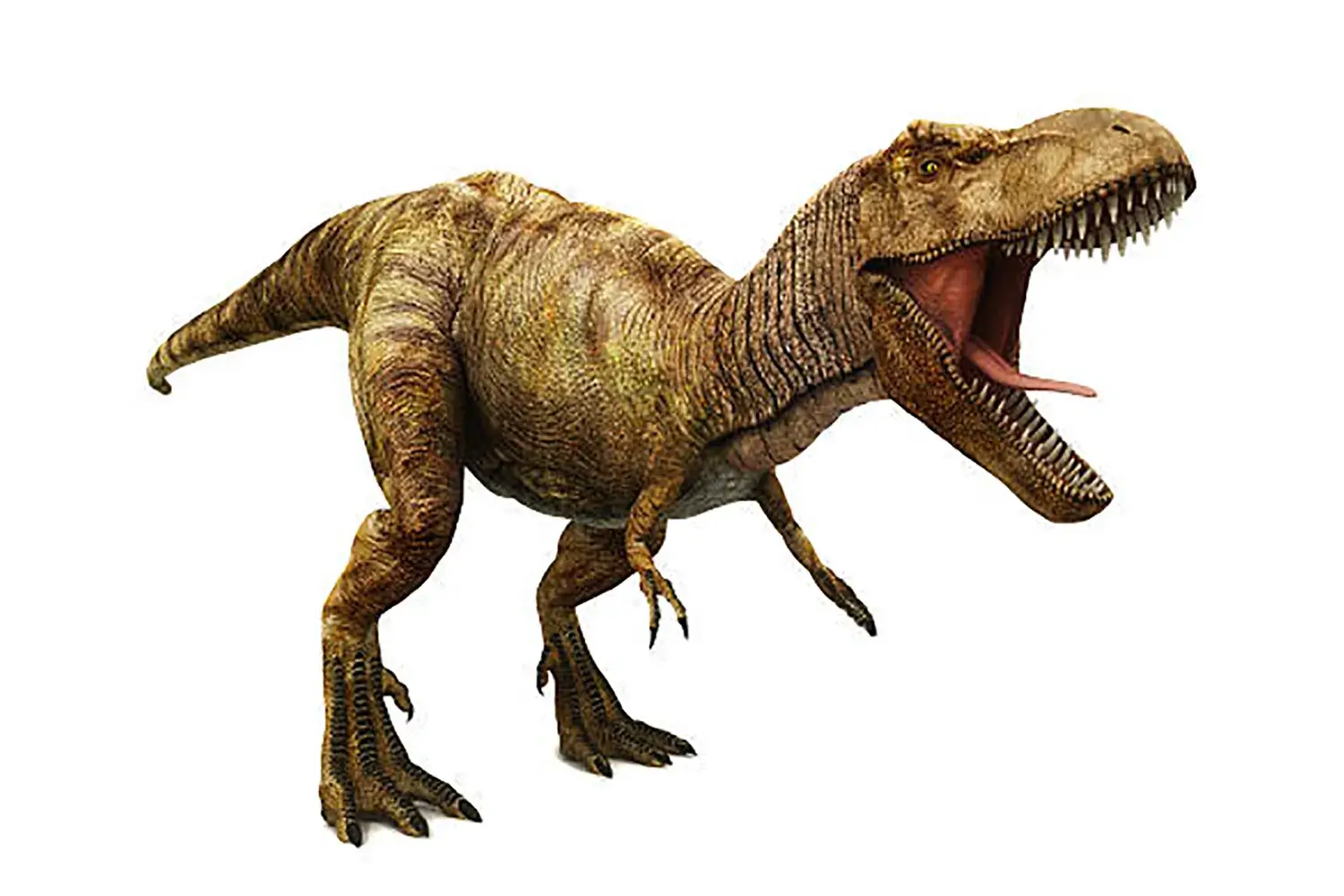
Representative theropod dinosaur ‘Tyrannosaurus’
Characteristics
Popular carnivorous dinosaurs such as Tyrannosaurus, Spinosaurus, and Velociraptor belong to this group, and all species are fundamentally bipedal.
The Secret of Evolution
Theropods evolved into birds in later eras.
In that lineage, the pubis tilted diagonally backward, changing into a shape resembling a bird’s pelvis.
Archaeopteryx is also included in this group.
Dietary Diversity
Most are carnivorous, but in recent years, it has been discovered that there were also herbivorous dinosaurs like Jianchangosaurus, indicating a diversity in diet.
Intelligence
Some species, such as Velociraptor, are known to have possessed high intelligence and exhibited social behaviors, such as hunting in packs.
Representative Theropod Dinosaurs
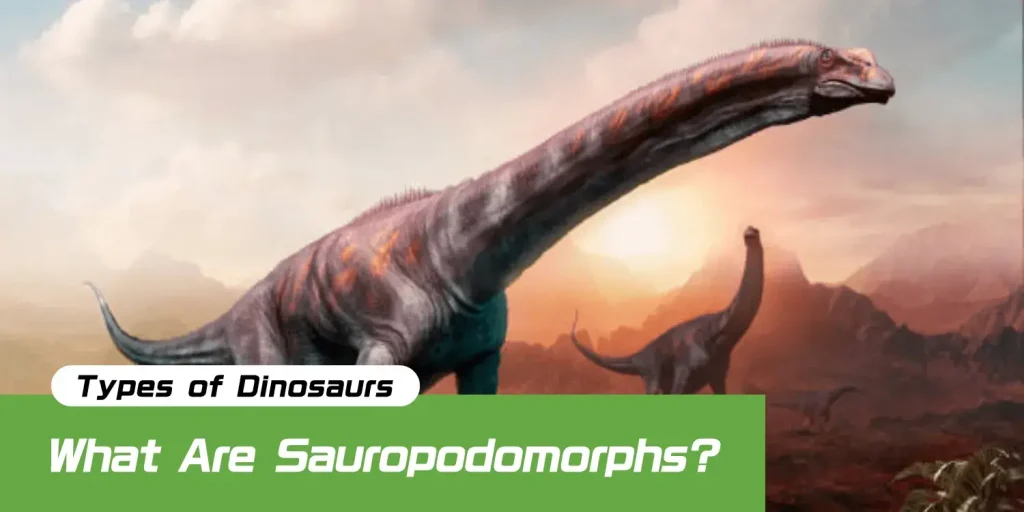
2. Sauropodomorphs: The Group with the Largest Bodies in History
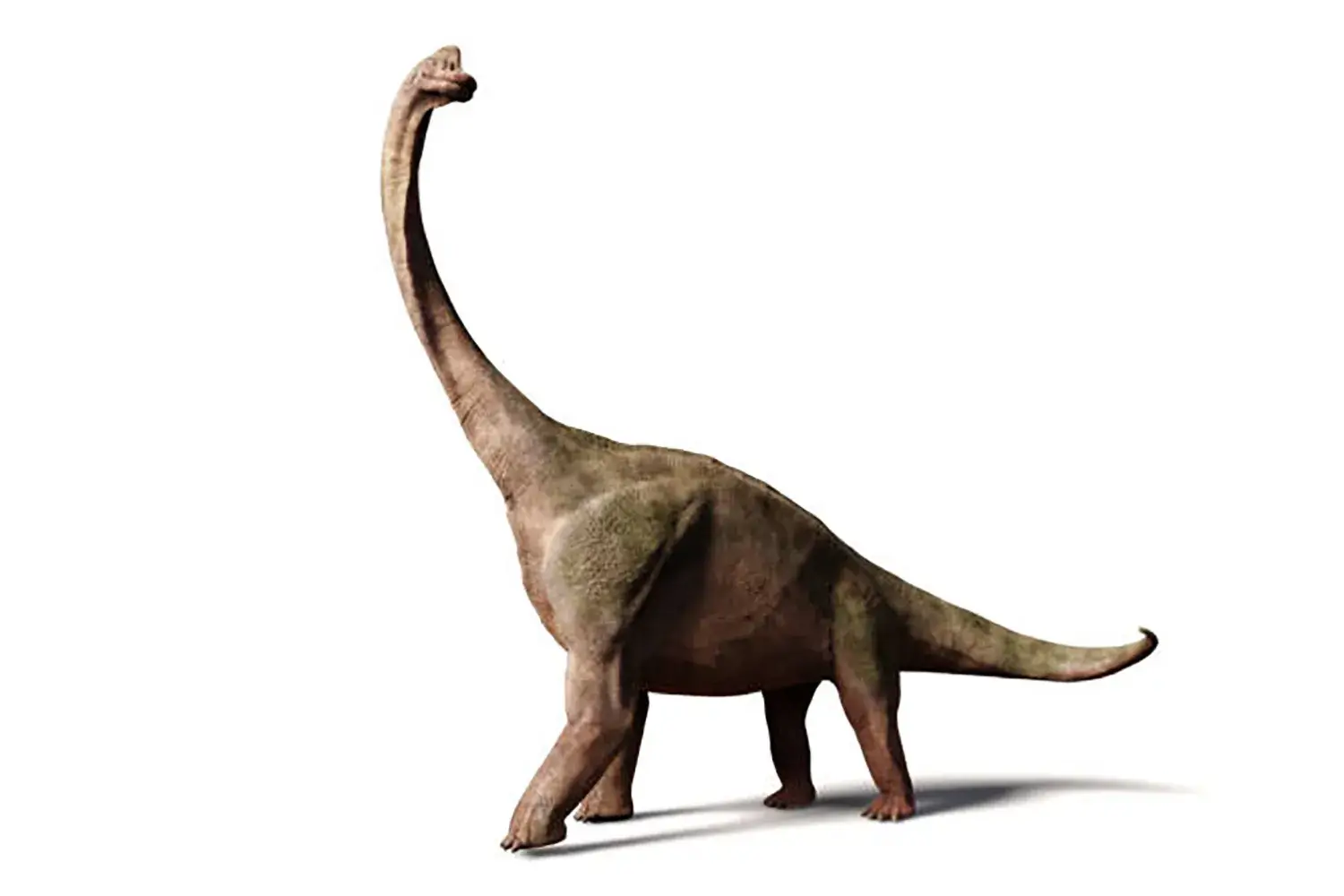
Representative sauropodomorph dinosaur ‘Brachiosaurus’
Characteristics
This includes herbivorous dinosaurs that walked on four legs with massive bodies, represented by Brachiosaurus and Argentinosaurus.
It is the group containing the largest land animals in history (exceeding 30 meters in length).
Secrets of the Skeleton
It is thought that because they possessed pneumatic bones (bones with hollows) during the process of becoming gigantic, the burden on their legs was reduced.
The long tail functioned to maintain body balance and also served as a weapon for defense.
Process of Evolution
Ancestral species such as Eoraptor were bipedal, but as they increased in size, quadrupedalism later became the mainstream.
Representative Sauropodomorph Dinosaurs
The Other Pillar of Dinosaur Classification: “Ornithischians”
Ornithischians are characterized by resembling a bird’s pelvis, with the pubis extending diagonally backward parallel to the ischium.
All dinosaurs belonging to this group are herbivorous and possess extremely diverse appearances.
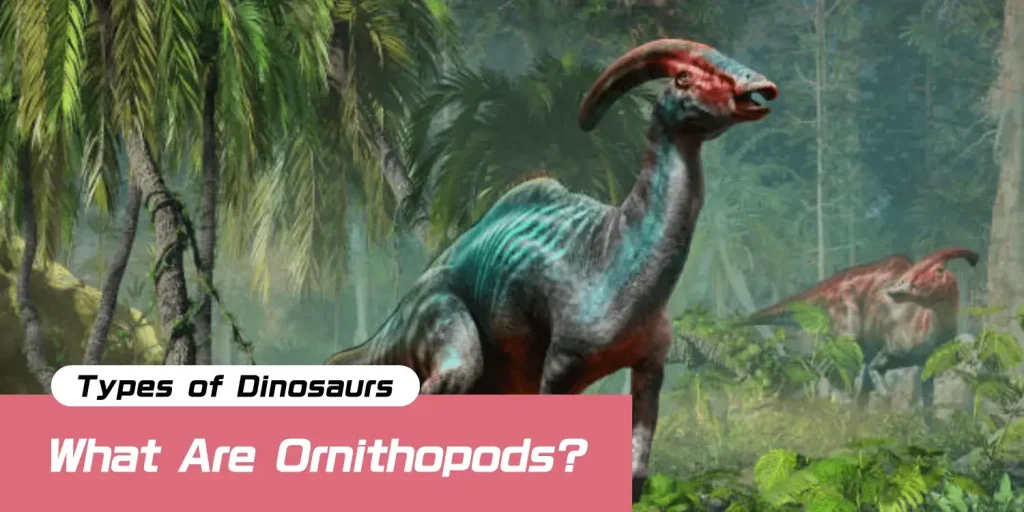
1. Ornithopods: The Duck-Billed Group
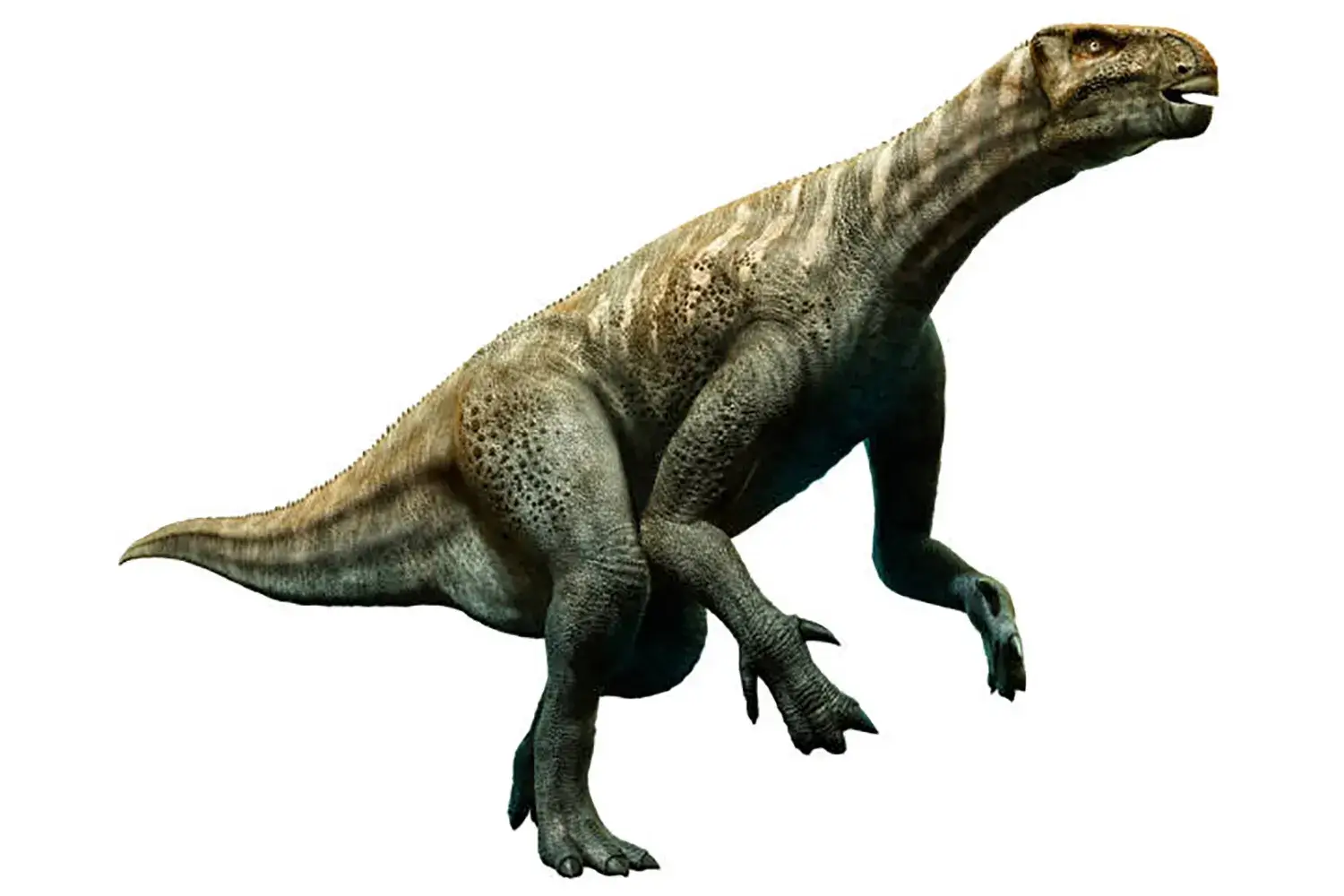
Representative ornithopod dinosaur ‘Iguanodon’
Characteristics
Iguanodon and the Hadrosaurus family (duck-billed dinosaurs: Parasaurolophus, Edmontosaurus, etc.) are representative.
They are characterized by long, flat mouths (beaks) like ducks, and they ground down plants to eat using cheek teeth called dental batteries.
Representative Ornithopod Dinosaurs
2. Marginocephalians: The Group Characterized by Head Ornaments
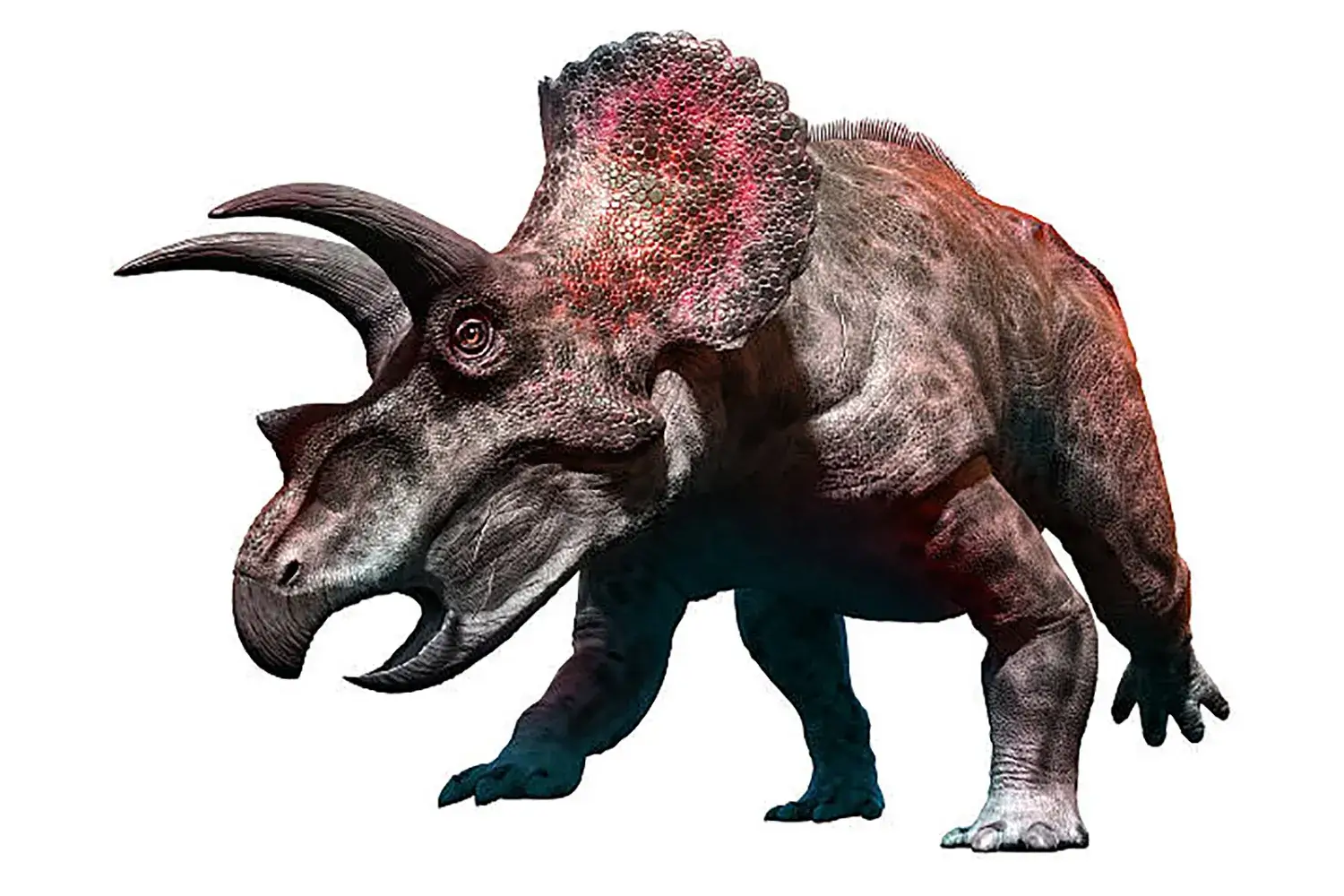
Representative marginocephalian dinosaur ‘Triceratops’
Ceratopsians
Represented by Triceratops, they are characterized by large horns and frills (neck shields).
It is believed that the frills also played a role in protecting the neck from attacks by enemies.
Pachycephalosaurs
Groups such as Pachycephalosaurus possess thick, dome-shaped skulls.
Representative Marginocephalian Dinosaurs
3. Thyreophorans: Defense Specialists with Armor and Spikes
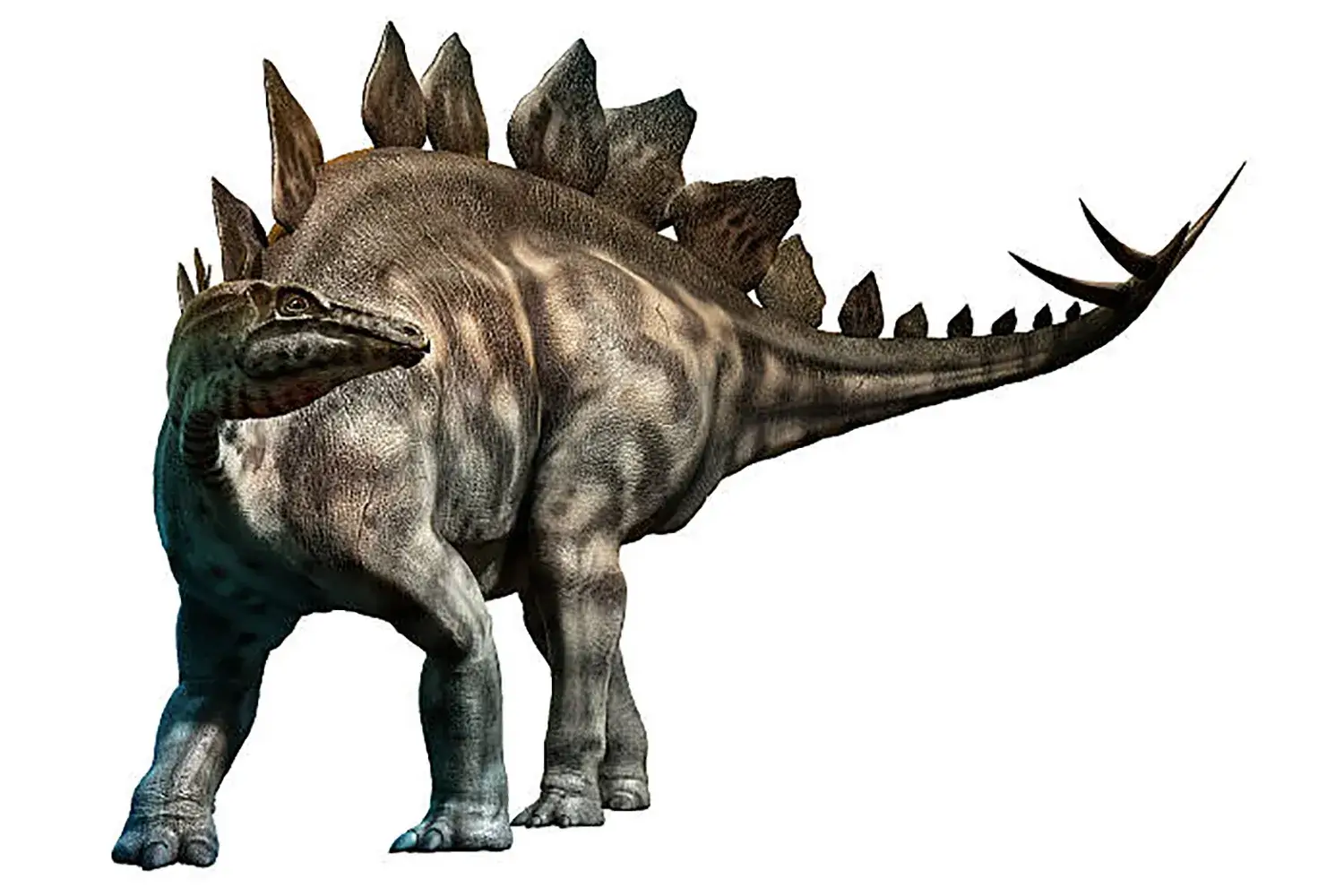
Representative thyreophoran dinosaur ‘Stegosaurus’
Ankylosaurs
Represented by Ankylosaurus, they specialize in defense, possessing features such as a club at the end of the tail.
Stegosaurs
Represented by Stegosaurus, they are characterized by having plate-like bones (plates) on their backs.
It is thought that this armor and plates were used for defense and counter-behavior.
Representative Thyreophoran Dinosaurs
Definition of Dinosaurs and Standards for Scientific Names and Classification
While the word “dinosaur” is often thought to refer to giant ancient reptiles in general, academically it is very strict.
1. Academic Definition and Upright Walking
Academically, dinosaurs are defined as “the most recent common ancestor of birds and Triceratops, and all its descendants.”
Put more simply, dinosaurs can be thought of as “reptiles that walk upright.”
For example, crocodiles walk with their joints bent, but dinosaurs possess the decisive characteristic separating them from other reptiles: they do not bend their joints outward but extend their legs straight down.
2. Creatures Easily Mistaken for Dinosaurs
Creatures that do not fit the definition of upright walking are distinguished as “non-dinosaur reptiles.”
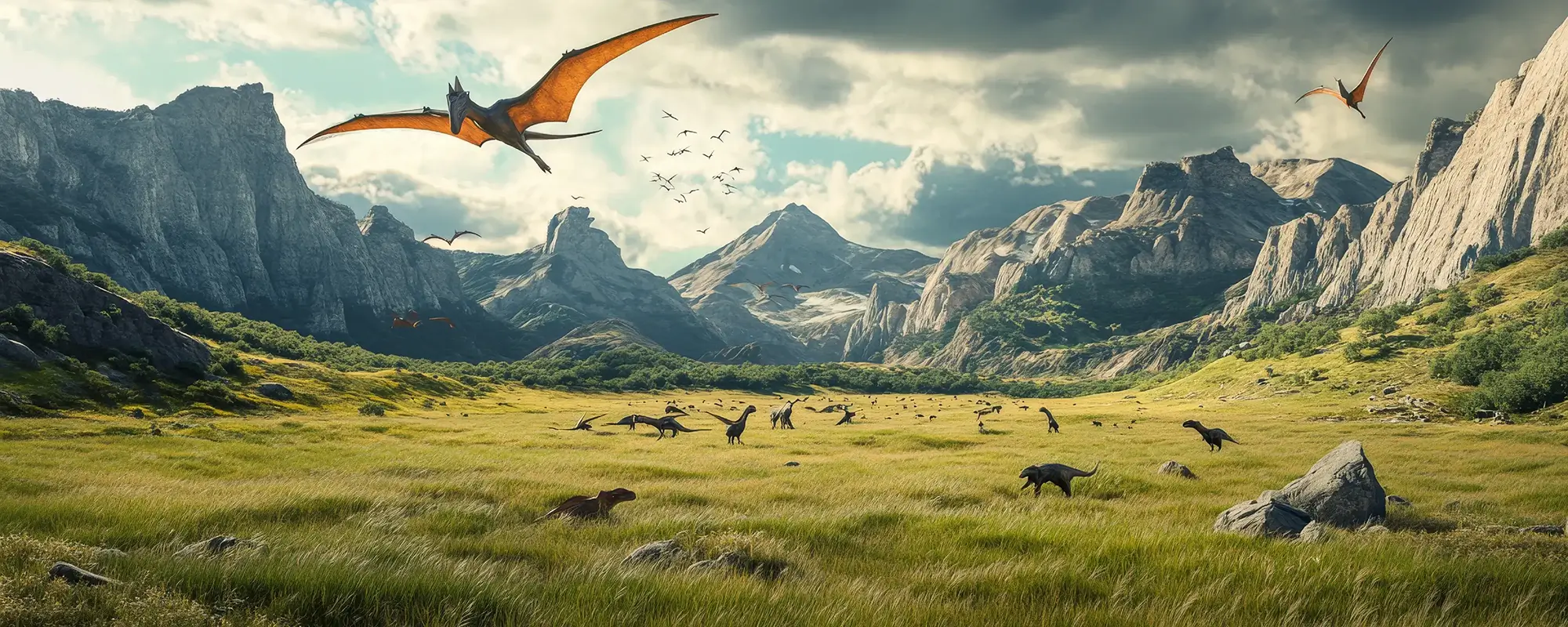
Pterosaurs such as Pteranodon are a sister group to dinosaurs, and marine reptiles such as Mosasaurus and Plesiosaurus are not included in dinosaurs.
3. Secrets and Changes in Dinosaur Names
The “saurus” attached to part of dinosaur names is the Greek word for “lizard (reptile).”
Also, dinosaur research is constantly advancing, and previous common knowledge may be overturned.
For example, if fossils thought to be different species are found to be the same, they may be unified under the name given first, and the other name may be revoked.
Additionally, since dinosaur body lengths are estimated values based on fossils, the figures may change with repeated research.
The Truth That “Birds” Are Dinosaur Survivors
Modern birds are direct descendants of dinosaurs that evolved from small theropods.
Current taxonomy states that “birds are dinosaurs (theropods) themselves,” and they are included in the academic definition.
There are approximately 10,000 species of living birds, widely distributed around the world—more diverse than us mammals (just under 5,000 species).
Seeing the prosperity of these birds, it can be said that the history of dinosaurs is still continuing.









![[Latest Research] What Was the Function of Spinosaurus's Giant "Sail"? Exploring the Mysteries of Thermoregulation and Underwater Locomotion](https://dinosaurmuseum.jp/wp/wp-content/uploads/eyecatch_spinosaurus-sail-function_en-1024x512.webp)
![[Latest Discovery] A Third Type of Skin, Neither Scales Nor Feathers? Meet "Haolong dongi," a New Dinosaur Species Covered Entirely in Spikes](https://dinosaurmuseum.jp/wp/wp-content/uploads/eyecatch_dinosaur-spiky-skin-discovery_en-1024x512.webp)