
Thescelosaurus
Name Origin
Marvelous lizard
Family
Parksosauridae
Classification
Diapsida, Ornithischia
Habitat (Discovery Location)
United States, Canada
Period
Approximately 75 to 65 million years ago (Late Cretaceous)
Length
Approximately 3 to 4 meters
Weight
Approximately 300 kg
Diet
Herbivore (Plant-eater)
You might also like... 

-
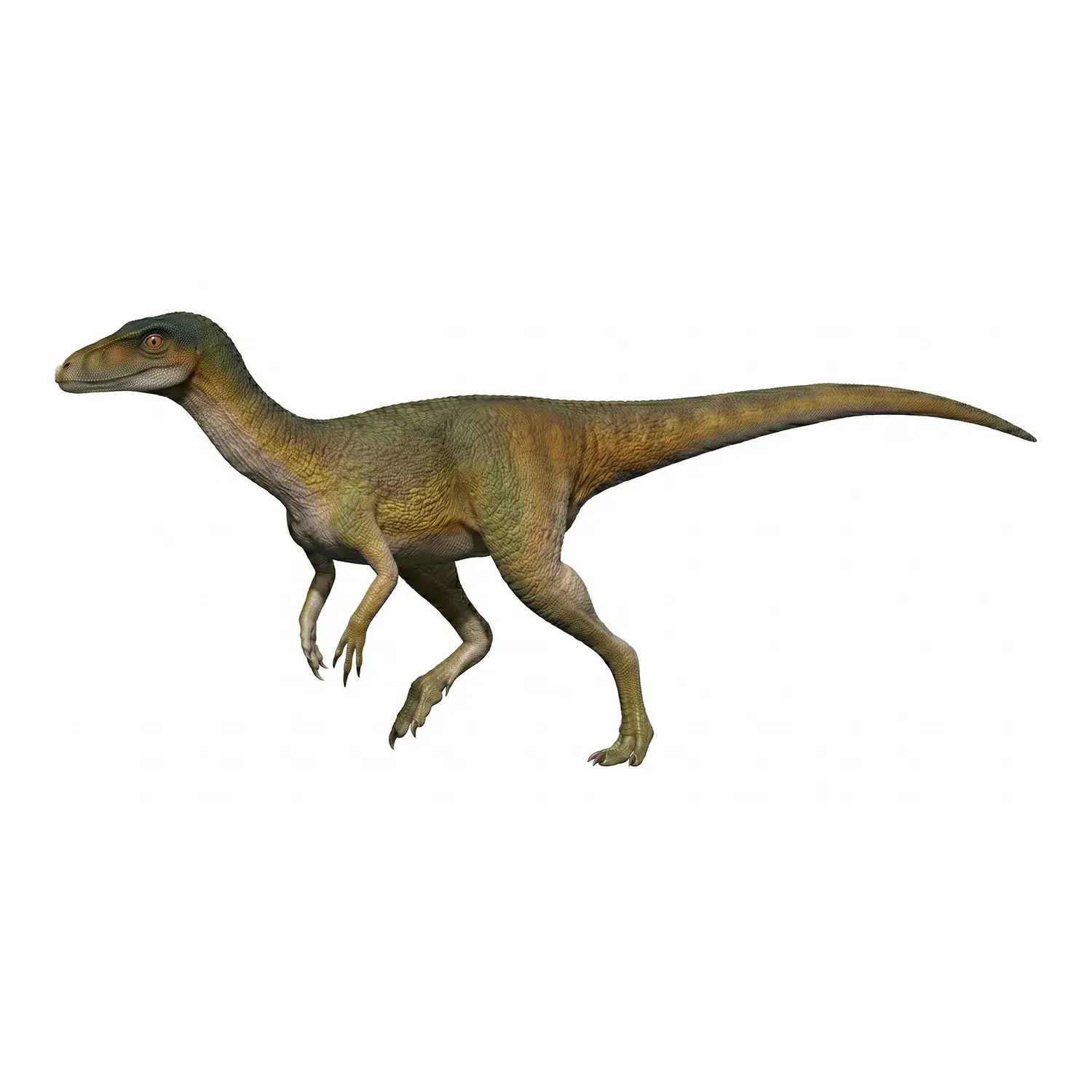
 Aquilops
- Classification
- Marginocephalia
- Characteristics
- Herbivorous
- Era
- Cretaceous period
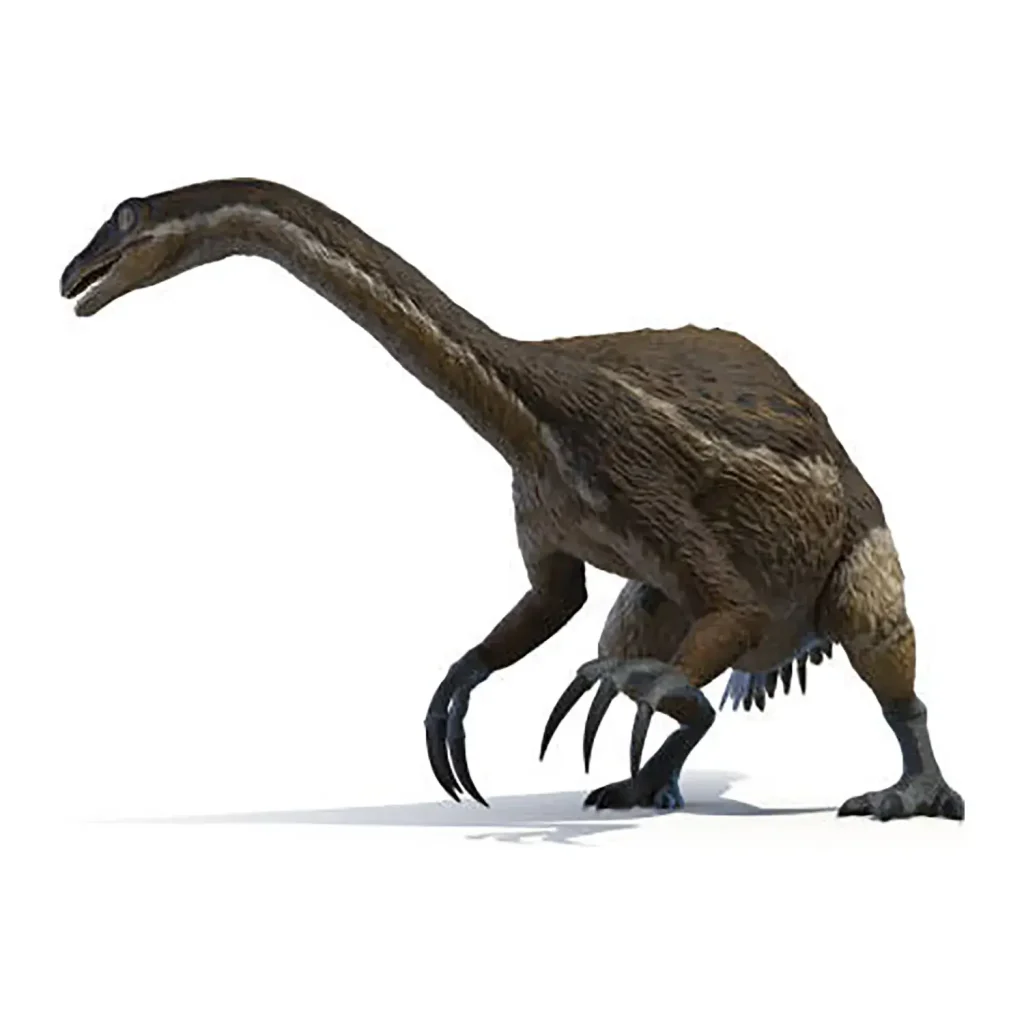
- Therizinosaurus
- Classification
- Theropods
- Characteristics
- Herbivorous
- Era
- Cretaceous period
- Fukuisaurus
- Classification
- Ornithopoda
- Characteristics
- Herbivorous
- Era
- Cretaceous period
- Triceratops
- Classification
- Marginocephalia
- Characteristics
- Herbivorous
- Era
- Cretaceous period
-
Sponsored Links
-
Sponsored Links










![[Latest Research] What Was the Function of Spinosaurus's Giant "Sail"? Exploring the Mysteries of Thermoregulation and Underwater Locomotion](https://dinosaurmuseum.jp/wp/wp-content/uploads/eyecatch_spinosaurus-sail-function_en-1024x512.webp)
![[Latest Discovery] A Third Type of Skin, Neither Scales Nor Feathers? Meet "Haolong dongi," a New Dinosaur Species Covered Entirely in Spikes](https://dinosaurmuseum.jp/wp/wp-content/uploads/eyecatch_dinosaur-spiky-skin-discovery_en-1024x512.webp)


Description
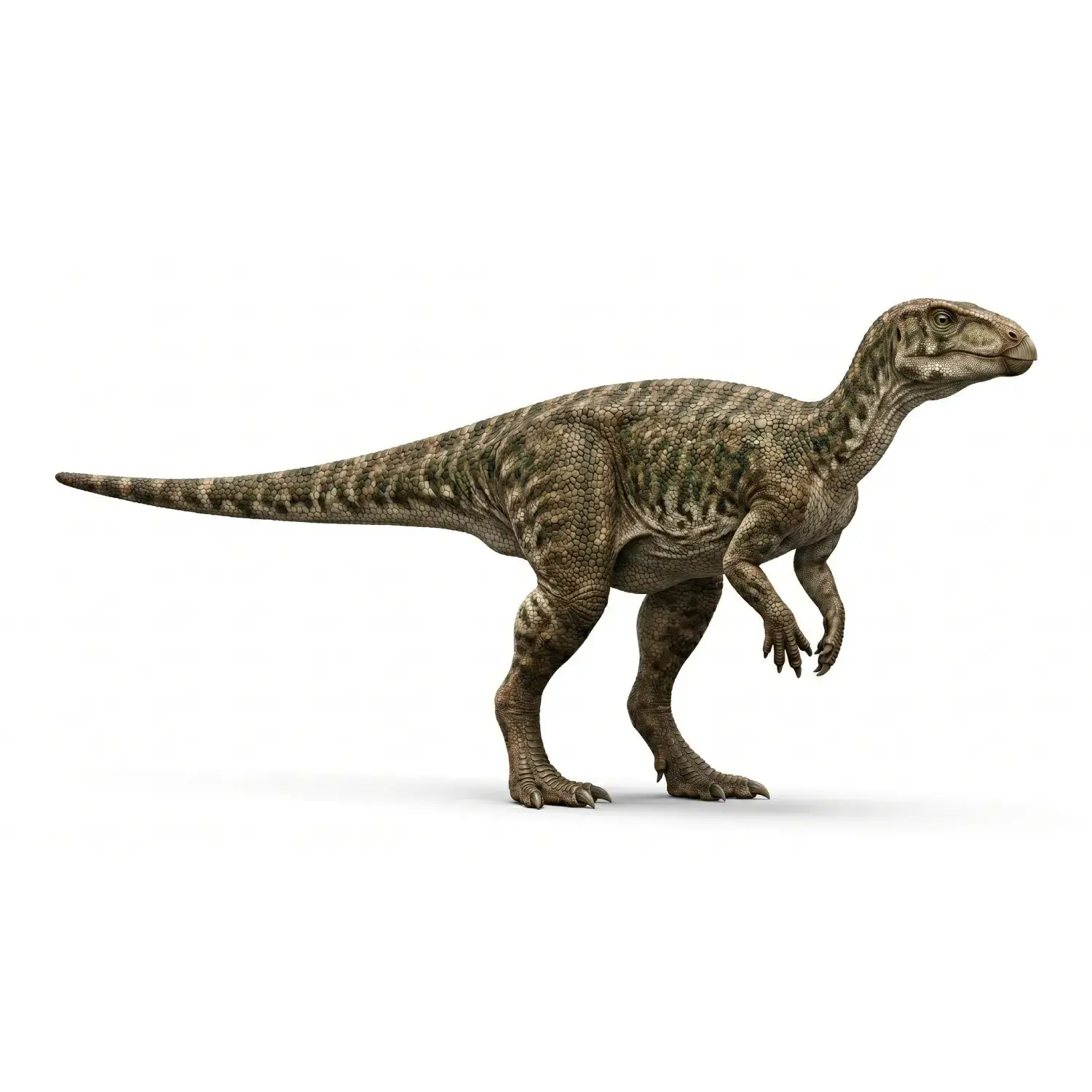
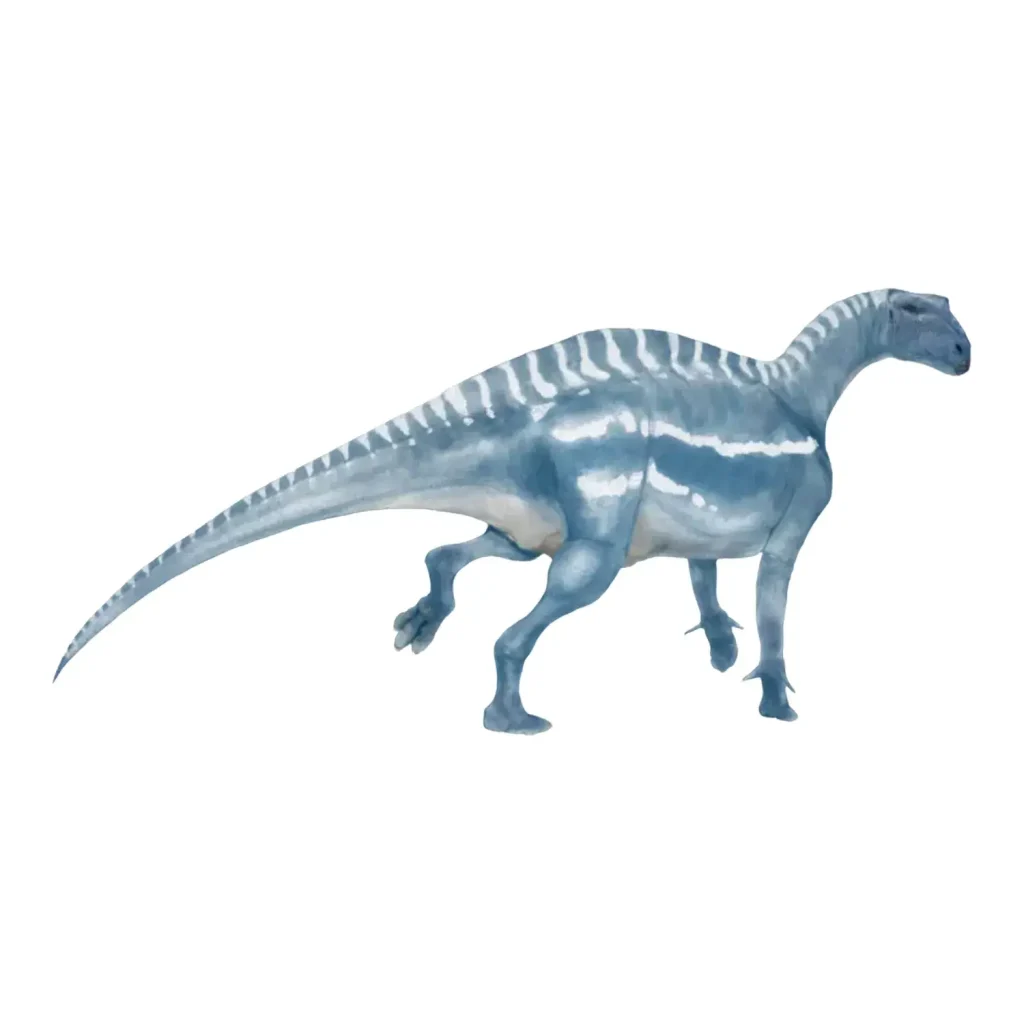
Thescelosaurus was a small herbivorous dinosaur that lived in North America during the Late Cretaceous period.
Living between approximately 75 million and 65 million years ago (during the Maastrichtian age), it coexisted with the likes of Tyrannosaurus and Triceratops before vanishing in the Cretaceous-Paleogene mass extinction.
A “Marvelous Lizard” Slumbering in the Backroom
The genus name Thescelosaurus has the rather unusual meaning of “marvelous lizard” (or wondrous lizard).
This name is tied to its unfortunate research history.
For nearly a century after the first fossils were collected, they sat slumbering in a museum storage room and were not recognized as a unique new species for decades.
The name was later given in honor of the scholars who “marveled” at the fossils when they were finally re-evaluated.
A Heavy Build and Limbs Made for Digging
Compared to its Hypsilophodon relatives (which were 1 to 2 meters or 3.3 to 6.6 feet long), it was nearly twice as large, making it one of the largest in its group.
A Heavy-Set Physique
It had a broad and heavy-set physique.
It was primarily an upright runner that moved on two legs, using its long tail for balance as it ran.
Strong and Thick Limbs
Both its forelimbs and hindlimbs were somewhat short, but they had a thick, robust, and powerful build.
Its anatomy seems to have been better suited for moving powerfully and deliberately rather than running quickly.
Did It Have a Burrowing Habit?
It lived on the ground and primarily fed on low-lying vegetation. However, inspired by studies of its close relative, Oryctodromeus, a theory has been proposed that its thick forelimbs were an “adaptation for digging.”
It is thought that they used these limbs to dig up plant roots for foraging or to excavate burrows to hide in.
Head and Armor
Its skull was small and elongated, with an upper beak that curved downward.
Additionally, bony studs lined its back, which are believed to have protected it from predators.
The “Heart” of Specimen “Willo” That Shook the Academic World
What made Thescelosaurus most famous to the general public was a specimen excavated in 1993, affectionately known as “Willo.”
This fossil drew massive attention because it appeared to preserve something that normally would never fossilize—what seemed to be a “fossilized heart.”
Some experts pointed out that this heart retained an aorta and was divided into a “four-chambered” structure (two atria and two ventricles), just like those of mammals and birds.
This was highly anticipated as a major discovery that would support the following hypotheses:
The Conclusion of the “Fossilized Heart” Debate
However, many experts voiced objections to this discovery, leading to years of intense debate.
When investigated in detail using modern technology like CT scans, data revealed absolutely no tissues that should be present in a biological internal organ.
Today, the prevailing view is that what was called a heart is not a real organ at all, but rather a “nodule” (a stone-like mass of hardened calcium, iron, and minerals) that simply mixed and solidified with gastroliths (stomach stones).
Summary
Despite a long gap where it was essentially an “ignored lizard,” Thescelosaurus suddenly rose to fame thanks to the sensational topic of its “fossilized heart.”
While the authenticity of the heart is now largely rejected, their unique ecology—treading the earth with thick, powerful legs and perhaps digging burrows—serves as a precious piece of the puzzle that conveys the diversity of Late Cretaceous dinosaurs to us today.